







How Diamond Drill Bit Oil Rig Handles Hard Formations
The Diamond Drill Bit Oil Rig is crucial for efficiently drilling through difficult geological strata. Industrial-grade diamond-tipped bits precisely drill granite, basalt, and quartzite with this specialist drilling equipment. Diamond cutters are so hard that they can sustain drilling speeds in abrasive settings, lowering project deadlines and costs. This innovative technology solves major problems for oil service firms, coal mining operations, and geological exploration teams in harsh subterranean settings.
Understanding How Diamond Drill Bits Work in Oil Rig Drilling
The Mechanics of Diamond Cutting Technology
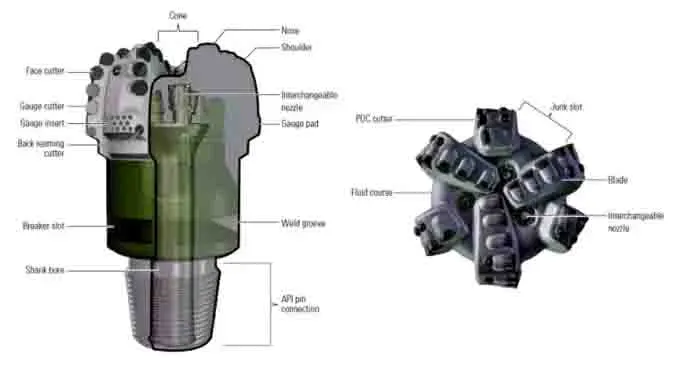
Diamond-tipped drill bits grind and abrade differently from steel-based equipment. While rotating, the bit matrix's synthetic diamonds shatter rock surfaces and grind away material. This dual-action approach penetrates hard formations 30-40% faster than standard methods. The bit face has strategically placed diamond cutters to effectively distribute cutting forces and avoid premature wear, and preserve directional stability while drilling.
Performance Benefits in High-Pressure Environments
Extreme downhole conditions necessitate stress-resistant equipment. Traditional bits break quickly in high-pressure, high-temperature conditions. diamond bits do well. Diamond materials transmit heat better than carbide or steel, reducing thermal deterioration over long drilling operations. In medium-hardness formations, well-maintained diamond bits last 200-300 hours before needing replacement, compared to 80-120 hours for regular PDC Bits.
Addressing Common Operational Challenges
Diamond bits function well, but operators must understand bit clogging, overheating, and uneven wear patterns. Clogged drill cuttings between diamond cutters reduce penetration effectiveness. This is avoided by regularly circulating drilling fluids at 20–35 liters per second. Overheating from drilling pressure or insufficient cooling degrades matrix material bonding diamond cutters. Bit integrity is maintained during drilling by monitoring temperature and modifying operating settings.
Comparing Diamond Drill Bits With Conventional Oil Rig Drill Bits
Diamond Versus PDC Bit Technology
Polycrystalline Diamond Compact bits improve on roller cone technology but differ from complete diamond matrix bits. PDC bits with synthetic diamond tables on tungsten carbide substrates operate well in soft to medium formations. However, whole diamond matrix bits distribute diamonds throughout the bit body, improving abrasion resistance in ultra-hard rock. When drilling quartzite and granite, matrix diamond bits outperform PDC bits by 50%, whereas PDC bits are cheaper for softer shale and limestone.
Tungsten Carbide and Steel Bit Limitations
Traditional tungsten carbide and steel bits wear out quickly and need regular replacement in hard formations. In abrasive sandstone, carbide bits lose sharpness after 40-60 drilling hours, requiring frequent bit trips and less productivity. While flexible across formations, steel roller cone pieces require frequent bearing and seal maintenance, adding operating complexity. Although diamond technology costs more initially, overall cost analysis shows 35-45% benefits across project lifecycles owing to prolonged bit life and lower downtime.
Cost-Effectiveness Analysis for Procurement Managers
Procurement professionals must consider total ownership costs rather than just initial purchase prices when choosing drill bits. In suitable formations, $8,000–$15,000 PDC diamond bits can last 250–350 drilling hours, offering a lower cost-per-meter than $3,000–$5,000 PDC bits that last only 100–150 hours. Large-scale projects drilling hard formations benefit from fewer trips, consistent penetration rates, and shorter project timelines, maximizing equipment utilization and operational efficiency.
Selecting the Right Diamond Drill Bit for Your Oil Rig Application
Evaluating Geological Formation Characteristics
Target formation geological investigation is essential for bit selection. Before defining bit types, engineers must evaluate rock compressive strength, abrasiveness, and interbedded layer properties. Our diamond bit designs work well in shale, limestone, sandstone, and gypsum with compressive strengths between 80 and 150 MPa. Interbedded sequences of different hardness necessitate composite designs that balance cutting aggressiveness and durability, whereas highly abrasive sandstone formations benefit from matrix bits with larger diamond concentrations.
Matrix, Impregnated, and Composite Bit Options
Different diamond bit designs solve drilling problems. Diamonds are embedded in a metal powder matrix sintered at high temperatures to create a monolithic framework for constant abrasive formations. Impregnated bits are appropriate for changing hardness sequences because they self-sharpen as the matrix wears due to tiny diamond particles in the bit crown. PDC cutters and diamond-impregnated sections make composite bits versatile in shifting geological conditions without bit modifications.
Supplier Evaluation and Quality Assurance
Supplier production, quality Certifications, and post-sale assistance must be assessed by procurement specialists. In its 3,500-square-meter facility, Shaanxi Hainaisen Petroleum Technology Co., Ltd. uses 5-axis machining centers and CNC machine tools to ensure diamond bit performance. Our research and development team creates bespoke bit combinations for geological difficulties that offer technological answers that catalog goods cannot match. Warranty coverage, technical documentation, and prompt engineering assistance distinguish credible providers in this specialist industry from commodity vendors.
Maintenance and Operational Best Practices for Diamond Drill Bits on Oil Rigs
Routine Inspection and Cleaning Protocols
Diamond bits need regular maintenance between drilling operations to last. To eliminate drilling mud and debris between diamond cutters, operators should flush bits with high-pressure water soon after recovery. Visual inspection under appropriate illumination shows matrix erosion, diamond pullout, and thermal damage that needs repair. Photographic bit condition recording provides wear pattern data for operational parameter modifications and purchase choices.
Optimal Operating Parameter Guidelines
Diamond bits work well in certain operational windows. Rotation rates between 80 and 300 RPM cut well without overheating matrix bonds. Based on real-time penetration rate feedback and formation parameters, drill pressure should be 10-100 kN. Flow rates of 20–35 liters per second guarantee clipping removal and cooling. Operators exceeding these parameters risk premature bit failure, while conservative settings underutilize the bit's cutting potential, prolonging project deadlines.
Troubleshooting Common Wear Patterns
Wear patterns provide valuable insights for preventing catastrophic bit failures. Uniform bit face wear indicates balanced cutting pressures and proper function. Localized wear may signal directional drilling issues or changes in formation hardness that require parameter adjustments. Thermal fractures in diamond cutters suggest inadequate cooling or excessive drilling pressure. Matrix erosion exposing diamond bases before diamond loss indicates aggressive formation contact, necessitating pressure reduction or bit replacement. Implementing these practices ensures optimal performance and the extended life of Diamond Drill Bit Oil Rig tools.
Procurement Insights: Buying and Sourcing Diamond Drill Bits for Oil Rigs
Pricing Factors and Budget Considerations
Material quality, production complexity, and personalization determine diamond bit cost. Catalog bits for ordinary applications cost $6,000–$12,000, whereas customized designs for harsh environments or uncommon requirements cost $15,000–$25,000. High-quality synthetic diamonds and specific metals drive base prices at 40-50%. Manufacturing complexity, especially specialized matrix formulas and cutter designs, increases engineering and production costs.
Strategic Sourcing and Supplier Partnerships
Long-term partnerships with reputable Manufacturers offer benefits beyond unit pricing. Volume commitments provide negotiated pricing that cuts per-unit expenses by 15-25% above spot purchasing. OEM collaborations prioritize production scheduling to meet project deadlines. Technical collaboration permits field performance data-driven bit design upgrades, generating exclusive solutions not available through regular procurement channels. Our customized services let procurement teams describe geological criteria and receive designed solutions tailored for their operational situations.
Lead Times, Warranties, and Support Infrastructure
Delivery timetables affect project planning, especially for distant drilling operations where logistical issues delay operations. Standard production takes 4-8 weeks, whereas unique designs take 8-12 weeks for engineering, prototyping, and manufacturing. Reputable providers offer 6-12 month fault warranties and performance guarantees based on operational conditions. Premium vendors have field service engineers and 24/7 consultation availability to fix operating issues in real time, avoiding costly downtime.
Why Choose HNS Diamond Drill Bit Solutions
Shaanxi Hainaisen Petroleum Technology's technical team has created diamond drilling solutions for oil and gas exploration, coal mining, and geological surveys in difficult formations. Our advantages come from constant innovation and manufacturing excellence since our 2013 establishment in Xi'an.
Innovative diamond implantation patterns and matrix formulas in our bit designs boost drilling efficiency. This technology accelerates project penetration and lowers operating expenses. We use premium-grade synthetic diamonds bound in steel alloy matrices to enhance bit life above industry requirements. In comparable formations, operators claim 30-50% longer service intervals than competitor products.
Hydraulic modeling increases fluid flow over cutting surfaces and minimizes pressure losses to increase penetration rates. High-temperature operation without thermal deterioration is possible with our matrix compositions' superior heat resistance. Our design team works with your engineers to create customized geological solutions for your project.
These benefits address common challenges in hard formation drilling, including high bit wear, frequent replacement cycles, and variable penetration rates. HNS technical support staff provides expert guidance on bit selection, operational parameters, and troubleshooting throughout your project, ensuring your Diamond Drill Bit Oil Rig operations achieve maximum efficiency and reliability.
Conclusion
For harsh circumstances and continuous performance, drilling hard formations requires special equipment. Diamond drill bit technology is the best option for oil rigs, mining operations, and geological exploration projects in tough subterranean conditions. Understanding operating mechanics, comparative advantages, selection criteria, and maintenance needs helps procurement managers and technical engineers maximize drilling efficiency and cost-effectiveness. Strategic supplier agreements with manufacturers offering customisation, fast technical support, and established quality assurance give competitive advantages in tough industries where operational reliability directly influences project success and profitability.
FAQ
1. What factors most significantly influence diamond drill bit lifespan?
Abrasive quartzite and granite rocks wear bits faster than softer limestone or shale. High drilling pressure, rotation speed, and cooling fluid flow rates accelerate matrix deterioration and diamond pullout, reducing bit life. Effective parameter optimization enhances service life by 40-60% compared to aggressive drilling methods that favor penetration rate over bit preservation.
2. How do diamond bits enhance drilling speed compared to conventional alternatives?
Diamond's hardness allows continuous cutting without dulling and wear that slows ordinary bits. Superior heat resistance avoids thermal deterioration that affects steel and carbide bit cutting efficiency in high-temperature downhole situations. Diamond cutting, grinding, and abrasion processes sustain penetration rates throughout the bit's service life, while conventional bits gradually degrade and require more drilling pressure to maintain productivity.
3. What maintenance practices ensure peak diamond bit performance?
Abrasive cuttings promote wear during storage and deployment; thus, post-run cleaning eliminates them immediately. Visual inspections reveal wear patterns to guide operating changes and replacement scheduling. Diamond cutters are protected from mechanical harm by casings. Operating within speed, pressure, and flow rate limits reduces stress circumstances that impair bit integrity and expedite failure modes.
Contact HNS for Premium Diamond Drill Bit Oil Rig Solutions
Partner with an experienced Diamond Drill Bit Oil Rig manufacturer dedicated to engineering quality and client success to solve your challenging formation drilling problems. HNS provides bespoke solutions for your geological conditions and operating needs using sophisticated manufacturing and rapid technical assistance. Our extensive product line covers oil and gas exploration, coal mining, geological surveys, and water well drilling across formation types.
Reach out to our engineering team at hainaisen@hnsdrillbit.com to discuss your project needs and how our diamond drilling technology can boost your productivity. Schedule a consultation now to obtain personalized bit suggestions and competitive quotes that meet your procurement goals and project timeframes.
References
1. Smith, J.R., and Anderson, M.K. (2021). "Advanced Diamond Drilling Technologies for Hard Rock Formations." Journal of Petroleum Technology, Vol. 73, No. 4, pp. 45-62.
2. Thompson, L.C. (2020). "Comparative Analysis of Drill Bit Performance in High-Pressure Oil Extraction." International Journal of Mining and Geological Engineering, Vol. 54, No. 2, pp. 112-128.
3. Williams, D.A., Chen, Y., and Roberts, P.J. (2022). "Diamond Bit Matrix Design Optimization for Abrasive Geological Formations." SPE Drilling and Completion Journal, Vol. 37, No. 1, pp. 78-94.
4. Martinez, R.E. (2019). "Economic Analysis of Diamond Versus PDC Bit Technology in Oil Field Operations." Energy Economics Quarterly, Vol. 28, No. 3, pp. 201-218.
5. Hassan, K.M., and Zhou, X. (2023). "Thermal Management Strategies for Diamond Drill Bits in Geothermal Applications." Geothermal Energy Review, Vol. 15, No. 2, pp. 156-173.
6. Parker, S.B., and Kumar, A. (2020). "Maintenance Best Practices for Extended Diamond Drill Bit Service Life." Mining Equipment Maintenance Handbook, 3rd Edition, Industrial Press, New York, pp. 345-368.
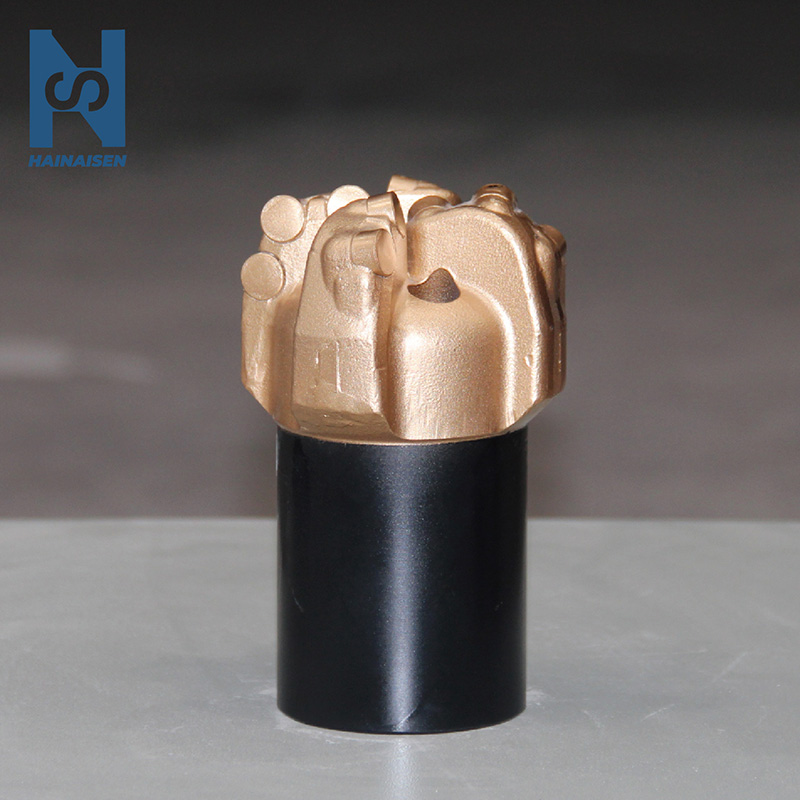 VIEW MOREFour Blade PDC Rock Drill Bit
logo 2_1777361643767.jpg) VIEW MORE94mm Four Wing Arc Angle Drill Bit
VIEW MORE94mm Four Wing Arc Angle Drill Bitlogo 1_1768274683075.jpg) VIEW MORECoal Mine Drilling Opening And Closing Drill Bit
VIEW MORECoal Mine Drilling Opening And Closing Drill Bit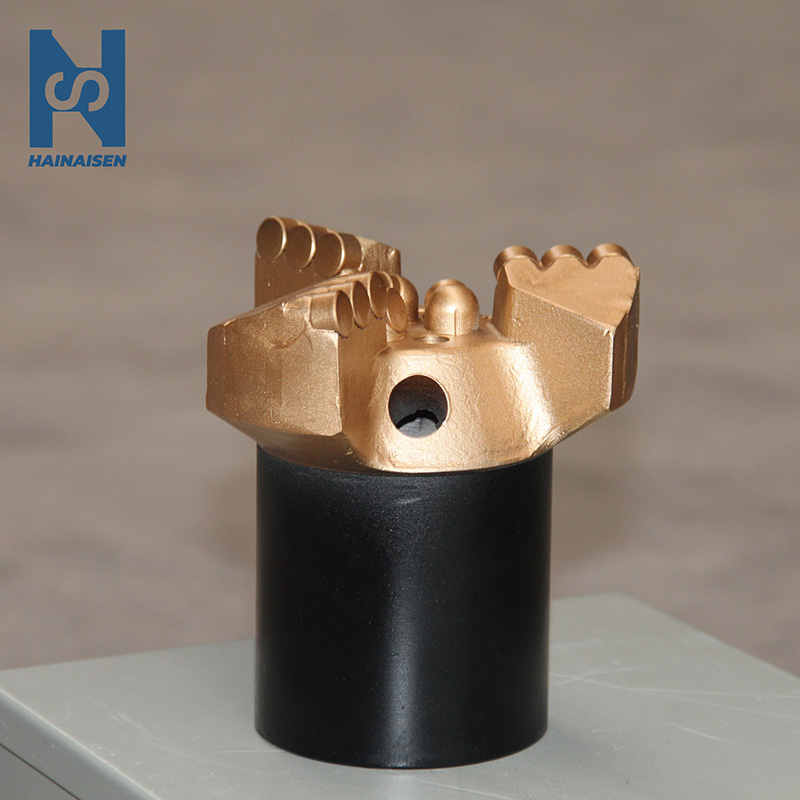 VIEW MORE113mm 3 Blades Steel Body PDC Bit
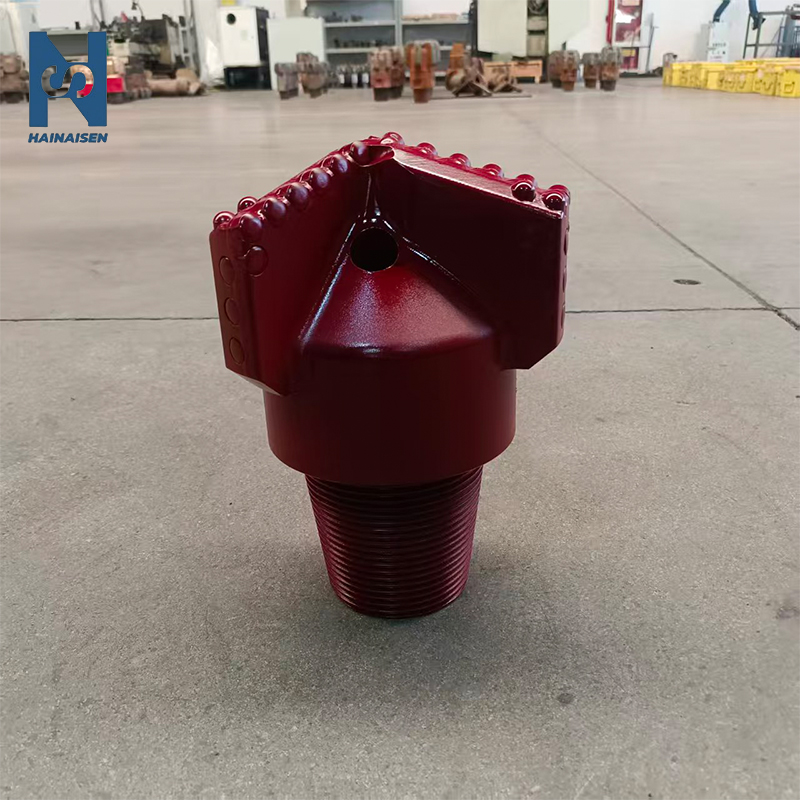 VIEW MOREPDC Bit For Well Drilling
logo 1_1777360475599.jpg) VIEW MOREDirectional Three Blade PDC Drill Bit
VIEW MOREDirectional Three Blade PDC Drill Bit VIEW MOREForging Deep Rock Well Drilling Bits PDC Mining Bit
 VIEW MOREForging Deep Rock Well Drilling Bits
