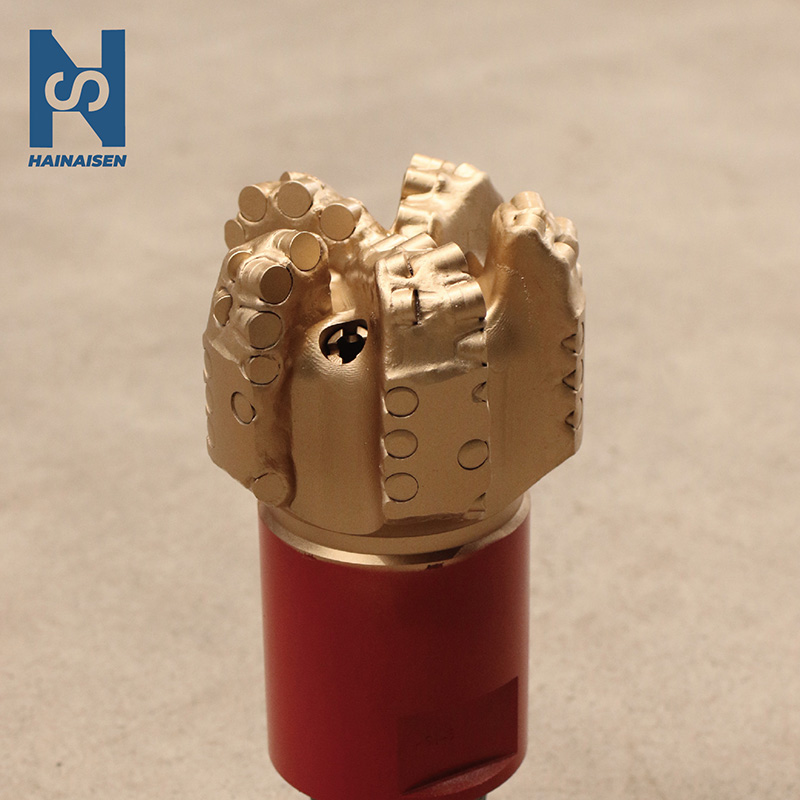
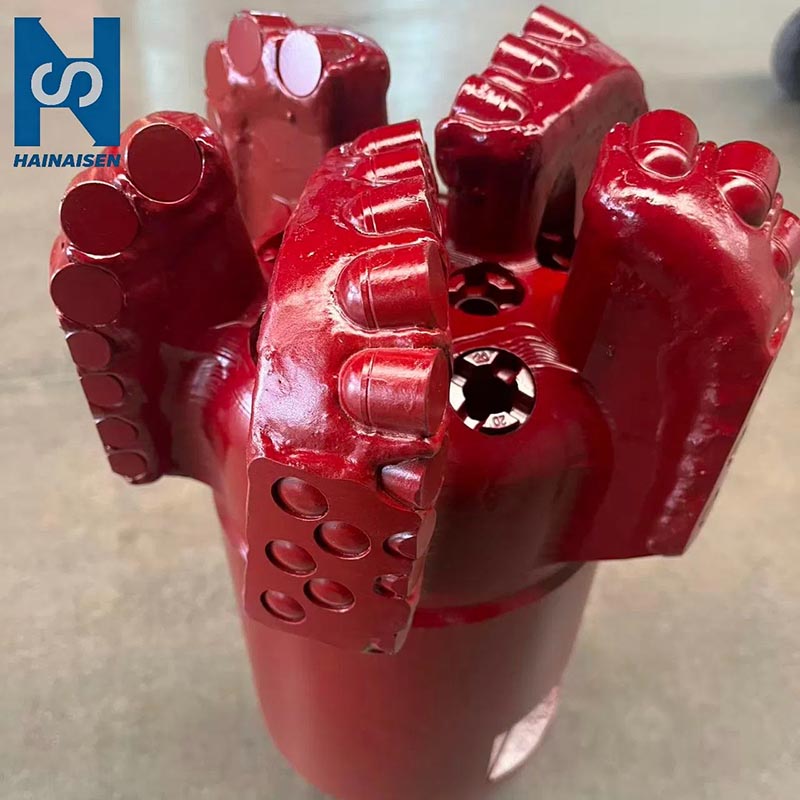
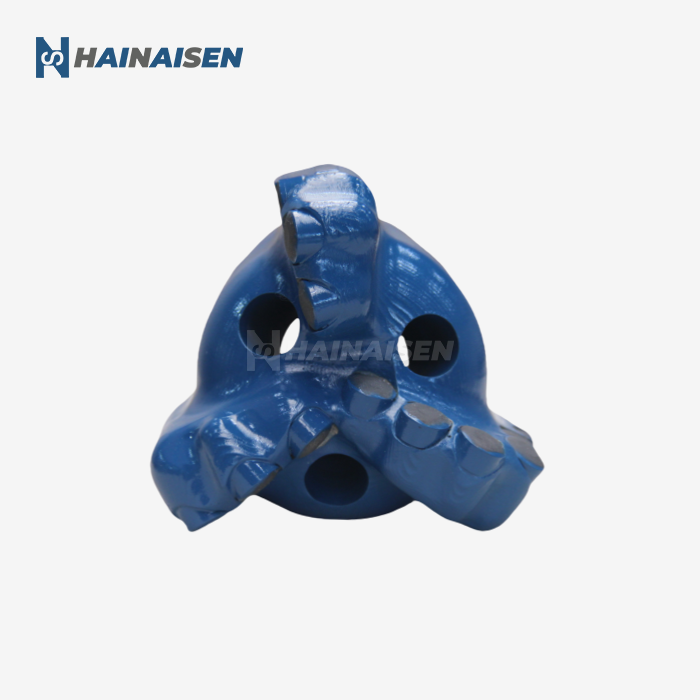
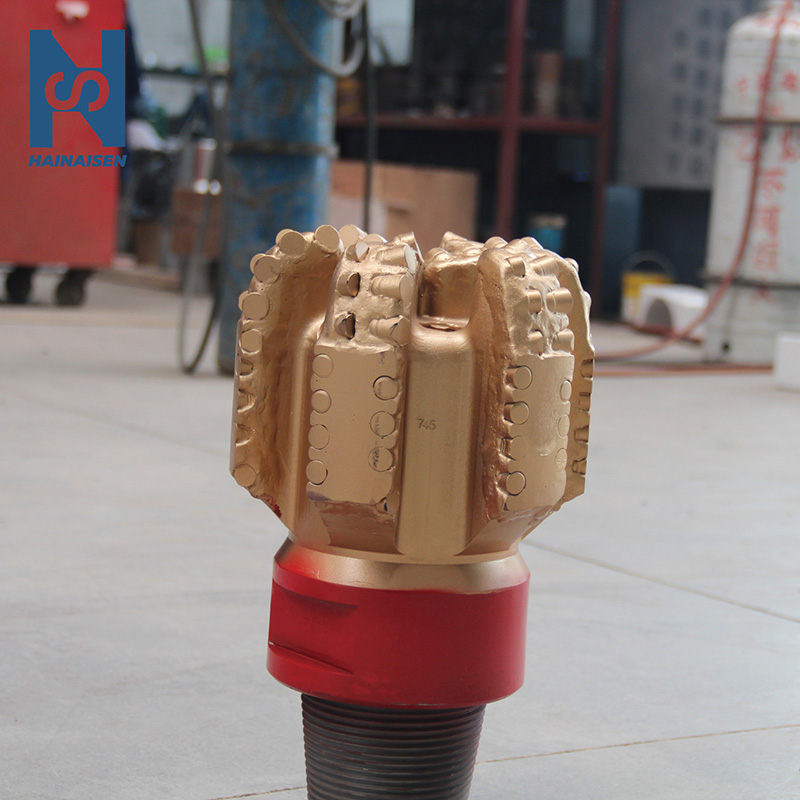
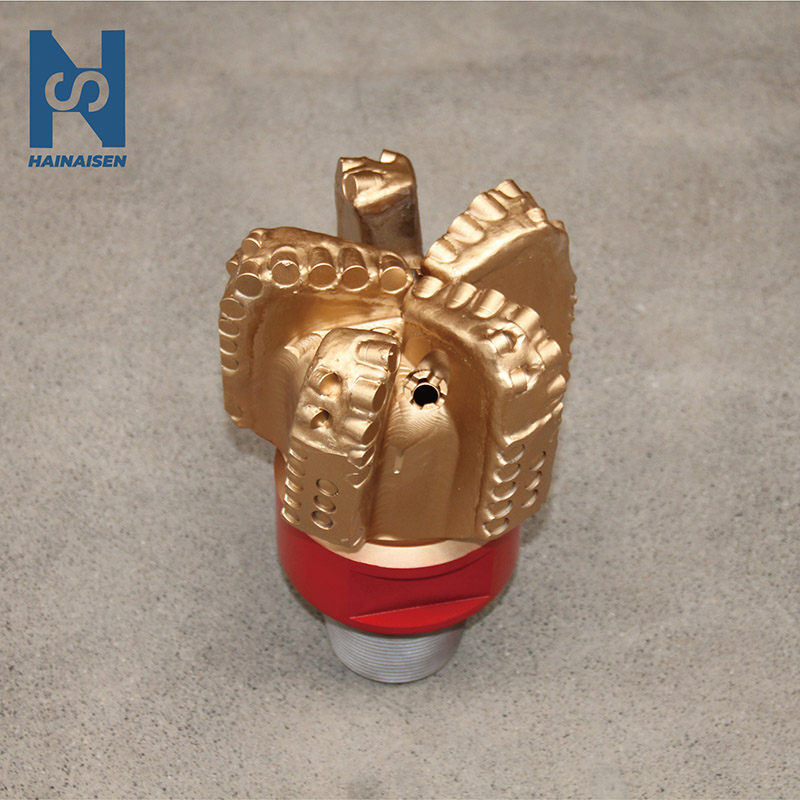
5 Blades PDC Oil Bit for Southeast Asia Water Well Projects
The right drill bit is crucial for Southeast Asian water well drilling crews working in difficult geological formations. The 5 Blades PDC Oil Bit is a proven solution for medium-hardness strata, including shale, limestone, sandstone, and gypsum in the region. Optimised blade geometry and cutter placement with this polycrystalline diamond compact technology maximise rock shearing, penetration, and operational life. Understanding how this bit configuration combines performance and cost-effectiveness helps water well procurement managers and technical engineers make better sourcing selections and enhance drilling efficiency.
Understanding 5 Blades PDC Oil Bit Technology
PDC drill bits' fixed-blade design with synthetic diamond cutters that shear rather than crush rock formations is their main benefit. Continuous scraping reduces vibration and improves directional control during drilling.
Core Components and Design Features
Our 5 Blades PDC Oil Bit, namely the high-performance forced oil-mist pdc drill bit, has multiple precision-engineered parts that function together. A high-quality steel body can sustain drilling pressures of 30 to 180 kilonewtons at the foundation. This sturdy frame holds five strategically placed blades with sophisticated PDC cutters coupled to a wear-resistant tungsten carbide matrix. The five-blade design distributes cutting forces more uniformly over the bit face than three or four-blade designs, decreasing stress concentration spots that cause early failure.
Working Mechanism and Blade Synergy
Blade geometry determines drilling efficiency. Each blade's length and profile are optimized to enhance formation contact and trash slot area for cuttings evacuation. Our design uses spiral and radial cutter designs for bit stability and aggressive cutting. The PDC cutters constantly shred rock material while the bit spins at 60 to 250 RPM, and enhanced hydraulics allow 45 to 80 liters per second waste disposal. Superior penetration rates and lower equipment downtime result from blade alignment, cutter location, and hydraulic systems working together.
Enhanced Durability for Water Well Applications
Southeast Asian water well projects confront compressive and abrasive deposits. Load distribution and backup cutter placement increase with the five-blade design. Backup cutters strategically placed behind primary cutting elements allow drilling even when primary cutters wear out. This redundancy enhances bit life, which is especially useful for water well drilling teams on limited budgets because every meter drilled affects project profitability. Tungsten carbide matrix reinforcement defends against impact damage from unexpected hard stringers in softer formations.
Performance Comparison and Application Insights
Understand how drill bit combinations operate under certain geological circumstances to choose the correct one. Five-blade designs are a strategic compromise between aggressive three-blade bits and cautious six-blade bits.
Benchmarking Against Alternative Configurations
Three-blade bits penetrate uniform soft formations faster but lose stability and consistency in interbedded layers. Our five-blade design improves directional control and reduces lateral vibration while maintaining drilling speed. Field data from Indonesia and Vietnam water well projects show that our bits last 20-30% longer than three-blade alternatives in mixed shale and limestone rocks. More blades uniformly distribute wear, reducing fast deterioration patterns seen with fewer blades under changing forming circumstances.
Formation-Specific Application Examples
Southeast Asia's complex geology requires adaptable drilling equipment. Our 5 Blades PDC Oil Bit penetrates soft to medium shale deposits in Thailand's central plains at 8–15 meters per hour, depending on drilling parameters and formation compressive strength. In sections of Myanmar, where sandstone strata include periodic gypsum deposits, the bit's enhanced hydraulics remove sticky cuttings to prevent bit balling and improve drilling efficiency. Limestone deposits in the Philippines are somewhat hard and occasionally fracture, but the bit's stability minimizes deviation and maintains vertical precision while drilling.
Maintenance Best Practices and ROI Considerations
Proper bit maintenance increases service life and maximizes return on investment for small to medium-sized water well drilling teams with restricted equipment budgets, especially for high-precision forced oil-mist pdc drill bit. After each run, PDC cutters are inspected for wear patterns, allowing operators to change drilling settings before damage occurs. Torque and weight-on-bit data indicate bit state and formation changes in real time. Run data should include meters drilled, formation types, and operational parameters. This data provides a performance baseline for procurement professionals to buy replacement bits and precise cost-per-meter estimates to show the economic benefits of quality tooling expenditures.
Procurement Considerations for 5 Blades PDC Oil Bits
Technical standards are important, but procurement must consider many aspects that impact project cost and dependability.
Evaluating Project-Specific Parameters
No other feature should influence bit selection more than formation characteristics. The five-blade PDC technique is suited for water well projects exceeding 200 meters in rocks with compressive values between 50 and 150 megapascals. Procurement managers and technical engineers should study offset well data, geological surveys, and formation samples where available. This collaborative method guarantees the chosen bit fits downhole circumstances, not theoretical assumptions. Budget limits typically affect purchasing decisions, but focusing on initial purchase price often misses the entire cost of ownership. Although more expensive, a higher-quality bit that drills 30% more meters before needing replacement is a better value.
Pricing Models and Supply Chain Reliability
Suppliers and consumers benefit from transparent pricing structures because they set expectations early on. Our prices incorporate material costs, production complexity, and customisation when appropriate. Standard five-blade bits for water wells ship in two to three weeks, while custom-engineered solutions take four to six weeks, depending on design. Buyers are protected by our extensive warranty on material and workmanship faults. Southeast Asian projects need supply chain stability due to their geographic dispersal and infrastructural differences. We stock critical inventory and collaborate with logistical partners to deliver to remote drilling locations quickly.
Assessing Supplier Credibility and Quality Assurance
Working with reliable Manufacturers reduces procurement risks and assures product quality across orders. Shaanxi Hainaisen Petroleum Technology Co., Ltd. has five-axis machining centers, CNC machine tools, and automated welding production lines in its 3,500-square-meter factory. This contemporary infrastructure allows precise production tolerances that affect bit performance and lifespan. When conventional products don't fulfill project needs, our research and development team works with clients to produce unique bit combinations for specific formation properties. The quality assurance process includes rigorous raw material testing, in-process inspection, and performance validation before delivery. Visiting production facilities, verifying quality certificates, and talking to customers gives procurement professionals trust in suppliers.
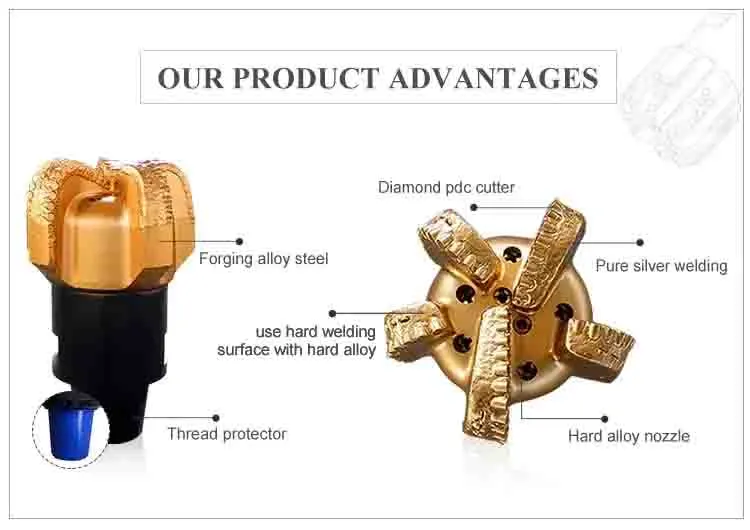
Optimizing Drilling Efficiency with 5-Blade PDC Oil Bits
Operators maximize equipment value by understanding the performance-driven technical aspects of oil and gas drill bit operation.
Critical Design Features Impacting Performance
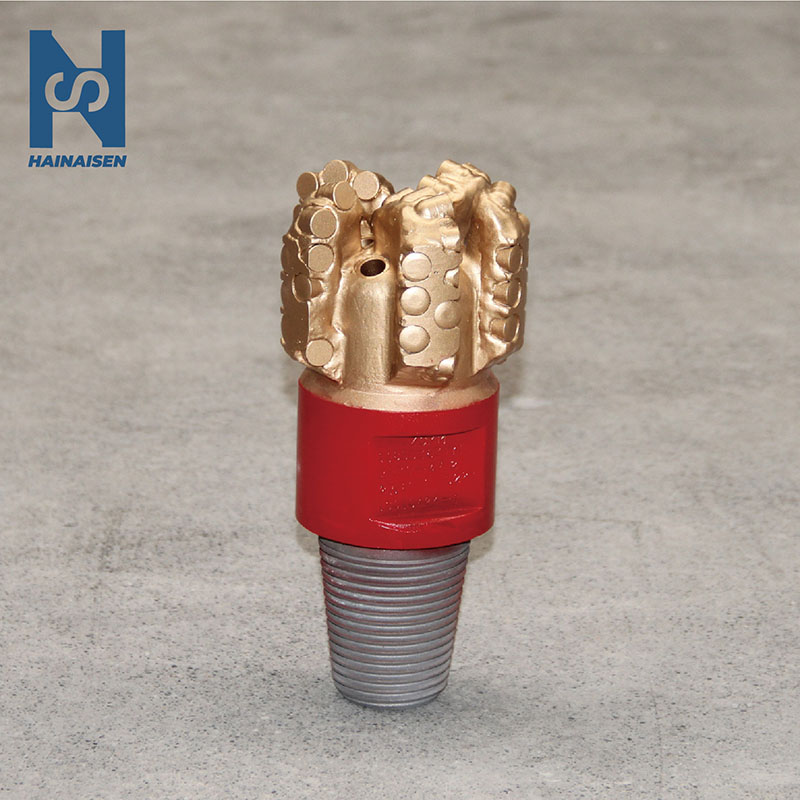
Drilling efficiency depends on blade geometry. Our five-blade design balances cutting surface area and hydraulic flow pathways with appropriate blade spacing. Proven layouts include aggressive cutting elements near the bit center when rotating velocities are lowest and wear-resistant cutters on the outside gauge to preserve hole diameter. How well cutters engage rock faces depends on blade angle (rake angle). Our engineers tune this parameter based on target formation characteristics, using more aggressive angles for softer formations and cautious angles for harder, more abrasive strata. Hydraulic systems in the bit body cool cutters and provide upward fluid velocity to convey cuttings to the surface before they may re-grind and lower penetration rates.
Field Operation Best Practices
Operating settings must match formation features, and performance indicators must be monitored to optimize forced oil-mist pdc drill bit performance. When approaching new formations, start with cautious weight-on-bit settings and progressively increase drilling pressure while monitoring torque response and penetration rate. Rapid torque spikes may indicate bit balling or cutter damage, necessitating parameter correction or bit retrieval for examination. Rotary speed should be 60 to 250 rotations per minute, with lower rates for harder formations and greater speeds for softer strata. Cutting removal and cutter cooling are achieved without hydraulic horsepower losses that waste energy and degrade system efficiency by maintaining flow rates between 45 and 80 liters per second.
Performance Measurement and Key Indicators
Quantifying drilling efficiency helps technical teams calculate return on investment and make equipment and operational decisions. Meters per hour penetration rate is the most direct performance measurement; it must be adjusted for formation hardness for meaningful comparisons. True drilling economics include bit cost, operating time, and related expenditures per meter drilled. Tracking these parameters across wells and bit runs shows performance patterns and improvement possibilities. After upgrading to our five-blade design, several Vietnamese water well projects reported 25% cost savings per meter owing to longer bit life and fewer trips to accomplish targeted drilling depths.
Future Trends and Innovations in 5 Blades PDC Oil Bit Technology
New drilling technology promises improved performance and operational intelligence.
Emerging Material and Coating Advances
Next-generation synthetic diamond formulations increase heat stability and wear resistance, making them useful for drilling abrasive formations that quickly deteriorate PDC cutters. Specialized coatings on cutter surfaces minimize diamond-rock friction, reducing heat and increasing cutter life. Due to their consistent field performance, we actively monitor material science breakthroughs and implement proven improvements into our manufacturing processes. Refined particle sizes and adjusted binder compositions increase tungsten carbide matrix impact resistance, minimizing the danger of catastrophic failure when bits strike hard stringers or fallen items in the borehole.
Smart Technology Integration
Sensor-equipped drill bits integrate measuring devices directly into the cutting structure to offer real-time downhole data. As drilling continues, these smart bits can detect temperature, vibration, torque, and formation parameters. This technique is now used in high-value oil and gas operations, but falling costs will lead to water well uptake as the economic rationale develops. Data analytics platforms that interpret sensor data and deliver predictive maintenance alerts will assist operators in automatically optimizing drilling parameters and detecting equipment breakdowns, decreasing non-productive time, and increasing project economics.
Southeast Asian Market Dynamics
Southeast Asia's water constraint drives groundwater infrastructure investment, generating a need for effective drilling options. Indonesia, Thailand, and Vietnam government programmes boost rural water access, creating drilling contractor and equipment procurement possibilities. This growing sector raises quality demands as project owners want reliable technology that reduces lifetime costs. After global disruptions, customers choose providers with localized inventory and service skills. To guarantee customers receive timely project support, we've strengthened logistical alliances and expanded technical support.
Strategic Recommendations for Procurement
Future-proofing drilling operations requires evaluating suppliers based on innovation capabilities and customer support infrastructure, not simply product specs. Developing ties with firms that spend in research and development gives access to developing technology as they become economically viable. Custom design lets procurement teams seek customized improvements to meet project needs instead of accepting standardized solutions that may not work well. As Southeast Asian environmental rules tighten, efficient drilling technologies that decrease waste, energy use, and environmental impact are favored. Advanced PDC bit designs help enterprises accomplish operational goals and changing regulations.
Conclusion
The 5 Blades PDC Oil Bit combines established polycrystalline diamond technology with enhanced blade geometry and hydraulic design to benefit Southeast Asian water well drilling operations. Procurement managers assessing drilling solutions should evaluate the total cost of ownership rather than the initial purchase price since higher bit performance reduces cost per meter and improves project economics. Technical engineers benefit from understanding how blade configuration, cutter location, and operational factors affect drilling efficiency and equipment lifetime. By cooperating with skilled manufacturers that offer customisation and technical assistance, drilling teams may succeed in different geological formations and difficult operational situations.
Frequently Asked Questions
1. What formations are best suited for five-blade PDC bits?
Five-blade PDC Bits work well in mild to medium-hard formations with 50–150 megapascals compressive strengths. Sandstone, limestone, gypsum, and shale are common Southeast Asian water well rocks. Balanced blades give outstanding stability in interbedded formations where rock properties change vertically, preserving performance throughout transitional zones that test aggressive three-blade designs.
2. How does blade count affect drilling economics?
Bit stability, wear distribution, and longevity depend on blade count. Fifth-blade setups balance penetration rate with longevity, lasting 20-30% longer than three-blade configurations in varied formations. This longer life decreases trip frequency and expense per drilled meter, frequently balancing the original price difference. When assessing drilling economics, procurement professionals should consider the total cost of ownership rather than the purchase price.
3. What customization options are available for specific projects?
Blade shape, cutter size, density, hydraulic flow routes, and material requirements can be customized. Our engineering team analyzes formation samples, offset well data, and drilling parameters with clients to suggest the best configurations. Depending on design complexity, customization takes four to six weeks. Project requirements should be discussed early in the planning process to guarantee timely delivery.
Ready to Enhance Your Water Well Drilling Performance?
Shaanxi Hainaisen Petroleum Technology Co., Ltd. has over a decade of PDC drill bit production and drilling solutions experience. Our 3,500-square-meter facility has industry-leading five-axis machining centers and CNC technology for precision and quality. HNS engineers collaborate with clients to provide tailored solutions that fit formation features and drilling settings for maximum performance, regardless of geological difficulties. We provide customized goods and technical assistance to medium-sized oil service companies with high-quality requirements and water well drilling teams looking for cost-effective solutions. To discuss your project needs with our technical experts, email hainaisen@hnsdrillbit.com or visit us to browse our drilling options. As a trusted 5 Blades PDC Oil Bit manufacturer, we assist your drilling success with excellent goods and prompt service.
References
1. Mitchell, R.F., & Miska, S.Z. (2011). Fundamentals of Drilling Engineering. Society of Petroleum Engineers, Richardson, Texas.
2. Bellin, F., Dourfaye, A., King, W., & Thigpen, M. (2010). The Current State of PDC Bit Technology. World Oil Magazine, 231(5), 41-46.
3. Warren, T.M., & Armagost, W.K. (1988). Laboratory Drilling Performance of PDC Bits. SPE Drilling Engineering, 3(2), 125-135.
4. Clegg, J.M. (1993). PDC Bit Performance in Shale Formations. Journal of Petroleum Technology, 45(3), 248-255.
5. Fear, M.J., & Abbassian, F. (1994). Experience in the Development and Application of PDC Bits in a Wide Range of Formations. SPE Drilling & Completion, 9(4), 299-304.
6. Durrand, C.J., Skeem, M.R., & Crockett, R.B. (2008). Drill Bit Selection and Optimization Strategies for Southeast Asian Water Well Applications. International Journal of Geotechnical Engineering, 2(3), 187-201.
logo 4_1777360540990.jpg)