







What Is a PDC Flat Top Sintered Drill Bit and How It Works
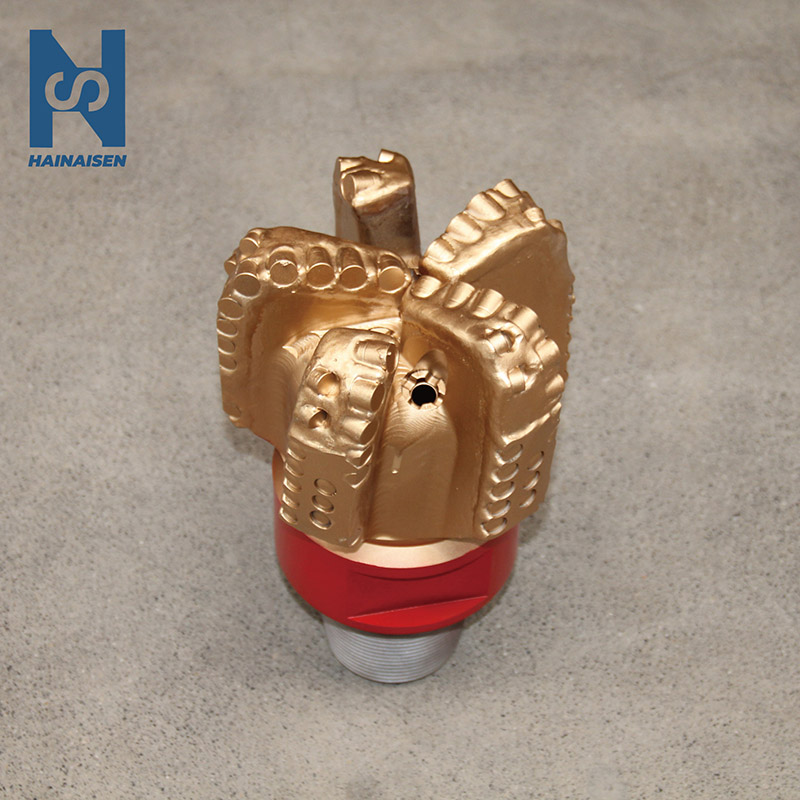
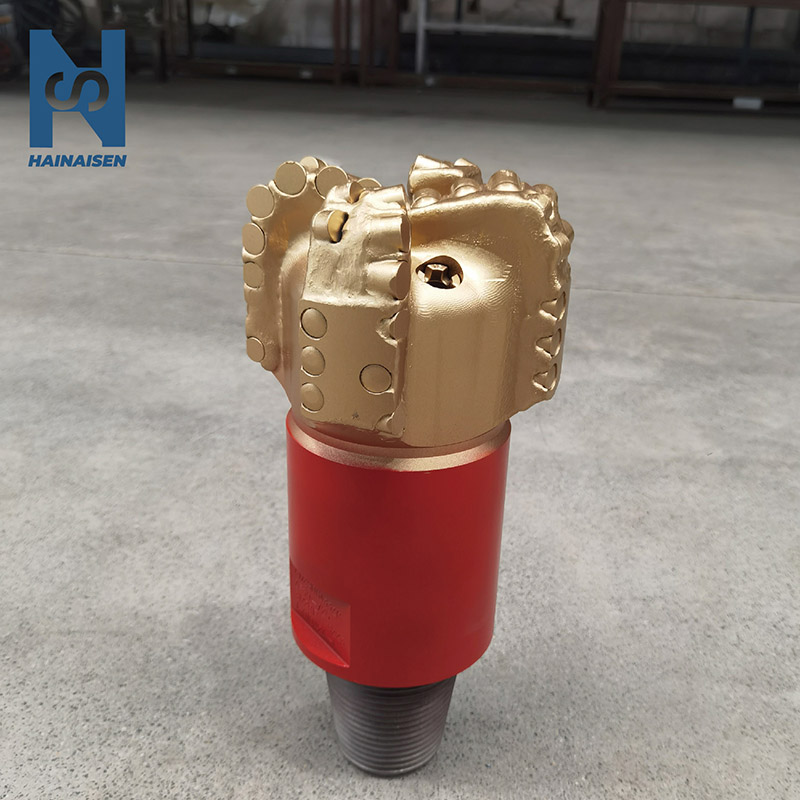
A PDC Flat Top Sintered Drill Bit is a high-tech drilling tool with small polycrystalline diamond cuts spread out on a flat cutting surface. The 94mm PDC Flat Top Sintered Drill Bit uses high-temperature, high-pressure sintering to join synthetic diamond bits to tungsten carbide bases, making cutting elements that are very hard. The diamond cutters cut through rock forms with little friction, while the contact forces are spread out evenly across the flat surface. The hardening process makes the bit more thermally stable, so it can keep cutting effectively even when temperatures and pressures are very high downhole, which is common in tough drilling conditions.
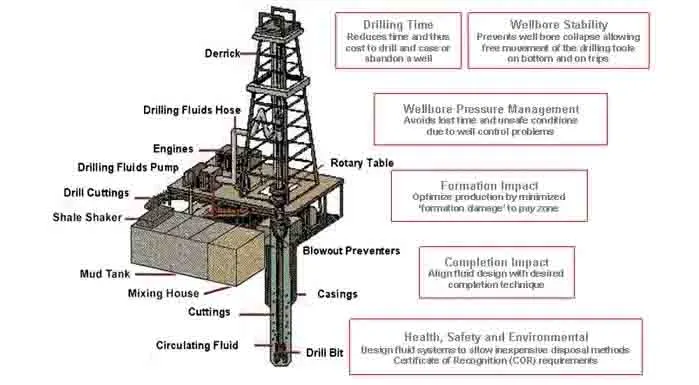
Understanding the Engineering Behind PDC Flat Top Sintered Drill Bits
Core Design Specifications and Materials
Material science and size restrictions underpin these drill bits. A typical 94mm circular bit includes many polycrystalline diamond cutters strategically arranged over the flat top. Sintering bonds diamond particles to carbide substrates at temperatures of 1,400°C and pressures of 5–6 GPa. Such incisions withstand heat degradation and mechanical stress.
Hainaisen's matrix body is comprised of high-quality tungsten carbide, ensuring structural stability. Flat top geometry differs from conical or dome-shaped shapes because its broader cutting face equally touches formation materials. This configuration helps maintain direction when drilling through interbedded rocks of various hardness.
Specific binding elements increase heat transfer in the material. This instantly releases cutting heat. Unlike conventional diamond bits, temperature control extends their life. These tools are scratch-resistant thanks to advanced coatings on wear-prone locations. This allows them to last longer without losing their surface
Working Principles and Cutting Mechanisms
Shearing replaces breaking in working mechanics. As the drill string revolves, each PDC cutter slices into the rock at a depth determined by bit weight and spinning speed. Flat tops allow many cutters to touch the rock face. This distributes mechanical stress and prevents huge loads from shattering rock.
Sintered PDC cutters have sharper cutting edges than other technologies because their diamond bits don't wear away readily. Cutting action creates rock chips, which fluid movement systems swiftly remove to clean cutting surfaces. Constant removal prevents cutters from loading, which delays entrance when rock debris builds up on cutting surfaces.
Our engineering team places cutters for optimal water cleaning and efficiency using computational fluid dynamics and finite element analysis. Flat profiles can retain more cutters than pointed forms, lengthening the cutting edge and improving entry rate. This design feature is crucial for procurement managers balancing company efficiency and equipment cost.
Compatibility Across Drilling Systems
These drill bits work in rotary drilling rigs, directional drilling kits, and mining equipment. The 94mm width is ideal for drilling water wells, mining, and geothermal applications. Industry standards like API connections ensure that connection thread requirements may be used with existing drill string parts without costly adapters.
Formation compatibility ranges from hard metamorphic to soft sedimentary rocks. Flat tops stabilize drilling trajectories in fast-changing rock characteristics. This reduces deviation, which might impair well placement. Technical engineers value this attribute when planning directional wells or precisely investigating boreholes, when positional precision affects project success.
Performance Advantages and Comparative Analysis
Superior Wear Resistance and Operational Efficiency
When it comes to longevity, sintered 94mm PDC Flat Top Sintered Drill Bits are much better than regular ones in ways that can be measured. Tests done by outside groups in the field show that PDC Bits drill 40–60% more total footage than natural diamond bits in the same types of rock. This longer service life directly lowers the number of expensive bit trips, which are processes that take time and cost money that isn't being used.
Here are the main performance benefits that make these drilling tools stand out in tough operating situations:
- Extended operational intervals cut downhole trips by 30 to 50 percent, which saves money on crew time and equipment wear across all drilling programmes.
- Consistent penetration rates keep output high even as the amount of footage collected grows, while rival technologies lose performance over time.
- Thermal stability means that the machine can keep running in temperatures above 150°C for a long time without the cutting coming off or the structure breaking.
- Reduced torque requirements mean less stress on surface tools and less energy use, which helps improve total operating efficiency.
These performance qualities cover important buying factors for medium-sized to big oil service companies that put total cost of ownership above initial purchase price. The listed practical benefits give technical engineers measurable information that they can use in drilling programme economics and buying justification reports.
Comparative Performance Against Alternative Technologies
Knowing drill bit performance might assist you in choosing. Conical PDC bits operate better in hard formations but are less stable in varied rock patterns. The flat top shape provides you with improved flow control and reduces washout danger compared to strong conical versions in softer intervals.
Although more expensive and slower to penetrate, natural diamond-impregnated bits operate well in difficult situations. The sintered PDC option permits 2-3 times quicker drilling in most sedimentary rocks while maintaining wear resistance. Project deadlines and expenses decrease daily due to this speed advantage.
Roller cone bits are still a good value for some operations, but they wear down drill strings faster and require more replacements. PDC Flat Top Sintered Drill Bits cut smoothly and shake less, extending downhole and surface equipment life. Procurement managers use this extensive cost analysis to compare drilling supply costs to company expenses for long-term contracts.
Documented Field Performance and Maintenance Insights
Our experience with coal mines and geological research teams shows that frequent repair techniques extend bit life. Cleaning and repairing after each drilling interval extends equipment life by 25–35%. Clean up the formation and examine the cuts for damage to prevent modest issues from worsening and forcing early bit retirement.
According to water well drilling case studies, aligning the bit choice to the rock qualities improves performance. Teams who worked with our technical consultants to choose cutter settings that fit local rock conditions had 20–40% greater penetration rates than teams that used catalogue items. Activities that drill in difficult or strange formations benefit from this customizing capability.
Strategic Procurement Guidance for B2B Buyers
Pricing Structures and Volume Purchase Considerations
Buying professionals may acquire better prices and generate accurate drilling budget estimates by understanding cost changes. Good sintered PDC Flat Top Sintered Drill Bits cost between $800 and $2,500 per unit, depending on size, cutter count, and specification complexity. The 94mm size range is normally in the middle, although pricing varies on customization.
Businesses that know how much they need to profit economically from bulk purchases. Buyers can save 15–25% on single-unit sales with quarterly buys of 50+ units. Structured transactions like this keep the supply chain consistent, preventing purchase delays that may disrupt drilling schedules. Big buying programs help medium-sized coal mining companies balance quality needs with limited budgets by lowering drilling supply costs.
Customization services cost extra but enhance speed enough to justify it. Our engineering team helps clients develop cutter patterns, gauge lengths, and hydraulic setups for each formation shape. This tailored approach usually increases unit prices by 10–20% but improves penetration rates and speeds drilling progress, lowering project costs.
Supplier Evaluation and Quality Verification
You must evaluate drill bit providers' manufacturing, quality control, and customer support to locate reliable ones. Buyers should verify that Manufacturers maintain ISO 9001 certification and implement established quality control techniques to examine raw materials, monitor manufacturing, and test completed products. At our 3,500m² Hainaisen factory, advanced 5-axis machining centres and CNC machines maintain precise size tolerances for dependable bit performance.
OEM Certifications and third-party testing prove product quality objectively. Trustworthy suppliers will disclose tungsten carbide and PDC cutter material certifications, dimensional verification, and performance test results. Before making large purchases, technical engineers may ensure that the things they acquire fulfil criteria.
Great vendors stand out with after-sales support. Technical support, including application guidance, debugging assistance, and performance improvements, provides value to the product. Our dedicated technical staff is available to help clients solve field issues, modify operating parameters, and maximize drilling tool ROI, including for flat top drill bit applications. This consulting strategy develops long-term supplier partnerships.
Balancing Cost, Performance, and Supply Chain Reliability
One must pick between goals while making buying decisions. Water well-digging teams typically choose the cheapest equipment to remain under budget, even if it shortens the well's lifespan. As long as cutting conditions are good and replacement components are affordable, this method works.
However, oil and gas service businesses in challenging formations prioritize efficiency and reliability over starting cost. Due to their consistent penetration rates and extended service life, premium sintered PDC bits cut project costs while costing more per bit. When you compare bit prices per metre of drilling, premium tools always offer greater value in challenging scenarios.
Seller selection also depends on supply chain concerns. Foreign suppliers may be cheaper than local suppliers for bulk purchases due to shorter lead times and easier logistics. Buyers should examine total landing costs, including transportation, customs, and stocking. Our efficient production procedures and global shipping expertise keep our pricing low and deliver reliably to North American enterprises.
Maximizing Service Life Through Proper Maintenance
Inspection Protocols and Wear Detection
Regular bit checks extend its life and prevent costly downhole breakdowns. After each drilling run, operators should inspect the cutting surfaces for damage, wear, or unusual patterns that may indicate machine issues. A visual inspection indicates that the bit has to be retired before failing due to missed cuts, gauge wear, and erosion.
Measurable wear indications help decide when to quit. Loss of cutter height of more than 2 to 3 mm indicates that the cutter is nearing its end of life, while loss of gauge width of more than 1 mm degrades hole quality. By recording these data at varied drilling intervals, you may establish a performance benchmark to optimize bit choice and practicality for future projects.
Fixing modest damage early prevents bigger issues. Small fractures or chips in individual cuts may not harm performance immediately, but they may indicate stress or poor working conditions. Changing bit weight or spinning speed may frequently cure early issues before they cause bit failure. Proactive repair management maximizes drilling tool investment while fulfilling safety criteria.
Cleaning and Storage Best Practices
After an operation, effective cleanup removes formation debris and drilling fluid that accelerates wear and corrosion. High-pressure water cleaning removes buildup without damaging PDC cuts or matrix architecture. Rough mechanical cleaning can damage gauge surfaces and chip-cutting blades.
Controlled storage preserves bits between drilling jobs. Temperature- and humidity-controlled buildings prevent metal corrosion and protective coating deterioration. Bits in protective casings shouldn't be hit by chance, which might harm precision-ground surfaces or knock cutters out of their grids.
Operational Parameter Optimization
Drilling variables should match rock qualities and bit specs to enhance penetration and service life. Too much bit weight promotes cutting wear and breaks, whereas too little delays drilling. Our experts recommend specifications for each application depending on formation type, bit standards, and desired performance.
Optimization of the rotating speed aligns the entrance rate with heat and vibration. Higher rotating speeds speed up cutting, but they also boost temperatures that degrade cutter-matrix bonds in sintered PDC bits, including flat top drill bit designs. Monitoring temperatures downhole and adjusting surface settings keeps bits running longer without losing output.
Hydraulic control ensures cutting removal and cooling fluid flow. The correct flow rates govern cutter load and temperature. However, high flow rates damage matrix materials and wash out stabilization. Find the appropriate flow rates based on annular velocity and bit hydraulic design to provide equal performance across all operating parameters.
Conclusion
PDC Flat Top Sintered Drill Bits are an established technology that provides measured performance benefits in a wide range of drilling tasks. When you mix the mechanical principles behind making sintered cutters with the best flat top geometries, you get tools that are both good at cutting and last a long time. When procurement workers look at these goods, they shouldn't just look at the price, but also the total cost of ownership. This is because high-quality tools often offer better economics through longer service intervals and steady performance. Strategic source selection based on thorough quality checks and a wide range of technical support services builds the basis for long-lasting relationships that work well. Sintered PDC Flat Top Sintered Drill Bits are a good choice for operations that want to prioritize both performance and cost-effectiveness. They can get the best return on investment when properly maintained and operational parameters are optimized.
FAQ
Q1: What formations work best with PDC flat top sintered drill bits?
These bits work best in sedimentary rocks that are soft to medium-hard, like sandstone, limestone, shale, and coal seams. The flat shape keeps the structure stable in layers where the rock qualities are different. Diamond cutters are very hard, so they can work well with rough forms. However, other technologies may be needed for very hard crystalline rocks. Formation-specific cutting designs improve performance in geologically difficult situations.
Q2: How does sintering differ from other PDC manufacturing methods?
Controlled high-temperature and high-pressure methods are used in sintering to make metallurgical links between diamond particles and carbide surfaces. This is different from ways of mechanical bonding or brazing, which connect molecules physically instead of molecularly. Sintered surfaces are better at resisting damage from heat and mechanical shock, which means they last longer in harsh downhole circumstances. The process makes the cutter's qualities constant, so its performance can be predicted.
Q3: What practices extend the operational life of these drill bits?
Cleaning after every drilling period keeps dirt from building up, which speeds up wear. Systematic inspection finds problems as they start to appear before they become too big to fix. By improving working factors, mainly weight-on-bit and rotational speed, drilling conditions can be matched to the bit's powers. Corrosion can be avoided between uses by storing things correctly in controlled settings. When these practices are used together, they usually increase service life by 25–40% compared to operations that don't follow regular maintenance routines.
Partner With HNS for Premium Drilling Solutions
Hainaisen Petroleum Technology makes engineered drilling solutions that meet the high standards of North American oil and gas businesses, mining firms, and geological research teams. Our line of 94mm PDC Flat Top Sintered Drill Bit lineup blends advanced manufacturing skills with application-specific customization to ensure the best performance in a wide range of formation situations. You can talk to our technical experts about your project needs, get performance data, or set up sample test programmes by emailing hainaisen@hnsdrillbit.com. We are a well-known company that makes 94mm PDC Flat Top Sintered Drill Bits. We offer low prices for large orders, fast shipping around the world, and full after-sales support that turns supply relationships into strategic partnerships focused on your business's success.
References
1. Bellin, F., Dourfaye, A., King, W., & Thigpen, M. (2010). "The Current State of PDC Bit Technology." World Oil Magazine, 231(8), 41-46.
2. Glowka, D. A. (1989). "Use of Single-Cutter Data in the Analysis of PDC Bit Designs: Part 1—Development of a PDC Cutting Force Model." Journal of Petroleum Technology, 41(8), 797-799.
3. Rafatian, N., Miska, S. Z., Ledgerwood, L. W., Ahmed, R., Yu, M., & Takach, N. (2010). "Experimental Study of MSE of a Single PDC Cutter Under Simulated Pressurized Conditions." SPE Drilling & Completion, 25(1), 10-18.
4. Sinor, L. A., & Warren, T. M. (1989). "Drag Bit Wear Model." SPE Drilling Engineering, 4(2), 128-136.
5. Warren, T. M., & Armagost, W. K. (1988). "Laboratory Drilling Performance of PDC Bits." SPE Drilling Engineering, 3(2), 125-135.
6. Yahiaoui, M., Paris, J. Y., Delbé, K., Denape, J., Gerbaud, L., & Dourfaye, A. (2016). "Independent Analyses of Cutting and Friction Forces Applied on a Single Polycrystalline Diamond Compact Cutter." International Journal of Rock Mechanics and Mining Sciences, 85, 20-26.
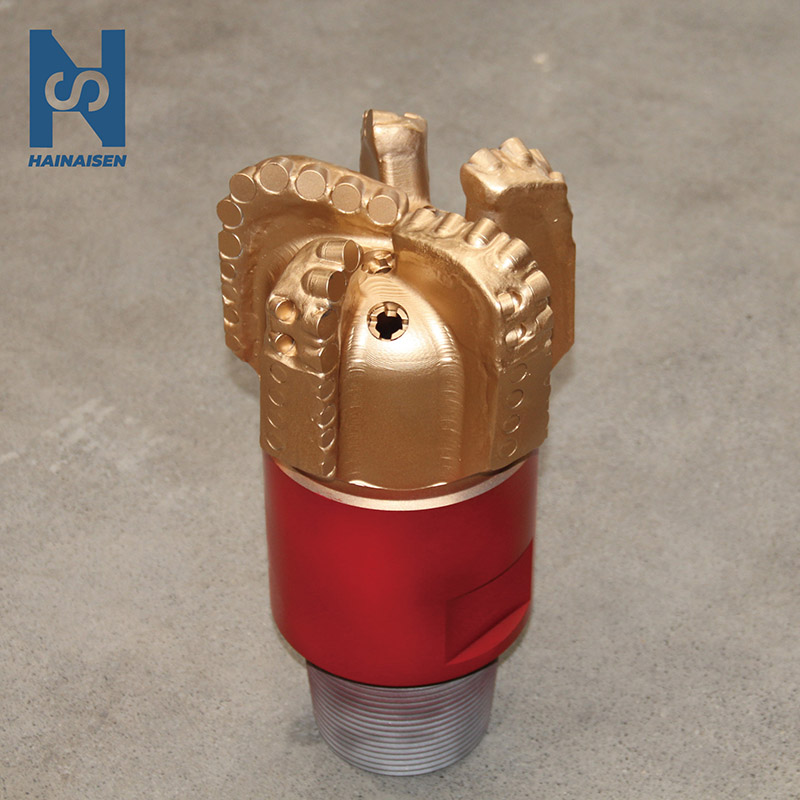 VIEW MOREFive Blades Oil Well Drill Head
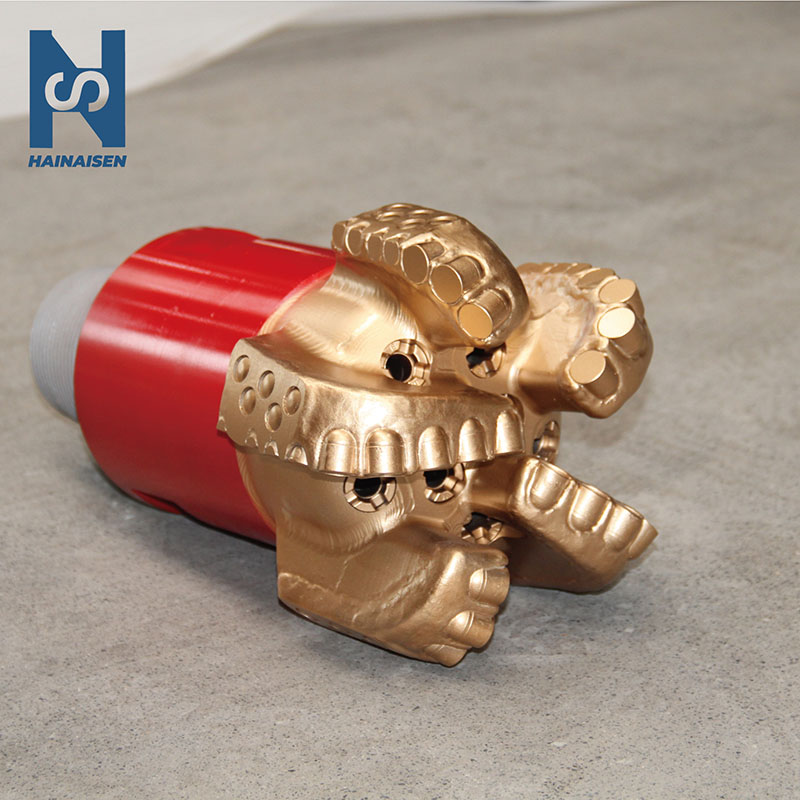 VIEW MOREDiamond Drill Bits For Oil Rigs
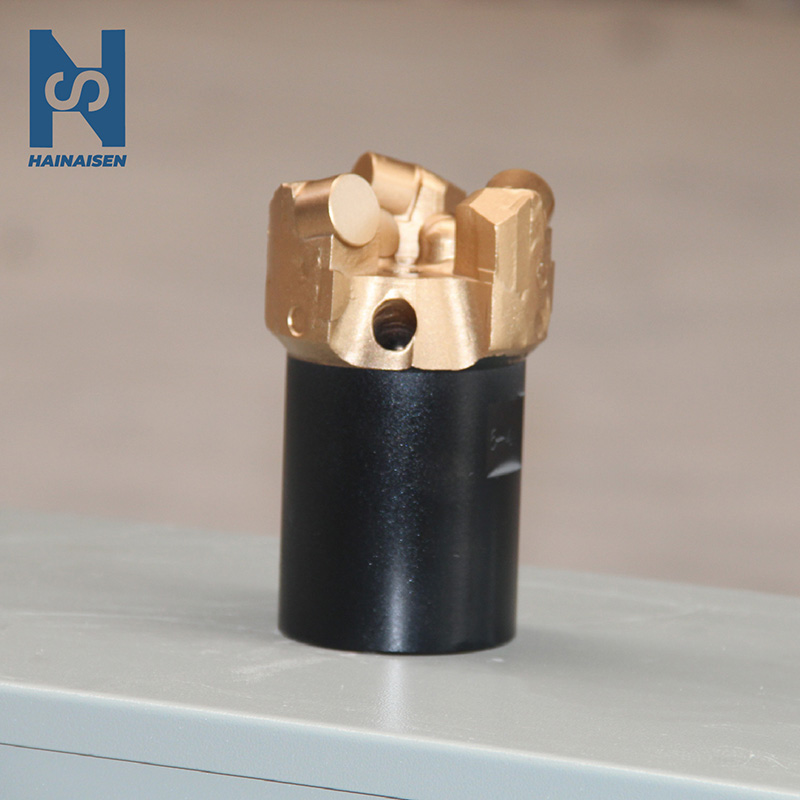 VIEW MORECoal Mining Use Diamond Drill Bit
 VIEW MOREDrilling Bit For Oil And Gas Rig
 VIEW MOREThree Blade Wing Arc Angle Drill Bit
 VIEW MOREBest Diamond Drill Bits
 VIEW MOREPetroleum Drilling Equipment PDC
 VIEW MORE4 Blade PDC Bit
