







Diamond Drill Bit Oil Rig Cutting Structure Explained
A Diamond Drill Bit Oil Rig uses industrial-grade diamonds to drill through tough rock formations for oil and gas production. Diamond segments connected to a matrix body rotate at precise rates to cleave geological strata. Hardness and precise engineering allow operators to reach hydrocarbon reservoirs faster and more reliably than conventional approaches.
Understanding Diamond Drill Bit Cutting Structure in Oil Rigs
Cutting structure is the most important part of any diamond drilling device. This construction uses diamonds' extreme hardness to grind through thick rock formations that would soon wear down steel-toothed bits.
Core Components of the Cutting Structure
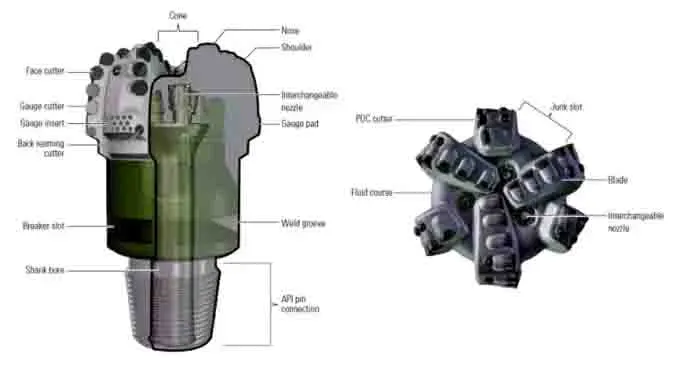
A complete cutting assembly of the diamond drill bit oil rig consists of three interrelated core components. The cutting surface is formed by natural or synthetic diamond inserts. A tungsten carbide matrix or special metal powder substrate firmly holds the diamond cutters in precise positions. Meanwhile, the main bit body carries all cutting structures and regulates hydraulic circulation to deliver cooling and efficient cuttings removal during drilling.
Our HNS production process optimizes each component. Diamond cutters are wear-resistant and maintain sharp cutting edges over long drilling operations. Under rotating stress, the matrix body stabilizes segments, preventing separation. Specialized steel alloys resist mechanical stresses in demanding formations and are stronger and longer-lasting.
Surface-Set vs. Impregnated Diamond Configurations
The two main cutting structure designs serve various purposes. Surface-set bits cut softer rocks like shale, limestone, and sandstone aggressively due to bigger diamonds projecting from the matrix. This arrangement works well in intermediate rock hardness situations that need rapid penetration.
As the matrix wears, impregnated diamond bits disperse smaller diamonds throughout the matrix depth, revealing new cutting edges. This design suits tougher, abrasive formations where continuous cutting power is more important than penetration speed. The progressive exposure mechanism maintains performance at extended drilling intervals.
Working Principles and Performance Dynamics
The drill string turns the bit at 80-300 RPM and applies 10-100 KN downward pressure. The cutting structure cools, and rock cuttings are transported to the surface by 20–35 liters per second of drilling fluid. Through continual contact, diamonds cause micro-fractures in the rock face, breaking down material.
This technique requires temperature control. High heat resistance avoids diamond and matrix material thermal deterioration, maintaining cutting efficiency under difficult conditions. This is especially useful for drilling into low-compressive-strength rocks, where friction provides heat energy.
Comparing Diamond Drill Bits with Other Drill Bit Types in Oil Rig Applications
Procurement professionals have several drilling equipment possibilities. Understanding bit types helps make project- and budget-aligned decisions.
Material Properties and Durability Analysis
Tungsten carbide insert bits crush rock with hardened teeth. While cheaper initially, these parts wear quickly in abrasive conditions and need frequent replacements. PDC Bits use polycrystalline diamond compacts—thin diamond layers attached to carbide substrates—for better durability than tungsten but with application restrictions.
Full-body diamond bits are cut throughout the workpiece. This setup has several benefits. Durable design reduces bit change downtime by extending bit life. Design improves penetration by transferring energy efficiently. The cutting-edge technology maintains bit performance throughout its lifecycle, improving drilling efficiency.
Cost-Benefit Considerations for B2B Buyers
Large and medium oil service companies prioritize long-term value over upfront pricing. Diamond Drill Bit Oil Rig solutions reduce the need for frequent drill string removals and replacements, translating into measurable cost savings. For instance, a diamond bit capable of drilling 500 meters between replacements can outperform a tungsten bit that requires changes every 150 meters, despite a higher initial purchase cost.
High-performance diamond drill bit oil and gas strikes a perfect balance between premium quality and cost efficiency, bringing tangible economic benefits to coal mining as well. After rigorous sample trials matched to local geological conditions, these diamond drilling tools turn into stable, reliable equipment that minimizes unplanned production downtime. For water well drilling contractors, the reasonable cost structure of diamond drill bits aligns well with various project budgets while consistently delivering steady, trustworthy drilling results.
Real-World Performance Metrics
Geological exploration field data shows improvements. Impregnated diamond bits in sandstone formations drill 40% quicker than roller cone bits. Advanced cutting structure technology paid off as maintenance costs dropped, justifying the expenditure.
How to Choose the Right Diamond Drill Bit for Oil Rig Drilling
Multiple technical and operational variables must be considered while choosing equipment. Bit requirements should match formation features for the best outcomes and equipment investment.
Evaluating Formation Characteristics
Rock hardness is the main selection factor. Surface-set diamond configurations work well on shale, limestone, sandstone, and gypsum. The strong cutting motion penetrates these materials efficiently at 10-100 KN drilling pressures.
Cumulative wear affects bit selection with drilling depth. Shallow wells allow aggressive cutting structures to optimize penetration. Conservative designs that favor lifespan over performance reduce costly bit change operations in deeper applications.
Compatibility with Existing Equipment
Bits must meet rig standards. Equipment with lower RPM ranges needs cutting structures suited for those situations. Fluid flow rates impact cooling and debris removal, depending on the hydraulic system capability.
HAINAISEN understands that drilling projects have different needs. Our customisation services solve specific operating issues. Our experts work with customers to design and Manufacture pieces that operate best under distinct geological situations. This customized technique is useful for oil and gas exploration, geothermal well drilling, hard rock mining, water well drilling, geological core sampling, and building foundation work.
Maintenance Best Practices
To maximize the service life of a diamond drill bit oil rig, real-time monitoring of operational parameters and equipment health is essential. Tracking drilling weight-on-bit helps eliminate excessive loads that speed up abrasive wear. Sufficient and stable drilling fluid circulation protects cutting assemblies from thermal damage. Routine inspection identifies early wear characteristics, enabling targeted bit optimization before severe, irreversible breakdowns occur.
Storage affects bit deployment readiness. Protecting diamond segments from transportation impact damage preserves cutting-edge geometry. After usage, clean pieces to avoid dirt that might affect performance.
Optimizing Drilling Efficiency and Performance with Diamond Drill Bit Cutting Structures
Understanding performance limits and overcoming bottlenecks is key to maximizing productivity. Advanced cutting structure designs overcome limits and expand capabilities.
Identifying Common Performance Bottlenecks
Wear patterns reveal drilling dynamics. Bit faces with uneven wear suggest weight distribution or formation hardness issues. A high matrix erosion rate indicates poor fluid flow or bit selection for the formation type. Premature diamond pullout indicates matrix bond breakdown from heat cycling or drilling fluid chemicals.
Bit life is limited by accumulated damage. Each revolution stresses and heats cutting components. These forces erode diamonds and matrix materials, diminishing cutting efficiency until penetration rates become uneconomical.
Innovative Design Solutions
Modern cutting segment combinations include geometric improvements for faster material removal. Strategic diamonds produce interference patterns that shatter rock better. Higher thermal conductivity matrix compositions disperse heat more efficiently, preserving cutting elements from temperature damage.
Our factory has 5-axis machining centers, CNC machine tools, and welding production lines. This technique allows the exact execution of complicated cutting structure geometries that conventional production cannot. The specialist R&D team creates unique bit designs for various applications with particular structural constraints.
Measurable Performance Improvements
Industrial benchmarks demonstrate the impact of optimized cutting structures. Advanced diamond drill bit oil rig designs improve penetration rates by 25–35% compared to standard configurations. An extended bit life reduces downtime for bit changes, lowering drilling costs. These performance enhancements improve project economics, making premium drilling technology a strategic investment for oilfield operations.
Procurement Insights: Sourcing and Buying Diamond Drill Bits for Oil Rigs
Market dynamics, manufacturing capabilities, and procurement techniques that add value beyond unit pricing are needed to navigate the supplier ecosystem.
Manufacturer Evaluation Criteria
Certifications and performance records show quality from established producers. Production capacity affects delivery reliability—suppliers with sufficient manufacturing infrastructure satisfy volume needs without delays. Technical support helps suppliers debug and optimize bit performance, distinguishing them from great partners.
Founded in 2013, Shaanxi Hainaisen Petroleum Technology Co., Ltd. based in Xi’an specializes in the R&D, production and sales of diamond drill bit oil and gas, PDC drill bits and full-range drilling equipment. Covering an area of 3,500 square meters, our factory is equipped with advanced production workshops and top-tier processing machinery. We deliver one-stop professional technical solutions covering oil & gas exploitation, coal mining, geological & hydrological exploration, and engineering construction projects.
OEM vs. Branded Product Considerations
OEM items are consistent and have established supply channels, but they cost more. HNS-branded products provide competitive benefits due to their diamond bit technology. Direct manufacturer partnerships eliminate markups and provide customisation not accessible through wholesalers.
Strategic Sourcing Approaches
Bulk purchases receive volume discounts, lowering per-unit prices and assuring inventory. At peak demand, long-term supply agreements provide price stability and priority allocation. Collaboration allows co-development of cutting structures for specific drilling issues, giving competitive advantages through patented technology.
Effective procurement balances multiple factors. Lead time management ensures bit availability aligns with project schedules. Sample testing prior to large purchases verifies promised performance. Strong supplier relationships support problem-solving and foster shared understanding, ensuring operational efficiency when deploying Diamond Drill Bit Oil Rig solutions.
Conclusion
Diamond drill bit cutting structures are complex technical solutions that affect drilling project success. Knowing how diamond segments, matrix materials, and bit body designs interact helps choose equipment. Diamond bits outperform other technologies, reducing operational expenses and increasing productivity to justify premium pricing. Matching cutting structure to formation qualities while ensuring rig equipment compatibility is necessary when choosing bits. Optimizing drilling efficiency requires attention to wear patterns, maintenance, and design innovations. Strategic procurement strategies that emphasize manufacturer alliances and customisation give long-term value beyond purchase price.
FAQ
1. How does cutting structure design impact diamond drill bit lifespan?
Cutting structural geometry affects heat management and wear. Effective constructions transmit stresses equally throughout diamond segments, minimizing premature failure from localized stress concentrations. The right matrix hardness balances cutting aggressiveness and wear resistance. Softer matrices reveal new diamonds faster but degrade faster, while harder ones endure longer but may glaze over in certain forms. Design tailored to application requirements can increase bit life by 50-100% over generic designs.
2. Can diamond drill bits handle all rock types effectively?
Diamond bits work well in medium-hard, low-compressive formations. Ideal materials include shale, limestone, sandstone, and gypsum. Impregnated patterns with specified diamond concentrations may be needed for quartzite or taconite. Soft, sticky forms may work better with bit-balling-resistant PDC or roller cone bits. Formation evaluation before bit selection assures technology deployment.
3. What maintenance practices extend cutting structure performance?
Optimizing operation settings protects the cutting structure. Running bits within RPM and pressure limits reduces overload. Ensure fluid circulation to cool and remove debris. Inspection of bits after each run reveals wear patterns needing operational modifications. Cutting structures are extensively cleaned to eliminate formation elements that might hinder performance. Diamond segments are protected from impact by proper shipping and storage.
Partner with HNS for Superior Diamond Drill Bit Solutions
HNS provides advanced diamond drilling technology, technical assistance, and customisation. Our manufacturing experience optimizes bits for oil and gas exploration and water well applications. High-quality diamond cutters, strong matrix bodies, and specific steel alloys enable dependable performance in difficult working situations. Pricing is competitive, and purchasing managers and technical engineers get customized solutions for project needs. Our trustworthy Diamond Drill Bit Oil Rig maker offers immediate consultancy and dependable delivery for bulk orders or bespoke designs for specific formations. Contact hainaisen@hnsdrillbit.com to discuss your drilling difficulties and learn how our sophisticated cutting structure technology may improve your operations.
References
1. Anderson, M. (2019). Advanced Drilling Technologies in Petroleum Engineering. Houston: Petroleum Industry Press.
2. Chen, L., & Thompson, R. (2021). "Diamond Cutting Structure Optimization for Enhanced Drilling Performance." Journal of Petroleum Technology, 73(4), 45-58.
3. Drilling Engineering Association. (2020). Drill Bit Selection Guidelines for Oil and Gas Operations. Oklahoma City: DEA Publications.
4. Martinez, J. (2018). Materials Science in Drilling Equipment Manufacturing. London: Technical Engineering Publishers.
5. Richardson, P., & Walsh, K. (2022). "Comparative Analysis of Drill Bit Technologies in Hard Rock Applications." International Journal of Mining Engineering, 38(2), 112-127.
6. Williams, D. (2020). Procurement Strategies for Oilfield Equipment: A Practical Guide. Calgary: Energy Sector Press.
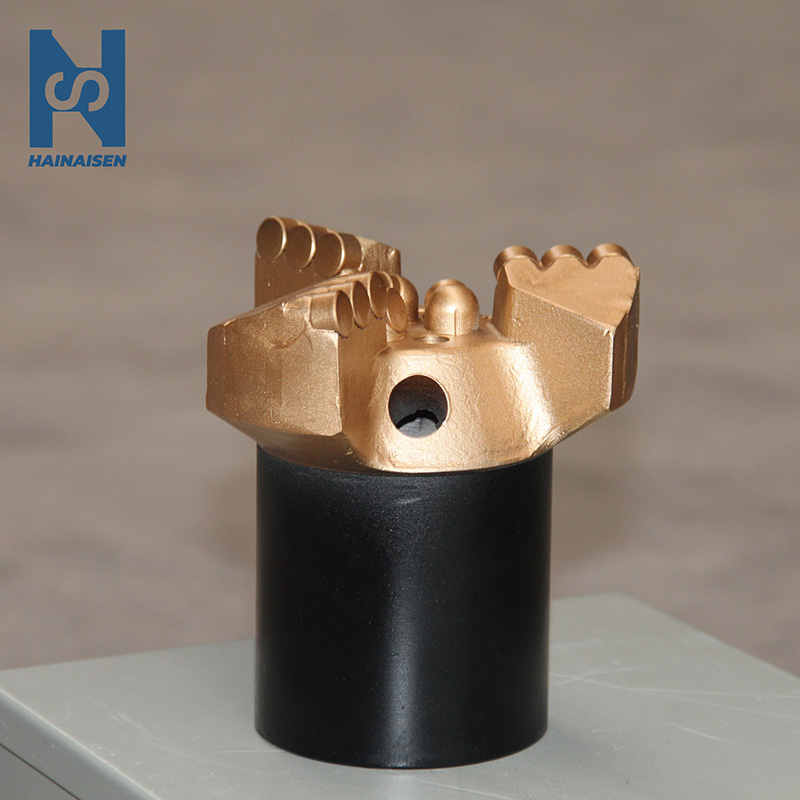 VIEW MORE113mm 3 Blades Steel Body PDC Bit
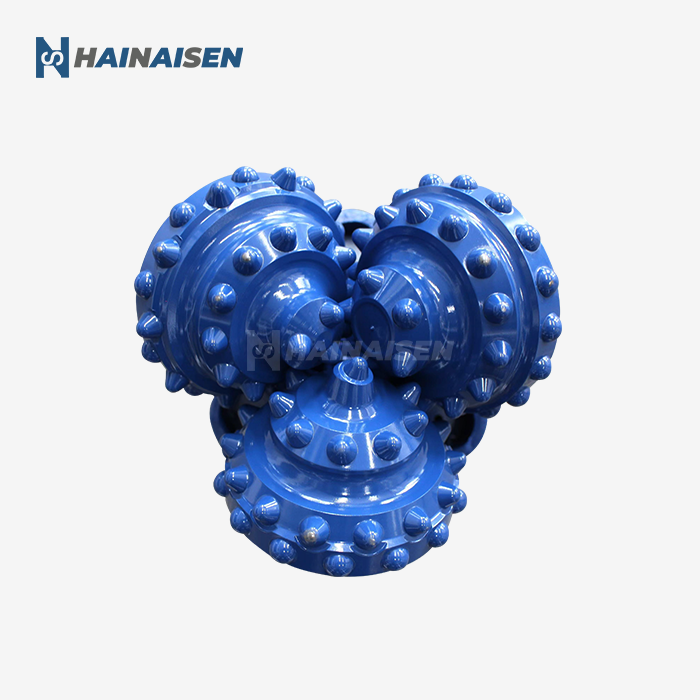 VIEW MOREHard Alloy Roller Drill Bit
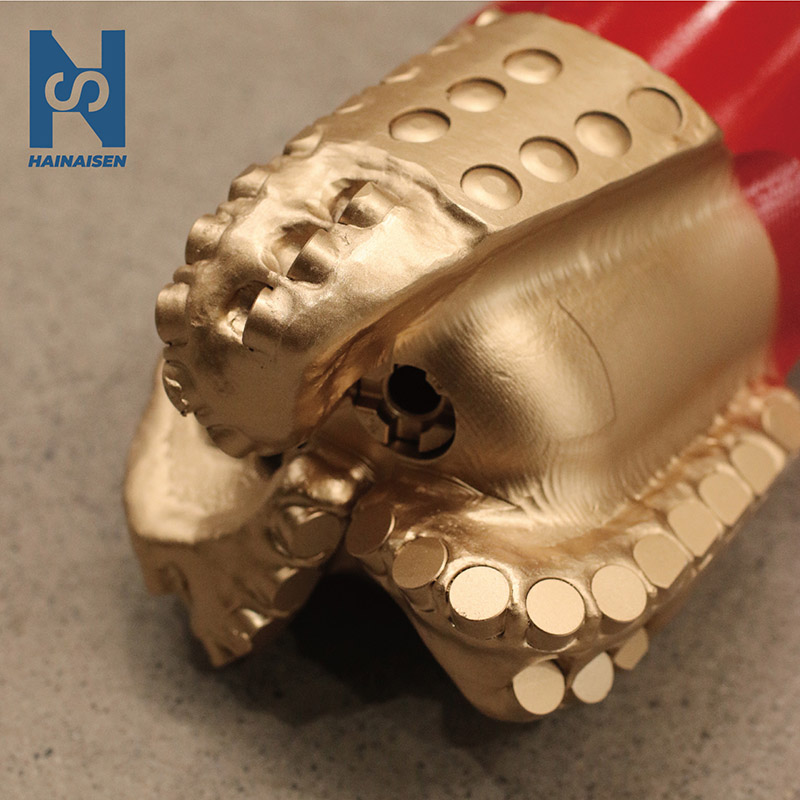 VIEW MOREThree Blades Rock Drill Bit
logo 1_1777360475599.jpg) VIEW MOREDirectional Three Blade PDC Drill Bit
VIEW MOREDirectional Three Blade PDC Drill Bit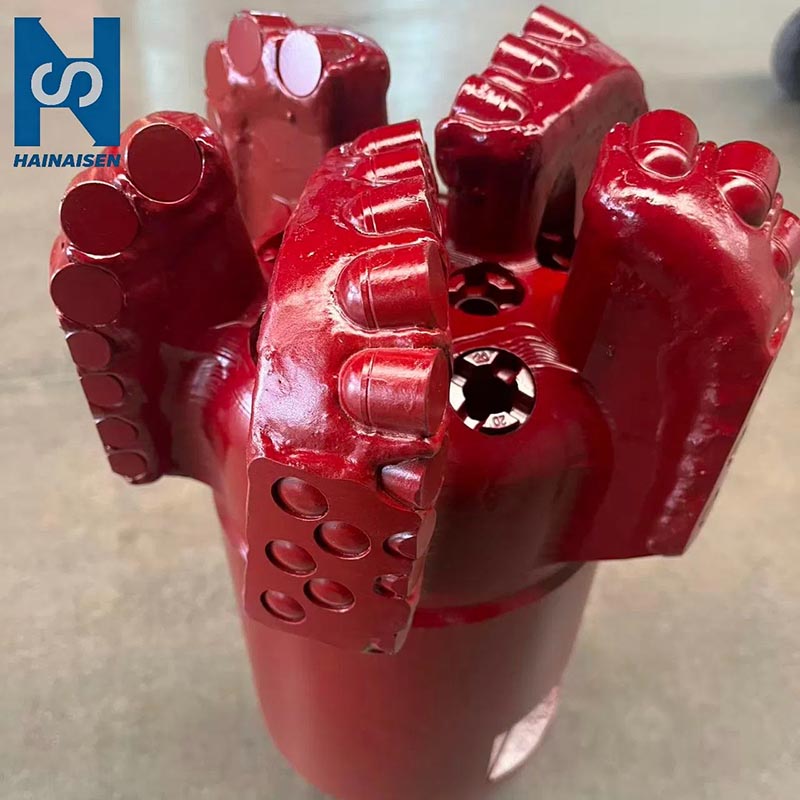 VIEW MORE5 Blade Steel Body PDC Bit
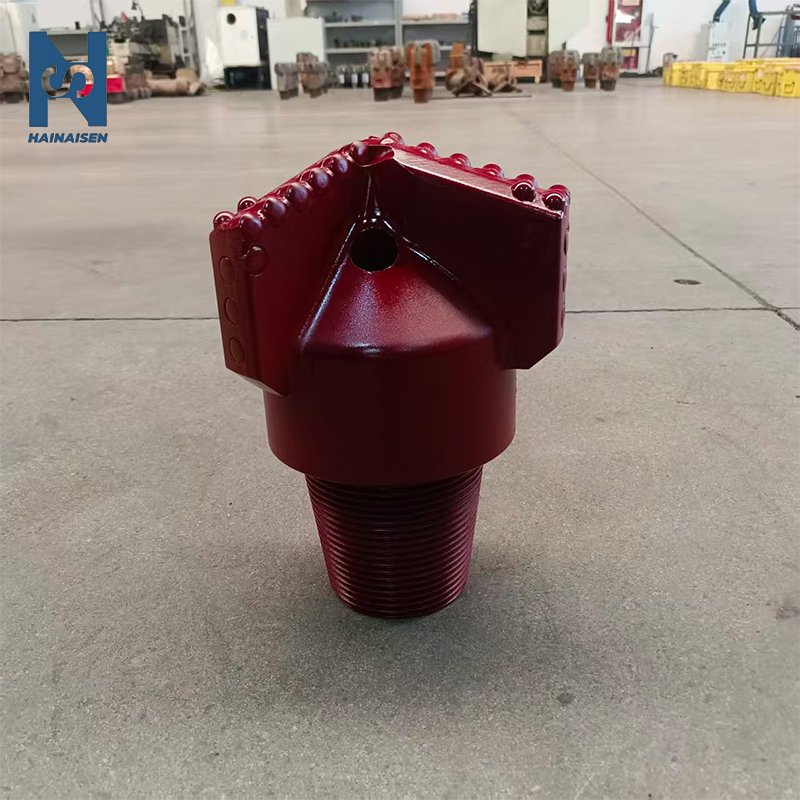 VIEW MOREHard Alloy Scraper Drill Bit
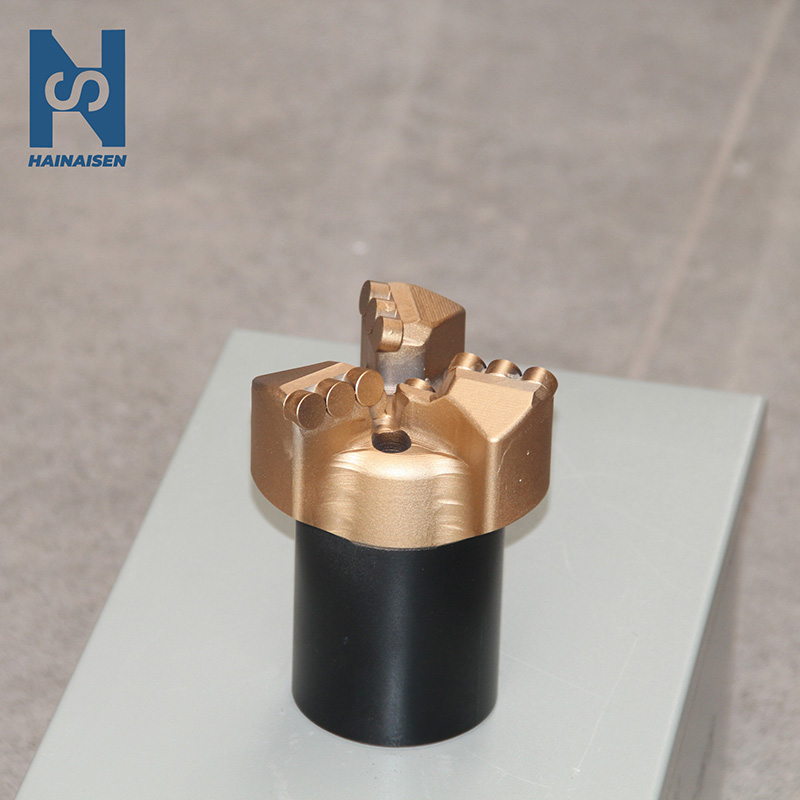 VIEW MOREThree Blades Steel Body PDC Bit
logo 1_1777361785830.jpg) VIEW MORE94mm PDC Flat Top Sintered Drill Bit
VIEW MORE94mm PDC Flat Top Sintered Drill Bit
