







High Quality PDC Drill Bits for High-Torque Reinforced Drilling
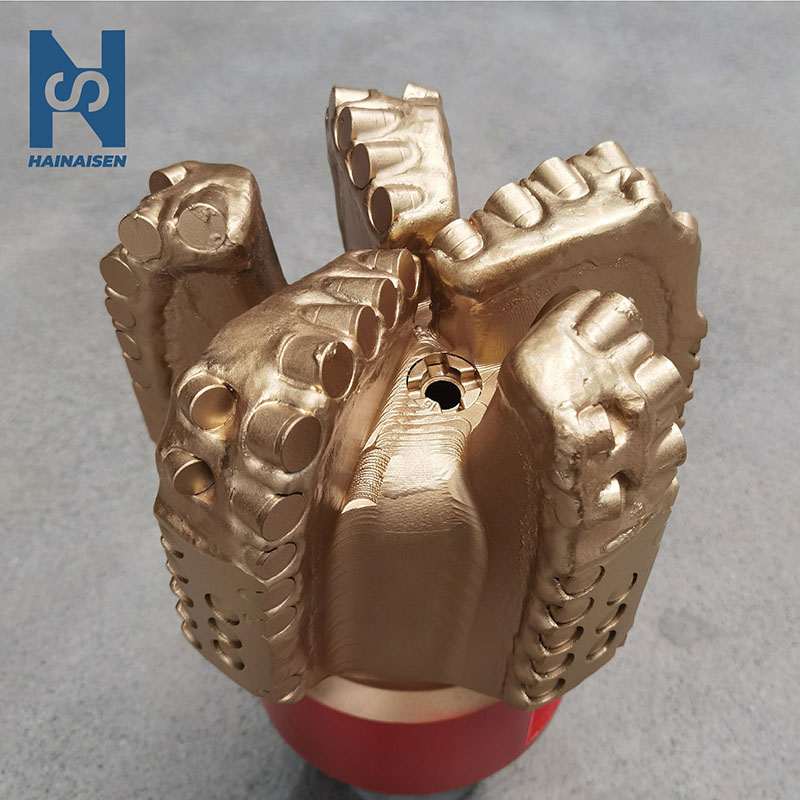
A breakthrough in polycrystalline diamond compact technology, High Quality PDC Drill Bits are designed for high-torque reinforced drilling requiring precision and durability. These sophisticated tools use synthetic diamond cutters linked to tungsten carbide substrates for superior wear resistance, penetration, and service life in difficult formations. Understanding the capabilities of these precision-engineered bits may greatly enhance operational results and cost effectiveness when operating large-scale oil extraction operations or water well drilling teams.
Introduction
Pressure on the drilling sector to achieve faster results while minimizing costs and safety is growing. Technical engineers and procurement managers in oil and gas, coal mining, and geological exploration require reliable tools that function well under difficult situations. PDC drill bits are required in high-torque reinforced drilling when roller cone bits fail.
This thorough book covers procurement professionals' drilling equipment sourcing challenges: How can you find superior products? What design elements affect field performance? Which vendors provide technical support and modification for your formations? We'll discuss cutter configuration, body material choice, certification criteria, and long-term maintenance. Partnering with trustworthy Manufacturers with sophisticated manufacturing facilities and committed research teams helps decrease operational risks and improve drilling efficiency throughout your projects.
Understanding High-Quality PDC Drill Bits and Their Design Features
Premium High Quality PDC Drill Bits meet high-torque drilling issues with advanced engineering. Multiple design aspects work together to ensure consistent performance in these tools.
Advanced Cutter Technology and Material Selection
PDC Bits' cutters, which attach synthetic diamond tables to carbide substrates under tremendous pressure and temperature, constitute the core components of high-efficiency pdc drill bit for low-permeability sandstone. These cutters can withstand heat tests up to 750°C, retaining cutting performance throughout extensive drilling operations in abrasive formations. Diamond table thickness and leaching procedure affect lifetime, with premium bits having optimal surfaces that avoid delamination under cyclical stress. High-quality tungsten carbide substrates absorb stress during high-frequency oscillations, safeguarding the diamond layer.
Optimized Body Configurations for Torque Resistance
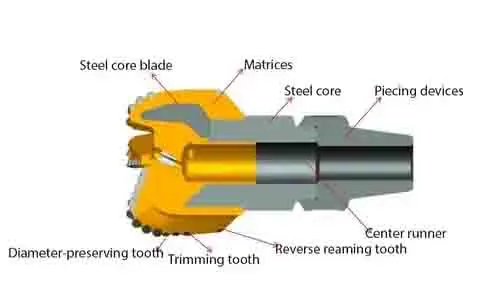
Body design greatly affects torque transmission and formation-induced stress resistance. In formations with interbedded strong stringers, steel body PDC bits protect against abrupt shocks due to their impact resistance and ductility. Design flexibility allows bigger trash holes for effective cutting evacuation and more aggressive cutting structures due to high-strength alloy steel construction. Despite being less ductile, matrix body alternatives survive abrasion in hard formations. The application and formation features determine whether to use steel or matrix construction.
Hydraulic Optimization and Cooling Systems
Inefficient cutter cooling and bit balling are prevented by efficient hydraulic design. At 20–35 liters per second, multi-nozzle designs with large Total Flow Area aggressively evacuate cuttings. Before manufacture, CFD analysis checks cooling capacity and positions nozzles to direct fluid where thermal demands are. By minimizing heat-induced dulling and sustaining penetration rates during drilling, hydraulic performance improves bit life.
Performance Comparison with Traditional Roller Cone Bits
In most formations, PDC technology outperforms roller cones. Fixed diamond cutters minimize roller cones' intermittent impact, making drilling smoother and less vibrational. Penetration rates increase by 30-50% in appropriate formations, and bit life is extended. Fewer visits imply cheaper day-rate expenses and faster project completion at lower downtime. Roller cone bits thrive in exceptionally hard or broken rocks, while PDC bits dominate shale, limestone, sandstone, and gypsum, where their effectiveness is obvious.
How to Choose High-Quality PDC Drill Bits for Your Specific Drilling Needs
Your operating aspects, formation features, and business goals must be assessed to choose the best High Quality PDC Drill Bits. This approach gives procurement and engineering teams confidence in decision-making.
Formation Analysis and Bit Selection Criteria
For appropriate bit selection, know your formation geology. Shale, limestone, sandstone, and gypsum are appropriate for PDC technology due to their medium hardness and low compressive strength. Core samples or offset well data might reveal interbedded hard stringers that need cutter placement or body reinforcing. Formation abrasiveness determines cutter density and diamond quality, whereas drillability indices assess penetration and bit life. Record past well performance data to set reasonable expectations and compare vendor promises to field results.
Equipment Compatibility and Operational Parameters
Drilling rig capabilities determine the working envelope for any bit. Bit designs suited for 80-300 RPM rotating speeds must match cutter configurations that function differently at various speeds. To avoid premature bit failure, weight-on-bit capacity, usually 10–100 kilonewtons in reinforced drilling, must match structural design constraints. Flow rate availability impacts hydraulic performance, so check your mud pump capacity against the bit's nozzle arrangement. To avoid galling or thread damage during makeup and breakout, connection thread types must match drill string parameters.
Cost-Efficiency Analysis and Total Value Assessment
Total cost of ownership is more important than original purchase price, especially for price-sensitive water well drilling activities. Divide the bit price plus trip expenses by projected footage to calculate cost per meter drilled, then compare choices. Premium bits cost more upfront but last longer and penetrate quicker, lowering per-meter expenses. Manufacturer volume discounts can lower unit prices for medium and large-sized service organizations with high recurring needs. Recognize that cheaper bits often cost more across project cycles and weigh immediate budget limitations against operational efficiency advantages.
Certification Standards and Quality Verification
Make those bits meet API Spec 7-1 criteria for dimensional accuracy and thread reliability for safe operations. Quality control techniques include ultrasonic C-scan testing for cutter interface integrity and Rockwell hardness testing for body material standards, which should be documented. Reliable producers give construction material compliance and traceability certificates. API thread gauging prevents high-torque connection failures. These Certifications safeguard your investment and decrease equipment failure responsibility.
Maintenance Guidelines for Extended Bit Life
Proper maintenance greatly affects field performance and bit lifetime. After each cycle, clean bits to eliminate formation debris that accelerates storage wear. Look for chips, cracks, or excessive wear on cutters to identify operating difficulties. Drilling penetration rates indicate performance deterioration and ideal pull time. Drilling beyond this point costs rig time without useful footage. Keep pieces in containers to avoid damaging cutters or threads. Maintain thorough run records of video, formation drilled, and operational parameters to improve future well selection and optimization.
Performance Optimization of High-Quality PDC Drill Bits in Challenging Drilling Environments
Technology selection and operational management are needed to optimize high-torque reinforced drilling bit performance using High Quality PDC Drill Bits. Understanding typical obstacles and current remedies boosts efficiency.
Identifying Common Performance Bottlenecks
Instead of material restrictions, poor diamond quality or cutter exposure angles cause excessive wear in abrasive formations. Bit balling or poor hole cleaning reduces penetration rates and accelerates wear through cutting regrinding due to hydraulic inefficiencies. Even in appropriate formations, poor weight-on-bit or rotating speed factors cause cutter failure. Identifying these trends through attentive monitoring permits targeted changes before small concerns become costly failures.
Technological Advancements in Cutter Materials
Recent PDC cutter manufacturing advances have increased application ranges and longevity in harsh situations. Thermally stable polycrystalline diamond cutters operate well in higher-temperature situations due to improved leaching processes. Improved substrate materials with fracture toughness protect diamond tables in interbedded formations from impact damage. Based on formation requirements, proprietary diamond synthesis procedures balance wear resistance and impact strength. PDC technology replaces roller cone bits in more difficult applications due to material improvements.
Hydraulic Channel Design Enhancements
Leading high-efficiency nc61 thread pdc drill bit manufacturer utilizes modern computational tools optimise internal flow passageways and nozzle arrangements for optimal cleaning efficiency. High-velocity fluid jets are directed to cuttings-concentrating areas by strategic nozzle placement to prevent accumulation and hinder cutting. Overall flow area estimates guarantee enough hydraulic horsepower to the bit face for different mud weights and pump capacity. Better designs keep PDC bits clean at greater penetration rates, reducing performance deterioration from prior versions.
Operational Parameter Optimization Strategies
Tailoring drilling settings to bit and formation characteristics further boosts performance. Gradual weight-on-bit adjustments, monitored via torque response, help achieve maximal penetration without harmful vibration. Rotational speed changes based on formation type sustain cutting efficiency as conditions vary. Flow rate optimization enhances hydraulic efficiency while preventing pressure losses. Real-time monitoring allows operators to maximize efficiency during each oil drilling drill bit run.
Case Study: Efficiency Improvements in Coal Bed Methane Extraction
Traditional roller cone bits in methane drainage decreased production at a western US medium-sized coal mine. Using premium PDC bits with tailored cutter design for coal seam characteristics increased average penetration rates by 40% and doubled bit life from 450 to 920 meters. The impacts decreased their cost per meter by 35% and hastened drainage well completion by three weeks, permitting earlier production commencement. Even with increased premium bit pricing, bit selection and operational efficiency can yield a significant return on investment.
Procurement Guide: Buying and Sourcing High-Quality PDC Drill Bits for B2B Clients
Understanding procurement channels, customization choices, and contractual concerns that protect your interests and ensure quality is essential when sourcing High Quality PDC Drill Bits.
Reliable Purchasing Channels and Supplier Verification
Direct manufacturer partnerships give technical assistance, customisation, and pricing transparency, which major service organizations seeking long-term supply agreements value. A sophisticated 3,500-square-meter facility with 5-axis machining centers, CNC machine tools, and welding production lines ensures precise manufacture at Shaanxi Hainaisen. Authorized distributors offer local inventory and speedier delivery for urgent needs at higher prices. Facility inspections or thorough documentation may verify production capability while assessing vendors. Get references from comparable clients and check quality certificates.
Customization Capabilities for Unique Requirements
Complex drilling requires customized bit designs beyond catalog options. When your operations face formation issues, dedicated engineering teams can change cutter location, blade profiles, or hydraulic setups. Large service firms drilling repeatedly in unique geological settings benefit from customization because optimized designs increase efficiency across several wells. Discuss formation data, operational parameters, and performance goals with custom-design manufacturers. Before major orders, field prototype testing confirms designs, lowering risk and maximizing performance.
Pricing Structures and Volume Discount Opportunities
Understanding price dynamics helps procurement teams maximize value. Higher order numbers usually result in larger discounts from manufacturers. Minimum purchase commitments in annual supply agreements can unlock economic advantages and ensure inventory availability during peak demand periods. Distributors provide single-unit purchases at low markups for smaller water well drilling firms. Negotiate payment periods that match your cash flow cycles, knowing that longer terms may cost more. Supplier relationships are more productive with transparent price negotiations that concentrate on the total cost of ownership rather than unit costs.
Contract Terms, Warranties, and After-Sales Support
Comprehensive agreements protect both parties and set performance objectives. Warranty periods, expected lifespan under stated operating circumstances, and premature failure measures should be specified. After-sales technical assistance helps fix performance issues and optimize operations. Clarify technical support times and field service engineer availability for emergencies. Bits damaged during delivery or deemed faulty upon examination are returned and exchanged to avoid arguments. Balanced deposit, shipping, and acceptance milestone payments match incentives and manage buyer and supplier risk.
Global Logistics and Supply Chain Considerations
Complex international procurement requires meticulous preparation when cooperating with a reliable high-efficiency nc61 thread pdc drill bit manufacturer. Manufacturing, customs clearance, and delivery take 4-8 weeks, depending on origin and destination, requiring good demand forecasts. Large shipments are cheaper with ocean freight, whereas urgent orders are served by air freight. Total landing costs depend on the destination country's import charges and taxes. Avoid customs delays by using export paperwork and compliance sources. Avoid costly drilling delays from inventory shortages by maintaining safety stock levels according to consumption rates and supplier lead times.
Trusted Brands and Suppliers in the High-Quality PDC Drill Bits Market
Careful evaluation of manufacturers and brands is crucial to the procurement strategy for High Quality PDC Drill Bits since supplier reputation affects long-term operational performance.
Manufacturer Credentials and Innovation Capabilities
Top PDC bit manufacturers engage in research, sophisticated production facilities, and strict quality processes. In 2013, Xi'an's Shaanxi Hainaisen Petroleum Technology Co., Ltd. began researching, manufacturing, and selling diamond drill bits, PDC drill bits, and drilling equipment. Custom bit design for oil and gas extraction, coal mining, geological surveying, and engineering machinery applications is the company's research focus. Advanced machining centers and automated manufacturing lines provide uniformity and precision that older equipment cannot. ISO 9001 and API license show quality management systematization. Introducing new designs using the latest materials and production methods shows creativity rather than reliance on outdated technologies.
Branded versus Generic Options: Risk-Benefit Analysis
Procurement managers often choose between global names and cheaper emerging brands. Due to intensive field validation, technical support, and dependability records, premium brands charge more. Their rigorous testing and conservative design tolerances decrease operational risk, especially for important wells or difficult environments. Regional producers may typically match performance at cheaper costs, making them ideal for price-sensitive applications like water well drilling. Before deploying generic options, trial them in less essential applications and document performance. This balanced strategy reduces costs and manages risk in demanding operations.
Sustainable Manufacturing and Environmental Responsibility
Environmental issues increasingly affect buying decisions as the sector approaches sustainability. Progressive firms use greener production methods, recycle tungsten carbide from worn tools, and optimize energy use. These methods improve operating efficiency and cost while reducing environmental impact. Suppliers with transparent sustainability reporting link business responsibility with consumer values. Partnering with forward-thinking vendors helps your company meet changing environmental regulations.
Customer Service Excellence and Technical Partnership
Excellent customer service turns suppliers into partners that help operations beyond product delivery, especially when clients deploy the specialized high-efficiency pdc drill bit for low-permeability sandstone. Technical support teams quickly diagnose performance issues, adjust drilling settings, and suggest design changes to solve particular concerns. Field servicing assists with key operations and new bit designs on-site. Drilling crew training optimizes bit handling, maintenance, and operations. These value-added services are crucial for major service organizations entering new geological regions and establishing relationships. Suppliers who share client success goals build long-term partnerships that benefit both parties.
Conclusion
Superior High Quality PDC Drill Bits for high-torque reinforced drilling affect operational efficiency, project economics, and safety in oil and gas, mining, and water well applications. Understanding the design elements—from cutter materials and body configurations to hydraulic optimization—that distinguish premium goods from commodity equivalents helps you make educated procurement decisions that meet your needs. Successful application involves matching bit capabilities to formation features, equipment specifications, and operating methods, and collaborating with reliable suppliers giving technical support, customisation, and transparent quality processes. Proper selection and operational optimization yield significant performance and cost benefits, justifying diligent examination and strategic supplier partnerships to maintain competitive advantage in increasingly demanding drilling settings.
Frequently Asked Questions
1. What is the typical lifespan of PDC bits in high-torque reinforced drilling?
Bit quality, formation, and operation factors greatly affect bit life. Premium High Quality PDC Drill Bits provide 500-1,200 meters per run in medium-hardness formations with good operating techniques, outperforming roller cone bits. Suboptimal parameters or abrasive formations can lower life to 200-400 meters, whereas perfect circumstances can prolong performance beyond 1,500 meters. The most accurate life expectancy data for procurement planning and cost analysis comes from tracking application performance.
2. How do PDC bits compare to roller cone bits for high-torque applications?
PDC bits penetrate medium-hard continuous formations quicker, last longer, and vibrate less than roller cone alternatives. High torque is handled efficiently by the fixed cutter design without roller cone bearing constraints. In exceptionally hard formations, heavily fragmented rock, or impact-resistant applications, roller cone bits remain advantageous. Geological data-based formation-specific selection guarantees appropriate tool choice for each application.
3. What maintenance practices extend the PDC bit service life?
After each run, thorough cleaning removes formation debris to slow wear during storage and usage. Careful handling prevents cutter and thread impact damage. Monitoring penetration rates while drilling finds ideal pull points before wear costs rig time. Protective containers preserve the bit state between runs. Recording run parameters and formation features helps optimize selection and identify operational changes that improve drilling program success.
Partner with HNS for Superior PDC Drill Bit Solutions
Shaanxi Hainaisen (HNS) solves your toughest drilling problems with over a decade of polycrystalline diamond compact technology knowledge. Our contemporary manufacturing facility has 5-axis machining centers and precise production lines for quality and consistency. Our engineering team tailors bit designs to your formation and operating conditions for complicated oil and gas projects needing significant certification or cost-effective water well programs. We provide technical collaboration and proactive assistance that changes drilling efficiency as an established High Quality PDC Drill Bits manufacturer with proven field performance across varied applications. Contact Us at hainaisen@hnsdrillbit.com to discuss your needs, request technical details, or organize sample testing to show how our products benefit your operations.
References
1. American Petroleum Institute. (2019). API Specification 7-1: Specification for Rotary Drill Stem Elements. Washington, DC: API Publishing Services.
2. Bellin, F., & Doiron, H. H. (2017). PDC Bit Technology for the 21st Century. Society of Petroleum Engineers Technical Paper Series, SPE-187625-MS.
3. Durrand, C. J., Skeem, M. R., & Crockett, R. B. (2018). Polycrystalline Diamond Cutters for Drilling Applications: Comparative Performance Analysis. Journal of Petroleum Technology, 70(4), 54-62.
4. Glowka, D. A. (2016). Optimization of PDC Drill Bit Design Through Advanced Computational Methods. International Journal of Rock Mechanics and Mining Sciences, 89, 112-125.
5. Sinor, L. A., & Warren, T. M. (2020). Drilling Performance Analysis: Measuring and Improving PDC Bit Efficiency. Petroleum Engineering Handbook, Volume II: Drilling Engineering, 8th Edition.
6. Zhang, Y., & Lin, Z. (2021). Advanced Materials in PDC Drill Bit Manufacturing: Thermal Stability and Wear Resistance Enhancement. Materials Science and Engineering: A, 815, 141-156.
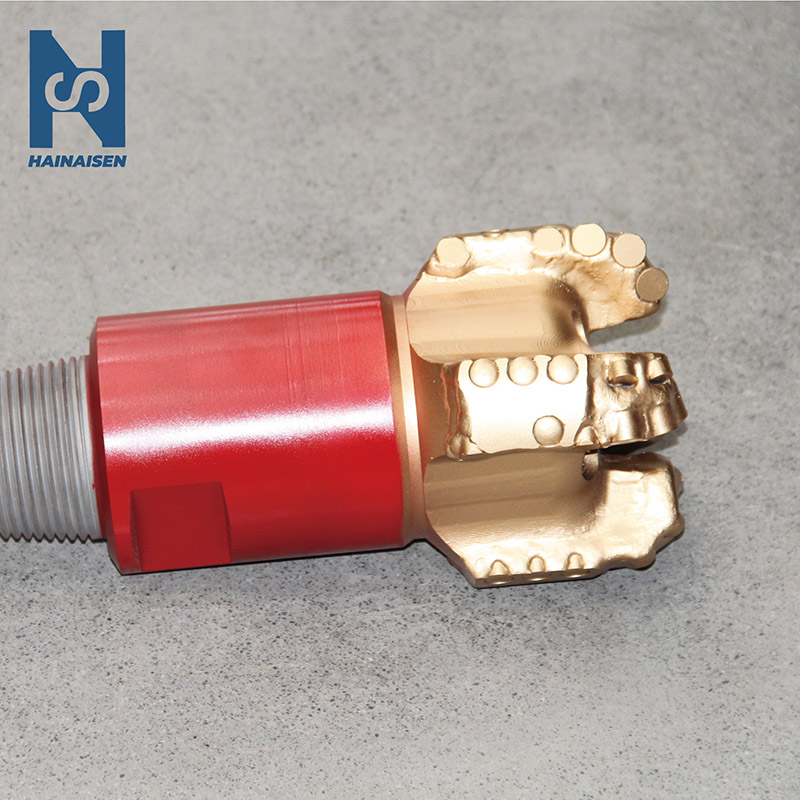 VIEW MOREPetroleum PDC Oil Drill Bit
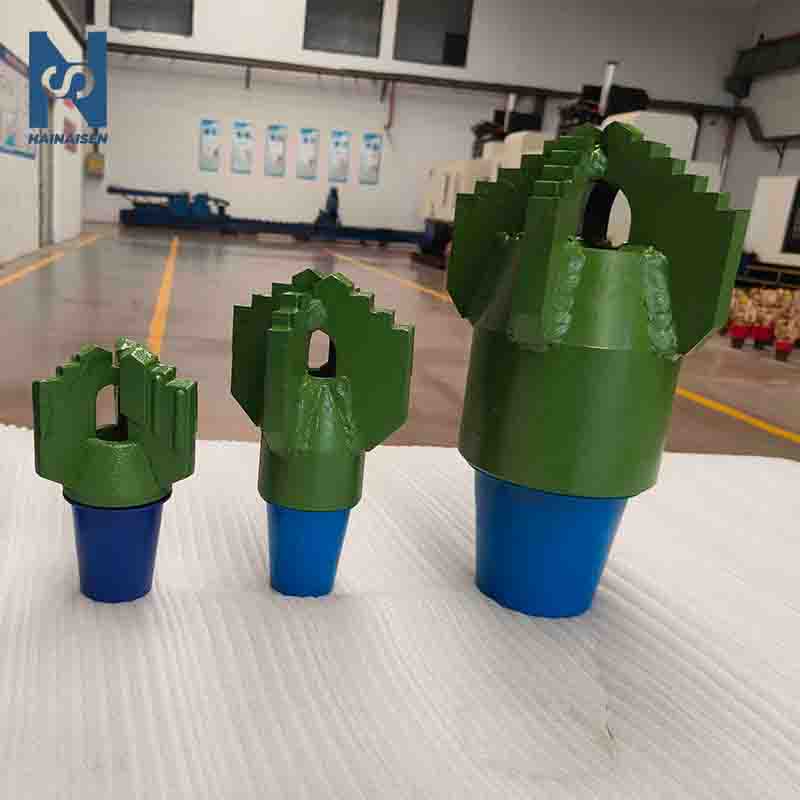 VIEW MORESteel Scraper Drill Bit
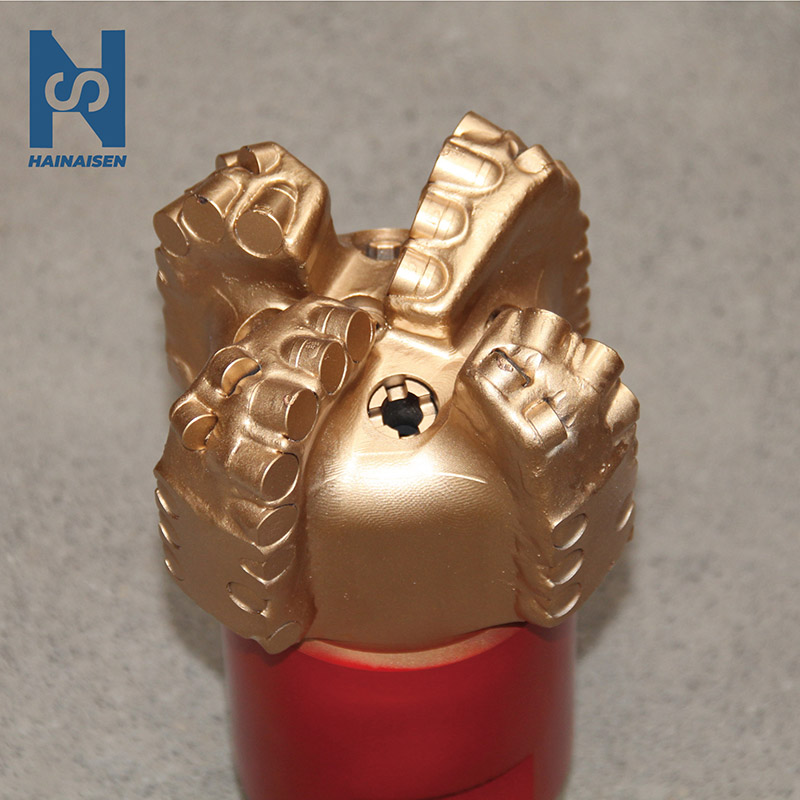 VIEW MOREFour Blade Wing High Performance Petroleum Drill Bit
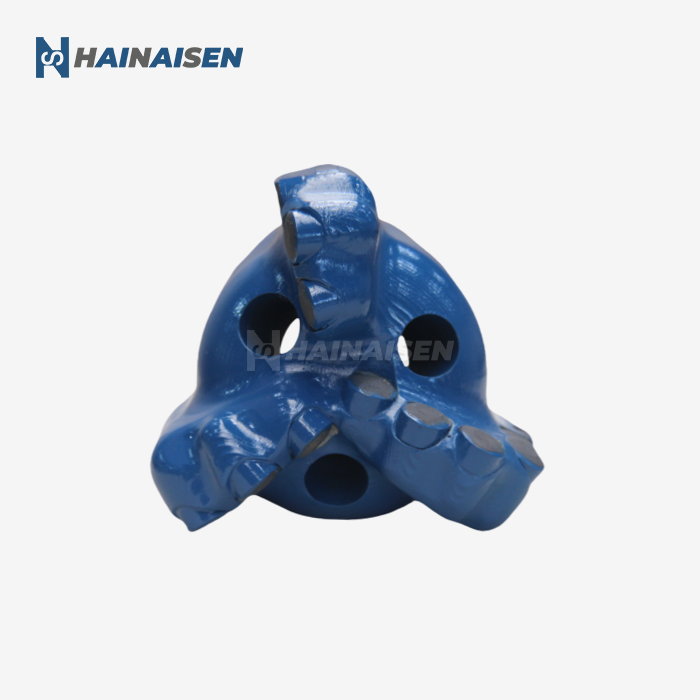 VIEW MORE113mm Three Wing Arc Angle Drill Bit
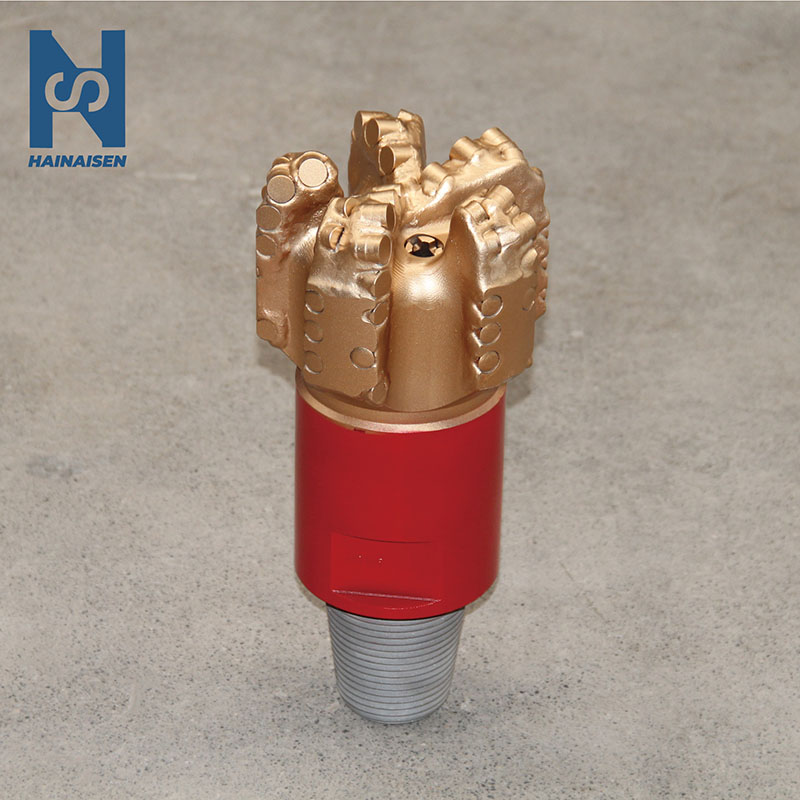 VIEW MORE5 Blade Matrix Body PDC Drill Bits
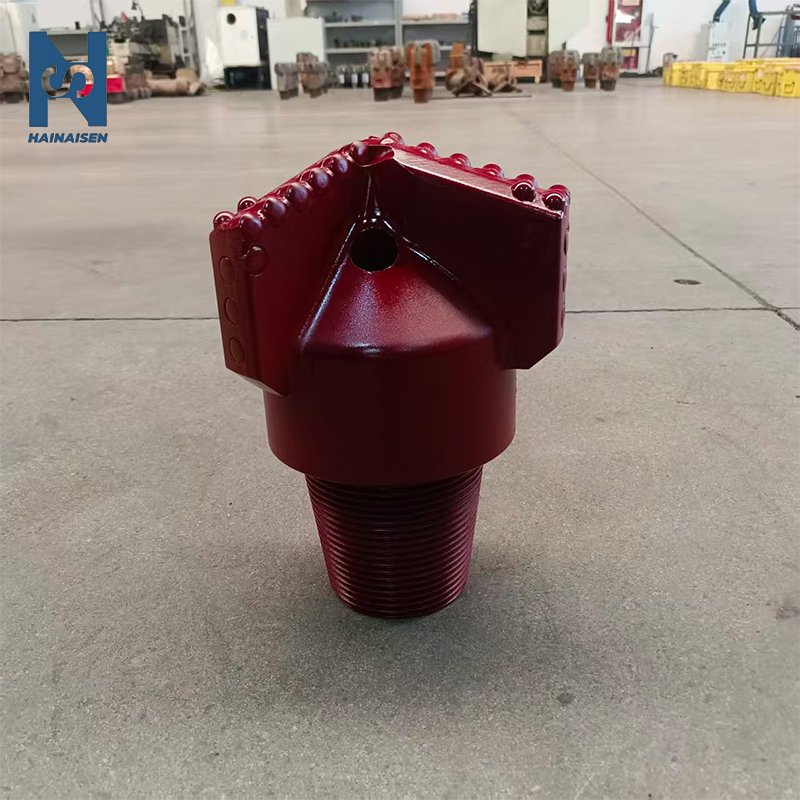 VIEW MOREHard Alloy Scraper Drill Bit
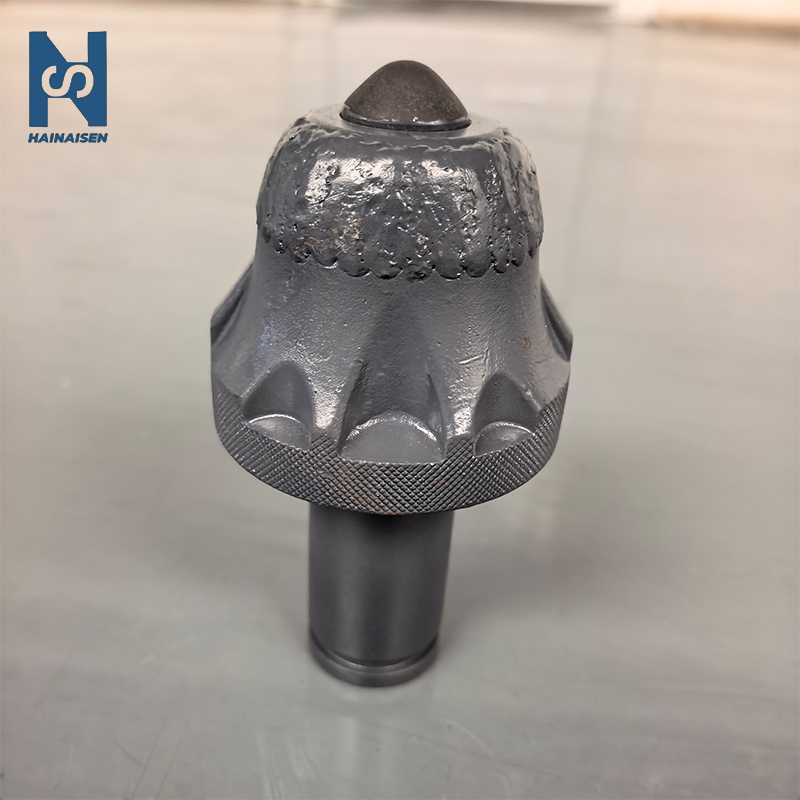 VIEW MOREDiamond Coal Mine Picks
 VIEW MOREPDC Diamond Bit
