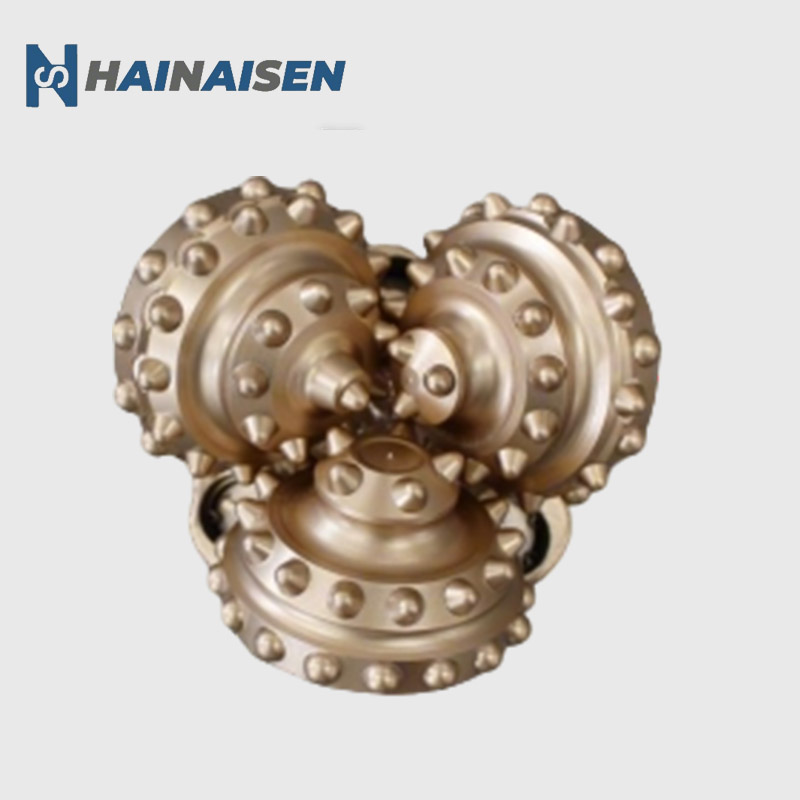
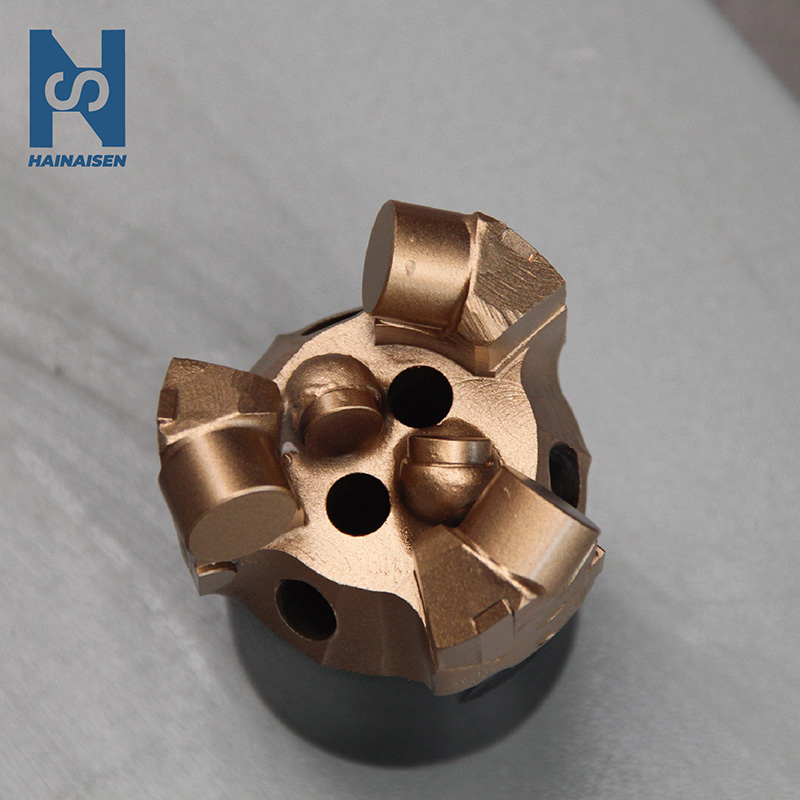
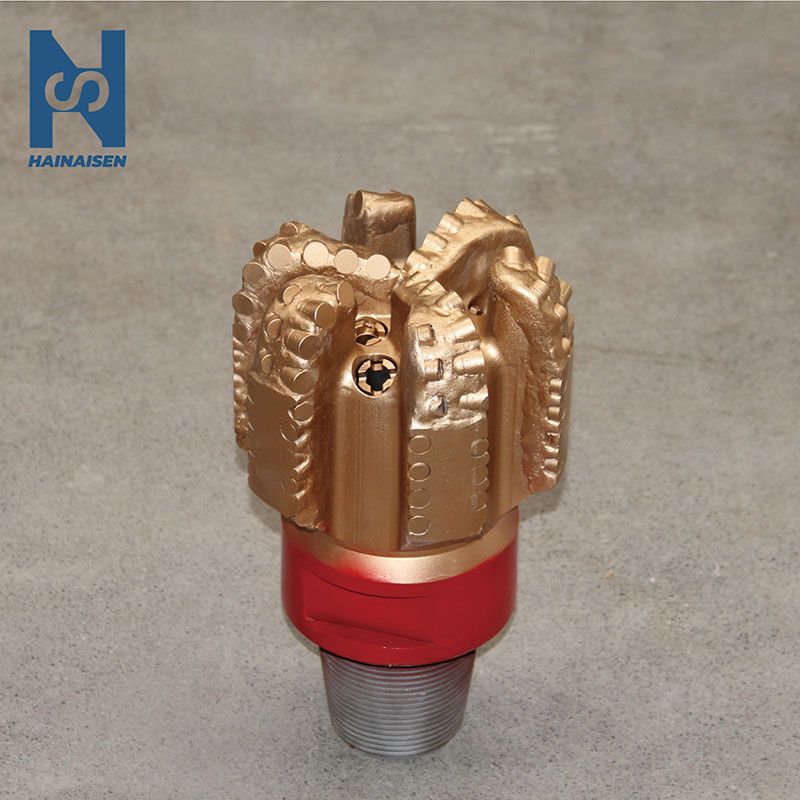
How do diamond drill bits affect the overall ROI (Return on Investment) of drilling?
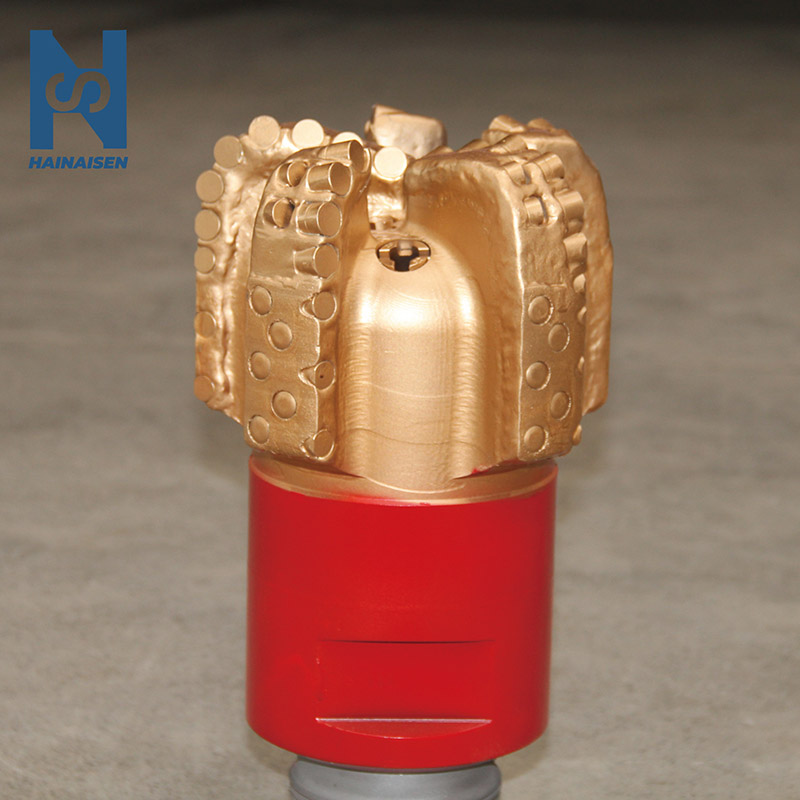
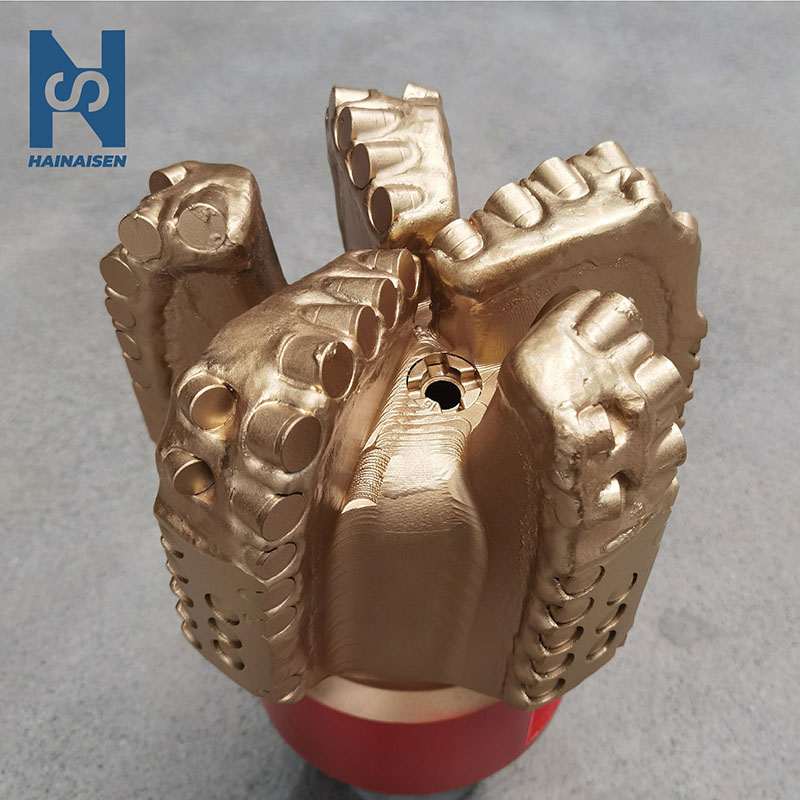
Diamond Oil Drill Bit technology revolutionizes drilling economics by lowering downtime, prolonging equipment life, and quickening penetration across varied formations. By reducing bit trips, rig time, and hole quality, modern PDC Bits with polycrystalline diamond compacts save drilling teams money immediately. Faster project completions, lower maintenance costs, and enhanced wellbore stability simplify completion operations, turning technical success into bottom-line profitability.
Understanding Diamond Oil Drill Bits and Their Role in Drilling ROI
The Core Design of Diamond Drilling Technology
Modern Diamond Oil Drill Bits use industrial diamonds in a finely designed metal matrix. Synthetic diamonds cut effectively in deep wells despite high pressures and temperatures, outperforming traditional materials. Diamond exposure is controlled by matrix composition, so new cutting edges encounter formation rock while worn diamonds dissolve away. This self-sharpening mechanism keeps the bit drilling efficiently throughout its life, preventing performance deterioration.
Key Performance Benefits That Drive Financial Returns
Diamond Oil Drill Bits have several benefits. Medium-hardness deposits have 30-50% higher penetration rates than roller cone alternatives, decreasing project durations and cutting rig rental costs. Heat resistance extends functioning in wells above 300°F, reducing heat damage that ordinary bits. Operators carry fewer specialist pieces due to geological adaptability, reducing inventory costs and increasing operational flexibility.
Comparing Diamond Bits Against Traditional Drilling Tools
Tungsten carbide tools are cheap but wear quickly in abrasive formations, necessitating regular replacements and hidden expenses from tripping. Roller cone bits handle softer formations well but lack directional control and vibration management. PDC Diamond Oil Drill Bits with polycrystalline diamond compacts combine diamond hardness and careful cutter placement for enhanced efficiency in the toughest rock forms. Through reduced non-productive time and longer operating intervals between bit shifts, this performance disparity boosts ROI.
How Diamond Oil Drill Bits Improve Drilling Efficiency and Reduce Operational Costs
Critical Performance Metrics That Influence Profitability
Penetration rate is the primary efficiency metric. Diamond Oil And Gas Drill Bits achieve 15–25 feet per hour in formations where conventional bits average only 8–12 feet per hour. This speed advantage can save thousands of dollars in daily rig expenditures over multi-week drilling campaigns. High-quality diamond bits drill 500–1,200 feet before replacement, compared to 200–400 feet for standard bits. Thanks to diamond’s wear resistance, drill string components experience less stress, requiring fewer repairs and spare parts.
Real-World Cost Savings in Different Formations
Wyoming coal miners turned to PDC Diamond Oil Drill Bits for exploratory drilling. Despite 40% higher initial investment costs than tungsten carbide alternatives, bit life quadrupled, and drilling speed doubled. Work was finished two weeks early, saving $180,000 in equipment rental and labor. Texas water well drilling teams reported 30% quicker limestone formation completion times, allowing them to serve more customer contracts in the same operational timeframe.
Design Innovations That Translate to Measurable Savings
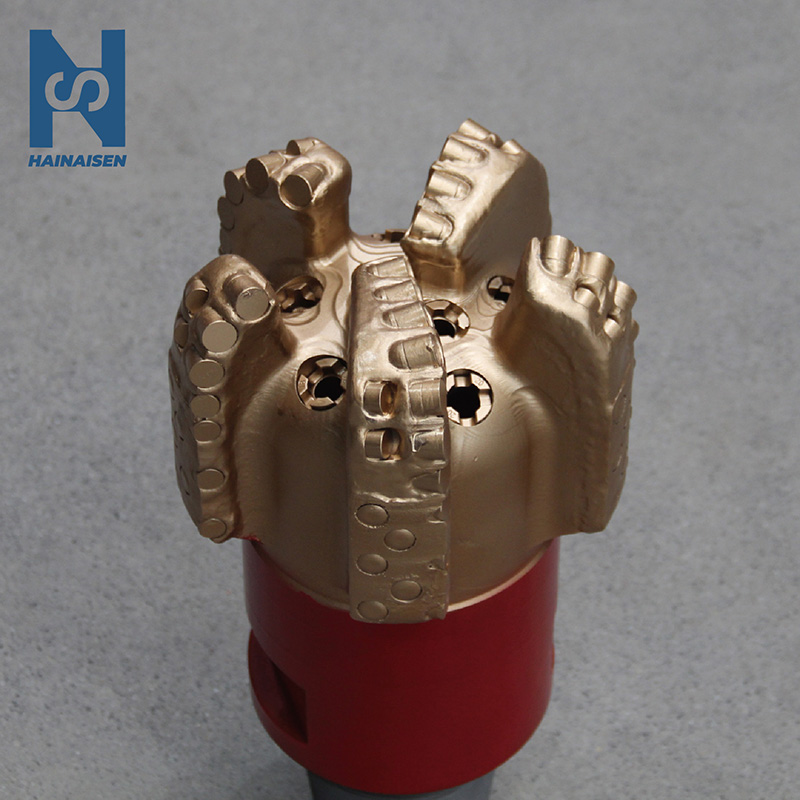
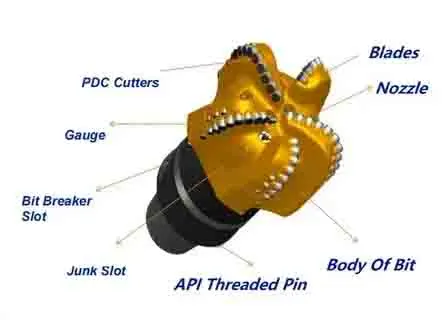
Modern Diamond Oil Drill Bits include asymmetrical blade layouts to properly distribute cutting forces over the bit face, reducing cutter wear. Widened flow channels avoid mud clogging, preserving hydraulic efficiency and drilling penetration rates. Blade anti-rotation features reduce vibration and focus energy on rock cutting. After years of field testing and computer modeling, these engineering innovations solve drilling profitability issues.
Comparing Diamond Oil Drill Bits with Alternative Technologies for Better Investment Decisions
Performance Benchmarks Across Drilling Technologies
Each bit of technology has a performance specialty. Roller cone pieces efficiently crush rock in soft, unconsolidated strata. Diamond Oil Drill Bits dominate medium-to-hard formations by shearing material with little energy. Standard PDC cutters fail in ultra-hard, abrasive conditions. TSP diamond bits work. Understanding application limits helps procurement managers match tool capabilities to drilling circumstances, avoiding costly performance mismatches.
Evaluating Total Cost of Ownership
Purchase price is simply one part of equipment expenses. Transportation costs, warranty coverage, technical assistance, and replacement lead times affect overall ownership costs. Established Manufacturers like Baker Hughes and Schlumberger charge premium prices but offer comprehensive field support and fast part delivery. Emerging vendors may have low prices but little support. Balance current financial restrictions with long-term operational reliability while evaluating these aspects.
Strategic Procurement Approaches for B2B Buyers
Large drilling operations using dozens of Diamond Oil Drill Bits per year benefit from bulk buying agreements' per-unit discounts. Custom bits designed for unique formation features outperform off-the-shelf options, justifying development expenses via efficiency. Established contacts with manufacturers with in-house R&D skills offer access to current technology developments and rapid technical assistance when unforeseen drilling issues arise.
How to Choose the Right Diamond Oil Drill Bit to Maximize ROI
Essential Selection Criteria for Optimal Performance
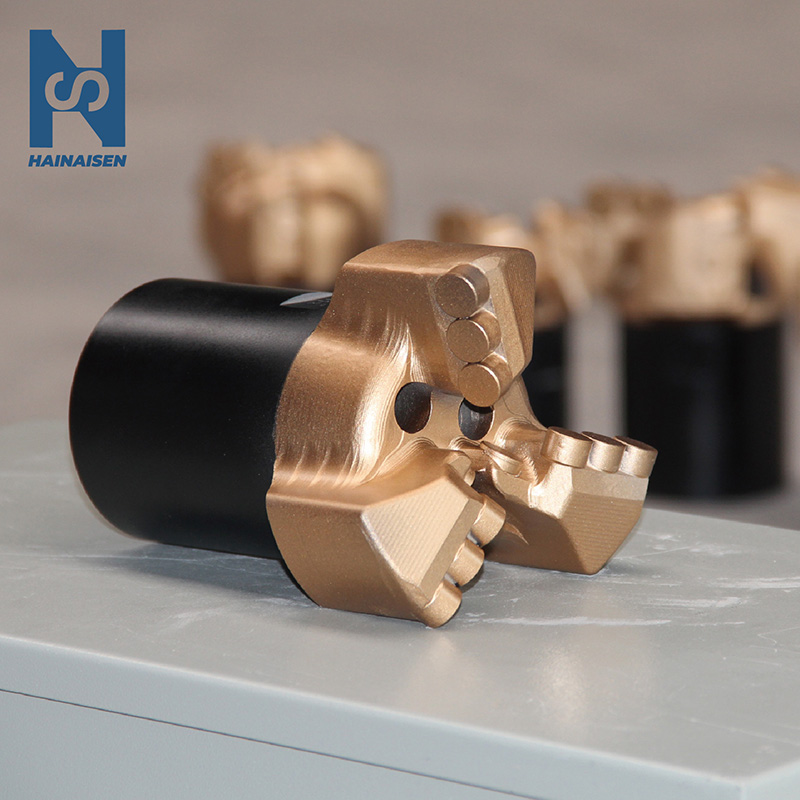
Bit diameter must match hole size and accommodate formation. Larger Diamond Oil Drill Bits drill quicker but cost more and need more drilling rig torque. Blade count impacts cutting effectiveness, with 3-5 blades for light rock and 6-8 for tougher rock. Diamond aggressiveness is evaluated by percentage by volume. Higher concentrations penetrate more quickly in competent formations but wear faster in abrasive environments. To maximize diamond exposure throughout the bit's life, matrices should be soft for hard rock and firm for soft formations.
Balancing Upfront Investment Against Long-Term Value
Procurement decisions commonly aim to reduce initial capital outlays, focusing simply on purchase price, but sometimes raise project expenses. Even without time savings from fewer bit trips, a Diamond Oil Drill Bit drilling 1,000 feet costs less per foot than a $1,500 conventional bit drilling 300 feet. Technical engineers should compare bit technologies throughout predicted operational lifespans to compute break-even thresholds, taking into account all cost aspects rather than just purchase costs.
Sourcing Best Practices for Reliable Supply Chains
Modern manufacturing facilities assure product quality and timely delivery. Companies with specialized R&D teams may adapt Diamond Oil Drill Bit designs to suit particular forming issues, giving them a competitive edge over commodity vendors. Remote drilling locations, where delayed supplies stop operations, must consider supplier location and distribution networks along with product specifications.
Future Trends and Innovations in Diamond Oil Drill Bits Affecting ROI
Emerging Materials Science Breakthroughs
Research laboratories produce Diamond Oil Drill Bit matrices with superior heat conductivity and wear resistance. In interbedded hard-soft layers, next-generation synthetic diamonds withstand impact better, prolonging bit life. Additive manufacturing optimizes fluid flow and cutting removal to improve drilling efficiency by creating complicated interior geometry. These advances offer modest performance advantages that boost ROI over big drilling projects.
Intelligent Monitoring Systems and Data-Driven Optimization
Sensor-equipped smart Diamond Oil Drill Bits send real-time performance data to surface systems, letting operators dynamically control weight-on-bit and rotation speed. Predictive algorithms detect early wear trends, enabling bit replacement before catastrophic failure. This data-driven method optimizes operational parameters to reduce non-productive time and increase bit life. Machine learning algorithms enhance drilling tactics based on field experience, improving efficiency with automated drilling equipment.
Sustainability and Efficiency Convergence
Environmental rules increasingly affect drilling, driving demand for waste- and energy-saving devices. Less vibration from Diamond Oil Drill Bits reduces formation damage, enhancing reservoir production and cement remediation. Extended bit life reduces replacement unit manufacturing and travel, reducing drilling carbon emissions. These sustainability benefits and efficiency improvements make advanced diamond technology desirable environmentally and financially.
Conclusion
Quality Diamond Oil Drill Bits increase drilling economics by accelerating penetration rates, reducing replacement frequencies, and simplifying wellbore quality. ROI increases justify the premium cost for sophisticated PDC technology. Procurement managers and technical engineers must examine formation-specific performance characteristics and overall ownership expenses across operating lifespans to maximize profits. Partnering with skilled manufacturers with unique design and technical support provides optimum solutions that retain competitive advantages in a cost-conscious sector.
FAQ
1. How often should diamond drill bits be maintained to optimize ROI?
Inspection after each drilling run reveals wear patterns. Clean Diamond Oil Drill Bits after each use to remove formation cuttings that promote storage wear. Replace damaged cutters before they spread. Maintenance enhances bit life by 20-30% compared to ignored equipment, enhancing ROI by reducing replacement frequencies and preserving drilling efficiency.
2. Can diamond oil drill bits handle various geological conditions effectively?
PDC Diamond Oil Drill Bits work well in limestone, sandstone, and shale. Thermally stable diamond configurations work well in highly hard, abrasive environments, whereas softer formations may need designs with lower diamond concentration. Though no bit design works well in all geological situations, matching bit specifications to formation features optimizes performance.
3. Are diamond bits more cost-effective than standard PDC bits?
Application context determines cost-effectiveness. Diamond Oil Drill Bits cost more but operate better in difficult formations where ordinary bits wear out quickly. Instead of comparing purchase prices, calculate per-foot drilling expenses considering bit price, footage drilled, and time savings to establish cost-effectiveness for given operational conditions.
Partner with HNS for Superior Diamond Oil Drill Bit Solutions
Your most difficult projects benefit from HNS's decade of diamond drilling technology knowledge. Our sophisticated PDC Diamond Oil Drill Bits excel in oil and gas exploration, coal mining, and geological surveys. We create customized designs in our 3,500m² facility using 5-axis machining centers and CNC technology to match your specific forming needs. Discuss how our proven diamond bit solutions may improve drilling productivity and project ROI with our technical team at hainaisen@hnsdrillbit.com. HNS is your Diamond Oil Drill Bit manufacturer for regular or bespoke designs.
References
1. Smith, J.R., and Thompson, M.K. (2022). "Advanced Drilling Technologies and Their Economic Impact on Oil Field Operations." Journal of Petroleum Engineering, Volume 45, Issue 3, pp. 112-128.
2. Martinez, L.A. (2021). "Comparative Analysis of PDC and Diamond Drill Bit Performance in Hard Rock Formations." International Mining Technology Review, Volume 38, pp. 67-83.
3. Chen, W., and Rodriguez, P. (2023). "Material Science Innovations in Diamond Drilling: Economic and Performance Implications." Drilling Technology Quarterly, Volume 51, Issue 2, pp. 201-219.
4. Anderson, K.T. (2022). "Total Cost of Ownership Models for Drilling Equipment Procurement." Energy Industry Economics, Volume 29, pp. 145-162.
5. Williams, S.J., Parker, D.L., and Moore, R.H. (2021). "Field Performance Data: ROI Analysis of Diamond-Enhanced Drilling Systems." SPE Drilling and Completion, Volume 36, Issue 4, pp. 889-903.
6. Nakamura, H., and Hassan, A.M. (2023). "Emerging Trends in Smart Drilling Technology and Predictive Maintenance Systems." Petroleum Technology International, Volume 42, pp. 78-94.