







Diamond Oil Drill Bit for Heavy-Duty Rig Compatibility
The appropriate drilling solution may make or break your project timeframe and budget. Diamond Oil Drill Bits use polycrystalline diamond compact technology and specialist design to address the hardest formations in heavy-duty rig operations. These sophisticated bits have high penetration rates, long service life, and compatibility with contemporary drilling equipment, making them vital for oil and gas exploration, mining, and geological surveys, where performance directly affects profits.
Understanding Diamond Oil Drill Bits and Their Compatibility with Heavy-Duty Rigs
Bit technology has advanced rapidly in the drilling sector, and procurement managers and technical engineers may make educated operational efficiency decisions by knowing Diamond Oil Drill Bits.
What Makes Diamond Bits Different from Conventional Options
Traditional roller cone pieces smash rock formations, generating heat and requiring regular repair. Shearing PDC Bits using polycrystalline diamond compact technology makes better cuts with less energy. Diamond layers linked to tungsten carbide substrates under tremendous pressure and temperature provide cutting blades that last longer than steel or carbide alone. This basic distinction reduces bit replacement trips, rig downtime, and per-foot drilling expenses for diamond drill bit oil and gas throughout your operations.
Critical Compatibility Factors for Heavy-Duty Rigs
Finding the right bit for your rig includes assessing various technical characteristics that impact operational performance. Heavy rigs create a lot of torque; the bit must be able to manage it without failing. Verifying compatibility between API standard threaded connections and proprietary designs avoids costly delays. Fluid circulation systems must meet the bit's hydraulic needs for cooling and cuttings disposal. Weight-on-bit capabilities vary by rig class, so choosing a bit for your pressure range maximizes drilling performance and prevents bit or rig damage.
Types of PDC Bits for Varying Conditions
Certain geological issues need certain bit combinations. Matrix body bits with diamond cutters in powder metal composites are durable in coal mining and hard rock applications. Steel body bits are popular with water well drilling teams seeking value-driven options for softer formations where bit life isn't a priority. Three-blade designs for high ROP in homogeneous formations and eight-blade patterns for stability in interbedded rock layers are possible. Diamond concentration, usually 10–75% volume percentage, regulates how fiercely the bit cuts and how long it lasts.
Performance and Benefits of Diamond Oil Drill Bits in Rig Operations
Actual performance data shows how these bits add value in diverse operating scenarios.
Superior Durability Under Extreme Conditions
In high-temperature wells, materials must be structurally sound when conventional bits fail. Our breakthrough PDC technique uses thermally resistant polycrystalline diamonds that endure temperatures beyond 1,200 degrees Fahrenheit, assuring geothermal drilling and deep oil exploration performance. The improved cutting structure uniformly distributes wear across several cutting components, eliminating diamond failure. Field testing across varied formations shows that appropriately selected Diamond Oil Drill Bits last 200-500% longer than typical alternatives, saving equipment replacement costs.
Increased Penetration Rates and Reduced Costs
Faster drilling reduces rig time and day rates. PDC cutters shear formation material better than crushing devices, improving penetration rate by 30-70% in medium to hard formations. This performance advantage is especially beneficial in deep drilling operations, as each additional day on site increases crew costs, equipment rental, and support services. We use asymmetrical blades to reduce vibration and stress loads on downhole equipment and the rig, reducing drilling assembly maintenance. The enlarged flow channels minimize mud clogging, ensuring hydraulic efficiency and good ROP even in difficult situations.
Return on Investment Analysis
Premium drilling technology's economic value is revealed by the total cost of ownership. diamond bits cost more initially, but their longer lifespan and better performance save 25-40% per foot drilled due to lower tripping time, fewer bit purchases, and improved daily footage for diamond drill bit oil rig. With deeper drilling, bit cost and overall project expenditures become more advantageous, benefiting oil service firms with long-term projects. Improvements in wellbore quality limit completion issues, reducing costly cleanup that might negate savings from cheaper bits.
How to Select the Best Diamond Oil Drill Bit for Heavy-Duty Rig Compatibility
Making the proper choice demands rigorous study of technical and commercial aspects that match Diamond Oil Drill Bit capabilities with your needs.
Defining Technical Requirements
Characterize the formations you'll see. Diamond quality and matrix composition depend on rock hardness, evaluated by Mohs or compressive strength. In soft, abrasive rocks, tougher matrix linkages wear faster to expose fresh cutting edges than softer bonds in hard, non-abrasive formations. Deeper wells justify higher-performance specs due to greater tripping costs, influencing bit design objectives. Your technical engineers and suppliers must work together to determine bit selection based on temperature, pressure, and drilling fluid parameters.
Comparing Market Options Effectively
Supplier evaluation goes beyond price sheets. Certifications ensure diamond quality and matrix composition meet standards, preventing premature product failure. Warranty terms demonstrate Manufacturer confidence and safeguard against problems. Industry reputation and customer references confirm supplier credibility, identifying long-term partners. Customization is important for specific applications because standard designs don't handle drilling problems. Our research and development team creates bespoke bit structures to fulfill formation requirements, providing you operationally specialized solutions.
Decision Framework for Procurement Managers
An organized strategy simplifies difficult choices. Prioritise requirements—maximum ROP, longest bit life, or lowest total cost. To determine predicted conditions, collect formation data from offset wells or geological surveys. Request technical specs from several providers to evaluate equal performance classes, not premium and economy. Bit-formation compatibility is best assessed by drilling performance; thus, consider sample testing when available. Calculate total ownership costs, including projected footage per bit and tripping costs, to find the most cost-effective option for your project.
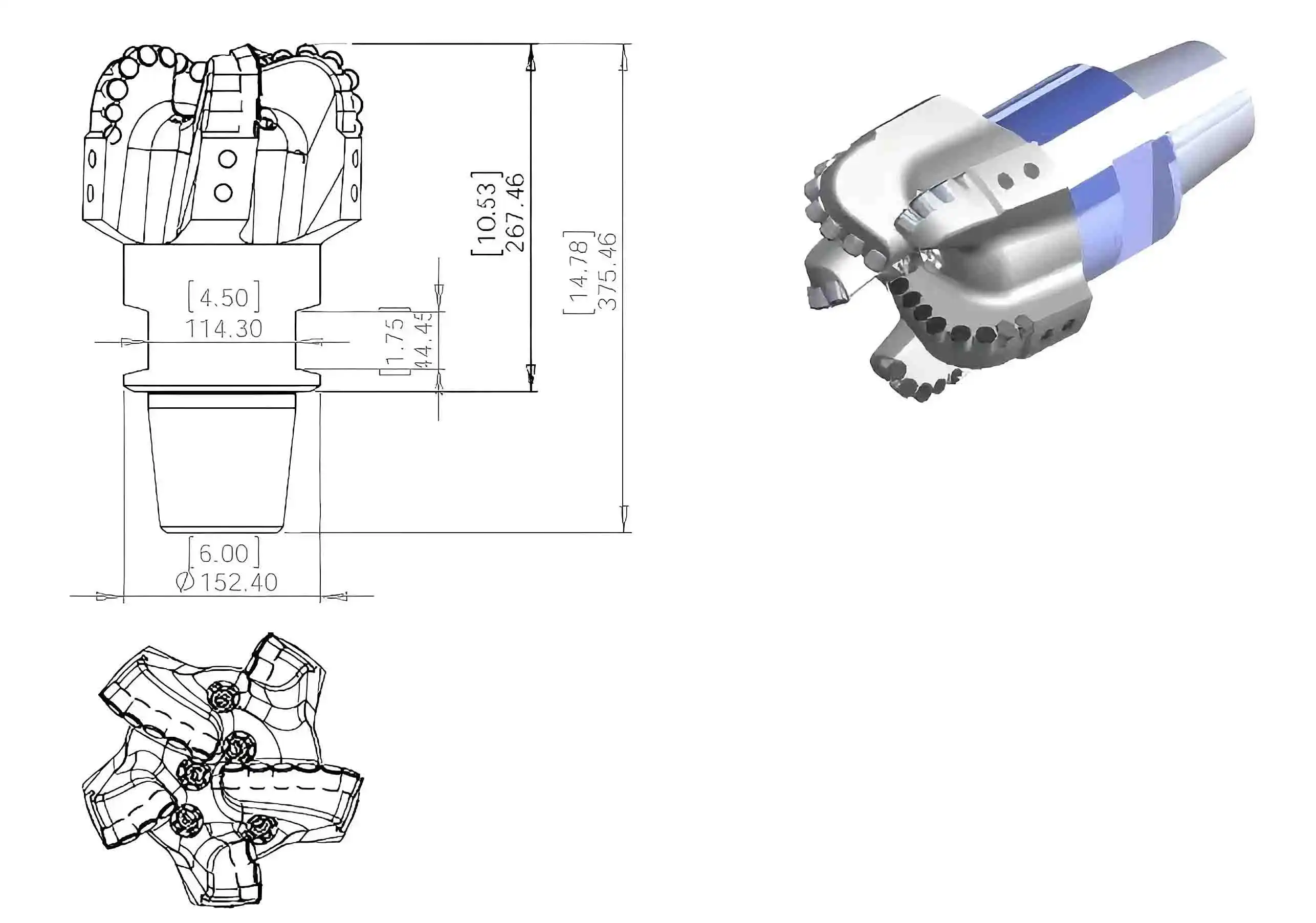
Procurement Strategies for Bulk and Custom Diamond Oil Drill Bit Orders
Effective buying processes provide a consistent supply at competitive prices, and product quality fulfills operational criteria for custom Diamond Oil Drill Bits.
Identifying Reputable Manufacturers
Many vendors exist worldwide, but quality varies. Established manufacturers usually have ISO certifications and industry standards to assure manufacturing quality. Five-axis machining centers, CNC machine tools, and specialized welding production lines enable precision fabrication of complicated diamond drill bit oil rig shapes in our 3,500-square-meter facility. Supplier portfolios show technical knowledge in related applications. Direct manufacturer ties offer superior technical assistance and customization to wholesalers, who lack engineering resources for unique needs.
Pricing Models and Bulk Advantages
Large purchases save money through economies of scale. Larger oil service firms profit most from bulk discounts of 10-25%, depending on order volumes. Long-term supply agreements assure equipment availability and a stable price against market instability. As engineering and tooling costs spread over many units, customization becomes cheaper at bigger quantities. Coal mining enterprises believe that sample testing followed by bulk orders strikes the right mix between confirming performance and gaining price benefits, creating effective procurement partnerships promptly after product compatibility testing.
Logistics and After-Sales Support
Logistics must be reliable since delivery timing influences project schedules. Production cycles range from two to six weeks for common setups and unique designs. Preventing delays in international shipment requires coordination of documents, customs clearance, and transit modalities. Excellent providers offer technical consulting to solve drilling problems and maintenance recommendations to increase bit life. Warranty claims should be simple and fast to minimize business disruption. We help your team from equipment selection to field operations with comprehensive technological solutions.
Best Practices for Maintaining Diamond Oil Drill Bits and Ensuring Safety
Bit maintenance enhances bit life and protects drilling workers from risks during operations with Diamond Oil Drill Bits.
Maintenance Protocols for Maximum Longevity
Before and after each run, inspect cutting structures, connecting threads, and gauge measurements for damage and wear. Formation debris and drilling fluid residues can disguise defects or induce corrosion during storage. Cleaning removes them. Avoid wire brushes on diamond surfaces and use non-acidic cleaning solutions to avoid dislodging cutting elements. Keep pieces dry, away from corrosive substances, horizontally, and with thread protectors to ensure connection integrity. Documenting usage hours, formations drilled, and performance indicators helps determine replacement time before catastrophic downhole failure.
Operational Safety Standards
Proper procedures reduce drilling hazards for diamond drill bit oil and gas. Diamond cutters may pierce work gloves; thus, bit handlers should wear cut-resistant gloves. Eye protection protects against installation and removal debris. Torque wrenches calibrated to manufacturer requirements avoid thread damage and connection failure by preventing overtightening and undertightening. Diamond bits may weigh several hundred pounds and require mechanical help; rig floor personnel need bit handling training. Clear communication standards during tripping operations minimize floor hand-driller misunderstanding incidents.
Case Studies in Maintenance Excellence
A regional water well drilling operation implemented systematic inspection and documentation, increasing bit life by 40% and virtually eliminating connection failures. Training personnel on correct handling and maintaining performance data helped identify optimal replacement intervals. Similarly, a coal mining company reduced drilling costs by 30% by following manufacturer-recommended cleaning and storage procedures to minimize diamond deterioration. These examples highlight how maintenance investments improve equipment longevity and operational efficiency, reinforcing the importance of sourcing high-quality bits from reputable drill bit manufacturers in China.
Conclusion
Diamond Oil Drill Bits are an established technology that improves oil and gas extraction, mining, and geological surveys. Compatibility, supplier capabilities, and maintenance procedures set your operations up for success. Advanced PDC technology, bespoke designs, and dependable manufacturing develop tools that suit heavy-duty rig operations' demanding needs while providing excellent economic returns through extended service life and greater drilling performance.
Frequently Asked Questions
1. What drilling applications benefit most from diamond bits?
Diamond Oil Drill Bits thrive in medium-to-hard formations in oil and gas, geothermal, coal bed methane, and hard rock mining. Their wear resistance and heat tolerance make them ideal for deep wells and abrasive formations where conventional bits wear out quickly. Water well drilling crews find diamond bits useful in cemented formations, while geological core sampling benefits from smooth cutting that protects sample integrity.
2. How do I determine the right bit size for my rig?
Bit size depends on wellbore diameter and rig specs. API connection sizes range from 4-3/4 inches to 26 Inches, with oil drilling typically using 6 to 17-1/2 inches. Your rig's torque, hydraulic flow rate, and weight-on-bit must match the bit's needs. Technical engineers help size equipment to enhance performance and minimize damage.
Partner with HNS for Superior Diamond Oil Drill Bit Solutions
HNS has 10 years of PDC bit manufacturing expertise supporting oil service companies, mining operations, and drilling contractors in demanding situations. Our Xi'an facility has superior production and a bespoke design section that solves your forming problems. Our staff provides technical experience and quality assurance for successful drilling operations, whether you need conventional configurations or bespoke bits for unusual geological conditions. Talk to our engineering team at hainaisen@hnsdrillbit.com about how our Diamond Oil Drill Bits technology may improve your heavy-duty rig operations.
References
1. Bellin, F., & Doiron, H. H. (1987). Polycrystalline diamond compact bits: The strength of the diamond-carbide interface. Journal of Petroleum Technology, 39(06), 645-649.
2. Glowka, D. A. (1989). Use of single-cutter data in the analysis of PDC bit designs: Part 1—Development of a PDC cutting force model. Journal of Petroleum Technology, 41(08), 797-799.
3. Warren, T. M., & Armagost, W. K. (1988). Laboratory drilling performance of PDC bits. SPE Drilling Engineering, 3(02), 125-135.
4. Detournay, E., & Defourny, P. (1992). A phenomenological model for the drilling action of drag bits. International Journal of Rock Mechanics and Mining Sciences, 29(1), 13-23.
5. Chen, P., & Mensa-Wilmot, G. (2010). A realistic approach for modeling the performance of fixed cutter bits. SPE Drilling & Completion, 25(02), 214-223.
6. Winters, W. J., Warren, T. M., & Onyia, E. C. (1987). Roller Bit model with rock ductility and cone offset. SPE Annual Technical Conference and Exhibition, Paper SPE 16696.
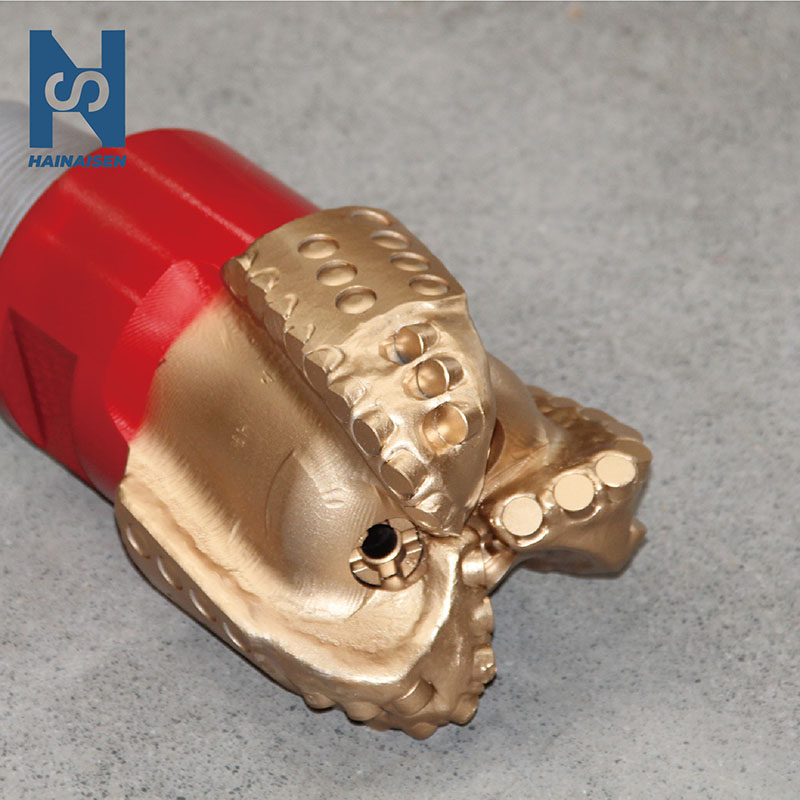 VIEW MOREThree Blade Oil Drill Bit
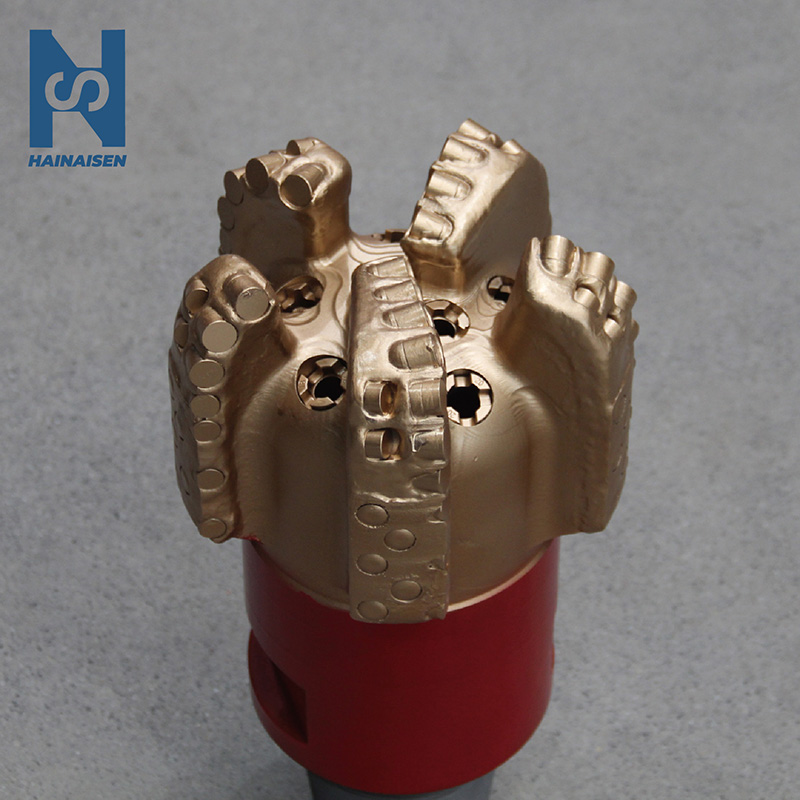 VIEW MOREOil Diamond Drill Bit
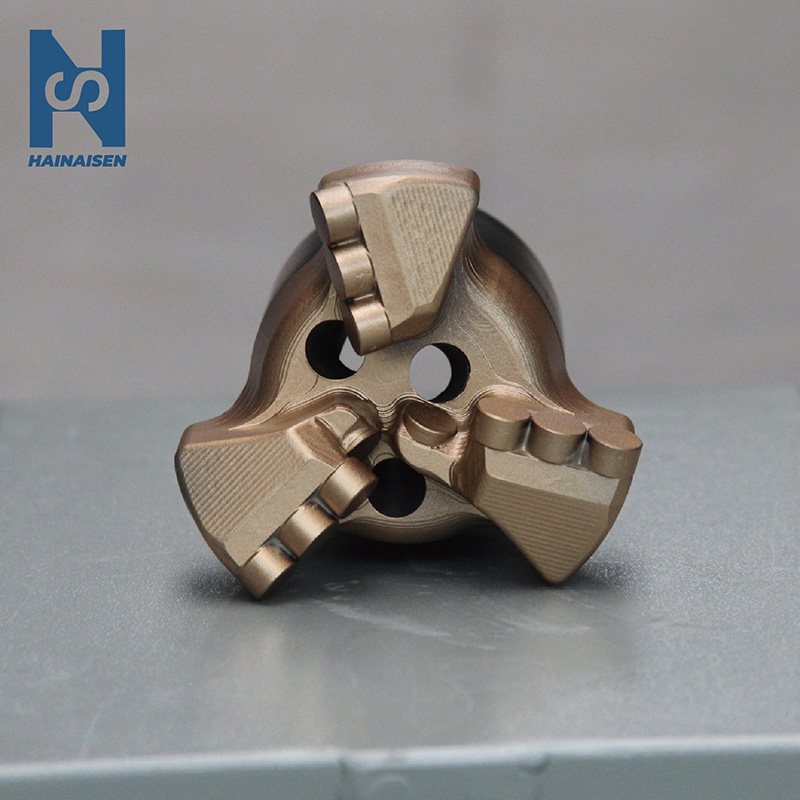 VIEW MORE3 Blades PDC Rock Bit
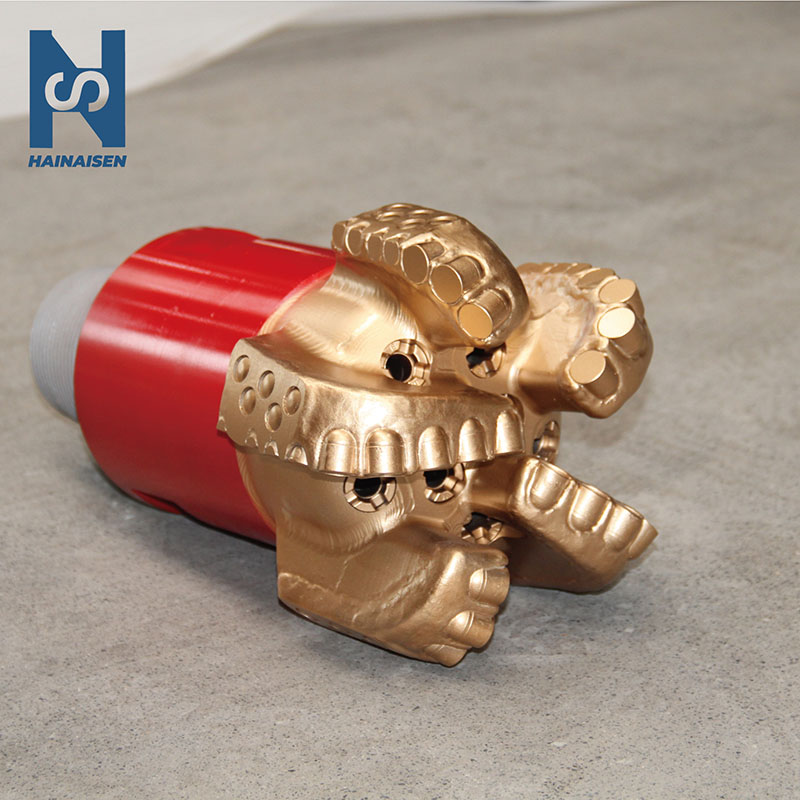 VIEW MOREDiamond Drill Bits For Oil Rigs
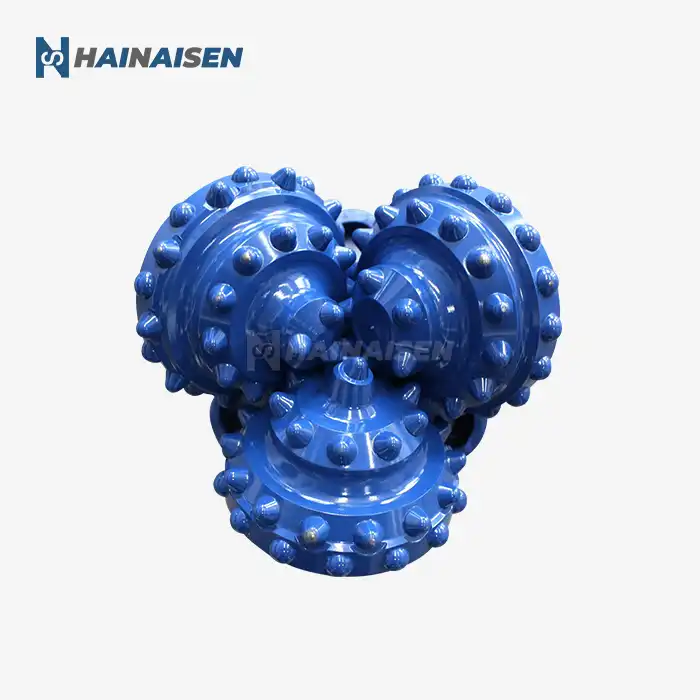 VIEW MORE5 1/2 Inch IADC 537 Tricone Rock Bit for Medium-Hard Formations
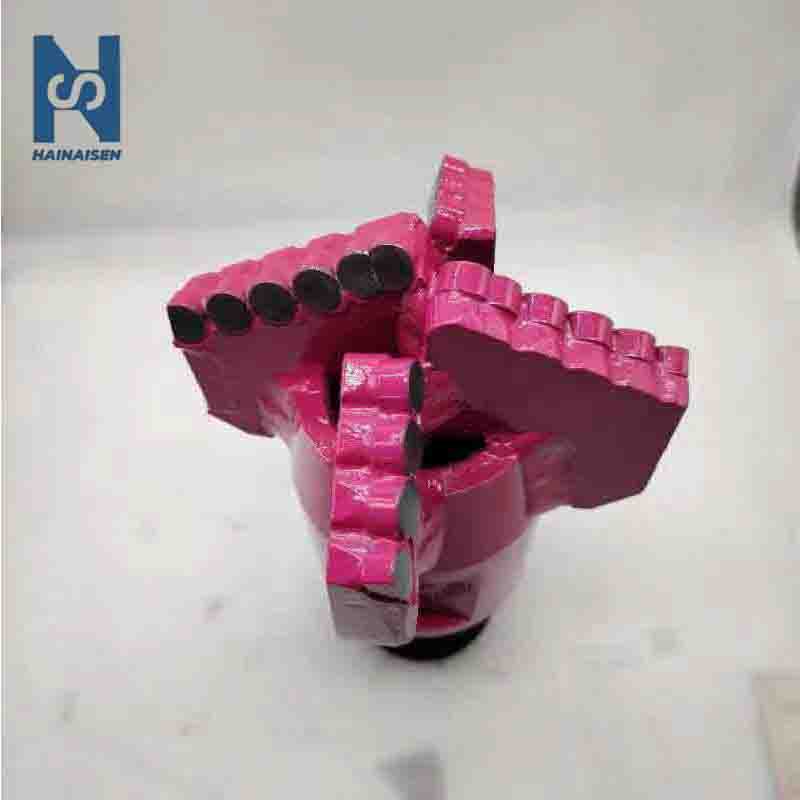 VIEW MOREAlloy Scraper Drill Bit For Water Well
logo 1_1777360475599.jpg) VIEW MOREDirectional Three Blade PDC Drill Bit
VIEW MOREDirectional Three Blade PDC Drill Bit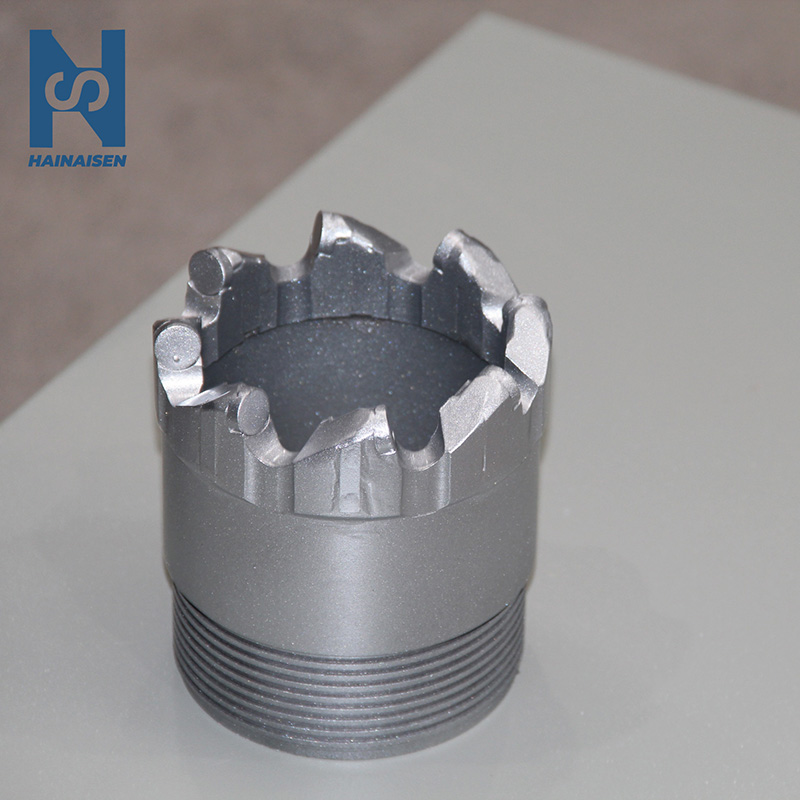 VIEW MOREPDC Core Drill Bit Used For Drilling
