




How Does a 5 Blade Steel Body PDC Bit Reduce Drilling Cost?
Reducing costs without losing performance is a perennial challenge for drilling operations. The 5 Blade Steel Body PDC Bit solves this problem with its high penetration, durability, and lifespan. A strong steel body and polycrystalline diamond compact cutters make this drill bit cut rock formations rather than crush them. This bit reduces non-productive time, replacement frequency, and maintenance costs for oil and gas drilling, coal mining, and water well construction projects due to optimized blade geometry and heat dissipation.
Understanding the 5 Blade Steel Body PDC Bit
Drilling technology has advanced to polycrystalline diamond compact bits, which are cheaper due to their design. A balanced drilling platform with 5 Blade Steel Body PDC Bits on a steel body performs well in all geological situations.
Basic Structure and Cutting Principles
The steel body supports five strategically placed blades with remarkable structural stability. Each blade has numerous diamond-impregnated PDC Cutters that shear rock formations instead of crushing them like roller cone bits. The cutting movement uses less energy and vibrates less. The steel body allows engineers to precision-machine blade profiles and cutter placements that optimize cutting efficiency. These pieces work well in medium-hardness rocks, including shale, limestone, sandstone, and gypsum, at 60-250 RPM with 20-110 KN.
Blade Configuration and Performance Impact
Five blades strike the right mix between cutting power and stability. More blades may hinder hydraulic flow and trash evacuation, while fewer blades may cause uneven load distribution and vibration. Fluid movement between the five blades cools cutters and efficiently removes drill cuttings from the borehole. This design factor directly affects drilling productivity and bit longevity, making it ideal for continuous drilling operations where downtime costs money.
Steel Body Advantages Over Matrix Construction
Steel bodies have benefits over tungsten carbide matrix. Steel's machining accuracy permits tighter tolerances and more complicated designs, improving hydraulic efficiency. Due to its ductility, steel absorbs impact loads better, minimizing catastrophic failure risk from harsh streaks or formation changes. This impact resistance is especially useful in interbedded formations with frequent load fluctuations. Advanced steel alloys and surface treatments offer erosion resistance comparable to matrix materials while keeping steel's strength-to-weight benefits.
How the 5 Blade Steel Body PDC Bit Reduces Drilling Costs
Drilling costs decrease due to greater penetration rates, longer equipment lifespans, and lower maintenance. The 5 Blade Steel Body PDC Bit addresses all three regions concurrently.
Accelerated Rate of Penetration
Faster drilling reduces rig hours and personnel costs. Five blades with optimal cutter location generate many cutting points that contact the formation, ensuring aggressive forward advancement. The parabolic crown design and heavy cutter density allow strong penetration in medium-hard rocks with moderate compressive strength. Field data regularly shows 15-30% ROP gains over three-blade designs in similar geological settings. This acceleration can save days or weeks on long drilling programs. Deep blade design increases hydraulic efficiency, allowing flow rates of 30-40 liters per second to cool cutters and transfer cuttings for excellent drilling performance over long runs.
Extended Bit Life Through Superior Durability
Beyond the bit price, replacement expenses include tripping time, inspections, and downtime if new inventory isn't available. The steel body structure resists impact and wear well. It can endure shock loads that would break brittle matrix bodies due to its toughness. The high-intensity gauge protects cutters at the bit's outer diameter, which wears hardest. Steerable drilling rigs through abrasive formations benefit from gauge protection. Operators report bit lifetimes 40-60% longer than matrix-body alternatives in demanding applications, resulting in fewer bit changes per well and significant drilling program cost savings.
Reduced Maintenance and Simplified Operations
Operations are more efficient when complexity and maintenance are reduced. Their sturdy structure allows steel body parts to handle handling variances and minor operational mistakes without catastrophic repercussions, simplifying field operations. Steel's heat dissipation keeps PDC Cutters sharp throughout their lifespan. Drilling at greater rotational speeds or in formations needing continuous mechanical energy requires temperature control. The bit's design requires only basic inspection and hydraulic control to work well. This operational simplicity lowers training and lets personnel focus on drilling rather than equipment management.
Comparing Steel Body vs Other PDC Bit Bodies for Cost Efficiency
Understanding how bit technologies function under different operational settings and their cost consequences is essential for informed purchase decisions.
Steel Versus Matrix Body Performance
Tungsten carbide powder is sinter-bonded into matrix body pieces. This architecture resists erosion in extremely abrasive strata, but it has drawbacks. Brittle matrix bodies are vulnerable to impact damage from harsh stringers or operational irregularities. The manufacturing technique reduces geometric complexity, limiting hydraulic flow route and blade profile optimization. Steel bodies' machining flexibility allows advanced designs for specialized purposes. Steel body pieces cost 10–20% less than matrix designs and perform similarly or better in most arrangements. Lower purchase cost and prolonged operating life provide budget-conscious enterprises with attractive total cost of ownership advantages.
Blade Count Considerations for Different Applications
Blade arrangement greatly affects drilling performance and profitability. Three-blade designs cut aggressively in soft, homogeneous strata but vibrate excessively in heterogeneous geology. Seven-blade setups are stable and smooth, although a higher cutter-formation contact area may reduce penetration rate. The five-blade design balances performance in various circumstances. This adaptability is useful for drilling through different strata where bit adjustments are needed to optimize performance. The design works well in oil and gas exploration, coal bed methane drilling, geothermal well building, water well development, mining exploration, and geological surveying—applications where cost control is crucial.
Comparative Analysis with Tricone and Tungsten Carbide Bits
Traditional roller cone bits smash rock with tungsten carbide teeth or inserts. Although dependable, these bits penetrate slowly and need more replacement owing to bearing and tooth wear. The cutting motion of PDC technology speeds drilling with less energy. Tungsten carbide insert bits are durable in hard formations but less penetrating than PDC Cutters. The 5 Blade Steel Body PDC Bit combines the durability of steel tricone bits with the cutting efficiency of diamond technology to meet different operating needs.
Procurement Insights: Buying and Choosing the Right 5 Blade Steel Body PDC Bit
Technical criteria must fit operating needs, while supplier reliability and cost optimization are considered when choosing drilling gear.
Formation Compatibility and Application Matching
Formation characterisation is key to bit selection. In medium-hardness formations with low to moderate compressive strength, the 5 Blade Steel Body PDC Bit works well. This bit design excels in shale sequences, limestone beds, sandstone layers, and gypsum deposits. The bit's operational parameters—60-250 RPM and 20-110 KN—fit oil service firms, coal mining activities, and water well drilling teams' equipment. Bit selection by technical engineers should consider formation heterogeneity. Highly varied geology with frequent hard-soft transitions benefits from the steel body's impact resistance, while homogeneous formations allow cutter location and hydraulic design to optimize penetration rate.
Sourcing from Certified Manufacturers
Quality starts with supplier selection. Reputable Manufacturers provide material Certifications for steel bodies and PDC Cutters, established quality control procedures, and product lifetime technical support. Advanced manufacturing equipment like 5-axis machining centers and CNC tooling assures accurate geometry, which affects drilling performance. Research and development teams at production facilities can create bespoke bit designs to tackle operational issues that regular catalog items cannot. When possible, facilities inspections, quality documentation reviews, and reference checks with similar clients should be part of supplier evaluation.
Pricing Strategies and Bulk Procurement
Unit pricing makes up only part of acquisition costs. Volume purchase offers 15-25% reductions above single-unit pricing, making it attractive for big drilling operations to combine requirements and negotiate complete supply arrangements. Customizing blade profiles, cutter specs, and gauge settings to operational demands may justify a premium price by improving performance and lowering project costs. Shipping massive steel body pieces overseas involves careful logistics planning to manage freight costs and delivery times. Working with suppliers with global distribution networks or regional warehouses can help overcome these issues and ensure inventory availability throughout operational schedules.
Real-World Case Studies Demonstrating Cost Savings
Field performance showing measurable economic gains lends weight to theoretical advantages.
Enhanced Penetration Rate in Challenging Geology
Interbedded shale and limestone sequences took longer to drill for a mid-sized Permian Basin oil service firm. Standard three-blade matrix body bits penetrated 12-15 meters per hour, but vibration difficulties required parameter tweaks that hindered development. Using 5 Blade Steel Body PDC Bits enhanced penetration to 19-23 meters per hour and reduced vibration by 40%. 3.5 days saved on a 3,200-meter wellbore with 50% penetration reduced rig expenses by $126,000 at $36,000 daily rates. The steel body's impact resistance prevented two-bit failures in earlier matrix designs, saving $18,000 in tripping time and replacement expenses. On one well, project economics increased by $144,000, exhibiting a high return on incremental bit investment.
Decreased Failure Rates and Maintenance Costs
A coal bed methane drilling contractor in Wyoming’s Powder River Basin experienced matrix body PDC bit failure rates near 8% due to impact damage from occasional hard silica-cemented layers in otherwise soft coal and mudstone sequences. Bit recovery, replacement, and drilling restart consumed 14 hours per incident. Replacing these with steel body 5 Blade Steel Body PDC Bits reduced failure rates to under 2% across 180 wells over two seasons. For the contractor’s drilling volume, this improvement prevented 11 failure incidents annually, saving 154 hours of non-productive time valued at $277,200 ($1,800 per hour). The stronger steel structure also reduced inspections and operational overhead, saving an additional $23,000 annually in field service expenditures. Deploying high-quality polycrystalline diamond roof drill bits or equivalent robust PDC bits proved critical for reducing operational costs while improving reliability.
Why Choose Our 5 Blade Steel Body PDC Bit?
Since 2013, Shaanxi Hainaisen Petroleum Technology Co., Ltd. has made customized drilling solutions in Xi'an from a 3,500-square-meter facility with cutting-edge technology. Our 5 Blade Steel Body PDC Bit is the result of years of research and development to reduce worldwide customer costs. Through precise cutter positioning that enhances formation interaction and balances cutting forces, the improved blade design improves cutting efficiency. The engineering focus saves drilling time and extends bit life. Carefully calculated blade shape reduces lateral stresses and vibration, preventing bit and downhole drilling assembly wear. Advanced steel alloys and surface treatments for abrasive drilling settings increase wear resistance and operating life in difficult formations.
Excellent heat dissipation keeps performance stable throughout long drilling runs. Our steel body architecture conducts heat away from PDC Cutters better than other materials, avoiding thermal damage that shortens bit life. Our bespoke bit design group works with technical engineers to meet formation characteristics, drilling parameters, and performance goals. Professional technical assistance and quality assurance guide you through bit selection, operational deployment, and performance optimization. Our bits work dependably at 60-250 RPM, 20-110 KN drilling pressures, and 30-40 liters per second flow rates. These standards fit conventional oil and gas, coal bed methane, geothermal, water well, mining, and geological surveying drilling equipment. Shale, limestone, sandstone, and gypsum—geology found in many drilling operations—are ideal for the bits.
Conclusion
Tools that penetrate more quickly, last longer, and need less maintenance reduce drilling costs. Engineered to blend cutting aggressiveness and structural durability, the 5 Blade Steel Body PDC Bit tackles all three concerns. Steel bodies reduce failure risk and extend bit life due to impact resistance and thermal control. Stable drilling dynamics and efficient hydraulics enhance penetration rates without compromising hole quality with the five-blade arrangement. These performance improvements reduce rig time, bit changes, and non-productive occurrences, saving money. This bit technology delivers compelling economic benefits across varied applications and operating situations, including oil and gas drilling, coal bed methane development, water well construction, and geological exploration.
Frequently Asked Questions
1. What is the typical lifespan of a 5-blade steel body PDC bit compared to standard options?
In formations with moderate impact stresses, steel body PDC bits last 40-60% longer than matrix body designs. Formation factors, operational conditions, and drilling procedures determine longevity. Operators often get 800-1,200 meters per bit in medium-hard sedimentary rocks, compared to 500-750 meters with alternatives. Parameter control and hydrodynamic optimization prolong bit life.
2. Are these bits suitable for all geological formations?
Shale, limestone, sandstone, and gypsum are ideal for five-blade steel body PDC bits. They function well in impact-resistant interbedded sequences. To attain acceptable performance and economics, very hard rocks with significant compressive strength may require alternate bit technologies or specific cutter configurations.
3. What maintenance practices maximize bit longevity?
Jetting and hydraulic management avoid cutter erosion and clean efficiently. Cutter overload is avoided by following speed and weight guidelines. Inspection after each run reveals wear patterns that influence parameter modifications. Cutting tools are protected between uses by proper storage. Analyzing performance data with manufacturers optimizes operations for specific applications and forms.
Partner with HNS for Cost-Effective Drilling Solutions
More than choosing the correct bit, reducing drilling costs means collaborating with a company dedicated to your success. Shaanxi Hainaisen Petroleum Technology Co., Ltd. has sophisticated production capabilities and a dedicated technical team for PDC bit design and manufacture. Our global 5 Blade Steel Body PDC Bit supplier connections serve oil service organizations, coal mining operations, and water well drilling teams seeking reliable performance at low cost.
We understand how purchasing managers and technical engineers balance quality, pricing, and delivery reliability while managing worldwide supplier relationships. Our R&D group customizes drilling solutions to meet your formation characteristics and performance goals. Contact hainaisen@hnsdrillbit.com for professional bit selection, technical specifications, and bulk purchase advice. HNS can optimize your drilling operations with better bit technology and timely technical assistance.
References
1. Mitchell, R.F. and Miska, S.Z. (2011). "Fundamentals of Drilling Engineering." Society of Petroleum Engineers, Richardson, Texas.
2. Bellin, F., Dourfaye, A., King, W., and Thigpen, M. (2010). "The Current State of PDC Bit Technology." World Oil Magazine, Vol. 231, No. 3, pp. 67-71.
3. Warren, T.M. and Armagost, W.K. (1988). "Laboratory Drilling Performance of PDC Bits." SPE Drilling Engineering Journal, Vol. 3, No. 2, pp. 125-135.
4. Clegg, J.M. (1993). "PDC Bit Performance in Hard and Abrasive Formations." Journal of Petroleum Technology, Vol. 45, No. 10, pp. 962-967.
5. Durrand, C.J., Skeem, M.R., and Crockett, R.B. (2009). "Impact Arrestor Extends PDC Bit Life in Hard Rock Drilling." AADE Drilling Fluids Technical Conference, Houston, Texas.
6. Fear, M.J., Abbassian, F., and Parfitt, S.H.L. (1997). "The Destruction of PDC Cutters: An Analysis of Wear." SPE Annual Technical Conference and Exhibition, San Antonio, Texas, Paper SPE 37306.
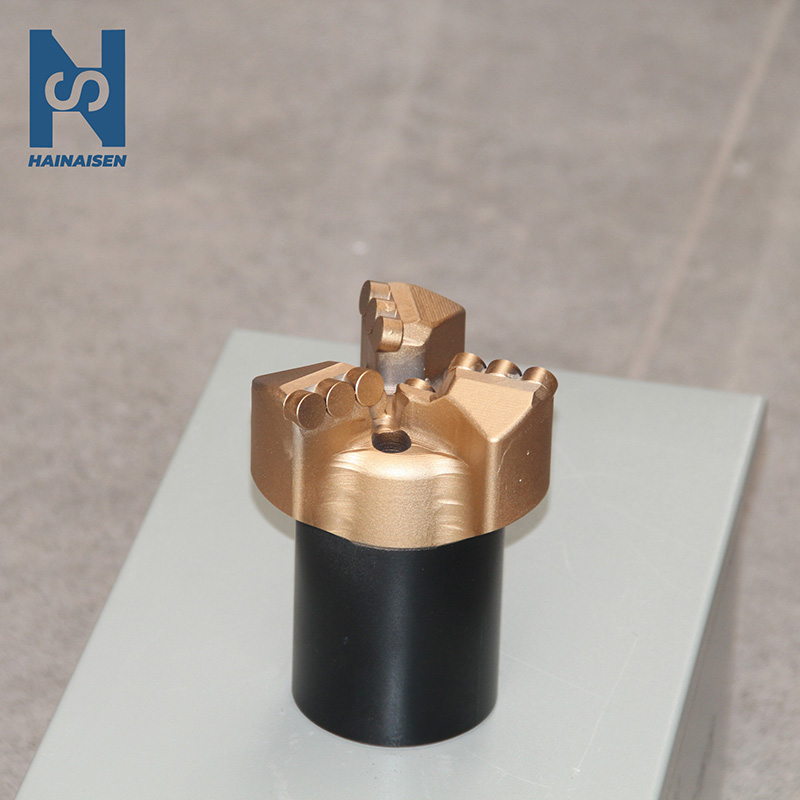 VIEW MOREThree Blades Steel Body PDC Bit
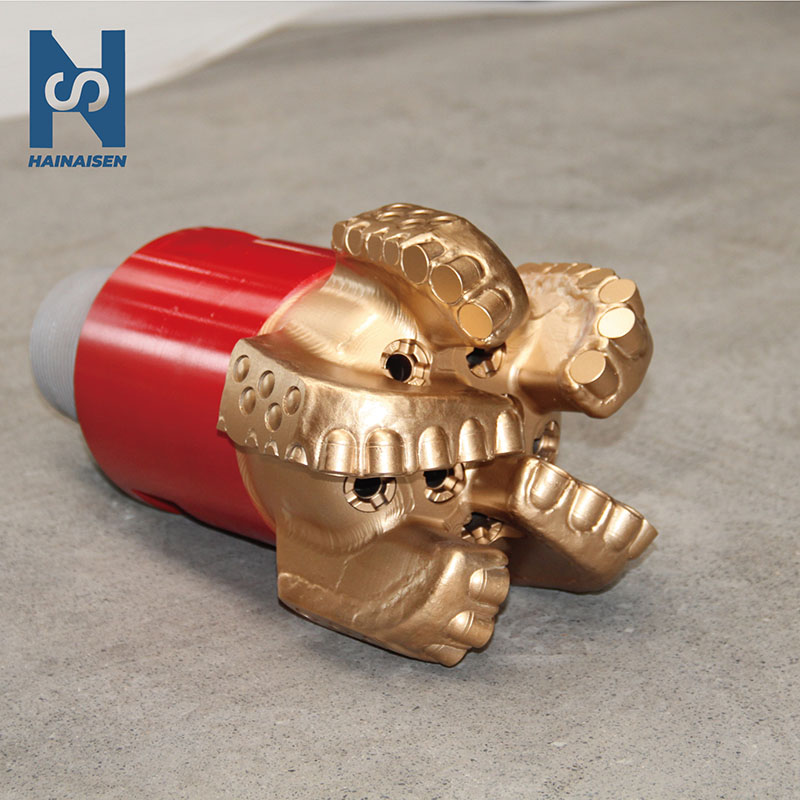 VIEW MOREDiamond Oil Drill Bit
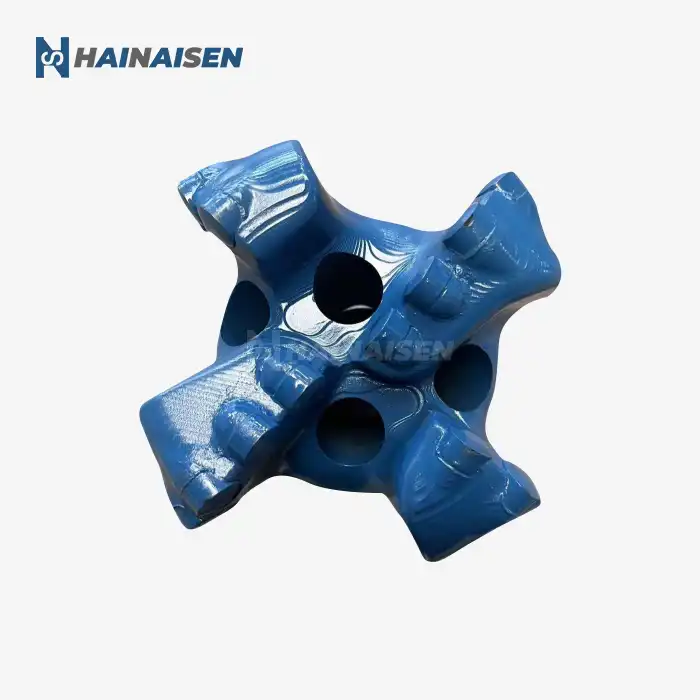 VIEW MORESteel Body PDC Bit 4 Blades
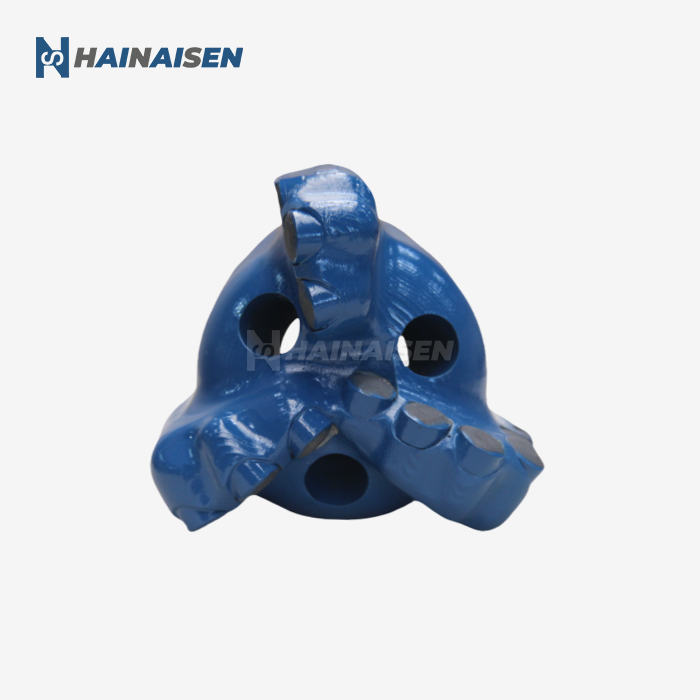 VIEW MORE113mm Three Wings PDC Arc Angle Drill Bit
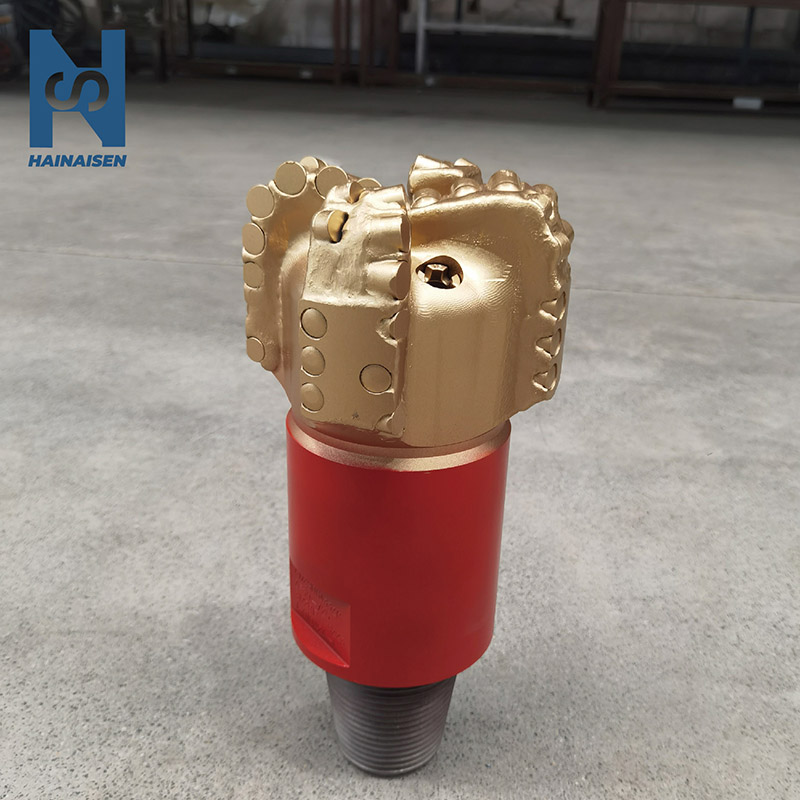 VIEW MOREPetroleum Drilling Equipment PDC
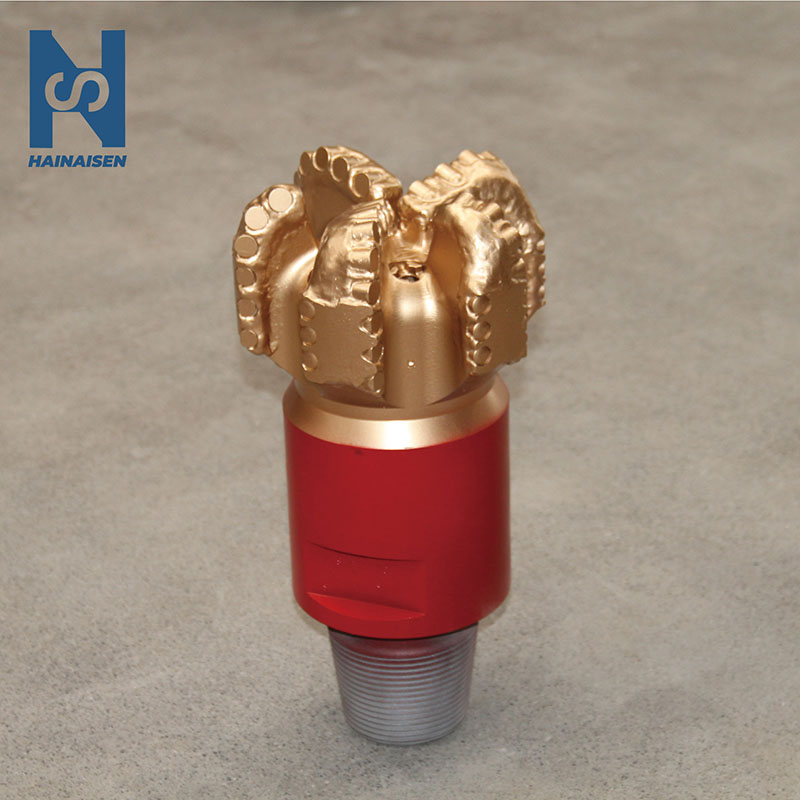 VIEW MOREFive Wing PDC Bit For Hard Rock Drilling
 VIEW MOREPDC Mining Bit
 VIEW MOREApi Polycrystalline Diamond Drill Bit