



Best 6-blade PDC bits for geothermal drilling projects
For geothermal energy projects, the 6-Blade PDC Drill Bit is a reliable, durable, and cost-effective option. While retaining stability under tremendous temperature and pressure, geothermal drilling equipment must penetrate hard, abrasive rocks. Procurement managers and technical engineers in oil service companies, geological exploration firms, and water well drilling teams prefer 6-Blade PDC Drill Bits for their optimized blade geometry and strategic cutter placement. This handbook offers practical advice on choosing drilling equipment.
Understanding 6-Blade PDC Drill Bits in Geothermal Drilling
The 6-Blade PDC Drill Bit layout is designed to handle geothermal deposits. These bits spread cutting pressures over many blades, reducing component stress and boosting rock removal effectiveness.
Technical Structure and Blade Geometry
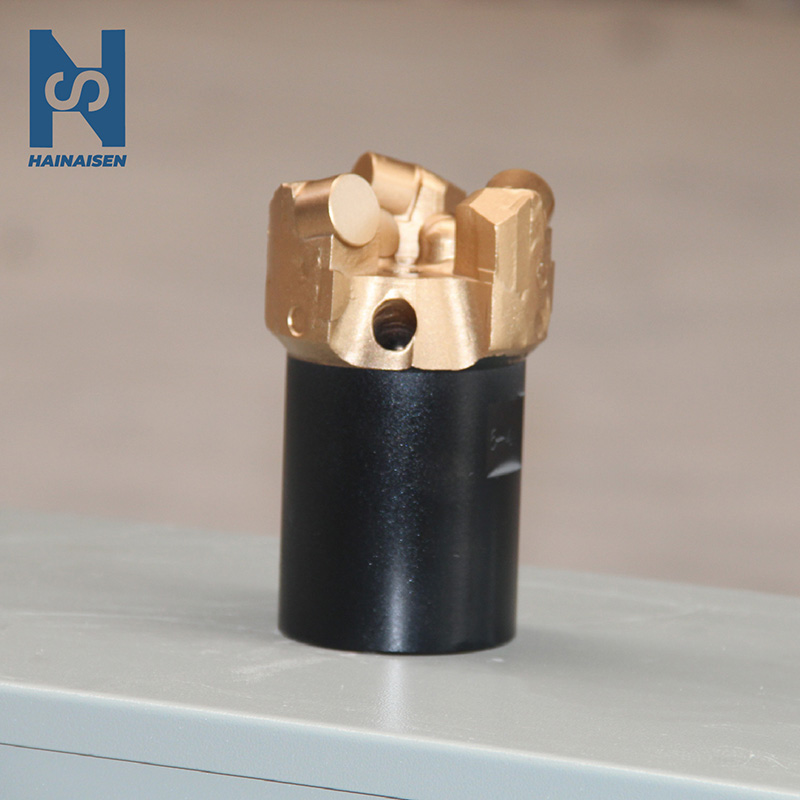
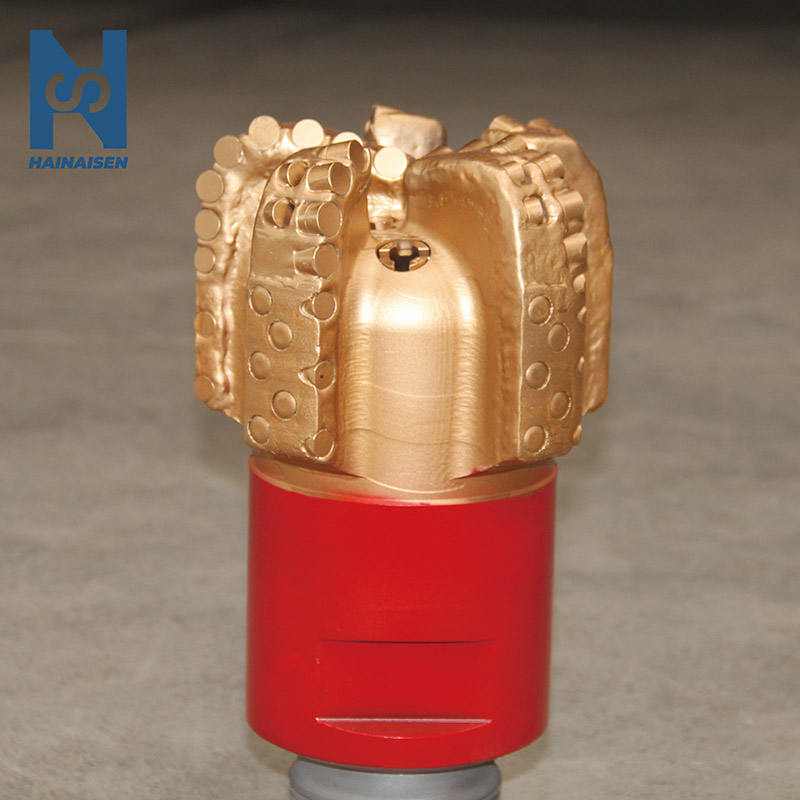
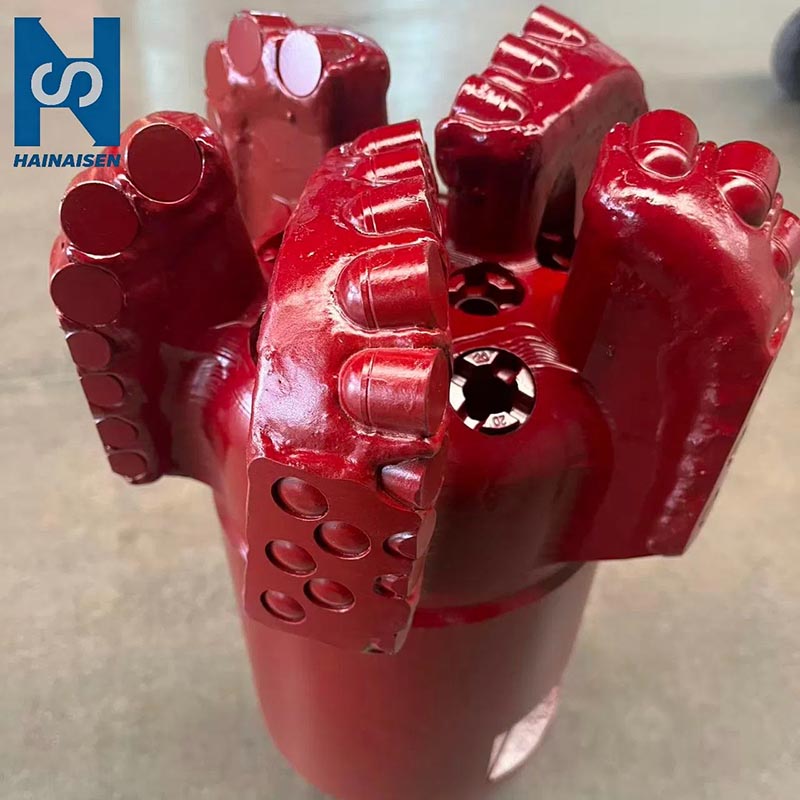
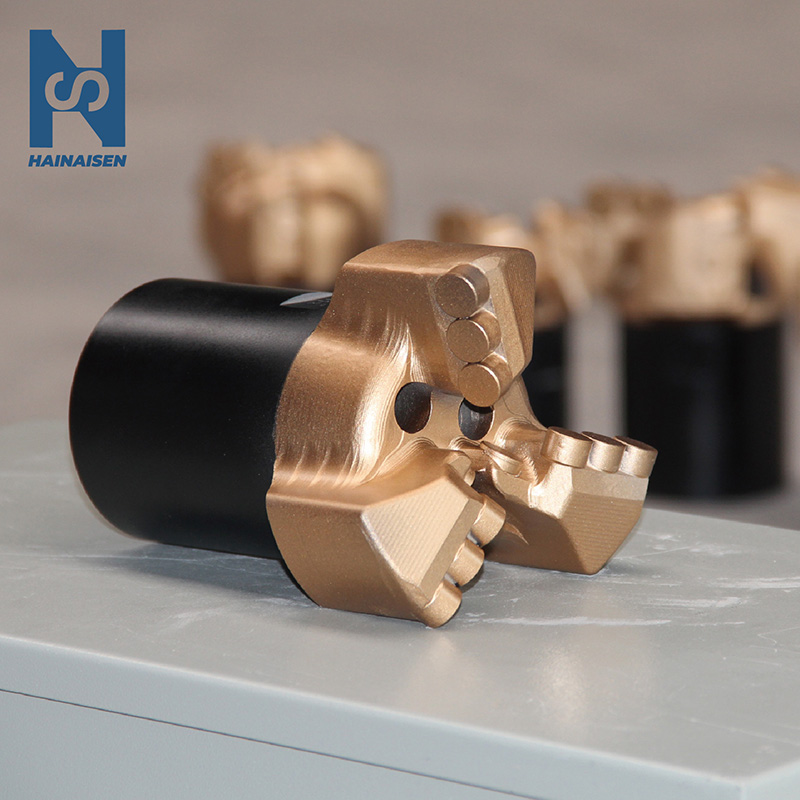
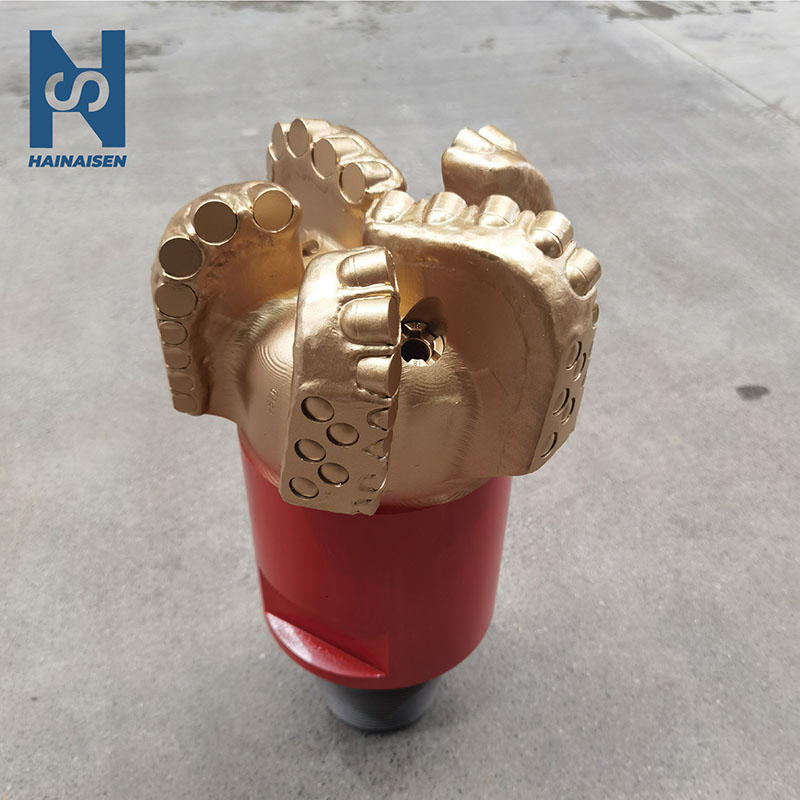
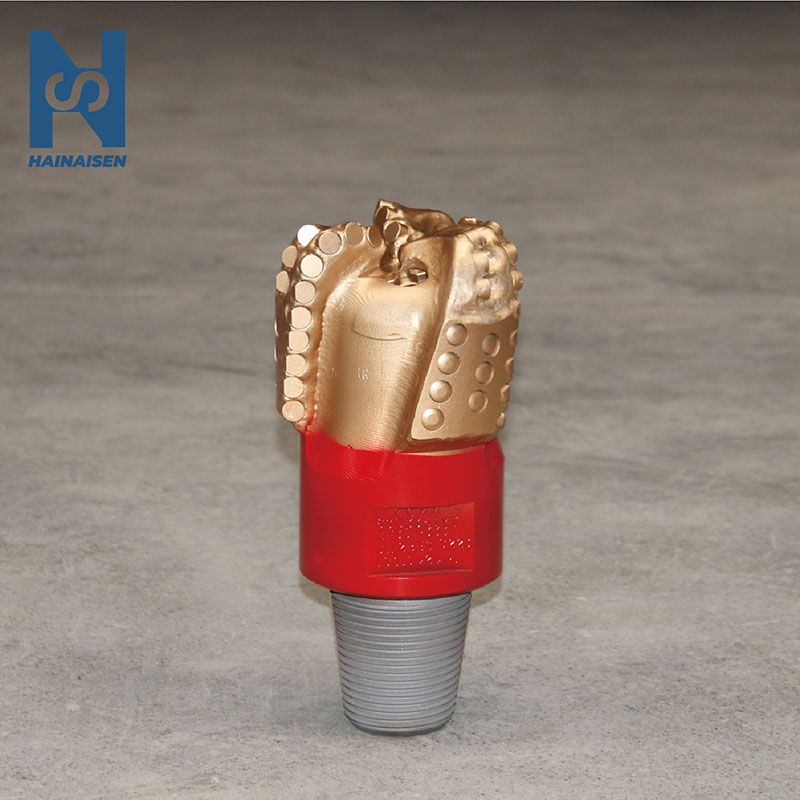
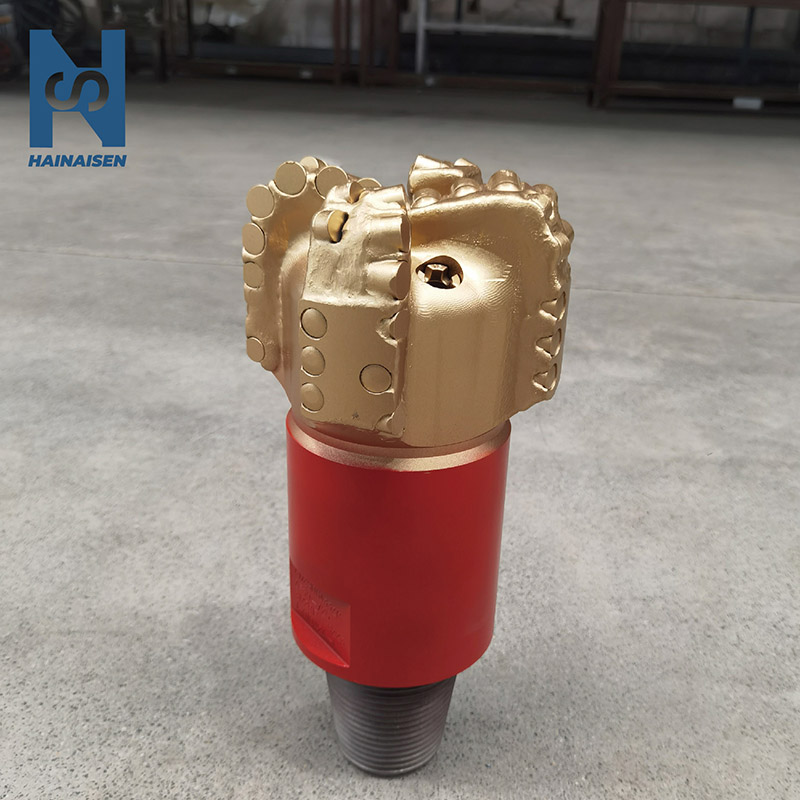
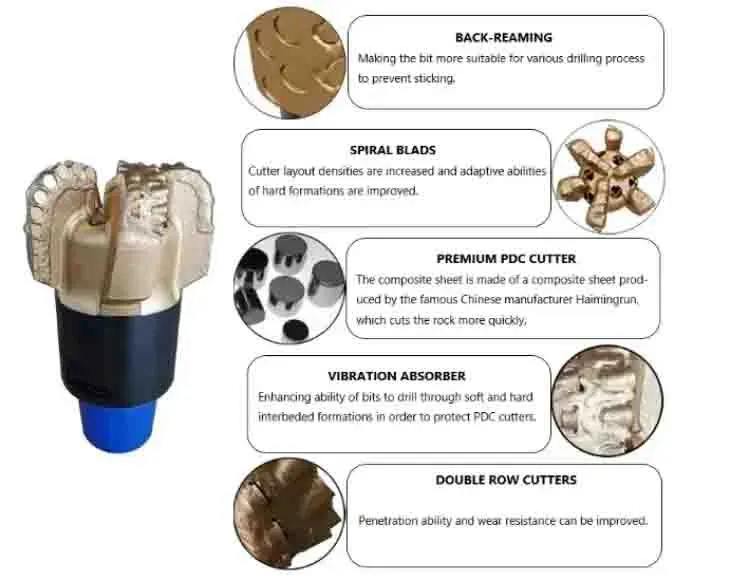
A 6-Blade PDC Drill Bit has a steel body with six radial wings. Each blade has numerous PDC cutters—synthetic diamond elements linked to tungsten carbide substrates—at preset angles to enhance rock shearing. Many geothermal drilling situations involve soft to medium-hard rocks with mild abrasiveness, which the IADC code S223 suits. To handle different rock types in one borehole, our 8.5-inch (215.9mm) model has 95 PDC cutters in 13mm and 16mm diameters. This cutter density reduces bit bouncing and stalling by engaging the formation continuously.
Operational Mechanics in Geothermal Formations
Temperature variations in volcanic rock, sandstone, and fractured formations complicate geothermal well equipment. Balanced weight distribution in the 6-Blade PDC Drill Bit design reduces lateral vibration and smoothes drilling. This stability is essential for directional control in deviated wells. Our 82mm gauge length maintains borehole wall contact, avoiding gauge wear and preserving hole diameter uniformity. Six strategically placed nozzles direct hydraulic flow to all cutting zones, removing debris and cooling cutters at high formation temperatures.
Material Excellence and Manufacturing Standards
The bit body is made of premium steel to withstand shock loads and torque changes. The tungsten carbide matrix around cutters protects against abrasion. Our Xi'an production plant uses 5-axis machining centers and CNC machine tools for blade profile and cutter positioning tolerances. Companies using several bits for large-scale geothermal projects need this attention to detail to ensure consistent performance throughout manufacturing runs. Logistics for procurement teams is simplified by the 4-1/2 REG. PIN API connection standard, which works with current drill string components.
Comparing 6-Blade PDC Bits with Other Drill Bits for Geothermal Applications
The best drill bit configuration affects project deadlines and operating costs. Comparing 6-Blade PDC Drill Bit designs to others helps technical engineers fit equipment to formation characteristics.
Performance Against 3-Blade and 8-Blade PDC Variants
Three-blade PDC Bits penetrate soft, uniform formations quickly but lose stability in heterogeneous rock. Their low cutter count minimizes contact area, increasing wear on hard stringers or abrasives. Eight-blade designs are stable but drill more slowly due to higher cutter engagement and weight-on-bit. The 6-Blade PDC Drill Bit arrangement achieves penetration rates like three-blade bits while retaining stability like eight-blade bits. This balance is especially useful in geothermal applications where formation qualities vary with depth.
Cost-Benefit Analysis for Mid-Sized Operations
6-Blade PDC Drill Bits are cost-effective for coal mining and water well drilling crews. The greater service life—20-30% longer than three-blade counterparts in abrasive formations—reduces bit change trips. Fewer travels equal cheaper rig time and faster project completion. Our 45kg 8.5-inch model's sturdy build without bulky handling appeals to medium to big oil service firms, testing it. Higher initial investment than basic designs reduces downtime and ensures reliable performance across lithologies.
Advantages Over Traditional Tri-Cone Bits
Roller cone bits have been used in drilling for decades, but PDC technology has replaced them in geothermal applications. Tri-cone bits' bearings and cones fail prematurely under high temperatures and abrasive cuttings circulation. 6-Blade PDC Drill Bits contain no moving parts, avoiding this failure mode. The fixed cutter design keeps shearing action efficient regardless of temperature, and enhanced hydraulics prevent bit balling from cuttings buildup. Without bearings to seal or lube, maintenance is much lower, which procurement managers consider when calculating the total cost of ownership.
How to Choose the Best 6-Blade PDC Drill Bit for Your Geothermal Project
A systematic evaluation approach that matches bit specs with project needs is needed for effective procurement. This organized method decreases the risk of choosing inadequate equipment that underperforms or fails early.
Defining Your Drilling Scenario
Start by describing expected geological conditions. Volcanic geothermal wells may have basalt strata interbedded with softer tuff, necessitating sharp, impact-resistant cutters. To prevent diamond graphitization, formations beyond 200°C require PDC grades with higher thermal resilience. Target penetration rates should balance speed and bit durability. Aggressive drilling parameters may need mid-well bit replacement. Record these characteristics to assess supplier offerings against a specified baseline.
Core Selection Metrics
Drilling efficiency depends on cutter density. Our 95-cutter arrangement on an 8.5-inch 6-Blade PDC Drill Bit covers well without overpopulation, which can impair debris removal. Blade arrangement geometry influences stability—check the bit profile for directional drilling or vertical well planning. Besides diameter, the 280mm height affects bottom-hole assembly design and casing string clearance. Softer PDC grades drill quicker in non-abrasive rock but wear faster in quartz-rich deposits. Standard PDC cutters deteriorate in high-temperature geothermal zones; thermal tolerance is crucial.
Evaluating Supplier Capabilities
Check whether Manufacturers provide OEM customisation for your team's formation issues. HNS's R&D team customizes bit configurations for geological profiles by altering cutter location, blade angles, and hydraulic characteristics based on operational data. Prioritize vendors that offer technical support during drilling operations, not only at the time of sale. Standard-size manufacturers may fulfill urgent orders faster than contract-only manufacturers when project timeframes are tight. Bulk purchase agreements can provide a bit of uniformity and volume reductions for your drilling operation.
Maintenance and Common Challenges of 6-Blade PDC Drill Bits in Geothermal Drilling
Maintenance extends the 6-Blade PDC Drill Bit life and drilling performance over long runs. Proactive care prevents minor concerns from becoming costly failures that shut down operations.
Routine Maintenance Best Practices
Clean bits after each trip to remove formation fragments and drilling fluid that hinders damage examination. Check cutter edges for chipping, which indicates excessive impact or vibration. Cyclic loading causes cracks around cutter pockets, indicating blade fatigue. Gauge wear indicates if the bit maintains hole size standards; high wear requires earlier replacement to avoid undergage holes needing reaming. For safe makeup connections, store bits between uses to preserve cutting surfaces from impact damage and clean threads.
Identifying and Addressing Common Issues
Dull cutting edges, missing pieces, or pocket cutter loss indicate cutter damage. This is usually caused by high weight-on-bit, drilling through undiscovered hard stringers, or poor cooling. Changing drilling settings, such as weight-on-bit or rotation speed, can reduce damage while keeping the bit usable. Uniform blade wear indicates appropriate functioning, whereas localized wear implies string vibration or formation heterogeneity. Bit balling, when cutting sticks to the bit face, greatly lowers efficiency. Hydraulic improvements like pump rate or nozzle reconfiguration generally fix this. Blade fractures are unusual with excellent bits, but they can occur while drilling unexpectedly hard zones. To avoid downhole debris, replace the bit immediately.
Top Brands and Suppliers of 6-Blade PDC Drill Bits for Geothermal Projects
Using reputable manufacturers provides quality and responsive assistance throughout your drilling operation. 6-Blade PDC Drill Bit supplier evaluation decreases procurement risk and optimizes equipment performance.
Global Manufacturers and Innovation Leaders
International brands and regional specialists compete in the drilling equipment industry. Multinational enterprises have vast product ranges and global service networks, but may charge higher prices and have long lead times. Like HNS, regional manufacturers provide reasonable prices, customized service, and customizable flexibility that larger corporations cannot match. Modern welding manufacturing lines make parts to exact specifications at our 3,500-square-meter Xi'an facility. Since 2013, we have specialized in tough applications like geothermal drilling, collecting field performance data to enhance our products.
Criteria for Evaluating Supplier Reliability
WARRANTIES indicate manufacturer confidence in product quality. Comprehensive manufacturing fault guarantees safeguard your procurement budget against premature failures. When technical difficulties develop during operations, timely customer assistance helps suppliers with application engineering teams solve performance concerns remotely, decreasing nonproductive time. Manufacturers with distributor networks in your operating region respond faster to parts and technical help requests than distant suppliers needing international delivery for even small components. Quality Certifications verify manufacturing process controls and material traceability, which influence well integrity and worker safety when bit performance matters.
Procurement Strategies for Competitive Pricing
Order volume drives unit cost in bulk purchasing agreements, ensuring supply continuity throughout multi-well operations. Frame agreements with preferred suppliers simplify purchase orders and save administrative work by setting pricing and delivery timeframes. Volume commitments may provide bespoke design services without engineering expenses, especially for drilling programs targeting specific formations. Comparing quotes is important, but consider bit lifetime, supplier support quality, and delivery reliability when calculating the real cost per metre drilled.
Conclusion
The finest 6-Blade PDC Drill Bits for geothermal drilling must balance technical criteria, operational needs, and budget. Due to its stability, cutter usage, and hydraulics, the 6-Blade PDC Drill Bit arrangement performs well in many geological settings. Knowing the technical elements in this book helps you make informed procurement decisions for large-scale oil service operations requiring carefully tested equipment or cost-sensitive water well projects emphasizing value. Proper maintenance and supplier relationships increase bit life and prevent operational interruptions, maximizing investment returns.
FAQ - Frequently Asked Questions About 6-Blade PDC Drill Bits for Geothermal Drilling
1. What materials compose high-performance PDC cutters for geothermal applications?
Luxury 6-Blade PDC Drill Bit cutters have synthetic diamond layers linked to tungsten carbide substrates at high pressure and temperature. The diamond layer cuts sharply, while the carbide backing cushions impact. Advanced grades use thermal-stable diamond compositions that resist deterioration in geothermal wells.
2. How do six-blade bits perform in hard, abrasive rock formations?
Multiple blades spread cutting forces, minimizing cutter loading and wear. In abrasive conditions, 6-Blade PDC Drill Bits achieve acceptable penetration rates and service lifetimes that justify their original cost with improved cutter location and drilling settings.
3. Can I procure customized OEM bits tailored to specific formation characteristics?
OEM customisation is offered by several manufacturers, including HNS. You provide geological data, and our engineering team customizes cutter sizes, blade profiles, and hydraulic characteristics.
Partner with HNS for Superior Geothermal Drilling Solutions
HNS produces 6-Blade PDC Drill Bits that optimize geothermal project performance with over a decade of manufacturing knowledge and fast customer support. We understand industry needs as a longtime provider to oil and gas drilling firms, coal mining operations, and geological exploration teams. Custom bit designs for specific formation issues are possible at our 3,500-square-meter facility with modern CNC machining equipment and dedicated R&D. Our technical staff consults with you throughout the procurement process for basic configurations like our S223-classified 8.5-inch model with 95 cuts or bespoke designs for harsh situations. Single-well programs to multi-year drilling campaigns might use competitive bulk pricing. Explore our extensive product portfolio. Contact our engineering team at hainaisen@hnsdrillbit.com to learn how our 6-Blade PDC Drill Bit solutions may improve operational efficiency and lower drilling costs.
References
1. Bellin, F., and Doiron, H. H., "PDC Bit Technology for the 21st Century," Society of Petroleum Engineers Annual Technical Conference Proceedings, 2004.
2. Durrand, C. J., Skeem, M. R., and Hall, D. R., "Thick PDC Cutters for Hard Rock Drilling: A Performance Analysis," Geothermal Resources Council Transactions, 2011.
3. Finger, J. T., and Blankenship, D. A., "Handbook of Best Practices for Geothermal Drilling," Sandia National Laboratories Report, 2010.
4. Mason, J. S., and Judzis, A., "PDC Bit Performance Optimization in Geothermal Applications," Journal of Petroleum Technology, 2013.
5. Mostofi, M., and Richard, T., "Advanced Polycrystalline Diamond Technology for Harsh Drilling Environments," International Journal of Rock Mechanics and Mining Sciences, 2015.
6. Zeuch, D. H., and Swenson, D. V., "Material Selection and Design Considerations for Geothermal Drilling Equipment," Geothermal Energy Technology Review, 2009.