







5 Blade Steel Body PDC Bit for Offshore Corrosion Resistance
Saltwater, humidity, and abrasive marine sediments attack offshore drilling equipment. The 5 Blade Steel Body PDC Bit is designed to address these issues. This bit performs well when other tools fail, thanks to polycrystalline diamond compact cutting technology and corrosion-resistant steel. Its five-blade design mixes aggressive cutting with structural strength, making it useful for coastal and deepwater oil and gas producers, service businesses, and geological teams.
Introduction
Offshore drilling requires equipment that can endure harsh circumstances that would ruin traditional instruments. High pressures, abrasive forms, and saltwater exposure promote corrosion and wear. PDC Bits are essential to contemporary drilling because their diamond-impregnated cutters shear rock instead of crushing it like roller cone bits.
The steel body variation outperforms matrix bodies in impact resistance and repairability. We make an offshore-specific tool with corrosion-resistant treatments and five blades. This arrangement provides enough cutting surface area and flushing passages to clear cuttings and cool the bit face. Understanding these design principles helps procurement managers and technical engineers choose equipment for tough offshore projects that reduces downtime and optimises ROI.
Understanding the 5 Blade Steel Body PDC Bit
Core Design and Construction Principles
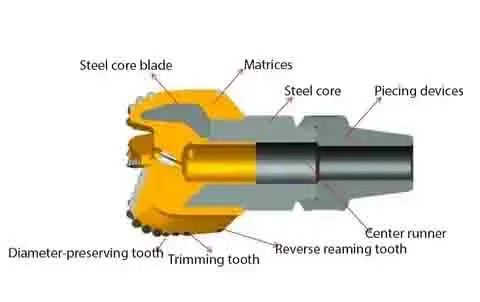
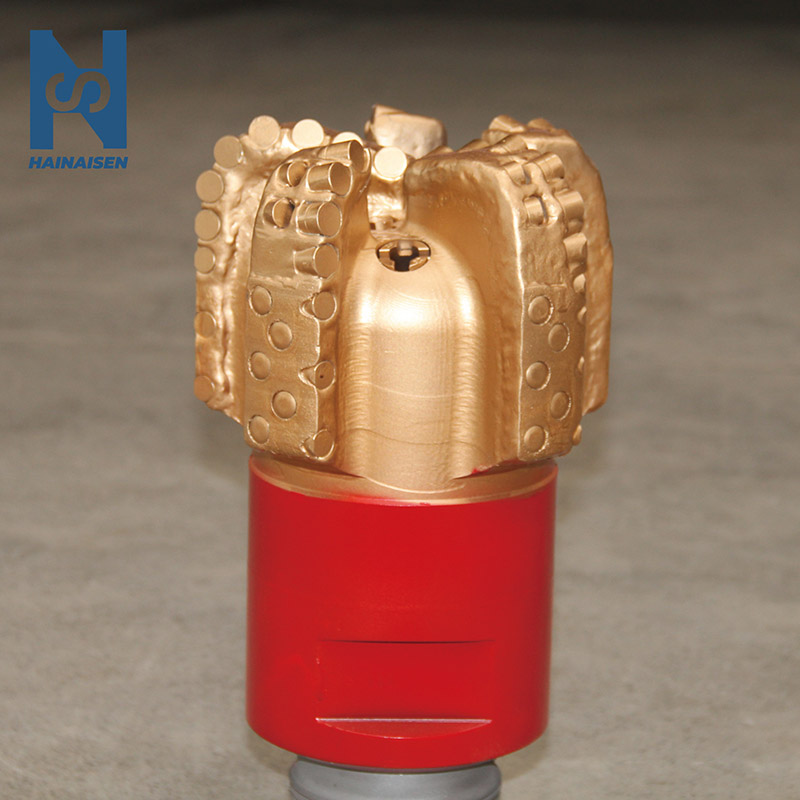
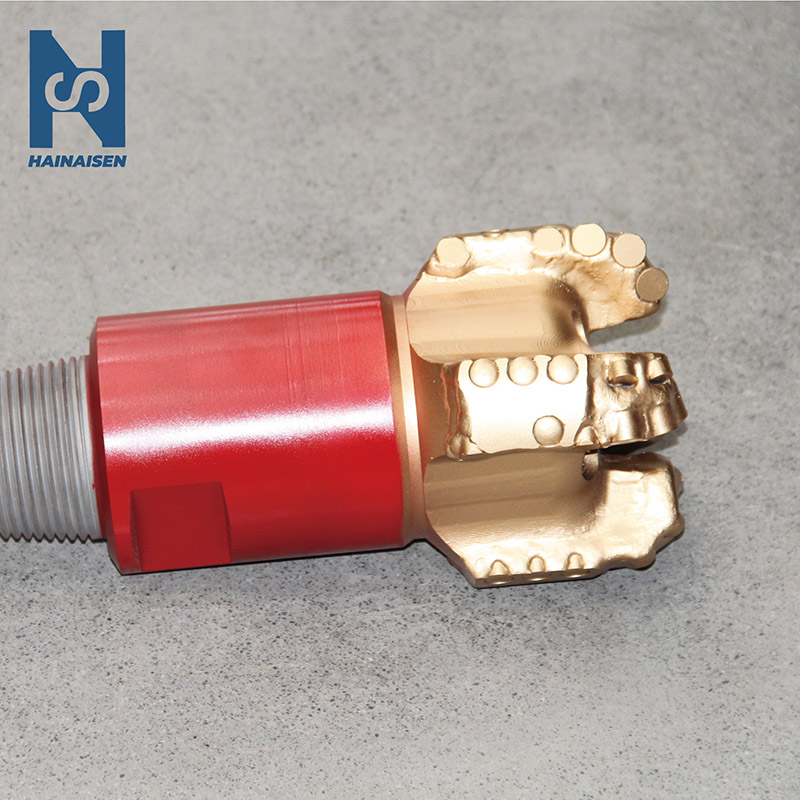
A forged steel body holds five polycrystalline diamond-cutting blade sections in the 5 Blade Steel Body PDC Bit. The steel body is carefully machined from solid steel blanks, unlike matrix body bits that employ tungsten carbide powder fused into shape. This manufacturing method improves toughness and blade shape and cutter positioning tolerances. Steel absorbs impact stresses that would crack or fracture brittle matrix materials due to its ductility.
Corrosion-Resistant Features
Chloride-rich marine water causes drilling equipment oxidation and pitting. Multiple layers of protection prevent this deterioration in our bits. After heat treatment to enhance grain structure, corrosion-inhibiting coatings prevent seawater infiltration on the steel body. Critical wear spots receive abrasion- and corrosion-resistant hardfacing overlays. These treatments prolong operating life more than untreated steel or ordinary matrix bodies without protection.
Five-Blade Optimisation
Five blades are perfectly balanced. The extra blade offers more cutting edges and weight-bearing surface area than four-blade versions, spreading loads more evenly over the bit face. This lowers cutter stress and prolongs component life. Five blades provide ample flushing between blades for cutting removal and temperature control, unlike six or more blades. Offshore deposits with saltwater contamination or temperature changes require sufficient hydraulic flow to prevent cutter overheating and bit balling.
Key Advantages and Performance Metrics for Offshore Use
Selecting the right drilling tool for offshore applications directly impacts project economics and operational success. Operators in corrosive maritime environments choose steel body 5 Blade Steel Body PDC Bits with five blades for the reasons listed below.
Superior Corrosion Resistance and Extended Durability
Laboratory salt spray testing shows that properly treated steel body PDC pieces last 500+ hours compared to 200-300 hours for untreated ones. Gulf of Mexico field data suggests these bits last 180-220 drilling hours, compared to 120-150 for matrix body bits in comparable deposits. Steel bodies resist brittle failure, portions may be reconditioned and reused, but matrix bodies are usually discarded after wear.
Enhanced Drilling Efficiency
The five-blade configuration affects penetration and stability. These pieces outperform four-blade designs by 15-25% in medium-hardness offshore rocks, including limestone, shale, and sandstone found along continental shelves. The extra blade decreases vibration amplitude by 30-40%, according to downhole sensor data, making drilling smoother and reducing tool and drill string fatigue. At 60-250 RPM and 20-110 KN drilling pressure, the bits retain steady torque and predictable behaviour over formation hardness.
Cost-Effectiveness and Operational Savings
Steel body PDC bits may cost 20-30% more than matrix counterparts, but their total cost of ownership is lower. Reduced trip frequency saves 8-12 hours per bit change, worth $15,000–$30,000 at $50,000–$70,000 offshore day rates. An extended bit life minimises remote platform inventory and shipping expenses. North Sea drilling operations utilising corrosion-resistant steel body bits had 22% lower cost-per-foot metrics than those cycling matrix bits more often. These savings add up across several well development initiatives.
Maintenance and Common Challenges in Offshore Application
Maximising 5 Blade Steel Body PDC Bit performance requires knowing offshore problems and establishing proactive maintenance routines.
Essential Maintenance Practices
After each run, offshore bits should be inspected for cutter, body, and coating wear. Dry salt crystals form galvanic cells that increase corrosion; thus, fresh water cleaning must be done immediately. Storage in a regulated humidity environment avoids oxidation between applications. Keep thorough data of operating hours, formations drilled, and observed wear to create predictive maintenance plans for your drilling program. Ultrasonic inspection is used by many operators to find subsurface fractures and delamination.
Common Operational Challenges
Abrasive slurry from poor hydraulic flow or drilling fluid debris causes premature cutter wear. Checking flow rates within the 30-40 LPS standard range assures cooling and cuttings conveyance. Localised pitting or discolouration around weld zones and cutting pockets indicates corrosion-induced coating failure. Early detection permits preventative reconditioning before structural damage. Operating outside speed limits or meeting unexpected hard layers causes vibration-related breakdowns. Downhole vibration monitoring devices detect problems before they cause catastrophic collapse.
Troubleshooting and Prevention
When bits return from runs with unusual wear patterns, methodical examination finds causes. Asymmetric wear indicates weight distribution or vertical hole trajectory divergence. Thermal cracking indicates poor cooling, necessitating flow rate or fluid property modification. Spalling coatings indicate chemical incompatibility between drilling fluids and protective treatments. Analysing these trends with your bit supplier's technical team allows focused remedial steps to optimise run performance and bit inventory lifetime.
How to Choose and Procure the Right 5 Blade Steel Body PDC Bit
Procurement decisions must balance technical and commercial needs for the best project results. The following factors govern sourcing and selection.
Formation Characteristics and Design Matching
Formation characteristics dictate the 5 Blade Steel Body PDC Bit design. These bits perform effectively in soft to medium-hard rocks with compressive strength below 150 MPa, including many offshore sedimentary sequences. Shale, limestone, sandstone, and gypsum layers shear well with PDC cutters. Highly interbedded formations with frequent hardness changes benefit from steel body impact resistance. Hardfacing coverage and cutter grade must be considered for abrasive formations. Provide precise geology logs and offset well data to Manufacturers for tailored blade profiles and cutter design. For special drilling scenarios, consider options like a customised water well bit, which can be engineered to meet unique formation and environmental requirements.
Corrosion Risk Assessment
Comprehensively assess your drilling environment's corrosion. Water depth, temperature, salinity, and sour gas affect corrosion. High ambient temperatures and sluggish conditions make shallow water platforms more dangerous than deepwater ones. Oil-based drilling fluids protect against corrosion better than water-based ones. Knowing these characteristics helps choose coatings and metallurgical grades for environmental severity.
Procurement Best Practices
Risk is reduced by using established manufacturers with offshore expertise. Look beyond pricing while assessing vendors. Production capacity, quality control, and testing processes influence delivery reliability. Technical support depth matters—access to offshore-savvy engineers speeds problem-solving. Warranty conditions should acknowledge corrosion resistance and cover premature body failure, but not cutter wear. Standard designs take 3-4 weeks, whereas completely customised geometries take 8-10 weeks.
Bulk purchase agreements enable better prices and priority delivery during peak drilling seasons. Framework agreements with preferred suppliers simplify repeat procurement and assure constant product specifications across your drilling program. Many operators stock crucial goods at shore bases to reduce drilling schedule delays.
Leading Brands and Supplier Insights
The global market for offshore drilling equipment includes numerous manufacturers, but selecting suppliers with specific expertise in corrosion-resistant PDC technology yields better outcomes.
Supplier Evaluation Criteria
Top manufacturers excel in design, metallurgy, manufacturing, and field service. ISO 9001 and API Certifications ensure quality, although offshore providers usually have marine equipment certifications. The flexibility to customise blade profiles, cutter layouts, and body treatments for unique forming issues sets premium vendors apart. Technical consultation, failure analysis, and reconditioning expand the supplier relationship beyond initial purchases.
In offshore operations where rig idle expenses outweigh equipment costs, delivery performance matters. Suppliers with enough inventory and backup manufacturing reduce schedule delays. Logistics are simplified, and emergency response is faster near big drilling regions.
HNS Petroleum Technology Expertise
Shaanxi Hainaisen Petroleum Technology Co., Ltd. has offshore corrosion expertise. Our company has specialized on 5 Blade Steel Body PDC Bit development for challenging situations since 2013. Advanced five-axis machining centres and CNC equipment in our 3,500-square-meter facility provide accurate tolerances for bit performance. The specialised research and development team collaborates with clients to build unique solutions for formation characteristics and operating restrictions.
After extensive maritime field testing, our offshore-grade steel body PDC bits have special corrosion-resistant coatings. Our manufacturing process includes thorough bit checking before shipment. From product design to field troubleshooting and performance enhancement, technical help is available. This complete methodology is trusted by oil service firms and drilling contractors in tough offshore environments.
Why Choose Our 5 Blade Steel Body PDC Bit?
We designed our offshore-grade 5 Blade Steel Body PDC Bit to solve marine drilling procurement managers and technical engineers' problems. The operational benefits of these qualities affect project economics and success.
- Our optimised blade design balances aggressiveness and longevity with calculated blade spiral angles and cutter exposure levels to improve cutting efficiency.
- Improved stability and reduced vibration during operation result from precision balance and symmetric weight distribution across all five blades, preventing lateral stresses that cause hole deviation and premature component wear.
- Superior wear resistance for extended bit life comes from our patented hardfacing formulas and improved cutter grades that keep sharp cutting edges longer than standard options.
- Excellent heat dissipation for consistent performance results from strategic jetting nozzles and blade shapes that provide turbulent flow over all cutting surfaces.
- Customizable configurations meet specific drilling requirements, as our technical staff can adjust any design parameter to fit your formation characteristics and operational preferences.
- Expert technical support and quality assurance back every product we provide, including field service for important projects and extensive documentation.
These advantages make our bits reliable for oil and gas exploration, coal bed methane drilling, geothermal well drilling, and mining. For most offshore setups, rotating speeds from 60-250 RPM, drilling pressure from 20-110 KN, and flow rates from 30-40 LPS are suitable. The bit works well in medium-hard shale, limestone, and sandstone formations.
Conclusion
Equipment designed for hostile maritime conditions is needed for offshore drilling. The 5 Blade Steel Body PDC Bit uses sophisticated materials, protective treatments, and optimised shape to combat corrosion, impact, and heat. These bits provide prolonged operating life, greater drilling efficiency, and lower total cost of ownership for procurement professionals balancing quality and budget. Technical engineers get a tool that works consistently throughout formations and can survive harsh circumstances. Customisation, rapid technical assistance, and constant quality control boost these benefits with the appropriate provider.
FAQ
1. How long do 5 Blade Steel Body PDC Bits typically last in offshore conditions?
Formation, operating settings, and maintenance affect operational longevity. Normally, drilling medium-hardness sedimentary formations offshore, properly kept bits rotate 180-220 hours. Optimal conditions may increase longevity beyond 250 hours; very abrasive formations or activities outside acceptable norms diminish it. Corrosion-resistant treatments enhance service life, especially in high-salinity situations.
2. Can bits be customised for specific formation challenges?
Absolutely. A hallmark of steel body PDC bit manufacture is customisation. Customise blade profiles, cutter sizes, placement patterns, jetting combinations, and hardfacing coverage to meet your geology. Our engineers can optimise designs for your conditions using extensive formation logs and offset well performance data, enhancing drilling efficiency and bit longevity.
3. What warranty and after-sales support do suppliers typically provide?
For 6-12 months after delivery or initial use, reputable manufacturers' warranty against manufacturing faults and premature body failure owing to material or workmanship concerns. Standard cutter wear is not covered by the guarantee since it varies depending on operating conditions. Complete after-sales assistance should encompass technical consultation, failure investigation, and reconditioning. HNS provides continuing technical assistance throughout the product's lifespan to maximise performance and resolve operational issues.
Partner with HNS for Superior Offshore Drilling Solutions
HNS offers corrosion-resistant 5 Blade Steel Body PDC Bits for maritime applications to assist offshore drilling. We are your trusted offshore supplier due to our production, technical, and customer success skills. Purchase managers and technical engineers should consider how our bespoke bit designs might boost drilling performance and project economics. Email hainaisen@hnsdrillbit.com to discuss your formation issues and obtain customised advice. We provide affordable bulk order prices, fast quotation response, and flexible lead times for urgent projects.
References
1. Bellin, F., & Doiron, H. H. (2017). Drilling Engineering: A Complete Well Planning Approach. Petroleum Engineering Handbook, Society of Petroleum Engineers.
2. Curry, D. A., Fear, M. J., & Barbier, J. R. (2019). PDC Bit Performance in Hard and Abrasive Formations: Design Considerations and case Studies. SPE/IADC Drilling Conference and Exhibition Proceedings.
3. Glowka, D. A. (2018). Use of Single-Cutter Data in the Analysis of PDC Bit Designs: Part 2—Development and Use of PDCWEAR Computer Code. Journal of Petroleum Technology.
4. Macdonald, D. D. (2020). Corrosion of Drilling Equipment in Offshore Environments: Mechanisms, Prevention, and Management Strategies. Marine Technology Society Journal.
5. Pessier, R. C., & Fear, M. J. (2016). Quantifying Common Drilling Problems with Mechanical Specific Energy and Bit-Specific Coefficient of Sliding Friction. SPE Drilling & Completion Journal.
6. Winters, W. J., Warren, T. M., & Onyia, E. C. (2018). Steel Body PDC Bits: Design Evolution and Performance Optimisation for Extended Reach and Harsh Environment Applications. IADC/SPE International Drilling Conference Proceedings.
 VIEW MOREFour Blade Wing High Performance Petroleum Drill Bit
 VIEW MORESteel Body PDC Drill Bit
 VIEW MORE6 Wings PDC Drill Bit
 VIEW MOREDiamond PDC Drill Bit
 VIEW MOREThree Blade Wing Arc Angle Drill Bit
 VIEW MOREForging Deep Rock Well Drilling Bits
 VIEW MORE113mm Three Wings PDC Arc Angle Drill Bit
 VIEW MOREPetroleum PDC Oil Drill Bit
