




6 Wings PDC Drill Bit for One-Stop Drilling Tool Solutions
The 6 Wings PDC Drill Bit is ideal for drilling in varied geological formations with dependability, efficiency, and performance. This sophisticated drilling tool uses polycrystalline diamond compact technology and novel blade shape to improve penetration and service life. This six-blade design solves procurement managers' and technical engineers' drilling problems in oil and gas exploration, coal mining, and water well building.
Understanding the 6 Wings PDC Drill Bit: Design, Function, and Advantages
Distinctive Blade Configuration and Structural Design
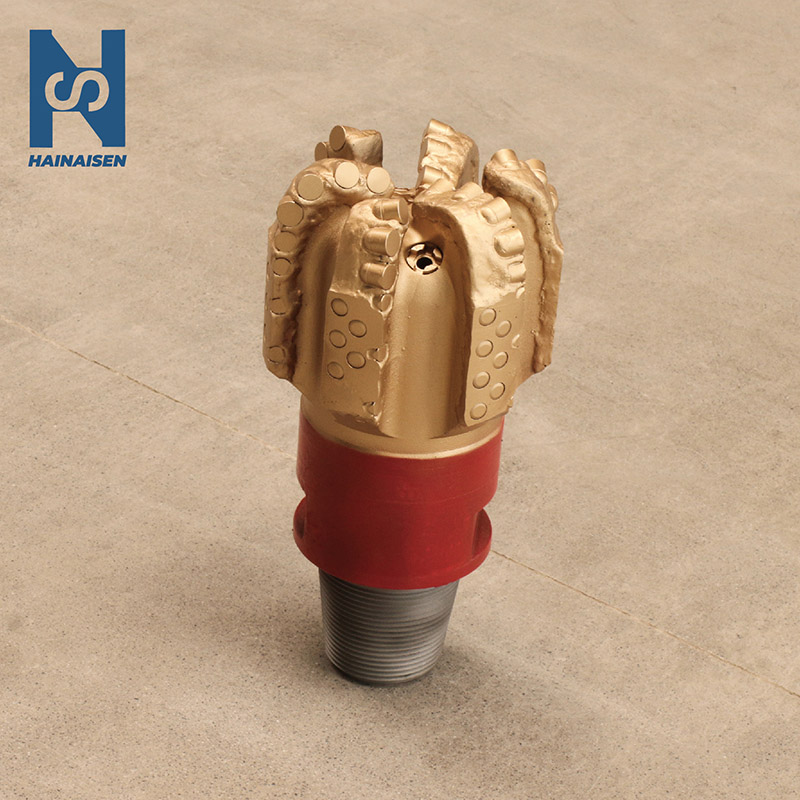
Our drilling tool's 6 Wings PDC Drill Bit construction properly distributes cutting forces over the bit face, unlike four-blade models. Each blade, or "wing," extends strategically from the bit body to position PDC cutters at ideal angles to shear rock formations. High-quality steel construction gives the bit body structural stability for harsh downhole conditions.
After thorough field testing and technical research, Shaanxi Hainaisen Petroleum Technology Co., Ltd.'s design team developed this configuration. This innovative structure helps strengthen product competitiveness in the pdc drill bit market. The cutting structure's tungsten carbide matrix increases wear resistance, which is useful for drilling through sandstone or limestone. Material choice affects operational longevity, minimizing bit replacements and downhole excursions.
Operational Mechanics and Performance Enhancement
PDC cutters work differently from roller cone bits. These synthetic diamond disks scrape rock instead of smashing it. As high-performance industrial PDC Bits for oil & gas, the 6 Wings PDC Drill Bit design maintains continual contact with the formation and removes debris through strategically placed garbage holes.
Our drilling tool's settings show its adaptability. Speeds from 60 to 250 RPM accommodate varying formation hardnesses, and drilling pressure flexibility from 20 to 110 KN lets operators modify parameters based on real-time downhole circumstances. 30-40 LPS flow rates cool cutters and transfer cuttings to the surface for hydraulic efficiency.
Key Advantages Over Traditional Drilling Tools
Direct performance comparisons show the benefits of a 6 Wings PDC Drill Bit. In medium-hardness formations, perforation rates are 15-25% higher than with four blades. Stability improvements prevent vibrations that cause premature cutter failure or uneven wear patterns.
Durability is another benefit. Additional blades distribute mechanical stress more evenly, minimizing concentrated wear in bits with fewer cutting structures. When moving from traditional bits to our 6 Wings PDC Drill Bit design, coal mining operators have experienced 30-40% service life extensions, saving money on bit purchases and non-productive time.
Performance and Application Insights: Why Choose 6 Wings PDC Drill Bits?
Industry Applications and Formation Suitability
We thrive at drilling in diverse sectors with different geological obstacles. In oil and gas exploration, the bit penetrates shale deposits securely across strata with different compressive strengths. The tool's ability to traverse transitional zones between coal seams and rock layers without wear benefits coal bed methane operations.
Geothermal well construction requires high-temperature performance. In geothermal reservoirs at 150-200°C, PDC cutters retain their cutting edge better than carbide inserts in roller cone alternatives. The reliable performance in limestone and gypsum, where unpredictable bit behavior sometimes delays projects, pleases water well drilling crews.
Mining and mineral exploration use our six-blade bits for vertical and directional drilling. This stable directional drilling performance comes from thoughtful pdc drill bit design. In horizontal directional drilling, bit behavior is crucial to trajectory accuracy, and reliable cutting action is useful. The balanced force distribution keeps the bit on track, minimizing steering adjustments.
Comparative Performance Analysis
Procurement managers often compare polycrystalline diamond compact bits to tricone drilling tools. Roller cone bits compress rock with revolving cones with tungsten carbide inserts or machined steel teeth. While successful in hard rock applications, they increase bearing and seal deterioration risk due to additional moving components.
The fixed-cutter design of our 6 Wings PDC Drill Bit prevents these failure scenarios. Bearing-free drilling eliminates a typical maintenance issue, especially for extended-reach drilling with expensive bit trips. Recent field applications demonstrate 40-60% penetration gains in soft to medium formations over tricone bits under similar settings.
Client feedback from oil service businesses frequently emphasizes operational benefits from reduced tripping time. One mid-sized drilling contractor completed a 3,200-meter well section with one bit instead of three tricone bits, reducing project timeframes and costs.
Durability and Cost-Effectiveness
Advanced PDC technology has economic benefits beyond performance measurements. Bit purchase price, footage drilled per bit, and bit change non-productive time must be considered in total cost of ownership estimates. Each component benefits from our 6 Wings PDC Drill Bit design.
Durability depends on material choice. Our cutters are made with high-quality synthetic diamonds for hardness and heat stability. Before assembly, modern metallurgical analysis checks the tungsten carbide matrix linking these cutters to the bit body for material qualities.
Depending on application conditions, medium to large drilling operations often pay back in the first well. When using 6 Wings PDC Drill Bits, coal mining firms with numerous drill rigs save over $150,000 per rig due to reduced bit inventory and downtime.
Supplier Landscape and Procurement Considerations for 6 Wings PDC Drill Bits
Evaluating Manufacturers and Quality Standards
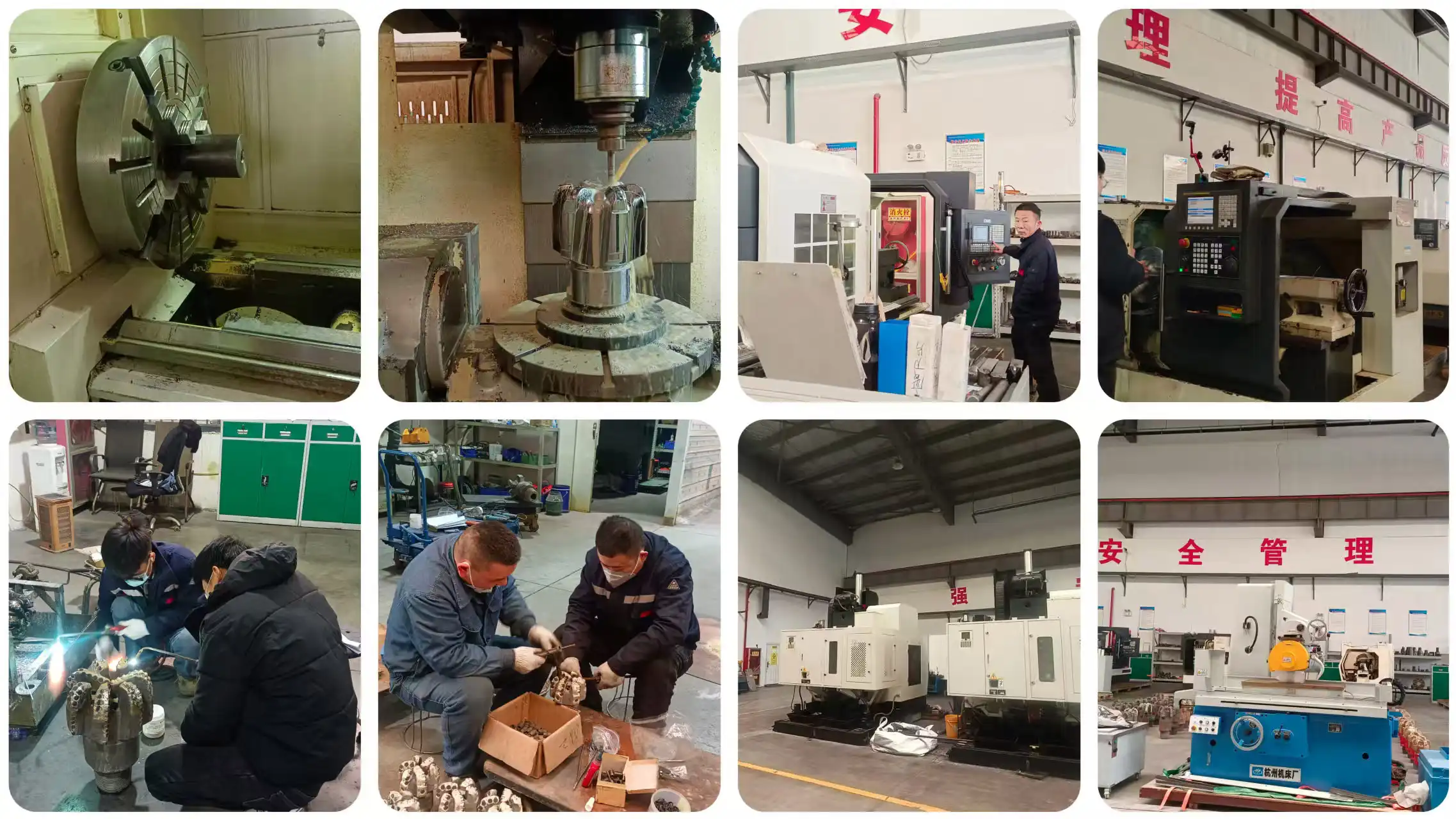
Drilling tool procurement specialists must evaluate several suppliers to make educated judgments. ISO certification and API drilling equipment requirements are customary for established Manufacturers. Hainaisen's 3,500-square-meter production facilities have 5-axis machining centers and CNC machine tools for international-standard precision manufacture.
Quality control separates reputable suppliers from erratic ones. Our manufacturing process begins with rigorous material testing and continues with thorough inspections. Cutter brazing quality and stress concentrations that might cause premature failure are checked by advanced non-destructive testing equipment.
Selecting suppliers requires careful consideration of customer service. Technical assistance must be available quickly to advise on operating modifications when downhole circumstances differ from expectations. Our engineering staff can connect you to formation-specific drilling professionals who can maximize performance by modifying parameters.
Pricing Models and Procurement Strategies
Understanding price structures helps procurement teams negotiate favourable rates and maintain quality. Volume purchase agreements give 8-15% reductions for annual commitments over defined amounts, making them ideal for major oil service businesses with many drilling rigs and lengthy projects.
Custom manufacturing meets unique needs that catalog items cannot. Custom blade profiles, hydraulic channels, or cutter combinations may maximize performance for drilling region-specific geological conditions. These bespoke solutions are developed by our design team with clients, balancing technical needs and cost.
Delivery timings affect project planning, especially for tight drilling operations. For fast shipping, we stock popular combinations and dispatch standard sizes in 5-7 business days. Custom designs take 3-4 weeks from specification clearance to delivery; urgent orders can be accelerated.
Making an Informed Choice: Comparative Analysis for Procurement Decisions
Technical Specifications and Selection Criteria
Matching bit characteristics to formation features and operational goals is necessary for drilling tool selection. Our 6 Wings PDC Drill Bit design uses medium-hardness rocks with low to moderate compressive strength, such as shale, limestone, sandstone, and gypsum. Applications with compressive strengths below 150 MPa maximize bit efficiency.
Speed and weight must match the rig equipment. Most standard drilling rigs can operate in our recommended range without modification; high-capacity rigs with faster rotating speeds may penetrate better. The drilling pressure required is typical; weight-on-bit equipment is unnecessary.
Consider hydraulics compatibility while choosing products in the pdc drill bit market. Mid-range pump capacity used in oil field and mining applications meets 30-40 LPS flow rate requirements. Bit balling reduces performance and worsens wear, yet enough flow cools and transports cuttings.
Brand Reputation and Verification Methods
Mining and mineral exploration use our six-blade bits for vertical and directional drilling. This stable directional drilling performance comes from thoughtful pdc drill bit design. In horizontal directional drilling, bit behavior is crucial to trajectory accuracy, and reliable cutting action is useful. Key advantages built into this refined pdc drill bit design include balanced force distribution that keeps the bit on track, minimizing steering adjustments.
Certifications objectively verify production and quality management requirements. Industry-specific certificates show drilling sector conformity, whereas ISO 9001 accreditation shows quality control methods. During supplier evaluations, we provide certification and quality method documents.
Operations like yours have customer testimonials that set performance standards. A coal mining company's favorable experience is more relevant to mining operations than geothermal drilling project testimonials due to formation features and operational demands.
Customization Capabilities and Technical Consultation
Standard catalog goods work well for most drilling applications, but unique situations require custom solutions. Hybrid designs with rock-type-optimized features may be needed for well formation variability. Our engineers analyze geological data and drilling parameters to suggest performance improvements.
Consultation goes beyond product selection. Technical support helps operators fix unanticipated downhole circumstances and make operational changes. This collaborative method is especially useful for drilling teams approaching new geological zones with different formation characteristics.
Custom bits receive the same quality inspection as normal goods. Before mass production, prototype testing ensures performance meets standards, safeguarding clients from underperforming designs. This rigorous process ensures tailored solutions achieve the benefits they were designed for.
Future Trends and Innovations in 6 Wings PDC Drill Bit Technology
Advancing Materials and Cutter Technology
Material science advances PDC bit capabilities and drives growth across the entire pdc drill bit market. Synthetic diamonds with increased thermal resilience preserve cutting-edge sharpness at high temperatures that previously caused early wear. These new materials allow drilling in deeper oil reserves and higher-temperature geothermal applications where bottom-hole temperatures defy PDC technology.
Cutter geometry is another innovation frontier. Non-planar cutter faces with designed surface textures minimize friction and retain structural integrity, extending bit life by 15-20% in abrasive forms. Cutters with optimum forms are tested for cutting efficiency and impact resistance from tougher rock inclusions in softer formations.
More precise machining equipment allows narrower blade profiles and cutter positioning tolerances. Precision improves balance and reduces vibration, which is crucial for directional drilling, where smooth bit behavior helps manage trajectory. We invested in 5-axis machining centers to boost production.
Sustainability and Environmental Considerations
Industrial procurement decisions in drill bits oil and gas increasingly factor in environmental responsibility. Extended bit life reduces drilling tool waste, supporting sustainability initiatives. Advanced PDC bits also lower energy consumption per meter drilled, minimizing the carbon footprint of drilling operations.
Faster project completion reduces environmental disruption in water well drilling. Shorter drilling durations reduce site impact and rig fuel use. Municipal water authorities and agricultural businesses looking to reduce their environmental impact appreciate these benefits.
Future advances may emphasize bit component recycling. PDC cutters may be remanufactured into new bits or used in other industrial cutting applications, but better recovery procedures might make recycling operations more profitable. Our researchers track these advancements to adopt sustainable methods when they become economically and technically feasible.
Strategic Procurement in Evolving Markets
Recent global shocks have elevated supply chain resilience. Procurement teams reduce single-source dependency risks by diversifying supplier relationships and preserving quality. Relationships with manufacturers that keep inventories and flexible production capacity ensure operational continuity amid market turbulence.
Anticipating technology changes helps procurement professionals position their companies when sourcing reliable industrial pdc bits for oil & gas. Early adopters of proven innovations can gain a competitive edge by improving operational efficiency, while avoiding unproven technologies prevents costly mistakes. Engaging with technically advanced suppliers aids these judgments.
Drilling operators and tool makers collaborate to innovate. Sharing field performance data allows manufacturers to improve designs based on operational input, while operators get cutting-edge technology for their applications. This mutually beneficial partnership model is becoming more common among business leaders.
Conclusion
Design, manufacturing, and supplier capabilities must be considered when choosing drilling tools that perform well, operate efficiently, and are cost-effective. The 6 Wings PDC Drill Bit improves stability, cutting efficiency, and service life for oil and gas, mining, and water well applications. Quality materials, precision manufacturing, and thorough quality control distinguish reliable suppliers from inconsistent ones. Advanced drilling technology is essential for maintaining competitive advantages and meeting project goals within budget as geological challenges and economic pressures increase.
Frequently Asked Questions
1. What is the typical lifespan of a 6 Wings PDC Drill Bit?
Formation, operating, and maintenance parameters affect bit lifespan. Superior lifespan performance and stable field adaptability make our products highly competitive in the pdc drill bit market. Our 6 Wings PDC Drill Bit generally drills 300-600 meters before needing replacement in medium-hardness rocks like sandstone or shale. Abrasive structures decrease footage, whereas gentler forms allow runs of 800 meters. Regular inspection and operational parameter selection extend service life.
2. Can bits be customized for unique drilling environments?
Hainaisen specializes in customization. Our engineers modify blade profiles, cutter numbers, and hydraulics to solve formation problems. Standard customisation takes 3-4 weeks from specification approval to delivery. Consult early in project planning to guarantee bespoke bits arrive before drilling.
3. What warranty and support options accompany bit purchases?
Standard warranty covers manufacturing faults for 90 days from delivery or bit deployment, whichever comes first. High-volume buyers can get extended warranties. Consultation before drilling, real-time troubleshooting during operations, and post-run analysis to improve bit selections are examples of technical assistance. Emergency contact information is available from our support team during office hours.
Partner with HNS for Superior Drilling Solutions
Hainaisen (HNS) will support your drilling operations with high-quality 6 Wings PDC Drill Bits. Our experienced engineers customize services to meet your formation challenges and operational needs. Contact hainaisen@hnsdrillbit.com to discuss your project needs with drilling professionals who understand technical and economic procurement concerns. As a trusted 6 Wings PDC Drill Bit manufacturer, we offer bulk discounts, fast delivery, and technical assistance during your drilling campaign.
References
1. Petroleum Engineering Handbook: Drilling Engineering, Society of Petroleum Engineers, Volume II, Chapter 8: Fixed Cutter Bits, 2006.
2. Advanced Drilling and Well Technology, SPE Monograph Series, Understanding PDC Bit Design and Selection Criteria, 2017.
3. Journal of Petroleum Technology: "Performance Analysis of Multi-Blade PDC Bits in Sedimentary Formations," March 2019, pp. 45-58.
4. International Association of Drilling Contractors (IADC): Technical Bulletin on PDC Bit Selection and Application Guidelines, 2020.
5. Mining Engineering Quarterly: "Cost-Benefit Analysis of PDC Versus Roller Cone Bits in Coal Mining Applications," Volume 72, Issue 4, 2021.
6. World Oil Magazine: "Innovations in Polycrystalline Diamond Compact Technology for Enhanced Drilling Efficiency," January 2022, pp. 78-84.
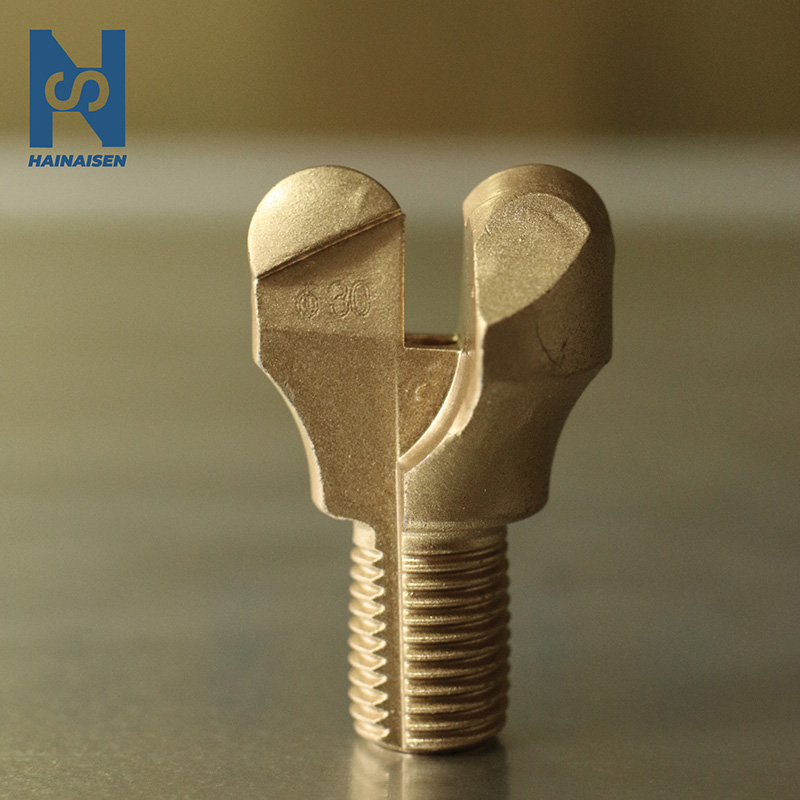 VIEW MORE34 And A Half Whole Coal Mine Mining Anchor Drill Bits
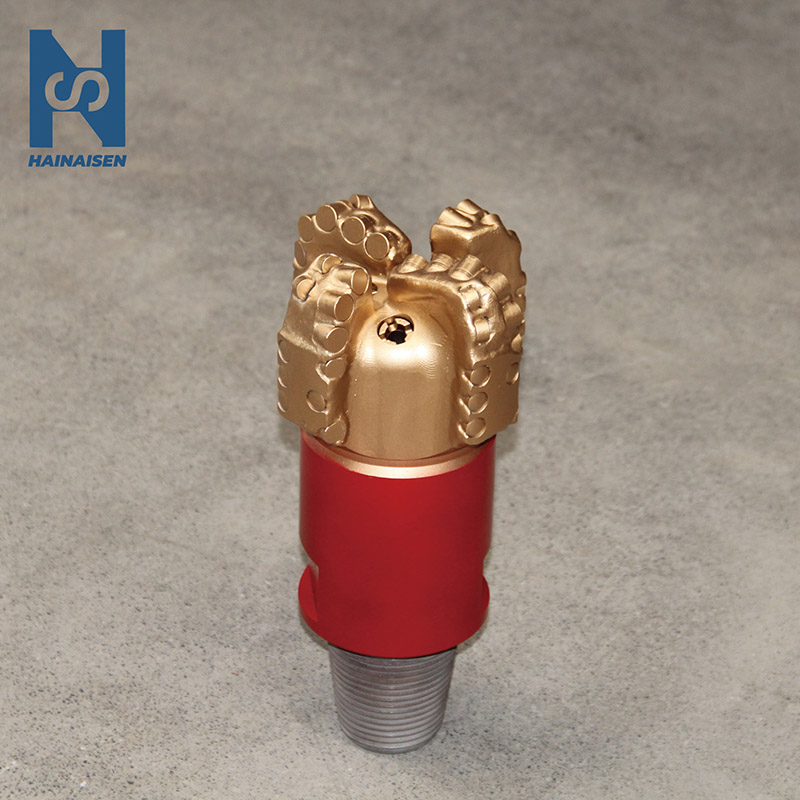 VIEW MOREFour Blade Wing Oil Drilling Tool
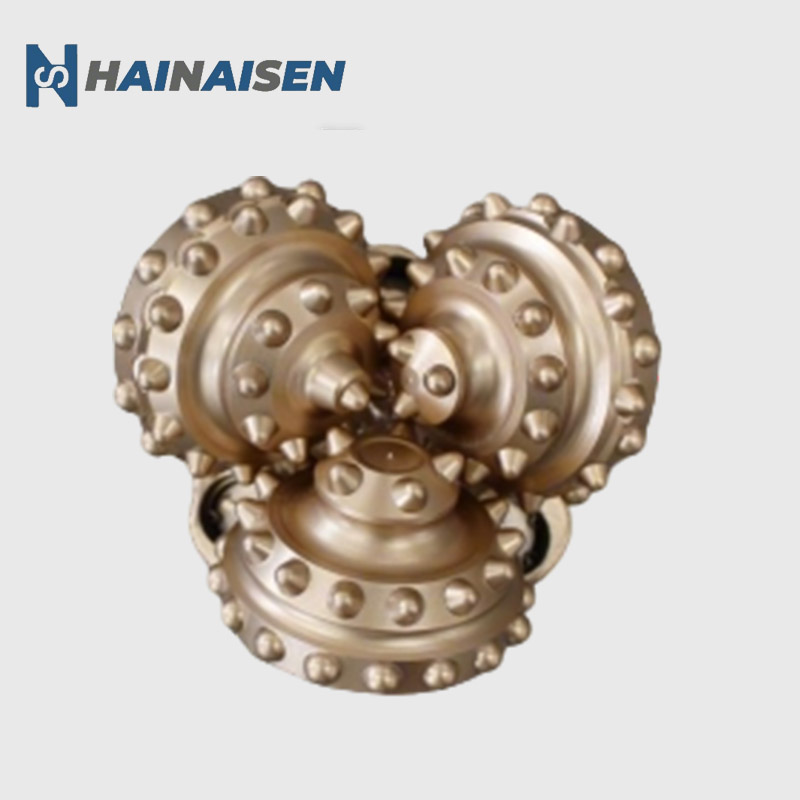 VIEW MORE4 1/2" IADC 637 TCI Tricone Bit
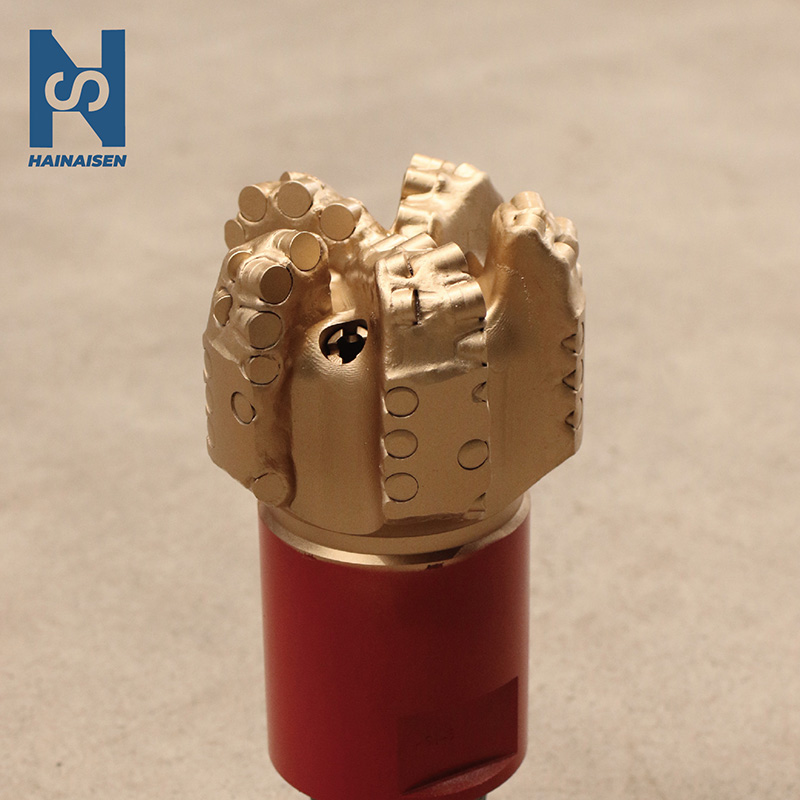 VIEW MOREPDC Petroleum Drill Bit
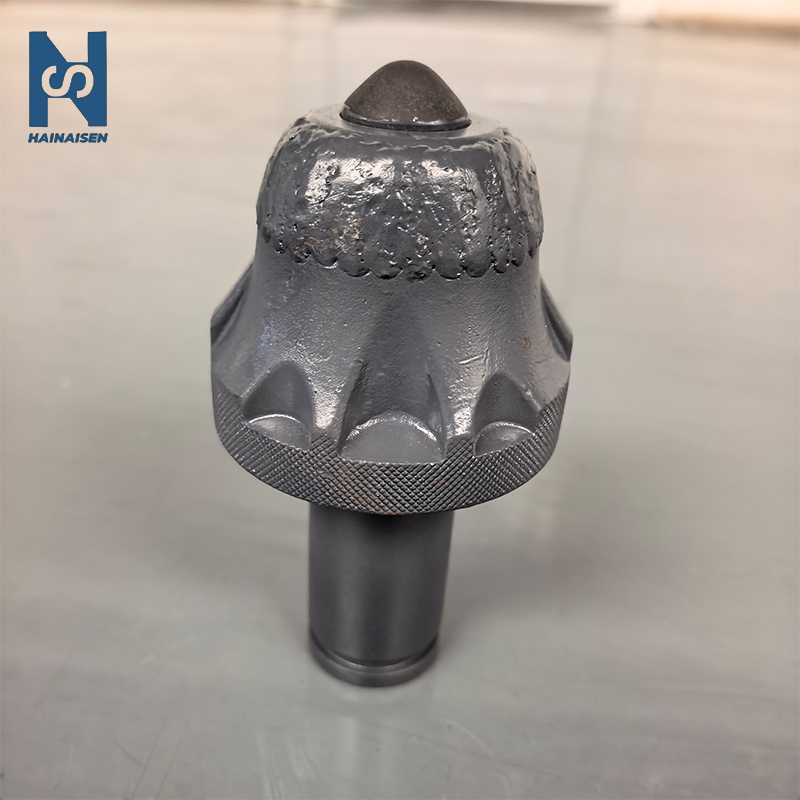 VIEW MOREDiamond Coal Mine Picks
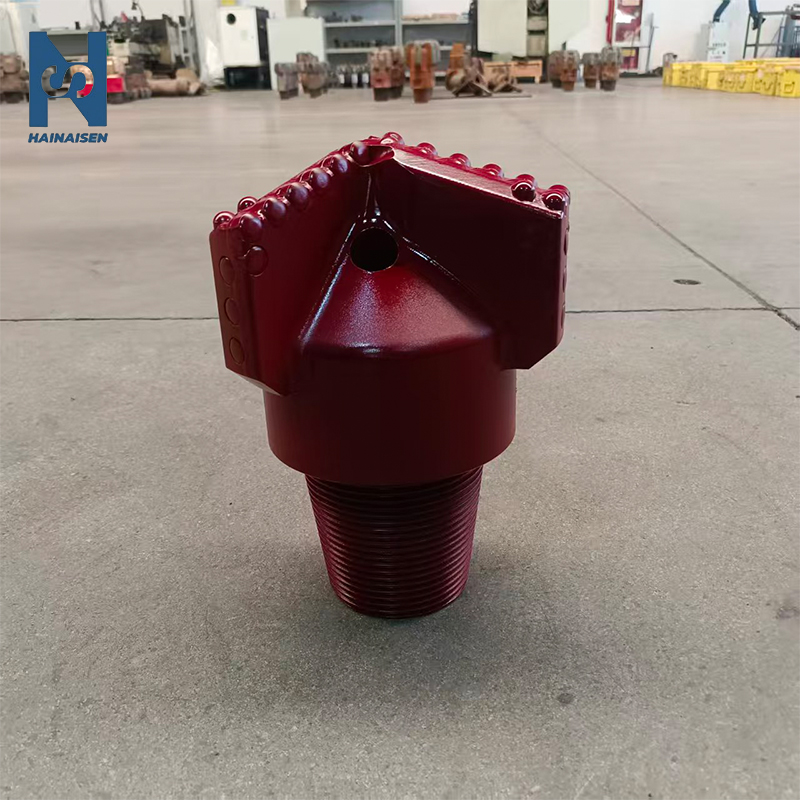 VIEW MOREPDC Bit For Well Drilling
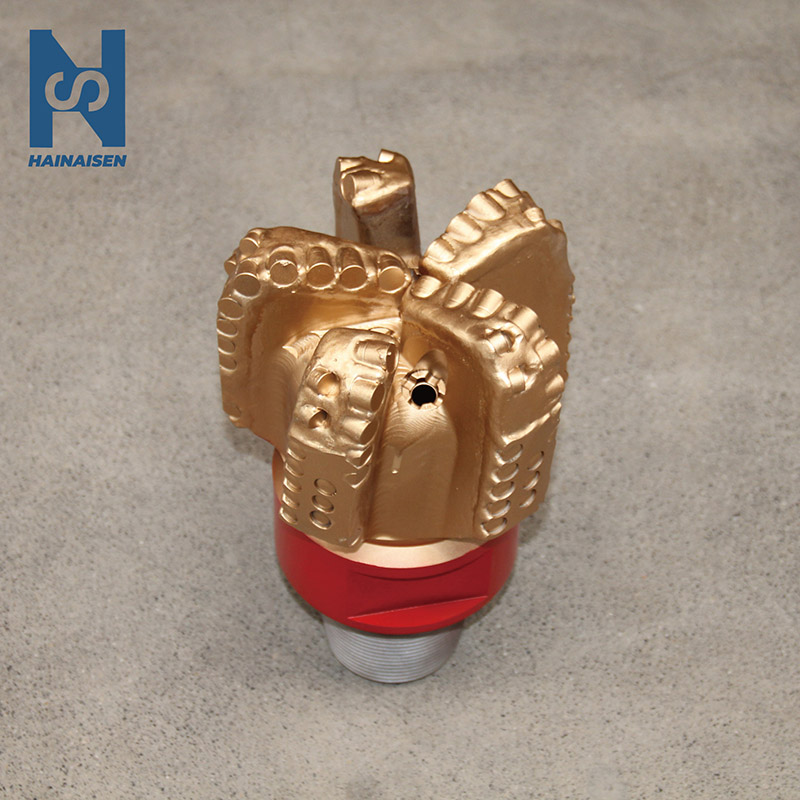 VIEW MOREDrilling Bit For Oil And Gas Rig
 VIEW MORETool 6 Wings Drill Bit PDC