




Custom 5 Blades PDC Oil Bit for Complex Drilling Formations
The appropriate instrument matters when drilling difficult geological formations. Custom 5 Blades PDC Oil Bits face tough drilling situations when ordinary bits fail. These bits use modern polycrystalline diamond compact technology and improved blade geometry for better penetration, durability, and performance throughout formations. When drilling through interbedded shale and limestone or abrasive sandstone layers, the 5 Blades PDC Oil Bit design provides balanced cutting action and stability, reducing downtime and operational expenses for drilling contractors and service firms.
Understanding the 5 Blades PDC Oil Bit and Its Design Features
The 5 Blades PDC Oil Bit design is a critical drilling technological innovation. PDC Bits cleave rock better than roller cone bits in many geological conditions.
The Five-Blade Configuration Advantage
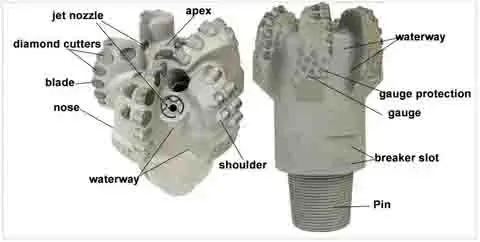
The 5 Blades PDC Oil Bit design optimizes cutting surface area and hydraulic efficiency. This arrangement allows cutter placement with proper blade separation while retaining structural integrity under rigorous drilling conditions. From the bit center to the outside gauge, each blade cuts differently, distributing wear equally throughout the bit face. It decreases localized stress concentrations that cause premature failure in bits with fewer blades or congested geometries.
Precision Cutter Placement Strategy
At our professional oem pdc bit facility, advanced rock-bit modeling software helps our engineers properly place cutters across each blade. Large cutters are placed for optimal impact resistance, while smaller cutters cover gaps for continuous rock removal. The spiral configuration improves stability and the evacuation of drilling cuttings. When encountering strong stringers or fractures in softer formations, backup cutters protect primary cutters from abrupt impact damage.
Materials and Manufacturing Excellence
HNS makes these pieces with high-grade steel bodies that can endure downhole pressures and temperatures. Synthesized under regulated high-pressure and high-temperature conditions, advanced PDC cutters are hard enough to maintain sharp cutting edges over long drilling intervals. A tungsten carbide matrix strengthens high-wear zones, especially the gauge area where bits abrade the borehole wall most. Five-axis machining centers and CNC machine tools at our 3,500-square-meter Xi'an facility produce exact tolerances needed for bit performance.
Performance Advantages of 5-Blade PDC Oil Bits in Complex Drilling
Procurement managers and technical engineers recognize that 5 Blades PDC Oil Bits' drilling efficiency increases, which affects project economics.
Enhanced Penetration Rates
PDC cutters shear rock better than crushing, especially in low-to-medium compressive strength formations. We penetrate shale, limestone, and sandstone 20-40% faster than roller cone bits. These bits retain aggressive cutting action while keeping cutter integrity at ideal parameters—60 to 250 RPM rotation speed, 30 to 180 kN weight on bit, and 45 to 80 liters per second flow rate.
Extended Operational Life
Bit replacement frequency and drilling costs depend on wear resistance. Each cutter has a polycrystalline diamond layer that lasts longer than tungsten carbide inserts in standard bits. Drilling firms report longer bit runs that minimize tripping time, a major cost element in deep well operations. 5 Blades PDC Oil Bit designs reduce cutter load and improve bit life by spreading cutting forces across a greater surface area than three- or four-blade designs.
Stability and Vibration Control
From our professional oem pdc bit facility, vibration harms drilling equipment, lowers penetration effectiveness, and prematurely fails bits. Symmetrical five-blade cutting forces reduce lateral vibration and stick-slip oscillations. This stability is especially useful in directional drilling, where the wellbore trajectory is crucial. Vibration reduction protects downhole motors and measurement-while-drilling equipment, cutting bottom-hole assembly maintenance costs.
These performance enhancements yield operational benefits. Wells are drilled more quickly, with fewer non-productive time occurrences, and at a lower cost per foot, improving project profitability.
How to Choose and Customize 5-Blade PDC Oil Bits for Your Drilling Needs
Formation features, drilling parameters, and project goals must be considered while choosing a 5-blade PDC Oil Bit configuration. HNS technical staff assists customers in this decision-making.
Formation Analysis and Bit Selection
Specific geological formations need specialized designs. High cutter density and vigorous cutter exposure allow quick penetration of soft, homogenous formations. To avoid chipping and premature wear, hard, abrasive formations demand larger, stronger cutters with cautious exposure angles. Interbedded formations with different hardness layers require flexible designs that don't sacrifice efficiency. We suggest blade geometry, cutter size distribution, and hydraulic setups based on offset well data, formation logs, and drilling records.
Customization Capabilities
Customization is vital when buying drilling equipment since no two drilling jobs are alike. Our design group works with clients to create custom parts. Spiral blade profiles stabilize, whereas straight profiles remove rock faster. Optimizing cutter back rake angles for rock types balances penetration rate and cutter durability. Expected hole stability and directional drilling needs determine gauge length and layout.
Comparing Alternative Configurations
Comparing 5 Blades PDC Oil Bits to alternatives helps procurement teams decide. Four-blade designs have wider rubbish holes for cutting removal and may work better in soft formations where hydraulic efficiency is key. Due to cutter count and friction, six-blade arrangements may reduce penetration rate but enhance stability. Roller cone bits are suitable for exceptionally hard formations where PDC cutters would wear out quickly, although they penetrate less and require more maintenance. In the widest range of drilling circumstances, the 5 Blades PDC Oil Bit design strikes a realistic balance.
Procurement Insights: Where and How to Buy 5 Blades PDC Oil Bits
Drilling operations that require dependable equipment and technical assistance require stable supply partnerships.
Supplier Evaluation Criteria
When buying 5 Blades PDC Oil Bits, technical aptitude is very important. products are more consistent when Manufacturers have in-house design engineering, precision machining, and quality control. Since 2013, Shaanxi Hainaisen Petroleum Technology Co., Ltd. has operated modern five-axis machining centers to make bits to stringent specifications. Large oil service firms need flexibility for different drilling plans; our facility accommodates conventional and unique designs.
Commercial Considerations
PDC bit prices depend on customization complexity, order volume, and delivery time. Standard configurations ship in two to three weeks, while unique designs take four to six weeks for engineering, production, and quality control. For drilling contractors and service organizations with many rigs and constant bit needs, volume reductions are considerable. Compare providers based on pricing, technical support, warranty coverage, and field service availability. Despite reduced purchasing pricing, equipment that fails early or lacks technical support costs more.
Quality Assurance and Certification
Reputable producers document material specifications, dimensional correctness, and performance testing. Quality certificates show industry and manufacturing best practices. We keep thorough records for each bit created for traceability and field performance-based continuous improvement.
Maintenance Best Practices and Maximizing Bit Performance
Bit performance and longevity are greatly affected by handling and maintenance, safeguarding your equipment investment and drilling efficiency.
Pre-Drilling Inspection and Preparation
Visually check 5 Blades PDC Oil Bits for shipping damage or manufacturing defects before deployment. Ensure that cutters are intact, properly bonded, and free of cracks. Inspect garbage slots and nozzle ports for blockages. To maintain drilling program compliance, measure bit diameter, gauge length, and pin connection threads. Applying thread compound on pin connections prevents galling and ensures proper make-up torque transfer.
Operational Monitoring
Real-time drilling parameter monitoring detects issues before they harm bits, a critical operational guideline shared by our oem pdc bit facility. Sudden torque, penetration rate, or standpipe pressure variations may signal cutter damage, bit balling, or formation transitions demanding parameter modifications. Too much weight on the bit and rotary speed causes cutter failure, whereas too little weight limits penetration effectiveness. Cleaning the bit face and transporting cuttings up the annulus requires hydraulic horsepower from the flow rate.
Post-Run Evaluation and Reconditioning
After each bit run, rigorous analysis helps optimize future drilling operations. Record cutter wear, condition, and damage. For storage and analysis, photograph the bit face from several angles. Bits with moderate wear can be reconditioned by replacing cutters and repairing wear. However, bits with substantial structural damage or cutter loss should be decommissioned. This assessment data drives bit selection for succeeding well sections and feeds supplier conversations regarding performance-enhancing design changes.
Implementing these maintenance procedures lengthens bit life, enhances drilling efficiency, and lowers well-building costs. HNS technical staff teach and support clients to optimize drilling equipment investment value.
Conclusion
Custom 5-blade PDC Oil Bits are effective for drilling complicated geological formations. The balanced design improves penetration, operating life, and stability in various drilling situations. Selection based on formation analysis and customization options lets drilling teams enhance performance for unique project needs. Technical support and quality assurance from experienced manufacturers maximize this modern technology's potential for drilling operations.
Frequently Asked Questions
1. What formations are best suited for five-blade PDC bits?
5 Blades PDC Oil Bits work well in soft to medium-hard shale, limestone, sandstone, and gypsum. They tolerate interbedded layers with brief formation hardness variations well. Custom cutter grades and designs may be needed for particularly hard or abrasive formations.
2. How does customization affect lead times and pricing?
Standard configurations are delivered in 2–3 weeks at set prices. Custom designs take four to six weeks to engineer. Customization costs more, but bulk purchases balance this. Performance advantages from improved designs generally justify the small extra expense.
3. What operational parameters maximize bit performance?
Specific bit design and creation properties determine optimal settings. Keep rotational speeds 60–250 RPM, drilling pressure 30–180 kN, and flow rates 45–80 liters per second. Each bit supply includes thorough operational guidance from our technical staff.
Partner with HNS for Superior Five-Blade PDC Bit Solutions
Equipment must work consistently under difficult situations. HNS provides unique 5-blade PDC Oil Bit solutions for drilling needs using modern manufacturing and timely technical support. Our skilled engineers assess your formation issues and provide optimum designs that boost penetration and bit life. Discuss your drilling projects with our experts at hainaisen@hnsdrillbit.com and learn why major oil service companies choose HNS for 5 Blades PDC Oil Bits.
References
1. Bellin, F., & Donarummo, G. (2019). Advanced PDC Bit Design for Complex Lithologies. Journal of Petroleum Technology, 71(8), 45-52.
2. Chen, S., & Wang, H. (2020). Optimization of Blade Configuration in Polycrystalline Diamond Compact Drill Bits. International Journal of Rock Mechanics and Mining Sciences, 128, 104-118.
3. Hareland, G., & Rampersad, P.R. (2018). Drilling Engineering: A Complete Well Planning Approach. Society of Petroleum Engineers, Richardson, Texas.
4. Pessier, R.C., & Damschen, M.J. (2021). Hybrid Drill Bits: Combining the Best of PDC and Rolling Cutter Technologies. SPE Drilling & Completion, 36(2), 234-247.
5. Sinor, L.A., & Warren, T.M. (2017). Drag Bit Wear Model: Predicting Performance in Hard and Abrasive Formations. SPE Annual Technical Conference Proceedings, Denver, Colorado.
6. Zijsling, D.H., & van den Steen, L. (2016). Single Cutter Testing: A Key for PDC Bit Development. SPE/IADC Drilling Conference Proceedings, Amsterdam, Netherlands.
 VIEW MOREPolycrystalline Diamond Compact Drill Bits
 VIEW MORECoal Mining Tools PDC Anchor Drill Bit 28mm
 VIEW MORE5 Blades Steel Body High Performance PDC Rock Drill Bits
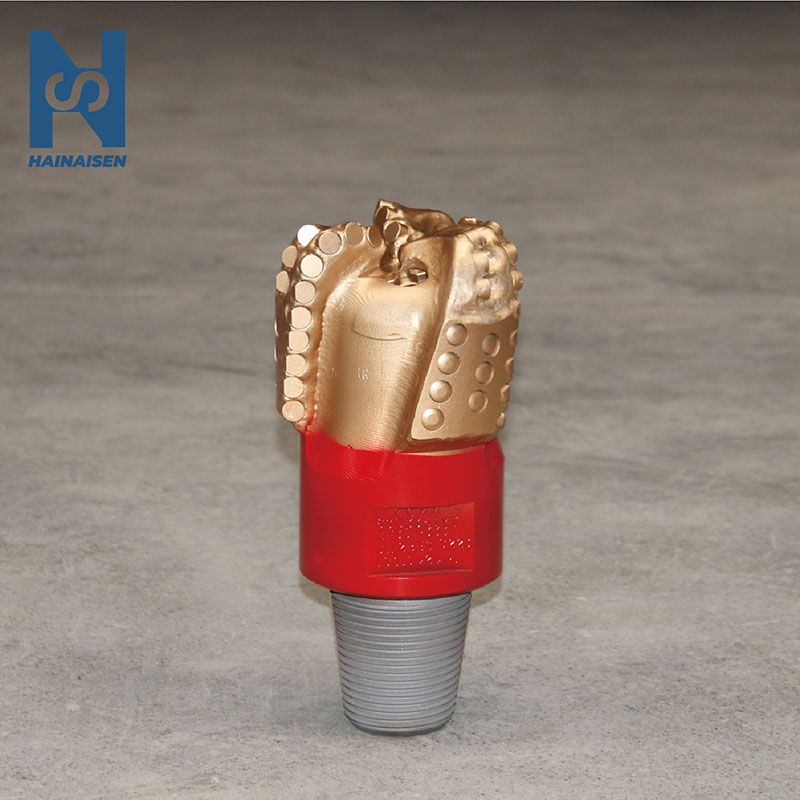 VIEW MOREThree Blade PDC Tricone Drill Bit
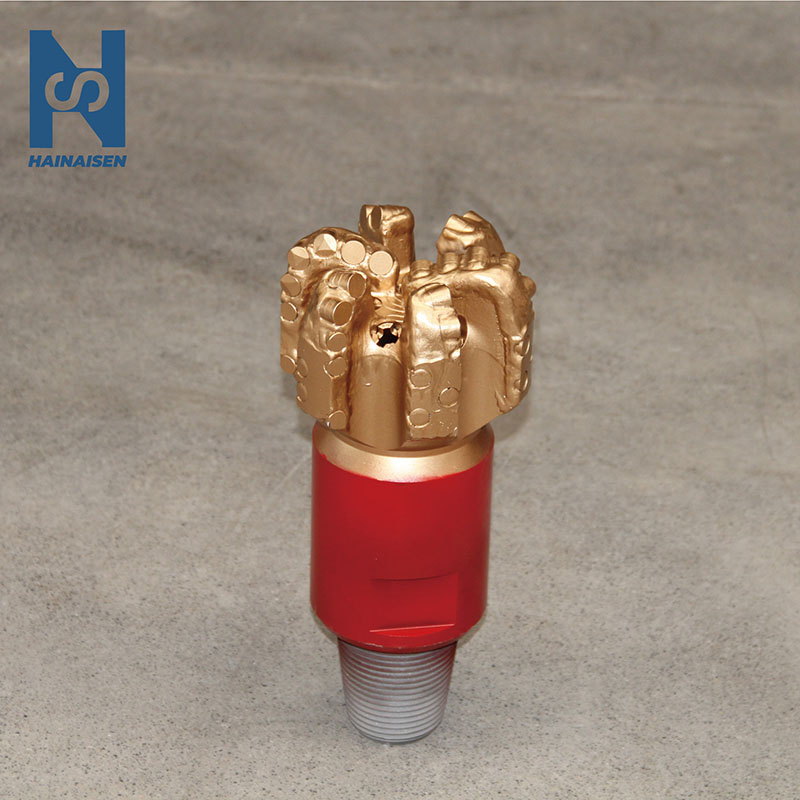 VIEW MORESix Blade Wing Petroleum Drill Bit
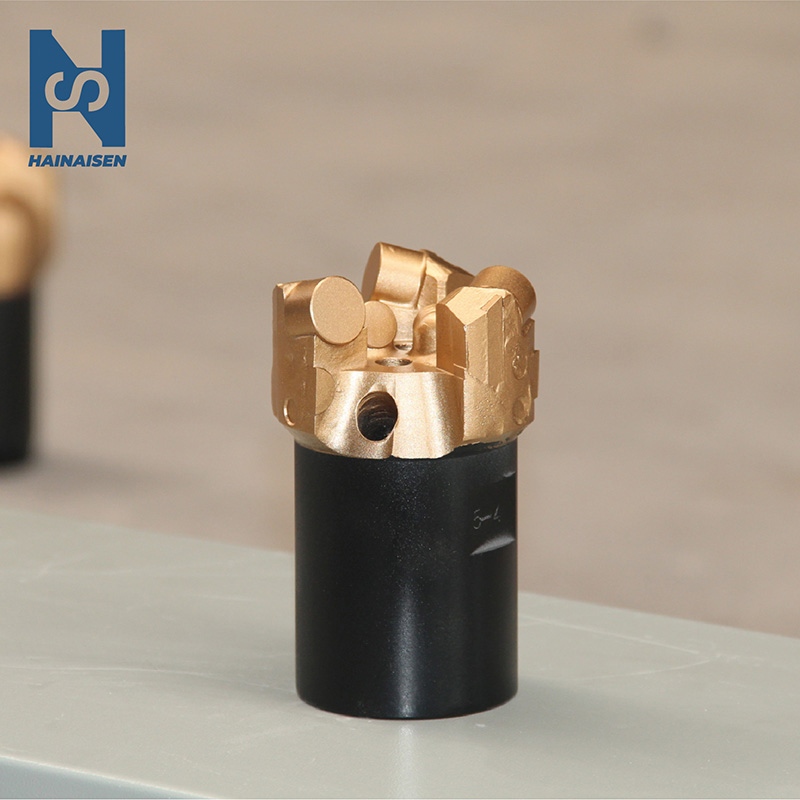 VIEW MORECoal Mining PDC Drill Bits
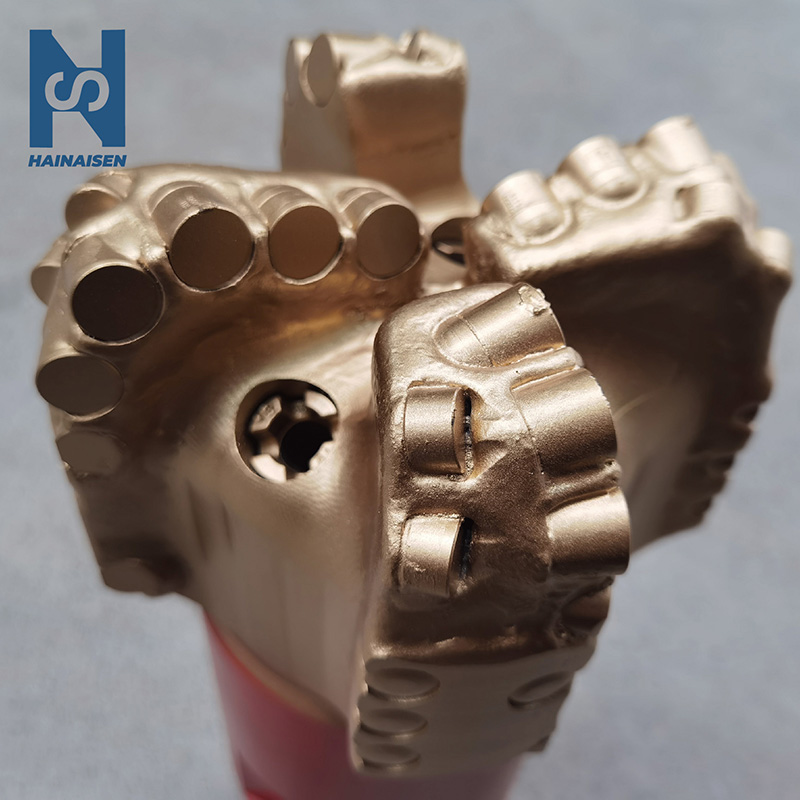 VIEW MOREFour Blade Wing Petroleum Drill Bit
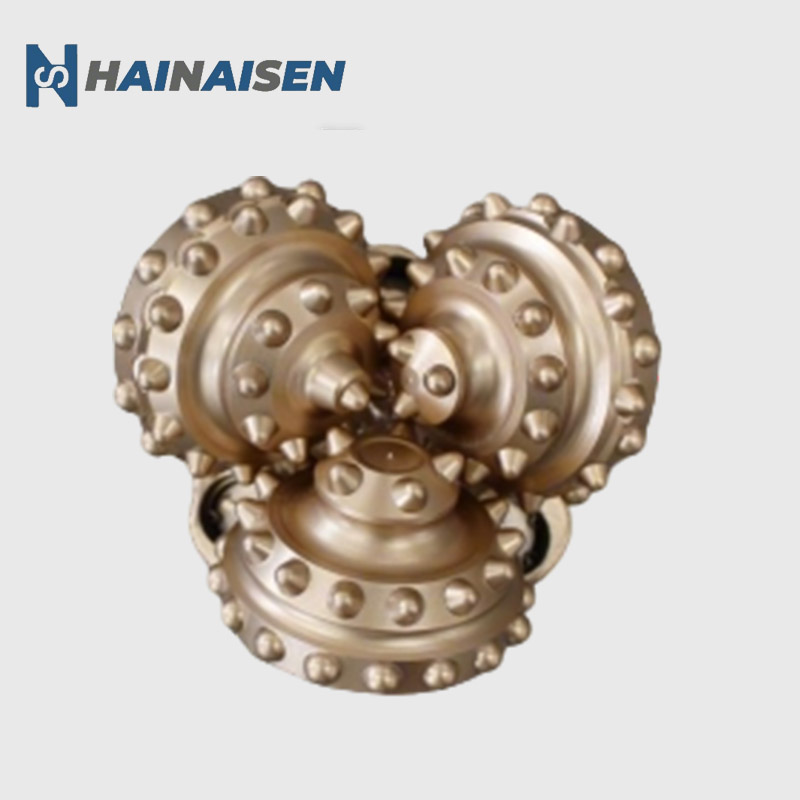 VIEW MORE4 1/2" IADC 637 TCI Tricone Bit