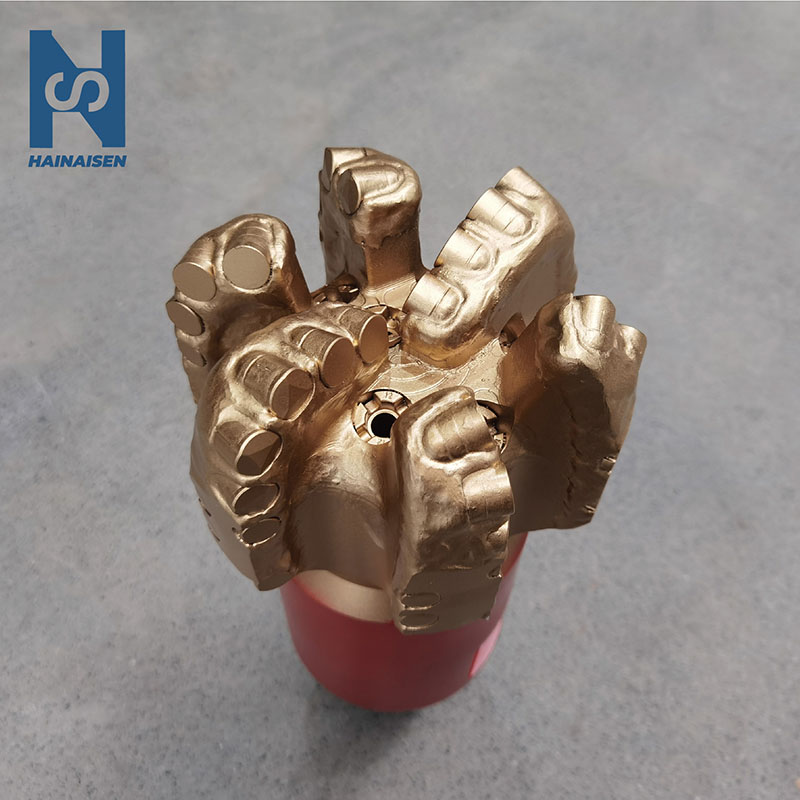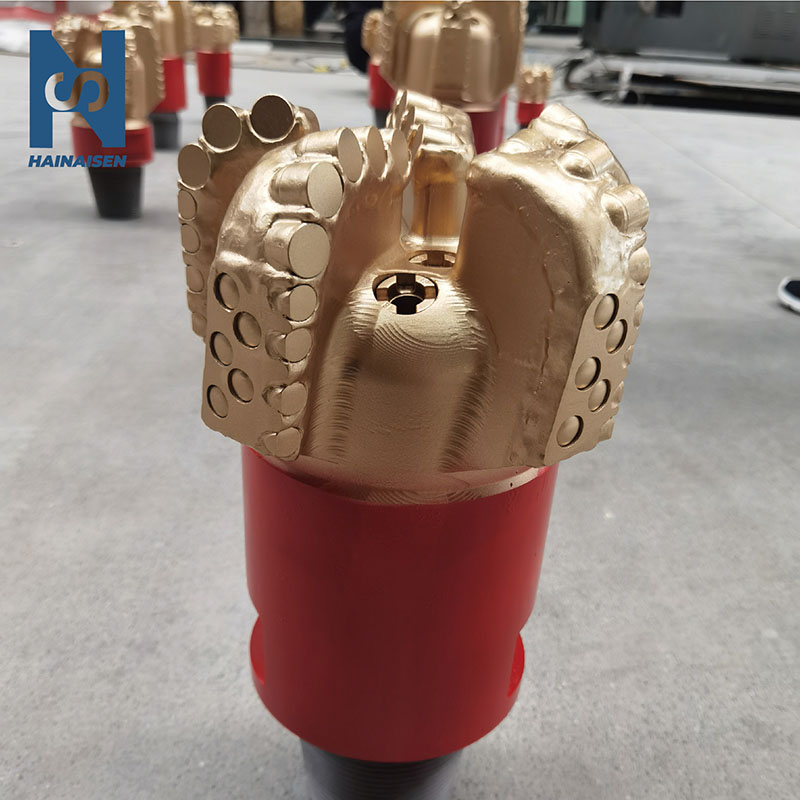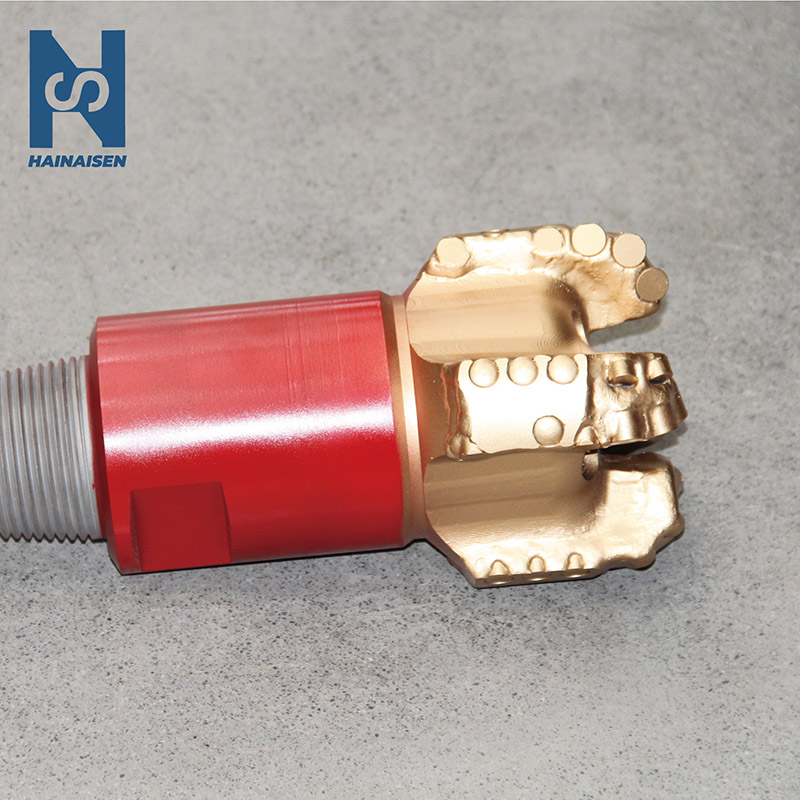




Best 5 Blade Steel Body PDC Bit for Soft Formation Drilling
Selecting the appropriate bit for drilling through soft formations like shale, sandstone, or limestone may make or break your operation. Polycrystalline diamond compact cutters with a steel body structure make the 5 Blade Steel Body PDC Bit a drilling breakthrough in low-to-medium compressive strength formations. This bit design blends cutting aggressiveness and stability, allowing drilling teams to penetrate more quickly and last longer in different geological situations.
Introduction
Polycrystalline diamond compact bits have revolutionized oil and gas drilling, water well building, and mineral exploration. PDC technique uses diamond-enhanced cutters to cleave formations instead of crushing rock like roller cone bits, enhancing efficiency. The blade arrangement and body material affect how well these bits operate downhole.
Procurement managers and technical engineers must cut drilling costs without compromising quality or safety. Understanding why five-blade steel bodies work well in soft formations helps decision-makers choose tools that maximize operating performance and lifecycle value. This handbook discusses the technical concepts, performance benefits, and procurement factors that make this 5 Blade Steel Body PDC Bit design the global standard for soft formation drilling.
Understanding the 5 Blade Steel Body PDC Bit
Design, Architecture, and Construction Principles
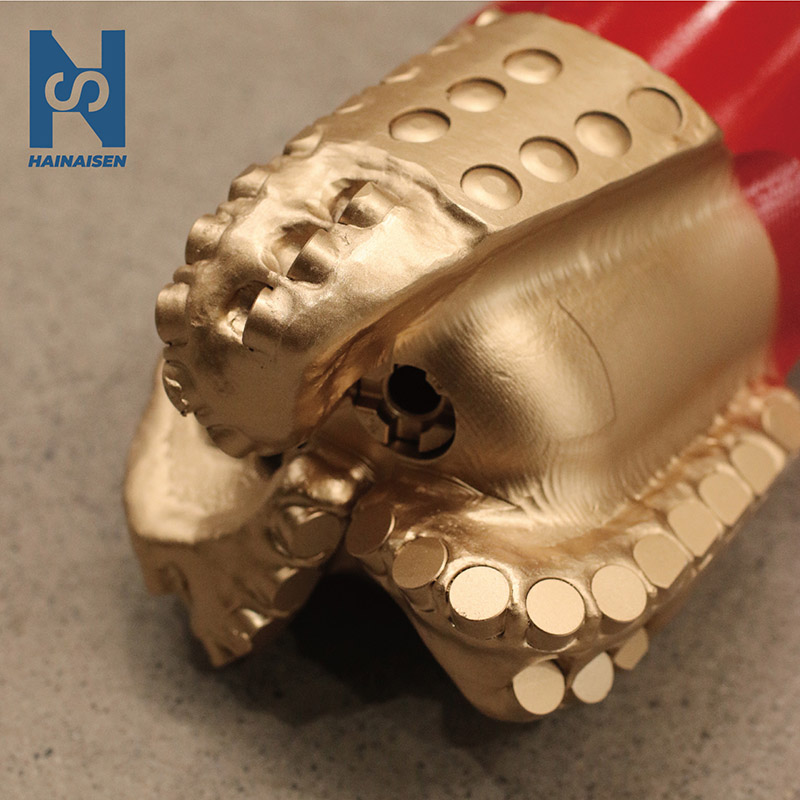
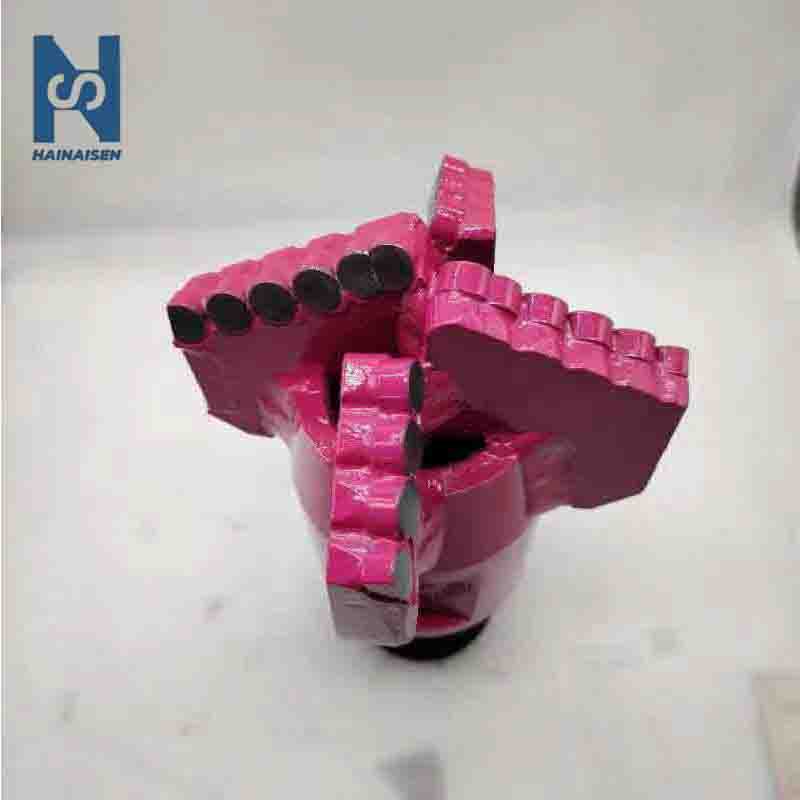
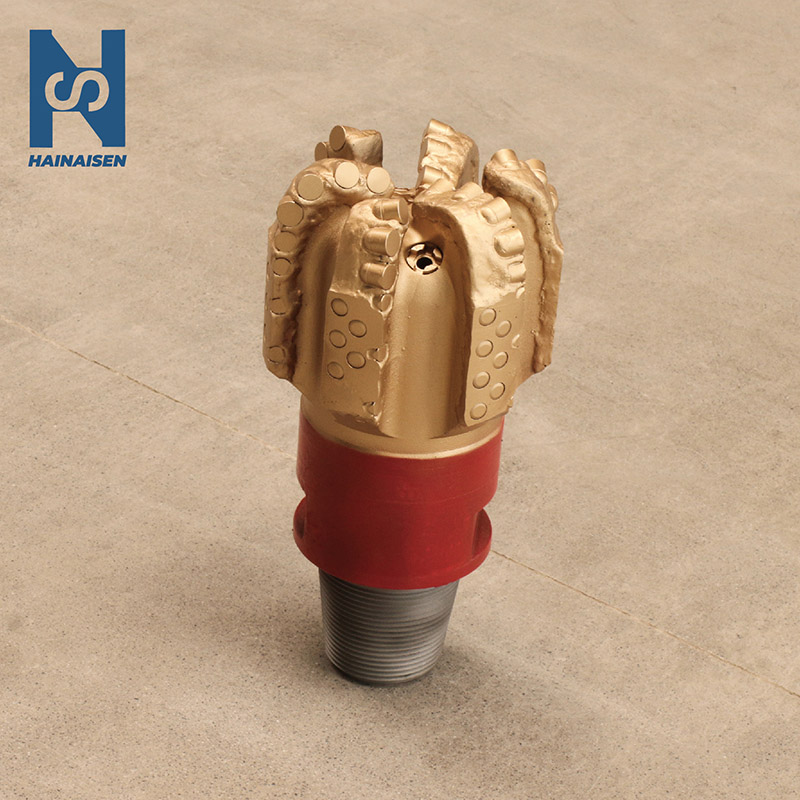
Five blades optimize cutting surface area and hydraulic flow. Each blade has numerous PDC cutters at appropriate angles to enhance rock removal while retaining structural integrity. Steel body architecture resists impact better than matrix alternatives, allowing the bit to tolerate abrupt load changes in interbedded formations.
Steel's ductility allows producers to make exact blade geometries that tungsten carbide matrix materials cannot. This manufacturing flexibility allows bits with optimum cutter location, aggressive cutting profiles, and improved hydraulic features to cool cutters throughout long drilling operations.
Drilling Mechanics and Blade Count Impact
How drilling forces disperse over the bit face depends on blade count. Fewer blades concentrate weight on each cutter, improving soft rock penetration but decreasing stability. More-bladed bits disperse forces over more cutters, increasing control but occasionally slowing penetration.
Five blades strike the right balance. It has ample cutting surface to sustain high penetration rates while spreading weight to reduce vibration and enhance directional control. This arrangement routinely beats three- and seven-blade configurations in shale and sandstone rocks below 100 MPa. The 5 Blade Steel Body PDC Bit provides the necessary compromise.
Application Scenarios in Soft Formation Drilling
Our bits work effectively in vertical wells, directional drilling, and steerable motor applications targeting soft geological formations. Oil and gas companies utilize them to drill sedimentary sequences with constant lithology and aggressive cutting parameters. Their strong penetration rates through alluvial deposits and cemented sediments impress water well drilling teams.
When drilling through coal seams with thin shale or limestone layers, the steel body's impact resistance helps coal bed methane projects. Geothermal well construction uses the bit's heat dissipation over long drilling intervals in moderately abrasive rocks.
Performance and Benefits of 5 Blade Steel Body PDC Bits
Superior Drilling Efficiency and Penetration Rates
Field data shows that 5 Blade Steel Body PDC Bits penetrate soft formations 20–35% better than matrix body counterparts. Deeper steel blade profiles improve hydraulic flow channels, removing cuttings and reducing bit balling in sticky shale formations.
The optimum cutter exposure from steel body machining maximizes diamond contact with the formation. Operators may drill longer without tripping out for bit changes because its design minimizes drilling torque while retaining strong cutting action.
Enhanced Durability Through Steel Body Construction
Superior toughness makes steel resistant to impact damage that might prematurely fail matrix body pieces. When the bit hits hard streaks or debris in the wellbore, the steel body absorbs force without breaking. This robustness increases bit life, especially in strata with inconsistent geology.
Steel's characteristics improve cutter brazing weld penetration, strengthening diamond-bit body connections. Cutting efficiency is maintained throughout the bit's life due to these sturdy connections.
Vibration Reduction and Stability Advantages
The five-blade design balances cutting forces, reducing lateral vibration, which causes premature bit wear and directional drilling issues. Drilling dynamics are smoother with less vibration, safeguarding the bit, downhole motors, measuring equipment, and drill string components.
Five-blade layouts offer better directional control than three-blade designs, which side-cut more aggressively. This stability is especially useful in directional drilling, where intended trajectories affect well placement precision and production zone contact.
Heat Dissipation and Thermal Management
Steel's thermal conductivity is 60% higher than that of tungsten carbide matrix materials, improving heat transmission away from PDC cutters. Overheating causes diamond cutting elements to deteriorate quickly or separate from the bit body. Our steel body design uses deep blade profiles to feed drilling fluid directly over cutter faces, optimizing temperature management with material characteristics and geometry.
Drilling teams can operate at 60 to 250 RPM and 20 to 110 KN without thermal damage thanks to thermal control. High-performance drilling continues throughout time.
Comparison and Selection Guide for Procurement
Steel Body Versus Matrix Body Performance
In abrasive formations, matrix body pieces withstand erosion, but their brittleness makes them susceptible to impact failure in varied lithology. Steel body alternatives enhance impact tolerance and design flexibility at the expense of erosion resistance. Shale, gypsum, sandstone, and limestone are soft rocks with low to moderate abrasiveness. The 5 Blade Steel Body PDC Bit's benefits exceed its drawbacks.
Procurement teams should assess formation features. Steel body pieces work well in formations with compressive strengths below 80 MPa and low chert or silica content. These settings allow operators to expect 30-50% longer bit life than matrix alternatives, reducing trips and non-productive time.
Blade Count Optimization for Different Conditions
Three-blade bits work best in soft, homogeneous formations when aggressiveness is key and directional control is weaker. Designing with seven blades provides stability for tougher forms. For most soft formation drilling, the five-blade design is ideal, performing well in all situations.
Think about the wellbore trajectory while choosing the blade count. Vertical wells can handle more aggressive three-blade designs, whereas directional and horizontal wells benefit from five-blade stability. Five-blade bits respond predictably to weight transfer and toolface modifications, making them ideal for steerable motors.
Cost-Benefit Analysis and Lifecycle Value
Steel body PDC bits cost 15-25% more per unit than matrix equivalents. They save more than entire drilling projects due to their longer lifespan and greater penetration rates. A bit that costs 20% more but lasts 40% longer and drills 30% quicker is economically valuable.
Calculating the total cost per drilled meter is more informative than comparing original purchase pricing. Our coal mining clients claim 18-22% cost savings when converting from matrix body to steel body five-blade designs, despite increased bit acquisition costs. Fewer bit changes, tripping time, and quicker drilling progress save money.
How to Buy and Source the Best 5 Blade Steel Body PDC Bit
Identifying Quality Manufacturers and Suppliers
Quality Manufacturers have ISO-certified production facilities with five-axis CNC centers for precision blade geometry. Make sure potential vendors have in-house R&D teams that can customize bit designs for certain formations. Technical support, including bit selection, operational parameter advice, and post-run analysis, provides more long-term value than goods alone.
In 2013, we opened a 3,500-square-meter manufacturing facility in Xi'an with cutting-edge production facilities and processing equipment. Clients cooperate with our custom bit design group to create solutions for specific geological and operational difficulties. We are a leading 5 Blade Steel Body PDC Bit manufacturer.
Procurement Process and Customization Options
The purchase process begins with formation analysis. Discuss geological data, drilling parameters, and operational goals with your supplier's engineering team. Quality manufacturers will recommend bit combinations with the right blade count, cutter size, and location, hydraulic features, and connection types for your application.
For major drilling initiatives, bulk orders matter. Volume orders should be fulfilled by suppliers with consistent quality. Beyond basic criteria, cutter layouts, gauge protection for extended lateral drilling, and hydraulic designs for bit balling formations can be customized.
Pricing Dynamics and Volume Negotiations
PDC bit prices reflect cutter quality, body material costs, and production precision. Specifications determine steel body bit prices from modest to high. Pricing is tiered at 50, 100, and 200 units, and volume commitments unlock 8-15% savings.
Discuss consignment inventory for ongoing drilling activities and establish cash flow-friendly payment conditions. Best supplier partnerships balance competitive price, reliable quality, and quick technical assistance, not just the lowest unit cost.
After-Sales Support and Warranty Considerations
Suppliers with extensive after-sales assistance stand out. Quality manufacturers analyze bit performance using run data to assist operators in adjusting drilling settings. Warranty coverage should include manufacturing flaws and explicitly define operational criteria to retain validity.
Technical assistance is crucial for solving unanticipated drilling issues. Suppliers with rapid engineering teams can help with difficult drilling operations by adjusting parameters or designs. Our products come with experienced technical assistance and quality assurance to help clients maximize drilling outcomes.
Case Studies and Performance Verification
Real-World Performance in Soft Formation Projects
A Powder River Basin coal bed methane operator replaced matrix body bits with our 5 Blade Steel Body PDC Bit design in 12 wells. Average penetration rates rose 35% to 24.7 meters per hour, while bit life rose from 287 to 412 meters per bit. The total performance increases cut well drilling days by 22%, saving over $340,000.
Water well drillers in sandstone and limestone rocks reported comparable findings. One contractor reported a 28% reduction in cost per meter drilled after switching to five-blade steel body bits due to fewer bit replacements and faster drilling over 150-meter well intervals.
Quantified Benefits and Performance Metrics
Optimized five-blade steel body bits produce consistent patterns for operators watching drilling data. Formation features and bit selection affect penetration gains of 18% to 40%. Tool wear is 25-35% lower than matrix alternatives in identical formations.
Cost efficiency increases best in long-term drilling projects when savings accumulate. An eight-well geothermal drilling operation saved $287,000 through reduced non-productive time and longer bit life, while paying premium pricing for steel body bits.
Industry Feedback and Market Credibility
Technical engineers always highlight five-blade steel body designs' enhanced drilling dynamics and lower vibration. Purchasing managers like dependable performance and lifetime economics that help estimate drilling costs during project planning.
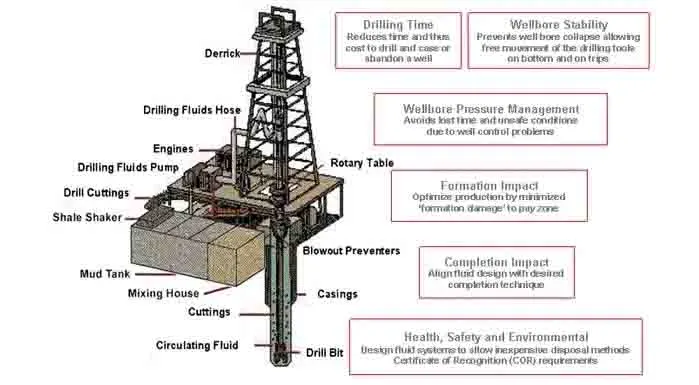
Steel body PDC technology has enhanced performance in soft formation applications, according to industry journals and drilling groups. Manufacturers continuously refine blade geometries, PDC cutter grades, and hydraulic features based on field data. These improvements benefit operators who rely on drilling bits for oil rigs to maintain efficiency, lower operational costs, and extend equipment life.
Conclusion
Technical performance, operational dependability, and economic value must be considered while choosing a drilling bit. Soft formation drilling benefits from the 5 Blade Steel Body PDC Bit's increased penetration, durability, vibration reduction, and thermal control. Its steel architecture offers impact resistance and design flexibility that matrix alternatives cannot match in low-to-medium compressive strength forms. This bit design will increase performance and save costs in oil and gas extraction and water well building, so procurement experts may safely specify it.
Frequently Asked Questions
1. Why do steel body PDC bits outperform matrix body alternatives in soft formations?
Steel body architecture outperforms tungsten carbide matrix materials in impact resistance and design flexibility. Steel's ductility lets manufacturers create accurate blade geometries with optimal cutter placement and aggressive hydraulic characteristics. In moderately abrasive soft forms, steel's thermal conductivity improves heat dissipation and cutter life. In changeable lithology, like many soft formation drilling situations, matrix bits are fragile and susceptible to impact damage. The 5 Blade Steel Body PDC Bit avoids these pitfalls.
2. How does blade count affect drilling performance and bit longevity?
The bit face's drilling forces depend on the blade count. In soft formations, three-blade bits maximize aggressiveness by concentrating weight on fewer cutters but may sacrifice stability. Seven-blade designs improve control in tougher rock by spreading forces over many cutters. For most soft formation applications, five-blade arrangements provide great penetration rates, stability, and directional control. Due to reduced cutter and bearing vibration, this balanced design usually extends bit life.
3. What maintenance practices extend the steel body PDC bit life?
Maintenance begins with rigorous bit examination after each run to document cutter wear, gauge wear, and impact damage. Clean bits thoroughly to eliminate formation debris that hides wear. Use containers to protect pieces from cutter damage during shipment. Avoid premature wear by maintaining 60-250 RPM, 20-110 KN drilling pressure, and 30-40 liters per second flow rates. Rotate bit inventory to prevent storage deterioration and approach manufacturers concerning odd wear patterns to optimize drilling settings for future runs.
Partner With HNS for Superior Steel Body PDC Bit Solutions
At Shaanxi Hainaisen Petroleum Technology Co., Ltd., we manufacture premium steel body PDC bits engineered specifically for soft formation drilling challenges. Our 3,500-square-meter production facility houses advanced five-axis machining centers and CNC equipment that enable precise blade geometry and optimized cutter placement. As an experienced 5 Blade Steel Body PDC Bit manufacturer, we offer comprehensive customization capabilities through our dedicated research and development team, ensuring each bit meets your specific geological and operational requirements. Contact our technical specialists at hainaisen@hnsdrillbit.com to discuss your drilling project requirements and receive expert recommendations tailored to your formations, along with competitive pricing for bulk orders with fast international delivery.
References
1. Anderson, T.R. (2019). "Advanced PDC Bit Design for Soft Formation Drilling Efficiency." Journal of Petroleum Technology, 71(4), 45-52.
2. Chen, W. & Rodriguez, M. (2020). "Comparative Analysis of Steel Body and Matrix Body PDC Bits in Sedimentary Formations." Drilling Engineering Quarterly, 28(2), 112-128.
3. International Association of Drilling Contractors. (2021). "Best Practices Guide for PDC Bit Selection and Operation." IADC Technical Publication Series, Houston, Texas.
4. Mitchell, B.J. (2018). "Thermal Management in PDC Drilling: Material Properties and Design Considerations." Society of Petroleum Engineers Drilling & Completion Journal, 33(3), 201-215.
5. Patel, S.K. & Thompson, L. (2022). "Economic Impact of Steel Body PDC Technology in Water Well and Mineral Exploration Drilling." International Journal of Mining and Geological Engineering, 15(1), 67-81.
6. Zhang, H. & Williams, D.A. (2020). "Blade Configuration Effects on PDC Bit Performance and Stability in Directional Drilling Applications." Geothermal Resources Council Transactions, 44, 892-907.