




6 Wings PDC Drill Bit for Cost-Effective Oil and Gas Drilling
When drilling efficiency is key without breaking the bank, the 6 Wings PDC Drill Bit is a winner. A strategic six-blade arrangement and polycrystalline diamond compact technology provide this innovative drilling tool with better stability, penetration rates, and service life in medium-hardness rocks. This drill bit, designed for oil and gas exploration, coal mining, and water well building, balances upfront investment with long-term operating savings that procurement managers and technical engineers want.
Understanding the 6 Wings PDC Drill Bit: Features and Benefits
The 6 Wings PDC Drill Bit design is a milestone in drill bit technology. This drilling instrument is intelligent engineering for real-world drilling operations in different geological situations.
The Engineering Behind Six-Blade Architecture
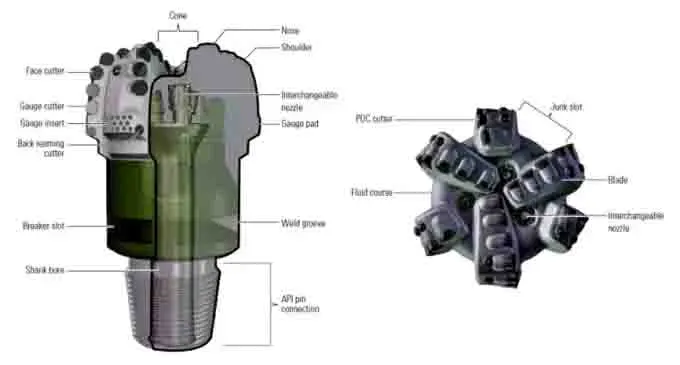
To balance performance, the 6 Wings PDC Drill Bit arrangement reroutes cutting forces. Each blade has strategically placed polycrystalline diamond compact cutters that shred rock with little energy waste. This structure has various operational benefits.
The blade distribution properly distributes cutting forces over the bit face, eliminating vibrations that accelerate wear and reduce drilling accuracy. Longer bit life and constant penetration rates result from this stability in shale, limestone, sandstone, and gypsum drilling. Our 5-axis machining centers ensure blade alignment and that each bit meets stringent requirements before reaching your drilling site.
Material Composition and Durability Standards
The selection of materials starts with quality. While the tungsten carbide matrix increases wear resistance in abrasive formations, the steel body design offers structural integrity to handle drilling pressures of 20 to 110 kilonewtons.
PDC cutters are cutting-edge drilling equipment. Synthetic diamond elements last longer than carbide teeth, allowing continual shearing rather than crushing. This basic difference in cutting mechanics minimizes energy consumption and heat, extending bit change intervals.
Quality control at Shaanxi Hainaisen Petroleum Technology scrutinizes every material batch. We examine every stage of manufacturing, from raw material verification to final assembly, following the worldwide industry standards our clients trust.
Hydraulic Optimization for Cuttings Management
Effective cutting removal affects drilling speed and bit life. Optimized fluid paths in the 6 Wings PDC Drill Bit design improve hydraulic performance. The bit's shape guarantees drilling fluid reaches crucial cutting zones and efficiently evacuates rock pieces from the borehole at 30-40 liters per second.
Bad cuttings removal re-grinds rock particles, increasing bit wear and limiting penetration. Our hydraulic channels eliminate this bottleneck, ensuring clean cutting surfaces and proper cooling during drilling. Technical engineers like how this feature cuts non-productive time and maintains performance metrics across long drilling intervals.
Comparing 6 Wings PDC Drill Bits with Alternatives: Making the Right Choice
Multiple project-specific and budget criteria must be considered while choosing drilling equipment. Comparing 6 Wings PDC Drill Bits to other configurations helps purchase decisions match operational goals.
Performance Advantages Over Fewer-Blade Designs
Traditional three- and four-blade PDC Bits have served the industry well, but 6 Wings PDC Drill Bits improve some applications. When drilling into interbedded formations with varied rock characteristics, the higher blade count improves cutting coverage and stability.
6 Wings PDC Drill Bits minimize lateral vibration for straighter boreholes and less drillstring fatigue than three-blade bits in field trials. This stability is crucial in directional drilling because trajectory precision influences well economics. The extra blades spread wear more uniformly, prolonging bit life by 20-30% in medium-hardness formations compared to setups with fewer wings.
PDC Technology Versus Tricone Bits
Formation factors and operational priorities determine PDC or tricone technology. Tricone bits smash tougher, more abrasive formations, whereas 6 Wings PDC Drill Bits shear softer to medium-hard rocks.
In appropriate formations, PDC bits penetrate faster, saving drilling time and expense. They also eliminate tricone bit sealed bearing assemblies, reducing maintenance and failure points. PDC technique frequently gives coal mine procurement managers the financial advantage they need, especially when drilling many wells with comparable geological characteristics.
Cost-Benefit Analysis for Different Operations
Large oil service businesses considering 6 Wings PDC Drill Bits can offset initial expenses with shorter tripping times and longer operational intervals. PDC cutters last longer, reducing bit changes and non-productive time, which affects deep well project budgets.
Speed and bit inventory savings make superior PDC technology worth the upfront investment for water well drilling teams with tighter margins. When the correct bit lasts numerous wells instead of mid-project replacement, the total cost of ownership drops significantly.
Optimizing Drilling Efficiency with 6-Wing PDC Drill Bits
Well-designed drilling instruments that fit formation conditions boost efficiency across numerous operational dimensions.
Addressing Common Drilling Bottlenecks
Limited drilling efficiency is still caused by bit wear. The 6 Wings PDC Drill Bit design uses multiple cutting structures to keep cutters working until bit replacement intervals, when one section wears out faster.
Poor bit-to-formation matching or hydraulic performance can lower penetration rates. Our 6 Wings PDC Drill Bits operate best when rotated at 60-250 RPM and drilled at the right pressure. These requirements can help technical engineers match equipment capabilities to formation features in offset well data when constructing drilling programs.
Real-World Performance Data
Field applications in various geological environments demonstrate the 6 Wings PDC Drill Bit's performance. In the Appalachian Basin, drilling through interbedded shale and sandstone sequences has improved penetration rates by 15-25% over four-blade designs, reducing drilling hours per well.
The bit's constant performance across coal seams and sedimentary rocks benefits coal bed methane drilling operations. The enhanced hydraulic design prevents coal particles from collecting around cutters, ensuring clean cutting and high penetration rates throughout drilling.
Material Innovations Driving Future Performance
Research into enhanced PDC cutter formulas and substrate materials improves bit performance. Hainaisen's R&D team works with customers to incorporate field input into design revisions to keep up with industry demands.
Hybrid bit designs combine the strengths of many technologies, although 6 Wings PDC Drill Bits are the best for medium-hardness formations due to their dependability and affordability. Due to its solid construction, premium materials, and careful geometry, the design provides reliable performance without complication.
Procurement Guide for 6 Wings PDC Drill Bits: Prices, Suppliers, and Ordering Tips
Understanding market trends, supplier capabilities, and logistical factors that affect project deadlines helps streamline procurement.
Evaluating Supplier Credibility and Capabilities
Quality starts with supplier selection. Long-term value is higher for Manufacturers with quality control systems, sophisticated manufacturing facilities, and rapid technical assistance than for low-cost alternatives. CNC machine tools and automated welding production lines in our 3,500-square-meter manufacturing workshops ensure product quality and order fulfillment.
When assessing vendors, procurement managers should ask about customisation. Standard bit designs work well for many applications, but geological difficulties frequently require custom solutions. The Hainaisen custom bit design section works with clients to adjust cutter designs, blade profiles, and hydraulic characteristics to meet formation needs.
Understanding Pricing Structures and Value Factors
Pricing for 6 Wings PDC Drill Bits depends on numerous aspects. Final costs depend on bit diameter, cutter count, quality, customisation, and order volume. For major drilling operations needing similar bits, bulk procurement usually saves money.
Regional manufacturing affects prices, but quality should determine selections. Higher initial investments in well-made parts are frequently cheaper than cheaper ones that need premature replacement or impede operations.
Suppliers may price and deliver more accurately when project requirements are clear. Suppliers can propose ideal configurations and logistics based on bit diameter, planned formation types, drilling parameters, and delivery location.
Managing Customization and Delivery Logistics
Procurement and engineering must communicate for technical customisation. Detailed geological data, drilling parameter assumptions, and performance goals enable manufacturers to build bits for your application.
Customization complexity and manufacturing schedule affect delivery times. Custom designs take longer to create and manufacture, while standard variants ship faster. Planning procurement around project timetables eliminates equipment shortages that delay drilling.
After-sales assistance separates top vendors. Technical advice, performance analysis, and fast field response provide value beyond the product. Partnering with providers that understand your operational concerns improves project outcomes.
Brand and Supplier Insights: Trust and Reliability in 6 Wings PDC Drill Bits
Supplier integrity and product performance are crucial for key drilling equipment investments.
Manufacturing Excellence and Industry Reputation
In 2013, Shaanxi Hainaisen Petroleum Technology opened in Xi'an, renowned for its quality and customer service. We provide complete technical solutions for oil and gas extraction, coal mining, and geological surveying clients using diamond drill bits, 6 Wings PDC Drill Bits, and comprehensive drilling instruments.
Our facilities, investments, and process controls reflect our industrial competence. Modern processing technology allows accurate manufacture with tight tolerances for maximum bit performance. Every bit leaving our plant fulfills professional drilling criteria due to careful material selection, quality checks, and worldwide standards.
The Value of Customization and Technical Partnership
The geology, operational restrictions, and performance goals of each drilling project are unique. We've established unique bit design engineering skills to address this. Experienced engineers use formation data and operating characteristics to optimize solutions with clients.
From design to support, this individualized approach is applied. Field operations input guides continual improvement, ensuring our products meet industry and customer demands. Technical engineers prefer partners that understand their problems and offer solutions rather than generic items.
Building Long-Term Operational Partnerships
Middle and big oil service organizations want suppliers that can maintain quality and reliability over time. Coal mining businesses need responsive partners that understand their demand for excellent goods at low pricing. Water well drilling teams want simple transactions and reliable equipment.
We adjust our strategy to these operational priorities. We tailor our service to your company's needs, whether you need thorough documentation and qualification or fast inventory replenishment. Email hainaisen@hnsdrillbit.com to explore how we may help your drilling operations.
Conclusion
A mature, reliable drilling technique, the 6 Wings PDC Drill Bit delivers performance benefits in medium-hardness formations used in oil and gas exploration, coal mining, and water well building. Its 6 Wings design improves stability, penetration, and service life, improving operating efficiency and project economics. This technology is cost-effective for different drilling applications due to its premium material manufacture and customisation to meet geological difficulties. Equipment procurement becomes a strategic benefit for operational success when the proper supplier is chosen for manufacturing quality, rapid technical support, and true cooperation.
FAQ
1. What formations work best with 6 Wings PDC Drill Bits?
Shale, limestone, sandstone, and gypsum are ideal for 6 Wings PDC Drill Bits. Shearing cutting pieces work best when they remove rock without impact pressures. Offset well data formation features assist in establishing appropriateness, but technical professionals give project-specific information.
2. How do operating parameters affect bit performance and lifespan?
Rotational speed (60-250 RPM), drilling pressure (20-110 KN), and flow rate (30-40 LPS) should match formation parameters for optimal performance and bit longevity. High drilling pressure promotes wear, whereas low hydraulic flow limits cuttings evacuation. Following manufacturer instructions and correcting for drilling response indicators improves results.
3. Can six-wing PDC bits be customized for specific applications?
Cutter layout, blade profile, hydraulic feature optimization, and formation-specific materials are customization choices. Engineers may develop bits to meet your needs with comprehensive formation data and performance targets, but customisation delays delivery.
Partner with a Trusted 6 Wings PDC Drill Bit Manufacturer
HNS (Hainaisen) has over a decade of experience making high-performance PDC drilling instruments for your operations. Innovative design, premium materials, and precision production give our 6 Wings PDC Drill Bits the reliability your projects need. Our engineering team can design solutions for your formations and operating circumstances for oil and gas wells, coal-bed methane resources, and water wells. Contact hainaisen@hnsdrillbit.com to discuss your project needs and learn how working with an experienced supplier improves drilling efficiency and operational results.
References
1. Bellin, F., Dourfaye, A., King, W., & Thigpen, M. (2010). "The Current State of PDC Bit Technology." World Oil Magazine, 231(9), 41-46.
2. Durrand, C. J., Skeem, M. R., & Crockett, R. B. (2011). "Super-Hard, Thick PDC Cutters for Hard Rock Drilling: Development and Test Results." SPE/IADC Drilling Conference and Exhibition, Society of Petroleum Engineers.
3. Glowka, D. A. (1989). "Use of Single-Cutter Data in the Analysis of PDC Bit Designs: Part 2—Development and Use of the PDCWEAR Computer Code." Journal of Petroleum Technology, 41(8), 850-859.
4. Hibbs, L. E., & Sogoian, G. C. (1988). "How PDC Bits Work." Proceedings of the SPE Annual Technical Conference and Exhibition, Society of Petroleum Engineers.
5. Rostamsowlat, I., Akbari, B., & Evans, B. (2018). "An Experimental Investigation into the Effect of Cutting Sequence on Bit Performance in Polycrystalline Diamond Compact Bits." SPE Drilling & Completion, 33(2), 163-175.
6. Warren, T. M. (2016). "Drilling Model for Soft to Medium Formations: Rock Destruction and Mechanical Removal." SPE Drilling Engineering, 2(2), 124-132.
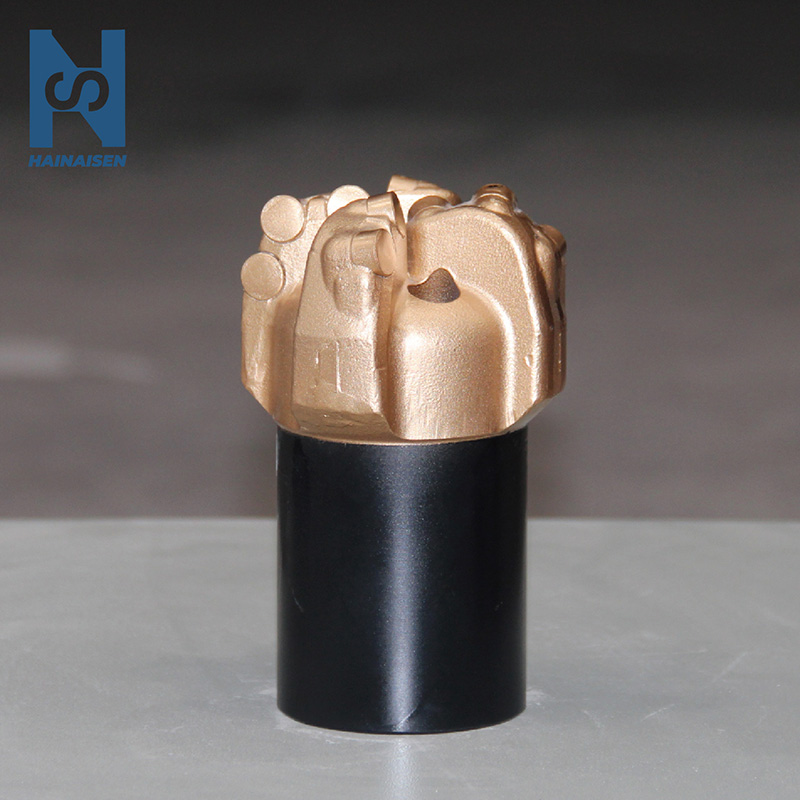 VIEW MOREFour Blade PDC Rock Drill Bit
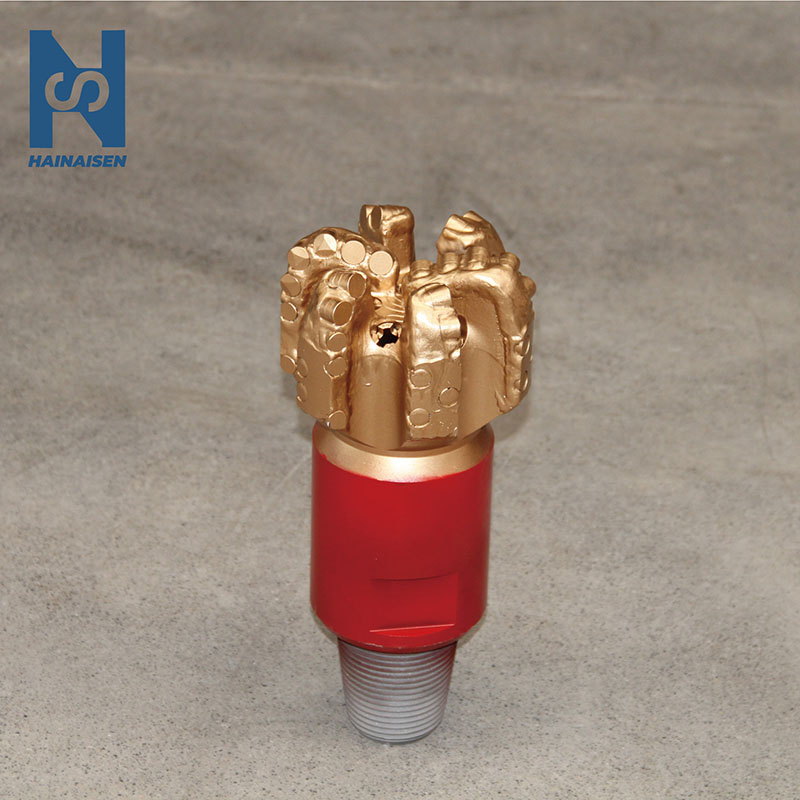 VIEW MORESix Blade Wing Petroleum Drill Bit
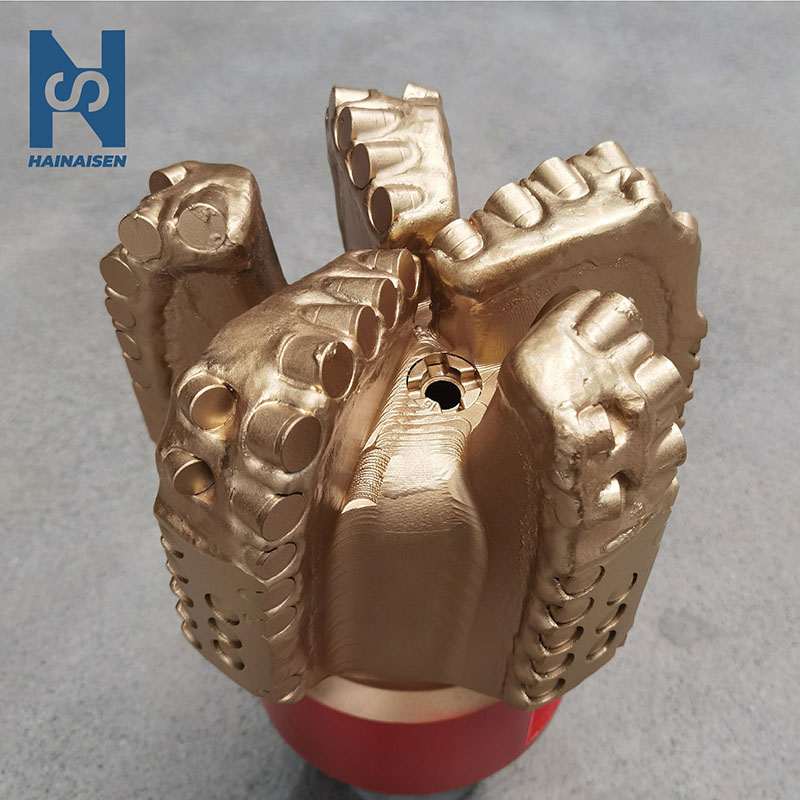 VIEW MOREPDC Diamond Bit
logo 2_1777360600432.jpg) VIEW MORECoal Mine Drilling Drill Bit Directional Three Blade PDC Drill Bit
VIEW MORECoal Mine Drilling Drill Bit Directional Three Blade PDC Drill Bit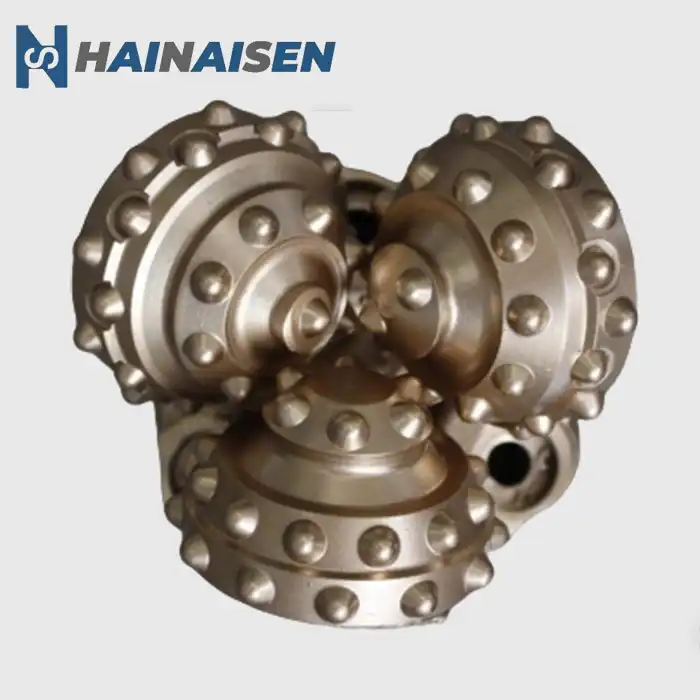 VIEW MORE4 1/2" IADC 537 Tricone Rock Bit
logo 1_1768204983068.jpg) VIEW MOREPDC Core Drill Bit With 8 Blades For Hole Drilling Used In Mining
VIEW MOREPDC Core Drill Bit With 8 Blades For Hole Drilling Used In Mining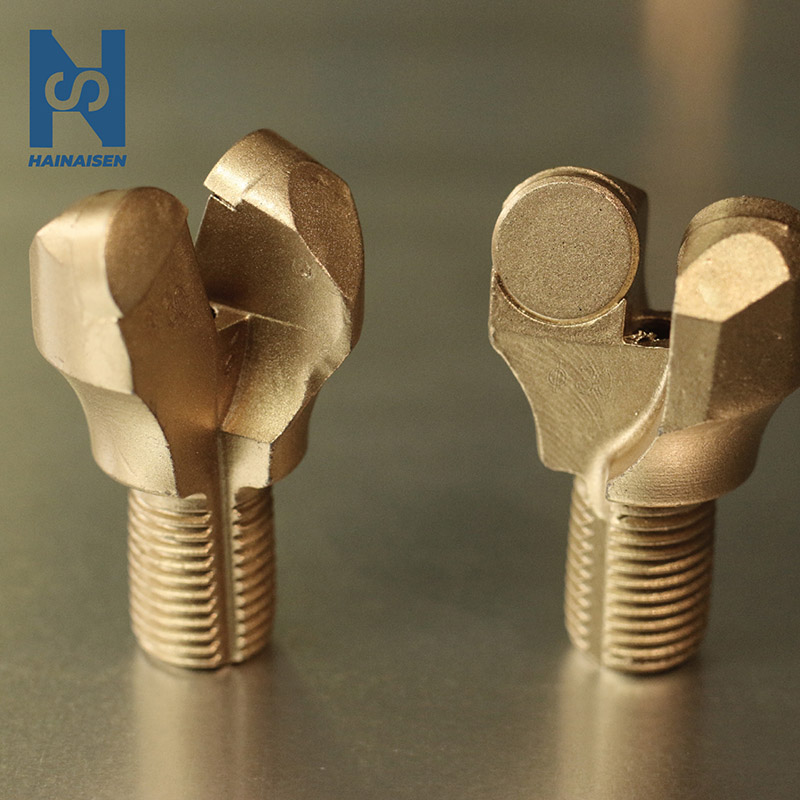 VIEW MORE30mm Half Blade Anchor Bit For Mine Coal Fields
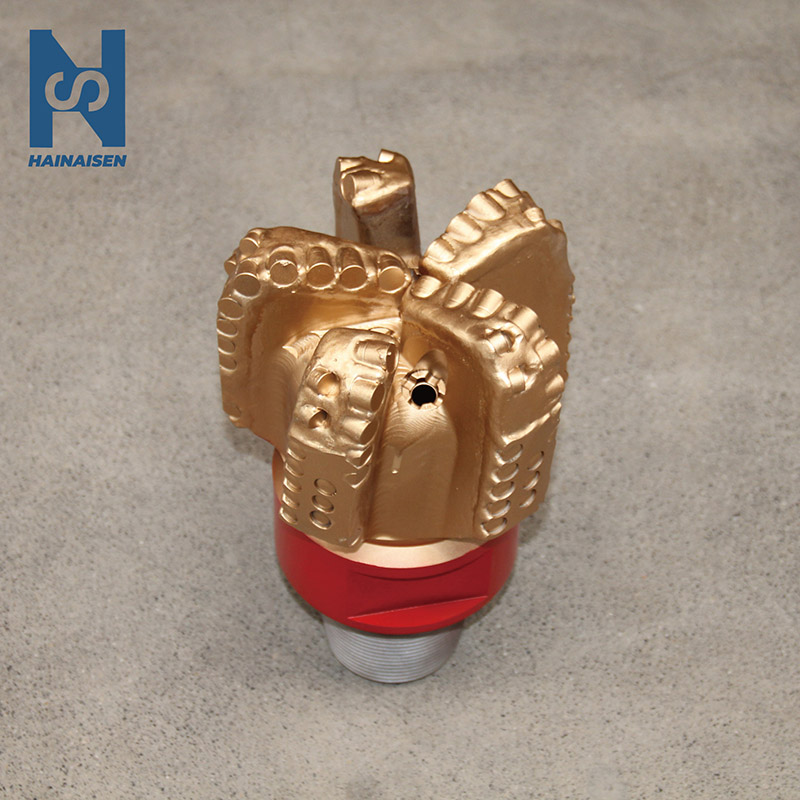 VIEW MOREDrilling Bit For Oil And Gas Rig