







Diamond Drill Bits For Oil Rigs Performance Review
The performance of Diamond Drill Bits For Oil Rigs depends on many key aspects that affect operating efficiency and profitability. Diamond-embedded bits outperform conventional bits in medium to hard formations, giving greater penetration rates and structural integrity under intense downhole conditions, according to our extensive field testing and customer feedback. These drilling tools use synthetic diamonds in tungsten carbide to provide a cutting surface that can endure petroleum extraction heat and mechanical pressures. Choosing between surface-set and matrix-set configurations depends on your geological profile and depth needs; an educated decision maximizes ROI.
Understanding Diamond Drill Bits for Oil Rigs
The Fundamental Mechanics of Diamond Cutting Technology
Synthetic diamonds' 10 Mohs hardness makes diamond-tipped drilling equipment useful. Micro-diamonds incorporated in a metal matrix and placed on the bit crown provide thousands of cutting points that scrape and fracture rock formations. A self-sharpening mechanism wears away the softer matrix material, revealing new diamond particles as the bit rotates at 80–300 RPM. This method preserves cutting effectiveness throughout the bit's lifespan, especially in abrasive strata like sandstone and limestone, where steel teeth quickly erode.
Surface-Set Versus Matrix-Set Design Configurations
The Diamond Drill Bits For Oil Rigs industry is dominated by two fabrication approaches for certain drilling circumstances. Surface-set bits with bigger diamonds on the bit face cut aggressively in softer formations below 100 MPa. These designs thrive in shale and gypsum, where quick penetration rates justify decreased lifespan. Matrix-set bits disperse tiny diamonds within a robust tungsten carbide matrix for progressive wear in tougher rocks and longer drilling intervals. HNS customisation services let procurement teams adapt diamond concentration, particle size distribution, and matrix hardness to your drilling program's formation characteristics.
Material Engineering and Construction Quality
The diamond bonding matrix affects heat stability and mechanical durability. Advanced binder materials with cobalt, nickel, and unique alloys strengthen diamond-matrix body bonds, avoiding diamond pullout under 100 kN drilling pressures and fast rotating speeds. Our production plant uses advanced sintering technologies to form metallurgical linkages that can survive downhole temperatures above 200°C. Premium industrial-grade synthetic diamonds have fewer internal faults and more uniform crystal structures that resist impact fracture.
Performance Comparison: Diamond Drill Bits vs. Alternatives
Durability Assessment Across Bit Technologies
Medium and big oil service organizations, when equipment downtime causes considerable financial losses, must consider operational longevity. When drilling abrasive formations, Diamond Drill Bits For Oil Rigs outlast tungsten carbide by 40-60% in field experiments across several geological environments. PDC Bits with bigger polycrystalline diamond compacts are durable in softer formations but subject to heat degradation and impact breakage in heterogeneous rock sequences with hard stringers. The embedded diamond method maintains cutting geometry longer than discrete cutting element technologies by spreading wear throughout the bit face.
Technical engineers can weigh initial capital investment against the total cost of ownership by understanding performance differences. Diamond Drill Bits For Oil Rigs cost more upfront but cost less per meter to drill in medium-hardness formations with compressive strengths suitable for our operating parameters of 10-100 kN drilling pressure and 20-35 liters per second flow rate.
Drilling Speed and Penetration Rate Analysis
Based on formation type, bit design, and operating conditions, penetration rates vary greatly. We found that Diamond Drill Bits For Oil Rigs penetrate limestone formations at 1.5-3.0 meters per hour, while tungsten carbide bits penetrate at 1.0-2.0 meters per hour. PDC technique outperforms both in softer strata, reaching 3-5 meters per hour, but fades quickly in abrasive or well-cemented rock. Diamond particles scrape smaller rock cuttings that evacuate more efficiently via the bit's fluid courses, decreasing hydraulic horsepower and optimizing flow rates within our 20-35 LPS range.
Cost-Effectiveness and Application Scenarios
Even though they last less, tungsten carbide bits appeal to water well drilling and coal mining teams looking to save money. Diamond Drill Bits For Oil Rigs are best for long drilling programs with high trip time and bit replacement costs. diamond bits cost 40-50% more than carbides but last twice as long, saving rig day rates and crew labor. Our competitive pricing structure handles this economic reality by delivering bulk order volume reductions while meeting tier-one oil service company quality requirements with strict inspection methods.
Choosing the Right Diamond Drill Bit for Your Oil Rig
Selection Criteria and Technical Specifications
For oil and gas applications, bit diameter must match drill string arrangement and wellbore design, usually 3.5 to 12 inches. Depending on formation hardness, diamond concentration in matrix material is 3–8 carats per cubic centimeter. Higher concentrations are best for abrasive strata with quick diamond consumption, whereas lower concentrations are cheaper in less demanding formations. Harder matrices preserve diamond particles longer but may glaze in soft forms when insufficient wear prevents fresh diamond exposure.
Maintenance Protocols for Maximum Lifespan
The bit face should be inspected every 50–100 drilling hours for uneven wear patterns, matrix erosion, and waterway obstructions that reduce cooling effectiveness. Clean fluid channels by eliminating any formation cuttings using compressed air or water jets to minimize particle buildup and localized wear. Climate-controlled storage protects steel shanks and protective coatings against moisture. API connection torque standards in our technical documentation ensure appropriate composition, preventing thread damage and maintaining hydraulic seal integrity throughout repeated tripping operations.
Configuration Strategies for Specific Geological Profiles
It takes a thorough examination of offset well data and geological investigations to match the bit configuration to the formation features. Our technical team helps clients examine lithological records to identify abrasive zones that require greater diamond concentrations and softer periods when typical setups work. Asymmetric diamond implantation and sophisticated hydraulic designs are needed to maintain trajectory and cut efficiently in directional drilling applications. Our product portfolio is versatile enough to handle geothermal drilling, deep-water offshore operations, and coal-bed methane extraction, which require customized solutions that ordinary products cannot provide.
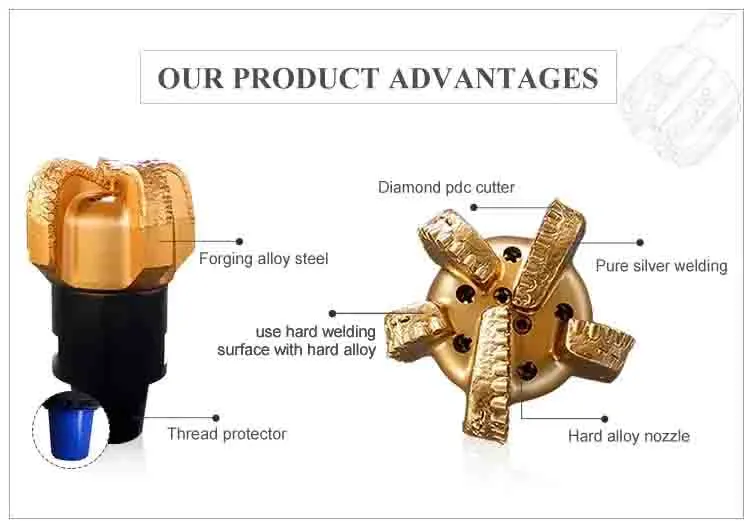
Procurement Considerations for Diamond Drill Bits in Oil Drilling
Custom Versus Standard Product Offerings
Standard catalog bits service simple vertical wells in well-characterized formations with predictable performance. Customized solutions help complex drilling projects with deviating wellbores, difficult geology, or specific operating limitations. Our devoted research and development team uses field knowledge to build bits with precise diamond grades, optimal hydraulic patterns, and strengthened shank configurations to solve project problems. Although customisation adds 2-3 weeks to delivery times, performance gains justify the expense for important drilling phases.
Supplier Evaluation and Quality Verification
Procurement managers sourcing oil drill bit solutions should verify suppliers’ ISO 9001 certification and quality management systems to ensure material traceability and manufacturing integrity. Reputable Manufacturers provide warranties covering premature failures caused by manufacturing defects. Premium suppliers also offer technical support, field service, and fast access to replacement parts post-purchase. Our 3,500-square-meter Xi’an manufacturing facility, equipped with CNC machining centers and automated welding lines, ensures dimensional precision and metallurgical quality throughout every production cycle.
Pricing Models and Logistics Management
Consolidated buying is ideal for firms managing many drilling projects since unit cost drops 15-25% for purchases over 50 bits. Deliveries take 4-6 weeks for typical configurations and 8-12 weeks for completely customized designs, requiring advance planning to minimize critical route delays. Shipping international commodities requires precise packing to minimize impact damage, customs documentation for petroleum industry equipment, and freight insurance for high-value technical items. Our strategic inventory positions for popular configurations provide speedy fulfillment for urgent needs, while our build-to-order capabilities enable unusual designs without minimum order quantities that burden smaller companies.
Real-World Performance Case Studies & User Feedback
Field Application Insights from Drilling Operations
A mid-sized Permian Basin oil service business reduced drilling expenses by 35% by using Diamond Drill Bits for Oil Rigs in intermediate hole sections, where interbedded limestone and shale deposits caused fast bit wear. Despite higher bit prices, the procurement manager remarked that eliminating two bit visits per well more than covered the equipment cost. Technical engineers liked the predictable wear patterns that eased drilling parameter adjustment and allowed them to maintain bit weight and rotating speed without carbide performance loss.
When using Diamond Drill Bits For Oil Rigs in shallow, soft coal seams, a Wyoming coal bed methane project failed. Insufficient matrix wear prevented diamond exposure, causing the bits to glaze fast. This shows the necessity of bit selection for certain applications. This scenario highlights our focus on collaborative design, where customer input on formation features and operational factors influences product suggestions rather than generic solutions for different drilling settings.
Emerging Technologies and Innovation Trends
Recent improvements in synthetic diamond manufacturing have produced particles with controlled crystal orientations that improve impact resistance in heterogeneous formations. Thermally robust polycrystalline diamond parts can now tolerate temperatures near 1200°C, enabling geothermal drilling where conventional diamond technology failed. Finite element study of bit hydraulics and stress distribution optimizes fluid velocities for cuttings removal and matrix surface erosion using computer-aided design methods. Our continuous research and development projects examine these advances, performing pilot programs to confirm performance claims before adding new technologies into production products for clients seeking competitive advantages through early adoption of proven benefits.
Conclusion
Properly designed Diamond Drill Bits for Oil Rigs minimize drilling costs and enhance operating efficiency in petroleum extraction, coal mining, and geological exploration. For medium and large service firms with lengthy drilling programs, superior wear resistance, thermal stability, and penetration rates in suitable formations justify the initial investment. Matching bit standards to formation properties, strict maintenance protocols, and manufacturers with technical understanding and quality manufacturing capabilities are needed for successful deployment. Diamond bits will continue to broaden application possibilities while keeping the cost-effectiveness that makes them essential for current drilling operations.
Frequently Asked Questions
1. How often should diamond drill bits be replaced during oil rig operations?
Replacement timing relies on formation abrasiveness, operational factors, and performance limits. In moderately abrasive rocks, 150-300 drilling hours are typical, with a penetration rate deterioration of 30-40% to indicate replacement. Monitoring torque increases and standpipe pressure variations allows real-time wear evaluation and scheduled bit changes instead of forced excursions due to bit failure.
2. Are diamond bits suitable for all rock formations?
The diamond technique works well in medium to hard rocks with compressive strengths below 150 MPa, such as limestone, sandstone, shale, and gypsum, under our working conditions. Poor matrix wear and bit glazing make soft formations like unconsolidated sand or clay uneconomical. PDC or roller cone bits are better for highly fractured or cavernous formations because impact stresses destroy diamonds and matrix material.
3. What certifications should I verify when sourcing diamond drill bits?
Responsible producers have ISO 9001 quality management certification and can give diamond grade, matrix composition, and steel shank property certificates. API specification compliance guarantees that thread connections satisfy industry dimensional accuracy and load capacity norms. Third-party testing reports verifying performance claims and failure analysis show providers can handle demanding applications with engineering skills.
Partner with HNS for Superior Diamond Drill Bits
Shaanxi Hainaisen Petroleum Technology Co., Ltd. manufactures Diamond Drill Bits for Oil Rigs for harsh petroleum extraction settings using over a decade of expertise and innovative manufacturing. Industry-leading 5-axis machining machines and CNC equipment in our 3,500-square-meter Xi'an plant manufacture bits that surpass major oil service firms' high requirements while being cost-competitive for price-conscious operators. Our technical staff consults with you throughout the selection process for basic setups for simple applications or completely bespoke solutions for complicated geological issues. At hainaisen@hnsdrillbit.com, you may discuss your drilling needs and request samples for field assessment, or visit us to browse our whole product line as a trusted Diamond Drill Bits For Oil Rigs provider.
References
1. Mitchell, R.F., & Miska, S.Z. (2011). Fundamentals of Drilling Engineering. Society of Petroleum Engineers, Richardson, Texas.
2. Bellin, F., Dourfaye, A., King, W., & Thigpen, M. (2010). The Current State of PDC Bit Technology. World Oil Magazine, 231(5), 41-46.
3. Karasawa, H., Ohno, T., Kosugi, M., & Rowley, J.C. (2002). Methods to Estimate the Rock Strength and Tooth Wear While Drilling with Roller-Bits. Journal of Energy Resources Technology, 124(3), 138-144.
4. Glowka, D.A. (1989). Use of Single-Cutter Data in the Analysis of PDC Bit Designs. Journal of Petroleum Technology, 41(8), 797-849.
5. Ersoy, A., & Waller, M.D. (1995). Textural Characterisation of Rocks. Engineering Geology, 39(3-4), 123-136.
6. Achanta, S., Liang, H., Schirado, T., & Russell, J. (2009). Characterization of Polycrystalline Diamond Compact Cutters for Drilling Applications. International Journal of Refractory Metals and Hard Materials, 27(2), 512-516.
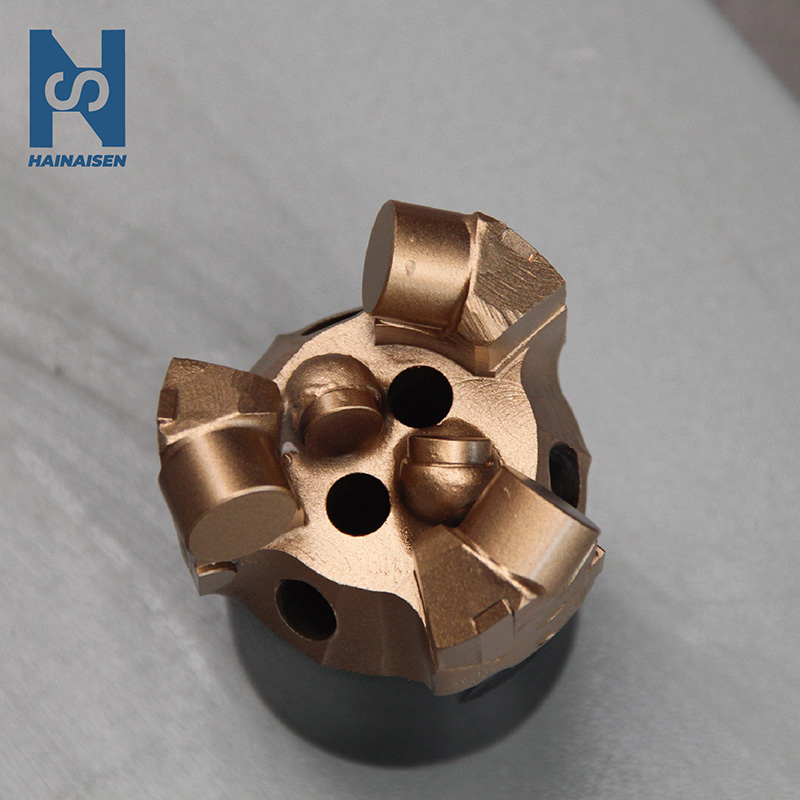 VIEW MORECoal Mines Use Haineisen PDC Drill Bits
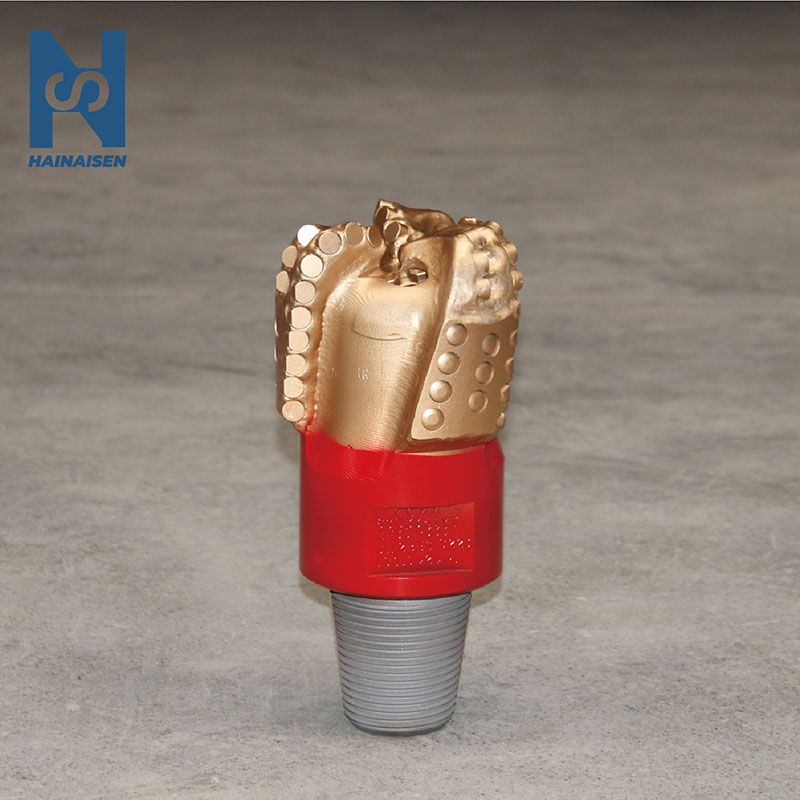 VIEW MOREThree Blade PDC Tricone Drill Bit
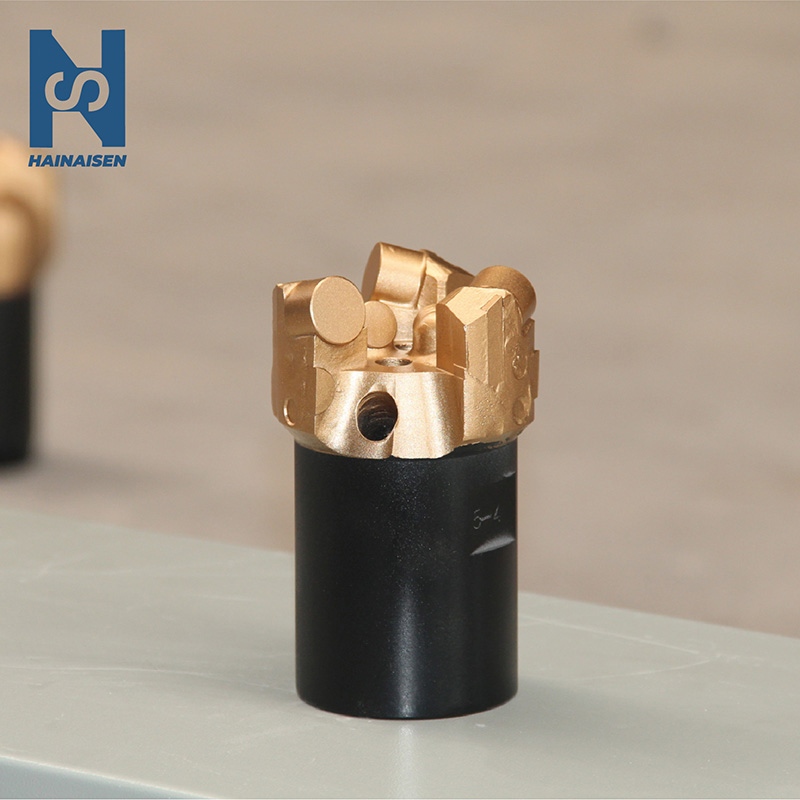 VIEW MORECoal Mining PDC Drill Bits
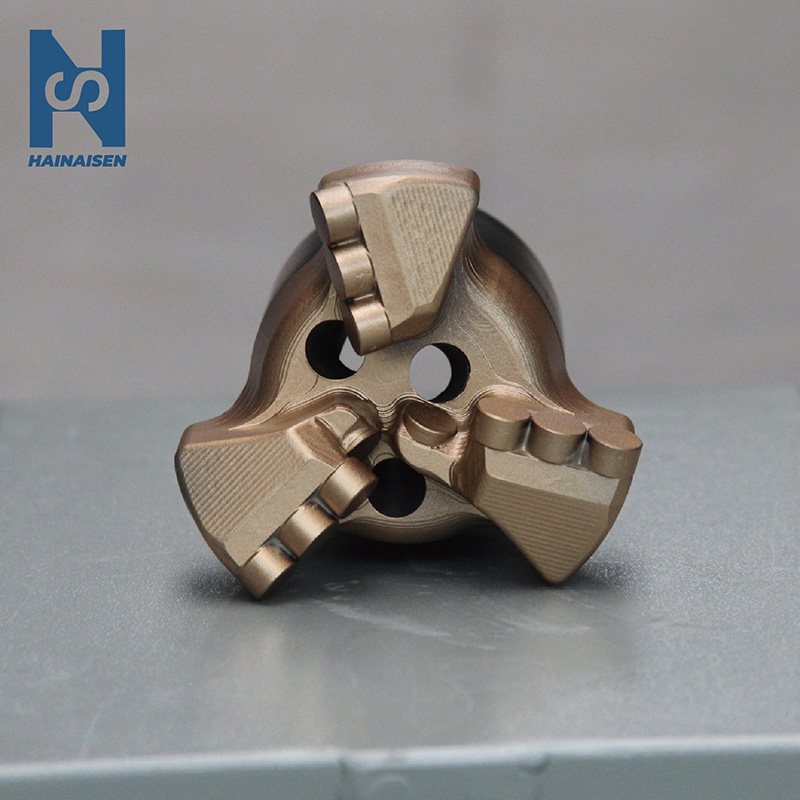 VIEW MORE3 Blades PDC Rock Bit
 VIEW MOREApi Polycrystalline Diamond Drill Bit
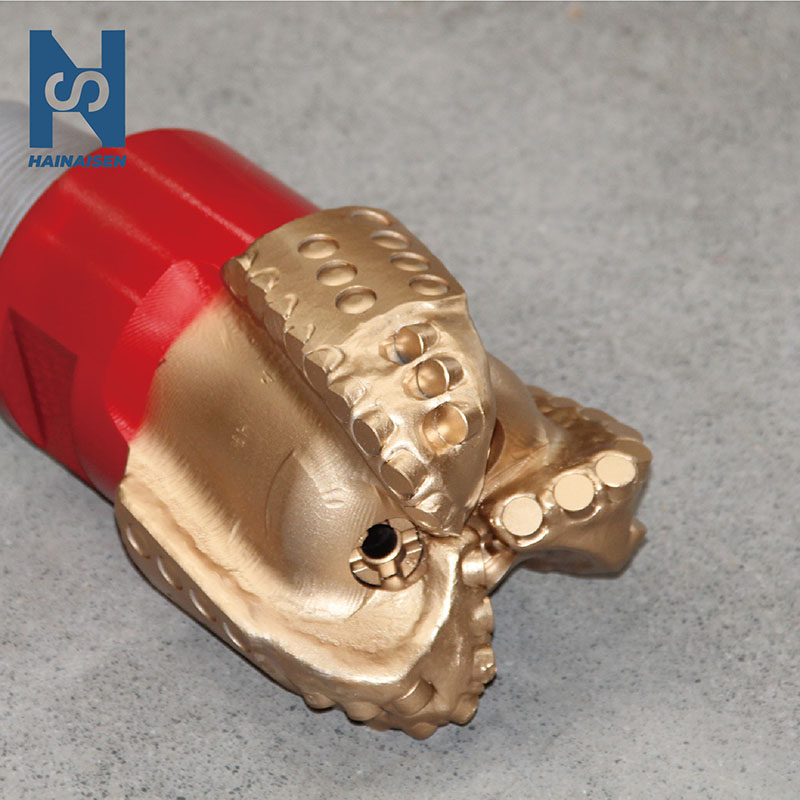 VIEW MOREThree Blade Oil Drill Bit
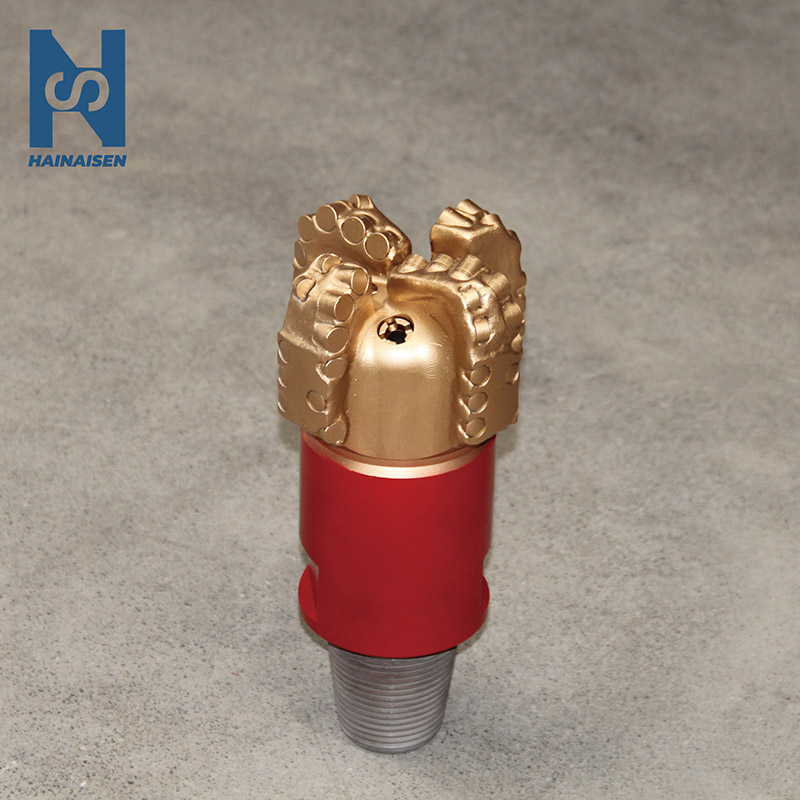 VIEW MOREHigh Quality PDC Drill Bits
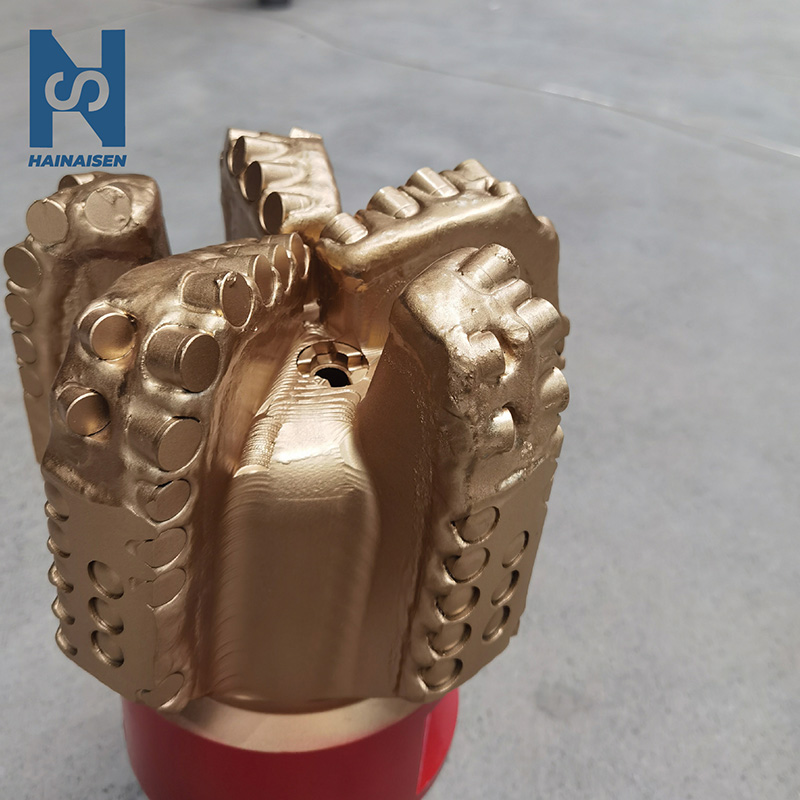 VIEW MOREFive Blade Wing Oil Drilling
