







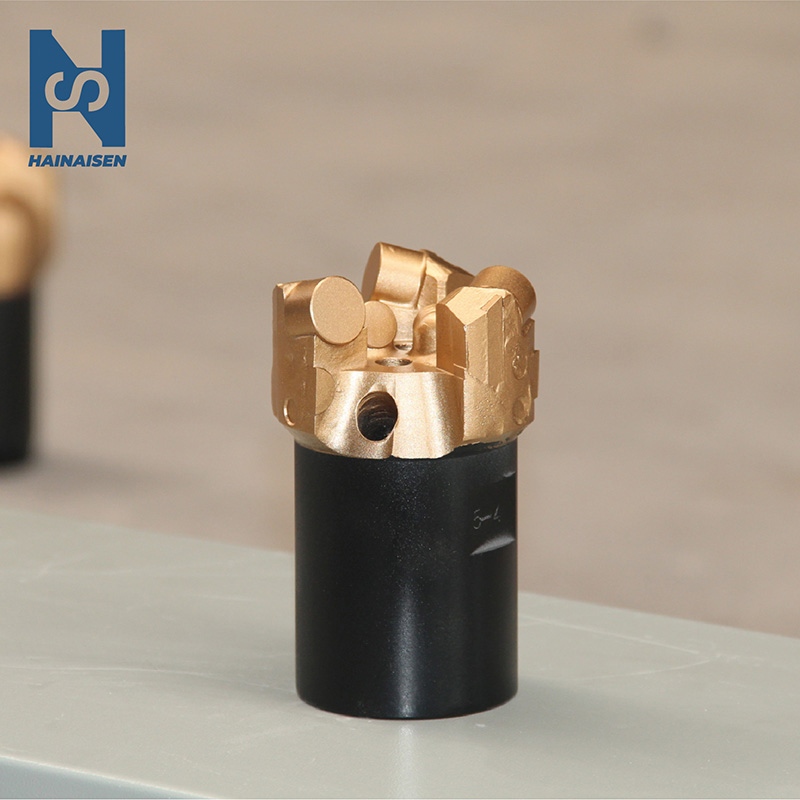
4 Wings Blades PDC Bit for Water Well and Geothermal Drilling
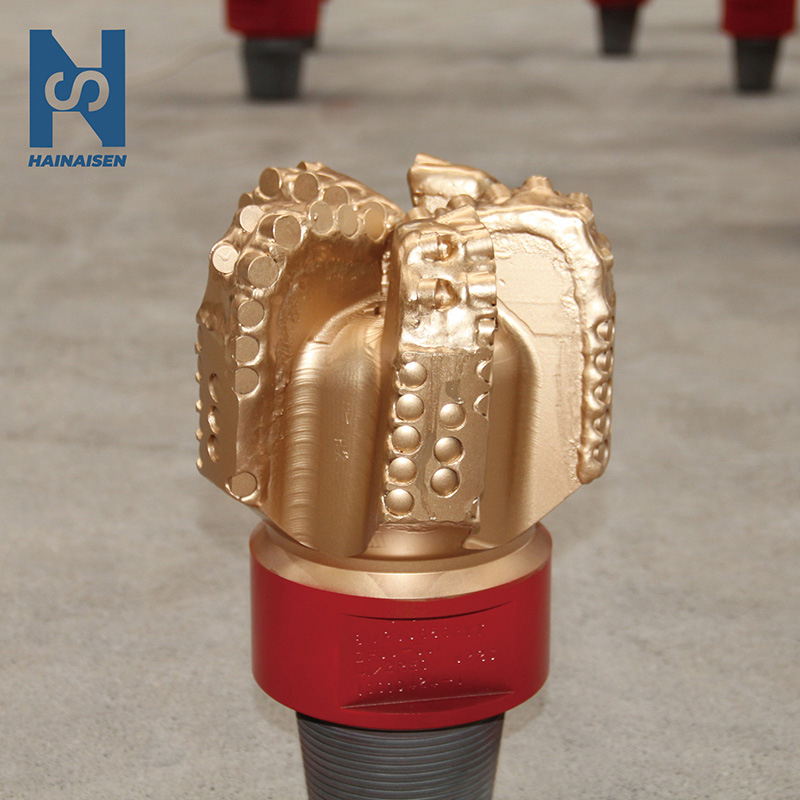
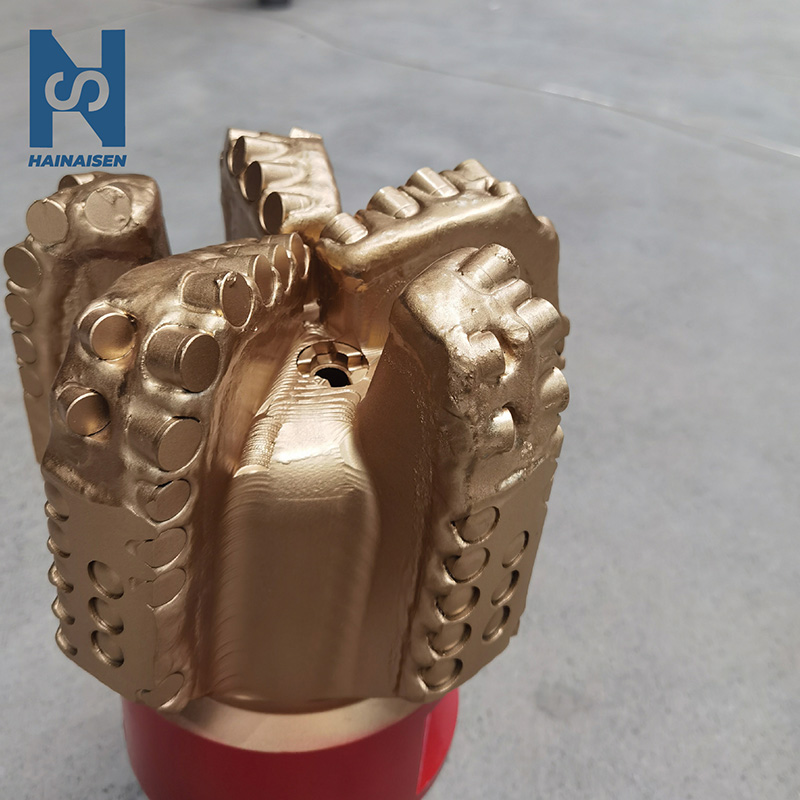
For reliable, fast, and precise drilling, the 4 Wings Blades PDC Bit is ideal. In water well construction and geothermal applications, the 4 Wings Blades PDC Bit performs effectively with improved blade geometry and synthetic diamond cutting materials. This flat-top design addresses bit deviation and excessive vibration with four strategically placed blades that blend aggressive rock removal with directional stability. This technology optimizes penetration rates and hole integrity in shale, limestone, and sandstone rocks, reducing operational costs and project schedules.
Understanding 4-Wing Blades PDC Bit Technology
Knowing 4 Wings Blades PDC Bits. Tools for modern drilling must resist harsh circumstances and function consistently. Years of material research and cutting-edge structural design went into these specialist parts.
Core Components and Engineering Principles
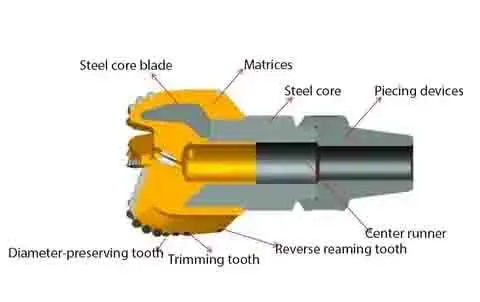
Polycrystalline diamond compact cutters power this technique. PDC cutters shear formation material more efficiently than roller cone bits, which smash rock. Each cutter has a thin coating of synthetic diamond particles fused to tungsten carbide under high pressure and temperature. This structure achieves hardness close to genuine diamond while resisting impact damage.
Cutting forces are equally distributed across the bit face by the four blades. Lateral vibrations might cause premature wear or borehole deviation, but this balanced design reduces these. Blade geometry affects how well the bit evacuates cuttings, reducing bit balling, where sticky clay sticks to the cutting structure and lowers efficacy. Our engineers deliberately place water apertures between blades to remove dirt and cool diamond cutters during high-speed spinning.
Material Selection and Manufacturing Excellence
Our pieces are made of high-grade alloy steel to resist fatigue cracking and torsional stress. Geothermal projects drill in high-temperature settings, and the matrix material around the cutters contains chemicals that improve thermal stability. Our 3,500-square-meter Xi'an facility uses five-axis machining centers and CNC machine tools to assure cutter placement and blade symmetry. Quality processes like dimensional verification and structural integrity testing protect your investment and operating schedule before each component leaves our production line.
Optimal Operating Parameters for Maximum Efficiency
Operating circumstances greatly affect the bit lifetime and performance. Our study shows that 60-250 RPM balances penetration rate and cutter wear well. Based on formation hardness and penetration rate, drill pressure should be 10-100 kilonewtons. Hydraulic flow rates of 25–36 liters per second cool and remove cuttings without eroding the bit body. These criteria work well in medium-hardness formations, including shale, limestone, sandstone, and gypsum, with compressive strengths.
Effective parameter selection prevents frequent failures. Heavy bits shatter cutters, and inadequate hydraulic flow thermally degrades diamond layers. Drilling engineers and our technical support team set parameter envelopes to match formation features and rig capabilities to achieve the technology's theoretical performance.
Advantages and Applications in Water Well and Geothermal Drilling
Different drilling conditions bring technological obstacles. The 4 Wings Blades PDC Bit design meets these needs with structural advantages that improve operations.
Superior Penetration and Cost Efficiency
Water well drilling contractors must finish projects swiftly without compromising quality. PDC cutters shear formations more quickly than tricone bits, decreasing rig time and expenses. Operators claim a 30-50% penetration rate increase over roller cones in medium-hard sedimentary rocks. This performance advantage multiplies with well depth, saving money on home water sources and huge municipal supply systems.
High bottomhole temperatures and abrasive volcanic deposits make geothermal drilling difficult and wear conventional bits quickly. In temperatures above 150°C, our unique matrix materials retain cutter integrity. Given the long rig time needed to retrieve drill string from depths frequently exceeding 1,000 meters, extended bit life minimizes the frequency of tripping operations to change worn tools. Project managers frequently cite bit durability as a key aspect in geothermal drilling cost reduction.
Enhanced Stability and Directional Control
Vertical alignment in water wells maximizes aquifer contact and eliminates casing installation issues. The balanced geometry of four-blade systems prevents bits from "walking" off course. In shallow vertical drilling into interbedded rocks with varied hardness that might deflect asymmetrical cutting bits, this stability is very useful.
Directional drilling is needed to access reservoirs or avoid surface impediments in geothermal projects. The flat-top contour stabilizes steering tool placement, while the symmetrical blade arrangement predicts tool face reaction. Directional drillers like the constant behavior that simplifies wellbore trajectory management and reduces costly well adjustments.
Proven Field Performance
Contractors in the Southwestern US report drilling 300-meter sandstone wells with a single bit, compared to two or three roller cone runs. Wyoming coal bed methane producers reduced drilling costs per meter by 40% after adopting 4 Wings Blades PDC Bit technology. Nevada geothermal developers successfully drilled through fractured basalt strata without bit damage or lost circulation. These real-world results demonstrate that selecting the right tools—such as advanced drilling bits for oil rigs—for the application can significantly improve project economics.
Comparing 4-Wing Blades PDC Bit with Other Bit Types
Understanding drilling tool technical differences helps procurement specialists match equipment to project needs.
PDC Versus Roller Cone Technology
Roller cone bits smash rock with tungsten carbide inserts or machined steel teeth on revolving cones. This method works effectively in hard, fractured strata where PDC cutters may chip or shatter. Roller cone bits can withstand increased drilling vibrations and wellbore metal detritus without catastrophe.
In softer to medium-hard sedimentary rocks, 4 Wings Blades PDC Bits shear rock better than crushing. No moving parts means no bearing failures, which shortens roller cone lifespan under abrasive situations. The lower flow rate needed to clean PDC bits reduces mud pump horsepower, improving hydraulic efficiency. 4 Wings Blades PDC Bits cost more upfront but cost less per meter drilled in appropriate formations because of their longer life and quicker penetration.
Four-Blade Configuration Advantages
PDC bits have five, six, or more blades depending on use. Minimizing blade count to four enhances cutting element spacing, optimizing hydraulic flow channels, and minimizing bit balling in sticky clays. Plugging can slow drilling, although wider rubbish gaps between blades accept larger cuttings.
With fewer blades, each blade is loaded more. This design works well in continuous deposits but may wear faster in heavily interbedded geology with sudden hardness variations. The 4 Wings Blades PDC Bit configuration is aggressive enough for effective penetration yet sturdy enough for extended runs in medium-hardness formations used in water well and geothermal applications.
Suitability for Specific Drilling Scenarios
Bit kinds should be chosen by procurement managers based on formation properties. PDC works well with limestone and dolomite below 150 MPa. Sandstone and shale shear well using diamond cutters. Granite and quartzite may require hybrid bits with PDC cutters and tungsten carbide studs or roller cone bits for high-strength formations.
Water well drilling sometimes finds sedimentary sequences perfect for 4 Wings Blades PDC Bits. PDC works well in altered volcanics and tuffs, although competent basalt may wear cutters. Our application engineering team recommends the best tool configuration based on formation data and drilling objectives to meet technical and budget criteria.
Procurement Considerations for 4-Wing Blades PDC Bits
Buy 4 Wings Blades PDC Bits. Strategic sourcing impacts project outcomes beyond tool prices. A thorough supplier evaluation prevents quality concerns and supply chain interruptions.
Manufacturer Credentials and Quality Assurance
Reputable producers have international quality certificates. API 7-1 regulates rotary drill stem parts and assures thread compatibility with conventional drilling equipment. ISO 9001 certifies systematic quality management that reduces production faults. Request these certificates and factory inspection methods when assessing vendors.
Five-axis machining centers at Shaanxi Hainaisen Petroleum Technology Co., Ltd. achieve precision tolerances needed for balanced bit performance. Since 2013, we've supplied drilling gear to oil and gas, coal, and geological exploration businesses worldwide. Our research and development team creates bespoke bit configurations to solve particular formation problems with integrated technical solutions beyond catalog offerings.
Pricing Dynamics and Value Assessment
The bit cost depends on cutter size, number, body material, and customisation complexity. High-temperature geothermal parts cost more than 4 Wings Blades PDC Bit water well designs. Multiple-well drilling contractors should consider bulk order discounts to lower per-unit expenses.
Value is best assessed by the total cost of ownership rather than the purchase price. A 20% more expensive bit that drills 50% further is more profitable. Request Manufacturer performance statistics on the average meters drilled in formations like your project. Determine cost per meter, considering rig time savings from quicker penetration. Analysis shows the genuine value offered and informs procurement decisions.
Supply Chain Management and After-Sales Support
Logistics and delivery times are important in international buying. Standard bits take two to four weeks, whereas unique designs take six to eight weeks, depending on specification complexity. Communicate delivery schedules to ensure bit availability matches drilling operations.
Quality suppliers have comprehensive technical assistance, unlike transactional providers. Application support from our expertise helps you choose bit kinds for formations. When drilling circumstances diverge from expectations, we help troubleshoot and optimize performance using operational data. Warranty coverage covers manufacturing flaws, and our quality control systems reduce premature failures that interrupt drilling schedules.
Optimizing Performance and Longevity of Your 4-Wing Blades PDC Bit
Operations and maintenance must be followed to maximize drilling tool ROI.
Addressing Common Drilling Challenges
Bit balling happens when clay-rich formations stick to cutters and limit efficiency. This can be avoided by increasing the hydraulic flow rate or reducing mud stickiness. Some formations benefit from periodic bit rotation speed adjustments to loosen material. Bit balling sometimes begins with a reduced penetration rate despite steady weight on the bit.
Vibration wears bits and reduces drilling efficiency. Axial bouncing, lateral vibration, and torsional oscillation have different causes. Changing rotational speed, bit weight, or hydraulic settings reduces vibration. Directional drillers should monitor tool face orientation because drilling near a bottomhole assembly's neutral point can cause vibrations. Our technical team diagnoses vibration sources and suggests parameter or equipment changes.
Maintenance Best Practices
Handling 4-Wing Blades PDC Bits properly extends their life and ensures reliability. After each run, remove formation cuttings and check cutters for damage. Store bits in containers that protect the cutting structure from impact. Before connecting, check threads for cross-threading or debris, which can cause downhole failures.
Record drilling parameters and bit performance per run. Record drill footage, formations, and operational issues. Institutional knowledge from this data informs future project bit selection and parameter optimization. Photograph the cutting structure and wear patterns after pulling bits. This data informs procurement decisions and helps manufacturers design bits for your applications.
Emerging Technology Enhancements
Research advances 4 Wings Blades PDC Bit capabilities. Improved diamond coatings prolong abrasive cutter life. Modern bits have sensors that send real-time downhole data, allowing drillers to dynamically optimize parameters. Automated drilling systems adjust bit weight and rotary speed to maintain penetration rates without damaging vibration modes.
These technologies will lower drilling costs and improve wellbore quality. Building relationships with innovative manufacturers lets you take advantage of these innovations as they become commercial. Our continuous improvement drives investment in research and manufacturing technology that yields superior products for our customers.
Conclusion
Water well construction and geothermal drilling benefit from the 4 Wings Blades PDC Bit's increased penetration, directional stability, and lifespan. Strategic tool selection maximizes these benefits by matching formation and project needs. Investment and operational schedules are protected by thorough procurement evaluation of manufacturer credentials, total cost of ownership, and technical support. Maintenance and parameter optimization extend bit life and solve drilling problems. Partnering with innovative drilling technology manufacturers ensures access to new capabilities that reduce costs and improve project outcomes.
Frequently Asked Questions
1. What formations work best with four-wing PDC bits?
They work well in medium-hard sedimentary rocks, including shale, limestone, sandstone, and gypsum, with compressive strengths below 150 MPa. 4 Wings Blades PDC Bits easily shear softer rock while maintaining stability in changing geology with its balanced 4 Wings Blades PDC Bit design. Impact-resistant 4-Wing Blades PDC Bits or hybrids with tungsten carbide may be needed for harder crystalline rocks.
2. How do four-wing designs compare to five- or six-blade designs?
Fewer blades increase cutting element spacing, enhancing hydraulic flow and minimizing bit balling in sticky formations. This design supports huge cuts without plugging. However, each blade has increased stress, which may hasten wear in highly varied forms. The 4 Wings Blades PDC Bit design balances aggressive cutting and structural durability for water well and geothermal applications.
3. Which maintenance prolongs bit life?
Thorough cleaning after each cycle minimizes corrosion and damage from forming debris. Before storing, check cutters and threads for damage. Find optimization possibilities by recording drilling data and film. Good handling reduces cutting structural impact damage. These methods maximise ROI and assure consistent performance across drilling campaigns.
Ready to Enhance Your Drilling Operations with HNS?
Shaanxi Hainaisen Petroleum Technology Co., Ltd. has over a decade of experience making high-performance drilling solutions for demanding applications. Precision engineering and premium materials make our 4 Wings Blades PDC Bit reliable for your projects. With strict quality control and extensive technical support, we offer customized bit designs for your formation challenges as a trusted manufacturer. Contact our engineering team at hainaisen@hnsdrillbit.com to discuss your drilling needs and learn how our solutions lower cost per meter and improve operational efficiency.
References
1. Mitchell, R.F. and Miska, S.Z. (2011). Fundamentals of Drilling Engineering. Society of Petroleum Engineers, Richardson, Texas.
2. Bellin, F., Dourfaye, A., King, W., and Thigpen, M. (2010). "The Current State of PDC Bit Technology." World Oil Magazine, Vol. 231, No. 9, pp. 67-71.
3. Jaeger, J.C., Cook, N.G.W., and Zimmerman, R. (2007). Fundamentals of Rock Mechanics, 4th Edition. Blackwell Publishing, Malden, Massachusetts.
4. Warren, T.M. and Armagost, W.K. (1988). "Laboratory Drilling Performance of PDC Bits." SPE Drilling Engineering, Vol. 3, No. 2, pp. 125-135.
5. Dupriest, F.E. and Koederitz, W.L. (2005). "Maximizing Drill Rates with Real-Time Surveillance of Mechanical Specific Energy." SPE/IADC Drilling Conference, Amsterdam, Netherlands, Paper SPE 92194.
6. Winters, W.J., Warren, T.M., and Onyia, E.C. (1987). "Roller Cone Bit Model with Rock Ductility and Cone Offset." Journal of Energy Resources Technology, Vol. 109, No. 1, pp. 9-16.
 VIEW MOREPetroleum Drilling Equipment PDC
 VIEW MORE113mm Three Wing Arc Angle Drill Bit
 VIEW MORECoal Mining Tools PDC Anchor Drill Bit 28mm
 VIEW MORE5 Blades PDC Oil Bit
 VIEW MOREFive Blade Wing Oil Drilling
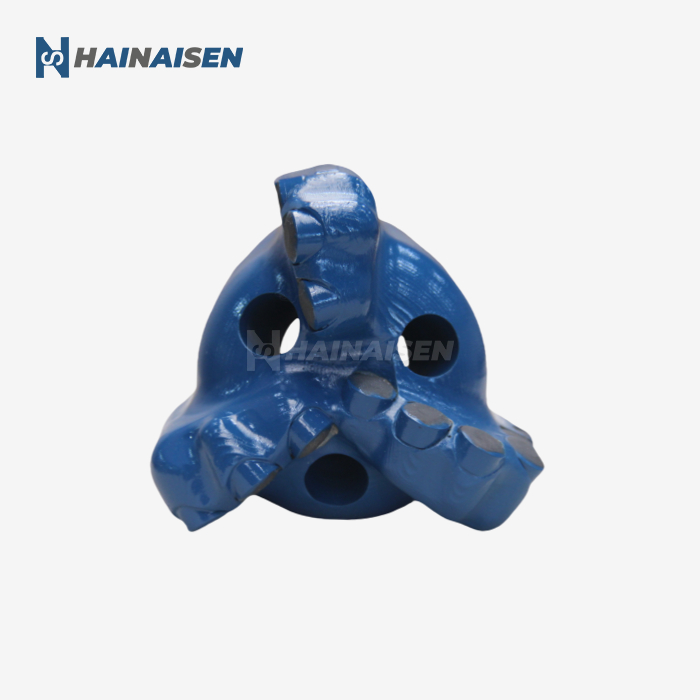 VIEW MORE3 Blade PDC Arc Angle Drill Bit
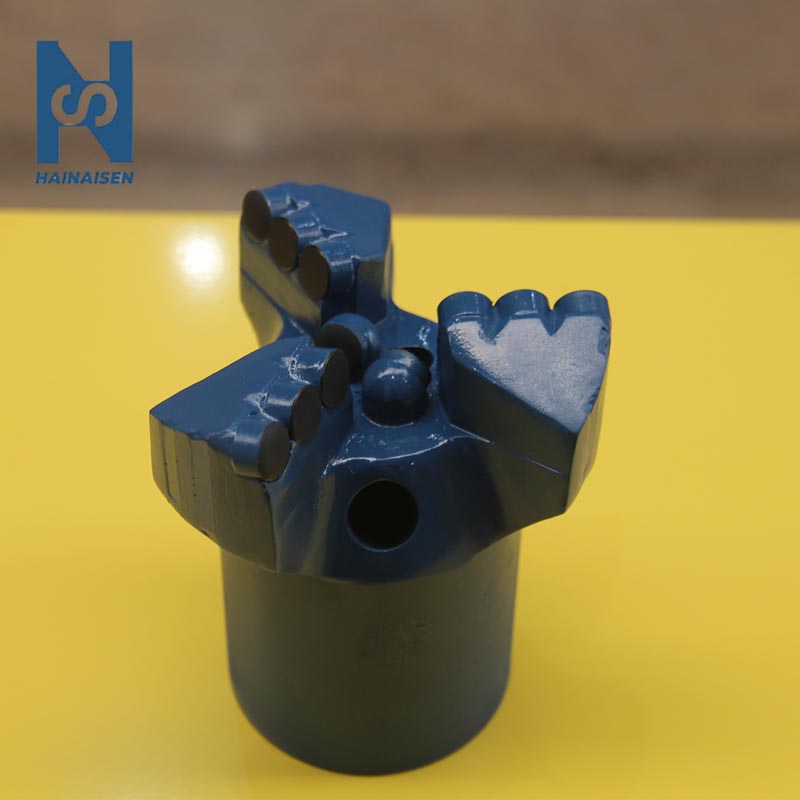 VIEW MORE3 Blades Steel Body PDC Bit
 VIEW MORECoal Mining PDC Drill Bits
