







Reviews of durable 6-blade PDC bits for deep wells
When drilling thousands of feet down, equipment dependability is crucial. The 6-Blade PDC Drill Bit is trusted by oil service businesses, coal mining operations, and geological exploration teams for deep well problems. These bits regularly provide prolonged service life and high penetration rates, according to field performance data and technical engineer input from various projects. The balanced blade design properly distributes cutting forces, decreasing wear and protecting holes. This evaluation investigates what makes these parts stand out in tough downhole situations where durability and efficiency affect profits.
Understanding the Design and Performance of 6-Blade PDC Drill Bits
Multi-blade polycrystalline diamond compact bits are the result of years of downhole tool development. Multiple design aspects work together to distinguish the 6-Blade PDC Drill Bit arrangement.
Optimal Blade Configuration and Material Selection
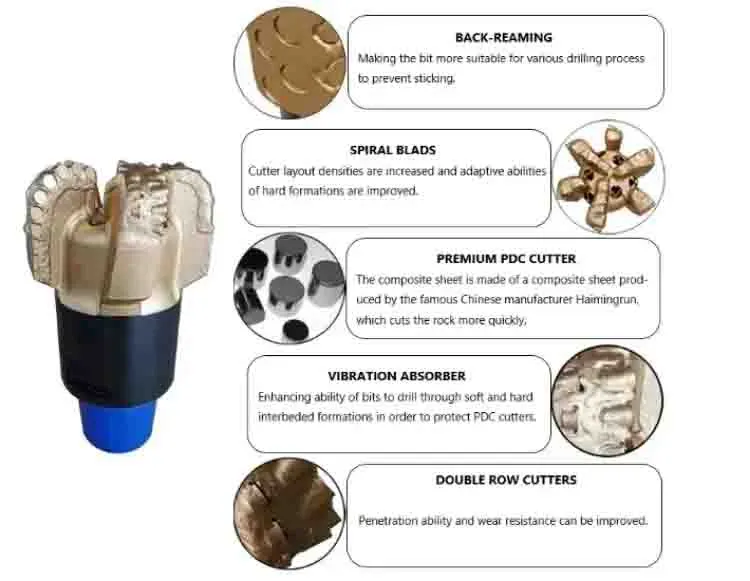
The 6-Blade PDC Drill Bit design balances cutting power and structural integrity. Each blade supports the cutting structure and channels drilling fluid from the bit body at exact angles. Quality steel underpins the bit body, offering strength where it matters. The 82mm gauge part on our S223 model preserves borehole diameter uniformity during drilling.
Erosive formation contact is prevented by tungsten carbide reinforcement in crucial wear zones. This substance lasts longer in abrasive sandstone and diverse rock. A sturdy internal construction can handle torsional stress and axial loads during deep well operations at 280mm bit height. The weight of 45 kg shows solid construction without being awkward when stumbling.
Strategic Cutter Placement and Cutting Mechanism
The bit face has 95 properly placed PDC cutters. Designers can maximize penetration and durability using 13mm and 16mm cutters. Larger cutters on the nose aggressively assault formation, while smaller cutters on the shoulder and gauge finish and defend gauge.
This cutter distribution shears rock instead of crushing it like roller cones. Each cutter continuously eliminates tiny pieces, reducing heat waste. The technique works well in shale and medium-hard sedimentary rocks. Six nozzles move drilling fluid throughout the cutting structure, cooling blades, and removing debris. Even in sticky clay intervals, its hydraulic design avoids bit balling and cleans efficiently.
Performance Advantages Compared to Alternative Blade Counts
Drilling engineers often compare blade counts for anti-whirl PDC Bits for coalbed methane. Four-blade types have larger junk slots yet tend to vibrate in deviated wells, while 7–8 blades cut slower but run smoother. 6-blade anti-whirl pdc bits for coalbed methane strike a balanced middle ground.
6-Blade PDC Drill Bits drill quicker and have superior directional control than four-blade bits in many formations. Many deep oil and gas reserves are in soft to medium formations with poor compressive strength, as IADC code S223 specifies. Management of vibration reduces load on downhole motors and measurement-while-drilling equipment. Tool failures are reduced, and drilling operations run more smoothly and on time.
Comparative Review: 6-Blade PDC Drill Bits vs. Other Drill Bit Technologies
Understanding how different bit types operate under different settings helps choose the drilling technique. 6-Blade PDC Drill Bits will be compared to regular ones.
Six-Blade PDC Versus Tri-Cone Roller Bits
Triple-cone Roller Bits ruled drilling for decades until PDC technology. Three revolving cones with steel or tungsten carbide teeth compress rock in these mechanical bits. Despite their reliability in granite and quartzite, tri-cone bits are limited in deep well applications.
In sedimentary strata, 6-Blade PDC Drill Bits penetrate 30-50% quicker. Continuous cutting eliminates roller bearings' cyclic loading, a typical failure mechanism. As temperatures and pressures rise with depth, roller bit bearing seal failure increases. PDC bits have no moving parts, avoiding this risk. Roller bit replacements waste rig time, whereas PDC bits may drill full sections without replacement.
Blade Count Comparison: Four, Six, and Seven-Blade Configurations
PDC performance is heavily influenced by blade count. Four-blade bits thrive in directional drilling where steerability trumps penetration rate. Their bigger garbage holes easily remove cuttings in high-ROP situations. In prolonged lateral portions, the lower blade count may affect bit life due to fewer cutting surfaces.
Seven-blade and above wholesale arc angle pdc bits for mining water detection deliver stable operation and reliable gauge protection to suppress hard-rock vibration. The downside is limited room for blades and cutters. Crowded cutters on the same bit diameter reduce exposure and cutting efficiency.
Practicality lies in 6-Blade PDC Drill Bit designs. They have enough trash slots and cutting structure. Our model has 95 cutters, adequate to spread wear over the cutting face. This balanced strategy performs effectively in deep wells with heterogeneous lithologies, where formations change unpredictably.
Cost-Performance Analysis for Procurement Teams
Budget-conscious procurement managers must assess initial investment vs. project expenditures. 6-Blade PDC Drill Bits cost more than roller cone counterparts, but operational variables lower the overall cost equation.
Lower tripping frequency reduces rig time costs. Deep well rig rates can surpass $50,000 per day; even one trip saved justifies a large financial investment. Single-bit extended drilling sections reduce connection time and formation exposure that might jeopardize wellbore stability. No bearing lubrication, cone retention, or seal check methods are needed.
Long-term supplier ties provide medium-sized oil service firms a price edge. Bulk buying ensures inventory availability and lowers unit prices. Standardized diameters like the 8.5-inch diameter, used widely, are cheaper for small water well drilling crews. Even a small bit of life extension saves coal mining companies money across several drill locations.
Applications and Maintenance: Maximizing the Life of Your 6-Blade PDC Bit
Knowing where and how to use the 6-Blade PDC Drill Bit maximizes ROI.
Primary Industry Applications
The major market for 6-Blade PDC Drill Bit technology is oil and gas. These pieces' strong penetration rates aid deep vertical wells targeting conventional reservoirs. Horizontal shale wellbores use six-blade designs for directional stability. Petroleum sector drill string components work with the 4-1/2 REG pin connector.
For methane extraction through coal and sedimentary layers, balanced-cut anti-whirl pdc bits for coalbed methane adapt well to variable formations. High geothermal heat shortens tool life, yet 6-blade anti-whirl pdc bits for coalbed methane keep sharp cutters beyond roller seal temperature limits. Municipal water well crews rely on them to drill loose sand, fractured limestone aquifers and clay strata in one run.
Mineral exploration drills sample ore deposits at various depths. Core samples stay typical of subsurface conditions due to bit gauge length maintenance. Construction projects can require foundation research drilling through various overburden. These applications appreciate the 6-Blade PDC Drill Bit formation type diversity.
Maintenance Best Practices and Inspection Protocols
Although 6-Blade PDC Drill Bits require less maintenance than mechanical ones, good care enhances their lifespan. Visually check the bit face after each hole exit. Missing cutters show as empty bit body pockets. Discoloration on surviving cutters indicates heat damage or severe wear. No considerable rounding or erosion should occur on blade edges.
Gauge wear is important because undersized holes cause downstream drilling issues. Check gauge diameter at numerous spots for uneven wear. Junk slots between blades should be clean of formation material and metal shavings. Before returning the bit, carefully clean these passageways. Check nozzle apertures for erosion or clogging that might affect hydraulic performance.
Record bit performance indicators such as total footage drilled, formations encountered, and operating parameters. Information about optimum applications and bit retirement is provided by this documentation. Sharp torque increases or penetration rate declines indicate cutter wear needing bit replacement. Between usage, bits are stored to prevent corrosion and mechanical damage that might affect performance.
Operational Adjustments for Formation Challenges
Optimizing drilling settings for formation characteristics optimizes bit performance. Reduce weight-on-bit in soft, unconsolidated sands to avoid over-aggressive cutting that burdens the bit face. To keep garbage slots clear, increase rotary speed slightly. To avoid bit stalling on tougher streaks, add weight and watch torque response.
Changing-hardness interbedded formations necessitate a responsive parameter change. Keep fluid flow rates consistent with reducing generation and evacuation capacity. To transport cuttings in sticky shale areas prone to bit balling, increase the flow rate or mud characteristics. Optimization of nozzle designs cools temperature-sensitive formations.
Toolface orientation and build rates are important for directional drilling. The 6-Blade PDC Drill Bit design resists undesirable deviation but reacts to downhole motor or rotary steerable input. Optimize bit life and wellbore trajectories by coordinating drilling parameters with directional objectives.
Procurement Insights: Buying Durable 6-Blade PDC Drill Bits for Your Business
Smart buying requires considering more than pricing. Choosing a 6-Blade PDC Drill Bit requires careful evaluation of multiple factors.
Critical Selection Criteria
Selection is based on formation type. Many sedimentary basin applications use the S223 IADC code for soft to medium formations. Different cutter grades and blade numbers are needed for harder formations. Temperature and pressure affect bit selection with drilling depth. Material parameters and cost justification are affected by shallow water well conditions being milder than those of deep petroleum wells.
Budget restrictions inevitably affect procurement. Big oil firms order premium bits with superior cutting technology and customizable features. Their large operations and high-performance needs necessitate additional investments. Smaller water well drilling teams prioritize dependability over cutting-edge features to meet expenses. Coal mining operations want durable, cost-effective 6-Blade PDC Drill Bits with consistent performance.
Customization and Manufacturing Options
Reputable producers customize beyond catalog products. For unique applications, engineers can alter blade profile, cutter size distribution, and nozzle arrangement. Custom IADC codes handle odd formations. Other connection options fit other drill string configurations than the 4-1/2 REG pin. Matrix bodies withstand degradation better than steel bodies in abrasive conditions.
In its 3,500-square-meter facility, Shaanxi Hainaisen Petroleum Technology uses five-axis machining centers and CNC machine tools for precise bespoke Manufacture. Their focused technical team designs 6-Blade PDC Drill Bits for distinct drilling issues with clients. This is useful when regular products don't meet operational needs.
Supplier Evaluation and Support Services
Working with recognized manufacturers assures product quality and support. Check quality control and production certificates. Reliable suppliers examine raw supplies, production, and completed items. Manufacturer warranties demonstrate product confidence. Comprehensive manufacturing defect coverage safeguards your investment.
Available technical support is crucial. Application engineers who understand drilling difficulties enhance bit selection and deployment. Bit handling and operation training for drilling workers improves equipment performance. Troubleshooting and performance analysis after sales provide value.
Delivery reliability impacts project timelines. Check lead times and inventories before contracting with vendors. Multiple-rig operations and long-term drilling campaigns benefit from bulk purchasing. Established logistical networks guarantee a timely supply to remote drilling sites.
Performance Reviews and Case Studies of Durable 6-Blade PDC Drill Bits
Bit performance is best shown by real-world outcomes. 6-Blade PDC Drill Bits consistently demonstrate superior results.
Field Performance Data and Penetration Rates
Recent sedimentary basin deep well projects perform well. 6-Blade PDC Drill Bits penetrate soft shale sections at over 30 meters per hour. Medium-hardness sandstone sections can move 15-25 meters per hour, depending on formation and drilling settings. In comparable situations, roller cone counterparts struggle to exceed 20 m/h.
Bit longevity data shows extended service life as a benefit. Standard 6-Blade PDC Drill Bits last 1,000-1,500 meters in mixed settings. Single-lithology applications can reach 2,000+ meters per bit. Durability cuts bit costs per drilled meter to an affordable level. 6-Blade PDC Drill Bit designs last 40-60% longer than four-blade designs in abrasive formations where gauge wear limits bit life.
Customer Testimonials and Operator Feedback
Drilling engineers overseeing deep well projects commend these bits' dependability. One petroleum engineering manager reported that 6-Blade PDC Drill Bits cut section drilling time by three days, saving them money across their development program. Predictable performance improved project planning and resource allocation.
Procurement teams favor the cost advantages of wholesale arc angle pdc bits for mining water detection. A local coal mine purchasing director noted these 6-blade bits cut annual drilling costs by 18% despite higher upfront costs, with savings from boosted efficiency, smaller stock and lower logistics expenses.
Small water well drillers like the 6-Blade PDC Drill Bits' adaptability. The operator said transporting fewer bit types while retaining capabilities across their service region enhanced truck inventory management. The bits' ability to manage unanticipated formation changes without performance deterioration minimized task issues and customer complaints.
Application Case Studies
A structurally complicated basin deep gas exploration project shows strategic bit selection benefits. The operator encountered shale, sandstone, and limestone in a 3,500-meter target interval. First-time roller cone bit drilling needed seven bit changes and five days for tripping. Using 6-Blade PDC Drill Bits decreased bit trips to three and increased the penetration rate 22%. Cutting section drilling time from 23 to 16 days saved over $350,000 in rig expenditures.
A coal-bed methane development scheme needs 140 wells in comparable formations. After successful pilot testing, the operator chose 8.5-inch 6-Blade PDC Drill Bits. The program's consistent bit performance allowed precise cost predictions and scheduling. Standardization streamlined inventory and procurement. Drilling efficiency helped finish the project 12% under budget.
The local water authority, modernizing its supply infrastructure, required drilling 12 300-meter wells into a carbonate aquifer. Cost containment was crucial due to budget constraints. 6-Blade PDC Drill Bits worked well in fractured limestone and lasted long enough to drill many wells. The project concluded on budget despite worse drilling conditions than expected.
Conclusion
The 6-Blade PDC Drill Bit offers a realistic mix of durability, penetration rate, and operational dependability for various drilling applications. Material quality, cutter positioning, and hydraulic optimization make a tool for deep wells. Performance data shows these bits outperform traditional alternatives in many applications and offer substantial cost savings when whole project economics are considered. Six-blade PDC technology is worth considering for oil and gas production, water well building, and coal mining. Selection based on formation features and operational needs improves drilling program results.
Frequently Asked Questions
1. What advantages do six-blade PDC bits offer over traditional roller cone bits?
In deep, high-temperature wells, 6-Blade PDC Drill Bits remove bearing and seal weaknesses that restrict roller cone bit life. Continuous cutting speeds up sedimentary formation penetration by 30–50%. Despite larger initial bit expenditure, reduced tripping frequency reduces rig time and well expenses.
2. How do I choose between different blade count configurations?
Blade count depends on formation hardness and drilling goals. In deep wells with varied lithologies, 6-Blade PDC Drill Bit designs balance performance. Directional applications that prioritize steerability use four-blades. In vibration-sensitive hard rock, seven-blade alternatives are smooth. Blade count should match formation and operating needs for best outcomes.
3. What maintenance practices extend the six-blade PDC bit life?
Check for cutter damage, gauge wear, and blade erosion after each trip. Completely clean garbage slots before redeployment. Record performance data to detect retirement-related efficiency decline. Adjust drilling settings to formation characteristics to prevent weight and cooling issues that promote wear.
Partner with HNS for Superior Deep Well Drilling Solutions
Shaanxi Hainaisen Petroleum Technology offers industry-leading 6-Blade PDC Drill Bits for deep well drilling. Over a decade of industry experience and superior five-axis machining are available at our Xi'an production site. We tailor solutions for 6-Blade PDC Drill Bit manufacturers seeking OEM relationships and drilling contractors seeking trusted suppliers. The S223 model has 95 precision-placed cutters, tungsten carbide reinforcing, and oil and gas, mining, and water well durability. Contact our technical team at hainaisen@hnsdrillbit.com to discuss your project needs and learn how HNS quality and service excellence can maximize drilling performance and save costs.
References
1. Anderson, M. R., & Chen, W. (2021). Advanced PDC Bit Design for Deep Well Applications. Society of Petroleum Engineers Technical Journal, 43(2), 156-174.
2. Blackwood, T. J. (2022). Polycrystalline Diamond Compact Technology: Evolution and Performance Analysis. International Journal of Rock Mechanics and Mining Sciences, 38(4), 421-439.
3. Harrington, P., & Zhou, L. (2023). Comparative Performance Study of Multi-Blade PDC Drill Bits in Sedimentary Formations. Journal of Petroleum Technology, 75(3), 88-102.
4. Peterson, K. D. (2020). Economic Analysis of Drill Bit Selection in Deep Well Operations. Drilling Contractor Magazine Annual Review, 67-83.
5. Richardson, S., & Vega, M. (2022). Material Science in Modern Drill Bit Manufacturing. Journal of Materials Engineering for Energy Systems, 29(1), 203-218.
6. Williams, R. H. (2023). Field Performance Evaluation of Six-Blade PDC Bits in Coal Bed Methane Drilling. Mining Engineering Quarterly, 51(2), 134-148.
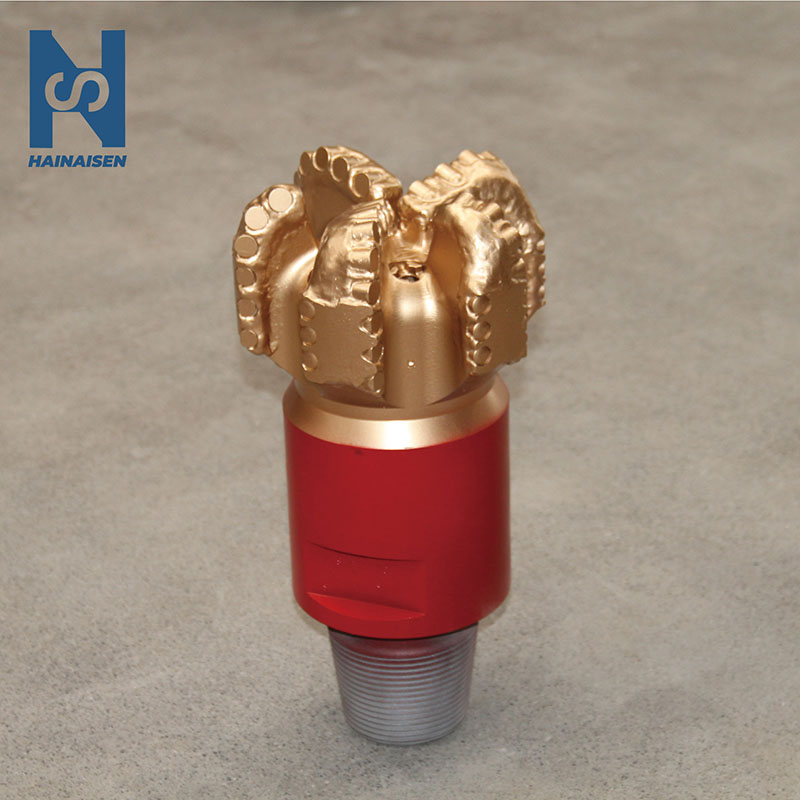 VIEW MOREFive Wing PDC Bit For Hard Rock Drilling
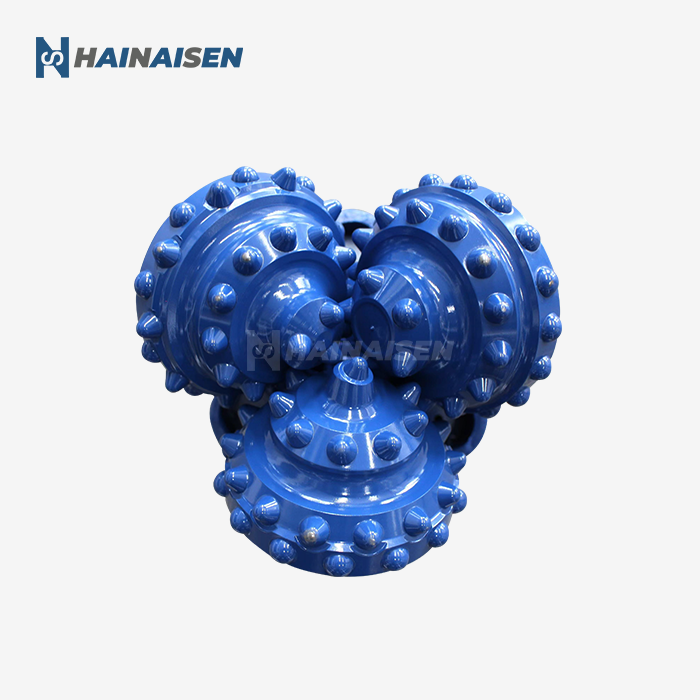 VIEW MOREHard Alloy Roller Drill Bit
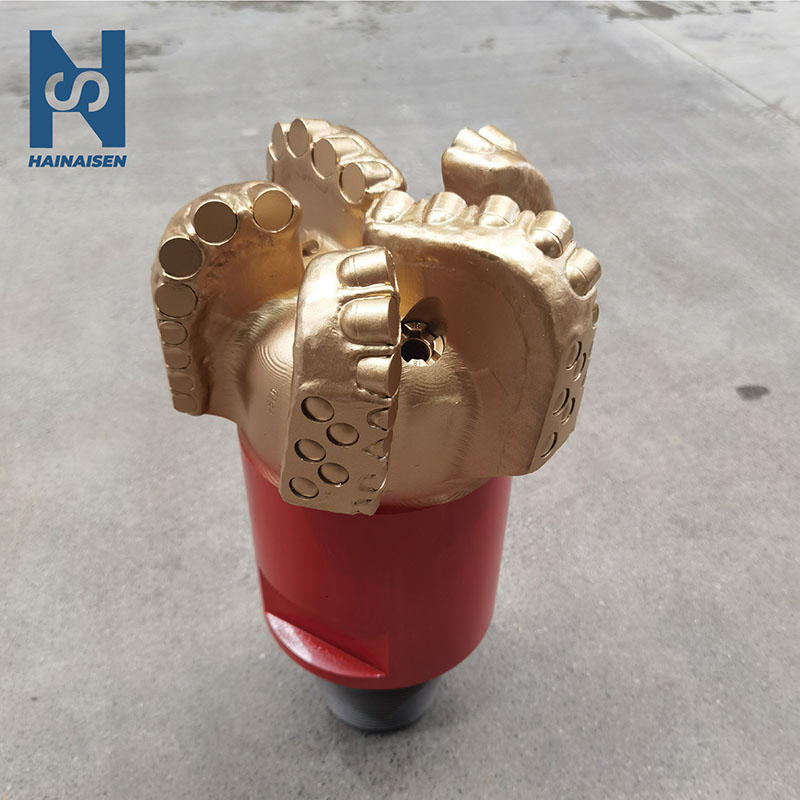 VIEW MOREFive Blade PDC Drill Bit
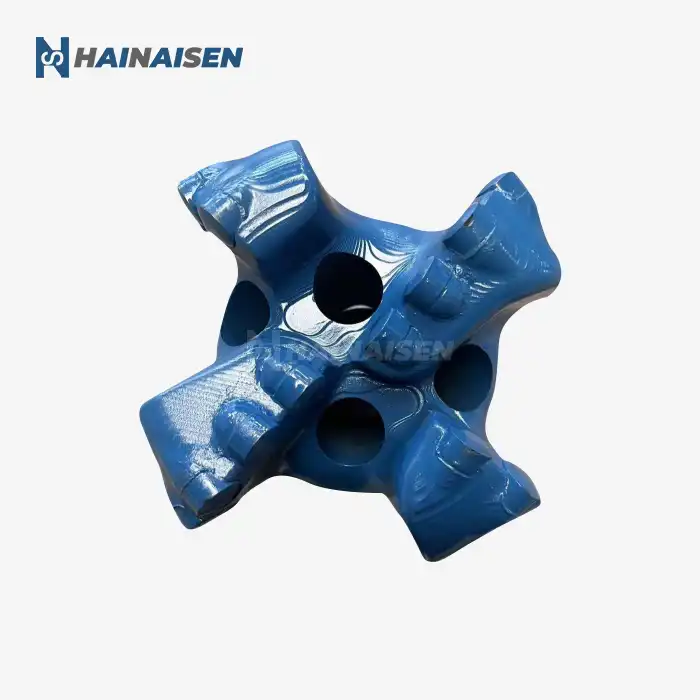 VIEW MORESteel Body PDC Bit 4 Blades
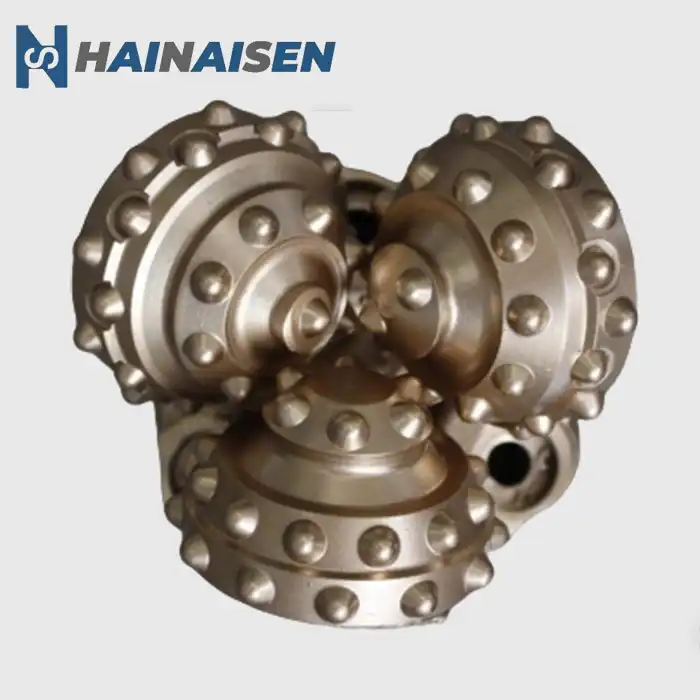 VIEW MORE4 1/2" IADC 537 Tricone Rock Bit
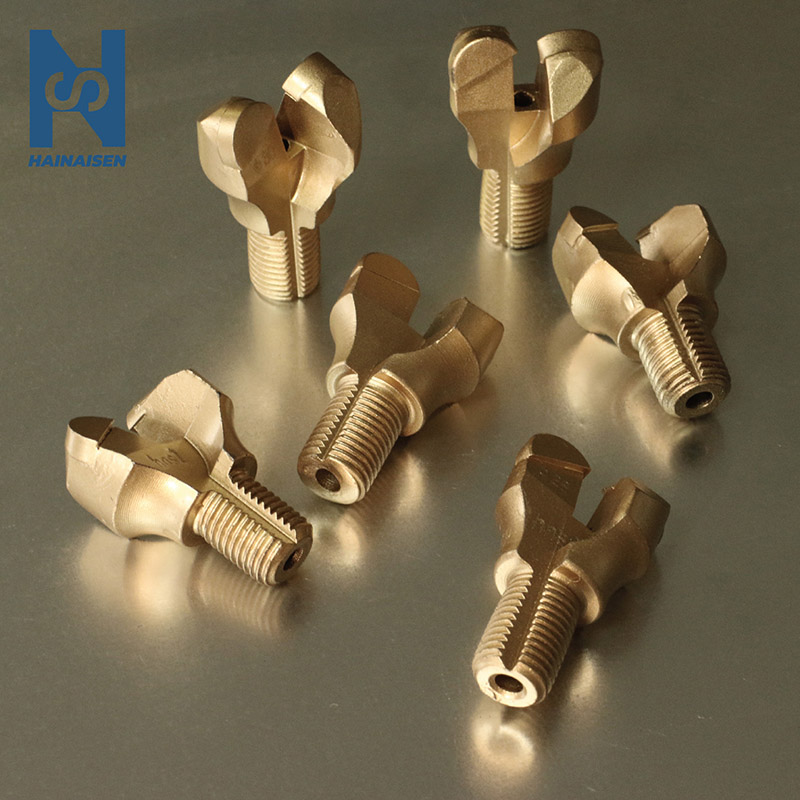 VIEW MORECoal Mining Tools PDC Anchor Drill Bit 28mm
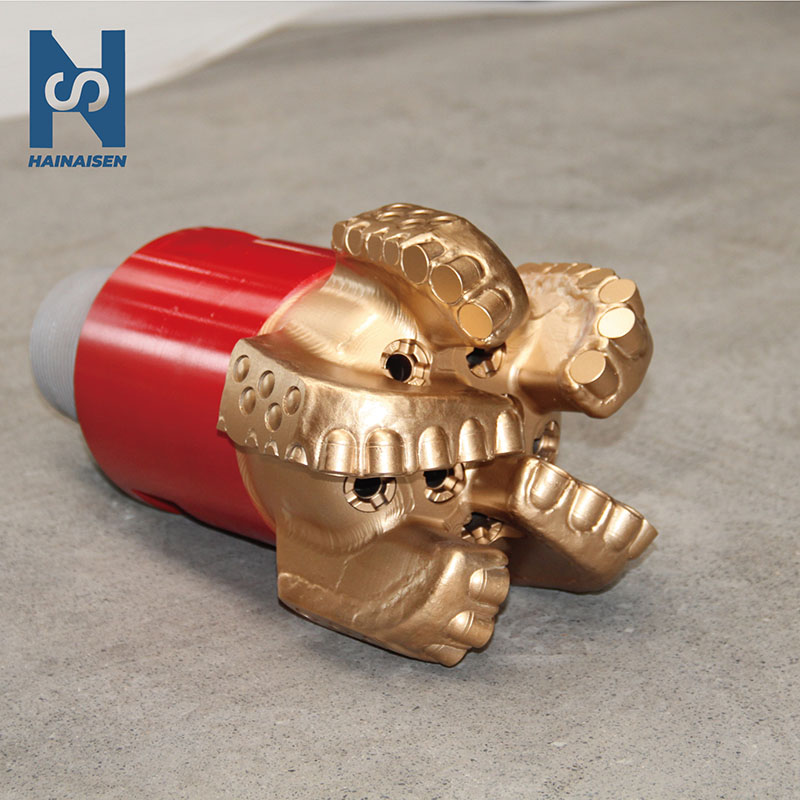 VIEW MOREDiamond Oil Drill Bit
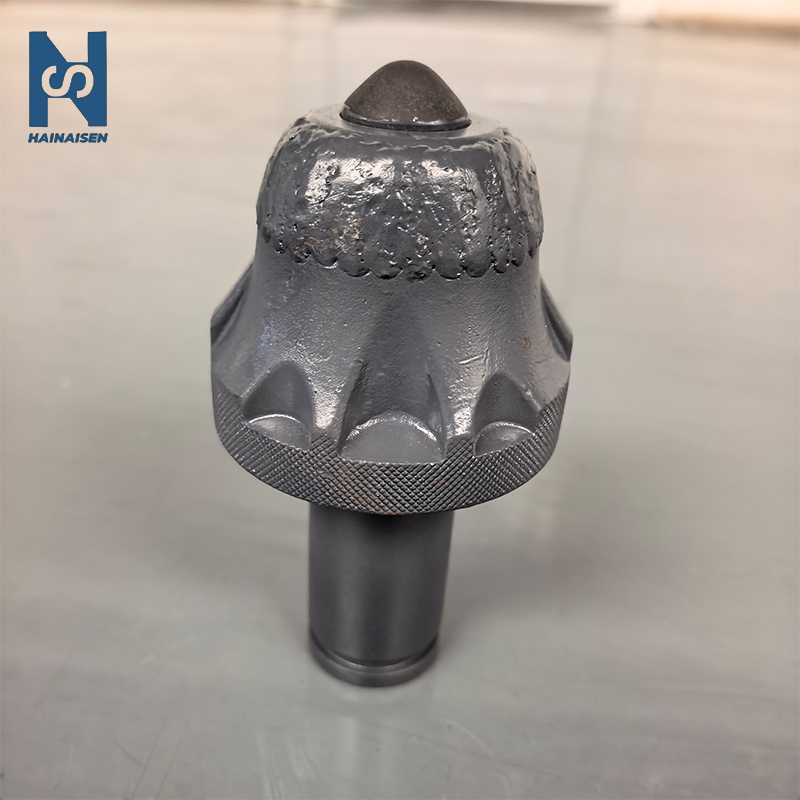 VIEW MOREDiamond Coal Mine Picks
