







4 Wings Blades PDC Bit Manufacturing Materials and Structure
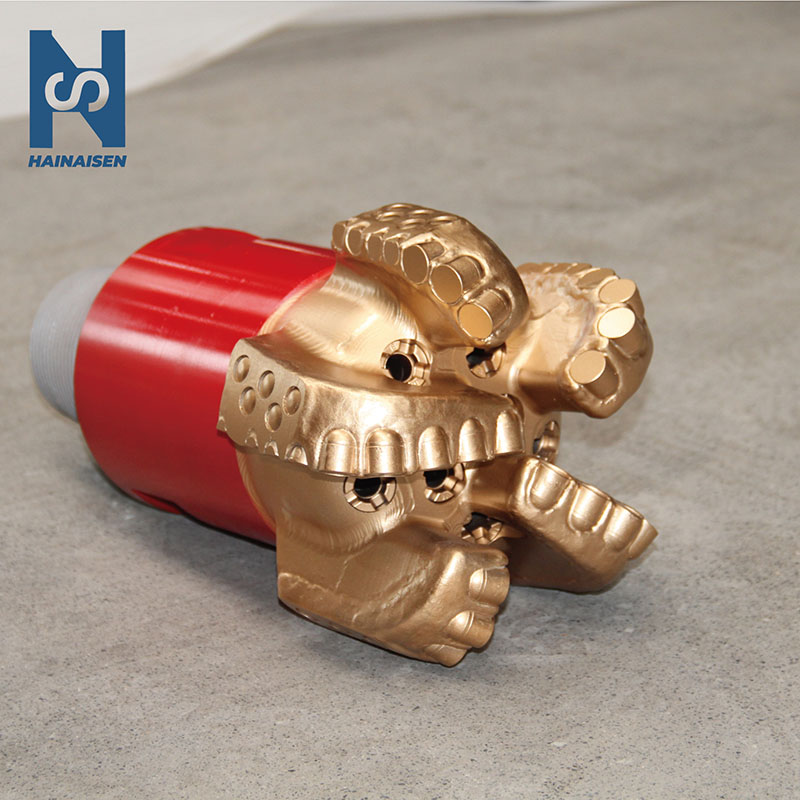
Understanding what goes into a 4 Wings Blades PDC Bit helps procurement managers and technical engineers choose wisely and avoid costly mistakes. This polycrystalline diamond compact drilling equipment performs well in soft to medium-hard rocks with four strategically designed blades and sophisticated PDC cutters. High-quality steel bodies, precision-engineered diamond cutters, and carefully chosen matrix materials enhance drilling speed and minimize downtime in oil & gas, water well, and mining applications.
Understanding the Core Materials Used in 4-Wing Blades PDC Bit Manufacturing
Material choice is the foundation of any reliable PDC drilling bit. This essential decision has made or broken numerous projects, and here's what counts most when analyzing these tools' components.
Polycrystalline Diamond Compact Cutters: The Cutting Edge Technology
Modern drilling techniques rely on PDC cutters. These synthetic diamond disks sinter industrial diamonds to tungsten carbide substrates at high pressure and temperature. The material shears through rock formations instead of crushing them like roller cone pieces due to its Mohs hardness of 8–9.
A self-sharpening system keeps the diamond layer sharp at 2-3 millimeters thick. During operation, diamond surface micro-chips in regulated patterns expose new cutting edges to maintain penetration rates throughout the bit's lifespan. Based on your project's formation parameters, we make bits with cutter sizes from 1308 to 1608.
Another important trait is thermal stability. Quality PDC cutters retain structural integrity at temperatures above 700°C, minimizing early wear in deep oil and gas wells. We use identical material standards as Baker Hughes and Schlumberger, who spend considerable resources on thermally stable polycrystalline diamond that expands operational ranges.
Steel Alloy Bit Bodies: Structural Foundation
The bit body supports cutters, controls hydraulic flow, and transfers drill string torque. Our bit bodies are made of high-strength alloy steel, which blends toughness to absorb impact loads, hardness to withstand abrasion, and machinability for fine production tolerances.
Chrome, molybdenum, and nickel improve hardenability and impact resistance in steel. Heat treatment improves microstructure, producing yield strengths of 900 MPa and ductility to avoid shock-induced brittle fracture.
Some Manufacturers sell matrix bodies made of copper-bound tungsten carbide powder. These matrix bodies withstand erosion in abrasive formations but cost more to make. Oil service firms seeking prolonged drilling intervals may justify the matrix body investment, while coal mining procurement teams feel steel body bits offer the best performance-to-budget balance.
Tungsten Carbide Inserts and Gauge Protection
Tungsten carbide inserts protect high-wear bit body portions beyond the cutting structure. These inserts protect the gauge pads that preserve hole diameter and prevent bit under-gauging when drilling. Tungsten carbide's 1500 HV hardness resists bit-borehole wall grinding.
Based on formation features and drilling conditions, we carefully place gauge protection. Improved gauge protection ensures hole integrity over thousands of meters for directional drilling and long-reach wells. Water well drilling teams in less demanding applications may need less gauge protection, saving manufacturing costs and ensuring reliability.
Structural Design Specifications of 4-Wing Blades PDC Bits
Without intelligent structural design that optimizes component interactions during drilling, material quality is meaningless. The 4 Wings Blades PDC Bit configuration has features that make it popular for many applications.
Four-Wing Blade Configuration and Its Engineering Rationale
The four-blade design balances cutting efficiency and mechanical stability better than the three- or five-blade versions. Each blade has a large cutting surface and enough space between blades to evacuate cuttings. Bit balling, where formation material packs between blades and stops cutting, is reduced by this design.
We arrange blades to uniformly disperse cutting forces on the bit face. The symmetrical load distribution reduces lateral vibration that damages downhole equipment and reduces drilling efficiency. Balanced torque protects surface equipment and extends drill string life.
Our blades' flat-top design maximizes surface contact during initial penetration and reaming. This design tackles drilling issues when bits wander or stray from the planned trajectory, which is especially useful in vertical water well applications where hole straightness affects casing installation and well productivity.
Component Integration and Hydraulic System Design
Major components fulfill particular functions that improve drilling performance. API standard threads link the shank to the drill string, ensuring international drilling compatibility per API Spec 7-1. Machined to tight specifications, these threads resist severe torque failure.
Hydraulic flow patterns are controlled by nozzles, cool cutters, and the removal of cuttings. Our engineers guide high-velocity fluid streams over cutter rows with nozzles to minimize heat degradation that diminishes PDC performance. The nozzle arrangement provides bottom-hole turbulence patterns that lift cuttings effectively, avoiding energy-wasting re-grinding and bit wear.
Gauge pads stabilize the bit and prevent wobbling that causes large holes by touching the borehole wall. We use tungsten carbide hardfacing on gauge surfaces to enhance gauge life beyond unprotected steel. Oil service firms drilling lengthy intervals where even small gauge wear causes hole quality issues benefit from this attention to gauge durability.
Advantages and Performance Factors of 4-Wing Blades PDC Bits
Performance benefits that affect project economics and operational success drive procurement decisions. Technical requirements help. What distinguishes these bits in real-world applications?
Enhanced Drilling Speed and Penetration Efficiency
PDC cutter technology with four-blade geometry consistently penetrates better than other bit designs. PDC cutters break rock with less energy than roller cone bits, converting mechanical energy into forward momentum. We've seen penetration rate gains of 30-50% while drilling shale, sandstone, and limestone—the most prevalent formations in oil and gas production and water well building.
The optimal cutter placement places each diamond element to strike formation rock at optimal attack angles to increase cutting efficiency and manage impact loads. The blade profile gently leads cuttings to garbage slots where hydraulic flow eliminates them. The coordinated material removal procedure maintains cutting efficiency throughout each drilling run, minimizing performance loss caused by inadequate hydraulic design.
Extended Bit Life Through Superior Wear Resistance
Due to fewer bit trips and lengthier bit replacements, durability affects drilling economics. PDC material's abrasion resistance keeps cutting structural integrity after hundreds or thousands of meters of drilling. Our manufacturing approach prevents cutter loss, a typical failure condition that prematurely ends bit runs, by strengthening metallurgical connections between cutters and bit body.
Actual coal mining data shows bit life 2-3 times longer than carbide-insert tricone bits in comparable strata. The oil service firms drilling development wells report single-bit runs beyond 1500 meters in interbedded shale and sandstone. An extended bit lifespan saves drilling costs and improves operational efficiency by reducing trips and non-productive time.
Versatility Across Formation Types and Drilling Applications
PDC Bits work well in soft to medium-hard formations, but our four-blade design's balanced cutting structure adapts to changing circumstances. The blade design is robust enough to withstand interbedded sequences of hard stringers in softer matrix rock. This adaptability is crucial when geological diversity means your bit meets various formation types in one drilling period.
Comparing blade configurations highlights trade-offs: three-blade designs penetrate homogeneous soft formations efficiently but lose stability in directional drilling. Five- and six-blade bits are more durable in abrasive environments but drill more slowly than four-blade bits. Procurement managers seeking single-bit solutions for various projects often choose the four-blade PDC drill bit for oil rigs because it provides an optimal balance between speed, durability, and versatility.
Maintenance and Optimal Usage Guidelines for 4-Wing Blades PDC Bits
Even top-quality drilling instruments need correct handling and operation to operate well. These principles safeguard your investment and optimize revenue per bit.
Pre-Operation Inspection and Handling Protocols
Visual examination reveals probable failures before running any bit downhole. Check each cutter for shipping damage, ensure they are properly brazed to the bit body, and inspect nozzle apertures for foreign material. Hardfacing on gauge pads should be consistent and not crack or spall.
Thread damage may stop a drilling operation before it begins; thread checking is crucial. Check bit threads for burrs, galling, or incomplete threads that inhibit good composition. Apply thread compound per manufacturer requirements, then make up the bit to approved torque values using side-load-preventing equipment.
Operating Parameters for Maximum Performance
Drilling settings greatly affect bit life and performance. Our bits perform best within ranges that balance penetration, wear, and drilling mechanics. Depending on bit diameter and formation, we propose 60-250 RPM. Softer formations maximize penetration rate with higher speeds, whereas harder or more abrasive formations restrict cutter wear with lower speeds.
Bit weight should be 10–100 KN, depending on formation reactivity and drilling behavior. Too little weight prevents cutters from engaging, producing scraping instead of shearing. Heavy loads overwhelm cutters and cause damaging vibrations that destroy the bit and downhole assembly. We recommend starting at a moderate weight and progressively increasing while evaluating torque response and penetration.
For most applications, 25–36 liters per second hydraulic flow removes cuttings and cools cutters. Cutting pile and re-grind beneath the bit due to poor flow, lowering efficiency, and increasing wear. Check standpipe pressure to keep nozzles clean and bit face flow effective.
Post-Run Evaluation and Storage Recommendations
Systematic examination after bit removal increases future drilling performance. Photograph the bit from numerous angles to capture cutter wear, gauge condition, and bit body damage. This literature helps you fix operational difficulties such as excessive vibration, poor cleaning, and incorrect parameter selection for future runs.
Water or a mild solvent should be used to clean the bit of formation cuttings and drilling fluid. Washing cutters with high pressure might harm the diamond-carbide contact. After cleaning, apply corrosion inhibitor to steel surfaces and store the bit in a container that minimizes impact damage. Proper storage safeguards your investment and keeps bits available for project release.
Procurement Considerations: Selecting and Purchasing 4 Wings Blades PDC Bits
Understanding how to align bit specs with project objectives while managing cost and supplier relationships is essential for smart procurement decisions.
Matching Bit Specifications to Project Requirements
Formation analysis is key to bit selection. Rock type, compressive strength, and abrasiveness are used to determine cutter size, blade profile, and gauge protection. Our technical staff reviews offset well data and formation logs with your engineers to offer bit designs for drilling goals.
Bit diameter is evident, but cutting structure, hydraulic design, and connection type affect performance. Shale and limestone drilling projects benefit from aggressive cutter designs and efficient hydraulic systems that increase penetration. Applications with abrasive sandstone formations may require gauge protection and cutter configurations that favor longevity over speed.
Balancing Performance Requirements Against Budget Constraints
Distinct operating sizes need distinct buying methods. Superior bits cut costs well by drilling more quickly and requiring fewer bit trips. Large oil service firms emphasize performance and dependability over purchasing price. These long-term partnerships generally involve customization, technical assistance, and preferential bulk purchase terms that improve supply chain stability.
Coal mining operations work within smaller budgets but need consistent performance. Standardized bit designs provide proven performance without modification fees for these buyers. We provide production bit models tailored for common coal measure formations that are valuable for mining.
Water well drilling teams are frequently smaller, price-sensitive firms. These purchasers like simple bits that meet basic performance needs without premium extras that add expense but little benefit. We provide affordable water well products, such as the 4 Wings Blades PDC Bit, that function effectively at low prices.
Evaluating Manufacturers and Establishing Supplier Relationships
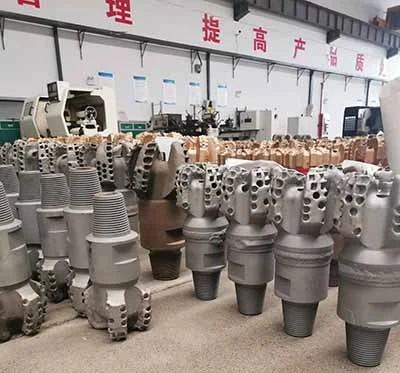
Brand recognition counts, but procurement experts should assess manufacturers based on performance. Shaanxi Hainaisen Petroleum Technology's 3,500-square-meter Xi'an production plant has 5-axis machining centers and CNC machine tools with industry-leading accuracy. Quality control and welding manufacturing lines assure product quality throughout every piece we make.
Dedicated research and development team delivers bespoke bit design for individual project requirements. We work with your technical personnel to optimize solutions for difficult applications using this engineering capacity. This customisation service is useful for directional drilling, odd formation combinations, and specialty applications where regular bits perform poorly.
Our production method is rigorously tested for quality control. Dimensional, thread, and structural integrity tests are done before sending each bit. This methodical quality assurance prevents premature failures and guarantees the bits you receive meet your standards.
Conclusion
Manufacturing materials and structural design of 4-Wing Blades PDC Bits affect drilling performance, operational costs, and project success. Tools with precision-engineered steel bodies and quality PDC cutters outperform traditional options in oil and gas development, coal mining, and water well applications. A four-blade arrangement that blends cutting efficiency and mechanical stability improves penetration rates and hole quality across long drilling intervals. Understanding how material qualities, structural features, and manufacturing quality affect performance helps procurement managers. These bits cut drilling costs and boost efficiency with correct selection, operation, and supplier agreements.
Frequently Asked Questions
1. What formations work best with four-blade PDC bits?
Four-blade PDC drilling tools work well in soft to medium-hard rocks, including shale, limestone, sandstone, and gypsum—anything below 150 MPa. The rock types allow PDC cutters to shear efficiently without crushing. These bits are adaptable for exploration drilling in geologically unknown areas because of their balanced blade design, which accommodates interbedded sequences with varying formation hardness.
2. How do I determine the right operating parameters?
Initial values should be manufacturer guidelines, then adjusted for formation response. Keep track of bit weight, rotational speed, hydraulic flow, penetration rate, and torque. Optimization yields consistent drilling with smooth torque response. Erratic torque or stalling requires parameter modification. Our technical staff guides you depending on formation features and drilling goals.
3. Can PDC bits be repaired or only replaced?
Once cutters wear out or fail, PDC bits cannot be affordably fixed like roller cone bits with interchangeable bearing assemblies. Some manufacturers provide premium bit repair, although prices approach new bit pricing. Consider PDC bits consumables with finite service lifetimes, making good operating techniques vital to maximize ROI.
Partner with HNS for Your PDC Bit Requirements
Shaanxi Hainaisen Petroleum Technology provides proven drilling systems with sophisticated manufacturing and technical support. Our 4 Wings Blades PDC Bit maker uses precise equipment and strict quality control to fulfill oil and gas, mining, and water well performance standards. We customize your bits to meet project needs rather than pushing you into one-size-fits-all solutions. Procurement managers and technical experts looking for trusted PDC bit suppliers that realize drilling success depends on excellent manufacture, clever design, and quick customer service should Contact Us. Contact us at hainaisen@hnsdrillbit.com to discuss your project requirements and discover how our engineering expertise translates into measurable drilling improvements.
References
1. Bellin, F., Dourfaye, A., King, W., and Thigpen, M. (2010). "The Current State of PDC Bit Technology." World Oil Magazine, Vol. 231, No. 10, pp. 67-71.
2. Winters, W.J., Warren, T.M., and Onyia, E.C. (1987). "Roller Bit Model with Rock Ductility and Cone Offset." Society of Petroleum Engineers, SPE Paper 16696.
3. Clayton, R., Chen, S., and Lefort, G. (2005). "New Bit Design, Cutter Technology Extend PDC Applications to Hard Rock Drilling." Oil & Gas Journal, Vol. 103, Issue 7, pp. 47-53.
4. Dareing, D.W., and Livesay, B.J. (1968). "Longitudinal and Angular Drill String Vibrations with Damping." Journal of Engineering for Industry, Vol. 90, No. 4, pp. 671-679.
5. Warren, T.M., and Smith, M.B. (1985). "Bottomhole Stress Factors Affecting Drilling Rate at Depth." Journal of Petroleum Technology, Vol. 37, No. 8, pp. 1523-1533.
6. Maurer, W.C. (1962). "The 'Perfect-Cleaning' Theory of Rotary Drilling." Journal of Petroleum Technology, Vol. 14, No. 11, pp. 1270-1274.
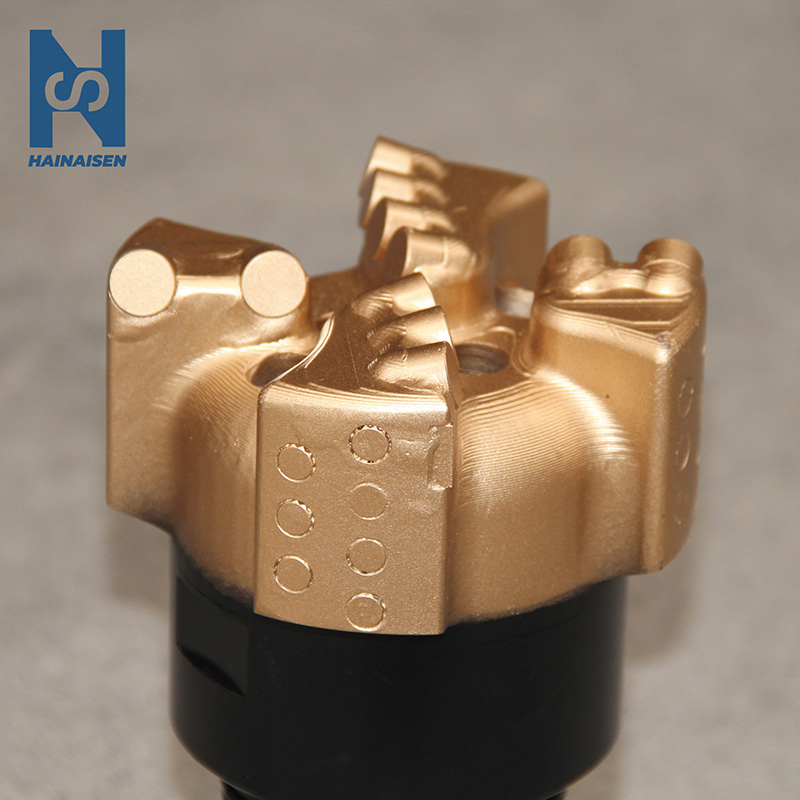 VIEW MOREDirectional Well PDC Drill Bit
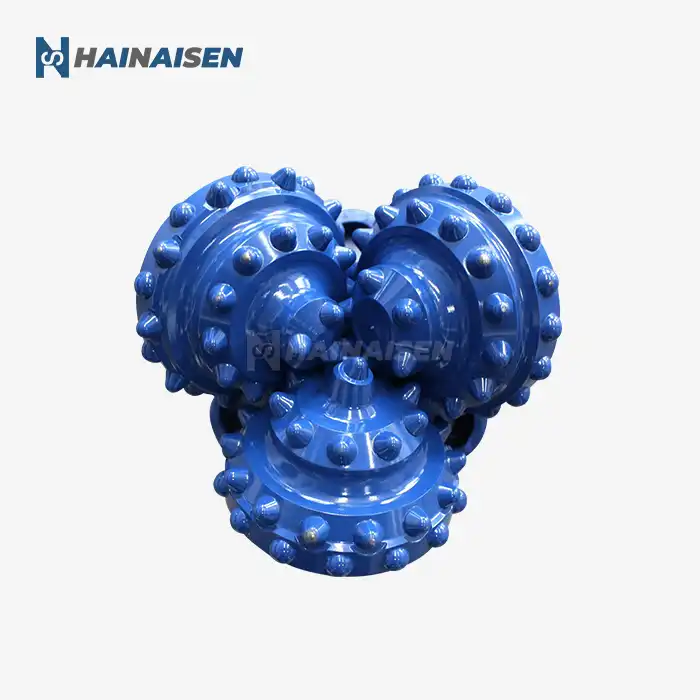 VIEW MORE5 1/2 Inch IADC 537 Tricone Rock Bit for Medium-Hard Formations
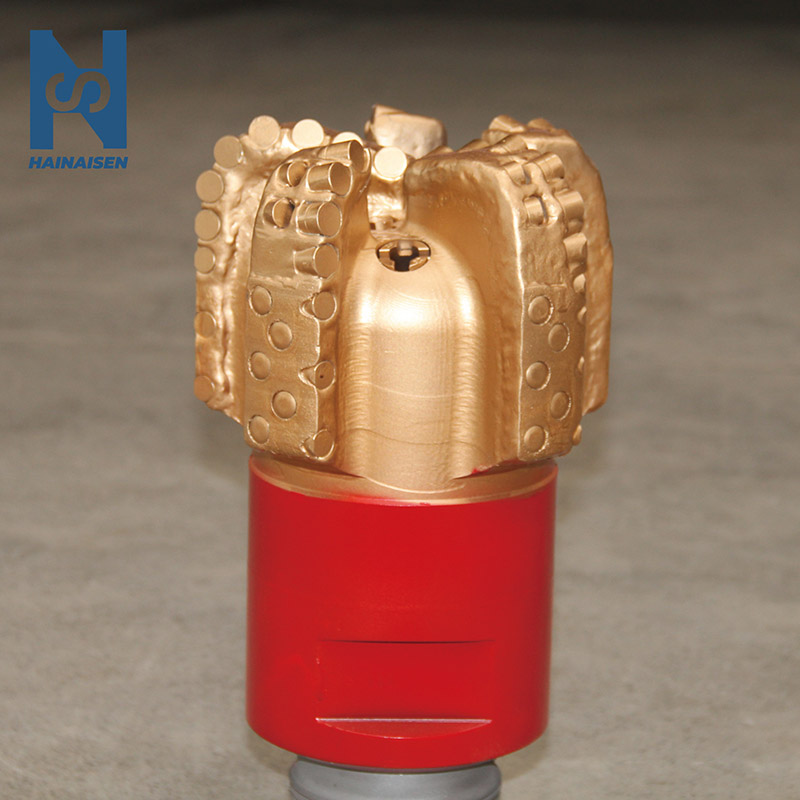 VIEW MOREDiamond PDC Drill Bit
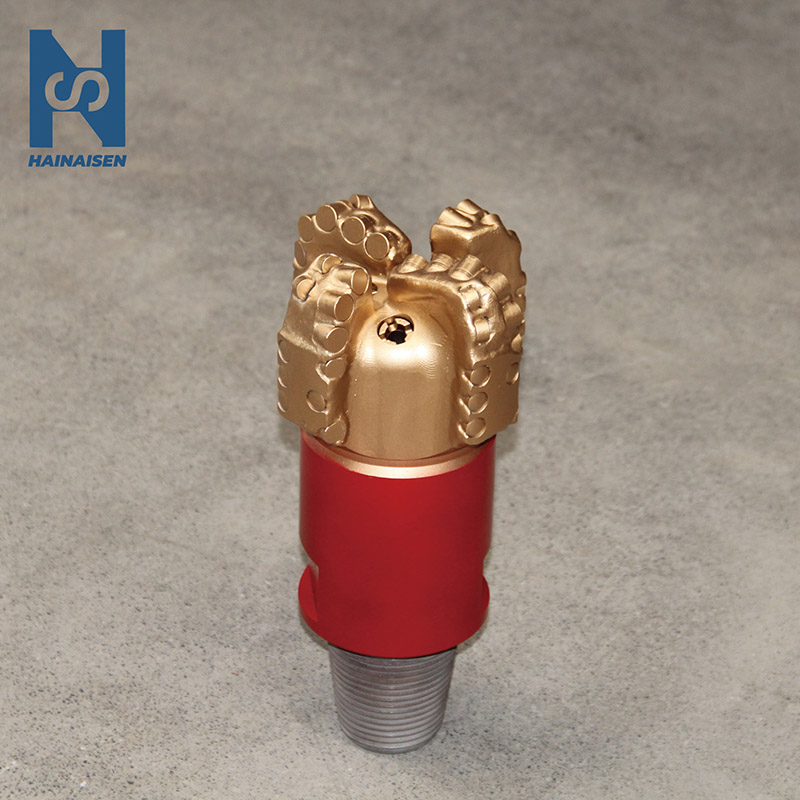 VIEW MOREFour Blade Wing Oil Drilling Tool
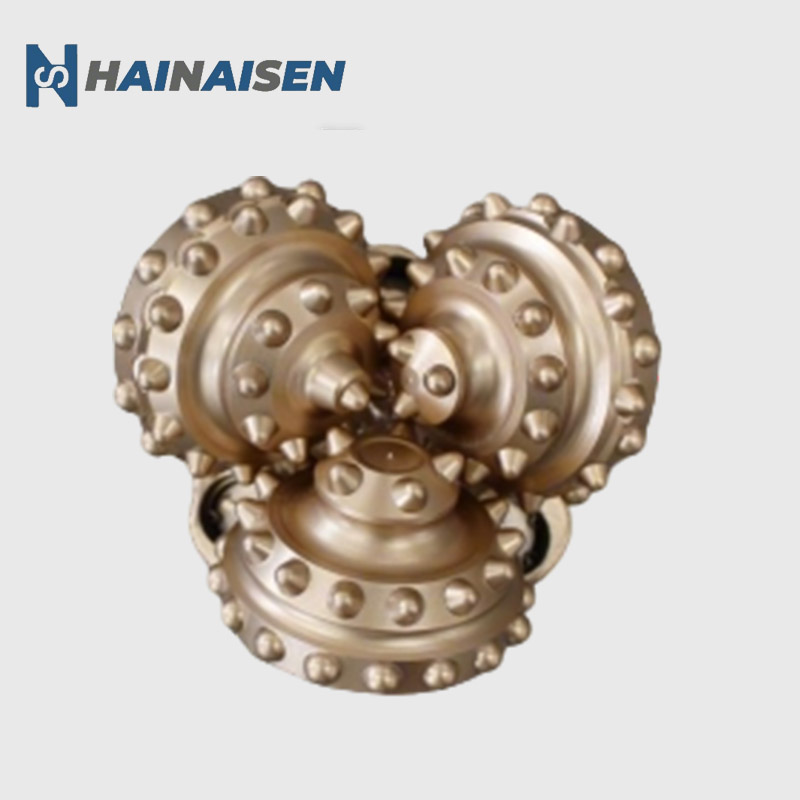 VIEW MORE4 1/2" IADC 637 TCI Tricone Bit
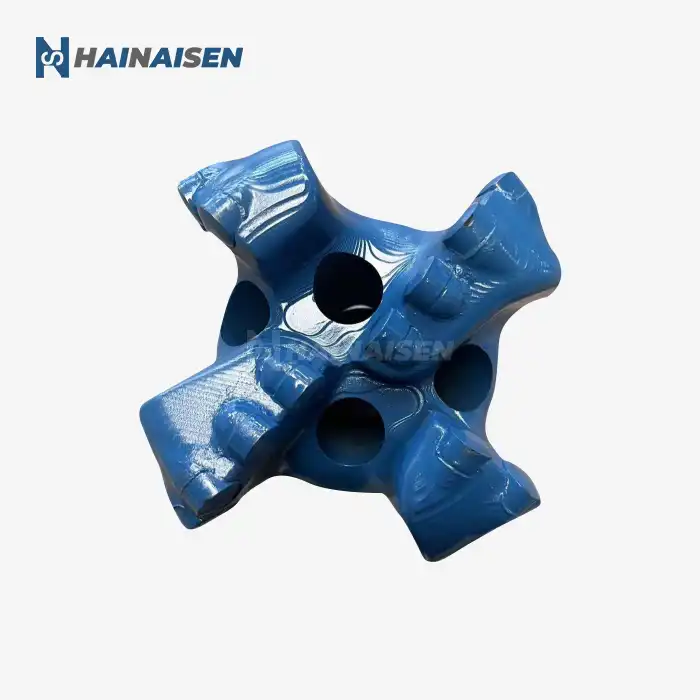 VIEW MORE4 Blade PDC Bit
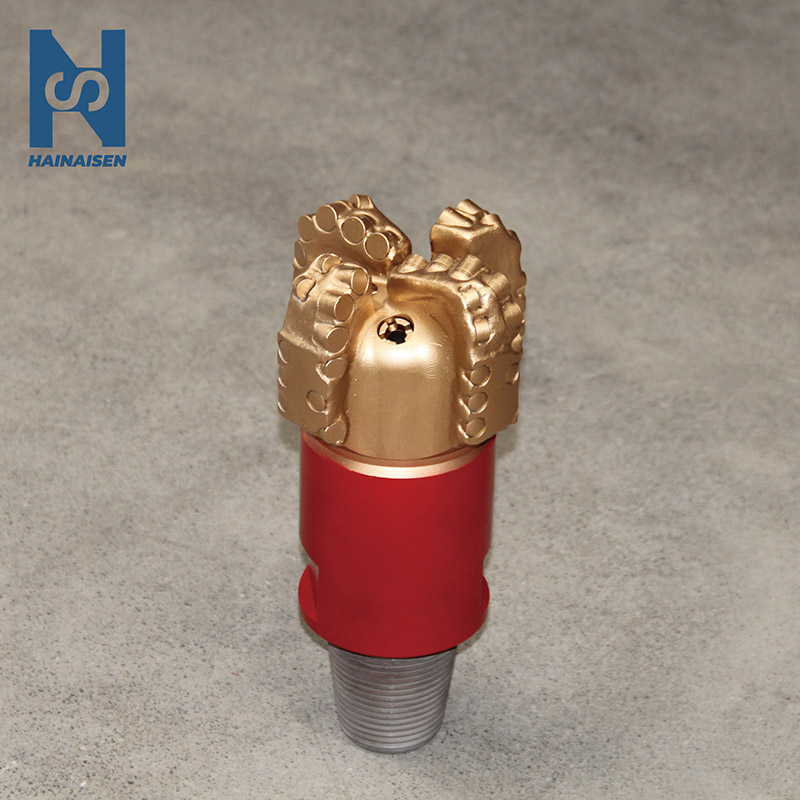 VIEW MOREHigh Quality PDC Drill Bits
 VIEW MOREDiamond Drill Bits For Oil Rigs
