







How to improve the mechanical rate of penetration (MOD) of PDC drill bits?
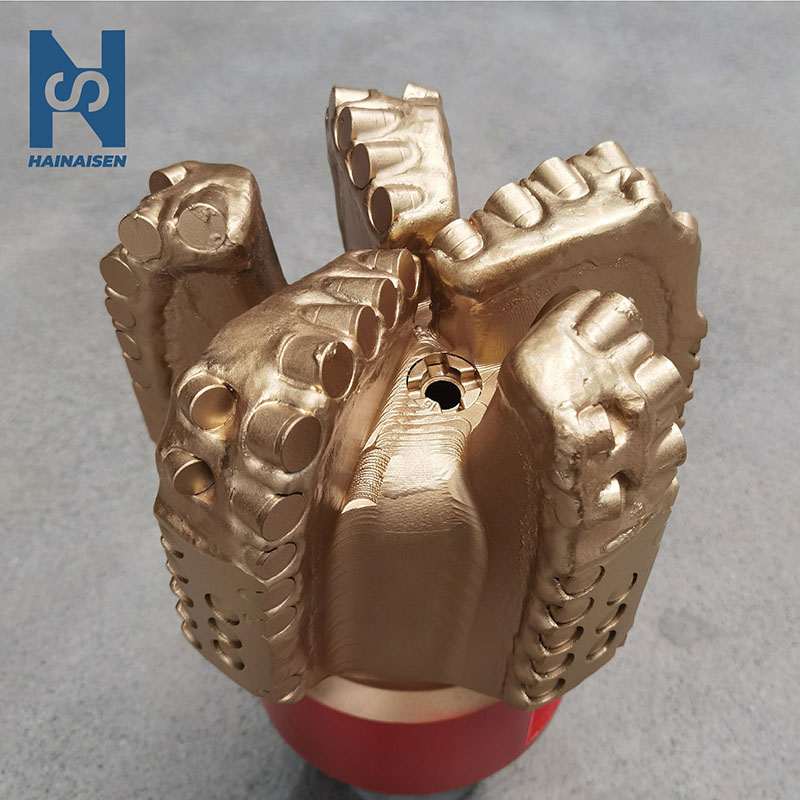
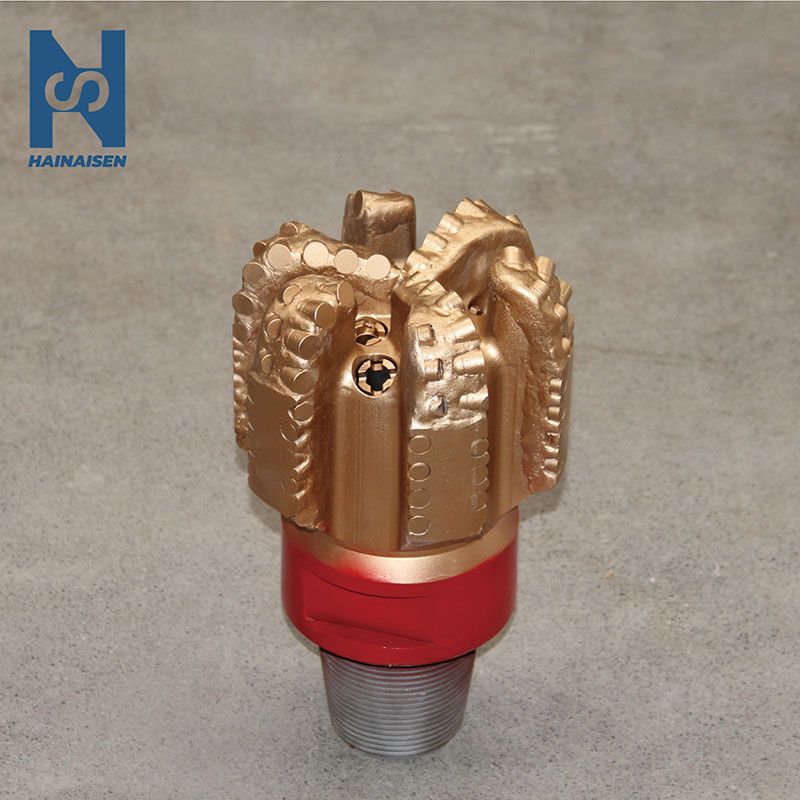
To make PDC drill bits' mechanical rate of penetration (ROP) better, you must first understand how new design features affect drilling speed. This is a big step forward: the Tool 6 Wings Drill Bit PDC is more stable because it has six blades that spread cutting forces evenly across the bit face. This design makes the cutting surface bigger, which makes rock splitting more effective while reducing vibrations, which slows down entry rates. By improving the shape of the blades and adding advanced polycrystalline diamond compact cutters, these six-wing bits can drill deeper into medium-hardness rocks like shale, limestone, and sandstone. This makes them necessary for operations that need to drill quickly and cheaply.
Understanding the Mechanical Rate of Penetration (ROP) in PDC Drill Bits
What is the Mechanical Rate of Penetration?
Mechanical Rate of Penetration measures the drill bit speed into rock. It is commonly in feet or meters per hour. Procurement managers and technical specialists use ROP to assess drilling progress and cost. Higher ROP equals less rig time, cheaper operating costs, and faster project completion. Even tiny ROP improvements can save oil and gas drilling companies money across many well-digging programs.
Critical Factors Influencing ROP Performance
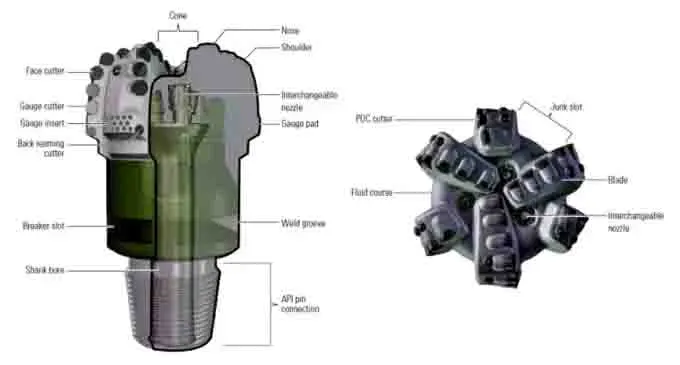
Several factors impact ROP performance in PDC drilling. Bit geometry is crucial because the number of blades, where the cutters are situated, and how hydraulic fluid flows affect how well the bit cuts rock and moves it. Tensile strength, abrasiveness, and homogeneity impact a formation's penetration speed. To get the optimum results, bit weight, rotary speed, and drilling fluid characteristics must be adjusted to match formation conditions and bit design.
How Advanced Blade Configurations Enhance Drilling Efficiency
PDC technology advanced with the switch from four-blade to six-wing designs. More cutters fit in six-blade PDC Bits. More contact points with the formation make rock removal simpler. By introducing larger trash holes between the blades, cuttings may escape more easily, improving hydraulic efficiency. Cutting forces are uniformly distributed over six blades, reducing wear and extending bit life. Entry rates remain constant while drilling.
Key Design Advantages of the 6 Wings Drill Bit PDC to Boost ROP
Optimized Cutting Structure for Superior Rock Fragmentation
Tool 6 Wings Drill Bit PDC designs offer the highest cutting power and stability. Each blade features precisely angled PDC cutters that engage the formation. It maximises cutting efficiency and minimises energy waste. Because there are more cutting blades than in previous designs, each rotation removes more rock, speeding the entrance. Rock fragmentation speeds drilling in medium-hard rock types, making this cutting structure ideal.
The incisions across six blades help distribute the burden. Instead of stressing fewer contact points, the six-wing design spreads mechanical forces over a broader surface area. This design philosophy reduces cutter wear and maximises cutting efficiency over lengthy drilling operations. Drilling soft shale to hard limestone is faster with six-blade bits, according to operations teams.
Enhanced Stability and Vibration Control Mechanisms
Vibration is a major issue with high ROP during drilling. Too much bit shaking causes uneven cutting, accelerates part wear, and forces workers to adjust drilling settings to preserve machinery. The design lowers shaking by uniformly distributing the force across all six wings. Balanced bits spin readily even when formation conditions alter. This allows operators to maintain the optimum bit weight and rotary speed for optimal penetration.
Stability improvements have several practical benefits. Little shaking means downhole tools last longer, break less often, and are easier to handle when changing wellbores. High-quality six-wing bits feature hydraulic designs that ensure consistent fluid flow patterns to cool cuts and prevent pressure shifts. All of these stability characteristics allow drilling crews to adjust operational parameters without harming equipment or diminishing performance.
Advanced Materials and Heat Management for Extended Performance
Six-wing PDC bits are now Manufactured of high-quality materials for demanding drilling situations. High-quality steel bodies can withstand severe drilling pressures, and innovative PDC cutting materials are robust and durable. The combination keeps bits' sharp cutting edges longer, preserving their high ROP throughout their working life rather than decreasing speed after a few cycles.
Controlling heat is crucial while drilling faster. Six blades remove heat better than fewer blades. Heat is distributed more uniformly over the bit face with a larger surface area, reducing cutter thermal stress. This thermal edge helps in severe cutting circumstances when high temperatures degrade the cutter. Heat-resistant bits cut effectively and don't break down, protecting the bit's investment and the rig's time.
Strategies to Optimize Mechanical ROP Using 6 Wings Drill Bit PDC
Selecting the Right Bit Configuration for Your Formation
ROP optimisation aims to align bit design to nature. Six-wing PDC bits operate well in medium-hard, low-to-middle compressive materials, including shale, limestone, sandstone, and gypsum. Geological studies and offset well data help procurement managers pick bits with the proper cutter densities, blade shapes, and hydraulic characteristics. When rock and bit match, drilling teams receive penetration rates that minimise drilling days and per-foot costs, making the equipment investment justifiable.
Comparing six-wing layouts to others helps determine their suitability. Tricone Roller Bits operate better in hard or fragmented rock, but they penetrate more slowly in medium-hard strata, where the Tool 6 Wings Drill Bit PDC excels. Although cheaper, four-blade PDC designs lack stability and cutting effectiveness compared to six-blade variants. Poor performance and prolonged drilling times might negate any initial savings.
Optimizing Operational Parameters for Maximum Penetration
For the greatest ROP, ensure the drilling parameters work with the bit and rock. PDC cutters can cut rock swiftly without noise or heat at 60–250 RPM. A drilling pressure of 20 to 110 kN is enough to attach the cutters to the formation without overloading the bit, which might cause early failure or significant wear. Keeping flow rates between 30 and 40 litres per second ensures hydraulic force to clear cuttings and cool the bit.
Parameter optimisation involves monitoring and adjusting parameters based on real-time results. Experienced drilling experts monitor ROP trends, torque, and sound levels to optimise operations during each phase. Changing the rotation speed or bit weight generally improves ROP, despite constant formation parameters. The correct mud weight and rheology assist in move cuts and stabilise the formation. This avoids issues that would necessitate reducing settings and slowing penetration.
Maintenance Protocols to Sustain Peak Bit Performance
Preventive maintenance maintains ROP and bit life across repeated runs. Before setting bits downhole, pre-drilling tests evaluate cutter integrity, blades, and hydraulic port cleanliness. Monitoring drilling variables throughout operations detects bit wear or damage before it affects performance. Pulling bits before they wear out and cease cutting saves money and makes drilling efficient, keeping projects on schedule.
Post-run research helps us choose the proper portions and improve our processes. The wear patterns on the returned bits might indicate if the cutting settings were correct or need to be adjusted. Write down bit performance data, such as material drilled, average ROP, and bit end state, to establish an operational knowledge base that helps you acquire and plan future wells. This organised bit management maximises machine purchases and improves drilling performance.
Case Studies and Real-World Applications Demonstrating ROP Improvement
Quantified Performance Gains in Oil and Gas Operations
Moving from four-wing PDC bits to six-wing PDC bits has been shown to improve ROP in drilling operations across various layers. An independent oil service company that works in the Permian Basin found that moving from standard four-blade bits to six-wing versions increased the average penetration rate by 27% in layers of shale and limestone. The better performance cut the time needed to drill each well by about 18 hours. This saved them a lot of money on their multi-well drilling program while keeping the quality of the wellbore and direction control high.
When digging for coal-bed methane, the rocks that are used can be very hard or very rough, which can cause problems. A medium-sized coal mining business that switched to Tool 6 Wings Drill Bit PDC technology saw faster entry and longer bit life than when they used standard bits. The average time it took to drill a hole went down by 22%, and the cost of the bit per foot drilled went down by 15% because it was more durable. All of these changes directly improved the project's costs, which let the company finish its digging program early and on budget.
Comparative Analysis Against Traditional Drilling Solutions
When you directly compare six-wing PDC bits to other technologies, it's clear that the former performs better in certain situations. Teams digging water wells in shale and limestone found that six-wing bits went deeper (30–40% faster) than tricone roller bits and needed fewer bit changes per well. Even though the PDC bits were more expensive to buy at first, they were more profitable for the contractor because they sped up the drilling process and cut down on the time needed to change bits.
Six-wing PDC technology has been used successfully in geothermal drilling projects that value both speed and dependability. The mix of better stability and aggressive cutting action works well in geothermal resources that are found in fairly hard volcanic formations. According to project managers, this bit selection has led to more predictable drilling performance and fewer cases of wasted time compared to earlier bit selections. These results are very important in deep drilling operations where rig costs add up quickly, and plan delays cause big cost overruns.
Procurement Insights for 6 Wings Drill Bit PDC in Global B2B Markets
Evaluating Suppliers and Manufacturing Quality
To choose the right provider, you need to look at more than just the price quotes. Expertise in manufacturing is very important when making PDC bits because the performance in the field depends on where the cutters are placed precisely, how they are brazed, and the quality of the materials used. Companies that have been around for a while and have dedicated research and development teams usually make better goods and offer engineering support that helps customers choose the best bits and set the best operational settings. Certifications that show obedience to international quality standards give customers more faith in the supplier's skills and the quality of the products they sell.
Price Considerations and Value Assessment for Different Market Segments
Along with product specs, the possibility of a partnership should be taken into account when buying something. Customization services from suppliers let you change bit designs to fit specific geological conditions and working needs. This can give you performance benefits that standard catalog goods might not offer. Technical support, such as field service and help with fixing, adds value that makes it worth it to build long-term relationships with suppliers. These partnerships often have benefits that go beyond the deals themselves. For example, they can give you access to new technologies and help you solve problems together, which improves the general performance of your drilling.
Different market groups have different price points based on their quality and performance standards. Large oil service companies that do important drilling operations put performance and provider dependability at the top of their list of priorities. They are willing to pay more for bits, including Tool 6 Wings Drill Bit PDC, that consistently produce good results and come with full expert support. Mid-sized coal mines try to get the best prices while still keeping good quality standards. They do this by building relationships with providers who offer fair value propositions. Small water well drilling teams that are trying to make ends meet focus a lot on up-front costs. Being able to compete on price is key to getting their business, even if it means giving up a bit of life or support services.
Strategies for buying in bulk give buyers more power and lower costs in all market groups. When you commit to a certain volume, you can often get better support terms, better price, and priority scheduling for output. Instead of using general-purpose catalog goods, custom specification development for ongoing uses is more valuable because it optimizes bit designs for specific operational situations. By building strategic relationships with suppliers based on a shared understanding of what the business needs, buyers can get better prices and make sure that products are always available, which supports organizational consistency.
Conclusion
Choosing the right bit technology and improving operating practices are the two most important things that can be done to increase the mechanical rate of entry in PDC drilling. When compared to other options, six-wing PDC bit designs offer measured benefits such as higher stability, better cutting efficiency, and better hydraulic performance. These technical advantages directly lead to faster digging, lower operating costs, and better project economics in a wide range of situations, from looking for oil and gas to building water wells. To get these benefits, you need to make sure that the bit specs match the properties of the formation, that the drilling parameters match the capabilities of the tools, and that there are maintenance procedures in place that keep the bit working well throughout its useful life. Strategic purchasing choices based on supplier skills, product quality, and the possibility of long-term partnerships ensure access to drilling technology that gives companies an edge in tough market conditions.
FAQ
Q1: How does the six-wing design specifically improve drilling speed compared to four-blade bits?
The six-wing design makes the cutting surface area that contacts the rock formation bigger, so each turn can take more rock. With more blades, cutting forces are spread out more evenly, and vibrations that limit drilling parameters are lessened. Larger junk holes between the blades help the cuttings escape, which stops the need for re-grinding, which wastes energy and slows down entry. All of these things work together to let workers keep bit weights and rotating speeds higher, which directly speeds up the drilling process.
Q2: What maintenance practices maximize the operational life of six-wing PDC bits?
The integrity of the cutter and the state of the blade are checked before release. Early signs of wear can be found by keeping an eye on the drilling factors during activities. Maintaining the right qualities for the drilling fluid stops bits from balling and makes sure there is enough cooling. When you pull bits before they get really worn down, you protect the cutting structures and keep the performance so that you can recondition them later. By keeping track of bit performance and wear trends, practical changes can be made that will extend the life of future bits.
Q3: Can six-wing PDC bits be customized for specific drilling challenges?
Quality makers give you a lot of ways to customize their products, such as changing the shape of the blades, the sizes and locations of the cutters, the way the hydraulics work, and the materials you can use based on the properties of the formation. Custom designs improve performance in certain physical or operational settings, giving benefits that normal catalog bits can't match.
Partner with HNS for Superior Drilling Performance
Our Tool 6 Wings Drill Bit PDC was made by Shaanxi Hainaisen Petroleum Technology Co., Ltd. to give you the performance benefits that are most important for your drilling activities. Our Xi'an factory is 3,500 square meters and uses modern 5-axis machining centers and CNC tools to make bits that meet the high-quality standards of oil service companies, mining operations, and water well drilling contractors around the world. Each bit goes through strict testing procedures to make sure it works the same way in all kinds of difficult building situations. Our focused engineering team works directly with customers to create unique solutions that meet their geological needs and meet their business goals. We offer technical know-how and high-quality products that lower your per-foot drilling costs, whether you're digging for oil and gas, doing geological studies, or building water wells. Get in touch with us at hainaisen@hnsdrillbit.com to talk about how our Tool 6 Wings Drill Bit PDC supply services can help you drill more efficiently.
References
1. Bellin, F., Dourfaye, A., King, W., and Thigpen, M. (2010). "The Current State of PDC Bit Technology." World Oil Magazine, Vol. 231, No. 8, pp. 41-46.
2. Durrand, C.J., Skeem, M.R., and Crockett, R.B. (2011). "PDC Bit Performance in Hard, Abrasive Formations." SPE Drilling & Completion Journal, Vol. 26, No. 2, pp. 165-174.
3. Glowka, D.A. (1989). "Use of Single-Cutter Data in the Analysis of PDC Bit Designs: Part 2 - Development and Use of the PDCWEAR Computer Code." Journal of Petroleum Technology, Vol. 41, No. 8, pp. 850-859.
4. Pryhorovska, T.O., Chaplinskiy, S.S., and Kudriavtsev, I.O. (2015). "Finite Element Modelling of Rock Mass Cutting by PDC Cutters." Petroleum Exploration and Development, Vol. 42, No. 6, pp. 812-816.
5. Warren, T.M. and Armagost, W.K. (1988). "Laboratory Drilling Performance of PDC Bits." SPE Drilling Engineering Journal, Vol. 3, No. 2, pp. 125-135.
6. Zhang, Z., Geng, Y., Xu, Y., and Shi, H. (2019). "Optimization Design and Performance Analysis of Six-Blade PDC Drill Bits for Shale Formations." Journal of Natural Gas Science and Engineering, Vol. 67, pp. 165-177.
logo 2_1777361643767.jpg) VIEW MORE94mm Four Wing Arc Angle Drill Bit
VIEW MORE94mm Four Wing Arc Angle Drill Bit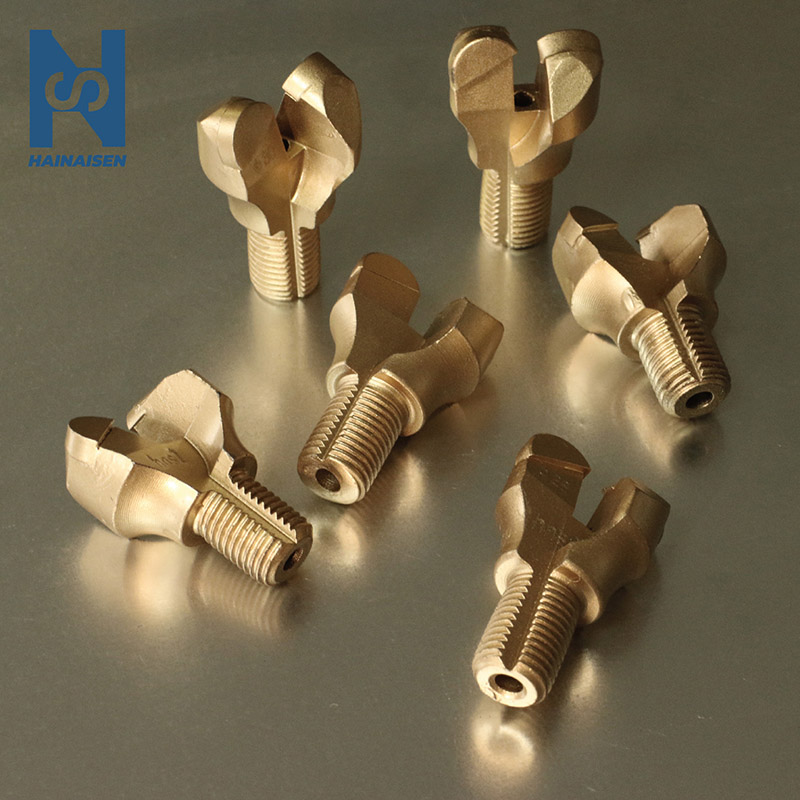 VIEW MORECoal Mining Tools PDC Anchor Drill Bit 28mm
logo 1_1777361260784.jpg) VIEW MOREFour Wing Arc Angle PDC Drill Bit
VIEW MOREFour Wing Arc Angle PDC Drill Bit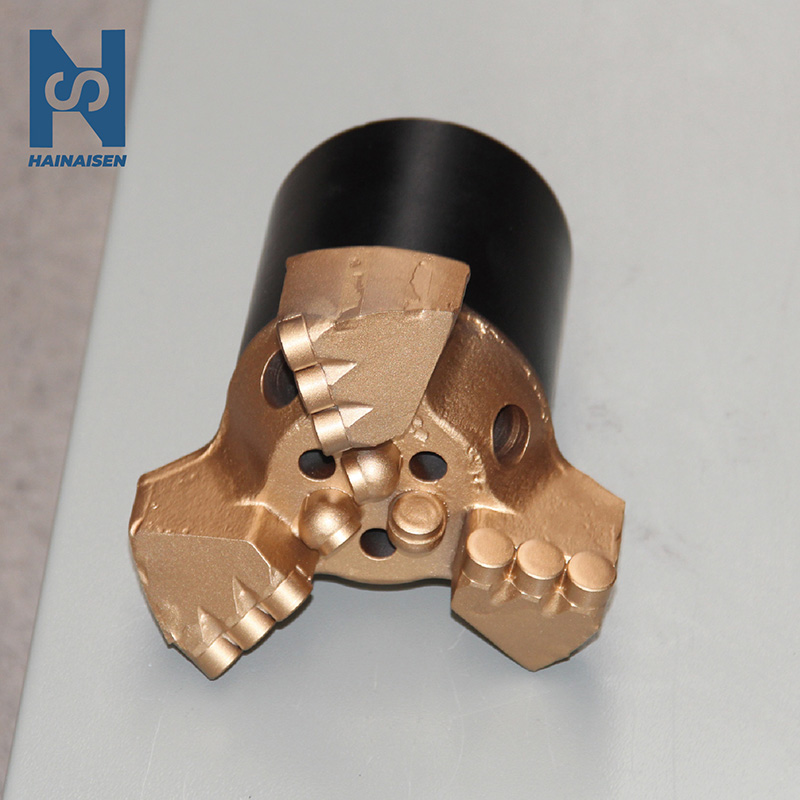 VIEW MOREThree Blade Concave Drill Bit Api For Manganese Coal Mines
logo 1_1768274683075.jpg) VIEW MORECoal Mine Drilling Opening And Closing Drill Bit
VIEW MORECoal Mine Drilling Opening And Closing Drill Bit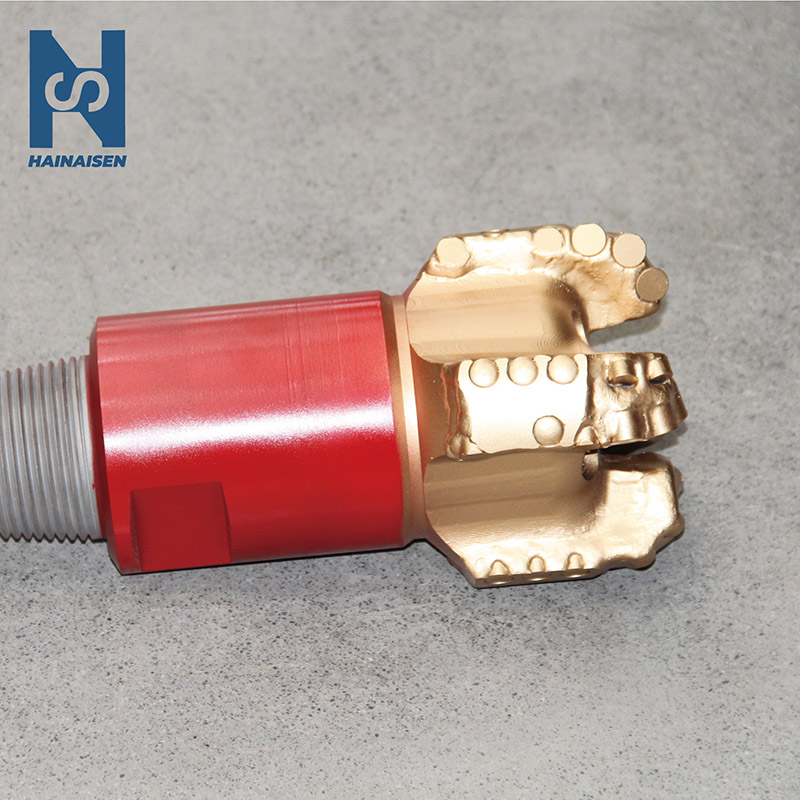 VIEW MOREPetroleum PDC Oil Drill Bit
 VIEW MOREPDC Diamond Bit
 VIEW MORE6-Blade PDC Drill Bit
