







Seven Blade Wing Oil Drilling Drill Bit Hydraulic Performance
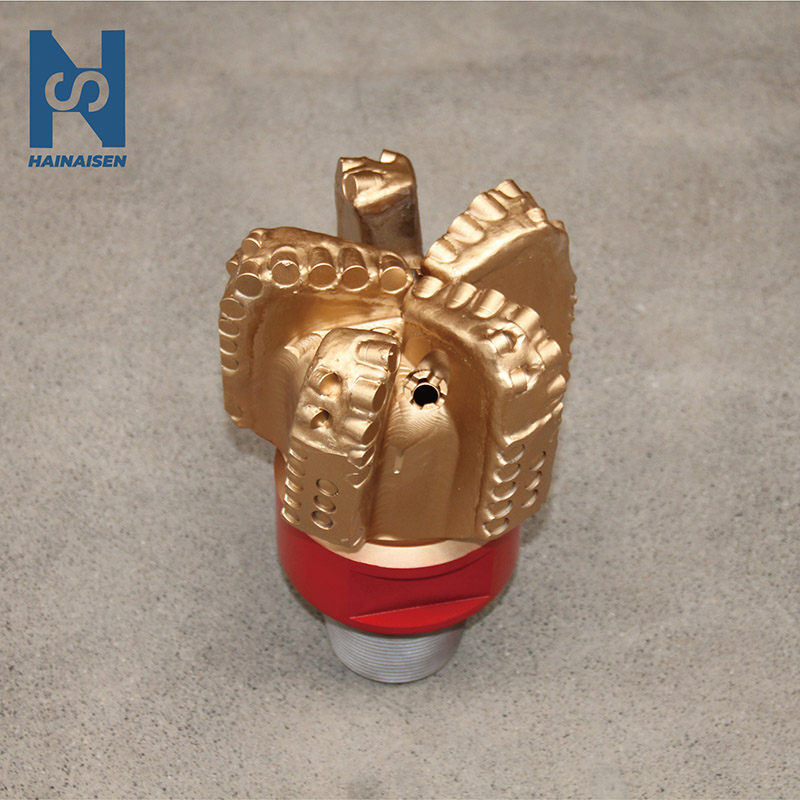
In terms of drilling technology, the Seven Blade Wing Oil Drilling Drill Bit is a big step forward. Its improved design gives it better hydraulic performance. In this multi-blade PDC bit design, hydraulic efficiency has a direct effect on how well cuttings are evacuated, how well heat is managed, and how fast the bit penetrates the rock. With its seven-blade design, the architecture makes the junk holes bigger, which improves fluid flow and stops bit balling while keeping stable flow patterns even when pressure is high. This design has measured practical benefits, such as less time spent on non-productive tasks, longer bit life, and lower energy use per foot drilled.
Understanding the Hydraulic Performance of Seven-Blade Wing Oil Drilling Drill Bits
How well the drilling fluid moves through and around the bit face, taking away rock chips and keeping the cutting structure cool, is determined by hydraulic performance. When procurement managers and technical experts look at drill bits, they're really just checking to see how well the tool turns hydraulic horsepower into drilling action.
Core Principles of Hydraulic Efficiency in Multi-Blade Designs
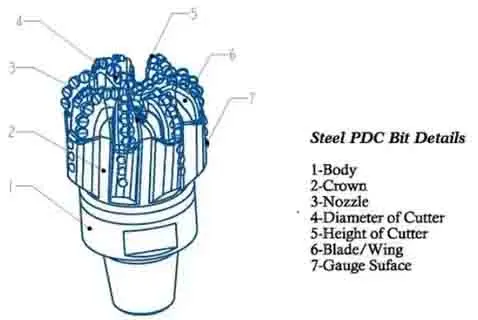
There isn't a straight line between the number of blades and hydraulic efficiency. Adding more blades makes the cutting surface bigger, but the distance between them is just as important. Our seven-blade design achieves the best balance by making clear flow paths that keep fluid moving and avoid areas where cuts might build up.
Design Innovations That Enhance Fluid Dynamics
Premium materials are what make hydraulic longevity possible. During the bit's service life, the high-strength steel body can survive wear and tear from harsh drilling fluids and formation particles. It also stays stable in its dimensions, which keeps the intended flow patterns. Our PDC cutters don't break down when heated or hit something, and their shape doesn't change in ways that make hydraulics less effective, as they do with regular bits. The shape of the wing between the blades speeds up the flow of water. When fluid flows into these channels, the curved surfaces cause pressure differences that push the cuts outward and upward toward the annulus. This system lowers the amount of horsepower needed to clean holes effectively, so workers can use that energy to go deeper more quickly. This efficiency gain can cut drilling time by 15–25% compared to standard five-blade designs in medium-hard rocks, which is where the S433 really shines. Engineers who plan drilling projects know that better hydraulics lead to better operational measures. When cuttings are removed better, the equal circulating density goes down. This means that formation damage is less likely to happen, and differential sticking is less likely to happen. The steady pressure profile across the bit face also spreads wear more evenly across all cuts, stopping the early failure modes that happen with bits that don't have good hydraulic design.
Seven Blade Wing Oil Drilling Drill Bit vs. Traditional Drill Bits: Hydraulic and Operational Comparison
To compare drill bit types, you need to look at both their hydraulic drill bit petroleum properties and how well they work in the field. The seven-blade configuration is in a unique space between traditional five-blade bits and more aggressive designs. It has specific benefits for certain types of formations and tactical goals.
Hydraulic Flow Characteristics Across Different Blade Configurations
Traditional three-blade bits have big junk holes but not much cutting structure, so they can't go as deep, even though they have great hydraulic flow. Five-blade designs make drilling go faster, but cuttings can get stuck together in formations that aren't too sticky. This is where the seven-blade design comes in. It fills the gap by providing more cutting structure density while still allowing enough flow paths. When digging through interbedded rocks, which are layers of sandstone, shale, and limestone that come and go, hydraulic consistency is very important. When the hardness of the shape changes quickly, it can mess up the flow of conventional bits, which can cause them to ball up or stop the motor. A seven-blade design with various flow routes provides redundancy that keeps hydraulic performance stable during these changes. Roller cone bits are strong, but they make rough cuts that make hydraulic carriage more difficult. Because they crush things, fines and bigger pieces get mixed up, so higher flow rates are needed to get rid of them effectively. When PDC Bits have the right number of blades, they make more regular cuts that clear more reliably. This means that less hydraulic horsepower and circulating pressure are needed.
Real-World Performance Data From Field Applications
When oil service companies in the Permian Basin switched from five-blade to seven-blade PDC bits in carbonate and sandstone layers that are interbedded, the drilling rate went up by an average of 18%. It was especially helpful in long horizontal parts where cutting movement becomes hard, so the hydraulic performance was better. When seven-blade versions were used in abrasive rocks, coal mines in the Powder River Basin reported longer bit life. Because the hydraulic flow was even across all cutters, wear was spread out evenly. This meant that bits could keep cutting efficiently for longer, which cut down on the number of times they had to be tripped. The purchasing managers at these companies said that the total cost per foot drilled went down by about 12%, even though the starting cost per bit was a little higher.The flexibility that hydraulic effectiveness offers is appreciated by teams that drill water wells. Maintaining performance across different formation types, such as soft alluvial deposits and harder consolidated sands, cuts down on the need for inventory and makes bit selection easier. This operating flexibility is especially helpful for smaller drilling companies that work on a variety of projects and need to carefully manage the money they spend on tools.
Key Specifications and Maintenance Tips to Optimize Hydraulic Performance
Technical specifications are the basis for matching the powers of a drill bit to the needs of the activity. Engineers can get the best hydraulic performance out of a bit for as long as it lasts by understanding how these factors affect each other.
Critical Technical Parameters of the S433 Model
The IADC rating for our S433 seven-blade bit says it can work with soft to medium forms that are moderately abrasive. The 210 mm height and 53 mm gauge length keep the drill stable during directed drilling while still allowing enough flow. The 3-1/2 REG PIN connection makes sure that it works with normal drill string parts, and the 24 kg net weight strikes a good mix between durability and ease of use. The eight-nozzle design lets the hydraulic settings be fine-tuned to fit the drilling conditions. Choosing the right nozzle affects both how fast the fluid leaves the bit and how it flows across the cutting structure. In lighter formations, bigger nozzles slow down the jet to keep cuttings removal at a good level while minimizing formation damage. Jets that are smaller and move faster are better for cleaning harder shapes because they clean more effectively. For this bit size, the best flow rate for hydraulic efficiency is usually between 280 and 380 liters per minute, but this can change based on the formation and the depth of the hole. Cutting buildup and bit balling happen when there isn't enough flow. On the other hand, too much flow wastes hydraulic horsepower and can cause erosion damage. Drilling experts can keep the flow in the right range by using the drill bit petroleum, keeping an eye on the standpipe pressure and return flow features.
Maintenance Practices That Preserve Hydraulic Efficiency
Inspections done on a regular basis find problems as they start to appear before they affect performance. Checking the bit face for uneven wear patterns after each run shows hydraulic imbalances that might need nozzle tweaks or changes to the operational parameters. Erosion patterns on the blade surfaces show where fluid speeds are too high, indicating the need to lower the flow rate or change the shape of the opening. When inspecting cutter damage, it is important to pay special attention to the state of cutters in areas with fast flow, usually near valves and along the leading edges of blades. Chipping or heat cracking in these places means that the material isn't being cooled properly or is being loaded too heavily. Taking care of these problems early on stops catastrophic fails that end bit runs too soon. When trying to improve hydraulic performance, working with makers who offer expert support is very helpful. Our engineering team at Shaanxi Hainaisen Petroleum Technology Co., Ltd. helps with choosing the right bits, setting up working factors, and fixing problems. When certain uses need hydraulic properties that aren't available in standard designs, we can make changes to them using our customization tools. This way of working together helps buying teams get the most out of the tools they buy while also making sure that it works well in the field every time.
Procurement Guide: Selecting and Purchasing Seven-Blade Wing Oil Drilling Drill Bits
To get through the buying process, you have to balance professional needs with business needs. Buyers have to check the trustworthiness of the seller and make sure that the equipment they buy works as expected.
Matching Bit Design to Operational Requirements
Bit selection choices are based on the formation characteristics of a particular site. Geological studies and records from offset wells show the hardness, abrasiveness, and transitional zones of the rock, which affect the amount of water that is needed. Formations with a lot of clay need better hydraulic cleaning to keep bits from balling up, which is why seven-blade designs with improved junk slot shape are best. In areas with a lot of fractures, you need bits that are stable and stay in contact with the face of the formation. The gauge length and blade shape provide lateral stability. Fluid system compatibility makes sure that the pumping power available can provide the flow rates and pressures needed for the best hydraulic performance. To get the desired jet speeds while also making up for friction losses in the drill string, rig pumps must provide enough volume at the right pressure. Multi-blade PDC bits have hydraulic benefits, but if the fluid systems aren't strong enough, the bits won't work well in the field, no matter how good the bits are. Purchasing managers should check that suppliers have Certifications that show they can make quality products consistently. ISO 9001 approval means that quality control systems have been in place for a while, and API specifications make sure that materials and dimensions are compatible. Our Xi'an plant follows strict quality standards, and each product goes through a lot of tests before it is shipped. This dedication to quality lowers the chance of failures in the field, which wastes time and money and causes problems.
Commercial Considerations and Supplier Evaluation
Price structures change a lot between suppliers because they have different amounts of manufacturing skills, material quality, and customer service. While water well drilling teams often focus on the initial cost, oil service companies know that the total cost of ownership, which includes bit life, entry rates, and support services, is a better way to judge value. Volume purchasing deals can help you get better prices and make sure that your operations can keep running without interruptions. Warranty rules show how confident the company is in the quality of the goods. Full guarantees that cover production flaws and early wear show that you care about your customers' happiness. Understanding the terms of a guarantee, such as the limits of coverage and how to file a claim, keeps disagreements from happening when problems do happen. Our warranty plans protect buyers against problems with the materials or the way they were put together, and they also offer expert support to make bits work better. Logistics skills affect how long projects take and how well materials are managed. Reliable providers make sure they have enough stock on hand and can speed up orders when business needs require it. When you buy from Manufacturers overseas, you need to know a lot about international shipping. You need to know about customs processes, paperwork needs, and how to get the best freight rates. We work with trusted logistics partners to make sure deliveries happen on time and keep shipping costs as low as possible.
Future Trends and Innovations Impacting Hydraulic Performance in Oil Drilling Drill Bits
As technology keeps getting better, drill bit design is changing, Seven Blade Wing Oil Drilling Drill Bit, but hydraulic efficiency is still the main goal. New innovations offer even more efficiency gains that will change the standards for performance in the business.
Advanced Design Technologies and Smart Integration
With computational fluid dynamics software, engineers can now model hydraulic behavior with a level of accuracy that has never been seen before, before making real samples. These computer tools show flow patterns, pressure ranges, and turbulence zones that were hard to find before without a lot of testing in the field. Through iterative design optimization, the best blade shapes and nozzle placements are found for each type of structure to get the most hydraulic efficiency. New materials that are being developed offer better resistance to wear and keep the hydraulic shape over a longer service life. High-wear areas are kept safe from the rough action of drilling fluids and formation cuts by nanostructured coatings and improved carbide formulas. Because of these new materials, makers can make blade shapes that are more aggressive and would wear out too quickly in traditional materials. This pushes the limits of performance. Adding sensors to drill bits is the next big thing in drill bit technology. Embedded sensors that measure temperature, vibration, and even wear rates in real time will allow adaptive drilling systems to change operating settings automatically to keep hydraulic performance at its best. This method, which is based on data, will reduce the knowledge gap between more experienced drilling experts and newer employees, making advanced drilling techniques more available to everyone.
Sustainability and Operational Efficiency
Environmental factors are becoming more and more important in the creation and use of tools. Cutting down on the amount of drilling fluid used by improving hydraulic efficiency helps both the environment and the bottom line. Seven-blade designs that successfully remove cuttings at lower flow rates lower water use in places where activities are limited by the availability of freshwater. Optimizing hydraulics can save energy and help cut down on the carbon footprint of drilling activities. When the flow pressure is lower, the pump horsepower needs to be less, which directly cuts down on fuel use and pollution. As regulations make it more and more necessary to cut down on pollution, equipment that is naturally more efficient gets a competitive edge. Longer side sections in horizontal wells are becoming more common in the business, which makes hydraulic performance even more important. Long-reach drilling makes it harder to move cuttings, so bit hydraulics that work well are needed to clean holes in the farthest parts of horizontal sections. In the future, bits will be made with features that are especially made for these tough jobs, like blade profiles and nozzle setups that work best with horizontal flow.
Conclusion
The speed and cost-effectiveness of digging are largely determined by how well the hydraulics work. The seven-blade wing design improves fluid dynamics by adding more junk slots, making sure that cutters are spread out evenly, and designing flow paths that consistently remove cuttings from a variety of forms. Technical details like blade shape, nozzle placement, and material choice all work together to provide measured operating benefits, such as faster entry rates, longer bit life, and less downtime. Professionals in procurement can make better choices when they know how these hydraulic features affect performance in the field. This helps them balance the initial investment with the total cost of ownership. Even though drilling technology is getting better and more environmentally friendly, hydraulic optimization will still be a part of how equipment is designed and how operations are run.
FAQ
1. What makes hydraulic performance important in drill bit selection?
How well the bit takes cuttings and handles heat is based on its hydraulic efficiency. Bad hydraulics make bits ball up, slow down entry, and shorten the life of the bit. Seven-blade designs with optimized flow patterns keep the cutting surfaces clean. This means that cutters can keep working with the formation material instead of grinding up old cuts over and over, which wastes energy and speeds up wear.
2. How does a seven-blade bit compare to five-blade designs in abrasive formations?
When you have seven blades, the cutting forces are spread out over more contact spots. This lowers the load on each cutter and slows down wear in rough situations. The extra blades also improve the spread of fluid flow, which stops erosion in certain areas. Field data shows that bits with ten to fifteen blades last 10-15% longer in fairly rough sandstone than bits with five blades when used according to the instructions.
3. What operational adjustments optimize hydraulic performance?
It is very important to match the flow rate to the properties of the rock. For soft forms to stay together, the flow needs to be mild. Harder rocks, on the other hand, need faster flows that clean them more thoroughly. By keeping an eye on the bit's weight, its rotating speed, and the pressure in the standpipe, you can find the optimal operating window where hydraulic and mechanical efficiency meet, resulting in the highest entry rate without reducing the bit's durability.
Partner With HNS for Superior Seven-Blade Wing Drill Bit Solutions
The Shaanxi Hainaisen Petroleum Technology Co., Ltd. blends great manufacturing skills with technical know-how to make drill bits that work in the toughest situations. Our building is 3,500 square meters and has advanced 5-axis machining centers and CNC tools that make precision-engineered bits, like the S433 type that we sell a lot, and that has been improved for better hydraulic performance. As a trustworthy company that makes Seven Blade Wing Oil Drilling Drill Bits, we offer customization services through our in-house research and development team, making designs fit your unique formation problems and operational needs. Our expert support team is here to help you choose the right bit and put it into action, whether you're drilling for oil and gas, developing water wells, or running a mining business. Email us at hainaisen@hnsdrillbit.com to talk about how our seven-blade PDC bits can help you drill more efficiently and save money on costs.
References
1. Bourgoyne, A.T., Millheim, K.K., Chenevert, M.E., and Young, F.S. (1991). Applied Drilling Engineering. Society of Petroleum Engineers, Richardson, Texas.
2. Bellin, F., Dourfaye, A., King, W., and Thigpen, M. (2010). "The Current State of PDC Bit Technology." World Oil Magazine, Vol. 231, No. 9, pp. 67-71.
3. Winters, W.J., Warren, T.M., and Onyia, E.C. (1987). "Roller Bit Model With Rock Ductility and Cone Offset." SPE Annual Technical Conference and Exhibition, Paper SPE 16696.
4. Detournay, E. and Defourny, P. (1992). "A Phenomenological Model for the Drilling Action of Drag Bits." International Journal of Rock Mechanics and Mining Sciences, Vol. 29, No. 1, pp. 13-23.
5. Warren, T.M. and Armagost, W.K. (1988). "Laboratory Drilling Performance of PDC Bits." SPE Drilling Engineering, Vol. 3, No. 2, pp. 125-135.
6. Pessier, R.C. and Fear, M.J. (1992). "Quantifying Common Drilling Problems With Mechanical Specific Energy and Bit-Specific Coefficient of Sliding Friction." SPE Annual Technical Conference and Exhibition, Paper SPE 24584.
 VIEW MORESix Blade Wing Petroleum Drill Bit
 VIEW MOREFour Blade PDC Rock Drill Bit
 VIEW MOREOil Diamond Drill Bit
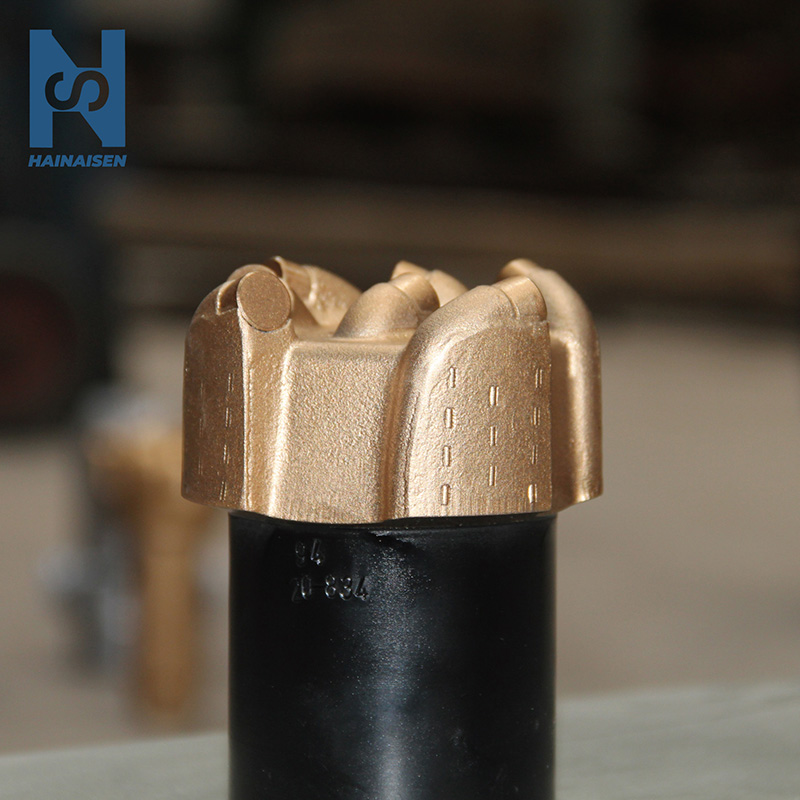 VIEW MOREPDC Flat Top Sintered Drill Bit
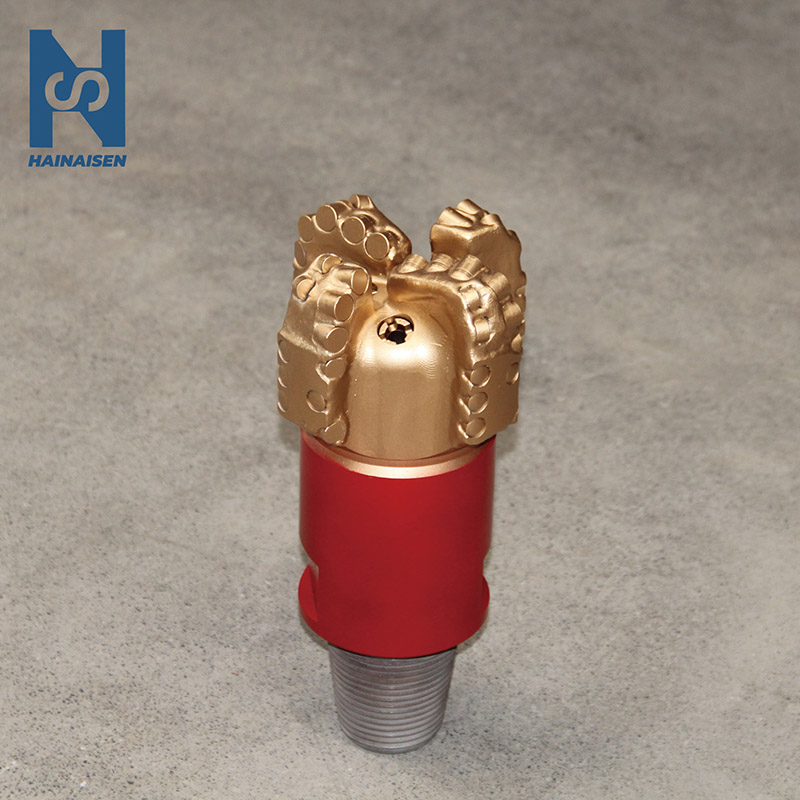 VIEW MOREFour Blade Wing Oil Drilling Tool
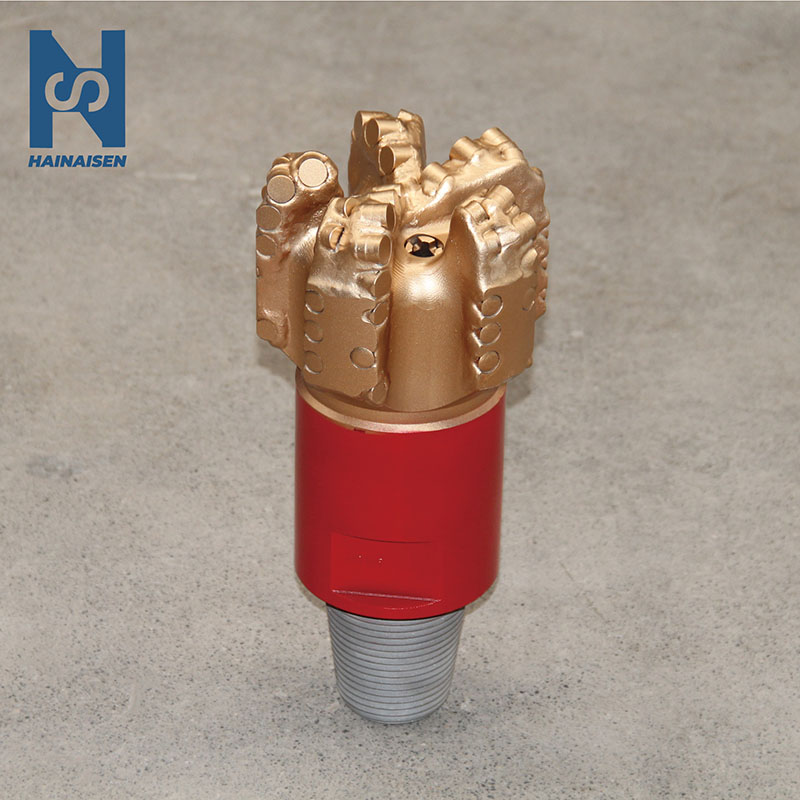 VIEW MORE5 Blade Matrix Body PDC Drill Bits
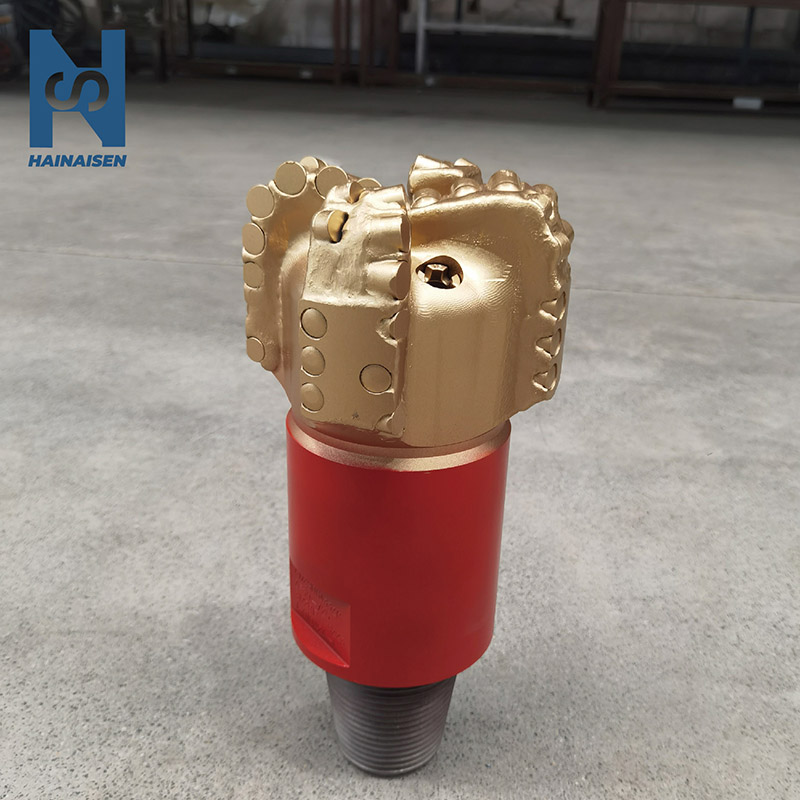 VIEW MOREPetroleum Drilling Equipment PDC
 VIEW MOREPDC Rock Drill Bit
