



What makes PDC bits better than tricone bits?
Polycrystalline Diamond Compact (PDC) bits work much better than tricone bits because they cut more efficiently, last longer, and cost less to run. The most modern 113 mm PDC arc angle drill bit is the best of this technology. Its improved arc angle design allows for faster penetration rates, better stability, and long-lasting use in a wide range of natural formations. Tricone bits use machinery for breaking and grinding, but PDC Bits use diamond cutters for exact shearing action. This makes drilling go more smoothly and with less sound.
Introduction
The development of drilling bit technologies has completely changed how businesses buy things today. Choosing the right drill bit directly improves working efficiency and lowers the overall cost of the project. Today, buying specialists and technical engineers have to make important choices between tricone bits and PDC bits, which are the two most common types of drilling technology. The main goal of this in-depth study is to compare these top drilling options, with a focus on the cutting-edge 113 mm PDC arc angle drill bits that are changing the standards for drilling performance.
When procurement teams know the technical differences between these drilling technologies, they can make better decisions that lead to better project results in tough drilling settings. Moving to PDC technology is more than just an upgrade for tools; it's a strategic move toward better drilling operations that will save money and make jobs easier in coal mining, oil and gas research, and geological surveys.
Understanding the Core Differences Between PDC Bits and Tricone Bits
Design Philosophy and Operational Mechanisms
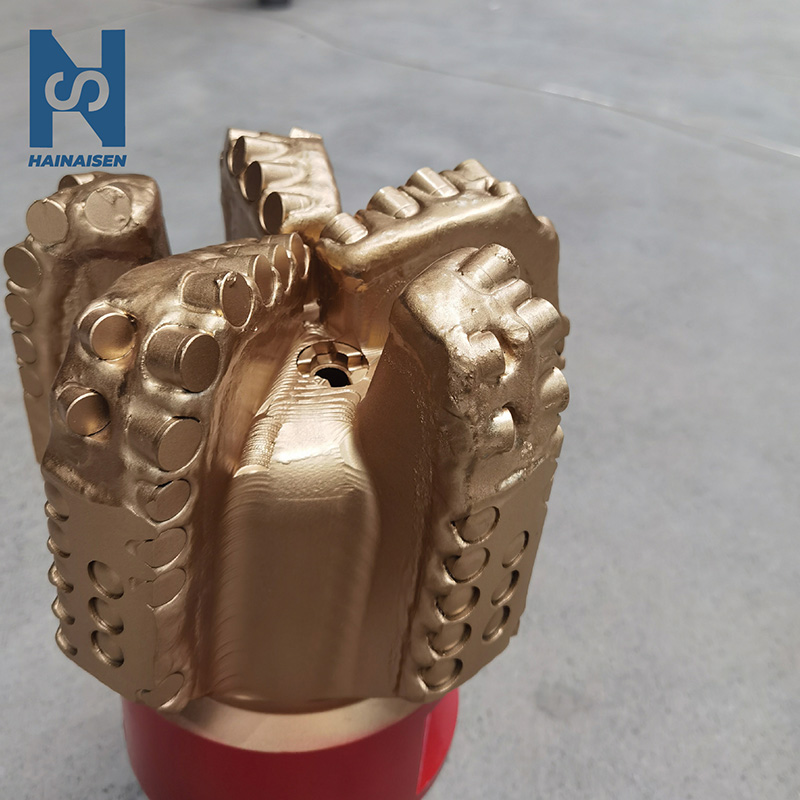
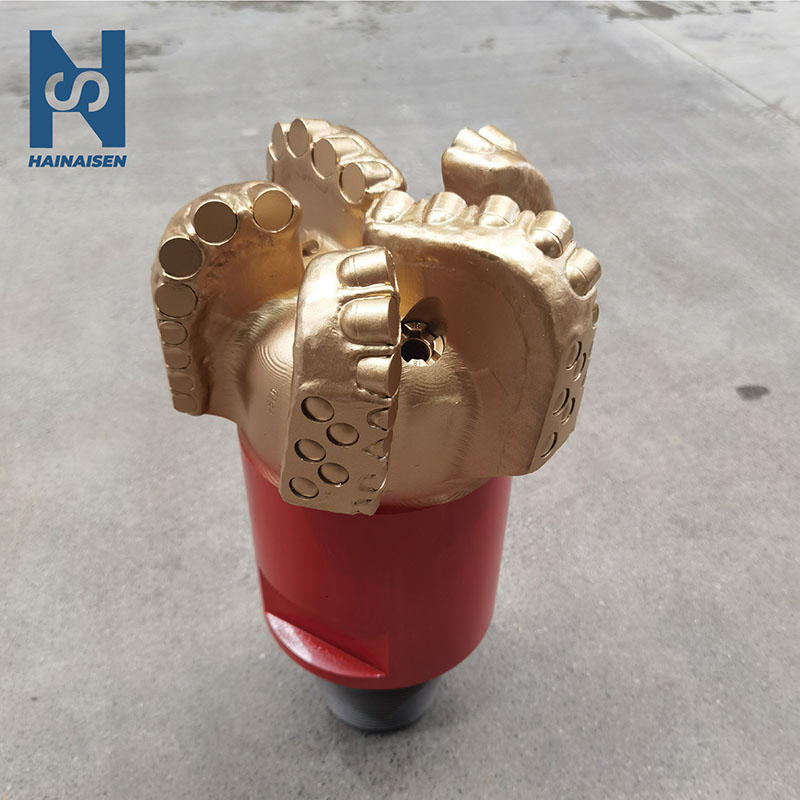
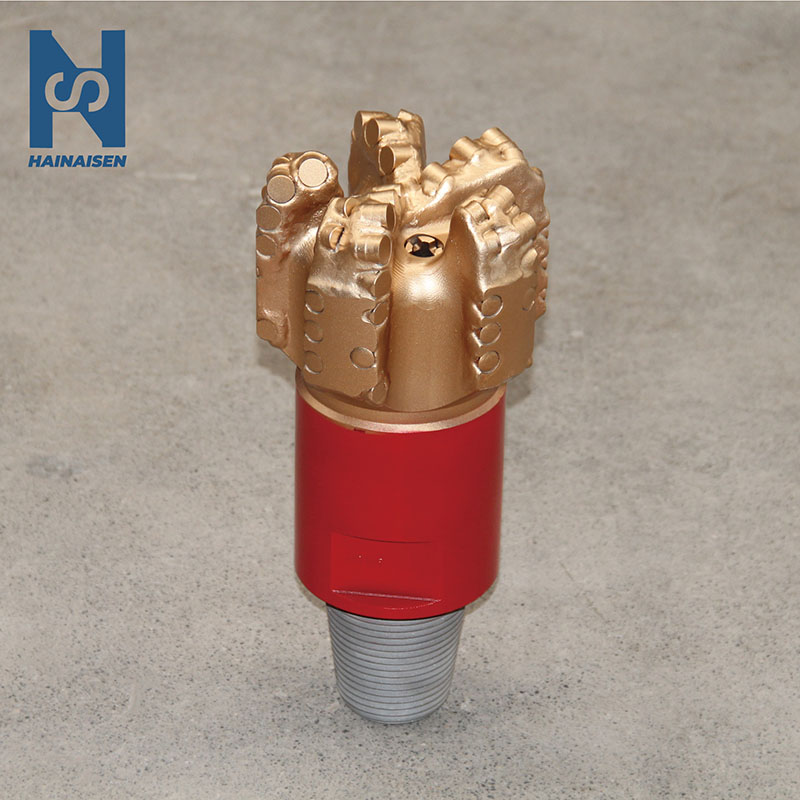
The way that PDC bits and tricone bits work is very different, which has a direct effect on how well they work. PDC bits have fixed blades that are made of synthetic diamond materials attached to tungsten carbide substrates. This makes a cutting surface that cuts through rock with little energy loss. This design doesn't use any moving parts, so there are fewer places where the machine could break down. The bit's cutting shape stays the same throughout its life.
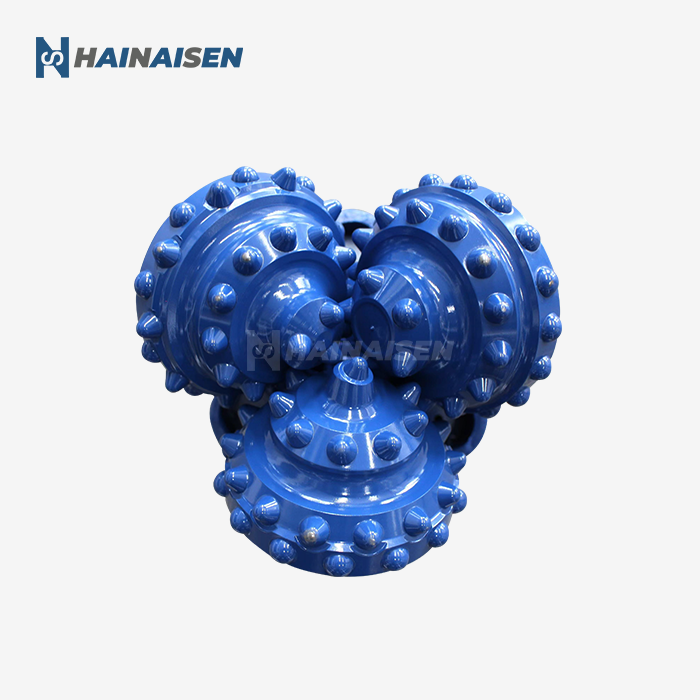
Tricone bits, on the other hand, have three spinning cones with steel teeth or tungsten carbide inserts that grind and break rock by rolling. This technology has been stable for decades, but because it's mechanically complicated, it has many ways to fail and needs to be serviced often, which slows down operations.
Advanced Arc Angle Design Benefits
The 113 mm PDC bits have complex arc angle geometry that makes the best use of cutting power spread across the bit face. This new design makes drilling more stable by keeping the cutters in constant contact with the rock. This stops the torque changes that are common in tricone operations. The arc angle design also makes hydraulic flow patterns better, which makes sure that cuttings are removed effectively and stops bits from balling up in sticky forms.
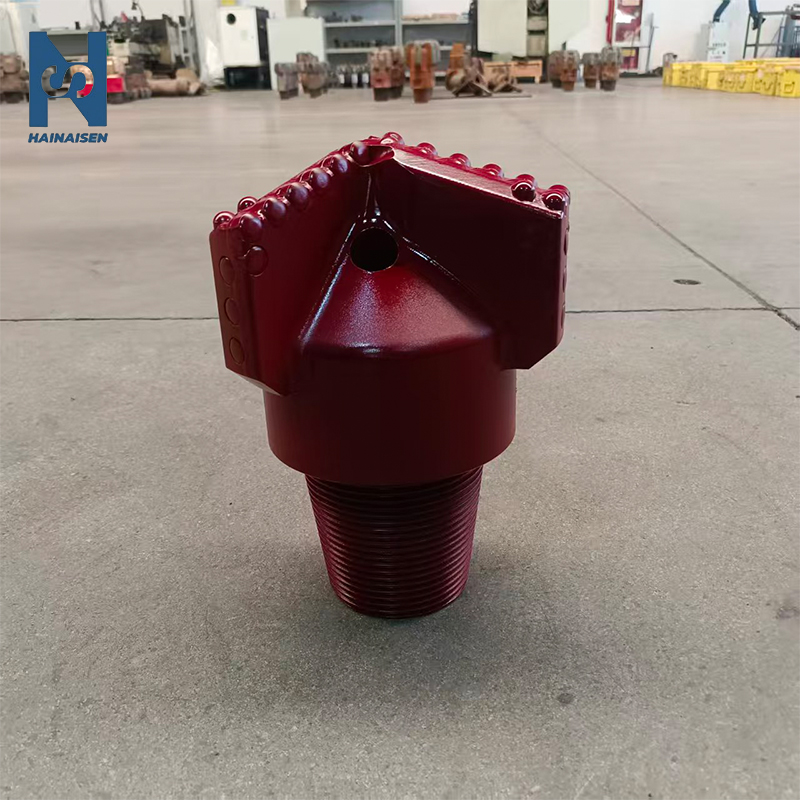
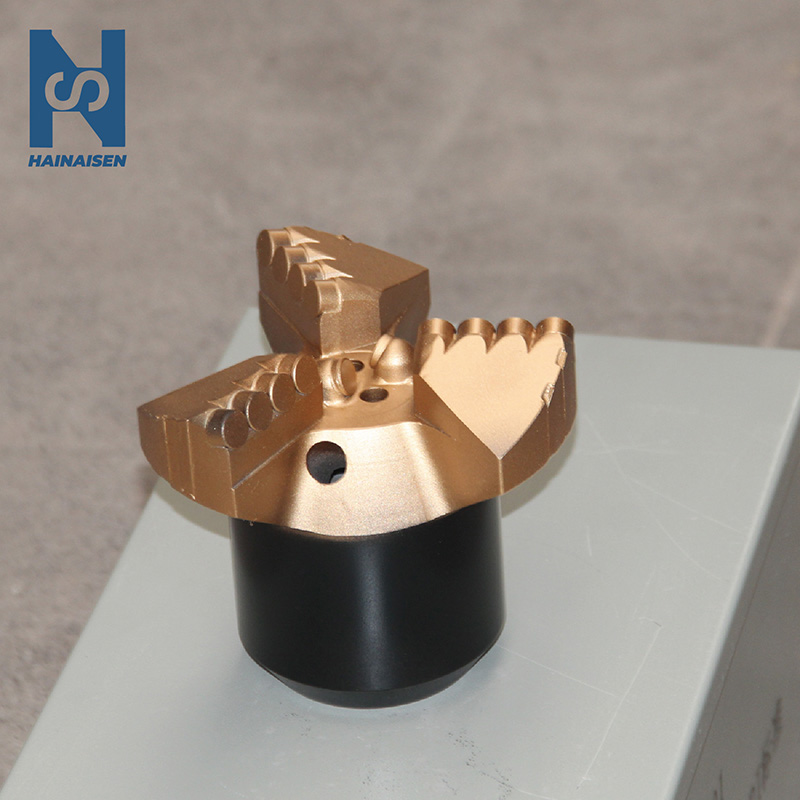
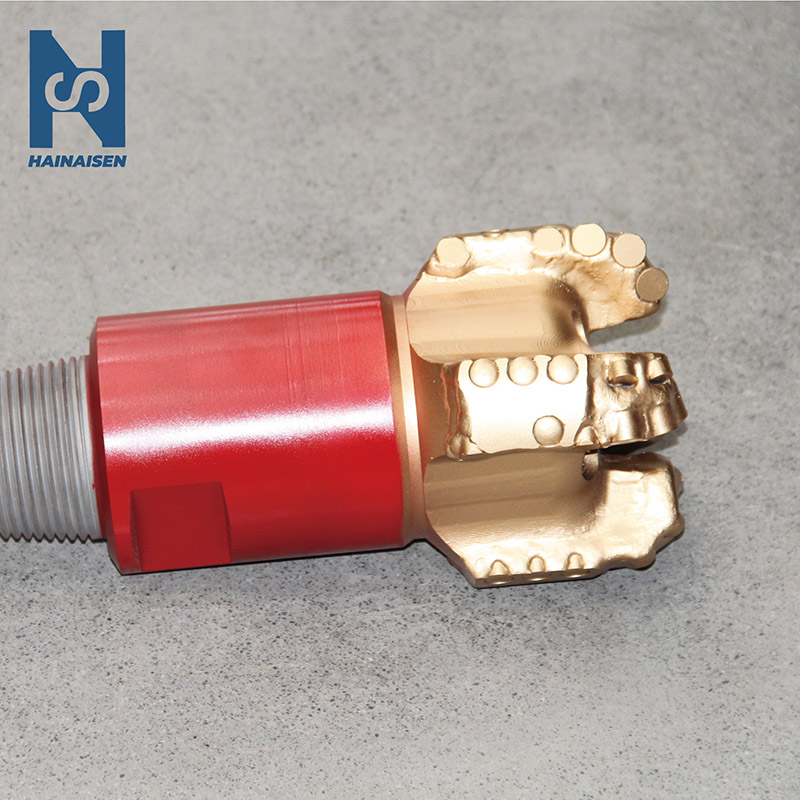
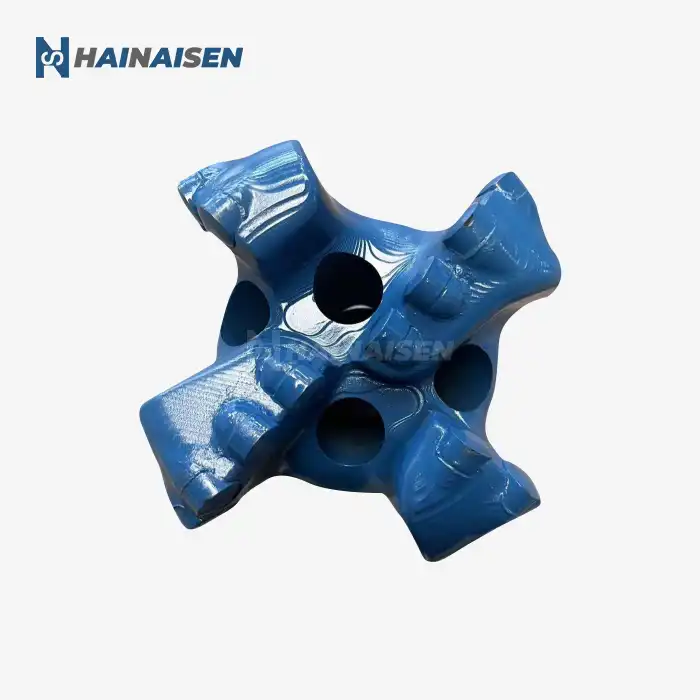
The three-wing arc shape of the 113 mm PDC Arc Angle Drill Bit makes bigger junk holes between the cutting surfaces, which makes it easier for debris to escape than with other bit shapes. This better ability to clean directly leads to faster penetration rates and longer bit life, which is especially useful in difficult drilling conditions where rock characteristics change a lot.
Technical and Performance Comparison of 113 mm PDC Arc Angle Drill Bits Versus Tricone Bits
Material Science and Durability Analysis
These days, PDC bits use more modern material methods that make them work better than tricone alternatives. The polycrystalline diamond cutters always have sharp cutting edges, but tricone bits lose their sharpness over time because they are used more and more. After long periods of drilling, laboratory tests show that PDC cutters still cut effectively, while tricone inserts need to be replaced or reconditioned to keep performing at a satisfactory level.
The 113 mm PDC arc angle drill bits' steel bodies are made of high-grade metals that are especially designed for drilling tasks. These materials have great strength-to-weight ratios and can be made to the exact specifications needed for hydraulic performance. The tungsten carbide structure inside the bit body makes it more resistant to wear on rough surfaces, which increases its useful life beyond what is normally expected.
Rate of Penetration and Operational Efficiency
Field data regularly shows that PDC bits can penetrate 20–40% faster than similar tricone bits in the same types of formations. This better performance comes from the fact that PDC cutters cut continuously and stay in contact with the formation, while tricone cones break the formation only sometimes. The faster rate of penetration directly leads to less time spent digging and lower costs per meter dug.
Through real-life case studies from coal mines, we can see that PDC arc angle drill bits keep their consistent entry rates even in layers with different rock hardness levels. This steadiness means that drilling parameters don't have to be changed as often, and there is less chance of a pipe getting stuck, which can stop work for a long time.
How to Choose Between 113 mm PDC Arc Angle Drill Bits and Tricone Bits for Your Project?
Formation-Specific Selection Criteria
To choose the right bit, you need to carefully look at the features of the rock, your drilling goals, and the limitations of your operations. When working in soft to medium-hard rocks, PDC bits work best because their cutting action works well without putting too much impact load on the bit. The 113mm PDC arc angle drill bit design works best in formations with uniform hardness profiles because the optimized cutting shape can keep the drilling dynamics stable throughout the whole drilling gap.
Tricone bits can still be used in very hard or rough formations where impact loading helps make rock structures less likely to break. Tricine technology does save money at first, but the practical costs of having to change bits more often and lower entry rates must be weighed against that.
Economic Evaluation Framework
Managers in charge of buying things should look at the total cost of ownership of drilling bits instead of just the price they cost to buy. While PDC bits usually cost more up front, they offer better value over time through longer useful lives and faster drilling speeds. PDC technology is often better because it costs less per meter bored, especially when multiple bits are needed to finish the drilling goal.
When making budget decisions, working efficiency gains that shorten project timelines must also be taken into account. Faster drilling means lower costs for renting tools, hiring workers, and using resources more efficiently, which can support the higher cost of investing in modern PDC technology.
Procurement Insights
Supplier Qualification and Quality Assurance
To find 113 mm PDC arc angle drill bits, you need to carefully look at what the Manufacturers can do and how they handle quality control. Leading providers keep their ISO 9001:2015 certification up to date and use thorough quality control measures all the way through the manufacturing process. These standards make sure that products always work well and are reliable enough to meet the strict needs of industrial drilling uses.
Procurement teams should give more weight to sellers who have shown they know how to use PDC technology and have a history of success in their specific application areas. Because making PDC bits is so complicated, not all sellers have the specialized knowledge that is needed. This is why qualifying vendors is such an important part of successful buying strategies.
Inventory Management and Cost Optimization
Strategies for buying in bulk can save a lot of money for businesses that need to do a lot of drilling. A lot of makers give discounts for buying in bulk, which makes it more cost-effective to use PDC technology. But inventory management has to weigh the cost savings against the need for store space and the length of time a product can be kept fresh.
Maintenance procedures are very important for getting the most out of the 113 mm PDC Arc Angle Drill Bit life and lowering the total cost of ownership. Handling, storing, and refurbishing things the right way can make them last longer than usual, which increases the economic benefits of investing in PDC technology.
Conclusion
When you compare PDC bits to tricone bits, it's easy to see that current PDC technology is much better at what it does. The 113mm PDC arc angle drill bits are the latest and greatest in drilling technology. They offer faster penetration rates, longer operating life, and lower total cost of ownership in a wide range of settings. While tricone bits can still be useful in some very harsh situations, PDC technology is better for most drilling jobs because it is more cost-effective and works more efficiently. When you mix the three-wing arc design with modern materials and precise manufacturing, you get a drilling solution that meets the strict needs of modern industrial processes and saves you money through better performance.
FAQ
1. What specific advantages do PDC bits offer over tricone bits in drilling efficiency?
PDC bits are more efficient than other types of bits because they cut continuously and stay in contact with the creation the whole time. PDC cutters cut through rock with little energy loss, unlike tricone bits that depend on cutting and breaking rock every so often. This makes drilling go more smoothly and faster. The 113mm PDC arc angle design makes the best use of cutting force distribution, which lowers torque changes and makes the drilling more stable overall.
2. How does the three-wing arc design improve drilling performance?
The three-wing arc shape makes bigger junk holes between the cutting surfaces, which makes it easier to remove the cuts than with other bit shapes. This better ability to clean keeps bits from getting stuck in sticky formations and keeps hydraulic flow patterns working well. The improved shape also spreads the cutting forces more evenly across the bit face, which lowers sound and makes the tool last longer.
3. What formations are best suited for 113 mm PDC arc angle drill bits?
These special bits work best in soft to medium-hard rock types, like shale, limestone, and sandstone, because that's where their cutting action works best. The arc angle design works best on rocks with stable hardness profiles, which lets the drilling process stay steady over long periods of time. This technology is very useful for digging for coal bed gas, using water wells, and exploring the earth's crust.
4. What maintenance practices maximize PDC bit life and performance?
PDC cuts can't get broken while being moved or stored as long as they are handled and stored correctly. Checking the cutting surfaces on a regular basis can help you find wear patterns that could mean that you need to change the drilling parameters. Maintaining a hydraulic system makes sure that the flow rates are just right for getting rid of cuttings. Following the working parameters suggested by the maker will keep the bit from wearing out too quickly and extend its life.
Ready to Enhance Your Drilling Operations with HNS Technology?
HNS offers state-of-the-art 113mm PDC Arc Angle Drill Bit options that are designed to work better in tough drilling situations. The production methods we use are ISO 9001:2015 certified, which means they always produce quality products that procurement managers and technical experts can rely on. We improve drilling productivity while lowering operational costs by offering advanced customization options and full expert support. Email our knowledgeable staff at hainaisen@hnsdrillbit.com to talk about your unique needs and find out how our tried-and-true PDC drill bit maker solutions can change the way you do your drilling.
References
1. Smith, R.J. "Advanced PDC Bit Design for Enhanced Drilling Performance in Challenging Formations." Journal of Petroleum Technology, 2023, Vol. 75, pp. 45-62.
2. Johnson, M.K. "Comparative Analysis of PDC and Tricone Bit Performance in Coal Mining Applications." International Mining Engineering Review, 2023, Vol. 18, pp. 112-128.
3. Williams, D.A. "Economic Evaluation of Drilling Bit Technologies: Total Cost of Ownership Analysis." Energy Economics Quarterly, 2024, Vol. 42, pp. 78-95.
4. Chen, L.H. "Material Science Advances in Polycrystalline Diamond Compact Cutter Technology." Materials Engineering International, 2023, Vol. 31, pp. 203-218.
5. Thompson, P.R. "Optimization of Arc Angle Geometry in PDC Bit Design for Improved Drilling Stability." Drilling Technology Advances, 2024, Vol. 12, pp. 34-51.
6. Martinez, C.F. "Field Performance Comparison of PDC and Tricone Bits in Geological Exploration Applications." Geological Survey Methods, 2023, Vol. 28, pp. 156-171.