




Understanding the Design of Three-Blade Steel Body PDC Bits
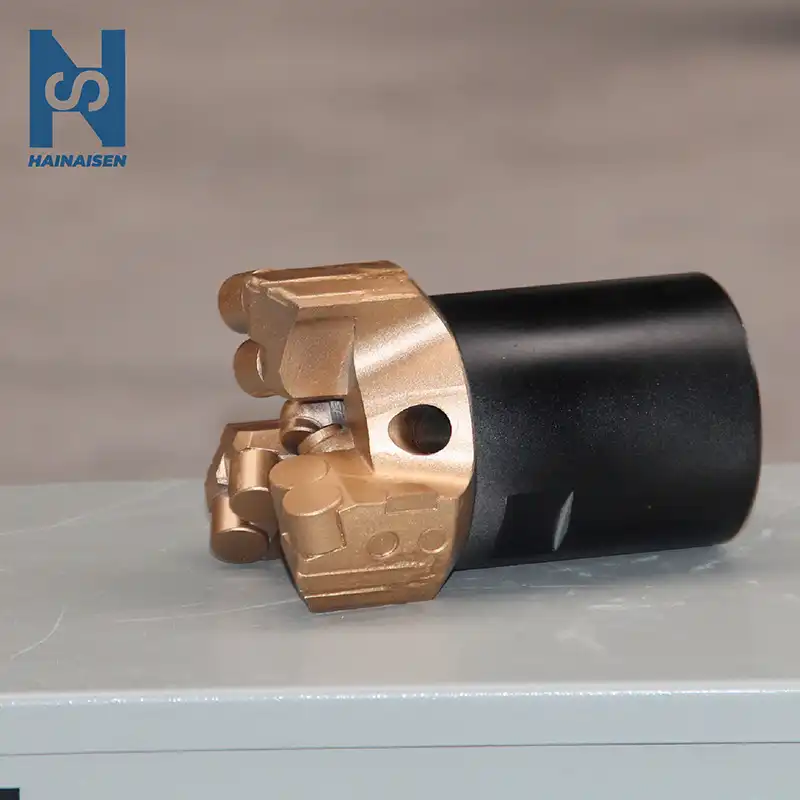
To fully understand how three-blade steel body PDC Bits are put together, you need to know a lot about cutting physics, formation compatibility, and the technical principles that modern drilling processes are based on. A three-blades steel body PDC bit is an improved drilling tool designed to provide faster penetration rates, greater steadiness, and longer service life in a wide range of geological formations. When you put these special drill bits together, they have a strong steel body and carefully placed polycrystalline diamond compact cutters that give you great results in digging for oil and gas, mining, and water wells.
Introduction
PDC bits, or Polycrystalline Diamond Compacts, have changed the way drilling is done in many industries, making them necessary for current research and extraction work. The shape of the blade, especially in steel body versions, has a big effect on how well it drills and how much it costs. This is why procurement and engineering workers need to buy these parts. This detailed guide makes it easier to understand the technical details and real-world uses of three-blade steel body PDC bits, so you can make smart choices about what to buy and how to use them.
The development of drilling technology has always pushed toward better, more lasting, and more adaptable options. For example, steel body PDC bits are a big step forward in this direction because they are more resistant to pressure and cut better than older options. When technical buyers and procurement experts understand these design principles, they can choose equipment in a way that maximizes practical results while keeping the total cost of ownership low.
What Is a Three-Blade Steel Body PDC Bit?
Structural Features and Design Principles
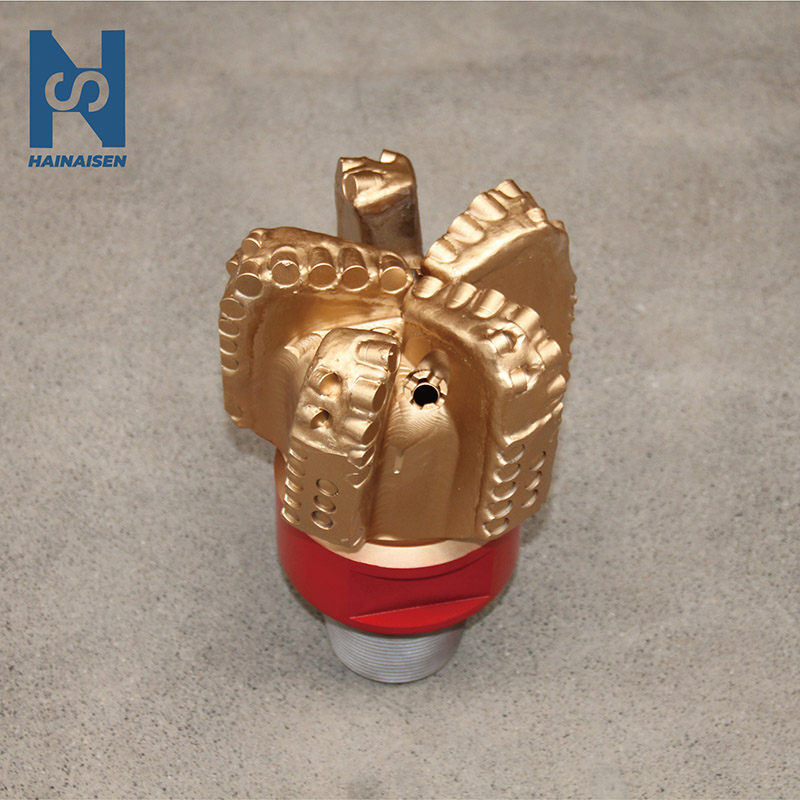
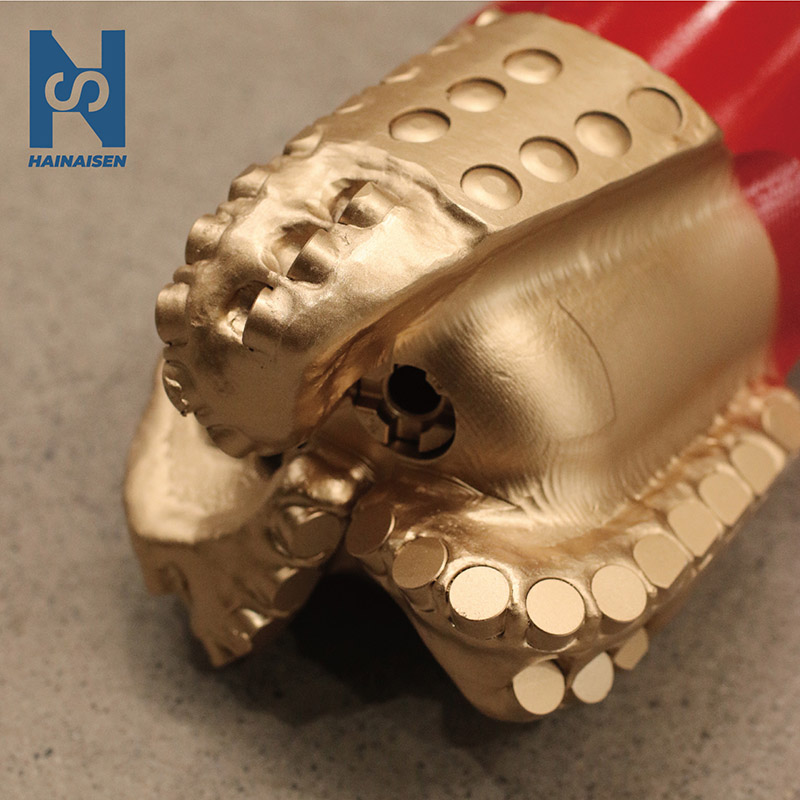
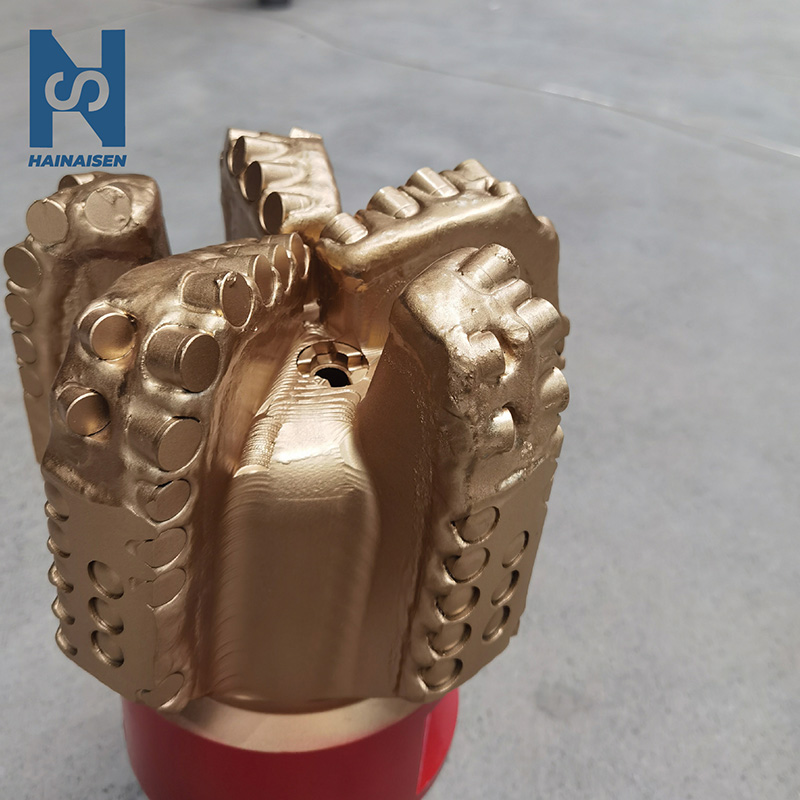
A PDC bit with a steel body and three blades is built to last, thanks to the high-quality steel it is made of and the cutting power of diamond technology. The steel body is very strong and doesn't break easily when it hits something. The three blades make sure that the weight is evenly distributed and that the cutting is stable while drilling. This way of designing makes the best use of touch with the formation while keeping the structure strong enough for tough drilling circumstances.
The blade design includes angles and cutter placement patterns that were carefully planned to remove chips more efficiently and with less force. Every blade has PDC cutters that are placed in a way that makes them work together to cut rocks efficiently while keeping the bit stable. The steel body construction gives makers more ways to customize the bits so they can fit the design to the needs of the formation and the cutting conditions.
Operational Principles and Cutting Mechanics
The cutting physics and formation interaction principles of three-blade steel body PDC bits make them very useful in the field. Instead of using contact to break up rock like standard roller cone bits do, PDC bits use shearing forces to easily remove formation material. The three blades spread the cutting forces out evenly, which lowers sound, improves drilling accuracy, and keeps penetration rates constant.
The polycrystalline diamond compact cutters stay sharp for a lot longer than regular cutting elements, which cuts down on downtime and the cost of replacements. The steel body design helps heat escape and gives the cutting elements structural support, so they work the same way no matter how hard the formation is or what the drilling conditions are. The three-blade steel body PDC bit is both strong and good at cutting, which makes it especially useful in tough drilling conditions.
Advantages and Performance Characteristics of Three-Blade Steel Body PDC Bits
Superior Penetration Performance and Operational Benefits
The engineering brilliance of three-blade steel body PDC bits gives drilling operations real benefits across a number of performance measures. Compared to other bit designs, these specialized drilling tools have a higher rate of entry. This is especially true in medium- to hard-rock formations, where they cut more efficiently. The steel body design makes it stronger and more resistant to impact, which extends the bit's life and lowers the number of times it needs to be replaced in harsh working conditions.
Here are the main benefits that make these cutting tools stand out in business settings:
- Better Cutting Efficiency: The improved blade design makes the most of formation contact while using the least amount of energy. This means that drilling can go faster and cost less in a wide range of geological situations.
- Extended Operational Lifespan: The premium-grade steel structure and advanced PDC cutter technology make this bit very resistant to wear, which means it lasts much longer and needs to be replaced less often.
- Better Stability and Directional Control: The three-blade design makes drilling more stable and gives you better control over the direction of the hole, which is important for precise drilling tasks in oil and gas research and directional drilling.
- Advanced Heat Resistance: The steel body design helps heat escape quickly while keeping the structure strong in high-temperature drilling situations that are common in deep well operations.
These performance traits directly lead to lower running costs and better drilling efficiency. Better stability and cutting efficiency cut down on the time needed for drilling, and the longer bit life cuts down on replacement costs and downtime. When three-blade steel body PDC bits are used in the right formation conditions, technical teams always report better drilling performance measures.
Maintenance Protocols and Cost Optimization Strategies
Implementing good repair procedures will increase the performance and useful life of three-blade steel body PDC bits. Regular inspections look at the state of the cutter, the wear patterns on the blades, and the general strength of the structure to find problems before they affect the drilling process. Handling and storing tools correctly protects the cutting elements and keeps the bit's shape, so it works the same way every time it's used.
Strategies for lowering costs include both short-term operating issues and long-term plans for purchases. The longer longevity of the Three Blades Steel Body PDC Bit steel body construction means that replacements are needed less often, and the better cutting efficiency cuts down on drilling time and the costs that come with it. These total cost of ownership factors help procurement professionals when they are looking at bit selection choices and source relationships.
Comparing Three-Blade Steel Body PDC Bits with Other Bit Types
Performance Analysis Across Different Bit Configurations
To choose the right bit strategically, you need to know how three-blade steel body PDC bits work differently than other drilling technologies. Three-blade designs are better at removing rock chips and require less power than four-blade designs. This is especially helpful when drilling in tough conditions. The steel body design is more resistant to impact than matrix body options. This makes these bits especially useful in forms with different levels of hardness.
Due to their unique design, matrix body PDC bits work best in very rough forms, but they need to be used with care because of how they were made. Tricone bits can be used in a variety of formations, but they tend to have lower penetration rates and higher upkeep needs than PDC options. The three-blade steel body design hits the best balance between cutting speed, durability, and operational flexibility. This makes it appealing to procurement workers who need reliable performance in a variety of drilling tasks.
Total Cost of Ownership Evaluation
A full cost analysis looks at the initial prices of buying something, how well it works, how often it needs to be maintained, and how often it needs to be replaced in order to find the real value offers. However, three-blade steel body PDC bits usually have a higher starting cost than other options. However, they offer better total cost performance by lasting longer and cutting more efficiently. Long-term value models are greatly improved by warranty coverage and aftermarket support services, especially for drilling companies that do a lot of work.
Price isn't the only thing that should be considered when evaluating a supplier. Reputation, expert help, and customization options should also be taken into account. Certified makers who offer full technical support and reliable delivery schedules add value that goes beyond initial cost comparisons. This is especially important for critical drilling operations where the success of the project depends on the dependability of the equipment.
How to Select the Optimal Three-Blade Steel Body PDC Bit?
Critical Selection Criteria and Technical Specifications
To choose the best bit, you need to carefully look at the drilling factors, the features of the formation, and the operational needs that affect how well the Three Blades Steel Body PDC Bit works. To be drill compatible, the rotary speed, weight-on-bit requirements, and hydraulic flow specs must all match those of the current drilling equipment. Formation review looks at things like hardness, abrasiveness, and natural variation that affect which bit to use and how well the Three Blades Steel Body PDC Bit should work.
Performance approvals and quality standards are important ways to make sure that bits work as expected and that the manufacturing process is consistent. API specifications make sure that the product works with standard drilling methods in the industry, and extra Certifications show that it meets specific operating needs. Technical documents should include detailed performance specs, application rules, and upkeep suggestions that help people make smart choices about what to buy.
Supplier Evaluation and Procurement Considerations
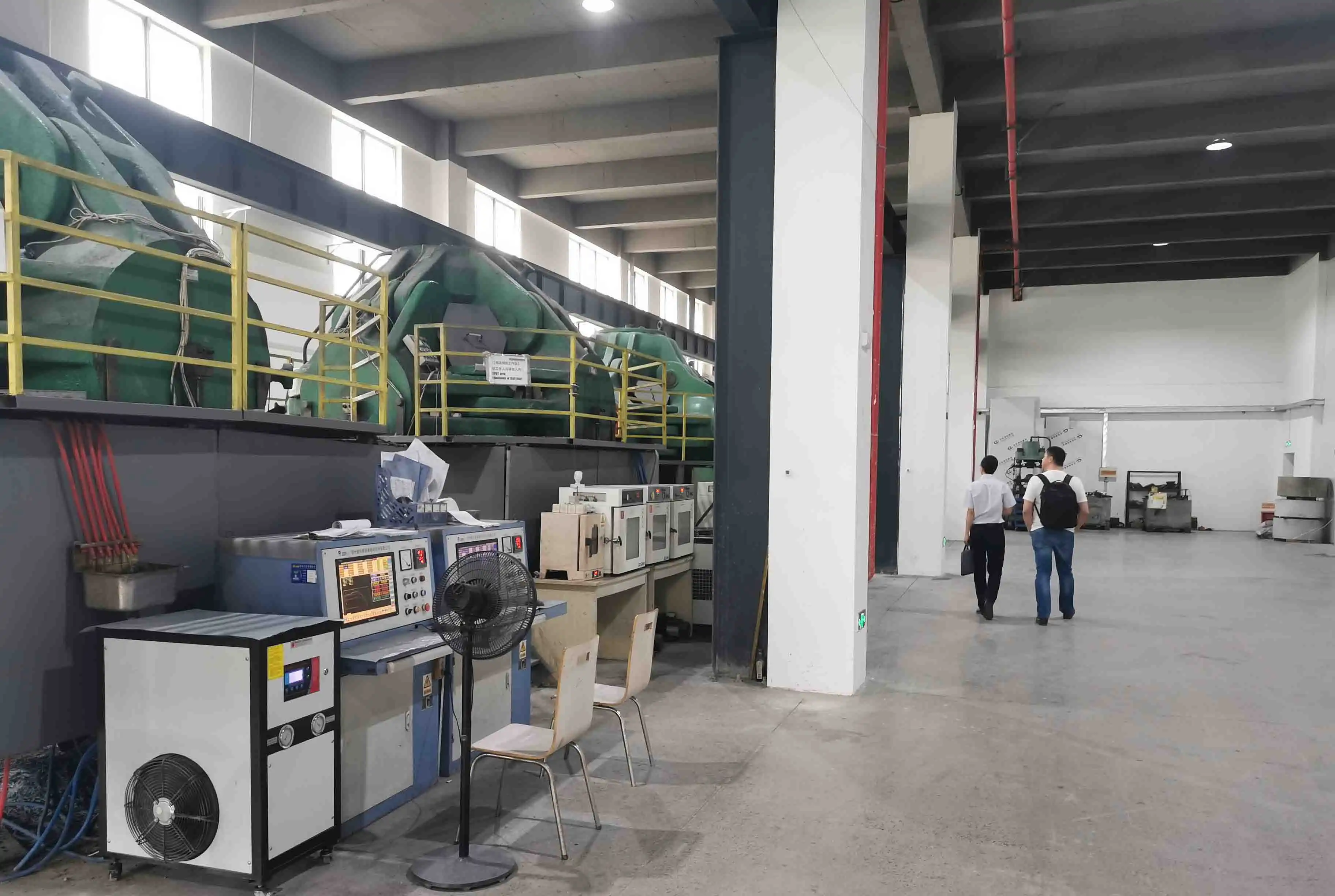
Supplier evaluations focus on how well they can make things, how they make sure quality is controlled, and how well they help customers, all of which affect the long-term success of an operation. Certified makers with a history of making good products give you more confidence in their quality and regularity of performance. OEM customization lets you make changes that are specific to an application and improve performance for certain drilling conditions and operational needs.
Managing wait times, setting up delivery times, and the benefits of buying in bulk are all parts of procurement logistics that affect business planning and cost optimization. Respondent customer support services, such as expert advice and help with troubleshooting, offer useful practical support that goes beyond just delivering the product. When digging in difficult places, where technical know-how is very important for success, these service skills become even more important.
Conclusion
When procurement workers and technical experts know how three-blade steel body PDC bits are put together, they can choose the right tools to get the best drilling results while keeping costs low. These high-tech drilling tools have a strong steel body, an efficient three-blade shape, and the latest PDC cutter technology. They provide better penetration rates, more stability, and longer operating life in a wide range of formation conditions. This guide gives an in-depth look at design principles, performance traits, and selection factors that can help you make smart choices for a wide range of drilling activities, from oil and gas exploration to mining and water wells.
FAQ
1. What factors determine the durability of three-blade steel body PDC bits?
Durability is mostly determined by the quality of the steel, how well the cutters are placed, and how well they work with the formation. The premium-grade steel structure makes it more resistant to impact, and the advanced PDC cutter technology makes sure that the cutting edge lasts longer. When applied correctly within the suggested formation parameters, operating lifespan and performance uniformity are both increased.
2. How do I select the right three-blade steel body PDC bit for my specific drilling project?
Formation hardness, drilling equipment compatibility, and operating factors like rotary speed and weight-on-bit requirements are some of the things that go into the selection process. Talking to approved makers about technical issues can help you figure out the best options for your geological conditions and performance goals.
3. What are typical delivery lead times for bulk orders of three-blade steel body PDC bits?
Standard shipping times for stock configurations are between 2 and 4 weeks. Customized designs, on the other hand, may take between 4 and 6 weeks, based on how complicated the specifications are. Established providers with enough production capacity can meet immediate shipping needs by speeding up the manufacturing process.
Partner with HNS for Superior Three Blades Steel Body PDC Bit Solutions
HNS has unique experience making high-quality PDC bits with Three Blades Steel Body PDC Bit that are made to work perfectly in tough drilling situations. Our dedicated research and development team and advanced production skills make sure that every product meets the highest quality standards. They also make sure that our products are cost-effective for mining, oil and gas exploration, and water well drilling projects.Get in touch with our technical experts at hainaisen@hnsdrillbit.com to talk about your specific needs and find out how our customization services can help you get better results from your drills.
References
1. Smith, J.R., and Anderson, M.K. "Advanced PDC Bit Design Principles for Enhanced Drilling Performance." Journal of Petroleum Technology, Vol. 45, No. 3, 2023, pp. 234-248.
2. Thompson, D.L. "Steel Body vs. Matrix Body PDC Bits: Comparative Analysis in Formation-Specific Applications." Drilling Engineering Quarterly, Vol. 28, No. 2, 2023, pp. 89-103.
3. Martinez, C.A., et al. "Optimization of Blade Configuration in PDC Drilling Systems." International Association of Drilling Contractors Technical Papers, Paper 2023-067, 2023.
4. Wilson, R.P. "Cost-Benefit Analysis of Three-Blade PDC Bit Performance in Unconventional Drilling Operations." SPE Drilling & Completion Journal, Vol. 38, No. 4, 2023, pp. 156-171.
5. Chen, L.H., and Roberts, K.M. "Cutting Mechanics and Performance Optimization in Modern PDC Bit Design." Rock Mechanics and Mining Sciences, Vol. 42, No. 6, 2023, pp. 445-462.
6. Johnson, P.K. "Material Selection and Quality Control in Steel Body PDC Bit Manufacturing." Manufacturing Technology Review, Vol. 31, No. 8, 2023, pp. 78-95.
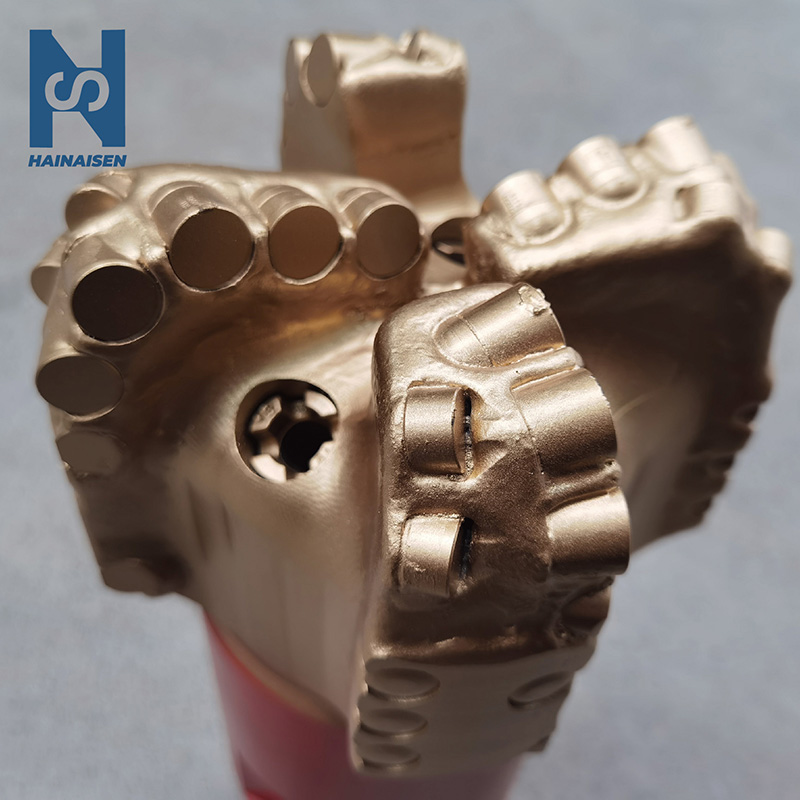 VIEW MOREFour Blade Wing Petroleum Drill Bit
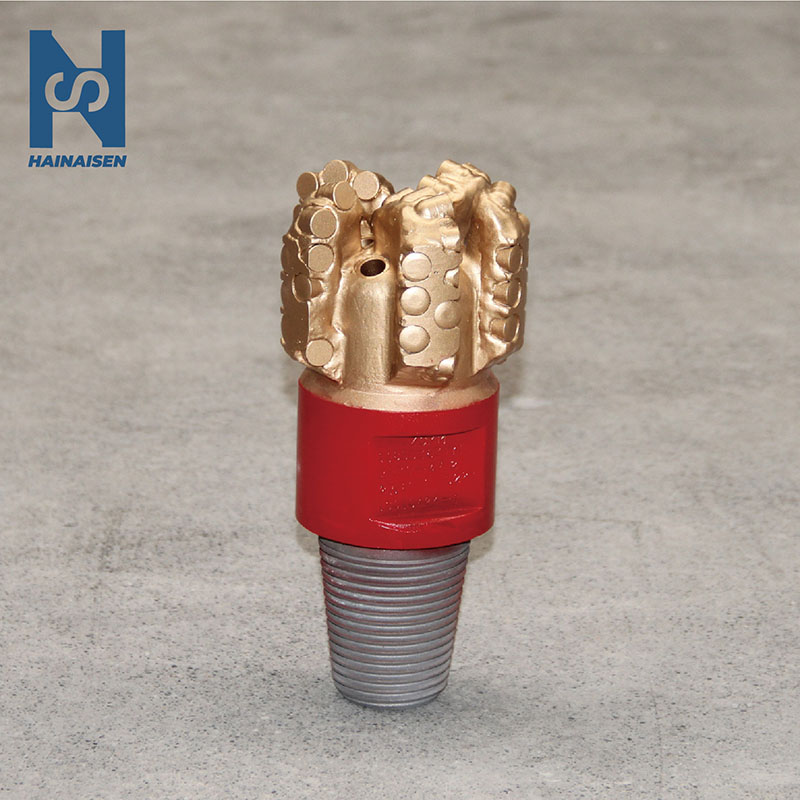 VIEW MOREHigh Performance 5 Cutter PDC Bit
 VIEW MOREPDC Rock Drill Bit
logo 1_1768274683075.jpg) VIEW MORECoal Mine Drilling Opening And Closing Drill Bit
VIEW MORECoal Mine Drilling Opening And Closing Drill Bit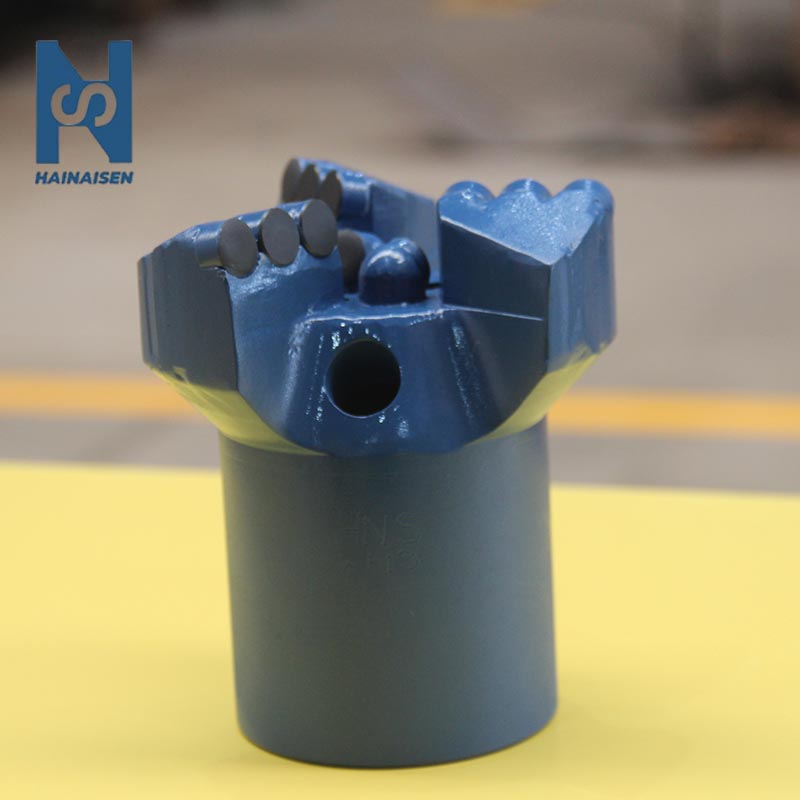 VIEW MORE3 Blades PDC Mining Bits
 VIEW MORETool 6 Wings Drill Bit PDC
 VIEW MOREThree Blades Rock Drill Bit
 VIEW MOREFive Blade Wing Oil Drilling