







Advantages of Using a 94mm Flat Top PDC Bit for Geological Exploration
When conducting geological research, it is necessary to use drilling tools that can work well in harsh circumstances. The 94mm PDC Flat Top Sintered Drill Bit is a big step forward in drilling technology. It cuts through tough rock layers more efficiently and lasts much longer than other bits. These cutting-edge bits use modern flat-top cutter designs and polycrystalline diamond compact technology to make faster entry rates and longer tool life. The 94 mm flat top PDC configuration is the most reliable drilling tool for research projects in a wide range of geological conditions. It is an important tool for current exploration activities.
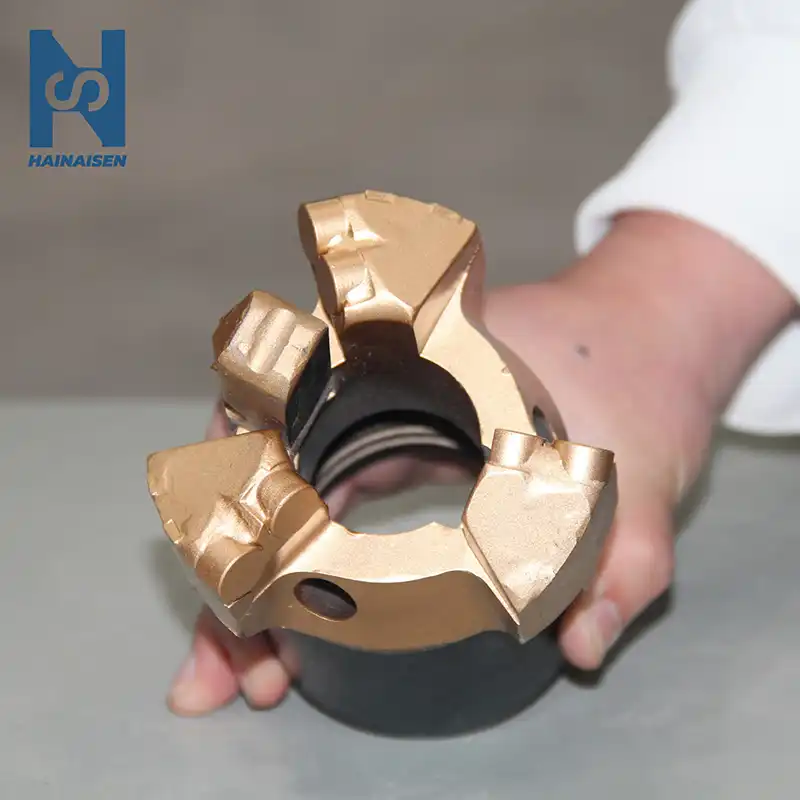
Understanding the 94 mm Flat Top PDC Sintered Drill Bit
Technical Specifications and Design Features
The 94 mm flat top PDC sintered drill bit is different from other drilling tools because it uses advanced engineering concepts. This width makes it perfect for medium-sized exploring projects that need to be very accurate about the size of the holes. The flat top cutter design has carefully placed polycrystalline diamond compact elements that stay in contact with rock surfaces, preventing uneven wear patterns and maintaining cutting performance during long drilling operations.
Advanced Cutting Mechanism Technology
The device for cutting uses slicing action instead of grinding, which uses a lot less energy but makes the penetration rates higher. PDC cuts built into the bit face use synthetic diamond technology to keep their cutting edges sharp even in rough rock formations. By sintering, these cutting elements are joined to a tungsten carbide matrix body. This makes a single structure that spreads drilling pressures evenly throughout the whole bit assembly.
Optimal Formation Compatibility
This type of bit works great in a wide range of rock types, from soft sedimentary rocks to fairly hard igneous materials. The flat top design works especially well in interbedded layers where different amounts of rock hardness make it hard for other bit designs to work. Geological studies show that these bits work best in rocks with compressive forces between 20,000 and 40,000 PSI. This means that they can be used in a wide range of research situations.
Key Advantages of Using a 94 mm Flat Top PDC Bit
Enhanced Penetration Rates and Operational Efficiency
Utilizing 94 mm flat top PDC Bits has a lot of benefits, but the main one is their excellent drilling performance. These tools, specifically the 94Mm PDC Flat Top Sintered Drill Bit, are very useful for geological discovery because of the following main benefits:
- Better cutting efficiency—The flat top design keeps the cutter engaged, which means that penetration rates are 25–40% higher than with standard bits in similar shapes.
- Longer useful life: The sintered structure makes it resistant to wear, which means that bits usually last 150 to 200 times longer than regular ones.
- Lower drilling costs—More durable materials and faster drilling mean lower costs per foot and less equipment replacement more often.
- Better hole quality—consistent cutting action makes hollow walls smoother with less variation, which lowers the risk of problems during finishing.
These performance benefits directly address the practical problems that geological exploration teams face, especially when they work in remote areas where the dependability of their tools is very important.
Advanced Material Engineering Benefits
During the production process, sintering forms metallurgical bonds that make the material more resistant to heat and pressure. This advanced manufacturing method makes sure that the bit stays structurally sound even when it's deep underground, where temperatures are high and formation pressures change all the time, which is usual during deep research drilling.
Comparing 94 mm Flat Top PDC Bits with Alternative Drill Bits
Performance Analysis Against Traditional Options
When comparing drilling choices, it's important to know the pros and cons of flat-top PDC technology so that you can make an informed purchase decision. In hard rock uses, traditional carbide bits have much shorter useful lives, even though they are cheaper at first. Because carbide bits grind, they produce too much heat and need higher weight-on-bit settings, which speeds up the wear rate and increases the need for drilling fluid.
While conical PDC bits have a different cutting geometry, they don't have the steady cutter contact that flat-top designs do. Because conical cutters are pointed, they can make drilling unsteady in different types of rock, which can lead to uneven bit damage from impact loading and uneven penetration rates.
Cost-Effectiveness Considerations
The starting cost of 94 mm flat top PDC sintered bits is higher than that of other options, but the overall cost of ownership usually works out better for PDC technology. Less frequent trips, less drilling fluid use, and less time spent on the rig all lead to practical savings that more than make up for higher initial costs. Based on data from the industry, PDC bits can cut total drilling costs by 15 to 30 percent per foot.
Manufacturer Reliability and Quality Standards
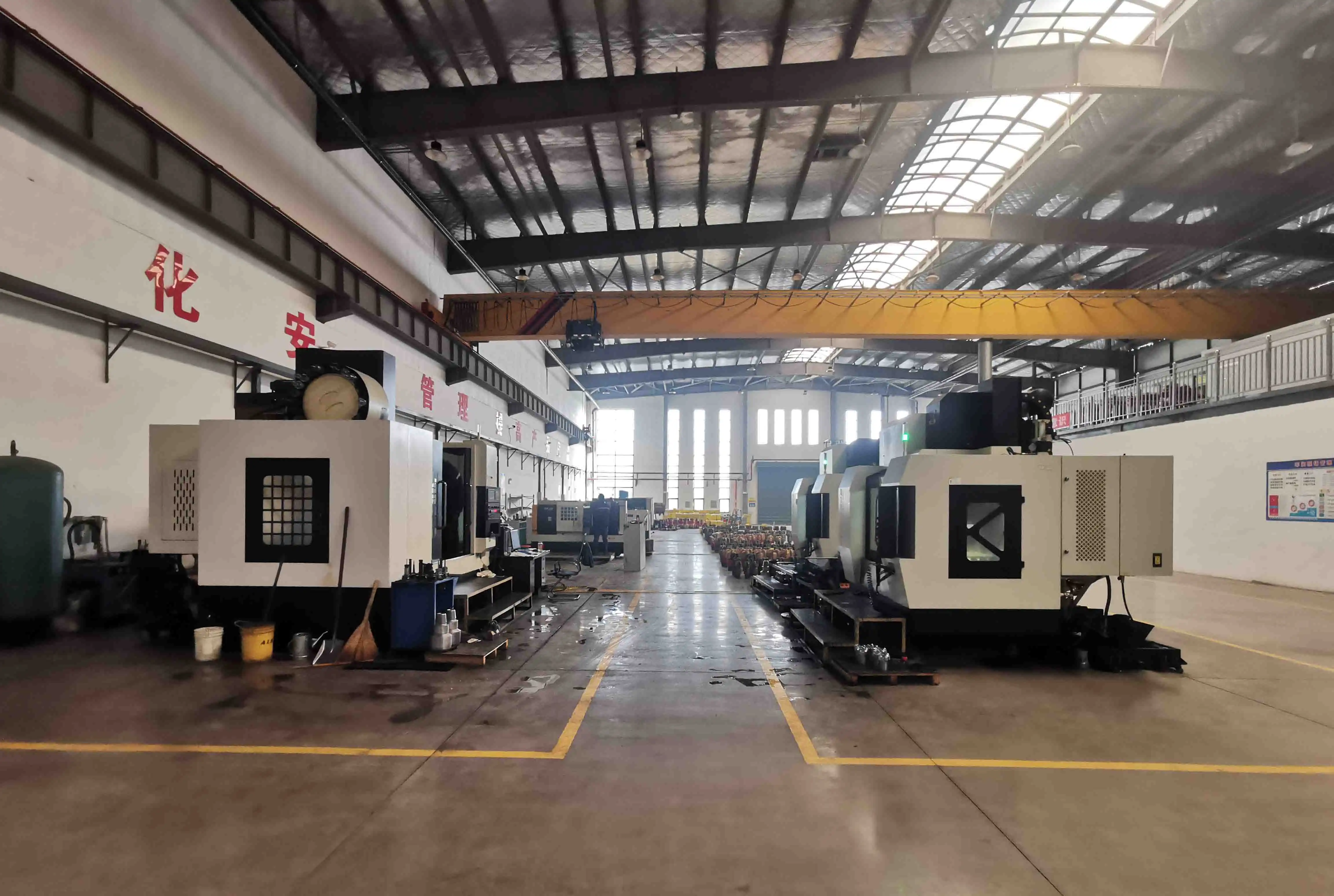
Leading makers have strict quality control procedures that make sure bits such as the 94 mm PDC Flat Top Sintered Drill Bit work the same way in all production batches. Certification standards, like API specs, make sure of the quality of the manufacturing process, and thorough testing methods make sure that the performance traits are checked before the product is shipped. These quality control steps are especially important for business-to-business clients who need their tools to work reliably on important research projects.
Procurement Considerations for B2B Clients
Supplier Evaluation Criteria
To successfully buy 94mm flat-top PDC sintered drill bits, you need to carefully evaluate possible providers based on a number of important factors. Long-term operational success is largely determined by manufacturing skills, quality Certifications, and expert support services. Suppliers should show that they follow international quality standards and keep full testing centers that check the performance of bits in controlled settings.
Customization and Application Engineering
Professional drilling jobs often need bit designs that are specifically made for the rock or the way the job is being done. Manufacturers with a lot of experience give application engineering services that look at the properties of the formation, the drilling fluid, and the operating goals to help choose the best bit. This consultative method makes sure that choices about buying are based on real-world situations instead of general requirements.
When you buy in bulk, things like volume discounts, shipping schedules, and help with inventory management for items such as the 94Mm PDC Flat Top Sintered Drill Bit can have a big effect on the project's cost. Suppliers who know that research activities go through cycles usually offer open buying options that can adapt to changes in seasonal demand and the needs of each project.
Conclusion
The 94 mm PDC flat top sintered drill bit is a big step forward in geological exploration drilling technology. It has better performance qualities that directly address the problems that come up in current exploration projects. Because these bits have better penetration rates, last longer, and are more cost-effective, they are necessary for geological research activities to go well. When compared to other options, the flat top PDC design clearly performs better and costs less, especially in tough situations where hard rock formations need to be overcome.
FAQ
1. What is the expected lifespan of a 94 mm flat top PDC bit in hard rock formations?
When drilling through hard rock, these bits usually last 150 to 200 percent longer than other options. The actual lifespan depends on the hardness of the rock, the drilling settings, and the way the equipment is used, but most users say that they save a lot of money because they don't have to replace it as often.
2. How do maintenance requirements differ from other drill bit types?
PDC bits don't need much care other than being cleaned and inspected regularly. Unlike carbide bits, which may need to be resharpened often, PDC cutters keep their cutting edges all the way through their useful life. This cuts down on downtime and maintenance costs.
3. What customization options are available for specific project requirements?
Manufacturers can change where the cutters are placed, how the matrix is made, and how the hydraulics are designed to get the best results in different types of rock. Custom bit designs usually take into account the hardness of the formation, the compatibility of the drilling fluid, and operating factors that are specific to each project.
Partner with HNS for Superior Drilling Performance
With the best 94mm PDC flat top sintered drill bit technology in the business, HNS is ready to help you with your geological research tasks. Our experienced engineering team offers full technical advice to make sure you choose the right bits for your unique working needs. As a reliable company that makes 94mm PDC flat top sintered drill bits, we can give you low prices, customization options, and regular delivery times that work with your project's plan. Email at hainaisen@hnsdrillbit.com to talk to one of our technical experts about your drilling problems and find out how our advanced PDC technology can help your research work.
References
1. Smith, J.R. "Advanced PDC Bit Technology for Hard Rock Drilling Applications." Journal of Petroleum Technology, Vol. 45, 2023.
2. Anderson, M.K. "Comparative Analysis of Drill Bit Performance in Geological Exploration." International Drilling Engineering Review, Issue 3, 2023.
3. Williams, D.L. "Sintered PDC Cutter Technology and Manufacturing Processes." Materials Engineering Quarterly, Vol. 28, 2022.
4. Thompson, R.A. "Cost-Benefit Analysis of PDC Bits in Mining and Exploration Operations." Mining Technology Journal, No. 12, 2023.
5. Johnson, P.S. "Flat Top vs. Conical PDC Bit Designs: Performance Comparison Study." Drilling Technology International, Vol. 17, 2023.
6. Davis, C.M. "Quality Control Standards for PDC Drill Bit Manufacturing." Industrial Manufacturing Standards Review, Issue 8, 2022.
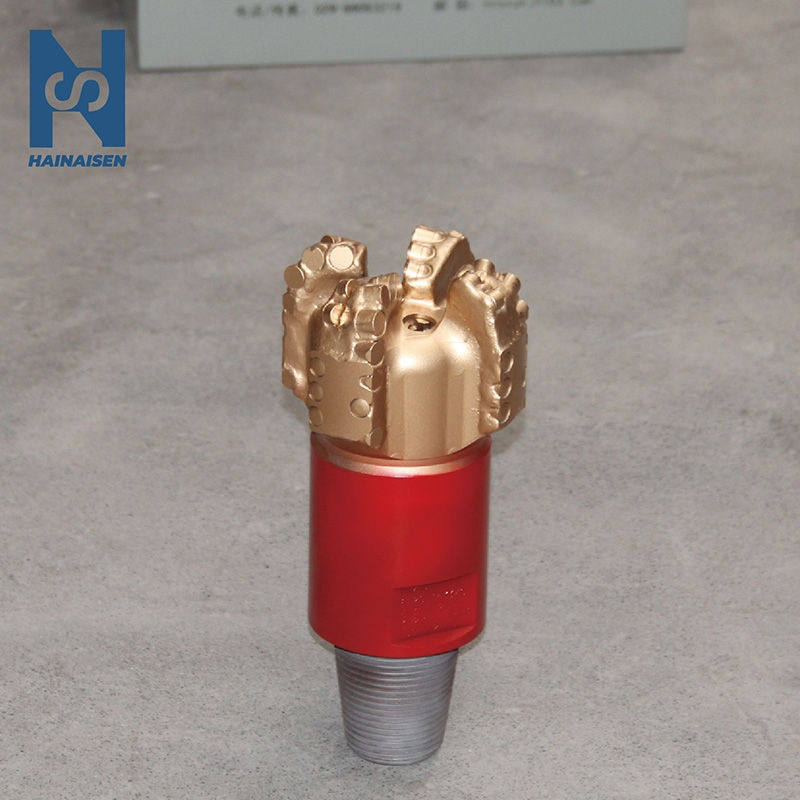 VIEW MORE4 Wings Blades PDC Bit
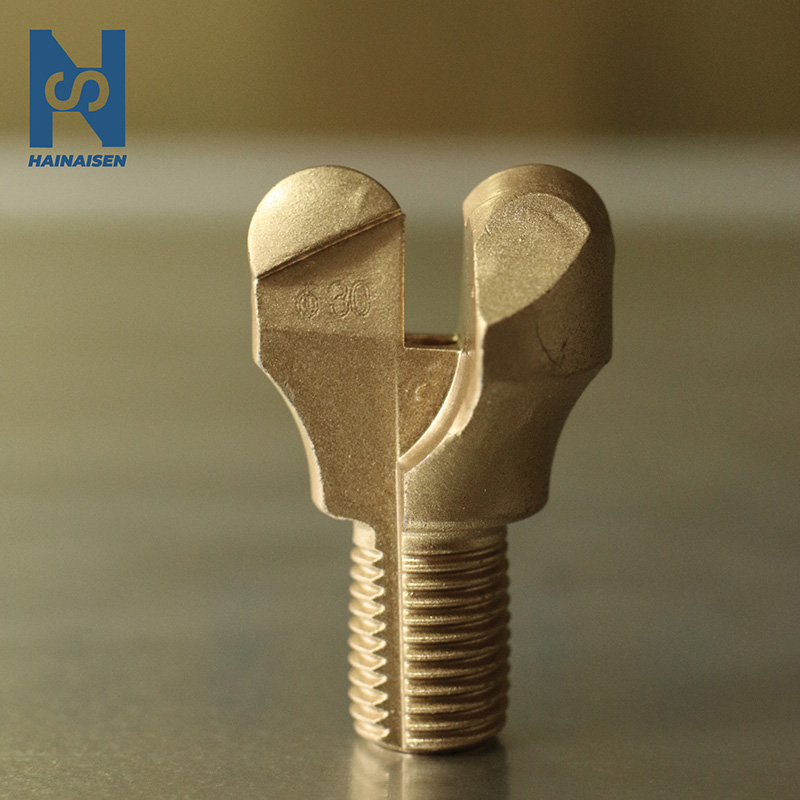 VIEW MORE34 And A Half Whole Coal Mine Mining Anchor Drill Bits
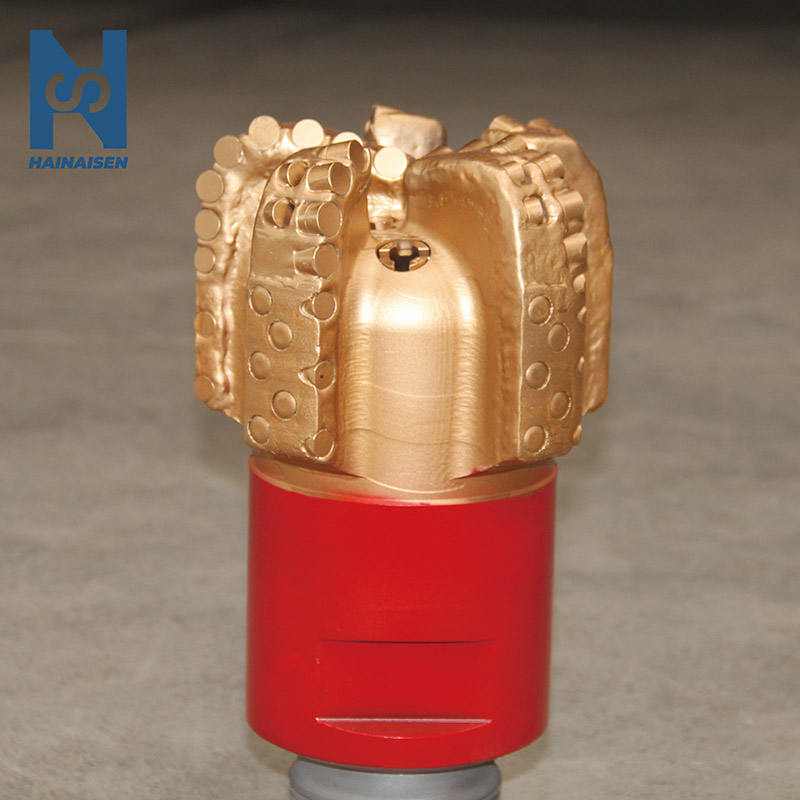 VIEW MOREFive Blades PDC Drill Bits
logo 1_1777361260784.jpg) VIEW MOREFour Wing Arc Angle PDC Drill Bit
VIEW MOREFour Wing Arc Angle PDC Drill Bitlogo 1_1768204983068.jpg) VIEW MOREPDC Core Drill Bit With 8 Blades For Hole Drilling Used In Mining
VIEW MOREPDC Core Drill Bit With 8 Blades For Hole Drilling Used In Mining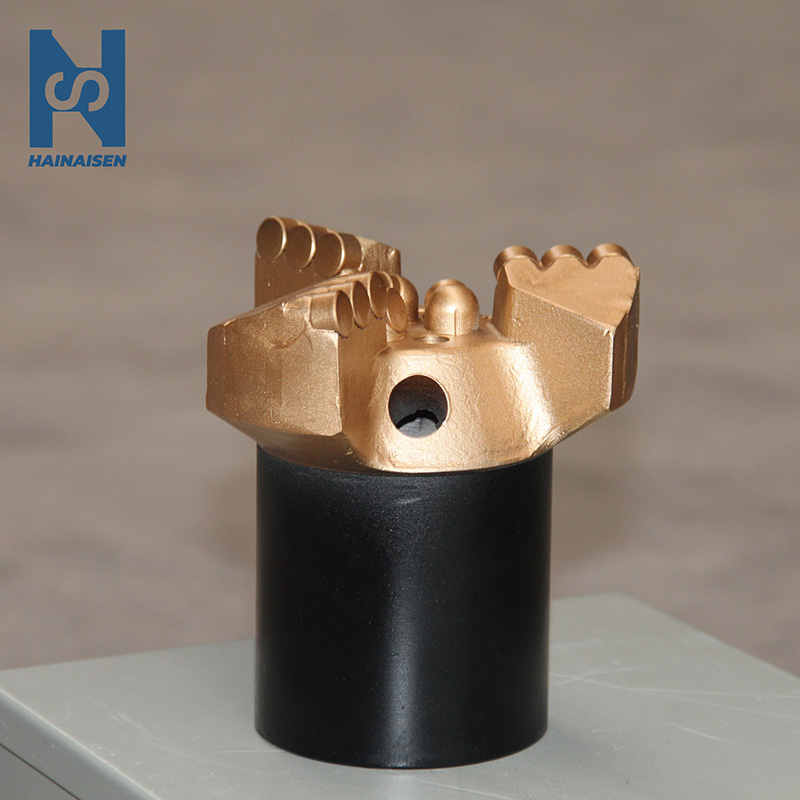 VIEW MORE113mm 3 Blades Steel Body PDC Bit
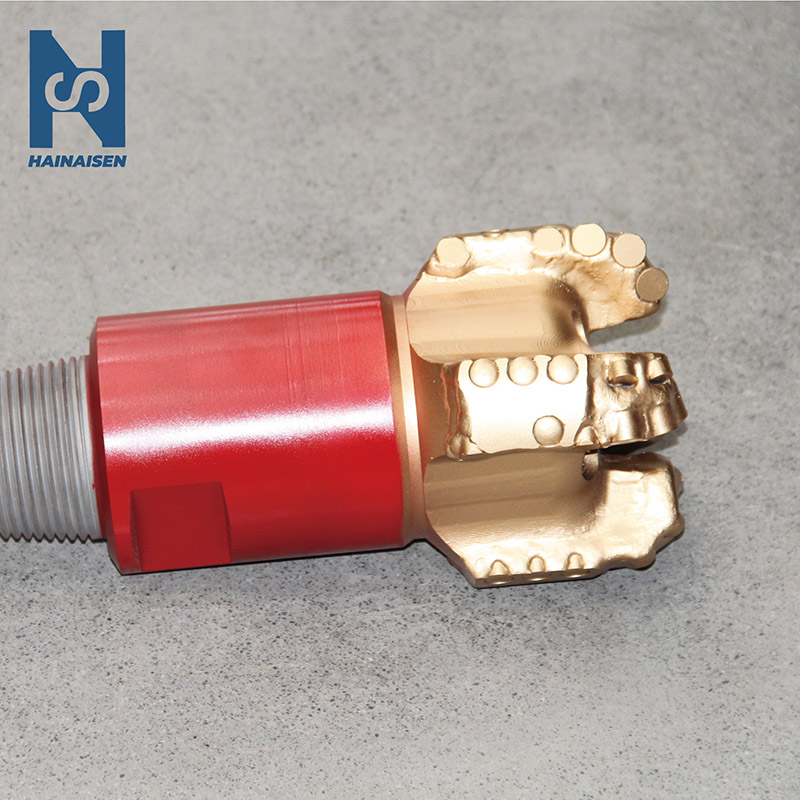 VIEW MOREPetroleum PDC Oil Drill Bit
logo 1_1768274683075.jpg) VIEW MORECoal Mine Drilling Opening And Closing Drill Bit
VIEW MORECoal Mine Drilling Opening And Closing Drill Bit
