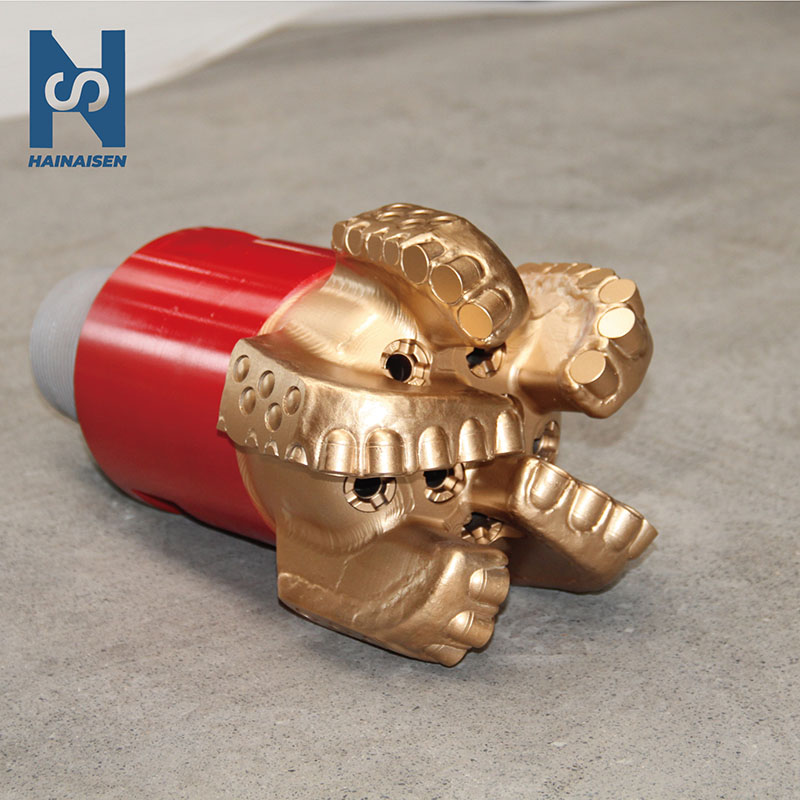
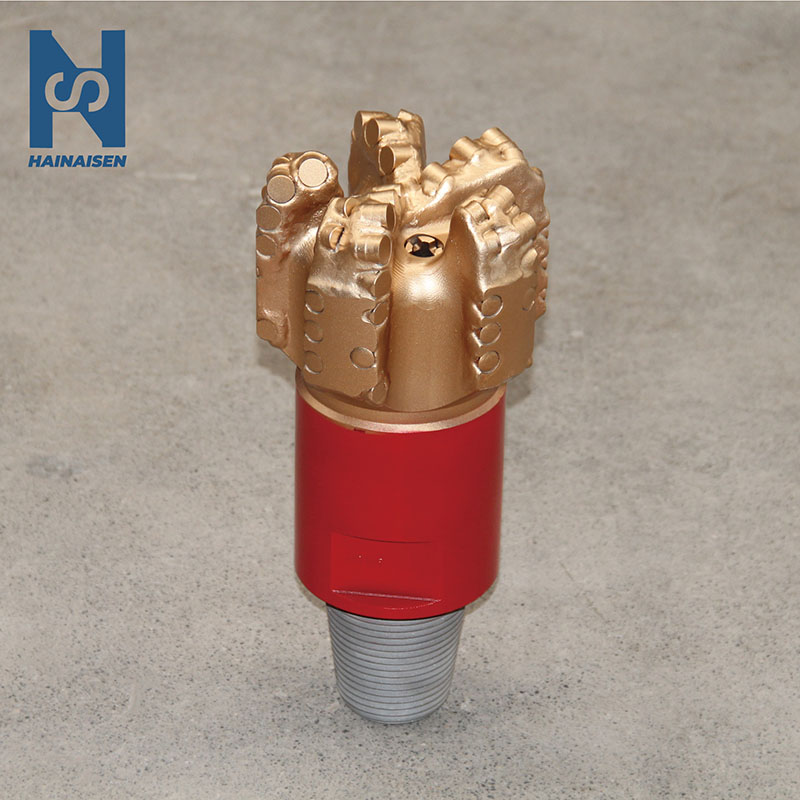
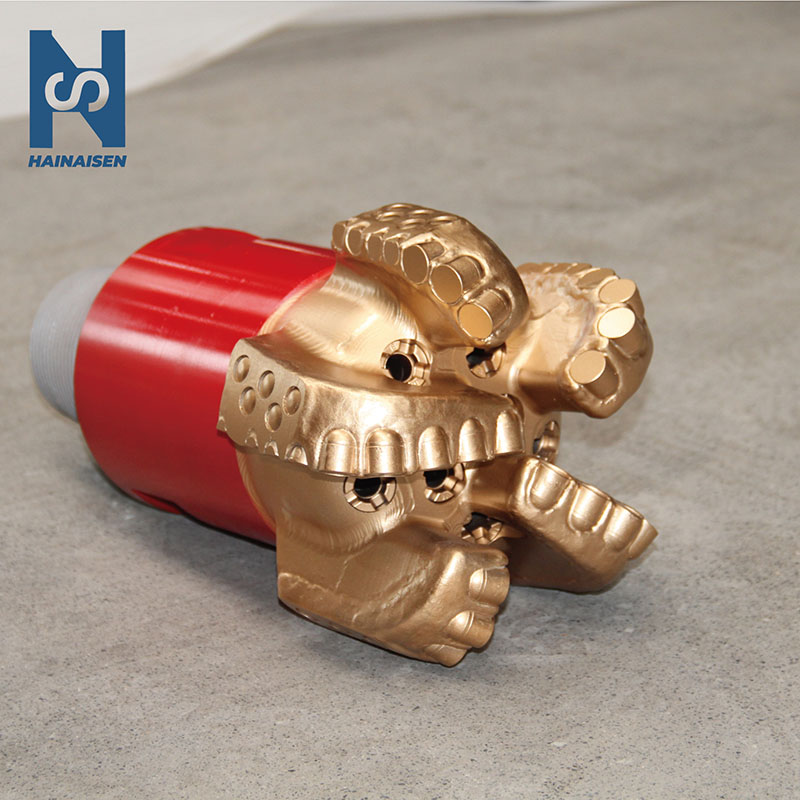
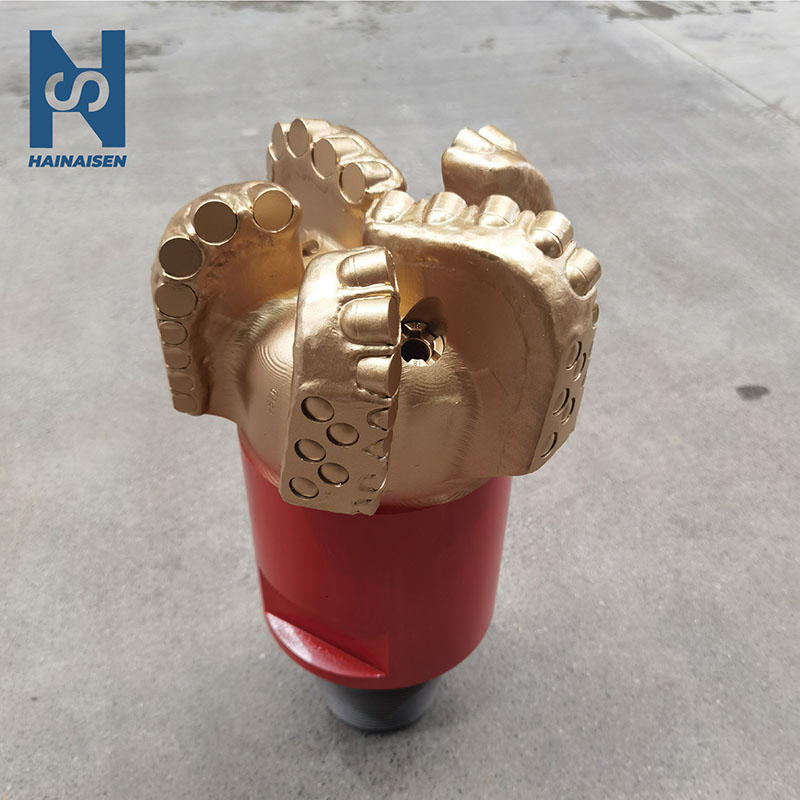
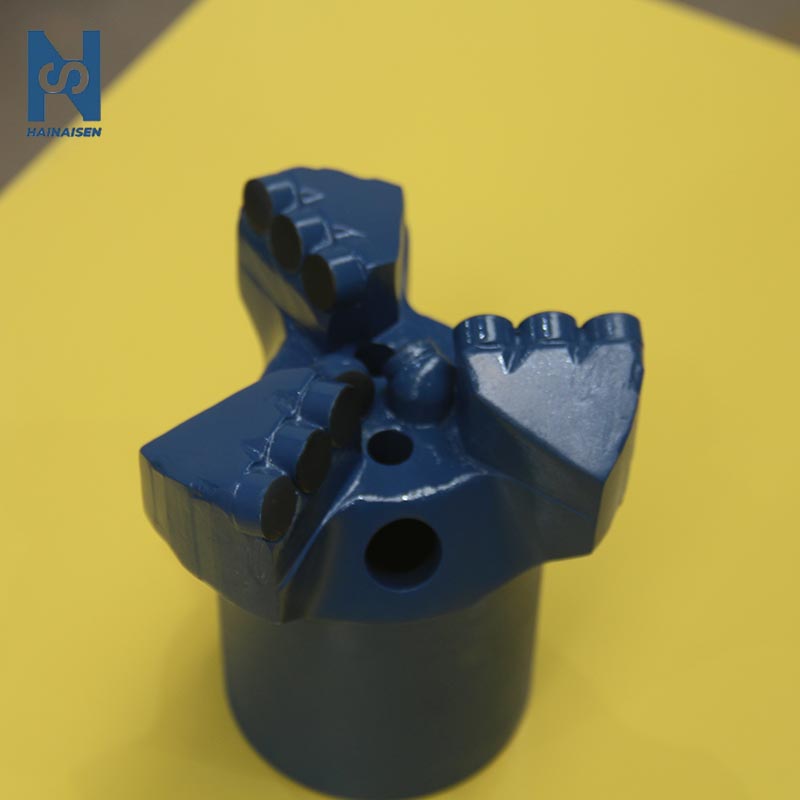
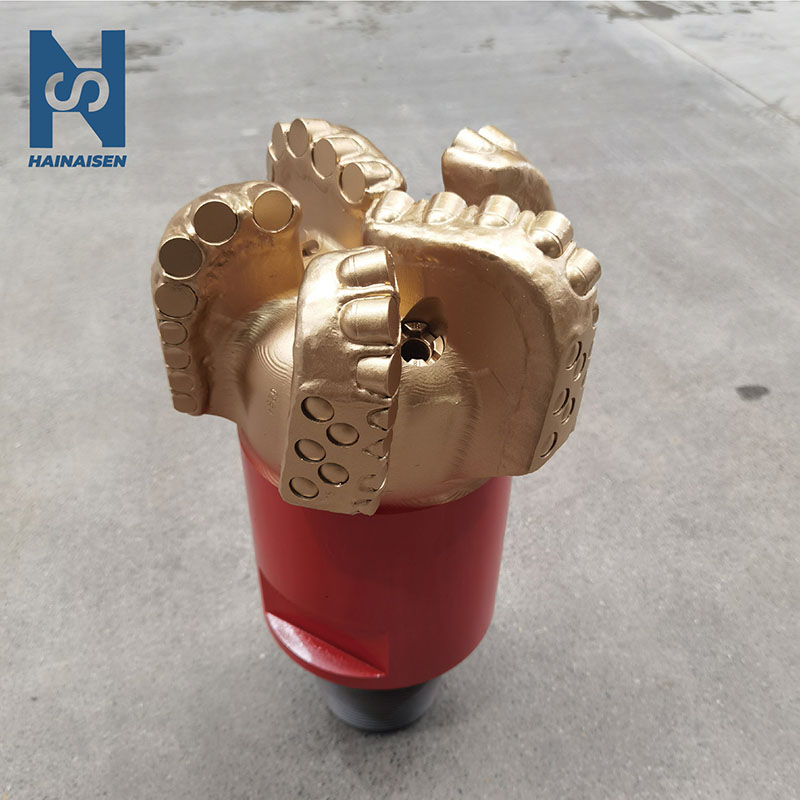
Choosing the right Polycrystalline Diamond Compact Drill Bits can have a big effect on the success, cost-effectiveness, and speed of your drilling job. These high-tech cutting tools are made of strong steel and fake diamond technology to give great results in a wide range of rock forms. Understanding important selection factors like bit design features, cutting placement, rock fit, and maker skills helps drilling teams get the best entry rates at the lowest costs. This detailed guide talks about important things that buying managers and technical experts need to think about when choosing PDC drill bits for projects like mining, drilling for oil and gas, or building water wells.
Understanding PDC Technology and Its Industrial Applications
Diamond cutting tools have changed the way drilling is done today because they are harder and better at transferring heat than standard roller cone bits. In PDC technology, man-made diamond shards are glued to tungsten carbide bases under very high temperatures and pressures. This way of making things makes cutting elements with longer-lasting, sharp edges that don't wear down easily in rough environments. Because these cutting tools can be used in many ways, they are important for many business tasks. PDC Bits are used for directed drilling in oil and gas drilling, where precise motion control is very important. PDC-cutting Mining Drill Bits are great for drilling through hard rock because they consistently do a good job in tough mineral extraction settings. When diamond-enhanced tools are used correctly, they help water well building teams dig faster and have less downtime for equipment. When bit specs are matched to bedrock traits, rock drilling is done much more efficiently. When drilling, different types of cutters are needed for soft layers and medium-hard rocks. Drilling technology is also getting better all the time to deal with natural problems that are getting more complicated. Computer modeling is used in modern PDC designs to find the best places for the cutters and bits to work in different drilling situations.
Formation Analysis and Bit Selection Criteria
A careful study of the formation is the first step in choosing the right bits. Geological studies give us important information about the hardness, abrasiveness, and structural features of rocks that affect how well Polycrystalline Diamond Compact Drill Bits perform. To find the best cutter size, blade shape, and hydraulic design factors, technical experts have to look at the qualities of the rock. When digging through alternate hard and soft rocks, bit size becomes very important. To keep the hole's width the right size, you need bits that protect the gauge well and remove cuttings quickly. The safety of a drill bit relies on having proper cutting forces and using the right amount of weight on the bit for the type of rock it is drilling. For core drilling, you need special bit designs that keep the purity of the sample while still allowing for decent entry rates. To keep formation damage to a minimum, these operations usually need to change the way the cutters are set up and how the hydraulic patterns work. It is important for mining drill bits to be able to handle high-power loads and frequent changes in direction while still cutting effectively over long boring gaps. Measurements of shear strength, abrasivity indices, and flexibility traits are some of the formation-specific selection factors. When buying, managers know these factors, and they can choose the right bit sizes and cutting rates for their businesses. Optimizing drilling effectiveness means matching the bit's boldness to the drillability of the rock while taking into account the limits of the tools and the limitations of the operation.
Design Features That Impact Drilling Performance
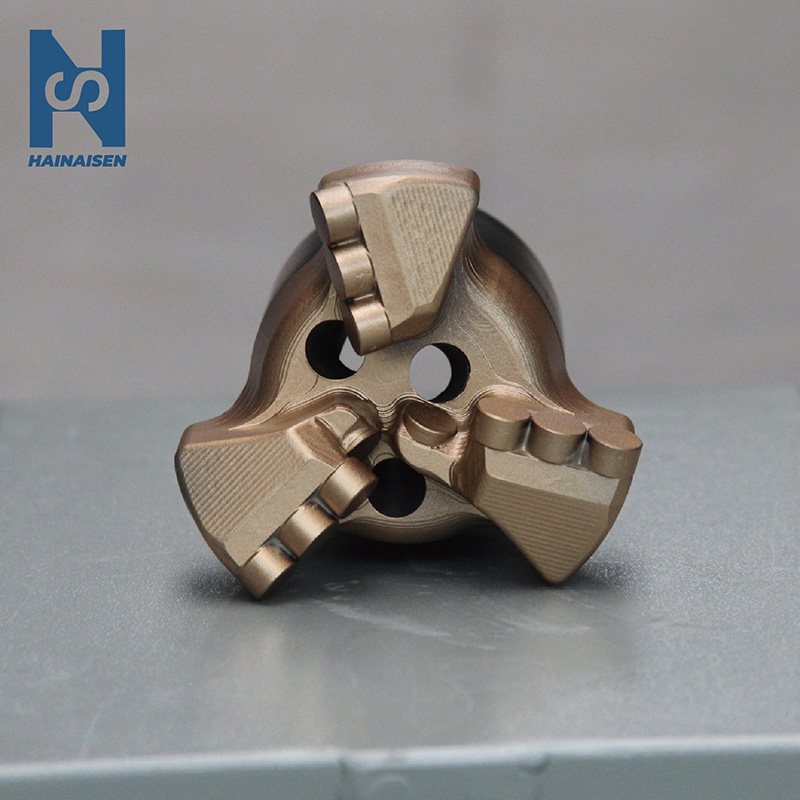
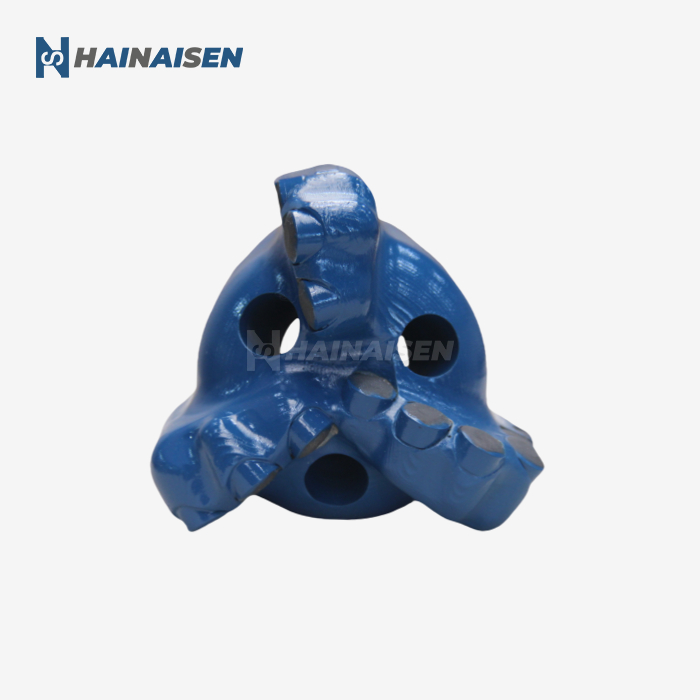
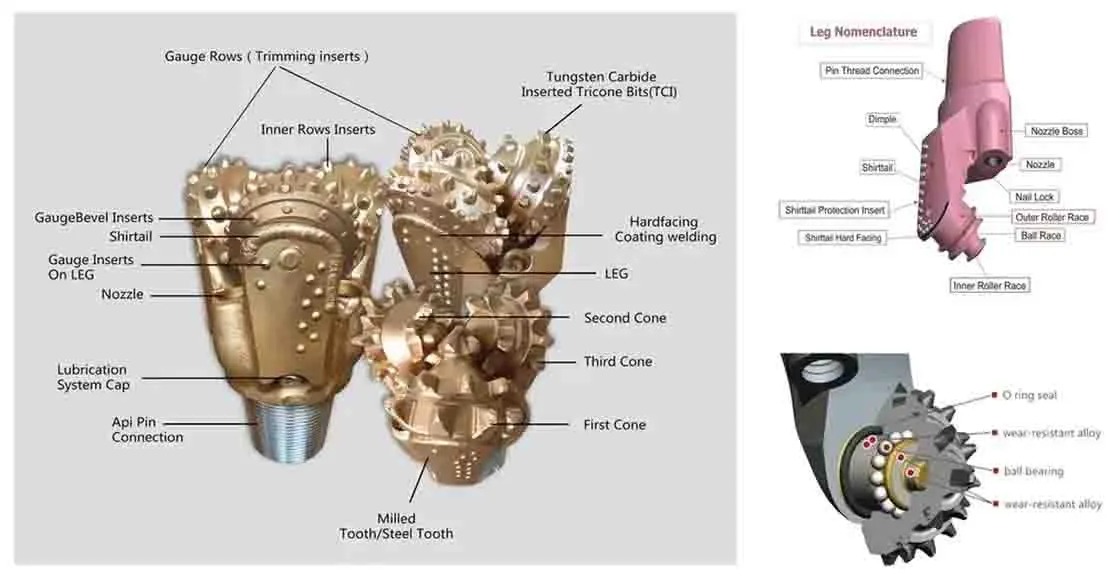
A bit's durability depends a lot on how well its design controls cutting forces and heat production while digging. As mainstream options among polycrystalline drill bits for sale, the general performance of a bit is affected by the cutter position angles, blade shapes, and where the fluid tip is placed. Modern PDC designs include features that speed up drilling and make the machines last longer in tough circumstances. Drill bit materials are very important for getting the best results. Steel bodies of good quality hold the cutter in place and keep their shape even when they're cutting. When compared to normal industrial diamonds, premium diamond types are more resistant to heat and impacts. Both entry rates and bit life are affected by hydraulic design. When flow is distributed correctly, cuts are removed quickly, and cutting elements are kept cool. When placing and fitting nozzles, they need to be able to clean well while also protecting the formation from damage. Optimized hydraulic systems that keep holes stable are especially helpful for well-digging. Cutting mechanics and power needs are affected by the number of blades and the shape of the profile. Fewer blades usually mean higher piercing rates, but bit stability may be lost. More blades make the drilling process easier, but they can make the cutting less violent in soft rock. Depending on the purpose, industrial drilling tools have to find a balance between these different needs.
Quality Control and Manufacturing Standards
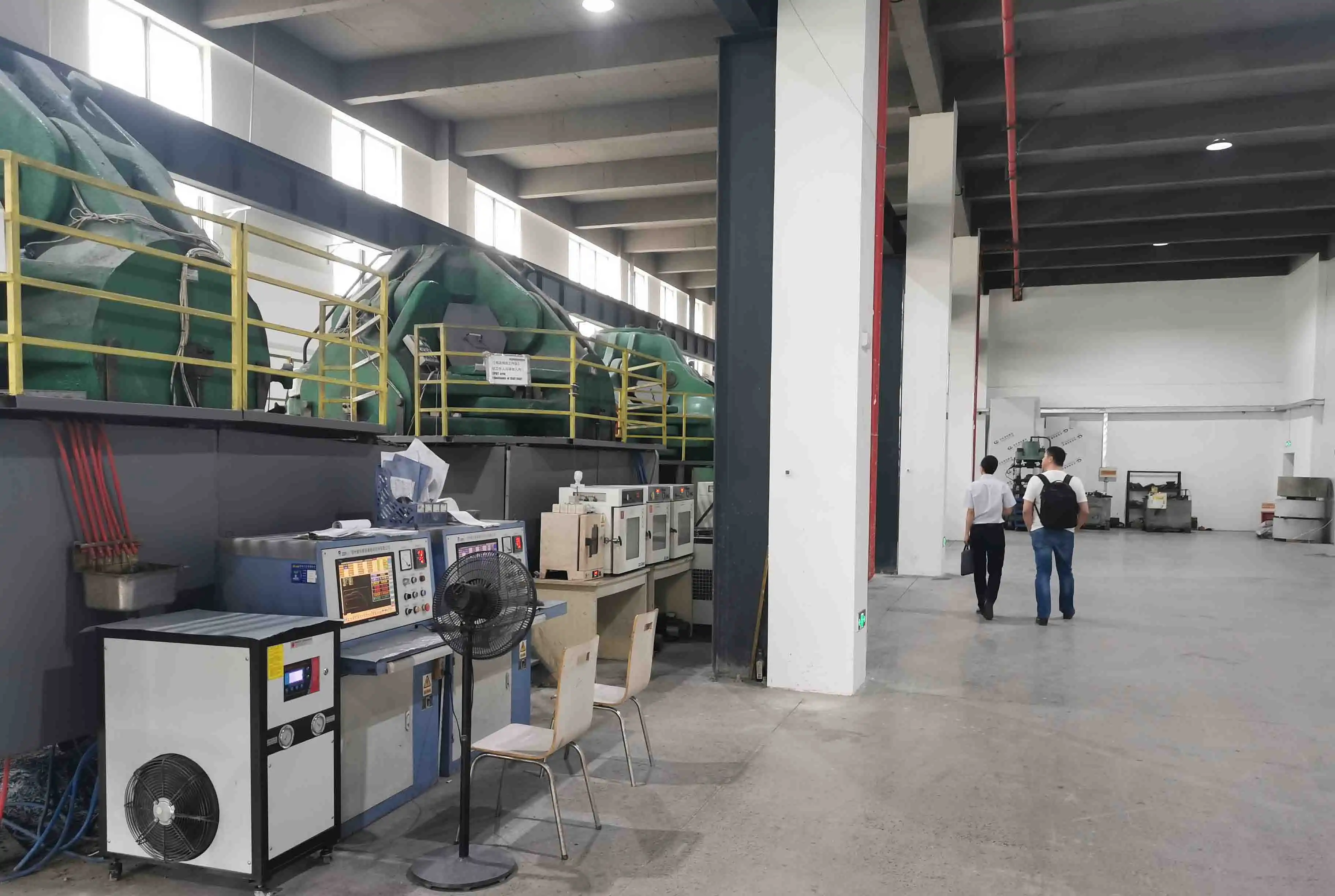
The quality of the manufacturing process has a direct effect on how well and how reliably the drill bit works. Tough quality control procedures make sure that product specs and performance traits stay the same. Inspection of the raw materials, tight limits for cutting, and final assembly steps all affect the quality and dependability of the bit. Manufacturers of high-quality products use thorough testing methods to check the joining strength of the cutting elements, the body stiffness, and the accuracy of the dimensions. These steps help make sure that bits meet certain standards for speed and safety during operation. When choosing wholesalers, purchasing managers should look at the quality standards and testing skills of the manufacturers. Computer-controlled machine centers and automatic welding systems are used by advanced manufacturing facilities to keep production standards high. Modern tools allow fothe r exact placement of the cutter and the best blade shape, both of which improve the efficiency of drilling. Quality paperwork systems keep track of test results and production factors so that they can be tracked and improvements can be made all the time. For drill bit improvement to work, makers and end users must keep working together. Manufacturers can improve designs and make products more reliable with the help of performance comments. This way of working together helps come up with custom solutions that deal with specific drilling problems and operating needs.
Cost Considerations for Different Market Segments
Different market groups have very different budget planning needs for Polycrystalline Diamond Compact Drill Bits. Large oil service companies usually put performance and dependability above the original purchase price. They know that expensive bits often lower total drilling costs by improving entry rates and lasting longer. Companies that mine coal have to balance the need for quality with the need to save money. They look for bits that work reliably and don't cost too much. These users can test the bit performance with sample testing programs before making bigger purchases. When makers show steady quality and quick expert help, they often build relationships that work out well. Water well-digging teams that work for smaller companies are mostly concerned with the starting prices of equipment while still meeting base performance standards. These workers get a lot out of standard bit designs that work well in most drilling situations. For businesses to stay profitable in this price-sensitive market niche, they need to offer competitive prices. When figuring out the total cost of ownership, you should include the price of the bit itself, the time saved digging, the less wear and tear on the tools, and the better efficiency of operations. Technical experts can show that choosing an expensive bit is better for the total project budget by showing that it saves time and money by cutting faster and more reliably.
Customization Options and Technical Support
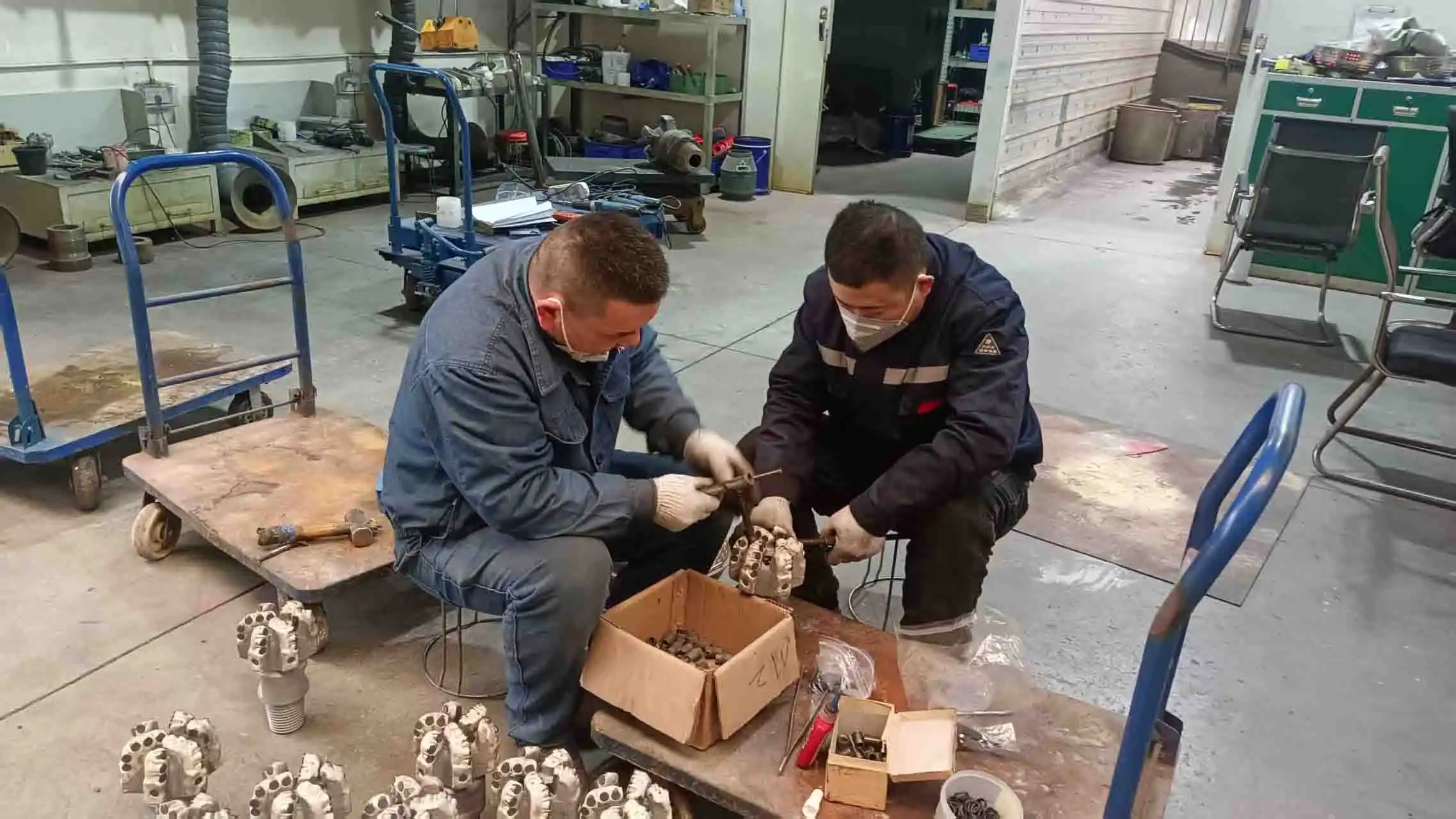
Manufacturers can address unique drilling challenges and achieve optimal performance for specific applications by designing custom bits. Engineers with extensive experience evaluate drilling factors, rock characteristics, and operational requirements to develop tailored solutions using Polycrystalline Diamond Compact Drill Bits. When compared to standard bit designs, this joint method often leads to big speed gains. It is very helpful for managers to have technical support services because they help them find the best drilling settings and fix problems with performance. Field workers who know what they're doing can suggest bit choices, drilling techniques, and changes to operations that will make drilling more efficient overall. This knowledge is especially useful when digging in new places or when unexpected changes in the rock happen. Rapid prototype development lets companies quickly test out new ideas and changes. Engineers can test cutting physics and stress patterns with advanced modeling tools before making samples. This feature cuts down on development time and raises the chances of successful, unique designs. Documentation and reporting services help users keep track of how bits are working and find ways to make them better. Run reports with lots of information are useful for choosing bits and drilling parameters in the future. This knowledge becomes very important for attempts to keep getting better and cut down on running costs.
Conclusion
When browsing reliable polycrystalline drill bits for sale, selecting optimal Polycrystalline Diamond Compact Drill Bits requires careful evaluation of formation characteristics, operational requirements, and cost considerations. Success depends on understanding how bit design features impact drilling performance while balancing quality requirements with budget constraints. Technical support and customization capabilities often differentiate superior suppliers from commodity providers. Smart purchasing decisions consider the total cost of ownership rather than the initial purchase price alone. Partner with experienced manufacturers who demonstrate technical expertise, quality manufacturing capabilities, and responsive customer support to maximize your drilling success and operational efficiency.
Maximize Your Drilling Success with HNS PDC Solutions
HNS stands ready to support your drilling operations with premium Polycrystalline Diamond Compact Drill Bits designed for superior performance and reliability. Our 3,500-square-meter manufacturing facility in Xi'an features state-of-the-art equipment, including 5-axis machining centers and automated production lines that ensure consistent quality and precision manufacturing.
Our dedicated research and development team collaborates with customers to develop customized solutions that optimize drilling efficiency for specific applications. Whether you're drilling for oil and gas exploration, coal bed methane extraction, or water well construction, our technical expertise helps you select the optimal bit configuration for your operational requirements.
As a trusted Polycrystalline Diamond Compact Drill Bits manufacturer since 2013, we understand the diverse needs of drilling contractors, mining companies, and oil service providers. Our rigorous quality control processes and comprehensive testing protocols ensure that every bit meets demanding performance standards. Ready to enhance your drilling operations? Contact our technical team today and discover how our advanced PDC solutions can improve your drilling efficiency and reduce operational costs. Reach out to discuss your specific requirements and explore our customization capabilities - Contact Us at hainaisen@hnsdrillbit.com.
References
1. Smith, J.R., & Johnson, M.K. (2023). "Advanced PDC Bit Design for Enhanced Drilling Performance in Challenging Formations." Journal of Petroleum Technology, 75(3), 42-58.
2. Chen, L., Rodriguez, A., & Thompson, D.W. (2022). "Polycrystalline Diamond Compact Technology: Manufacturing Processes and Quality Control Standards." International Journal of Mining Engineering, 18(4), 127-145.
3. Williams, P.A., & Davis, R.J. (2023). "Formation Analysis and Bit Selection Criteria for Industrial Drilling Applications." Drilling Engineering Quarterly, 31(2), 78-92.
4. Anderson, K.M., Lee, S.H., & Brown, T.L. (2022). "Cost-Effectiveness Analysis of PDC Drill Bits in Various Market Segments." Industrial Drilling Economics Review, 14(6), 203-219.
5. Mitchell, C.R., & Zhang, W. (2023). "Hydraulic Design Optimization for Polycrystalline Diamond Compact Drill Bits." Rock Drilling Technology Journal, 29(1), 35-51.
6. Taylor, M.E., Kumar, S., & Wilson, J.P. (2022). "Quality Control Methodologies in PDC Drill Bit Manufacturing: A Comprehensive Review." Manufacturing Technology in Drilling, 8(3), 156-174.