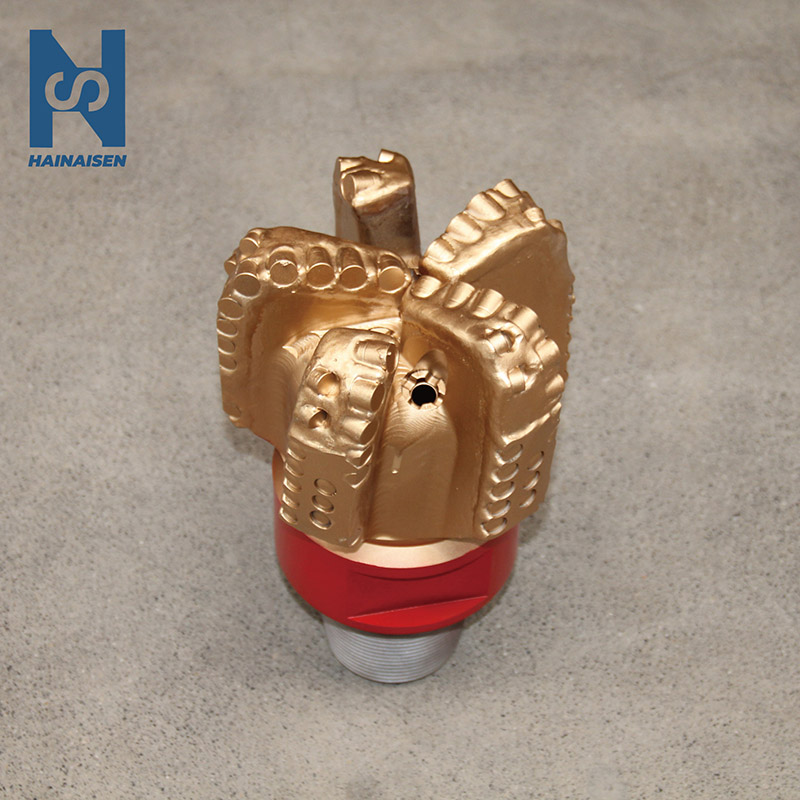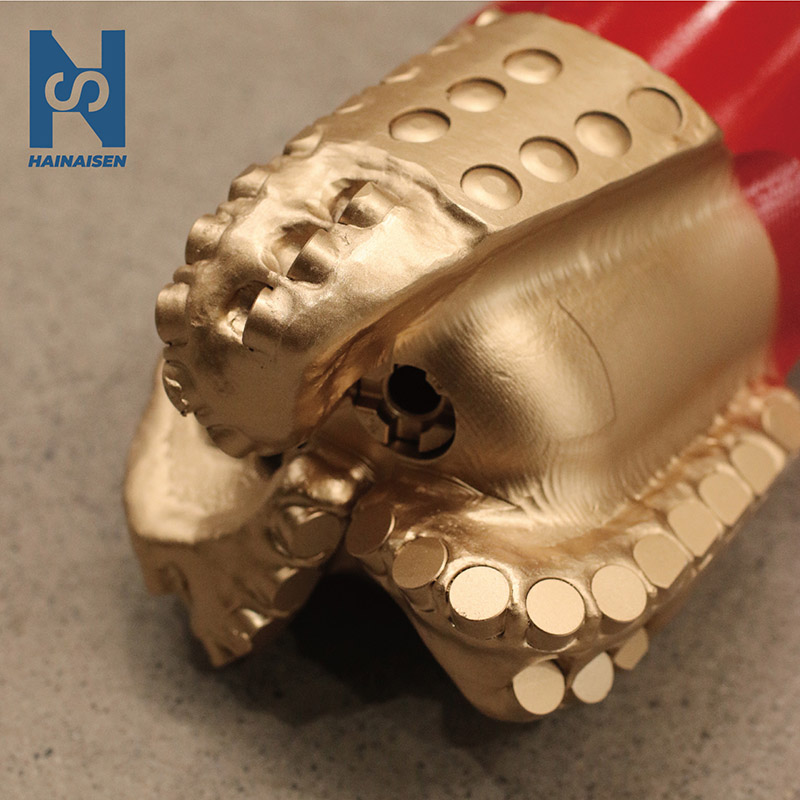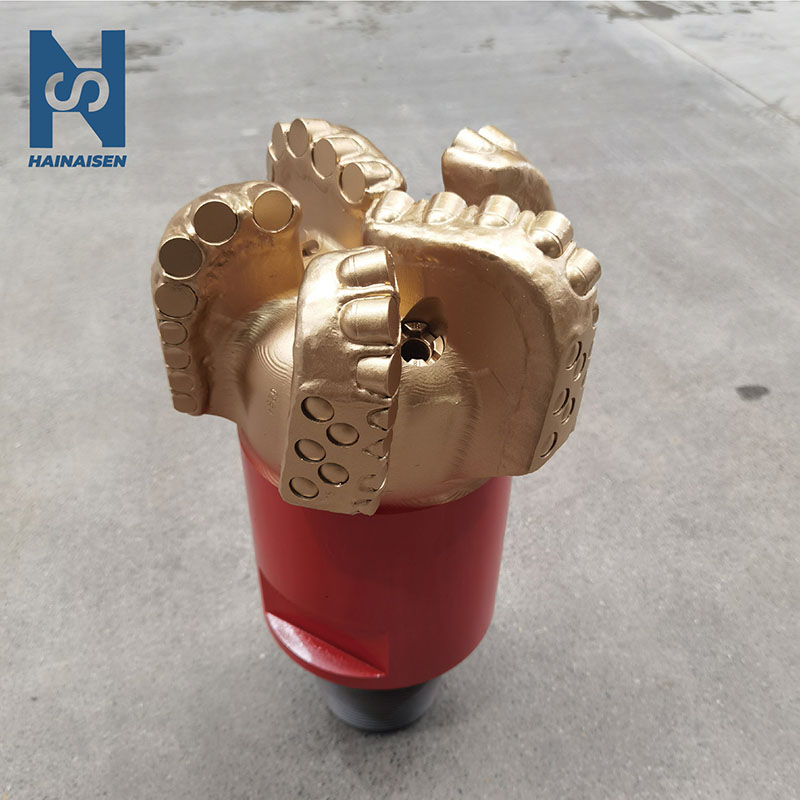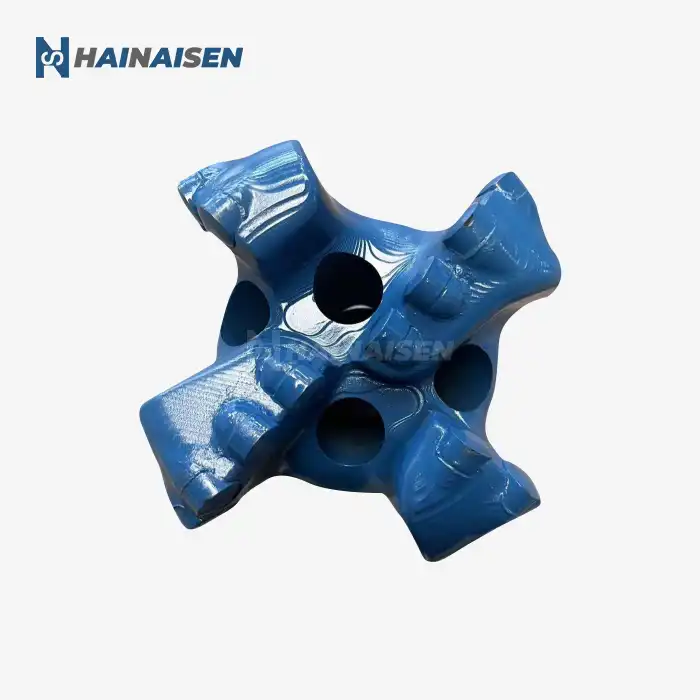




It's important to know the main differences between three-blade PDC and tricone drill bits when choosing the best drilling option for your business. The main distinctions are in how they cut, how long they last, and how they can be used. Three-blade PDC drill bits have synthetic diamond cutters with fixed blades that work better in softer to medium formations. Tricone bits have revolving cones with carbide or steel teeth that can drill through a wide range of rock types. The type of Three Blade PDC Tricone Drill Bit you choose has a big effect on how well it works, how much it costs to run, and the results of your project in oil and gas exploration, water well drilling, and mining.
Understanding PDC Drill Bit Technology and Design
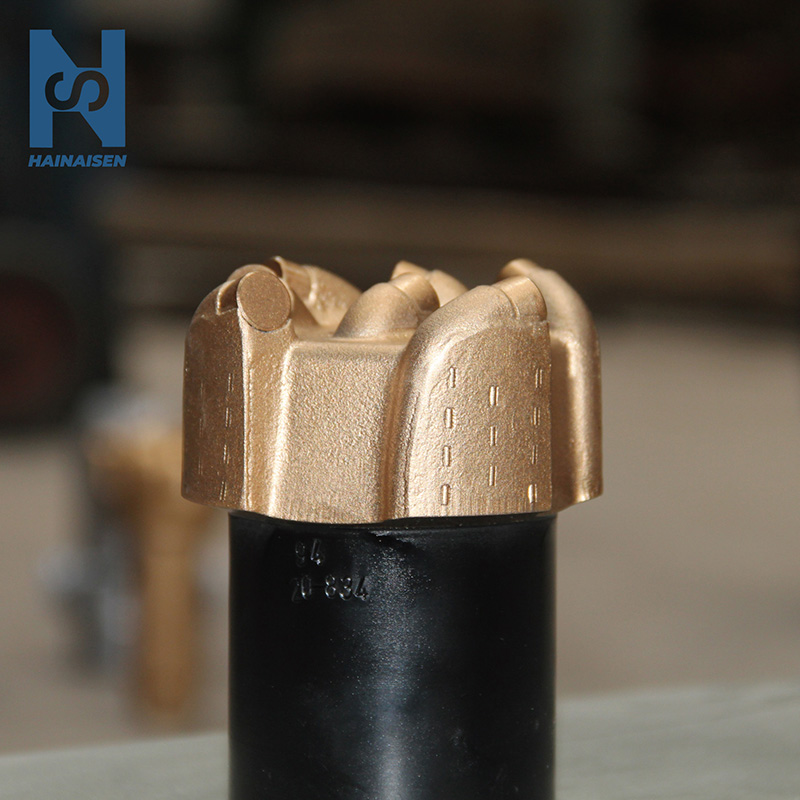
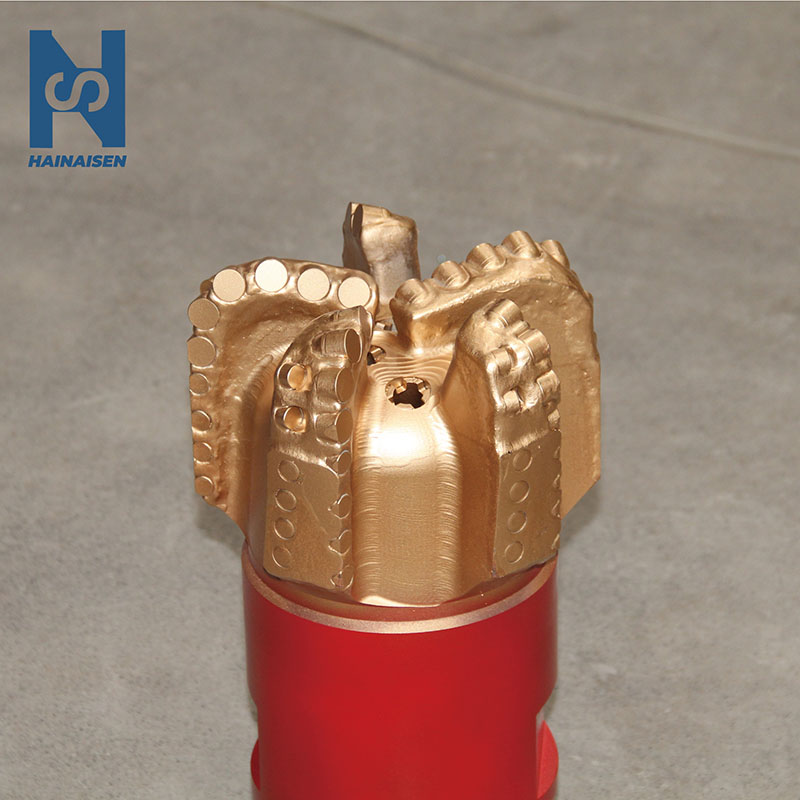
The Polycrystalline Diamond Compact (PDC) technology is a huge step forward in how quickly and easily drilling can be done. These bits have synthetic diamond cutters placed on fixed blades in a way that allows them to cut through rock formations.
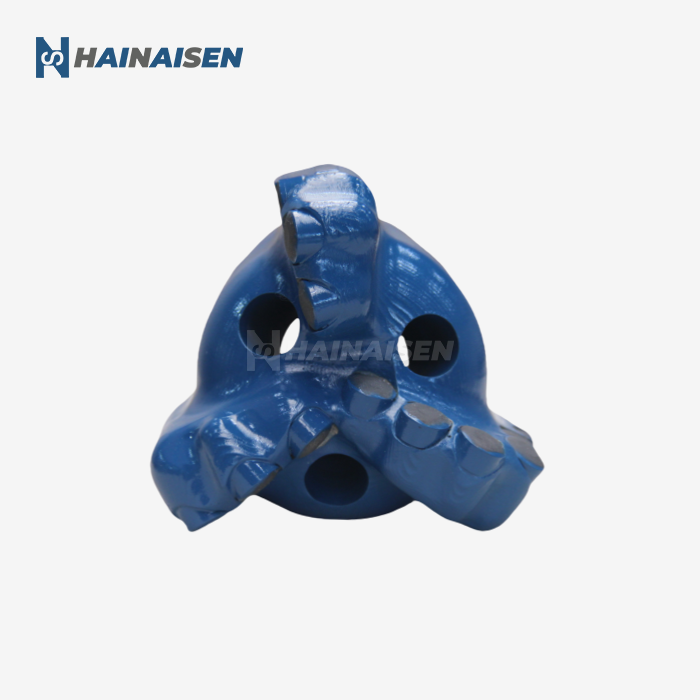
The three-blade design strikes the best balance between cutting power and long-lastingness. Each blade has several PDC cutters on it that are positioned in certain ways to get rid of as much rock as possible while causing as little wear as possible.
Key advantages of PDC technology include:
- Cutting movement that doesn't stop and doesn't have any moving parts
- Better rate of penetration (ROP) in the right forms
- Longer operational life, fewer trips
- Better ability to drill in different directions
- Less work to keep up
Modern materials science is used in modern PDC cutters. High-quality cutters last longer when they are sharpened, hit, or heated.
PDC drill bits cut down on drilling time and increase production by allowing for continuous work in soft to medium rocks with few interruptions, such as the Three Blade PDC Tricone Drill Bit.
Tricone Drill Bit Mechanics and Operational Principles
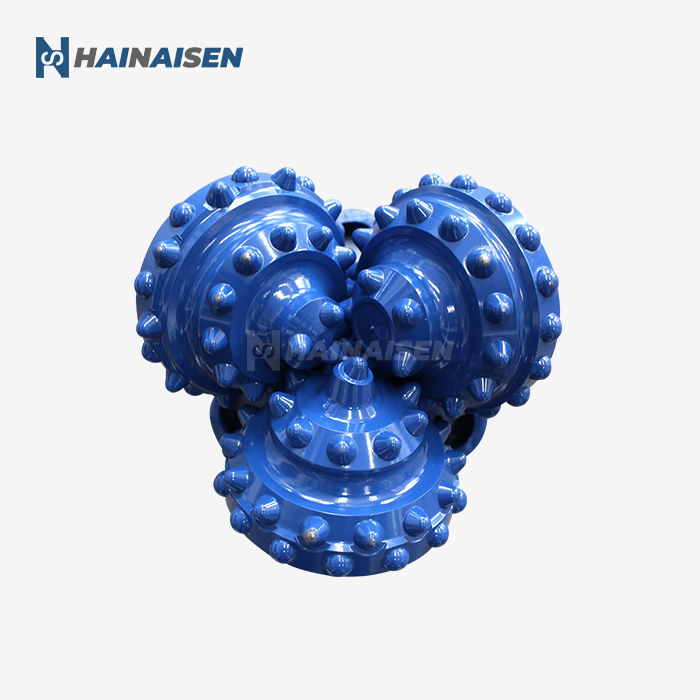
Tricone drill bits work by having three cones that spin and have cutting edges that smash and scrape rock formations. This rolling action spreads wear out over several contact sites.
The cone rotation makes a complicated cutting pattern that works well with different formation hardness levels. Each cone has a different cutting structure that works well for a certain type of rock.
Tricone bit advantages encompass:
- Ability to work with a wide range of geological formations
- Good performance in hard, rough rocks
- The ability to clean itself in sticky situations
- Proven dependability in tough situations
- Affordable ways to deal with mixed forms
Tricone bits have either roller bearings or journal bearings in their bearing systems. Sealed bearing designs help parts last longer by keeping dirt and other contaminants out of the inside.
For milder formations, cutting structures can have machined steel teeth, and for tougher rocks, they can have tungsten carbide inserts. Tricone bits can be used for a lot of different types of drilling since they can be changed to fit different needs.
Tricone drill bits are a good choice if you need reliable performance in uncertain geological settings or hard rock formations. They are versatile and give consistent results.
Performance Comparison: Drilling Efficiency and Speed
The performance of drilling varies a lot between the Three Blade PDC Tricone Drill Bit, PDC, and tricone methods, depending on the formation and how the operation is set up.
Rate of Penetration Analysis:
PDC Bits always have a greater ROP in soft to medium formations. In the right conditions, test data suggests that penetration rates are 30–50% better than tricone alternatives.
In sandstone formations (5,000-8,000 PSI), three-blade PDC bits demonstrate an average ROP of 45-65 feet per hour, while tricone bits reach 25-40 feet per hour under identical circumstances.
Formation-Specific Performance:
- Soft formations: PDC bits have a 40–60% higher ROP than other bits.
- Medium formations: PDC still has a 25–35% edge
- Hard formations: Tricone bits often work better than PDC bits
- Abrasive formations: Tricone demonstrates greater durability
Performance is also affected by hydraulic efficiency. PDC bits need fluid flow patterns that work best to clear cuttings, whereas tricone designs make it easier to get rid of waste.
There are substantial differences in the standards for weight on bit (WOB). PDC bits work best with 3,000 to 6,000 pounds of weight on the bit (WOB), while tricone bits need 8,000 to 15,000 pounds for best performance.
PDC technology gives you the fastest drilling speed in predictable formations, which means a lower ROP and shorter drilling time, which saves you a lot of money.

Durability and Lifespan: Cost-Effectiveness Analysis
Operational lifespan has a direct effect on project costs since it means fewer visits, lower replacement costs, and more efficient drilling.
PDC Bit Durability:
In the right configuration, modern three-blade PDC bits can last for 200 to 800 hours of use. This range is further increased by high-quality cutters and tuned hydraulics.
Wear patterns stay the same, which makes it easy for operators to plan when to change bits. Gradual wear properties stop performance from dropping suddenly.
Tricone Bit Longevity:
Tricone bits usually work for 50 to 300 hours, depending on how hard the formation is and how they are set up. When to replace bearings is generally determined by how worn they are.
Compared to open bearing designs, sealed bearing tricone bits last longer, especially under tough conditions.
Cost Analysis Comparison:
| Factor | Three Blade PDC | Tricone |
|---|---|---|
| Initial Cost | Higher | Lower |
| Operational Life | 200-800 hours | 50-300 hours |
| Trip Frequency | Lower | Higher |
| Cost per Foot | Lower in suitable formations | Variable |
The maintenance needs are very different. PDC bits don't need much care other than cleaning; however, tricone bits do need to have their bearings checked and possibly repaired.
PDC bits are a better value if you need long-term cost efficiency in consistent formations since they last longer and require fewer trips.
Application-Specific Recommendations by Industry
Oil and Gas Exploration:
Large oil service firms put a lot of importance on consistent performance and reliable operations. Three-blade PDC bits work best in shale deposits and for drilling in a certain direction.
PDC efficiency helps vertical wells in sandstone, while tricone bits work well with interbedded rocks. Quality standards call for high-quality materials and strict testing procedures.
Coal Mining Operations:
Companies that mine coal have to think about both quality and cost. PDC bits work better on coal seams that are always the same, while tricone bits work better on mixed formations that are cheap.
PDC technology is better for long-distance drilling in methane drainage applications. Testing techniques for samples help ensure that performance is good before full deployment.
Water Well Drilling:
Small drilling teams put a high value on low costs and dependable work. Tricone bits are often the best choice for water well projects since they work effectively in a wide range of geological situations.
PDC bits work well in formations that don't change much. They cost more up front, but they save money in the long run by speeding up drilling and cutting down on trips.
Geological Exploration:
Exploration projects need to be able to change as they go through unfamiliar formations. Tricone's adaptability is good for the first stages of drilling, whereas PDC's efficiency is best for production drilling.
PDC's accuracy and smooth cutting motion, which keeps the sample intact, make it useful for core sampling.
If you need optimization for a certain formation, geological surveys and formation analysis can help you choose the best bit for the job.
HNS Three-Blade PDC Drill Bit Advantages
Shaanxi Hainaisen Petroleum Technology Co., Ltd. makes the best Three-Blade PDC Tricone Drill Bit in the business. They are designed to work better in tough drilling conditions. Our dedication to quality leads us to keep coming up with new ideas and make things perfectly.
Advanced Manufacturing Capabilities:
- A state-of-the-art 3,500m² production facility with the latest processing tools
- 5-axis machining centers make sure that the cutter is in the right spot and that the blade is the right shape.
- CNC machine tools that always give the same high quality and precise dimensions
- Advanced welding manufacturing lines for better bonding of metals
- Quality control systems that satisfy international standards in every way
Premium Material Engineering:
- Bodies made of high-strength steel from aerospace-grade alloys
- Advanced PDC cutters that last longer and are more stable at high temperatures
- Proprietary matrix compositions that improve cutting efficiency and durability
- Hydraulic systems that are precisely designed get rid of the most trash.
- Coatings that resist corrosion and make things last longer under tough conditions
Technical Innovation and Customization:
- A dedicated R&D team that focuses on making unique bit design solutions
- Optimization based on geological study for specific formations
- Advanced computer modeling makes predictions about how well something will work.
- A lot of field testing to make sure design changes work
- Collaborative engineering helps throughout the life of the project
Performance Specifications:
- The bit size of 6" (152.4mm) is best for a wide range of uses.
- 61 precisely placed 13mm PDC cutters to get the most out of cutting.
- 3-1/2 REG PIN connector for sure power transmission
- 65mm gauge length gives you great control over direction.
- 22 KGS net weight strikes a balance between durability and ease of use.
Application Versatility:
- Oil and gas exploration that works well in tough formations every time
- Drilling for coal-bed methane to make extraction more efficient
- Geothermal well uses that can handle high temperatures
- Drilling water wells works well in a variety of geological settings.
- Mining and quarrying operations ensure that excavation rates are high.
Quality Assurance Excellence:
- ISO-certified production methods guarantee that quality is always delivered.
- Full testing procedures that confirm performance requirements
- thorough quality standards are maintained by thorough inspection methods.
- Traceability systems that keep track of materials and how they are made
- Programs for continuous improvement that take client feedback into account
Customer Support Infrastructure:
- Technical consulting services that help you choose the best bits for your needs
- Rapid reaction support keeps operating downtime to a minimum.
- Full documentation, such as performance data and maintenance instructions
- Training initiatives that make operators safer and more effective
- A global logistics network that makes sure packages get to their destinations on schedule.

Technical Specifications and Selection Criteria
To choose the right bit, you need to carefully look at the drilling parameters, the formation features, and the operational goals.
Formation Analysis Factors:
- Measurements of rock compressive strength
- Tests for the abrasivity index
- Assessment of formation heterogeneity
- Requirements for drilling fluid compatibility
The HNS S433 specification is the best engineering for a wide range of uses. The 6-inch diameter is big enough for regular drilling operations while being strong.
The three-blade design strikes a good mix between cutting speed and bit stability. Each blade has about 20 PDC cutters, which are spread out to get the best rock engagement and wear distribution.
Hydraulic Design Considerations:
Three nozzles evenly spread the fluid across the bit face. The right size nozzles make sure that enough cutting is removed while keeping the bottom-hole cleaning efficient.
The length of the gauge affects how well directional drilling works. The 65mm gauge length gives you great hole quality and lets you regulate the trajectory very precisely.
Connection Reliability:
API 3-1/2 REG PIN connections fulfill industry standards for thread integrity and torque transmission. Following the right make-up procedures ensures that power is transferred reliably throughout drilling operations.
Detailed engineering consulting can help you choose the best bits, such as the Three Blade PDC Tricone Drill Bit, for your drilling needs by giving you the technical specs that match your needs.
Conclusion
When choosing between three-blade PDC and tricone drill bits, you should think about the formation characteristics, the goals of the operation, and the cost. PDC technology works best in consistent formations, giving you a higher ROP and longer operational life. Tricone bits work well in a wide range of geological conditions and are proven to be reliable. HNS combines advanced manufacturing capabilities with technical expertise to provide the best drilling solutions. Our commitment to quality, innovation, and customer support ensures that our drilling operations are successful in oil and gas exploration, mining, and water well applications. Choosing the right bit, with the help of a full technical consultation, will maximize drilling efficiency and lower operational costs.
Choose HNS for Your Three-Blade PDC Tricone Drill Bit Requirements
Project performance, operational efficiency, and long-term cost control depend on drilling partner selection. HNS provides outstanding drilling solutions using sophisticated manufacturing and industry knowledge.
Our comprehensive strategy begins with a full consultation to understand your drilling difficulties. Technical engineers offer ideal bit configurations based on formation data, operational characteristics, and performance goals.
All bit designs function well due to quality manufacturing. Advanced testing ensures drilling equipment reliability before delivery.
As a trusted Three Blade PDC Tricone Drill Bit supplier, HNS maintains an extensive inventory to support immediate delivery requirements. Our logistics network ensures a rapid response to urgent operational needs.
Customer support extends throughout the entire project lifecycle. Technical consultation, performance monitoring, and optimization recommendations help maximize drilling efficiency and reduce operational costs.
Competitive pricing structures accommodate various budget requirements without compromising quality standards. Volume pricing options benefit large-scale operations and long-term partnerships.
Ready to enhance your drilling operations with premium three-blade PDC drill bits? Our technical team stands ready to discuss your specific requirements and recommend optimal solutions. Contact Us at hainaisen@hnsdrillbit.com to begin consultation and receive detailed technical specifications tailored to your drilling applications.

References
1. American Petroleum Institute. "Specification for Drilling and Production Equipment - PDC Drill Bits." API Specification 5D4, 2019.
2. Society of Petroleum Engineers. "PDC Bit Design and Application Guidelines for Enhanced Drilling Performance." SPE Drilling Engineering Journal, Vol. 34, No. 2, 2019.
3. International Association of Drilling Contractors. "Tricone Drill Bit Technology and Application Standards." IADC Technical Manual, 2020.
4. World Oil Magazine. "Comparative Analysis of PDC versus Tricone Drill Bit Performance in Various Formations." Technical Review Series, 2021.
5. Journal of Petroleum Technology. "Advanced Drill Bit Technologies: Performance Optimization and Cost-Benefit Analysis." JPT Technical Papers, Vol. 73, No. 8, 2021.
6. Drilling Contractor Magazine. "Three-Blade PDC Drill Bit Design Principles and Field Application Results." Industry Technical Report, 2022.