







What Are the Advantages of PDC Bits in Shale Oil Drilling?
Contact Hainaisen
Email: hainaisen@hnsdrillbit.com
Phone: +86 17791389758
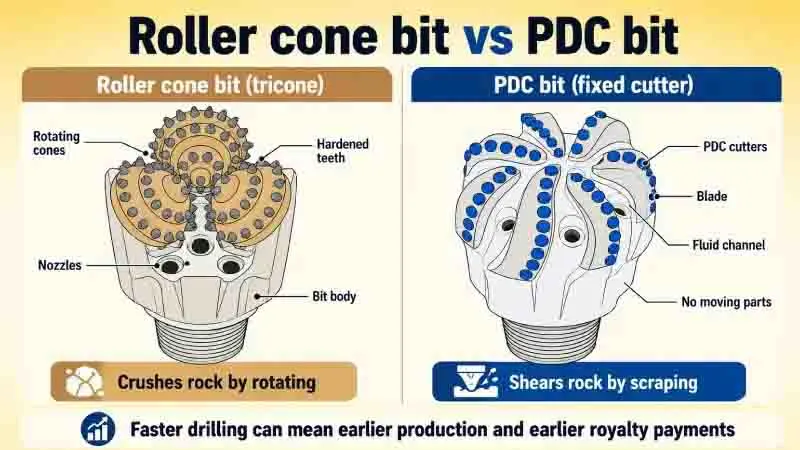
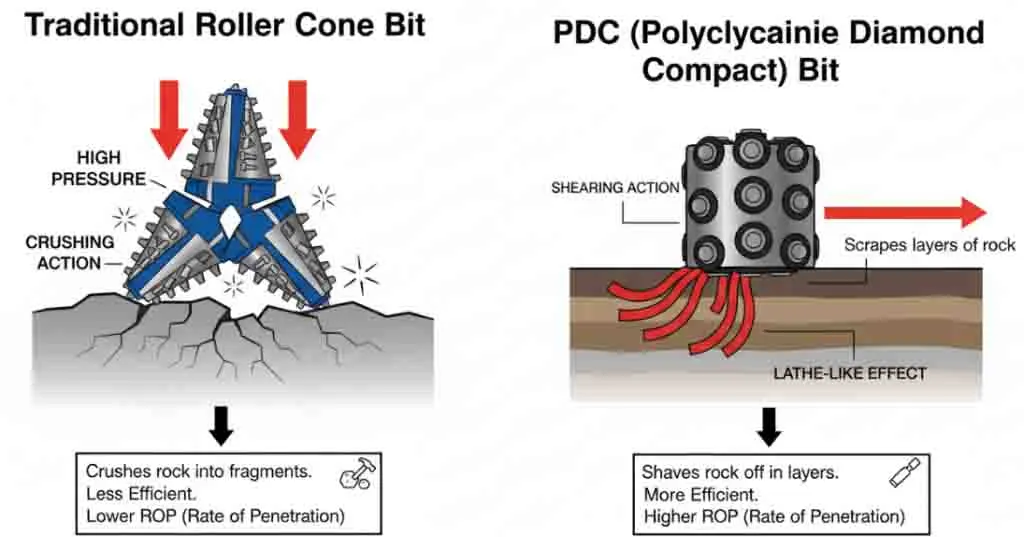
When it comes to shale oil drilling, selecting the right oilfield drill bits can make a significant difference in drilling speed, bit life, directional control, and overall well cost. PDC Bits are widely used in shale because they cut rock through a continuous shearing action rather than the crushing mechanism used by roller-cone bits. This makes them particularly attractive for long horizontal sections where operators need consistent ROP, stable drilling behavior, and fewer trips out of the hole.
Why Are PDC Bits Effective in Shale Oil Drilling?
Shale formations can vary considerably from one basin to another. Some intervals are relatively soft and homogeneous, while others contain hard stringers, abrasive minerals, carbonates, or unstable shale. A successful bit therefore needs more than an aggressive cutting structure. It must also provide stability, efficient cuttings removal, cutter durability, and predictable directional response.
According to technical material published by the International Association of Drilling Contractors (IADC), PDC bits remove rock primarily through shearing. Cutter size, back rake angle, side rake, chamfer geometry, cutter layout, and rock properties all influence the forces acting on the bit. IADC also points out that PDC design involves balancing drillability, hydraulics, steerability, and durability.
This explains why PDC bits have become such an important option for unconventional oil and gas wells.
1. Continuous Rock Cutting Can Improve ROP
Unlike a roller-cone bit, a PDC bit has no rotating cones or bearings. Its fixed cutters remain in contact with the formation and continuously shear rock as the bit rotates.
This cutting mechanism can be highly efficient in many shale intervals. Baker Hughes describes PDC technology as offering high ROP potential and improved drilling efficiency, while its current PDC portfolio includes designs specifically intended for shale and directional applications.
For drilling contractors, higher ROP is valuable because every hour saved while drilling can reduce rig time and improve well economics.
However, maximum aggressiveness is not always the best target. If a bit becomes too aggressive for the formation or BHA, torque fluctuations and vibration can increase. A balanced cutter layout is normally more useful than simply adding aggressive cutters.
2. Fewer Trips Can Reduce Drilling Costs
Long horizontal shale wells can involve thousands of meters of lateral drilling. A premature bit failure means another trip, additional rig time, and potentially greater exposure to downhole problems.
Modern PDC designs therefore focus heavily on extending footage per run.
Baker Hughes, for example, describes its fixed-cutter PDC platforms as being designed to extend drilling runs, improve cutter durability, reduce vibration, and lower drilling cost. Its current technologies also use application-specific cutter shapes and layouts to balance penetration efficiency with durability.
A useful example comes from Halliburton's Mexico case study. The operator needed to drill approximately 4,070 m of shale, conglomerate, and sandstone in a 12¼-in. section. Halliburton engineered three PDC bits and used real-time monitoring to adjust the drilling approach. The reported result was 4,083 m drilled in 552.5 hours at 7.4 m/h, saving 10.4 days and eliminating two trips.
The lesson is important: bit performance should be measured by the entire drilling interval, not only by instantaneous ROP.
3. PDC Bits Can Provide Good Directional Control
Shale oil wells are commonly drilled directionally before entering long lateral sections. This creates another requirement: the bit must drill efficiently while still responding predictably to the BHA and steering system.
Bit profile, gauge design, cutter placement, aggressiveness, and stability all influence this behavior.
Baker Hughes notes that its PDC technology is used in directional drilling and in the transition from vertical to lateral sections, with designs intended to provide directional control and high build rates.
Halliburton also published a case involving a 12¼-in. PDC bit and rotary steerable system in the Caspian Sea. The formation contained fault planes and unstable green shale. The reported result was successful directional control, little to no vibration, maintained ROP, and zero drilling-related NPT for the section.
For shale operators, this combination of cutting efficiency and directional response can be more important than simply achieving a high ROP number.
4. Better Cutter Technology Helps Handle Formation Changes
Not every shale interval behaves the same way. A bit that performs well in homogeneous shale may struggle when it encounters carbonate streaks or abrasive layers.
Modern PDC development has therefore moved beyond simply increasing diamond cutter size.
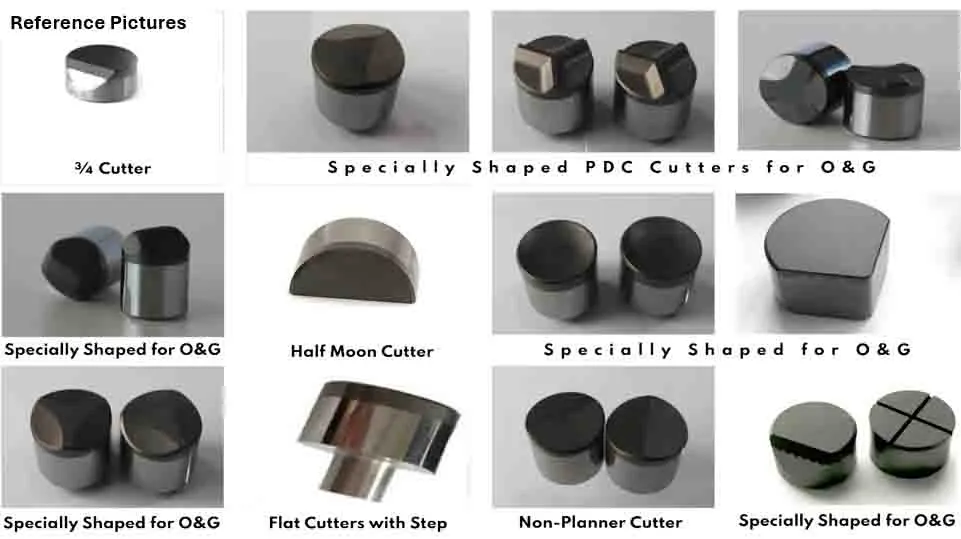
Baker Hughes' current PDC technology includes shaped cutters designed for different drilling problems. Its published technical information describes shaped-cutter solutions intended to improve durability, reduce thermal damage, and maintain efficient cutting in challenging or interbedded formations.
Halliburton provides another useful example. In one case involving hard, highly abrasive shale, the operator was experiencing premature PDC cutter failure and required more than 35 runs per lateral section. Halliburton used in-bit measurements of weight, torque, bending, vibration, and RPM to identify downhole dysfunction and improve the drilling process.
This shows that cutter durability and drilling parameters need to be considered together. Even a high-quality PDC cutter can suffer premature damage if the bit experiences excessive vibration, improper WOB, stick-slip, or unsuitable operating conditions.
How Should You Choose a PDC Bit for a Shale Oil Well?
There is no universal PDC configuration that works equally well in every shale basin. The better approach is to match the cutting structure with the actual drilling environment.
Before purchasing, drilling contractors should consider:
- Formation hardness and abrasiveness
- Shale mineral composition
- Presence of carbonate or hard stringers
- Well inclination and lateral length
- Expected WOB and RPM
- Mud type and flow rate
- Hydraulic cleaning requirements
- BHA and motor/RSS configuration
- Previous bit dull condition
- Target ROP and expected footage
Hydraulics deserve particular attention in shale.
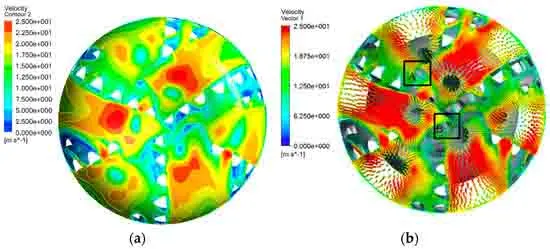
Sticky shale cuttings can accumulate around the bit face when cleaning is insufficient. This may reduce effective cutter exposure and cause bit balling. Nozzle placement, junk-slot volume, flow distribution, and drilling-fluid properties should therefore be considered during bit design.
IADC's technical discussion of PDC bits emphasizes that hydraulics are one of the major factors that must be balanced with drillability, steerability, and durability.
A Practical Example for Buyers
Imagine a contractor drilling a horizontal shale well where the upper section is relatively soft shale but the lateral contains occasional hard carbonate streaks.
A very aggressive standard PDC bit might deliver excellent ROP in the soft shale but suffer cutter damage when it reaches the harder intervals.
A better solution could be a formation-specific PDC design with optimized cutter geometry, controlled aggressiveness, stronger shoulder protection, and sufficient hydraulic capacity.
This type of approach is also reflected in current industry development. Baker Hughes states that its PDC cutters and bit designs are tested and selected according to specific applications, with cutter placement optimized for ROP and footage.
Why Consider Hainaisen?
For overseas drilling contractors and oilfield service companies, Hainaisen provides PDC bit solutions with a strong focus on practical drilling requirements.
Instead of treating every shale well as the same application, Hainaisen can work with customers to consider hole size, formation conditions, well profile, drilling parameters, and previous bit performance before recommending a configuration.
Our PDC bit solutions are suitable for customers looking for:
- Stable cutting performance
- Application-specific cutter layouts
- Good ROP potential
- Reliable cutter durability
- Directional drilling applications
- Customized bit configurations
- Competitive manufacturing support from China
We believe that a good drilling tool should not only look impressive on a product specification sheet. It should perform consistently under the actual conditions encountered at the wellsite.
For this reason, Hainaisen is a practical option for buyers who need dependable PDC solutions for shale oil and gas projects and want direct communication with the Manufacturer.
Contact Hainaisen for a bit recommendation based on your actual formation and drilling conditions.
Email: hainaisen@hnsdrillbit.com
Phone: +86 17791389758
FAQ
Are PDC bits suitable for shale oil drilling?
Yes. PDC bits are widely used in shale and unconventional oil and gas drilling because their fixed cutters provide continuous shearing action and can deliver high ROP potential in suitable formations.
Why can PDC bits drill shale faster?
The cutters shear the rock continuously instead of repeatedly crushing it. This cutting mechanism can require less energy for certain formations and allows the bit to maintain an efficient cutting process.
What causes premature PDC cutter failure in shale?
Common causes include excessive vibration, impact loading, thermal damage, abrasive formation, improper WOB/RPM, stick-slip, and an unsuitable cutter configuration.
How can bit balling be reduced in shale?
Improving hydraulic cleaning is one important measure. Nozzle placement, junk-slot volume, drilling-fluid properties, flow rate, and bit profile should be evaluated together.
Should I use the same PDC bit for the vertical and horizontal sections?
Not necessarily. The formation, directional requirements, BHA, and drilling parameters can change considerably between sections. A bit optimized for one section may not be the best choice for another.
What information should I provide when requesting a PDC bit quotation?
It is useful to provide bit diameter, formation description, well profile, mud type, expected WOB/RPM, previous bit information, target ROP, and any available dull-grade photographs. These details help the manufacturer recommend a more appropriate configuration.
How can I contact Hainaisen?
You can contact Hainaisen directly:
Email: hainaisen@hnsdrillbit.com
Phone: +86 17791389758
Our team can discuss your shale drilling conditions and provide a suitable PDC bit recommendation.
References
1. International Association of Drilling Contractors (IADC), “Back to Basics: PDC Drill Bits.”
Technical discussion of PDC cutting mechanisms, cutter geometry, back rake, cutter layout, hydraulics, steerability, and durability.
2. Baker Hughes, “Fixed Cutter PDC Drill Bits.”
Technical and product information covering PDC drilling efficiency, cutter durability, vibration control, shaped-cutter technology, shale applications, and directional drilling.
3. Halliburton, “Advanced Bit Technology Delivers Longer Runs and Improves ROP.”
Field case study from Mexico involving shale, conglomerate, and sandstone, with reported drilling footage, ROP, reduced trips, and drilling-time savings.
4. Halliburton, “Cerebro Force In-Bit Sensing Identifies Drill Bit Dysfunction.”
Case study addressing premature PDC cutter failure in hard, highly abrasive shale and the relationship between vibration, WOB, torque, and bit performance.
5. Halliburton, “GeoTech Drill Bit and iCruise RSS Achieve Operator's Drilling Target.”
Case study covering directional drilling through faulted formations and unstable green shale in the Caspian Sea.
6. Baker Hughes, “PermaFORCE Elite PDC Drill Bit.”
Technical information on cutter durability, thermal stability, impact resistance, bit stability, hydraulic efficiency, and application-specific PDC design.
7. International Association of Drilling Contractors, “DC Drill Bits.”
IADC technical publication covering PDC technology, cutter development, bit design, drilling economics, and field case histories.
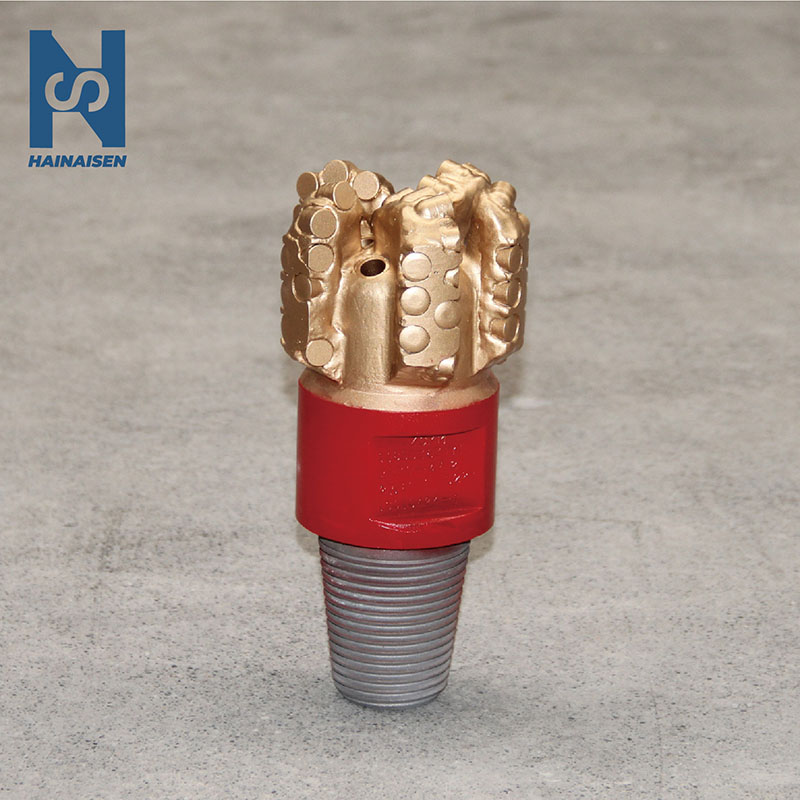 VIEW MOREHigh Performance 5 Cutter PDC Bit
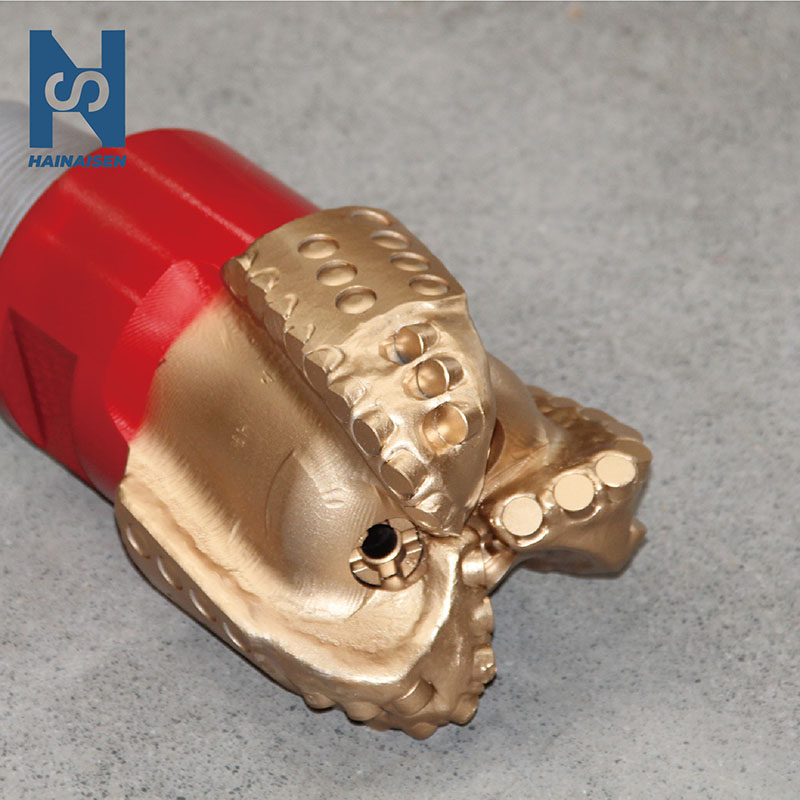 VIEW MOREThree Blade Oil Drill Bit
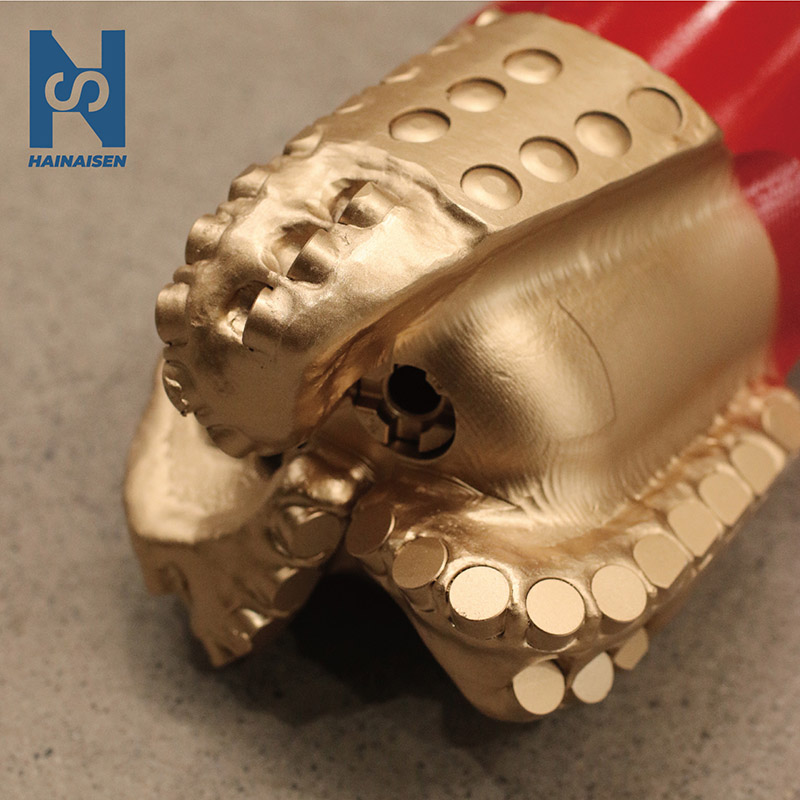 VIEW MOREThree Blades Rock Drill Bit
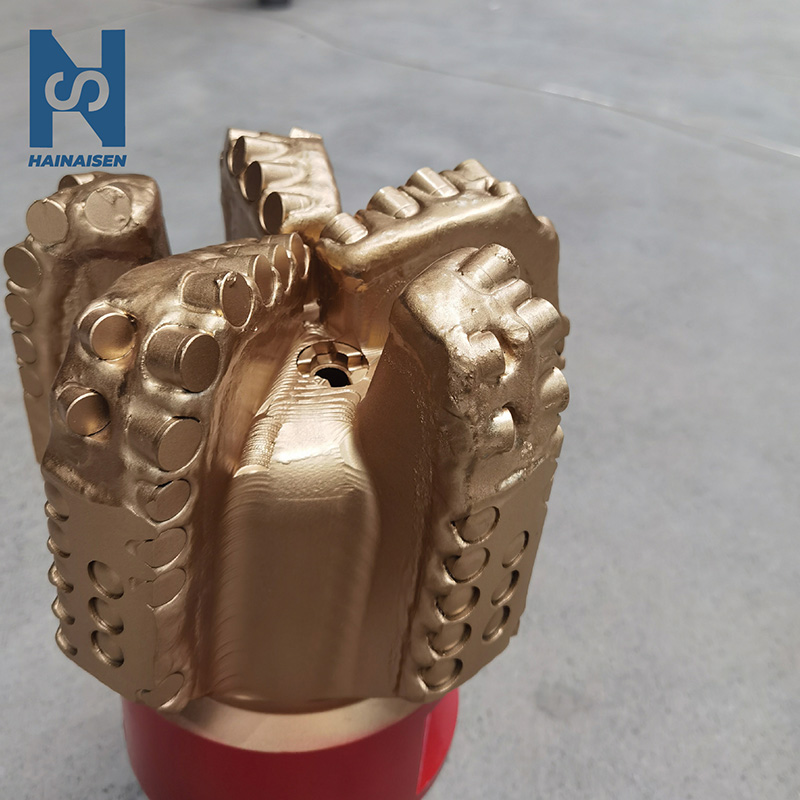 VIEW MOREFive Blade Wing Oil Drilling
 VIEW MOREFour Blade PDC Drill Bit
 VIEW MOREPDC Core Drill Bit Used For Drilling
 VIEW MOREDirectional Well PDC Drill Bit
 VIEW MORE5 Blade Matrix Body PDC Drill Bits
