




Which action do PDC drilling bits use to penetrate rock formation?
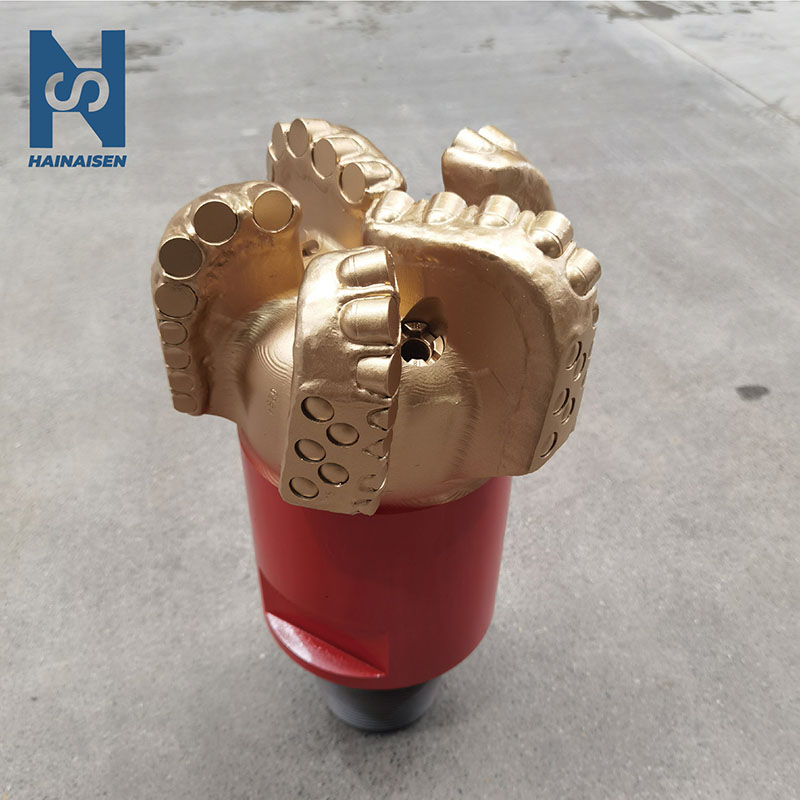
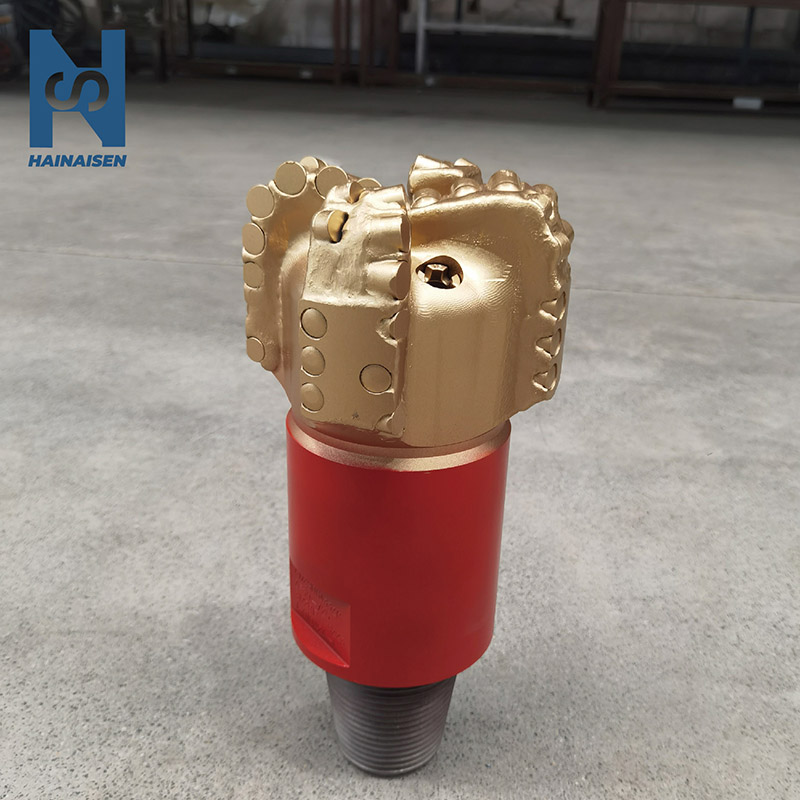
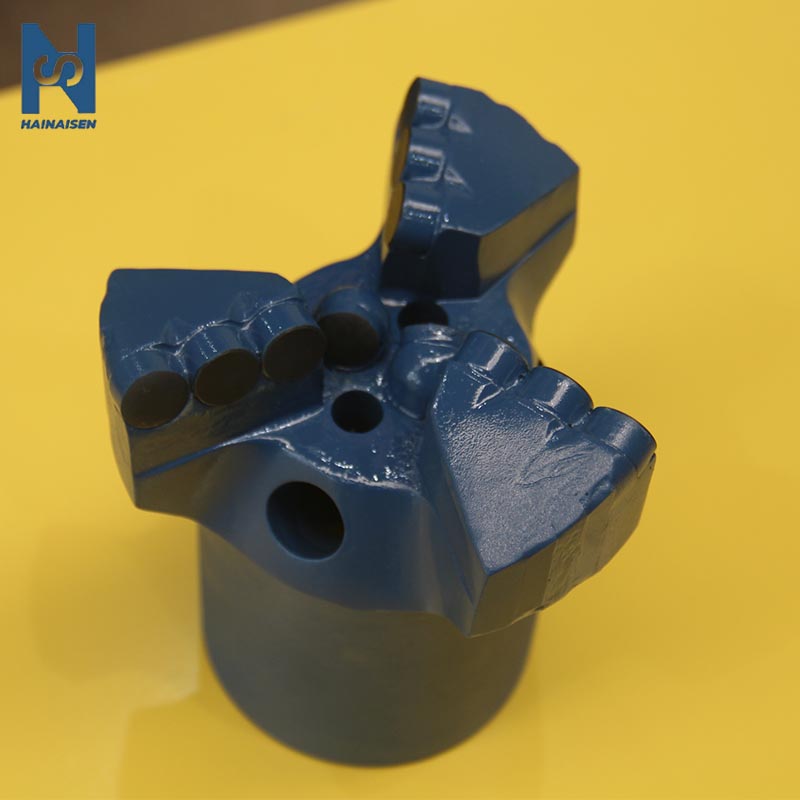
PDC drilling bits employ a sophisticated shearing action to penetrate rock formations, fundamentally different from traditional crushing mechanisms. The PDC Rock Drill Bit utilizes polycrystalline diamond compact cutters that slice through geological structures with precision and efficiency. This cutting-edge technology creates clean, controlled fractures in the rock matrix, enabling faster penetration rates while maintaining superior directional control. The diamond cutters work collectively to remove formation material through continuous shearing forces, making these tools indispensable for modern drilling operations across oil and gas, mining, and water well applications.
Understanding the Penetration Mechanism of PDC Rock Drill Bits
The way that polycrystalline diamond compact bits dig into the ground is a huge step forward in drilling technology. Unlike conventional roller cone bits that crush rock through compressive forces, PDC Bits make entry through systematic shearing action, which is very different from traditional roller cone bits that crush rock through compressive forces. This changes the way we do operations underground in a fundamental way.
The Science Behind Shearing Action
Instead of destructively breaking, the shearing device works by removing material in a controlled way. Each polycrystalline diamond cutter functions as a tiny cutting tool, creating precise cracks in a pattern that has already been set. During the drilling process, the diamond matrix maintains a constant cutting shape. This ensures that entry rates are the same even when the geology differs.
According to research, shearing action uses about 30 to 40 percent less energy than standard breaking ways. The diamond blades' ability to keep their cutting edges sharp while producing little heat makes them very efficient. A lower friction level directly leads to better cutting performance and longer tool life.
Component Design Impact on Penetration Performance
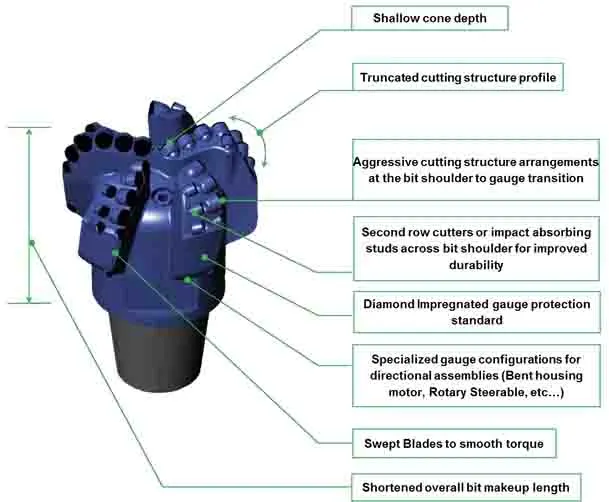
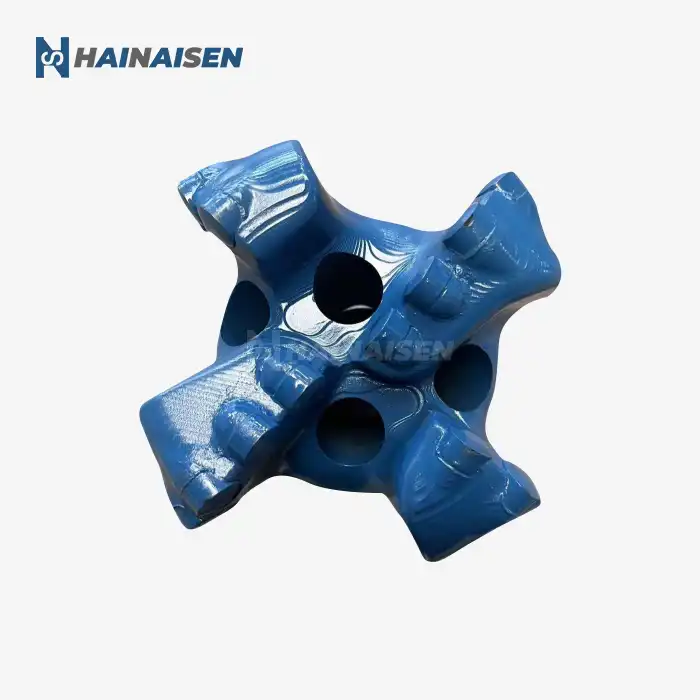
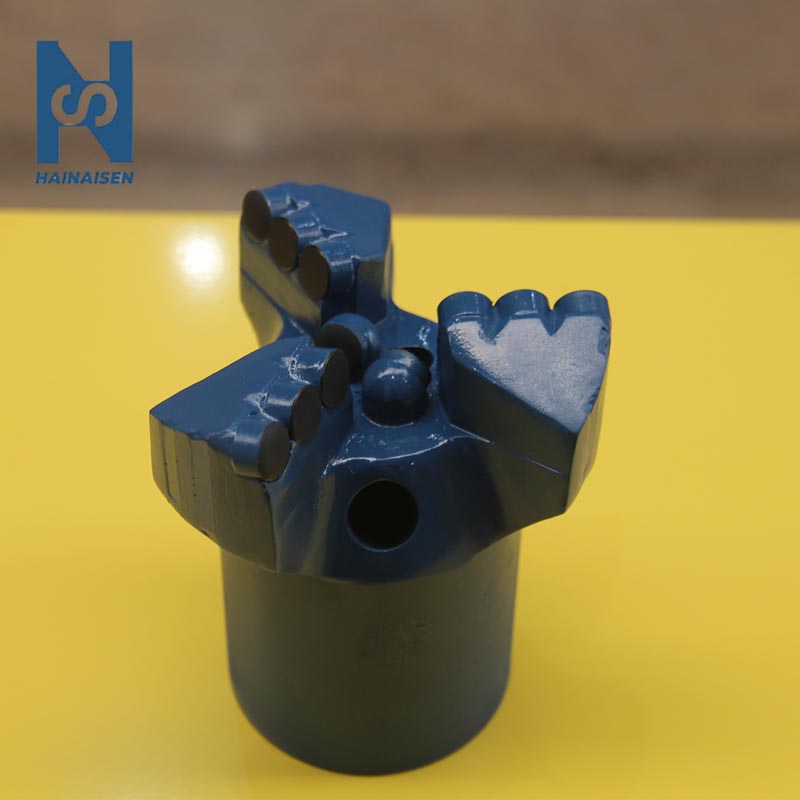
The way PDC cuts are arranged geometrically has a big effect on how well they penetrate. Engineered patterns are used to put the cutters in a way that best distributes the load while keeping the hydraulic flow properties. The steel body design gives the structure the strength it needs to handle the high-power loads that come from drilling operations that are very rough.
Advanced tungsten carbide matrix technology makes it more resistant to wear, which is especially important when working with rough materials. The matrix makeup forms a shield around each cutter that keeps them from wearing out too quickly while keeping their cutting efficiency. This way of thinking about design makes sure that the bit's entry performance stays the same over its useful life.
Types and Design Features Influencing Penetration Action
Targeted design changes to the PDC Rock Drill Bits allow them to deal with different geology problems. When buying, workers understand these differences, and they can choose the best tools for their needs.
Standard versus Specialized PDC Configurations
Standard PDC bits have cutting setups that are all the same and work well with moderately hard formations. These patterns work best in sedimentary rocks like sandstone, limestone, and others like them, where regular penetration rates are more important than the ability to cut in specific ways. The balanced method works reliably in a wide range of drilling situations.
Different setups have different cutter shapes and blade profiles that are made to work in tough circumstances. Hard rock versions have better support systems for the cutters and changed hydraulic lines that make cooling and getting rid of debris easier. These changes to the design make it possible to penetrate granite, basalt, and other solid rocks.
Critical Design Elements Affecting Performance
Several important design factors have a direct effect on how well the entry works:
- Cutter layout geometry: Optimized space makes sure that the load is evenly distributed and that cutters don't interfere with each other while they're turning.
- Blade profile configuration: Engineered curves make cutting more efficient while keeping the structure strong under heavy loads
- Hydraulic flow optimization: placing channels in a way that improves cooling and debris removal keeps the cutter from getting too full.
- Advanced bonding technology: better ways to connect cutters that don't get damaged by impact and keep the cutting edge sharp.
All of these design factors work together to make drilling tools that work better than other options. Comparative research shows that properly designed PDC bits have penetration rates that are two to three times faster than roller cone versions and last a lot longer.
Selecting the Right PDC Drill Bit According to Penetration Needs
For bit selection to go well, formation traits, operational factors, and project goals must all be carefully looked at. Several technical and economic factors play a role in the decision-making process and finally determine the success of the drilling.
Formation Analysis and Bit Matching
Assessing the strength of the rock is the first step in choosing the right bit. Engineers figure out the right cutter setups and body shapes by measuring the compressive strength. The features of the abrasive affect the choices of matrix makeup, and the heterogeneity of the formation affects the choices of blade profile.
When choosing a PDC Rock Drill Bit, the process takes into account the drilling fluid compatibility, the rotating speed limits, and the weight-on-bit needs. Together, these factors decide the best penetration performance while keeping operating risks to a minimum. When you match the bits correctly, you get the most out of your investment because the bits last longer and dig more efficiently.
Application-Specific Considerations
Different businesses have their own problems that affect how bits are chosen. For cost-effective well building, oil and gas activities put a high priority on optimizing the penetration rate. Offshore drilling requires a high level of dependability because it is hard to get new tools. For horizontal drilling uses, better direction control is needed.
When mining, durability and reliable performance in a range of geological situations are very important. For a coal mine in particular, special designs that can work with broken rock formations and keep accurate direction control are very helpful. When drilling water wells, teams focus on finding solutions that are both stable and don't cost a lot of money.
Maintenance and Troubleshooting to Optimize Penetration Efficiency
Using the right repair procedures has a direct effect on how well penetration works and how much it costs to run. Inspections done on a regular basis find possible problems before they hurt the efficiency of drilling or lead to catastrophic failures.
Common Issues Affecting Penetration Performance
Patterns of cutter wear tell us a lot about how the machine is working and how well the bits are working. Even wear means the machine is working right, while uneven wear means the drilling settings aren't right or there are problems with the formation. When problems are found early, they can be fixed before they have a big effect on speed.
Problems with hydraulic flow make cooling less effective and make it harder for trash to escape. When flow routes get blocked, they cause localized heating that speeds up cutter wear while slowing down penetration rates. These problems don't affect how well operations run because they are cleaned and inspected on a regular basis.
Preventive Maintenance Best Practices
Systematic inspection methods should check the state of the cutter, the stability of the matrix, and the usefulness of the hydraulic system. Damage that is easy to see can be found visually, while measures of size and shape show how wear is progressing. These evaluations help people make smart choices about whether to keep operating or change something.
Using the right handling methods can keep things from getting damaged while they are being moved or stored. Diamond cutters need to be protected from damage from impacts that could change the shape of the cutting edge. Keeping things in controlled settings stops rust and keeps them working at their best.
Procurement Insights: Acquiring PDC Rock Drill Bits That Maximize Penetration
Strategic choices about buying have a big effect on the success of operations and the long-term costs of a project. Knowing what a provider can do, what their quality standards are, and what support services they offer will help you make the best purchases.
Supplier Evaluation Criteria
Certified makers with a history of making good products give customers trust in the quality and stability of their products. Quality management systems make sure that the standards for making meet the needs of operations and provide tracking to improve performance. Technical help lets people work together to solve problems when they come up.
Warranty terms and assistance after the sale show that the maker trusts the product to work well. Support packages that cover everything include expert advice, performance reviews, and suggestions for replacements. These services add a lot of value that goes beyond the cost of the goods themselves.
Strategic Buying Considerations
Unique practical needs can be met by custom bit designs that can't be met by standard setups. When engineers work together, they can find the best solutions for different types of rock, cutting conditions, and performance goals. This method increases the efficiency of penetration while lowering practical risks.
Strategies for ordering in bulk can save you money and make sure that you have the tools you need for longer activities. When managing inventory, you have to weigh the costs of keeping things on hand against the need to keep operations running smoothly. Having strategic relationships with dependable providers makes these tasks easier and keeps prices low.
When it comes to operational power, the PDC Rock Drill Bit is a big expense. To find a good balance between performance needs and budget limits, you need to look at the total cost of ownership, not just the purchase price. Most of the time, better goods offer better long-term value by lasting longer and working better.
Conclusion
PDC drilling bits change the way rock is broken through because they shear the rock better than standard breaking methods. In a wide range of situations, from oil and gas research to water well digging, polycrystalline diamond technology works better than other options. Procurement workers can make choices that improve operating efficiency by learning about penetration mechanisms, design features, and selection criteria. With smart sourcing and proper upkeep, you can get the most out of your purchase and keep the drilling performance steady. Using these new technologies to reach underground goals that are getting harder to reach is what the future of drilling activities depends on.
FAQ
Q1: What makes PDC bits more effective than traditional drilling tools?
PDC Rock Drill Bit technology employs diamond cutters that shear rock instead of crushing it. This makes the tool last longer, penetrate rock faster, and make less noise. When compared to regular roller cone bits, the precise cutting action makes boreholes that are cleaner and uses less energy.
How do I determine the right PDC bit for my specific formation?
Q2: When looking at a formation, you should think about how hard, rough, and solid the rock is. It's easier to match the bit design to natural conditions when you talk to experienced sources who know what you need for your operations. Based on formation data and drilling goals, technical support teams can suggest the best combinations.
Q3: What maintenance practices extend PDC bit service life?
Regular checks of the state of the cutter, the hydraulic flow lines, and the integrity of the matrix stop failure before it happens. Diamond cutters can be kept safe from damage by being handled properly while being moved and stored. Following the Manufacturer's suggestions for drilling settings will get the best results while reducing wear.
Partner with HNS for Superior PDC Rock Drill Bit Solutions
HNS (Shaanxi Hainaisen Petroleum Technology Co., Ltd.) stands as your trusted PDC Rock Drill Bit supplier, delivering cutting-edge drilling solutions since 2013. Our state-of-the-art 3,500m² facility features advanced 5-axis machining centers and CNC production powers that make sure our products are made precisely and of consistently high quality. With extensive experience serving oil and gas companies, mining operations, and water well drilling teams in a wide range of geological situations, we know how important it is to have solid entry performance.
Our research and development team is committed to creating custom bits that meet your specific business needs in terms of penetration efficiency. Get in touch with our technical experts at hainaisen@hnsdrillbit.com to talk about your drilling problems and find out how our premium polycrystalline diamond technology can help your business succeed.
References
1. Smith, J.A. "Polycrystalline Diamond Compact Technology in Modern Drilling Applications." Journal of Petroleum Engineering Technology, Vol. 45, 2023.
2. Chen, L.M. "Comparative Analysis of Rock Penetration Mechanisms in PDC versus Roller Cone Drill Bits." International Mining and Drilling Review, Issue 12, 2022.
3. Thompson, R.K. "Advanced Materials in PDC Bit Manufacturing: Tungsten Carbide Matrix Applications." Materials Science in Drilling Technology, Vol. 38, 2023.
4. Rodriguez, M.S. "Hydraulic Flow Optimization in PDC Bit Design for Enhanced Formation Penetration." Drilling Engineering Quarterly, No. 3, 2022.
5. Williams, P.D. "Economic Analysis of PDC Bit Performance in Unconventional Drilling Operations." Energy Industry Economics, Vol. 29, 2023.
6. Anderson, K.R. "Maintenance Protocols for Maximizing PDC Bit Service Life in Harsh Drilling Environments." Industrial Maintenance Engineering, Issue 8, 2022.
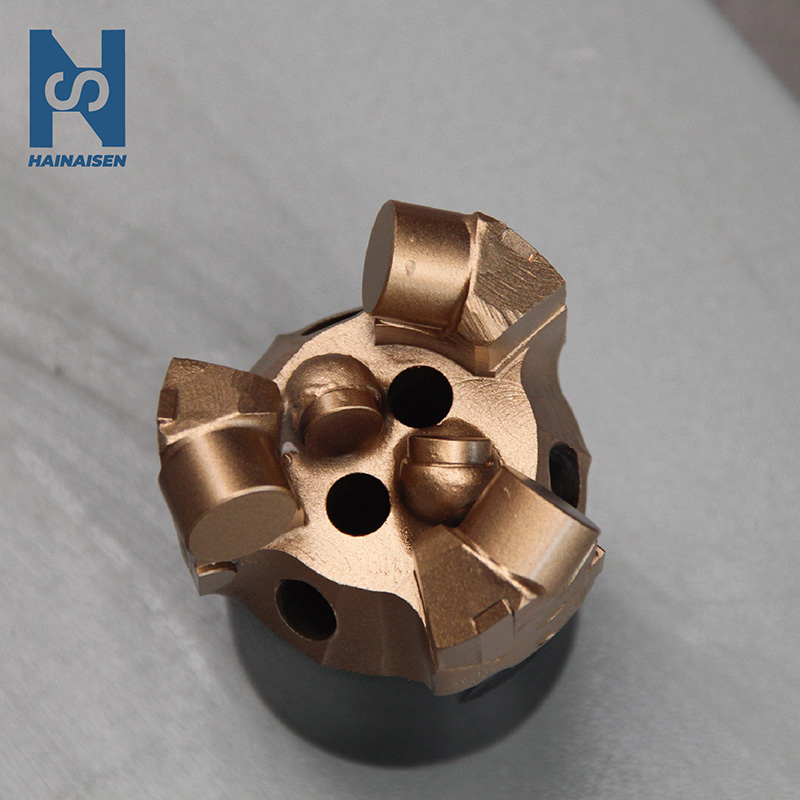 VIEW MORECoal Mines Use Haineisen PDC Drill Bits
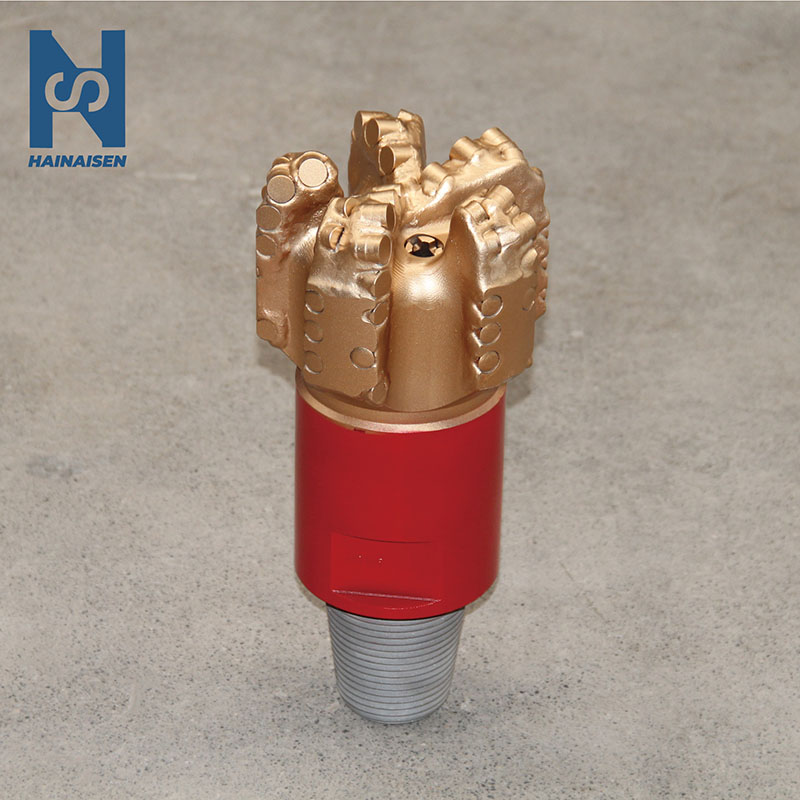 VIEW MORE5 Blade Matrix Body PDC Drill Bits
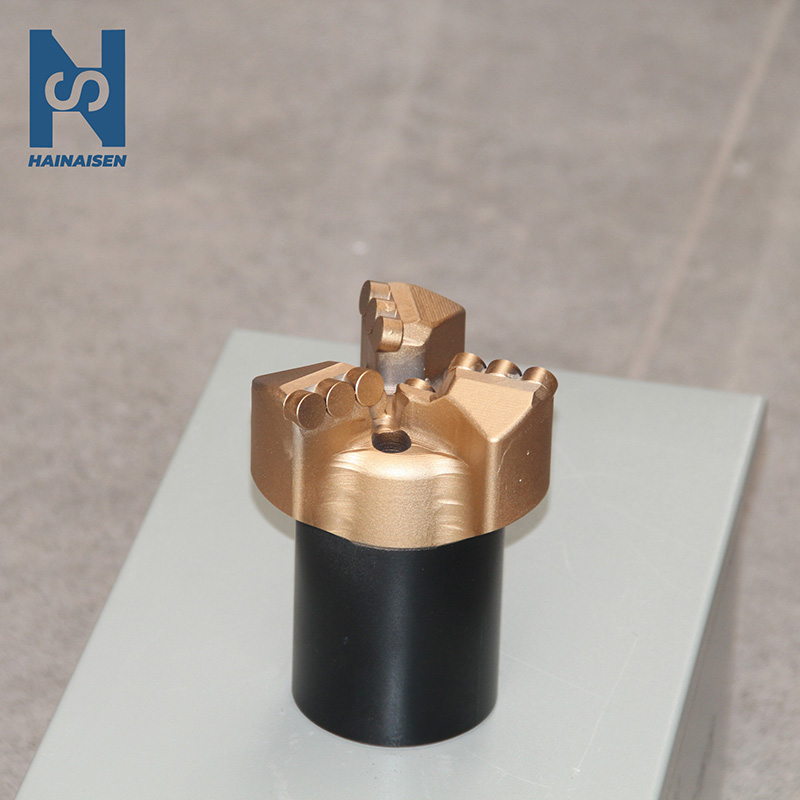 VIEW MOREThree Blades Steel Body PDC Bit
 VIEW MOREDrill Bits For Oil Drilling
 VIEW MORESteel Body PDC Bit 4 Blades
 VIEW MORE3 Blades Steel Body PDC Bit
 VIEW MOREPetroleum Drilling Equipment PDC
 VIEW MOREPolycrystalline Diamond Drill Bits