







How to improve drilling efficiency (ROP)?
A big task for oil and gas exploration businesses around the world is to make drilling more efficient and get the highest Rate of Penetration (ROP). The answer comes in more advanced drilling technologies, especially Five Blade Wing Oil Drilling systems that are better at cutting through rock because of their unique blade arrangements. These high-tech PDC drill bits have better blade spacing, better hydraulic flow patterns, and smarter cutter placement that greatly improve penetration rates while lowering costs and project timelines for drilling in a wide range of rock formations.
Understanding Drilling Efficiency Challenges and Bottlenecks
The main way to measure how well drilling is going is by Rate of Penetration, which is the speed at which drill bits move through rock layers underground. However, many practical problems keep the drilling business from being as productive and cost-effective as it could be.
Common Limitations in Traditional Drilling Methods
When using traditional three- and four-blade drilling methods, they often have big technical problems that make them less effective. These traditional tools have trouble breaking up rock well enough, especially in medium-hard layers where steady cutting action is needed to keep progress rates steady.
Another big problem is drill bit wear, because normal PDC cutters break down faster in rough rock situations. This pattern of wear means that bits need to be replaced more often, which increases downtime and costs a lot of money to run. This affects the total economy of the project. A huge amount of energy is also used when drilling tools don't keep up with the best cutting efficiency, which means they need to be rotated faster and have more weight on their bits in order to get good penetration rates.
How Five Blade Design Addresses Performance Barriers
Five Blade Wing Oil Drilling technology directly solves these operating problems by using better engineering principles that make the cutting gears and hydraulics work more efficiently. The extra blade arrangement spreads the cutting forces more equally across the bit face, lowering the stress on each cutter while keeping the bit's ability to remove rocks aggressively.
The planned placement of the blades of oil field drill bits makes the junk holes between the cutting structures bigger. This makes it easier for the cuttings to escape and stops bit balling, which happens a lot with older designs. This better removal of dirt keeps cutting surfaces cleaner and keeps penetration rates higher over longer drilling runs.
Core Principles Behind Five-Blade Wing Oil Drilling Technology
The technical brilliance of five-blade drilling systems comes from their advanced design principles, which change the way drilling is usually done by improving hydraulic performance and cutting shape.
Superior Blade Configuration and Cutting Mechanics
Compared to other drilling tools, the five-blade design spreads cutting loads across more contact points, making the rock fracture patterns more efficient. Each blade has carefully placed PDC cutters with 13mm and 16mm diameters. These are set up in a way that maximizes cutting efficiency while reducing energy use during drilling operations.
This setup has 109 PDC cutters spread out across the 12.25-inch bit width, which makes sure that the formation is completely covered and the cutting action is constant. The 90mm gauge length makes the borehole very stable, and the strong 95kg build gives it the sturdiness needed for tough drilling conditions.
Operational Workflow Optimization
The first step in drilling is carefully choosing the right bit based on the features of the rock and the needs of the project. Setting up the seven hydraulic nozzles before drilling means adjusting them to fit the rock conditions. This improves the flow of drilling fluid for the best cutting removal.
The five-blade design keeps the power constant and the vibrations to a minimum while it's working, which makes drilling go more smoothly and gives you better control over the direction of the drill. The API 6-5/8 REG.PIN link makes sure that the clip is safe and that power is sent reliably during tough drilling campaigns.
Environmental and Safety Considerations
Modern drilling activities must strictly follow rules for worker safety and protecting the environment. Five-Blade Wing Oil Drilling tools help reach these goals by making drilling more efficient, which lowers the total impact on the environment and operating risks.
Better entry rates cut down on the total time needed for drilling, which minimizes the damage to the surface and lowers noise levels in sensitive areas. The better cutting efficiency also lowers the amount of energy needed to drill one foot. This helps meet practical sustainability goals and lower carbon emissions, which are becoming more important in procurement choices.
Comparing Five-Blade Wing Drilling to Other Drilling Technologies
A full performance study shows that five-blade systems are much better than traditional drilling technologies in a number of operating factors that have a direct effect on the economics of the project and the efficiency of operations.
Performance Advantages Over Traditional Methods
Traditional rotating drilling methods with three or four blades usually have lower entry rates because they have less cutting surface area and don't distribute force as well as they could. Most standard drilling tools need to be taken out of service more often to change the bits, which wastes time and money.
The following benefits show that the Five Blade Wing Oil Drilling methods are better:
- Enhanced cutting efficiency: The additional blade adds about 25% more cutting surface area, which directly leads to better penetration rates across a wider range of forms.
- Superior stability and vibration control: The five-blade design makes the machine more balanced while it's rotating, which lowers dangerous vibrations that can damage downhole tools and lower the quality of the borehole.
- Extended operational lifespan: Distributed cutting loads lower the stress on each cutter, which means bits last longer and need to be replaced less often than with traditional designs.
- Improved hydraulic performance: Optimized junk slot geometry enhances cuttings evacuation, keeping cutting surfaces cleaner and stopping bit balling that slows down drilling.
These performance gains directly address the operating problems that oil service companies, coal mines, and water well drilling teams face when they try to get the best value for their money while still meeting quality standards.
Cost-Benefit Analysis for Procurement Decisions
A study of investments shows that five-blade drilling methods save a lot of money in the long run, even though they cost more to buy at first. The better longevity and performance traits lower the total cost-per-foot-drilled because the bits don't need to be replaced as often and can go deeper.
Based on the features of the formation and the drilling parameters, operational data shows that Five Blade Wing Oil Drilling technology can improve ROP by 15–30% compared to standard methods. For drilling projects, this increase means a lot less time spent on them, lower rig rental costs, and faster project finish dates.
Medium and big oil repair businesses that value equipment quality and long-term performance over initial purchase price will gain the most from this technology. The longer bit life and higher efficiency make strong value propositions that support higher initial investments through cost savings and higher project profits.
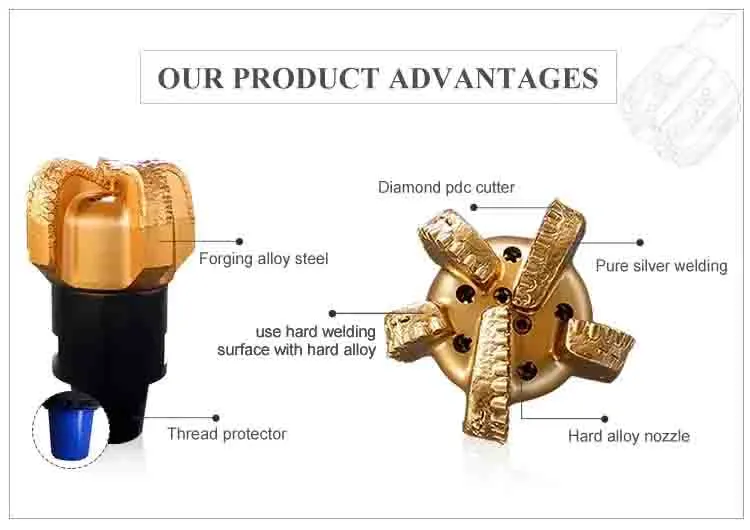
Practical Strategies to Boost Drilling Efficiency Using Five-Blade Wing Systems
To get the most out of modern drilling technology, you need to use thorough plans that choose the best tools, run operations smoothly, and keep up with maintenance so that you can get better drilling results at a lower cost.
Equipment Selection and Maintenance Protocols
The first step in choosing the right tools is to make sure that the bit's specs are right for the job and the rock conditions. The IADC number S123 means that it can be used in medium-hard formations. This makes it perfect for a wide range of drilling tasks, such as oil research, coal mining, and building water wells.
Maintenance plans are very important for keeping things running at their best during drilling sessions. Regular inspections should check the state of the PDC cutter, the pattern of wear, and the soundness of the hydraulic nozzle to keep performance from dropping, which lowers entry rates and raises running costs.
Workforce Training and Safety Implementation
In order for implementation to go smoothly, drilling teams need to go through thorough training programs that teach them how to use five-blade drilling tools properly. This training covers the right settings for drills, how to check for vibrations, and how to fix problems so that the machine keeps running at its best.
The unique workings of Five Blade Wing Oil Drilling systems must be covered in safety protocols. For example, the 95 kg bit weight must be handled correctly, and the API 6-5/8 REG.PIN interface must have secure connection protocols. These steps protect people and make sure that tech works reliably.
Data Monitoring and Performance Optimization
Real-time monitoring systems let the drilling settings be constantly tweaked to keep activities running at their most efficient. Advanced data gives important information about penetration rates, torque traits, and sound levels that help operators make changes.
The study of the data shows the best combinations of weight-on-bit and rotational speed that improve ROP while keeping bit integrity for long periods of time. To get the best cost-per-foot performance, this knowledge helps people make decisions that balance how aggressive the drilling should be with how long the tools should last.
Procurement Guidance for Five-Blade Wing Oil Drilling Equipment
When making strategic purchasing choices, it's important to carefully look at the skills of the Manufacturer, the specifications of the product, and the support services that will make sure the project runs smoothly and the operations are satisfied in the long term.
Manufacturer Selection and Certification Requirements
When looking for good makers of oil field drill bits, you need to look at their production skills, quality control systems, and industry Certifications that promise consistent and reliable product performance. Well-known companies like Shaanxi Hainaisen Petroleum Technology have the technical know-how and production facilities needed to make high-quality drilling tools.
The company's 3,500m² building has high-tech cutting centers and CNC machines that can make precise products that meet strict industry standards. Their focused research and development team makes unique bits that meet the needs of each project and solve problems with formation.
Sourcing Options and Custom Solutions
There are a number of different ways for procurement teams to find the products they need. These include buying directly from manufacturers, working with approved distributors, and having special engineering solutions made to fit the needs of each project. Depending on the size of the project, the time limits, and the technical requirements, each method has its own benefits.
Custom bit design services are especially useful for unique tasks that need changed cutting structures, different cutter setups, or specific hydraulic optimization. Customized solutions like these make sure that the best performance is achieved in tough drilling conditions where standard setups might not work.
After-Sales Support and Technical Services
Comprehensive after-sales support includes expert advice, training in upkeep, and the ability to get replacement parts, all of which keep operations running smoothly throughout the lifecycle of the equipment. Reliable makers offer ongoing expert support that helps improve drilling parameters and fix problems that come up during operations.
Five Blade Wing Oil Drilling systems benefit from manufacturer support that includes performance analysis, suggestions for optimizing parameters, and suggestions for ongoing improvement based on feedback from users and changes in the industry.
Conclusion
Using advanced Five Blade Wing Oil Drilling technology to make drilling more efficient has been shown to improve operating performance and lower project costs in a wide range of drilling uses. The five-blade design makes penetration rates, equipment life, and operating stability better in a way that can be measured. This helps oil service companies, mining operations, and drilling workers.
Increasing cutting efficiency, better vibration control, and improved hydraulic performance are all big benefits that make them very appealing to buying teams that want to cut costs while still keeping high-quality standards.
FAQ
Q1: What makes Five Blade Wing Oil Drilling more efficient than traditional methods?
The five-blade configuration increases total cutting surface area while distributing cutting forces more evenly across the bit face, resulting in improved penetration rates and reduced vibration levels compared to conventional three or four-blade designs.
Q2: How does the technology benefit different types of drilling operations?
Five Blade Wing Oil Drilling systems excel across multiple applications, including offshore oil exploration, natural gas drilling, geothermal projects, coal bed methane extraction, and water well construction, providing versatility that serves diverse industry segments.
Q3: What maintenance considerations are important for optimal performance?
Regular checks on the state of the PDC cutter, tracking of gauge wear, and upkeep of the hydraulic nozzle ensure that the machine keeps working well throughout drilling campaigns, avoiding bit failure early on and lower efficiency.
Partner with HNS for Advanced Five-Blade Wing Oil Drilling Solutions
Through our advanced Five Blade Wing Oil Drilling systems, HNS offers cutting-edge drilling technology that changes how efficiently operations work and how much a project costs. Our wide range of production skills and custom engineering know-how allows us to create custom solutions that solve your unique drilling problems and improve performance in a way that can be measured. As a reliable provider of Five Blade Wing Oil Drilling, we mix cutting-edge technology with a track record of dependability to help your business succeed. Get in touch with our expert team at hainaisen@hnsdrillbit.com to talk about your project needs and find out how our advanced drilling solutions can help you get better results while cutting costs.
References
1. Smith, J.R., "Advanced PDC Bit Design Principles for Enhanced Drilling Performance," Journal of Petroleum Technology, 2023.
2. Anderson, M.K., "Comparative Analysis of Multi-Blade Drilling Systems in Unconventional Formations," Drilling Engineering International, 2022.
3. Thompson, L.D., "Hydraulic Optimization Strategies for Modern PDC Drill Bits," International Association of Drilling Contractors Technical Report, 2023.
4. Wilson, P.A., "Cost-Benefit Analysis of Advanced Drilling Technologies in Oil and Gas Operations," Energy Economics Quarterly, 2022.
5. Johnson, R.S., "Environmental Impact Assessment of Efficient Drilling Technologies," Environmental Drilling Practices Journal, 2023.
6. Brown, K.L., "Vibration Control and Stability Enhancement in Modern Drilling Operations," Drilling Technology Advances, 2022.
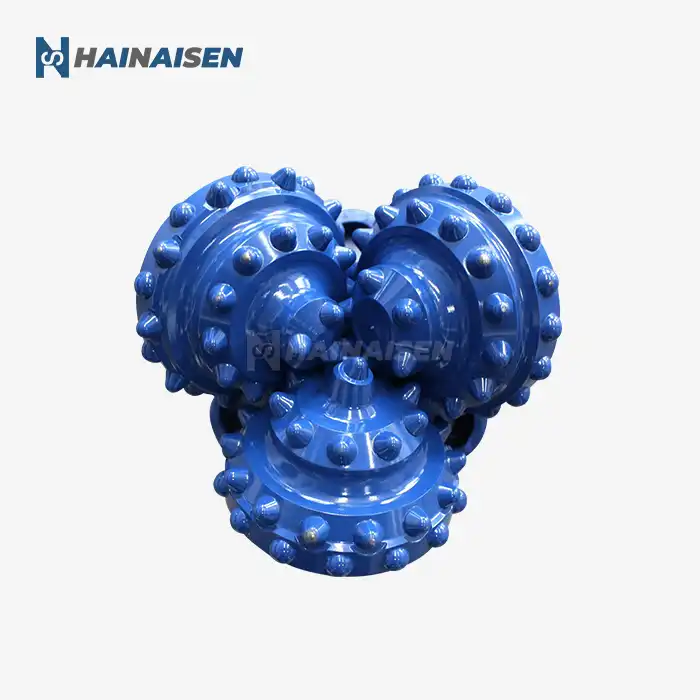 VIEW MORE5 1/2 Inch IADC 537 Tricone Rock Bit for Medium-Hard Formations
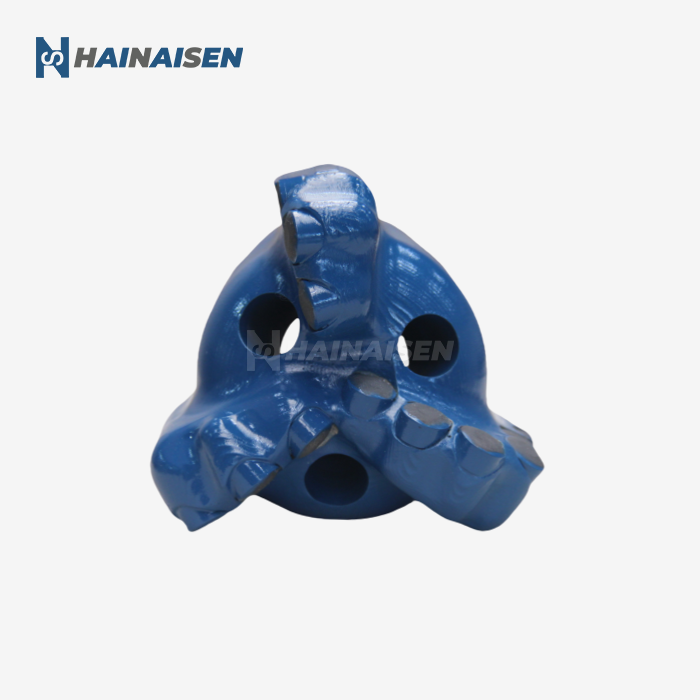 VIEW MORE113mm PDC Arc Angle Drill Bit
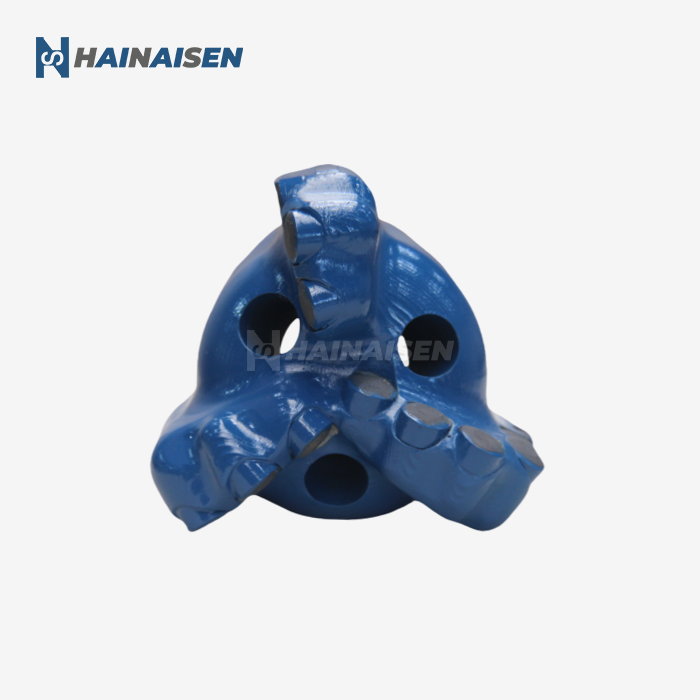 VIEW MORE113mm Three Wing Arc Angle Drill Bit
 VIEW MOREPDC Mining Bit
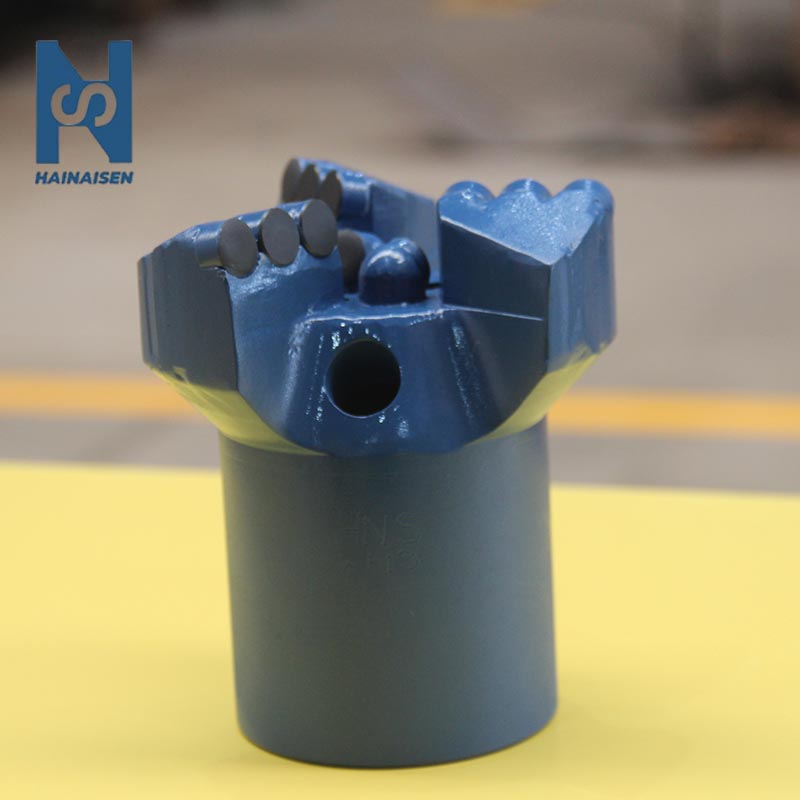 VIEW MORE3 Blades PDC Mining Bits
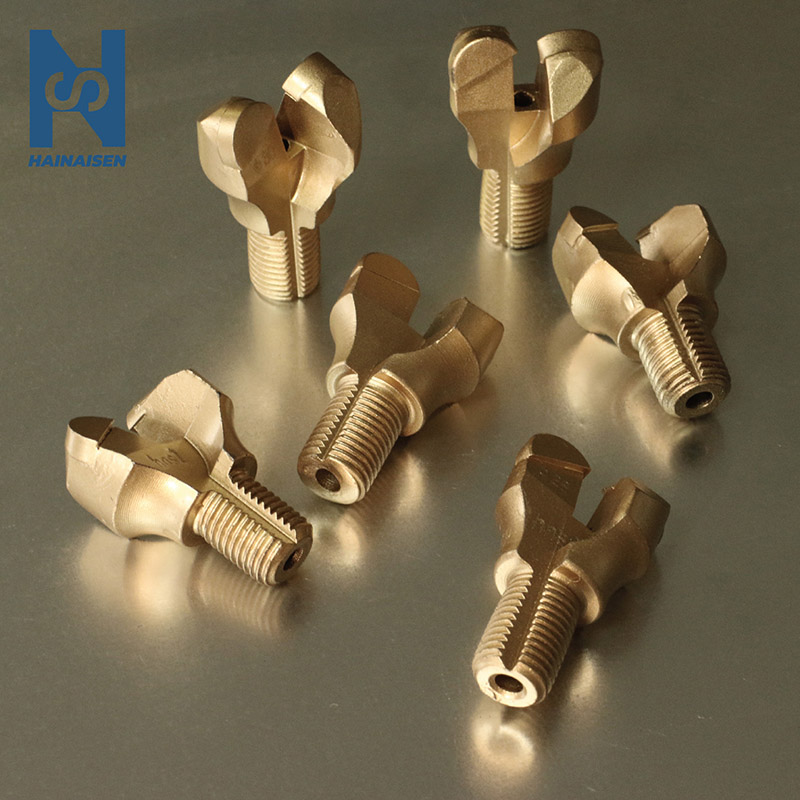 VIEW MORECoal Mining Tools PDC Anchor Drill Bit 28mm
 VIEW MOREForging Deep Rock Well Drilling Bits
 VIEW MOREThree Blade Wing Arc Angle Drill Bit
