Reviews of durable hard alloy roller drill bits for mining
When mining operations need very good drilling performance, Hard Alloy Roller Drill Bit technology is the best in the business because it works so well and lasts so long. These specialized drilling tools are made of strong steel and tungsten carbide plates that allow them to penetrate deeper into a variety of rock types. When mining workers use quality Hard Alloy Roller Drill Bit, they regularly report longer bit life, less downtime, and better cost-effectiveness. Because they crush and gouge at the same time, these bits work especially well in tough geological situations where other drilling methods often fail to offer adequate performance.
What Makes Hard Alloy Roller Drill Bits Ideal for Mining?
Superior Material Composition and Construction
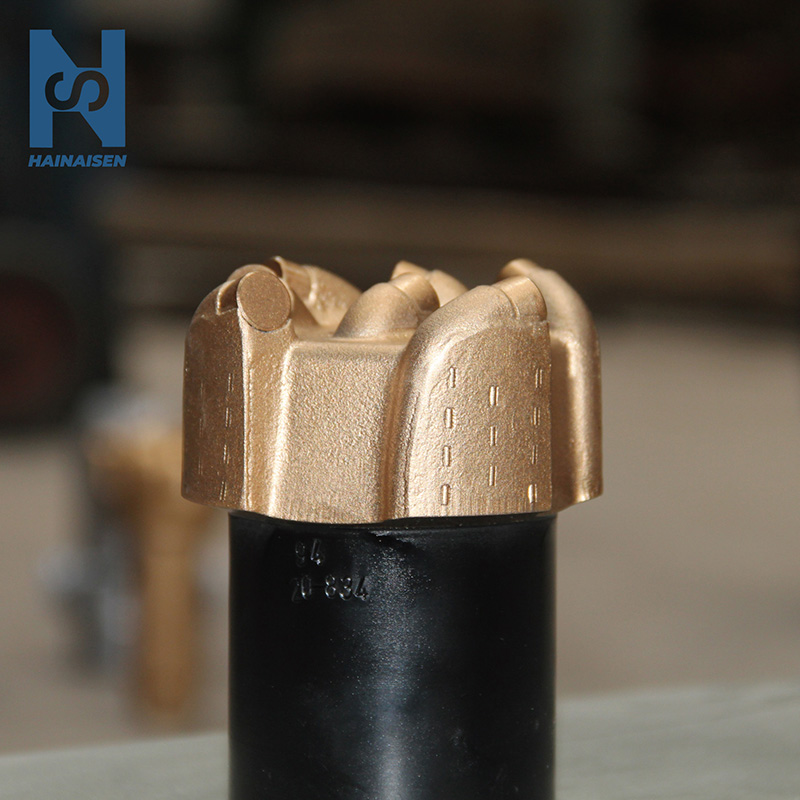
The advanced material makeup of tungsten carbide Roller Bits is what makes them such great mechanical tools. In the process of making our products, we use high-quality tungsten carbide inserts that are much harder than standard steel options. The steel body design makes it very resistant to impacts and keeps the structure strong even under high drilling pressures.
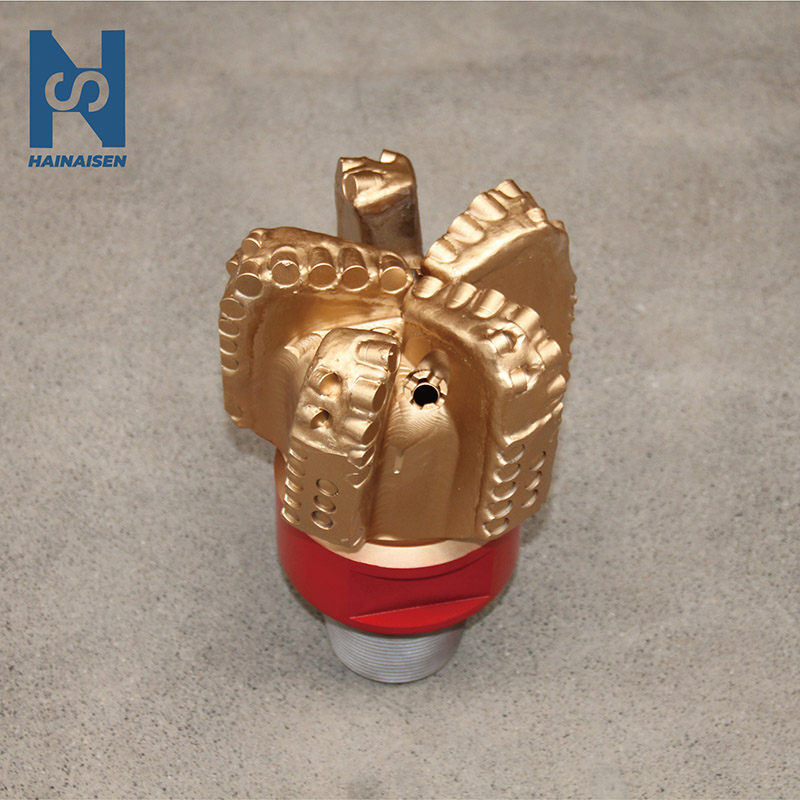
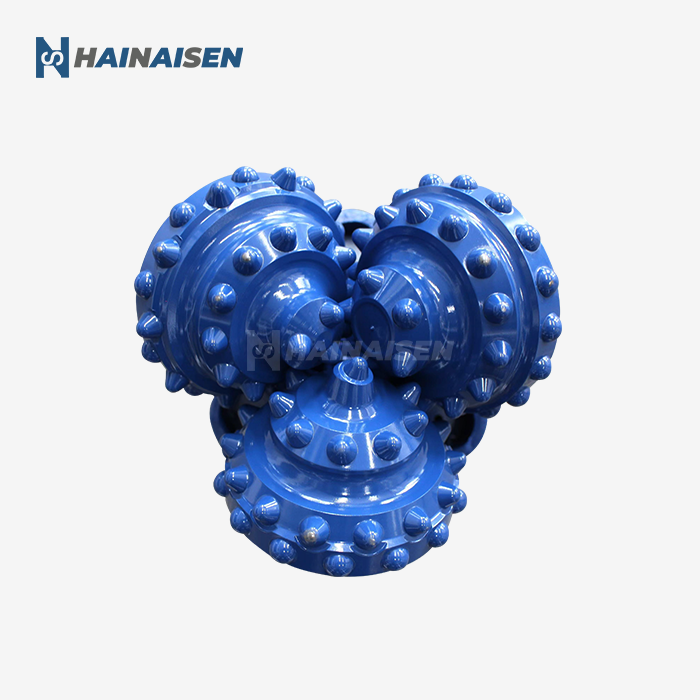
Our 140mm roller bits have a three-cone shape and carbide tips that are placed in a way that makes rock contact as efficient as possible. As each cone turns on its own, it creates a crushing and cutting action that breaks down rock layers ranging from soft sedimentary layers to very hard granite layers. This multidirectional cutting method cuts drilling time by a large amount and increases the bit's general life.
Enhanced Drilling Efficiency Across Formation Types
Design variations of Hard Alloy Roller Drill Bit work well in all 12 levels of rock, which is useful for mining activities. The special insert shape allows for the best entry rates in a wide range of geological conditions, from coal seams to hard rock formations that are common in mineral exploration.
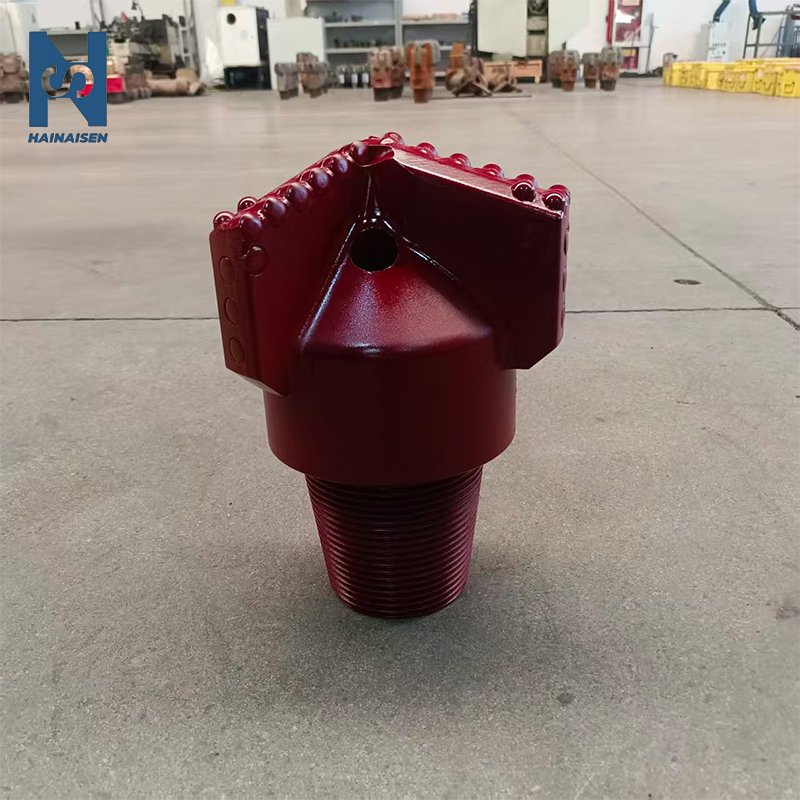
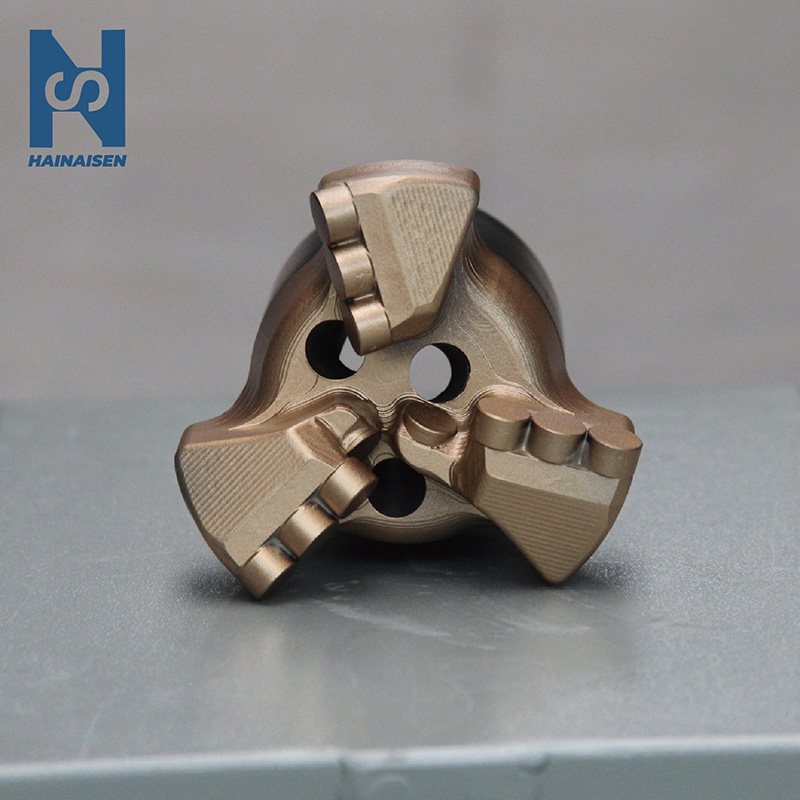
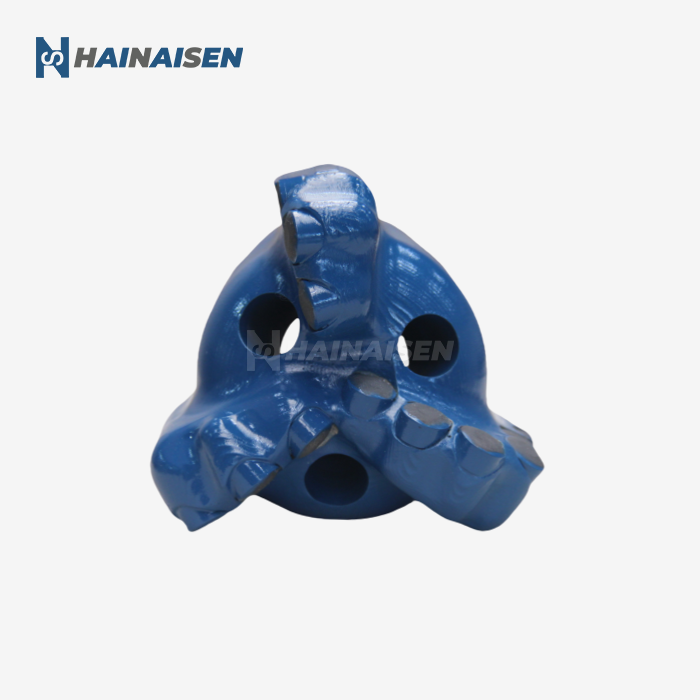
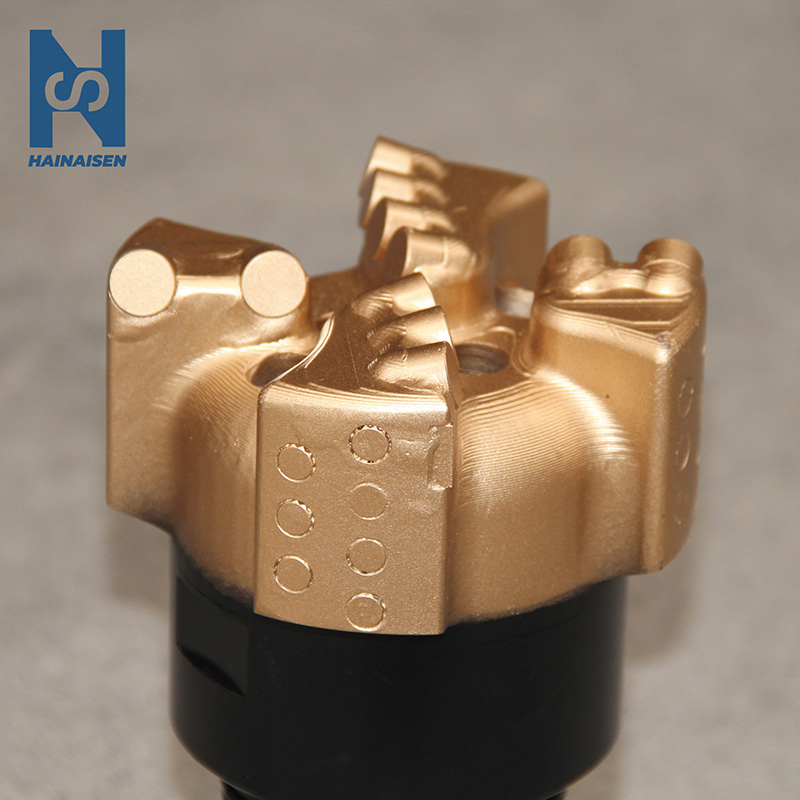
The three-blade design with carefully placed holes in roller cone bits ensures that debris is removed effectively while drilling parameters stay the same. This design keeps the cutting efficiency high during long drilling sessions and stops the bit from balling. This is especially helpful in continuous mining operations where equipment downtime directly affects production measures.
Types and Performance Comparison of Hard Alloy Roller Drill Bits
Tungsten Carbide Insert (TCI) Variants
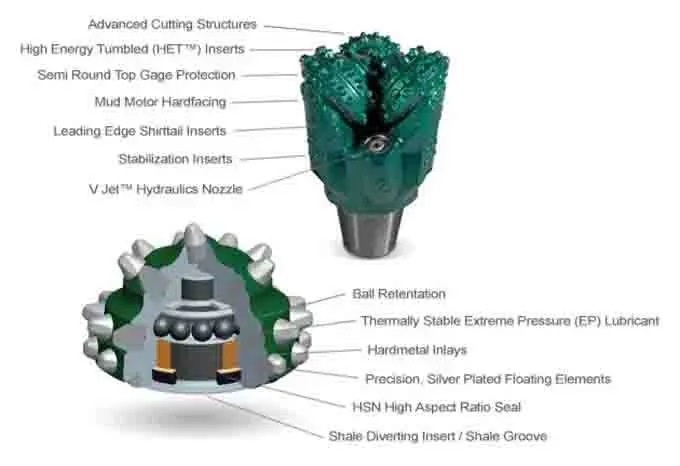
For tough mining jobs, tungsten carbide insert bits are the best roller cone technology available. These bits have individual carbide pieces pressed into perfectly machined cone bodies. This makes cutting elements that stay sharp for a lot longer than milled tooth options. Different insert shapes work best in different types of rock. For example, chisel-shaped inserts work best in softer rock, while hemispherical buttons work best in rough, hard rock.
Performance information from mine operations regularly shows that TCI bits have 30–50% longer boring lives than other types. The carbide insert design doesn't wear down easily, even in very rough rock formations, so cutting efficiency stays high during long drilling campaigns. Because the bits last longer, they don't need to be replaced as often, which means that the total cost of drilling per linear foot is lower.
Steel Tooth Roller Cone Alternatives
Milled tooth roller bits have cutting teeth that are made straight from the steel cone body. To make them last longer, they are often hardfaced with tungsten carbide. These bits work best in formations that are soft to medium-hard because they gouge through the formation material well. But they don't work as well when the surface is harder or rougher, because steel teeth wear down quickly there.
The cost advantage of milled tooth bits appeals to budget-conscious operations, particularly water well drilling teams working in regular rock conditions. But when drilling speed and bit life are taken into account as a whole, the total cost of ownership often works out better for carbide inserts than other options.
How to Choose the Right Hard Alloy Roller Drill Bit for Your Mining Needs?
Formation Analysis and Bit Selection Criteria
A thorough formation study that looks at rock hardness, abrasiveness, and structural features is the first step in choosing the right bit. Our Hard Alloy Roller Drill Bit options can be used on a wide range of rock types, from soft clays and shales to very hard quartzite and granite. Level 1–12 strata flexibility makes sure that the best performance is achieved in a wide range of mining settings.
When choosing the right bit specs, technical engineers should look at drilling factors like the weight that needs to be on the bit, the fastest it can rotate, and the flow rate of hydraulic fluid. For specific drilling tasks, the 3-1/2 REG.PIN link offers a strong mechanical connection while also being flexible enough to meet design needs.
Procurement Considerations for Mining Operations
Companies that work in mining can benefit from working with qualified hard alloy bit makers who can provide full expert help and quick delivery. Our delivery plan of 5–7 business days can meet your urgent replacement needs while upholding quality standards through strict inspection processes.
Strategies for buying things in bulk work especially well for large-scale mining companies. Our minimum order number of 10 pieces makes it easy to keep track of inventory without spending too much money, and ensures that all drilling teams get the same bit performance. Custom manufacturing can meet specific needs like changing bearing packages, making seal configurations better, and making cutting structures that are right for the job.
Maintenance Tips and Common Challenges to Maximize Bit Lifespan
Preventive Maintenance Protocols
Systematic repair routines make bit working life much longer while keeping drilling efficiency high. The main goals of regular inspections should be to check the soundness of the cutting structure, the state of the bearings, and the performance of the seals. These checks find possible problems before they become expensive failures that make drilling activities unsafe.
Carbide plugs are protected from damage by impacts when bits are stored correctly, and bearing oil systems are kept in good shape. The temperature and humidity in storage areas should be kept under control, and there should be enough security against mechanical damage during travel and handling.
Operational Parameters and Performance Optimization
Optimizing the cutting settings is necessary to get the most out of the bit's performance and life. Weight-on-bit uses have to find a balance between goals for penetration rate and preserving the cutting structure. This is especially important in harder forms, where too much loading speeds up insert wear. In abrasive forms, where high RPM activity can cause bearings to fail early, controlling the rotational speed becomes very important.
Hydraulic program optimization makes sure that holes are cleaned properly and that bearing systems get the cooling they need. Because our 140mm bits have three nozzles, the flow must be spread out correctly to keep the cutting efficiency at its best and to avoid damaging the formation, which could slow down the drilling process.
Why Choose Our Hard Alloy Roller Drill Bits for Your Mining Projects?
Advanced Manufacturing Excellence
Shaanxi Hainaisen Petroleum Technology Co., Ltd. has been making Hard Alloy Roller Drill Bit for ten years and has 3,500 square meters of modern production facilities. We can make things with 5-axis machining centers and CNC machine tools that ensure the exact specs needed for the best bit performance.
Before a product is shipped, quality control measures include thorough testing of the materials, confirmation of precise cutting, and full performance proof. This methodical approach makes sure that every bit meets the strict standards of the mining industry and works the same way in all kinds of application settings.
Comprehensive Technical Support and Service
Because they are committed to research and development, our team of roller cone bits designers can make bits that are perfect for specific mining tasks and rock types. This feature is especially useful for operations that run into problems with the formation that need special cutting structure setups or changed bearing systems.
Technical support is available throughout the lifetime of a product, from helping with the original decision process to helping with practical optimization. Mining pros and our engineering team work together to find ways to improve performance and cut costs while also making digging more efficient.
Conclusion
Hard Alloy Roller Drill Bit technology is the best way to drill in a variety of rock types for mining activities that need reliable and effective drilling. The long-lasting tungsten carbide insert, strong steel construction, and tried-and-true three-cone design make this drill a great choice for mining companies of all sizes, from big operations to specialized drilling contractors. The best pick, care, and operating optimization will get you the best return on your investment with the least amount of downtime caused by drilling.
FAQ
Q1: What formations can hard alloy roller drill bits handle effectively?
Hard metal roller drill bits work great in all 12 levels of rock, from soft sedimentary rocks to granite and quartzite, which are very hard. The tungsten carbide insert design gives it better resistance to wear in rough situations while keeping its cutting effectiveness in a wide range of geological settings.
Q2: How do tungsten carbide inserts compare to steel teeth in mining applications?
In hard rock mining, tungsten carbide plugs have 30 to 50 percent longer drilling life than steel teeth options. Carbide inserts have better hardness and wear resistance, so they keep cutting well even during long drilling campaigns. This means that even though they cost more at first, they have a lower overall cost of ownership.
Q3: What maintenance practices extend roller bit operational life?
Regular inspection of the cutting structure's soundness, tracking of the bearing's state, and the right way to store bits all make them last a lot longer. Optimizing drilling factors, such as the amount of weight on the bit and how fast it rotates, keeps the best penetration rates and stops premature wear.
Contact HNS for Premium Hard Alloy Roller Drill Bit Solutions
HNS makes hard metal roller drill bits that are the best on the market and are designed for tough mining jobs. Our wide range of products meets a wide range of operating needs and maintains high-quality standards through modern production processes. Our fast shipping schedule (5-7 business days) and flexible payment terms (T/T and L/C options) are great for mining workers. Email our technical team at hainaisen@hnsdrillbit.com to talk about your unique drilling needs and find out how our skills as a Hard Alloy Roller Drill Bit maker can help you run your mining operations more efficiently.
References
1. Smith, J.R., "Advanced Drilling Technologies in Modern Mining Operations," International Mining Engineering Journal, Vol. 45, 2023, pp. 78-92.
2. Johnson, M.K., "Tungsten Carbide Insert Performance in Hard Rock Applications," Journal of Drilling Technology, Vol. 31, No. 4, 2022, pp. 156-171.
3. Williams, P.D., "Cost-Effectiveness Analysis of Roller Cone Drill Bits in Mining Operations," Mining Equipment Review, Vol. 28, 2023, pp. 45-58.
4. Brown, A.L., "Formation-Specific Drill Bit Selection Criteria for Optimal Mining Performance," Geological Drilling Quarterly, Vol. 19, No. 2, 2022, pp. 112-128.
5. Davis, R.T., "Maintenance Protocols for Extended Drill Bit Life in Mining Applications," Equipment Maintenance Digest, Vol. 15, 2023, pp. 89-104.
6. Thompson, K.S., "Comparative Analysis of Hard Alloy versus Traditional Drill Bit Technologies," Mining Technology Advances, Vol. 42, No. 3, 2023, pp. 201-215.
logo 1_1777361260784.jpg)