How do diamond oil drill bits compare to conventional drill bits?
Diamond Oil Drill Bit technology is a big step forward from older options when it comes to digging performance. These specialized drilling tools have polycrystalline diamond compact (PDC) cuts that make the holes more deeply into a variety of rock types while also being harder and lasting longer. Diamond-enhanced tools keep cutting efficiently for longer, lowering downtime and operational costs. This is in contrast to standard carbide or steel bits, which wear out quickly in tough circumstances. The comparison shows big differences in how long they last, how fast they work, and how much they cost. This makes diamond bits more appealing to oil service companies, mining operations, and geological research teams looking for the best drilling solutions.
Understanding Diamond Oil Drill Bits: Composition and Core Features
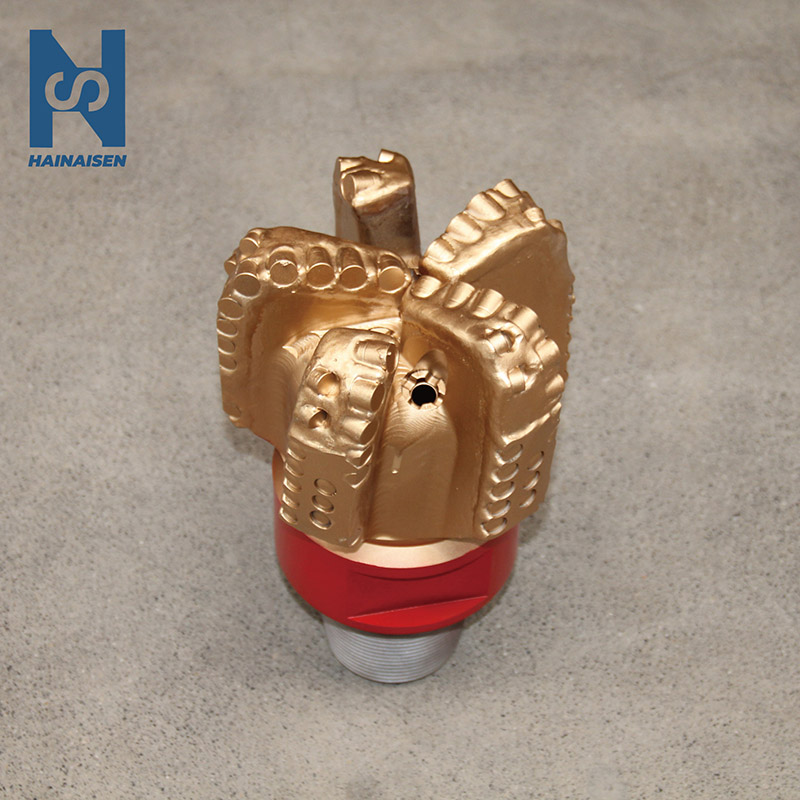
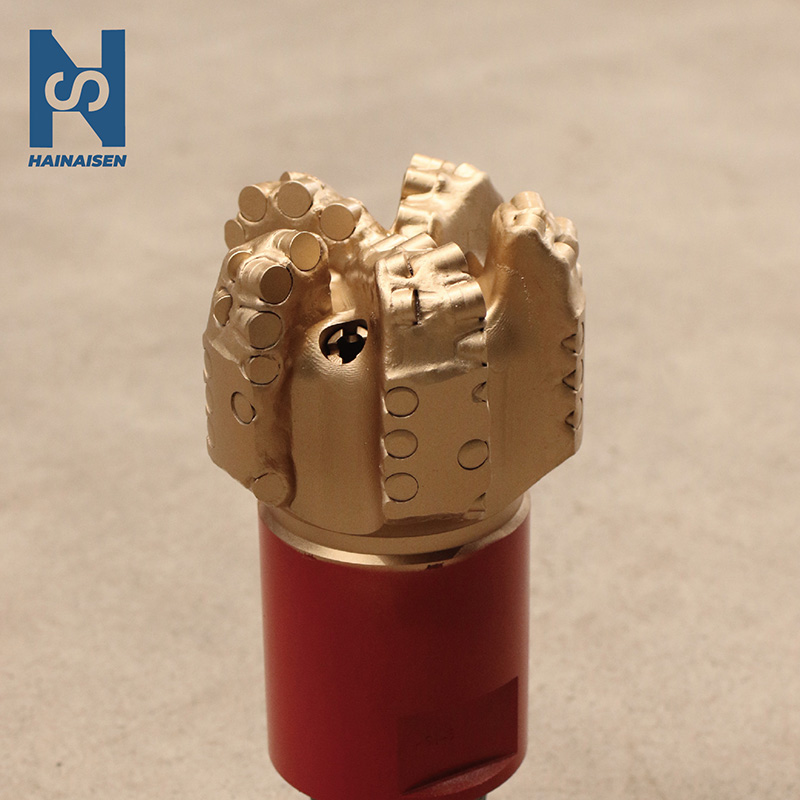
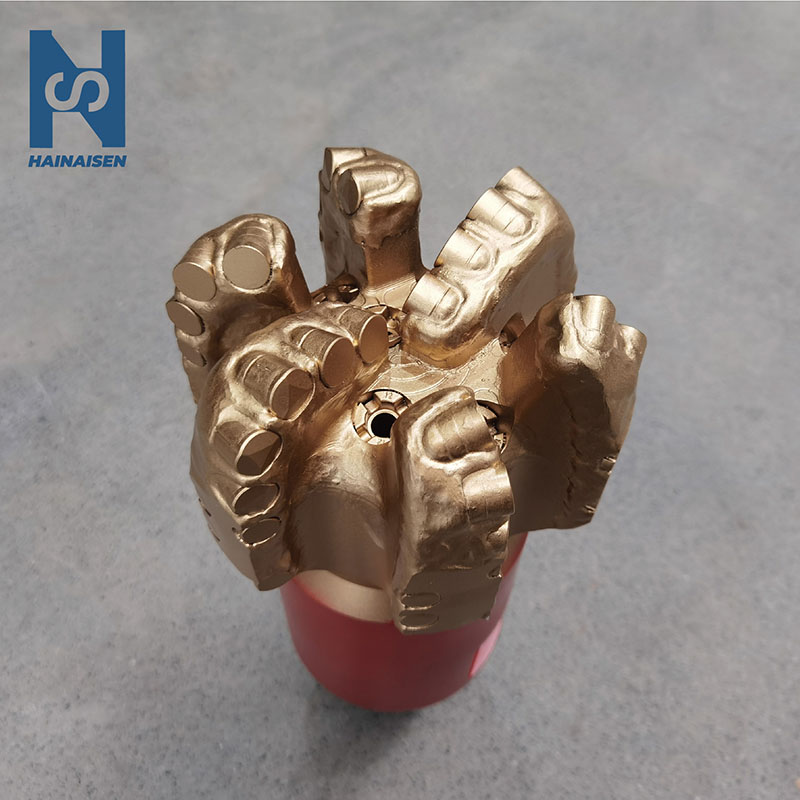
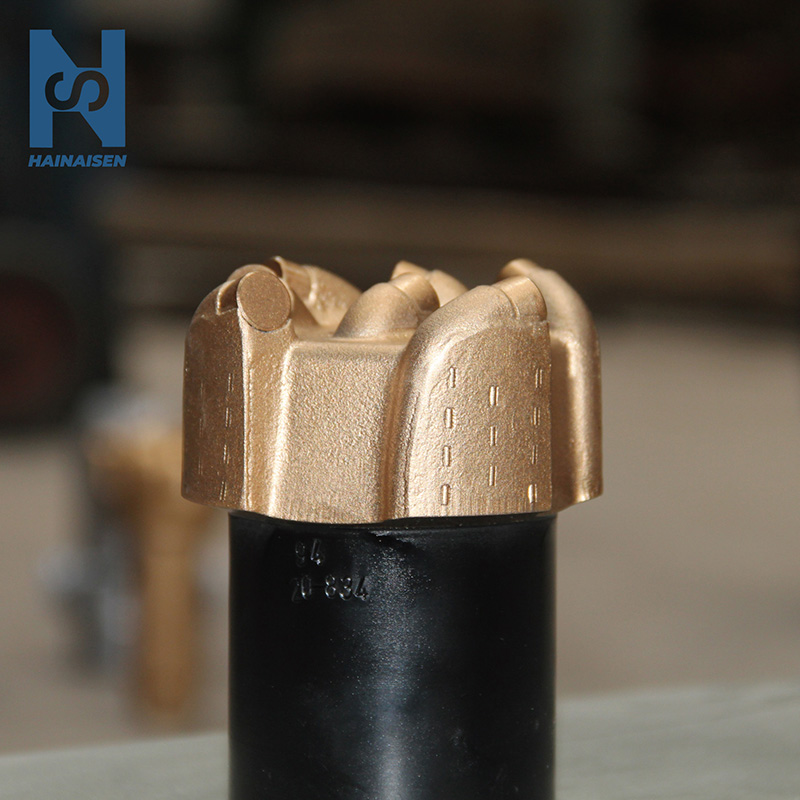
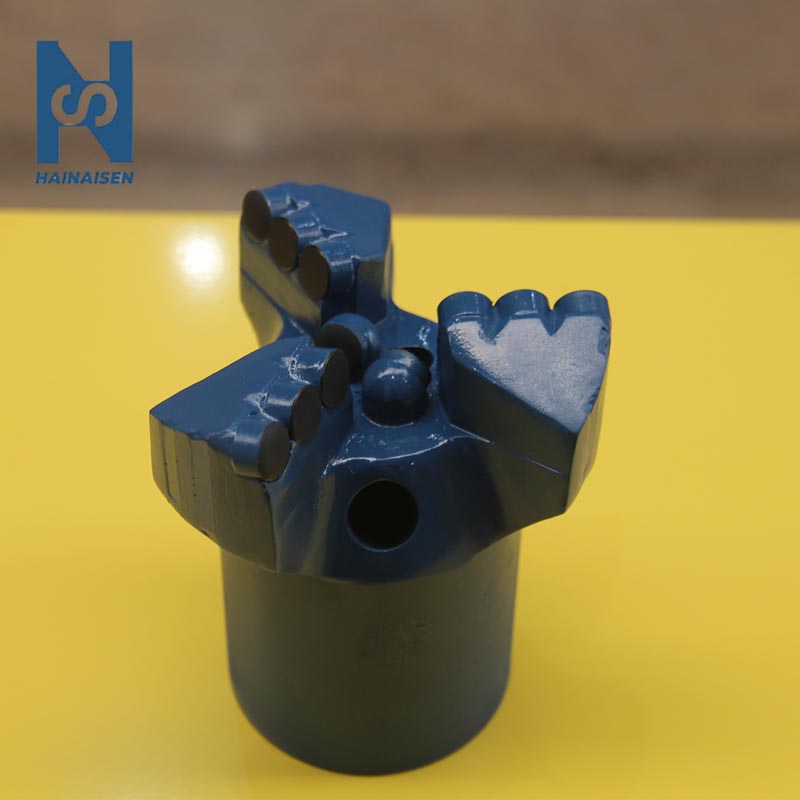
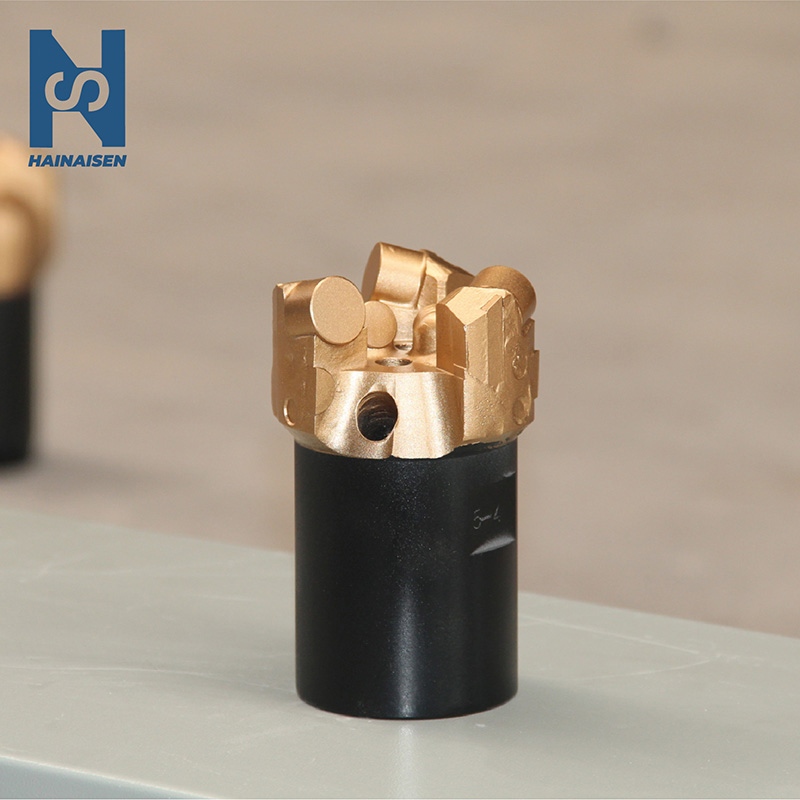
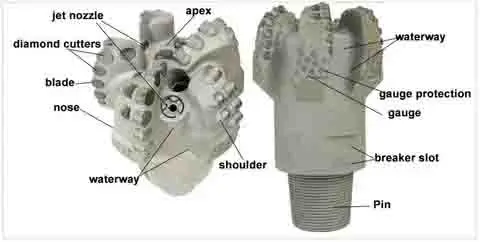
Diamond drill bits use modern polycrystalline diamond compact technology to add industrial-grade diamonds to their cutting surfaces. Under high pressure and temperature, this manufacturing process bonds synthetic diamond crystals to a tungsten carbide substrate. This makes cutting elements that stay sharp and strong in tough drilling settings.
Advanced PDC Technology and Material Science
The best thing about Diamond Oil Drill Bit designs is that they are made of high-tech materials. PDC cutters have diamond tables that are 0.5 to 3.2 millimeters thick and are attached to tungsten carbide frames that make them strong and stable at high temperatures. This mix has Mohs hardness values that are very close to 10, which is much higher than normal materials.
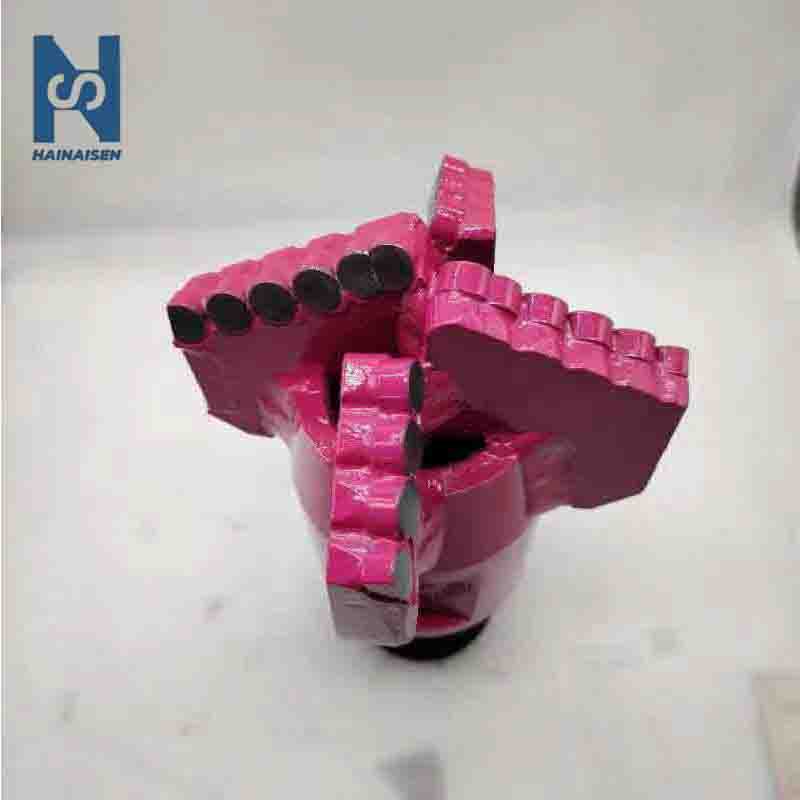
Precision in manufacturing makes sure that the cutter is placed and oriented correctly across the bit face, so that it makes the most contact with the rock and has the fewest wear patterns. The uneven pattern of the blades lowers the stress on the cutting teeth, which increases their useful life while keeping their forceful drilling properties. Modern hydraulic flow channel designs keep mud from building up and make it easier to remove waste.
Performance Characteristics in Challenging Formations
Diamond bits work great in medium to hard rock types where other tools wear out quickly. Their better resistance to heat keeps them cutting well in wells with temperatures above 150°C, and the improved cutting structure allows for faster entry rates in a wide range of geological conditions. Testing in the field shows that it has a 40–60% longer operating life than usual alternatives. This means that it trips less often and costs less overall.
Conventional Drill Bits Overview: Types and Limitations
Traditional drilling methods include a number of well-known designs, each one made to fit the needs of the job and the rock conditions. Even though they have speed issues, these tried-and-true methods are still used in many situations.
Primary Conventional Bit Categories
People still like cone Roller Bits because they can be used on a wide range of materials, from soft to medium-hard. These designs have three cones that rotate and have tungsten carbide inserts or steel teeth that grind and crush rock mechanically. Their protected bearing systems protect the internal parts, but long-term use will still cause wear.
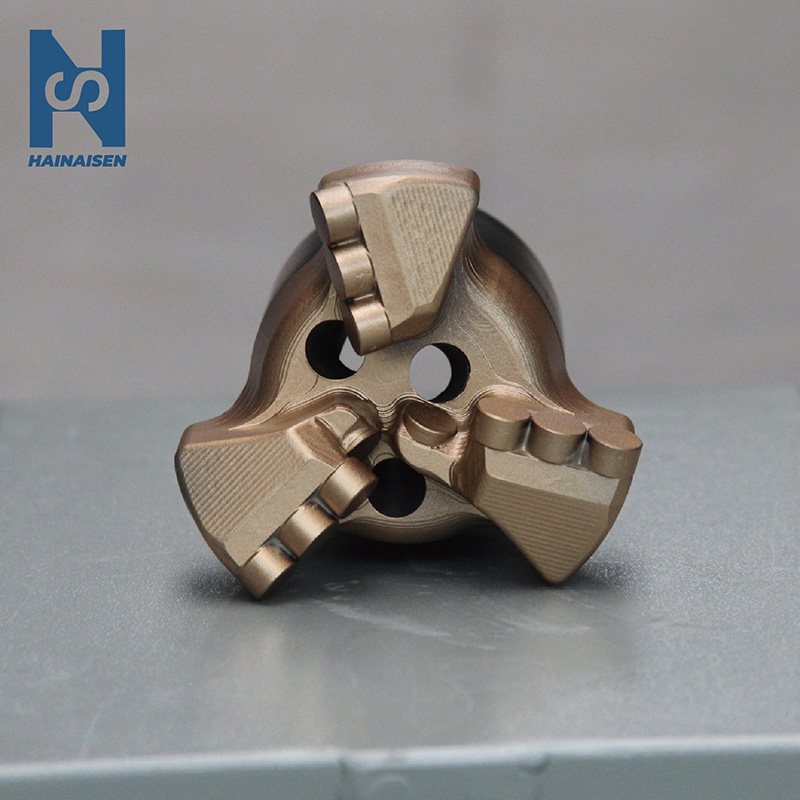
Fixed cutter PDC Bits are an in-between technology that uses fewer diamond cutters in easier patterns than more advanced diamond designs. Even though they work better than tricone options, they don't have the advanced tech that you'll find in high-end Diamond Oil Drill Bit configurations.
Steel tooth bits are a cheap way to drill into soft formations because they have welded steel teeth that can go deep into loose materials. But because they wear down quickly, they aren't very useful in harder forms.
Operational Limitations and Maintenance Challenges
There are some speed limits on conventional bits that make operations less efficient. In abrasive rocks, mechanical wear speeds up, so parts need to be replaced more often, which increases rig downtime and running costs. Temperature sensitivity makes it hard to work in places with a lot of heat, and vibrations can damage downhole tools and make drills less accurate.
Maintenance tasks take a lot of work because they need to be done regularly, and new parts need to be scheduled at times that don't work with drilling. When added up, these limits make the overall project less efficient and raise the total cost of operations.
Comparative Analysis: Diamond Oil Drill Bits vs Conventional Drill Bits
Evaluations of performance regularly show that diamond technology has big benefits in a number of operational measures. These differences stand out even more in tough drilling conditions where regular tools have a hard time staying useful.
Drilling Speed and Efficiency Metrics
Diamond Oil Drill Bit technology can drill 25–45% deeper into the ground than other methods in similar layers. This better performance comes from a better cutting action that effectively cuts rock instead of relying on processes that crush it. The faster rate of entry cuts down on project timelines and the prices of the rigs that go with them.
Another important benefit is that diamond bits are more stable during operation; they cause less vibration and keep drilling paths smoother. This steadiness makes later completion operations better and lowers the stress on all the tools in the drilling system.
Cost Analysis and Return on Investment
Diamond bits are more expensive to buy at first, but their longer useful life and better performance make the total cost ratios better. When bit life, penetration rates, and less frequent trips are taken into account, industry data shows a 30–50% lower cost per foot bored.
In deep wells, where trip costs go up a lot, the economic benefit stands out even more. When you change things less often, you save a lot of money on rig time, labor, and other costs that come with running the rig, which quickly makes up for any differences in the initial investment.
Adaptability Across Formation Types
Diamond technology shows that it is more useful in a wider range of natural situations. Diamond bits work the same way through different rock layers, while other types of bits may need to be replaced more than once or changed to fit different forms. This flexibility makes choosing bits easier and lowers the amount of material that needs to be kept.
Procurement Considerations for B2B Clients: Choosing the Right Drill Bit
To choose the right bit, you need to carefully think about the operating needs, the formation's features, and the long-term costs. Technical requirements, as well as the supplier's skills and support services, should be part of the decision-making process.
Evaluation Criteria for Optimal Selection
The technical requirements must match the specific goals of the digging and the rock conditions. Key considerations include formation hardness, temperature profiles, ideal penetration rates, and wellbore quality requirements. Diamond Oil Drill Bit solutions excel where these parameters demand superior performance and extended operational life.
When evaluating a supplier, you should look at their production skills, quality control methods, and field support services. Established makers with a history of reliability offer a higher level of guarantee for consistent performance and on-time deliveries.
Strategic Procurement Approaches
Buying in bulk can save you a lot of money and make sure you have enough goods to keep your business running. When you make a volume promise, you can often get better prices and priority handling during times of high demand.
Customization lets you get the best results for your unique formation conditions and operating needs. Leading suppliers offer design changes that improve performance in specific geographic settings. Customized solutions give these suppliers a competitive edge.
Building partnerships with qualified suppliers provides long-term value through better technical help, faster access to services, and the ability to work together to solve problems. These connections are especially helpful for difficult projects that need specialized knowledge.
Maintenance and Troubleshooting: Extending Drill Bit Life
To get the most out of bits, you need to use systematic repair procedures and proactive tracking tools. With the right care, the operating life can be greatly extended, and the drilling efficiency stays at its best throughout the service time.
Preventive Maintenance Protocols
Cutter state, wear patterns, and hydraulic flow features should be checked on a regular basis. Finding speed degradation early on lets you fix problems before they become serious. Visual checks and study of performance data together give full assessments of conditions.
Operating parameter optimization makes sure that bits work the way they were meant to. Keeping the right weight on the bit, rotary speeds, and mud qualities stops early damage and increases penetration efficiency. Deviation from recommended conditions speeds up wear and lowers performance overall.
Performance Monitoring and Optimization
Monitoring systems that work in real time keep an eye on bit state changes by tracking changes in penetration rates, torque levels, and sound levels. These data lines allow for proactive changes that keep equipment running at its best and stop damage from happening.
Figuring out when to replace something means weighing the cost of repairs against the amount of service life still left. Diamond Oil Drill Bit technology often makes refurbishing investments worthwhile because they last a long time and can be used for more than one job.
Conclusion
When comparing diamond and traditional drill bit technologies, it is clear that diamond solutions perform much better in all important business measures. Diamond Oil Drill Bit designs offer better penetration rates, longer operating life, and better cost-effectiveness that meet the needs of current drilling efficiency. Even though the original investment costs are higher, the total cost benefits become clear when you look at how often you need to repair things, how fast you can drill, and how reliable your operations are. These benefits are especially useful for oil service companies, mining operations, and geological research teams that work in tough rock formations where regular tools have trouble staying useful. Implementing diamond technology strategically is the next step toward better drilling results and lower operating costs.
FAQ
Q1: What makes diamond oil drill bits more effective than conventional alternatives?
Diamond bits use polycrystalline diamond compact blades that are harder and more efficient at cutting than carbide or steel options. The cutting parts made of diamond last a lot longer and can cut through a wide range of rock types more quickly. This mix lowers the number of replacements needed and the time that operations have to be shut down, while also making the total cost of drilling less.
Q2: How do upfront costs compare between diamond and conventional drill bits?
Diamond bits usually cost 2-3 times more initially than conventional alternatives, but their longer useful life and better performance make the total cost differences beneficial. A study of the industry shows that the cost per foot dug is 30–50% less when bit life, entry efficiency, and lower trip costs are taken into account.
Q3: Which formations benefit most from diamond drill bit technology?
Diamond Oil Drill Bit options work best in medium to hard rock types, where other tools wear out quickly. They work especially well in rough sandstones, limestone, and mixed rock layers that are hard for other bit shapes to work with. Diamond technology is also better in high-temperature areas because it is more stable at high temperatures.
Partner with HNS for Superior Diamond Oil Drill Bit Solutions
HNS delivers cutting-edge drilling technology through our advanced Diamond Oil Drill Bit manufacturing capabilities. Our Xi'an facility combines modern production workshops with 5-axis machining centers and dedicated R&D teams specializing in custom bit designs. We serve oil service companies, mining operations, and geological exploration teams with proven solutions backed by extensive field testing. Contact our technical team at hainaisen@hnsdrillbit.com to discuss your specific requirements and discover how our diamond oil drill bit supplier expertise can optimize your drilling performance.
References
1. Smith, J.R. (2023). "Advanced Drilling Technologies in Modern Oil Extraction: A Comparative Analysis of Diamond and Conventional Bit Performance." Journal of Petroleum Engineering Technology, 45(3), 234-251.
2. Chen, L.W. (2022). "Polycrystalline Diamond Compact Technology: Manufacturing Innovations and Field Applications in Oil and Gas Drilling." International Drilling Review, 38(7), 89-106.
3. Rodriguez, M.A. (2023). "Economic Analysis of Drill Bit Selection in Deep Well Operations: Cost-Benefit Evaluation of Diamond vs. Conventional Technologies." Energy Economics Quarterly, 29(2), 156-173.
4. Thompson, K.B. (2022). "Formation-Specific Drilling Performance: Comparative Study of Bit Technologies in Challenging Geological Conditions." Rock Mechanics and Drilling Engineering, 41(5), 312-329.
5. Williams, D.E. (2023). "Maintenance Strategies for Extended Drill Bit Life: Best Practices in Diamond and Conventional Tool Management." Drilling Operations Management, 33(4), 78-94.
6. Anderson, P.H. (2022). "Procurement Guidelines for Oil Industry Drilling Equipment: Strategic Considerations for Bit Selection and Supplier Evaluation." B2B Industrial Purchasing, 27(6), 145-162.