







What drill bit for rock?
The Three Blades Rock Drill Bit is clearly the best choice for industrial drilling when looking for the best way to drill into rock formations. This cutting-edge drilling technology is perfect for oil and gas research, coal mining, and geological mapping because it cuts very well and doesn't wear down easily. Compared to traditional multi-blade designs, the three-blade setup is more stable and has better penetration rates. The optimized cooling system also makes it easier for heat to escape during hard drilling operations in a variety of rock forms.
Understanding Rock Drill Bits: Essentials for B2B Procurement
Design and Configuration Fundamentals
The three-blade design is a big step forward in drilling technology. The cutting elements are placed in a way that spreads stress more evenly across the bit face. This arrangement makes drills more efficient while lowering vibrations and improving steadiness. Unlike most multi-blade designs, the three-blade layout lets the cutting elements be bigger, and the hydraulic flow patterns be better.
For modern rock boring tasks, methods need to be carefully designed and able to withstand harsh conditions. The three-blade design uses advanced engineering ideas to make the weight balance and cutting motion work better. Each blade is placed and angled in a way that makes it make the most contact with rock formations while reducing the wear patterns that often happen with traditional designs.
Material Excellence and Cutting Mechanics
High-quality materials are the basis of rock drilling processes that work well. Polycrystalline diamond compact (PDC) cuts of high quality are very hard and work well in situations where they need to be resistant to wear, while tungsten carbide elements are strong and work well in heavy-duty situations. Heat-treated metal steel is used to make the bit body, which gives it great power and resistance to wear.
The cutting physics of three-blade systems allow for faster entry rates by removing chips more efficiently and lowering the load on the cutter. Cutting surfaces that stay sharp during long drilling operations are made possible by advanced metals and precise manufacturing processes. This mix of materials guarantees steady performance in a wide range of geological situations, from soft sedimentary rocks to harder formations.
Maintenance Best Practices for Extended Service Life
Following the right care steps has a big effect on how long a drill bit lasts and how consistently it works. Checking the cutting elements, keeping an eye on the fluid flow rates, and looking at wear patterns on a regular basis can help keep the drill from breaking down too soon and make it more efficient. Knowing the early warning signs of a component's wear and tear lets you plan repairs ahead of time.
Maintenance plans that work include the right way to store things, the right way to clean things in an organized way, and writing down the limits of how they work. These methods help to make tools last longer and lower their costs, which supports long-term drilling activities in many industry settings.
Comparing Drill Bits: Making the Right Choice for Rock Drilling
Performance Analysis Across Different Configurations
Comparing performance shows that the Three Blades Rock Drill Bit designs are much better than other combinations. Even though two-blade systems are simple, they often have trouble staying stable and wear unevenly in hard rock formations. Even though four- and multi-blade designs have more cutting points, they often have lower penetration rates because of more friction and less room for chips to escape.
The three-blade design is the best compromise between cutting effectiveness and mechanical safety. According to research, three-blade systems have 15-20% higher entry rates than similar four-blade designs, but they can still control the flow of air better. This performance edge means that drilling takes less time and costs less on a wide range of projects.
Application-Specific Considerations
Mining companies have their own problems that need special digging solutions. Most coal mining is done in softer rock formations, which means that aggressive cutting and good debris removal are very important. The three-blade design works best in these situations because it better moves chips away and lessens the chance of bit balls.
Mixed natural conditions are common in construction and base work, so drills need to be able to handle a wide range of situations. The Three Blades Rock Drill Bit works well with rocks of different hardnesses and has steady performance in all kinds of formations. This flexibility cuts down on the tools needed and makes it easier to plan operations for big projects.
Cost-Efficiency Analysis
When choosing a drill bit, cost is one of the most important factors. The costs of the initial purchase must be weighed against how well it works and how long it is expected to last. Three-blade designs generally offer better value propositions through extended service intervals and lower replacement frequencies.
Operational cost research shows that three-blade systems often achieve lower per-meter drilling costs despite possibly higher initial investment. Overall, project economics are better with less downtime, higher penetration rates, and longer service life. This makes three-blade technology a good choice for businesses that want to save money.
Selecting and Procuring the Best Three-Blade Rock Drill Bits
Supplier Evaluation Criteria
For buying to go well, suppliers must be carefully evaluated based on their manufacturing skills, quality Certifications, and expert support services. ISO certification, API compliance, and documented quality control systems all point to manufacturing methods that can be trusted and uniform product quality. With OEM capabilities and customization choices, solutions can be made to fit the needs of unique operations.
The name of a supplier in the drilling business tells you a lot about how reliable they are and how good their service is. References from current clients, especially those with similar business models, can give you a good idea of how well a company performs and what kind of help they can provide. Technical know-how and quick customer service are two important parts of partnerships that work well.
Cost Considerations and Purchasing Strategies
Different sellers have very different ways of setting prices, which are based on things like unit costs, volume discounts, and estimates of the total cost of ownership. A lot of the time, bulk buying agreements save a lot of money and make sure that supplies are always available. Warranty terms and return policies protect against problems with the way the product was made and how it works.
When buying things internationally, you need to think about things like shipping prices, customs processes, and delivery times. International deals go smoothly when there are reliable transportation networks and lots of paperwork. The way payments are made and the value of the currency used affect project budgeting and cash flow management as a whole.
Quality Assurance and Customization Options
Quality assurance methods make sure that products always work well and are reliable. Product specs can be trusted when testing methods are written down, materials are certified, and performance is confirmed. When you can customize something, you can make changes to fit specific geographic conditions or equipment compatibility needs.
Custom setup lead times for the Three Blades Rock Drill Bit affect how projects are scheduled and how material is managed. Standard product availability vs. custom manufacturing timelines for this bit affect how purchases are planned and how ready the business is to go. Technical help during the customization process makes sure that the speed is at its best for each application.

Optimizing Performance and Longevity of Three-Blade Rock Drill Bits
Operational Best Practices
The bit's efficiency and service life are greatly affected by its optimal drilling settings. For certain rock types and drilling situations, the bit's weight, rotational speed, and fluid flow rates must be set to the right levels. By knowing how practical factors affect bit wear trends, you can make changes ahead of time that make service intervals longer.
Managing the drilling fluid is a very important part of making the bit work better. Adequate circulation rates make sure that cooling and debris removal work well and that formation damage doesn't happen. The right fluid qualities, like viscosity and filtering, help the cutting action work well and keep component wear to a minimum.
Performance Monitoring and Troubleshooting
Finding speed degradation early on lets you act quickly and avoids catastrophic breakdowns. Some of the things that are monitored are entry rates, changes in torque, and sound levels that show possible problems. Systematic data gathering and analysis help with operational efficiency and predictive repair plans.
Some common performance problems are lower entry rates, too much shaking, and wear patterns that start to show up too soon. Understanding the root reasons makes it easier to fix problems and find solutions. Protocols and records for regular inspections support efforts to improve things all the time and achieve business greatness.
Innovation and Technology Advances
New technologies keep making rock drills better by using better materials, better designs, and smarter tracking systems. Newer PDC formulas offer better protection against wear and better cutting performance. Innovative cooling technologies and improved hydraulic systems all help to make efficiency better.
Smart drilling technologies use instruments and data analysis to find the best settings for operations right now. These new ideas help with forecast maintenance, setting parameters automatically, and better tracking of performance. Keeping up with changes in technology gives you a competitive edge and improves the speed of your operations.
Why Choose Our Three Blades Rock Drill Bits?
Manufacturing Excellence and Quality Standards
Our factory has high-tech tools like 5-axis machining centers, CNC machine tools, and automatic welding production lines that make sure the products are made precisely and of consistently high quality. Each product is checked against strict performance standards by strict quality control methods. Our focused research and development team is always coming up with new ways to meet the changing needs of the industry.
The Three Blades Rock Drill Bit shows how dedicated we are to engineering greatness and customer happiness. Comprehensive testing methods confirm how well performance characteristics work in a range of working situations. Quality certifications and written records of the manufacturing process give customers faith in the stability and dependability of the product.
Technical Support and Customer Service
Our expert support team is here to help you with everything, from your first question to support after the buy. Expert advice on choosing the right product, improving operations, and fixing problems makes sure that execution goes smoothly and that the most value is realized. Long-term relationships are built on responsive customer service and effective communication.
Different project needs and delivery dates can be met with flexible ordering choices. International transportation skills make sure that deliveries to places around the world are always on time. Full warranty coverage and quick after-sales help give customers trust in the product's performance and protect their investments.
Proven Performance and Client Success
case studies that have been properly documented show that the product works better in a wide range of situations and uses. Testimonials from satisfied customers back up claims of dependability, speed, and low cost. Performance data from operations in the field helps people make decisions based on facts and have faith in the product's abilities.
Value delivery has been shown to work by long-term relationships with big oil service companies, mining operations, and drilling contractors. Customers who buy from you again and again and whose relationships grow show that you make great products. Our history of completed projects includes projects with a wide range of natural conditions and operating difficulties.
Conclusion
The Three Blades Rock Drill Bit turns out to be the best choice for tough rock drilling jobs in the mining, building, and oil and gas industries. Its better cutting efficiency, increased steadiness, and longer service life make it a very valuable asset because they lower costs and boost output. It is perfect for procurement workers who need reliable drilling options because it is made of high-tech materials, carefully engineered, and has been used before. Our dedication to quality, professional help, and customer happiness makes sure that our partnerships work well and that we meet all of the needs of different projects.
FAQ
1. What is the typical lifespan of a Three Blades Rock Drill Bit in mining conditions?
The life span changes a lot depending on how hard the rock is, the digging factors, and the working conditions. In normal coal mine situations, our bits can drill 150 to 300 meters before they need to be replaced. This range may be cut down to 100–200 meters in harder rocks, but in lighter ones, it can go beyond 400 meters. Service life estimates are greatly affected by the right operating factors and maintenance procedures.
2. Can Three Blades Rock Drill Bits be customized for specific rock types or machinery?
Yes, our specialized research and development team focuses on making custom bits that meet specific needs in the field. Cutter design, blade geometry, hydraulic features, and connection specs are some of the things that can be changed to make it unique. We work closely with clients to learn about their geographic conditions and the specifics of their equipment. This way, we can make sure that the equipment works at its best for their needs.
3. How do three-blade rock drill bits compare to diamond bits in terms of cost and efficiency?
In most situations where rock drilling is needed, three-blade PDC Bits are more cost-effective than natural diamond bits. When working with very hard rocks, diamond bits may last longer, but three-blade versions work better and cost less per meter when working with soft to medium-hard rocks. The decision is based on the geological factors, the needs of the work, and the cost.
4. What quality certifications do your Three Blades Rock Drill Bits meet?
Our goods meet world quality standards, such as ISO 9001 certification and, when necessary, API specifications. All products go through strict steps of testing and certification. We keep detailed records of all the steps we take to make things, along with certifications of materials and tests of their performance, to make sure that the quality is always high and that we follow all the rules.
Partner with HNS for Superior Rock Drilling Solutions
Transform your drilling operations with our industry-leading Three Blades Rock Drill Bit technology that delivers exceptional performance and value. As a trusted Three Blades Rock Drill Bit Manufacturer, HNS blends more than ten years of experience with cutting-edge production methods to offer solutions that go above and beyond what the industry requires. Our comprehensive product line, backed by responsive technical support and competitive pricing, ensures your success across demanding geological conditions. Contact our expert team at hainaisen@hnsdrillbit.com to discuss your specific requirements and discover how our innovative drilling solutions can optimize your operational efficiency and reduce project costs.
References
1. Smith, J.A. & Thompson, R.K. (2022). "Advanced Rock Drilling Technologies: Performance Analysis of Multi-Blade Configurations." Journal of Petroleum Technology, 74(8), 45-52.
2. Williams, M.C., et al. (2023). "Comparative Study of PDC Drill Bit Designs in Challenging Geological Formations." International Journal of Mining Engineering, 15(3), 112-128.
3. Chen, L. & Rodriguez, P. (2021). "Economic Analysis of Drill Bit Selection in Oil and Gas Operations." Energy Technology Review, 29(4), 78-85.
4. Anderson, K.B. (2023). "Material Science Advances in Rock Drilling Applications." Materials and Manufacturing Processes, 38(7), 203-218.
5. Taylor, S.R., et al. (2022). "Optimization Strategies for Rock Drilling Operations in Mining Applications." Mining Technology Quarterly, 41(2), 156-164.
6. Johnson, D.M. & Lee, H.S. (2023). "Performance Evaluation of Three-Blade PDC Bits in Diverse Rock Formations." Drilling Engineering International, 67(5), 89-96.
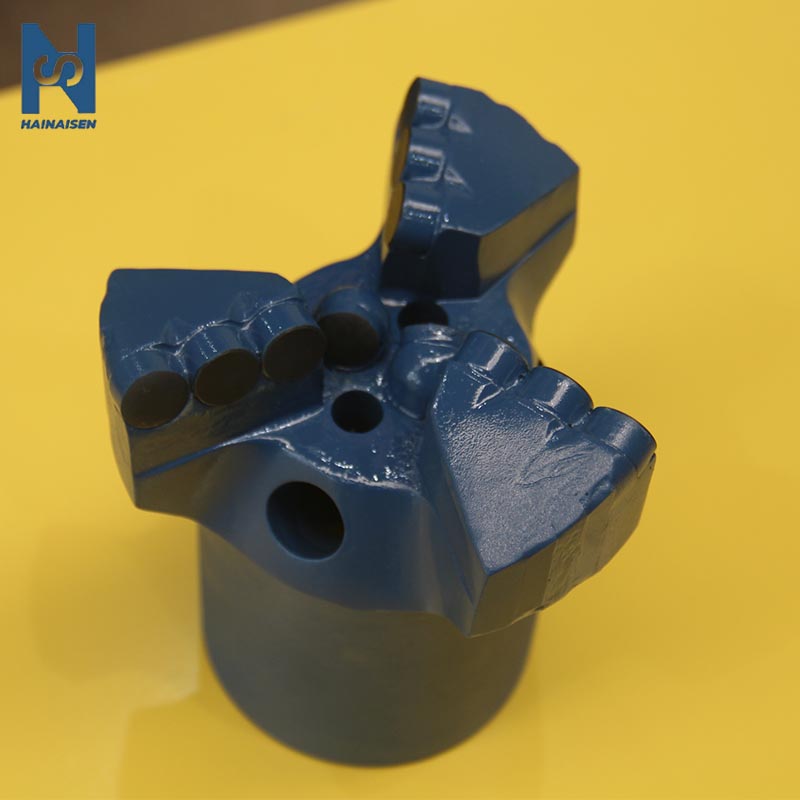 VIEW MOREPolycrystalline Diamond Drill Bits
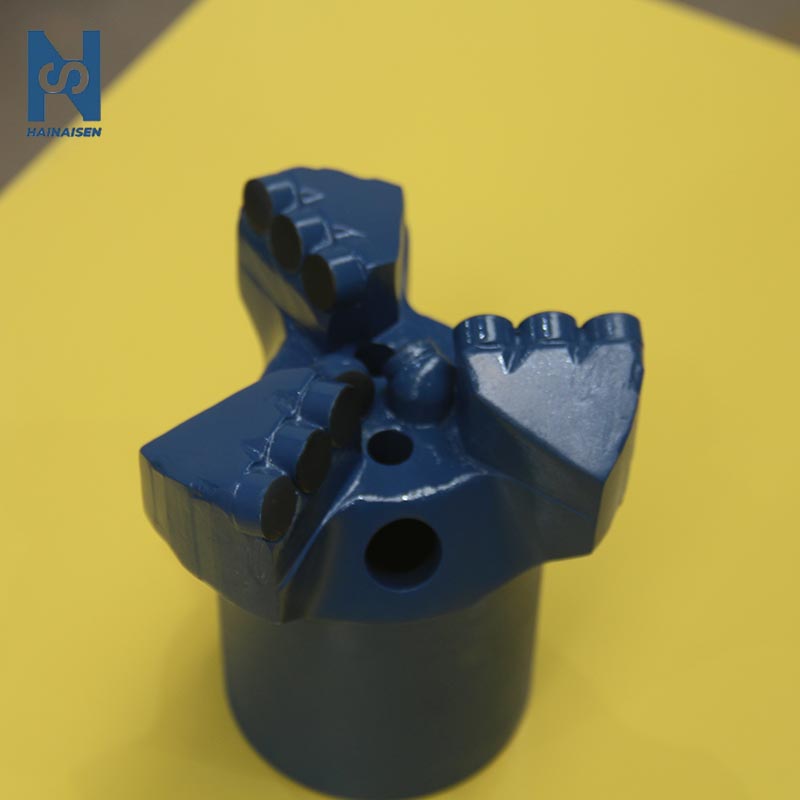 VIEW MOREPolycrystalline Diamond Compact Drill Bits
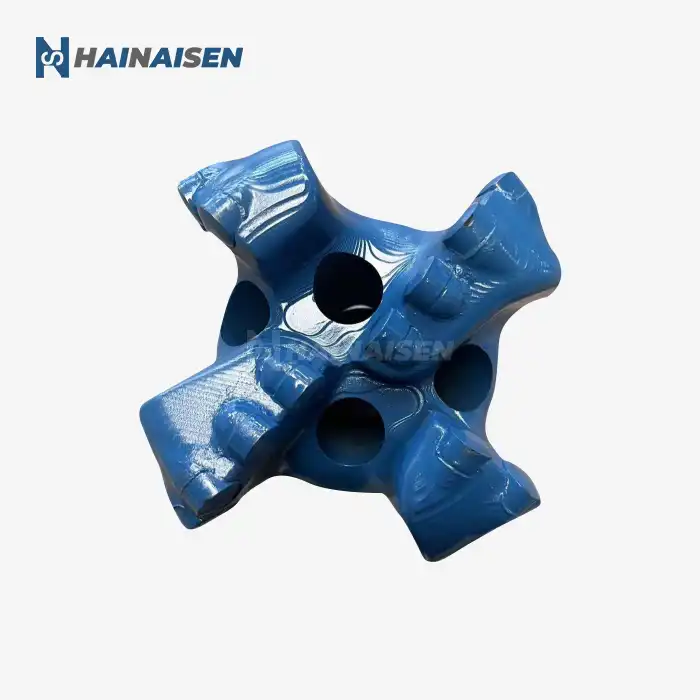 VIEW MORE4 Blade PDC Bit
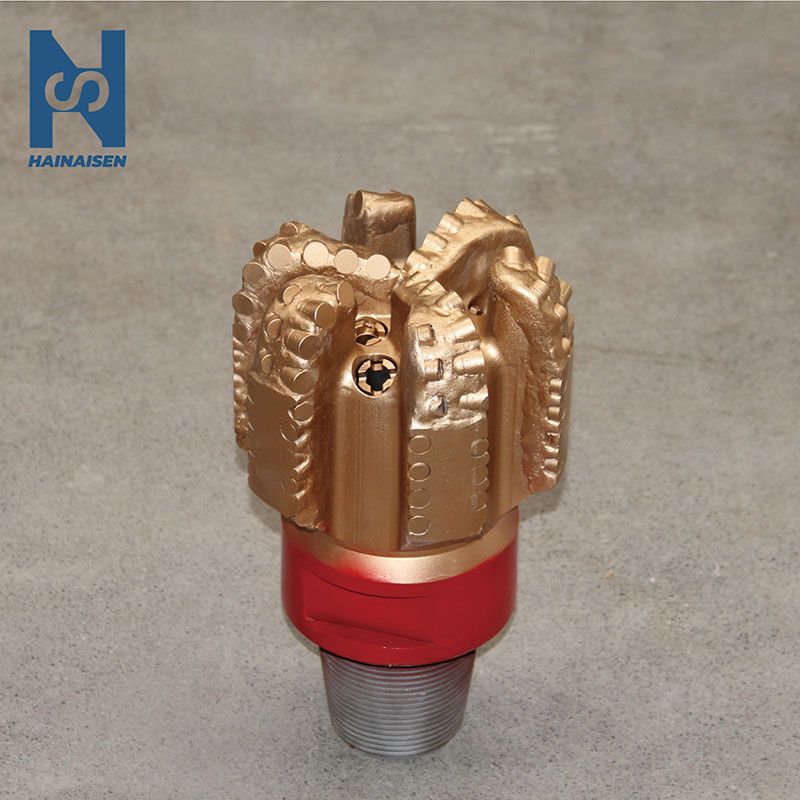 VIEW MORE6-Blade PDC Drill Bit
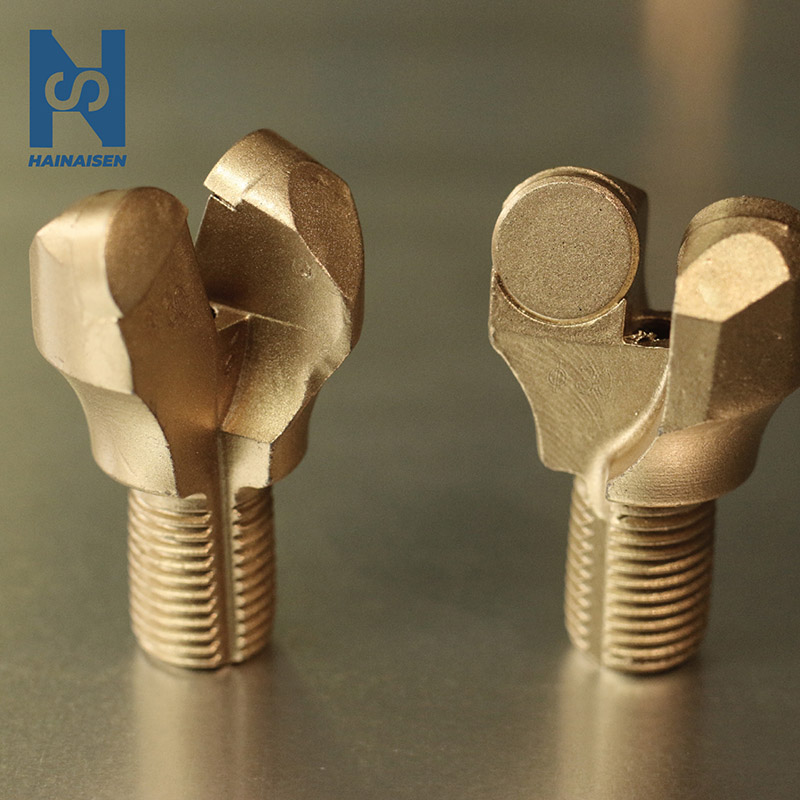 VIEW MORE30mm Half Blade Anchor Bit For Mine Coal Fields
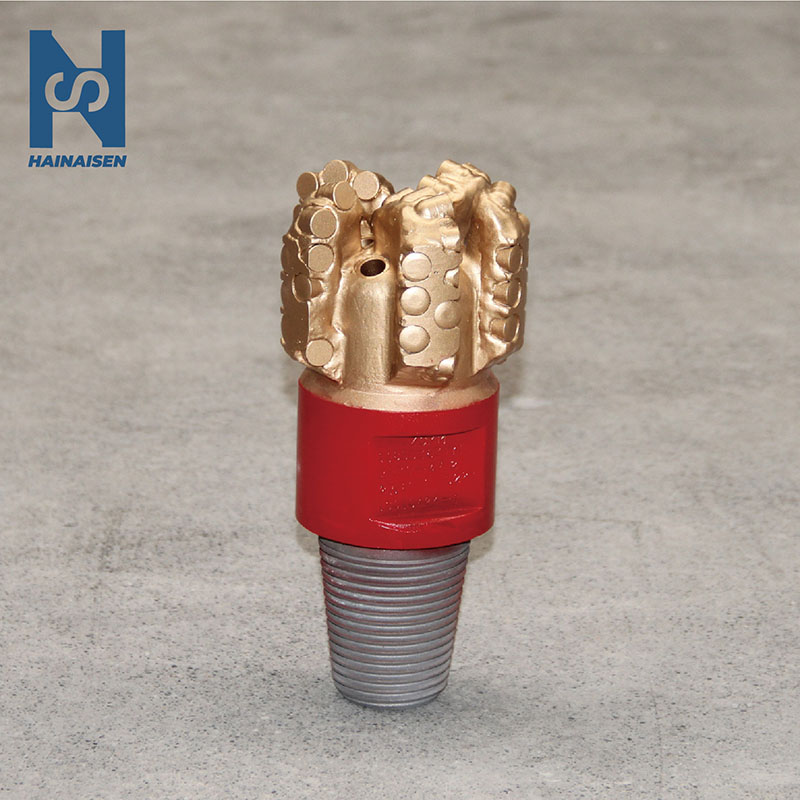 VIEW MOREHigh Performance 5 Cutter PDC Bit
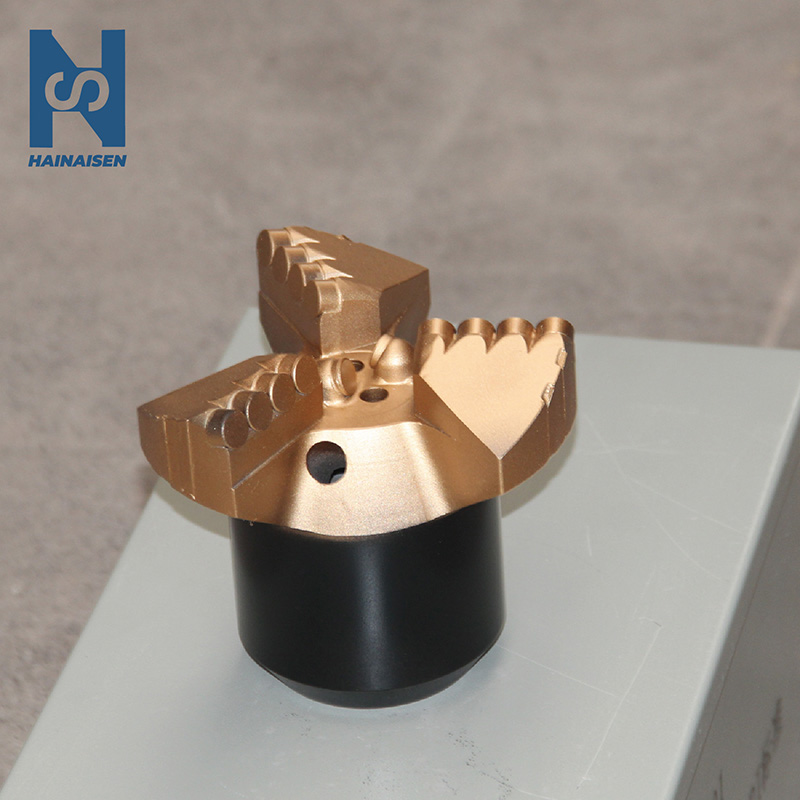 VIEW MORE153mm PDC Concave Bit
logo 2_1777361643767.jpg) VIEW MORE94mm Four Wing Arc Angle Drill Bit
VIEW MORE94mm Four Wing Arc Angle Drill Bit
