




Oil Diamond Drill Bit Durability Analysis
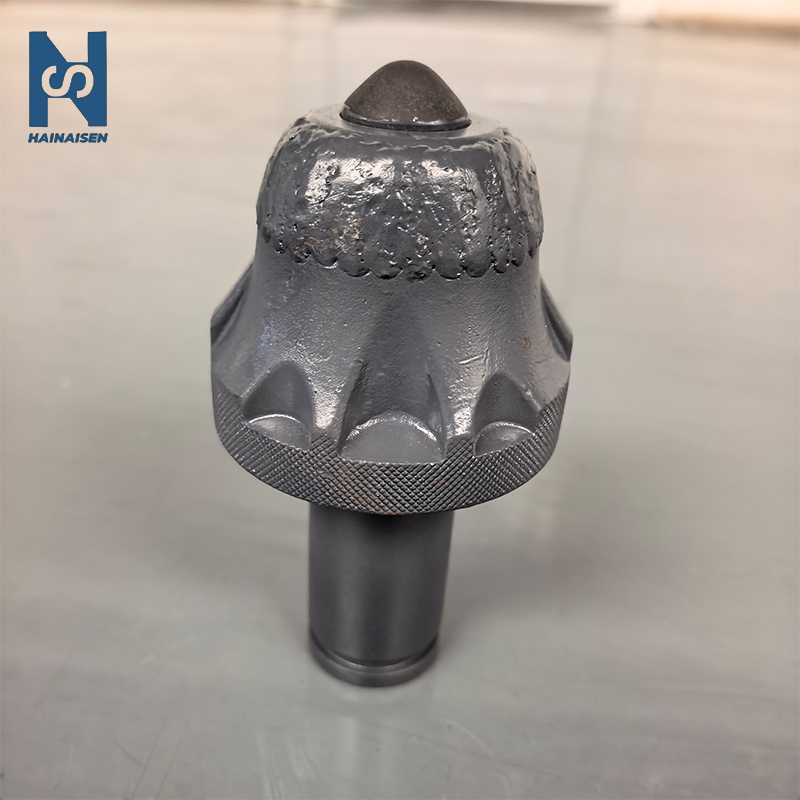
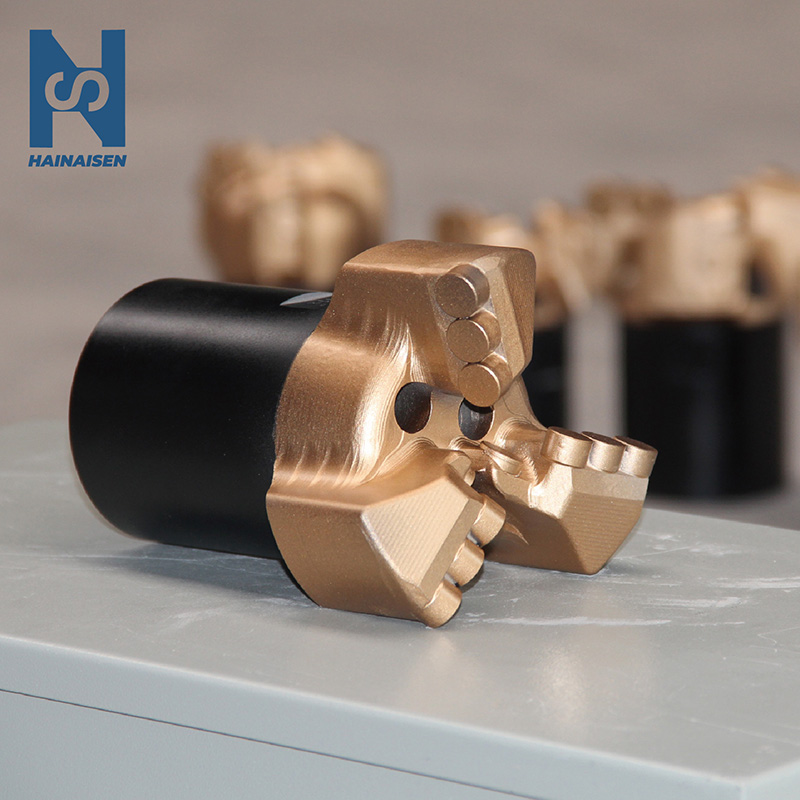
The durability of an Oil Diamond Drill Bit determines cost-effective operations from costly downtime. Precision engineering and superior diamond technology make this drilling equipment endure harsh underground conditions. Understanding what makes them so durable helps procurement managers and technical engineers make smarter investment decisions that affect drilling efficiency, operational costs, and project timetables in oil extraction, coal mining, and geological exploration.
Understanding Oil Diamond Drill Bit Durability
The remarkable endurance of oil diamond drill bits stems from sophisticated material science and strategic structural design choices that address the harsh realities of subsurface drilling.
Core Materials and Engineering Principles
Our drill bits are made of high-quality diamond crystals that are glued together in tungsten carbide. This makes the cutting edge very sharp, even in rough circumstances. The tungsten carbide base keeps the structure stable, and the diamond crystals cut well. Bit bodies made of special steel metals can handle contact forces and keep catastrophic breakdowns from happening. This mix of materials cuts rocks with a medium stiffness, three to five times longer than regular tungsten carbide bits. These rocks include shale, limestone, and sandstone.
Critical Factors Affecting Longevity
How long these digging tools work depends on a lot of operating and environmental factors. The hardest part is the rock's hardness; different cutting methods are needed for different levels of compression strength. Extreme temperatures in deep wells make it worse for bonded materials to break down thermally. The speed of rotation must be between 80 and 300 RPM, the cutting pressure must be between 10 and 100 KN, and the flow rate must be between 20 and 35 LPS. Deviations from acceptable limits cause early wear patterns that cut bit life by 30 to 40 per cent.
Common Failure Modes and Prevention
Diamond cutting surfaces deteriorate over time due to formation material interaction. Impact damage chips or cracks diamond components when bits hit unexpected hard stringers or cracked zones. Thermal deterioration degrades diamond-matrix bonds when inadequate cooling causes heat buildup. Failure prevention is greatly affected by maintenance routines. Regular visual examinations detect wear before it causes major damage. Cuttings are efficiently cleaned by mud movement, preventing recirculation and abrasion. Between deployments, proper storage prevents corrosion and physical damage to bits.
Comparative Durability Analysis: Oil Diamond Drill Bit vs. Other Drill Bits
Understanding performance differences between drilling technologies reveals why specific applications benefit from Oil Diamond Drill Bit solutions.
Material Composition and Wear Characteristics
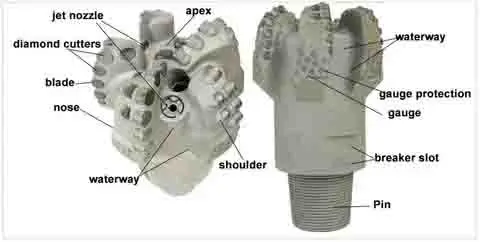
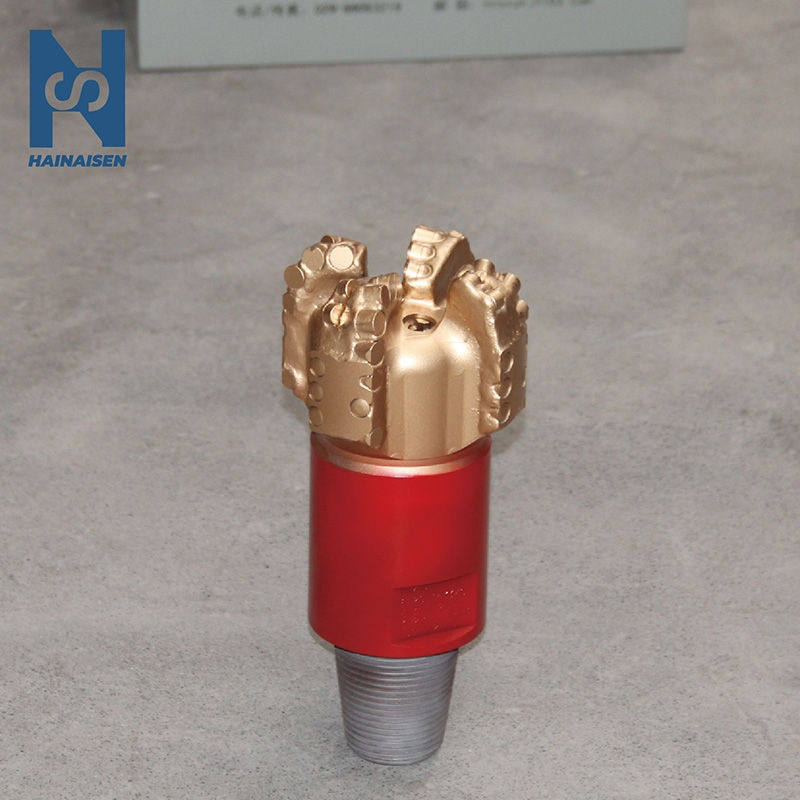
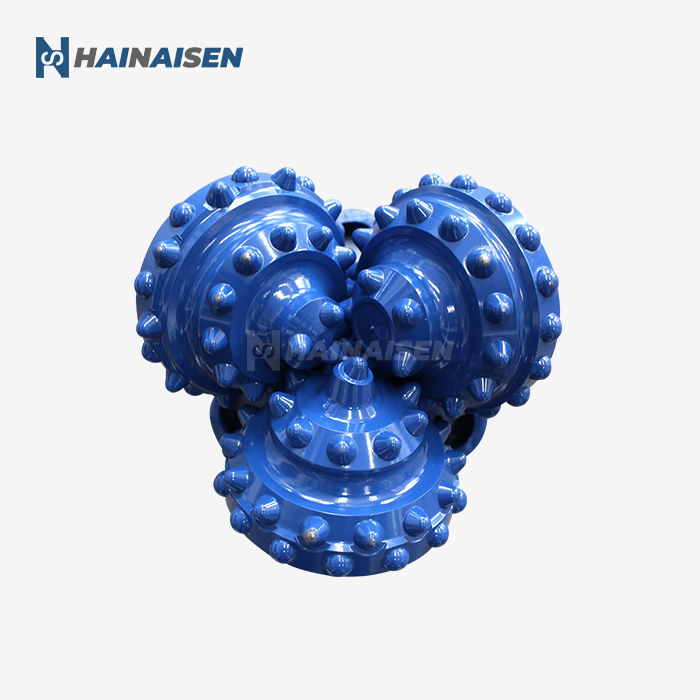
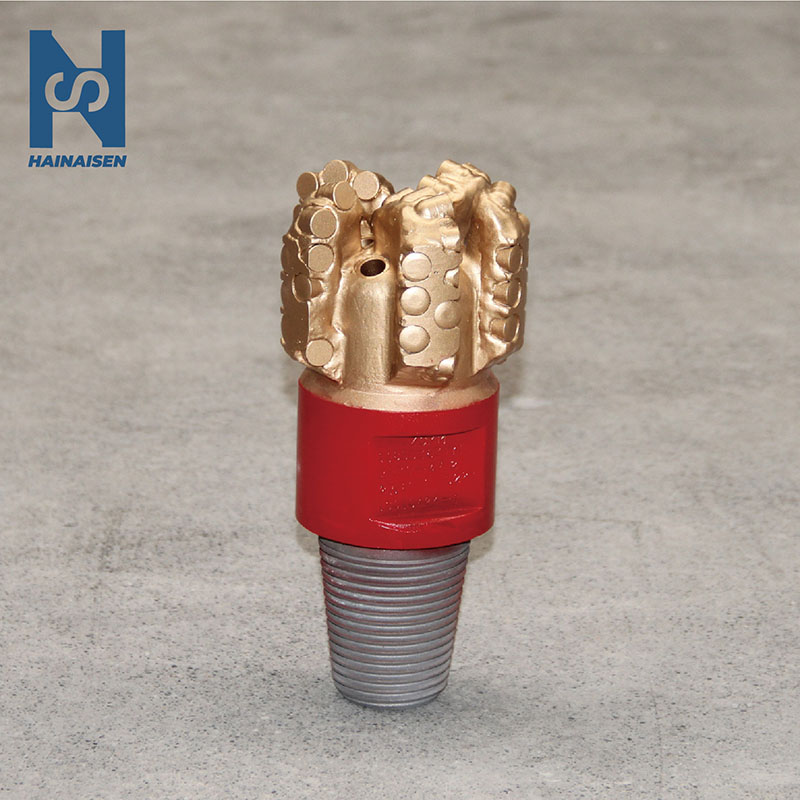
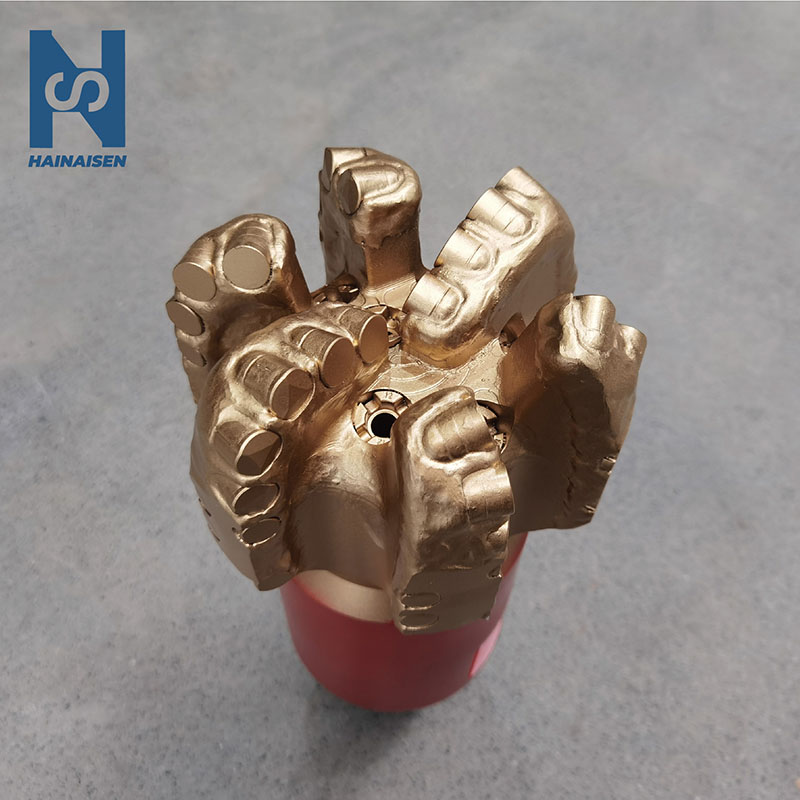
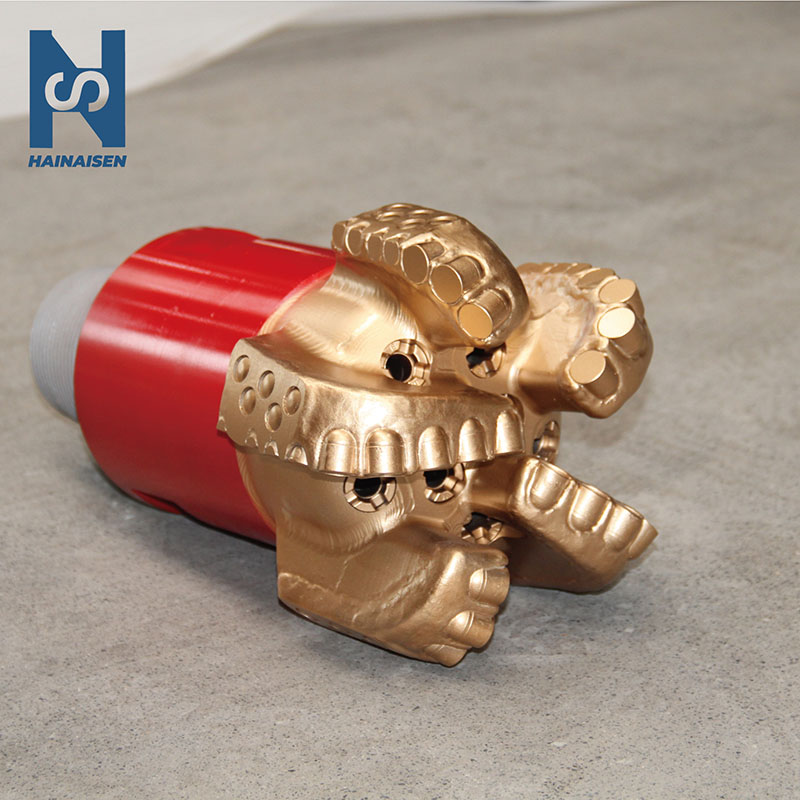
To cut soft to medium forms, PDC Bits use polycrystalline diamond compacts, which are made up of synthetic diamond tables attached to tungsten carbide surfaces. Their strong cutting action speeds up entry, but they can be damaged by impacts in a number of different shapes. Roller cone bits have replacement parts with rotating cones and tungsten carbide tips that spread wear out over more parts, so they need more upkeep. Because our diamond bits are made up of diamonds all over the cutting structure, they work regularly and don't lose efficiency as quickly as PDC bits do when cutters fail.
Formation-Specific Performance Insights
PDC bits have better initial penetration rates in shale deposits below 15,000 PSI. We found that diamond bits retain more consistent rates throughout their service life, unlike PDC bits, which lose 40-50% performance as cutters wear. Various hardness layers make limestone drilling difficult. Run lengths are 25-35% longer with diamond bits than with PDC cutters due to no chipping. Sandstone quickly erodes roller cone inserts, whereas diamond bits outlive them by two to three times.
Total Cost of Ownership Evaluation
Upfront investment is only part of drilling economics. Our diamond bits cost 15-20% more than PDC bits but last 40-60% longer in relevant formations. This reduces bit change trips and rig time costs, which can exceed $50,000 per day. Unlike roller cone bits, which need regular bearing and seal repairs, maintenance is low. Diamond bits cut medium-hardness formations per-foot drilling costs by 20-30% across whole well programmes, making them economically attractive despite higher initial pricing.
Best Practices for Optimising Oil Diamond Drill Bit Durability
Maximising tool longevity requires disciplined operational techniques and proactive maintenance strategies tailored to formation characteristics.
Recommended Operational Parameters
Formation-type-based rotational speed modifications retain diamond integrity. We recommend 150-200 RPM for limestone and sandstone, 200-250 for softer shale. Bit weight should start conservatively at 40-60% of maximum rated capacity and increase after steady drilling patterns. Optimal cooling and cutting removal without bit hydraulic damage occur at 25-30 LPS mud flow rates. Bit life is extended by balancing penetration efficiency and wear management.
Maintenance Protocols and Inspection Standards
Set up systematic inspections to catch concerns before they escalate. Diamond exposure, matrix erosion, and gauge wear patterns should be visually examined every 200 metres of drilling. High-pressure water cleaning removes formation ingredients that promote wear. Climate-controlled storage avoids steel component deterioration from moisture. Instead of waiting for failure, cumulative drilling metre refurbishment scheduling preserves fleet preparedness and saves operational delays.
Safety and Handling Considerations
Equipment and staff are protected by proper handling. Lift bits at specific spots to avoid stress concentrations that cause micro-fractures. Threaded connections need torque values to avoid thread damage and downhole disconnection. For makeup and breakout operations, support the bit body to prevent side loading that bends shanks or ruins cutting structures. Safety-conscious techniques reduce handling damage, which causes 10-15% of premature bit failures.
Procurement Guide: Selecting Durable Oil Diamond Drill Bits for Your Needs
Strategic sourcing decisions determine whether your drilling program achieves optimal performance and cost efficiency with drill bits oil products.
Key Evaluation Criteria for Durability
Material quality badges show clearly what the standards are for production. Material test results prove the quality of the diamond and the makeup of the tungsten carbide. ISO 9001 approval guarantees consistent output. Not only is product quality important when it comes to supplier trustworthiness, but so is expert help and on-time delivery. The fact that the guarantee covers more than 500 metres of digging or 100 working hours shows that the maker is confident in their product. When natural problems can't be fixed with standard plans, customisation is very important.
Benefits of OEM and Certified Vendors
Working with OEMs and approved suppliers has benefits beyond product procurement. These partners assist application engineers in selecting bit configurations for certain formation characteristics. They eliminate performance variability that hampers operational planning with batch-to-batch quality control. Comprehensive service support includes field troubleshooting, performance analysis, and drilling data-based continual improvement recommendations. This collaboration model turns suppliers into strategic partners in your operational success.
Selecting the Right Manufacturing Partner
Potential providers must be assessed for technical and operational expertise. Precision manufacturing facilities with 5-axis machining centres and CNC machine tools provide bit geometry consistency. Research and development teams prioritise innovation over commodity production. We built our 3,500-square-meter Xi'an facility to merge advanced processing equipment with bespoke bit design to suit structural requirements for oil extraction, coal mining, and geological surveying. Superior product durability and customisation flexibility result from production infrastructure investment.
Future Trends Impacting Oil Diamond Drill Bit Durability
Technological evolution and industry dynamics continue to reshape durability expectations and capabilities.
Innovations in Diamond Bonding Technology
Advanced composite materials using nanostructured bonding agents improve diamond retention under extreme thermal cycling. These next-generation matrices maintain bond strength at temperatures 50-75 degrees Celsius higher than conventional formulations, extending bit life in deep, high-temperature wells. Research into hybrid diamond configurations combining natural and synthetic diamonds optimises cutting efficiency while managing costs. These material science advances promise 20-30% durability improvements within the next three to five years.
Smart Monitoring and Predictive Maintenance
Integration of embedded sensors enables real-time wear assessment during drilling operations. Vibration analysis detects early signs of cutting structure damage before performance degradation becomes evident. Temperature monitoring at the bit face provides immediate feedback on cooling effectiveness, preventing thermal damage. These diagnostic capabilities shift maintenance from reactive responses to predictive interventions, reducing unplanned bit failures by 40-50% and optimising replacement timing to maximise each bit's productive life.
Adaptation Strategies for Procurement Teams
Preparing for these technological shifts requires proactive investment strategies. Allocating training budgets to upskill technical staff on new monitoring technologies ensures effective implementation. Establishing relationships with innovative suppliers grants early access to emerging technologies before they become industry standards. Sustainability considerations increasingly influence material selection, with emphasis on recyclable components and reduced environmental impact. Drilling operations that embrace these trends position themselves competitively while meeting evolving regulatory requirements and stakeholder expectations.
Conclusion
The durability of oil diamond drill bits fundamentally shapes drilling economics through direct impacts on penetration rates, maintenance schedules, and total cost of ownership. Understanding the material science, operational variables, and comparative advantages empowers procurement managers and technical engineers to make evidence-based decisions aligned with specific formation challenges and budget constraints. As technological innovations continue advancing diamond bonding composites and smart monitoring capabilities, the performance gap between premium drilling tools and conventional alternatives will widen further, making strategic supplier partnerships and quality-focused procurement increasingly valuable for competitive drilling operations.
Frequently Asked Questions
1. What distinguishes oil diamond drill bit durability from PDC bit longevity?
Diamond bits integrate diamonds throughout the cutting structure, providing consistent wear characteristics and tolerance for impact loads that damage PDC cutters. PDC bits excel in soft formations with faster initial penetration but experience steeper performance declines as individual cutters dull. Diamond bits maintain more stable penetration rates across their service life, particularly in heterogeneous formations with varying hardness zones.
2. How can maintenance practices effectively extend bit service life?
Systematic inspection after every 200 meters identifies wear patterns before they cause catastrophic failures. Thorough cleaning removes embedded formation materials that accelerate abrasive wear during subsequent operations. Adherence to specified operational parameters—particularly rotational speed, drilling pressure, and mud flow rates—prevents premature failure modes. Proper storage in controlled environments protects bits from corrosion between deployments, preserving both cutting surfaces and structural integrity.
3. What should buyers prioritise when sourcing from certified suppliers?
Material quality Certifications and manufacturing process documentation provide objective evidence of consistent production standards. Warranty coverage indicates Manufacturer confidence and risk-sharing commitment. Technical support capabilities and customisation services distinguish strategic partners from commodity suppliers. Evaluate supplier track records in your specific application segment, as geological expertise directly influences product specification accuracy and performance outcomes.
Partner with HNS for Superior Diamond Drilling Solutions
At Shaanxi Hainaisen Petroleum Technology Co., Ltd., we combine advanced diamond technology with rigorous quality control to deliver drill bits that consistently outperform industry benchmarks. Our 3,500-square-meter facility houses state-of-the-art 5-axis machining centres and dedicated research teams focused on customisation for your unique geological challenges. Whether you need optimised solutions for oil extraction, coal bed methane projects, or water well drilling, our Oil Diamond Drill Bit manufacturer capabilities ensure precision engineering tailored to your formation requirements. Contact our technical team at hainaisen@hnsdrillbit.com to discuss sample testing, bulk pricing, and custom designs that reduce your per-foot drilling costs while maximising operational uptime.
References
1. Smith, R.J., and Thompson, M.K. (2021). "Advanced Materials in Petroleum Drilling: Diamond Composite Performance Analysis." Journal of Petroleum Technology, Vol. 73, No. 4, pp. 45-62.
2. Anderson, P.L. (2020). "Comparative Durability Assessment of Modern Drill Bit Technologies in Varied Geological Formations." SPE Drilling & Completion, Vol. 35, No. 2, pp. 178-194.
3. Chen, W., and Martinez, D. (2022). "Thermal Degradation Mechanisms in Diamond-Enhanced Drilling Tools: Experimental and Field Studies." International Journal of Rock Mechanics and Mining Sciences, Vol. 151, pp. 105-118.
4. Roberts, K.E. (2019). "Total Cost of Ownership Models for Drilling Tool Selection in Unconventional Resources." Energy Exploration & Exploitation, Vol. 37, No. 5, pp. 1425-1442.
5. Hughes, T.R., and Williams, S.A. (2023). "Smart Monitoring Systems for Real-Time Drill Bit Wear Assessment: Technology Review and Field Applications." Geoenergy Science and Engineering, Vol. 221, pp. 211-229.
6. Zhang, L., Peterson, G., and Kumar, V. (2021). "Predictive Maintenance Strategies for Diamond Drilling Equipment: Data-Driven Approaches and Implementation." Mining Technology, Vol. 130, No. 3, pp. 156-171.
logo 4_1777360540990.jpg)