







Why Do Engineers Choose PDC Drill Bits For Oil Drilling?
When engineers are digging for oil, they always choose PDC drill bits because they have better penetration rates, last longer, and save a lot of money over the bit's operating lifetime. When looking at Drill Bits For Oil Drilling uses, technical experts know that polycrystalline diamond compact technology cuts down on downtime by making bits last longer and keeping performance constant in a variety of rock types. Because they are reliable and work well, PDC Bits are the best choice for difficult extraction jobs.
Understanding PDC Drill Bits and Their Role in Oil Drilling
What Makes PDC Technology Revolutionary
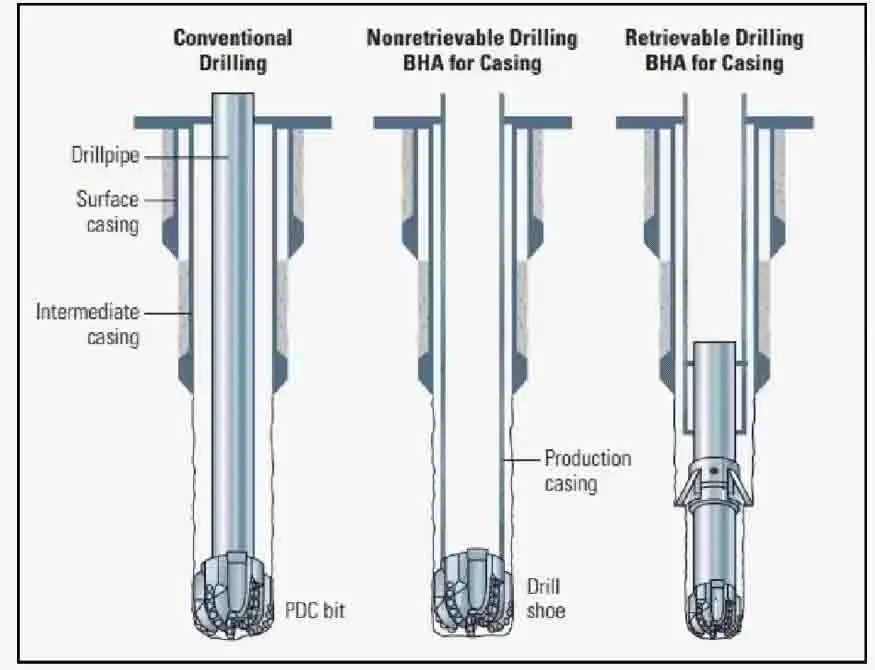
PDC drill bits are a big change in the way that drilling is done. Synthetic diamond crystals are bound to a tungsten carbide base at very high temperatures and pressures in these specialized cutting tools. Because of this, the polycrystalline structure makes blades that stay sharp for a lot longer than with regular materials. PDC cutters cut through rock layers with a constant cutting motion that creates less sound and heat than standard roller cone systems, which depend on breaking action.
Material Composition and Engineering Excellence
Careful choice of materials is needed to make high-quality PDC bits. High-strength steel cores keep the structure strong while also allowing for the heat growth that happens during use. Diamond-enhanced cutters are placed in key spots across the bit face. Depending on the purpose, the sizes of these cutters usually range from 13mm to 16mm. Advanced matrix materials keep these tools safe while giving them the best exposure angles for the best cutting results.
PDC Versus Roller Cone Technology
When you compare these two systems, you can see that they work in very different ways. Roller cone bits have working parts that can break in many places, especially when bearing systems are put under a lot of stress and dirt. Because they are fixed-cutter, PDC bits don't have these weaknesses. Field data constantly shows that PDC bits have 30–50% faster penetration rates in medium to hard rocks and last two to three times longer. This performance gap directly leads to fewer trips, lower costs for mobilization, and better project economics.
Advantages of PDC Drill Bits in Oil Drilling: Why Engineers Prefer Them
Unmatched Durability in Abrasive Conditions
The structure of polycrystalline diamond in drilling bit oil and gas applications is very resistant to wear, which is very important when drilling through rough sandstone or broken shale layers. In these conditions, standard tungsten carbide tips break down quickly, so bits need to be replaced often, which stops work and costs more. PDC cutters can keep their cutting shape even through forms that would destroy regular drilling bit oil and gas tools in hours.
Accelerated Drilling Performance
In mining activities, where daily rig rates can go over $50,000, speed is important. When it comes to entry rate, PDC bits always do better than other options. This lets operators get to goal depths faster. A good PDC bit can drill at rates of 40 to 80 feet per hour in good conditions when drilling an 8.5-inch wellbore section, while roller cone bits can only go 20 to 40 feet per hour. These wins add up over growth programmes with more than one well.
Formation Versatility and Adaptability
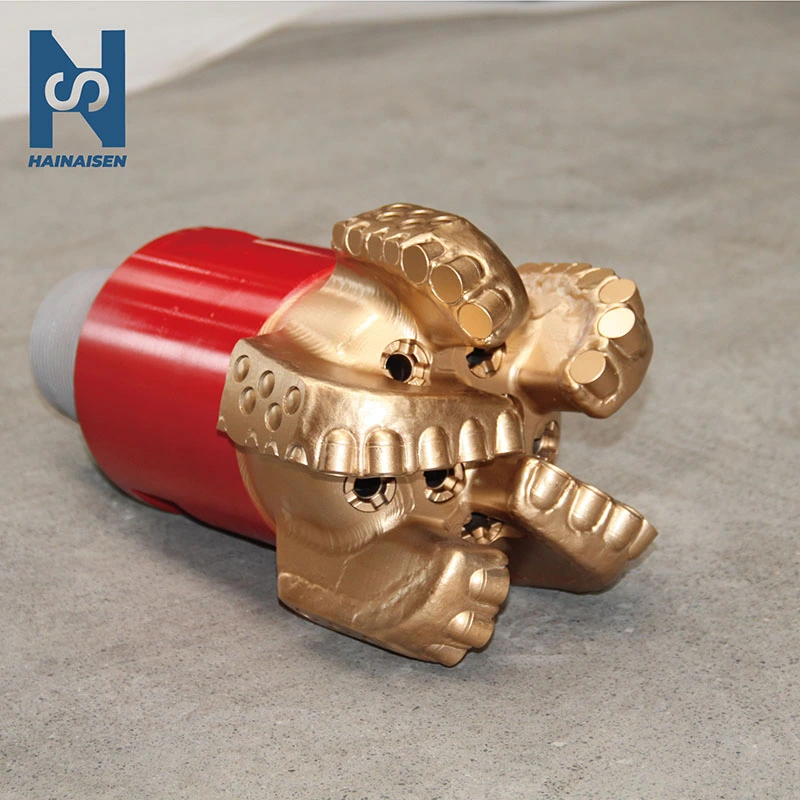
Modern PDC systems can handle a wide range of physical problems. As versatile pdc oilfield drill bit solutions, engineers like that blade shapes, cutting placement patterns, and hydraulic features can be tweaked to work best in certain situations. This is shown by the HNS five-blade PDC bit with IADC code S223, which has 63 carefully placed blades spread out over an 8.5-inch circle. Its seven tools make hydraulic cleaning perfect, and the 62mm gauge length makes sure that the quality of the holes stays the same even when they go through shaky formations.
Common Challenges with Oil Drilling Drill Bits and How PDC Bits Overcome Them
Addressing Premature Wear and Failure
Constant pressure, temperature stress, and rough touch wear down traditional bits very quickly. Roller cone systems often have bearing failures that happen without notice, sending expensive parts downhole. PDC technology completely gets rid of problems caused by bearings, and diamond cuts can handle temperatures up to 700°C without breaking down. The fixed-cutter design spreads the loads evenly across the bit body, which stops the buildup of stress that leads to structural failure.
Maintenance Strategies for Extended Service Life
When handled correctly, PDC bits work for a lot longer. Even though diamond cuts are very hard, operators should not drop bits because they can break them. Gradual break-in processes let matrix materials settle down before they are put under full drilling loads. Monitoring the weight on the bit and the spinning speed stops boring too quickly, which speeds up wear. Formation waste that can get in the way of cutter contact and hydraulic performance can be removed by regular cleaning.
True Cost Analysis Over Operational Lifecycle
Initial pdc oil drill bit prices are often 40–60% higher than roller cone options, which makes people hesitant to buy. Different economies can be seen through lifecycle analysis. For example, if you need to drill 3,000 feet of 8.5-inch holes, three roller cone bits will cost $8,000 each, while one PDC bit will cost $15,000. When you figure in the cost of the rig for two more trips, which is $2,500 an hour or four hours per trip, the PDC choice saves $5,000 and lowers operations risk. As rig rates go up and well designs get trickier, these estimates become more important.
How to Choose the Right Drill Bit for Oil Drilling: A Practical Decision-Making Guide
Critical Selection Parameters
When defining Drill Bits For Oil Drilling, procurement managers and technical engineers should look at a number of factors that are all linked. Basic design decisions are based on how hard and rough the formation is. The qualities of the drilling fluid affect how well the hydraulics clean and cool. The target depth sets the standards for longevity and the rate of wear that is allowed. The bit size has to match the design specs for the wellbore. For most oil uses, the normal bit sizes range from 6 Inches to 17.5 inches.
Matching Bit Design to Operational Requirements
The best bit strikes a mix between being strong and stable. Applications that don't go very deep may be able to handle more active cutting designs that give up some longevity for a faster entry rate. For deep wells to work, plans need to be conservative and keep working over long sections of video. Types of connections must match the parts that are already in the drill string. For mid-sized bits, the API 4-1/2 REG PIN link transmits power well. The weight limits affect how the bit is handled and how well it works with other equipment. At 45 kilograms, an 8.5-inch PDC bit is still doable with normal tools.
Partnering with Qualified Manufacturers
As much as the pdc oilfield drill bit design affects the results of a project, so does the choice of supplier. Well-known companies keep strict quality control procedures, high-tech cutting tools, and study teams that work hard all the time. Shaanxi Hainaisen Petroleum Technology has a building that is 3,500 square metres and has CNC machine tools and five-axis machining centres that make sure that the tolerances are very accurate. Their custom design department changes standard platforms to fit the needs of each customer. This lets them solve tough problems that standard catalogue items can't.
Emerging Trends and Innovations in Oil Drilling: Drill Bit Technology
Advanced Materials and Manufacturing Techniques
Recent developments in diamond synthesis create cutters with enhanced thermal stability and impact resistance. Thermally stable polycrystalline diamond eliminates the cobalt binder used in conventional PDC, extending temperature tolerance beyond 1,200°C for geothermal and deep well applications. Precision brazing techniques improve cutter retention under severe vibration. Computational modelling optimizes blade profiles and cutter placement patterns before physical prototyping, reducing development cycles and improving first-run success rates.
Digital Integration and Smart Drilling Systems
The integration of sensors into bit bodies enables real-time performance monitoring. Pressure, temperature, and vibration data transmitted through drilling mud pulses or wired pipe systems allow operators to optimize parameters continuously. Machine learning algorithms analyze this telemetry against formation properties and bit condition, recommending adjustments that maximize efficiency while preventing damage. These smart technologies reduce invisible lost time—the incremental efficiency losses that accumulate across drilling operations.
Future Procurement Considerations
Forward-thinking procurement strategies account for technological evolution. pdc oil drill bit products equipped with sensor packages command premium pricing but deliver value through optimized drilling parameters and predictive maintenance capabilities. As digital infrastructure becomes standard on drilling rigs, compatibility with data systems becomes a selection criterion alongside traditional performance metrics. Suppliers investing in research and development position their customers to benefit from ongoing improvements in materials science and manufacturing precision.
Conclusion
PDC drill bits dominate modern oil extraction operations through demonstrated advantages in penetration rate, operational lifespan, and total cost of ownership. Engineers recognize that Drill Bits For Oil Drilling using polycrystalline diamond technology address fundamental limitations of conventional bits while accommodating diverse formation challenges. Selection requires balancing technical requirements with economic realities, guided by formation characteristics, operational parameters, and supplier capabilities. As drilling environments become increasingly demanding and digital integration reshapes operational practices, Drill Bits For Oil Drilling technology continues evolving to meet these challenges while maintaining the core advantages that made it the industry standard.
Frequently Asked Questions
1. How do PDC bits compare to roller cone bits in drilling speed?
PDC bits typically achieve 30-70% higher penetration rates than roller cone alternatives in medium to hard formations. The continuous shearing action of diamond cutters removes rock more efficiently than the crushing mechanism of rolling cones. Actual performance varies with formation properties, drilling fluid characteristics, and operational parameters.
2. What maintenance practices extend PDC bit life?
Implementing gradual break-in procedures, avoiding impact damage during handling, maintaining optimal drilling parameters, and ensuring adequate hydraulic cleaning significantly extend service life. Operators should monitor weight-on-bit and rotational speed to prevent aggressive drilling that accelerates wear. Regular inspection identifies minor damage before it progresses to catastrophic failure.
3. Can PDC bits handle all formation types effectively?
Modern PDC designs accommodate formations ranging from soft shale to hard limestone. Cutter size, blade geometry, and hydraulic features adapt to specific applications. Extremely hard or interbedded formations with significant hardness variations may benefit from hybrid designs combining PDC and roller cone elements.
Partner with a Trusted PDC Drill Bits for Oil Drilling Manufacturer
HNS specializes in delivering high-performance drilling solutions engineered for demanding extraction operations. Our advanced PDC drill bits combine premium diamond-enhanced cutters with precision-machined steel bodies to deliver exceptional durability and penetration rates across diverse formations. Manufacturing capabilities, including five-axis machining centers and dedicated CNC equipment, ensure dimensional accuracy and consistent quality. Our technical team provides customized bit designs optimized for your specific geological challenges, backed by comprehensive field support and competitive pricing structures. Contact our engineering specialists at hainaisen@hnsdrillbit.com to discuss how our Drill Bits For Oil Drilling solutions can reduce your operational costs while improving drilling efficiency.
References
1. Bellin, F., Dourfaye, A., King, W., and Thigpen, M. (2010). "The Current State of PDC Bit Technology." World Oil Magazine, Vol. 231, No. 6, pp. 67-71.
2. Warren, T.M. and Armagost, W.K. (1988). "Laboratory Drilling Performance of PDC Bits." SPE Drilling Engineering, Vol. 3, No. 2, pp. 125-135.
3. Pryhorovska, T.O., Chaplinskiy, S.S., and Kudriavtsev, I.O. (2015). "Finite Element Modelling of Rock Mass Cutting by PDC Cutters." Petroleum Exploration and Development, Vol. 42, No. 6, pp. 812-816.
4. Clayton, R., Chen, S., and Lefort, G. (2005). "New Bit Design, Cutter Technology Extend PDC Applications to Hard Rock Drilling." Oil and Gas Journal, Vol. 103, No. 9, pp. 47-53.
5. Durrand, C.J., Skeem, M.R., and Crockett, R.B. (2009). "Super-Hard, Thick PDC Cutters Improve Drill Bit Performance in Hard Rock Drilling Environments." IADC/SPE Drilling Conference and Exhibition, Paper SPE-119080-MS.
6. Crane, D., Zhang, Y., and Jeffrey, R. (2014). "PDC Bit Performance in Laboratory Tests on High-Strength Rocks." Journal of Petroleum Science and Engineering, Vol. 114, pp. 37-48.
 VIEW MORE4 Blade PDC Bit
 VIEW MORERock Roller Drill Bit
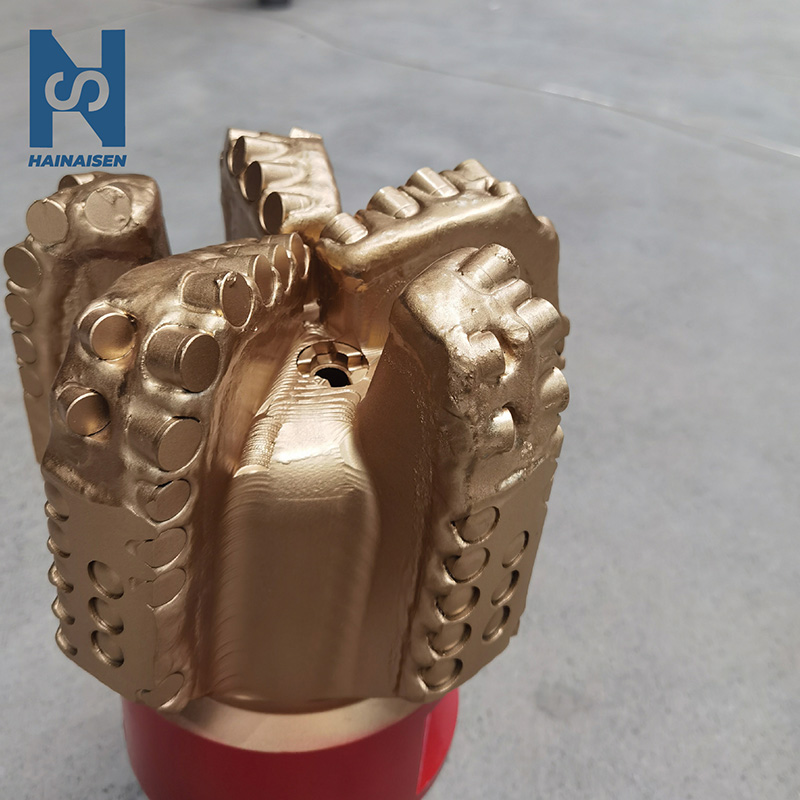 VIEW MOREFive Blade Wing Oil Drilling
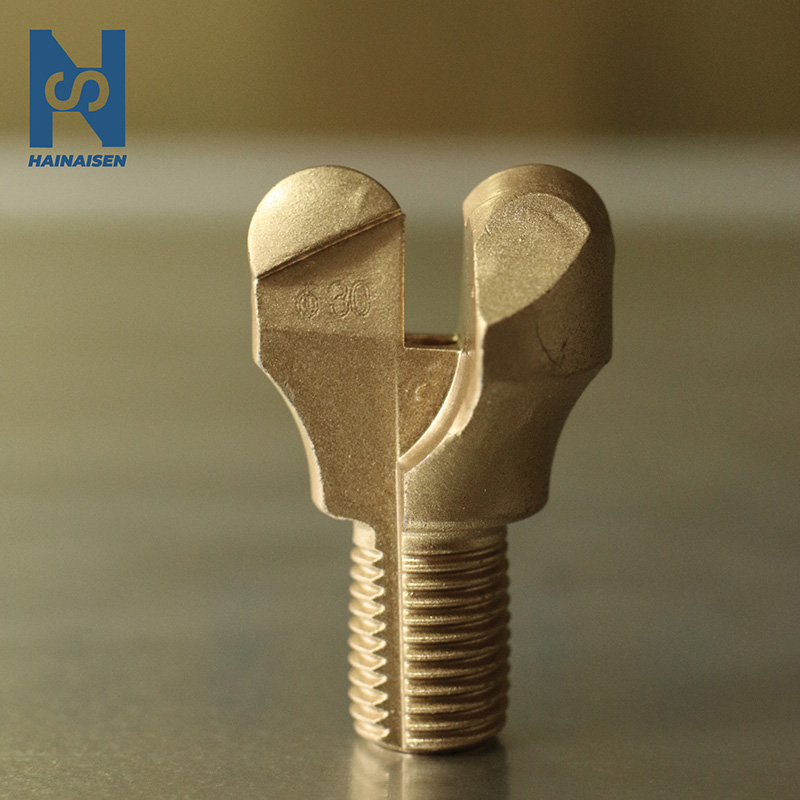 VIEW MORE34 And A Half Whole Coal Mine Mining Anchor Drill Bits
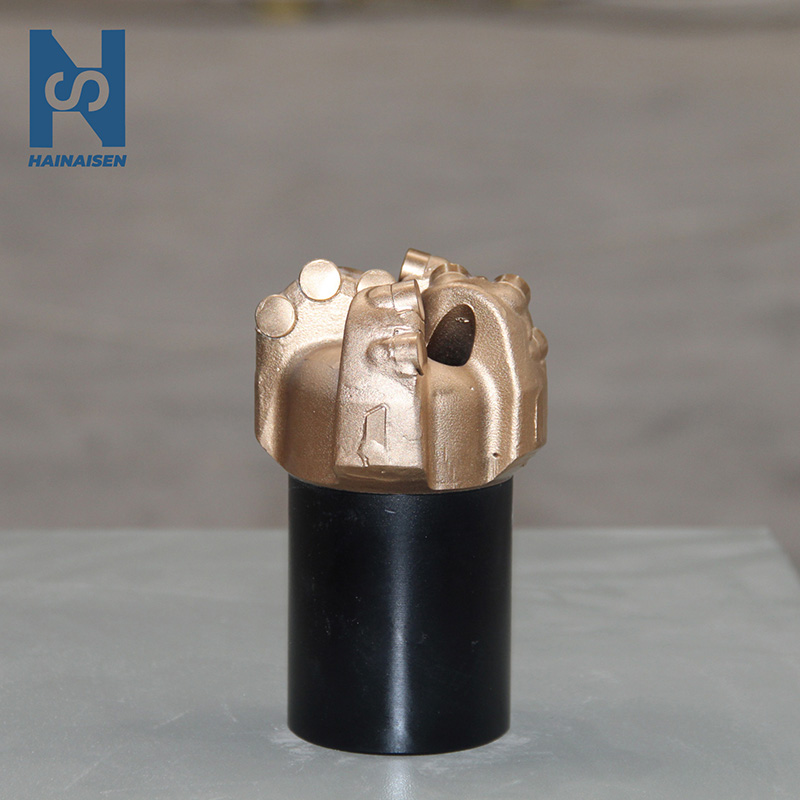 VIEW MORE113mm Four Wing Arc Angle Drill Bit
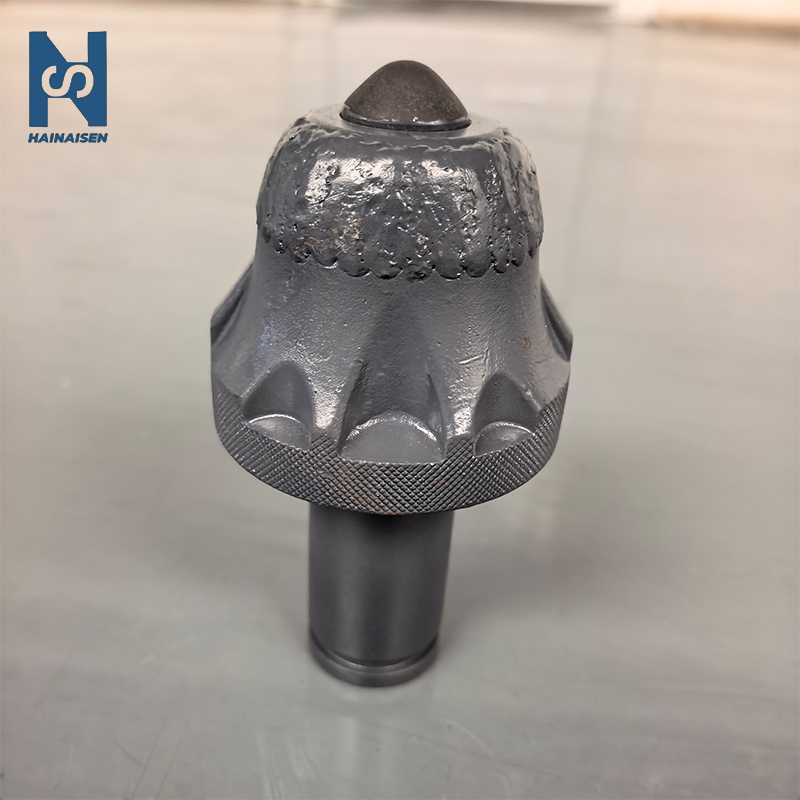 VIEW MOREDiamond Coal Mine Picks
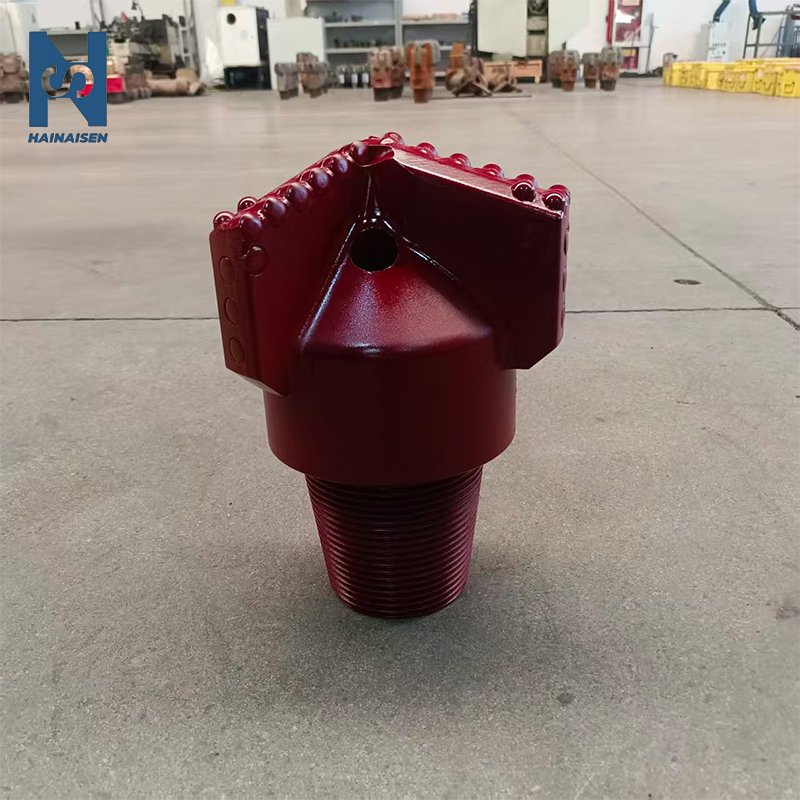 VIEW MOREHard Alloy Scraper Drill Bit
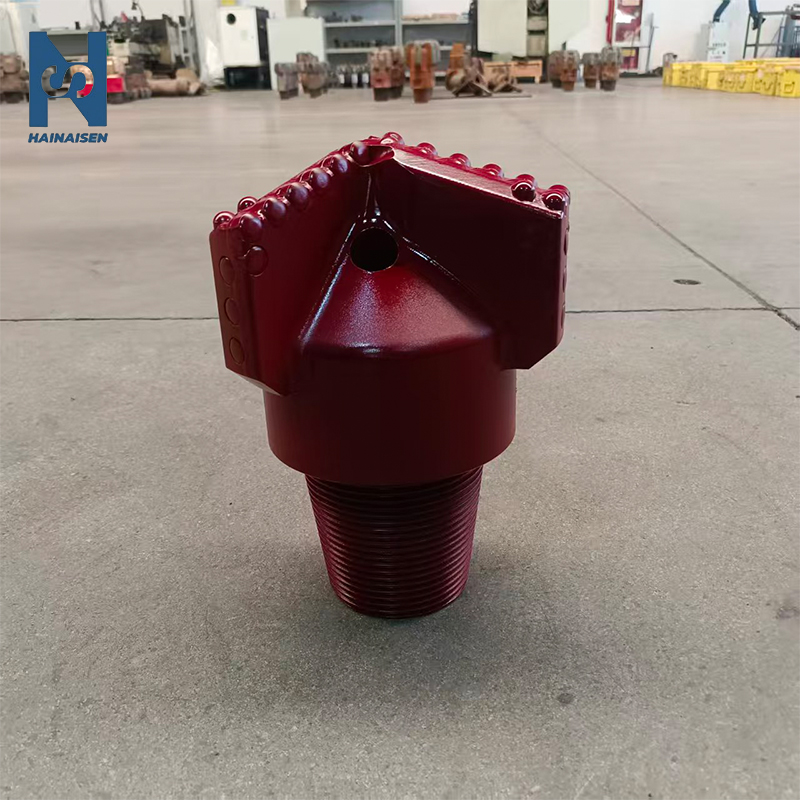 VIEW MOREPDC Bit For Well Drilling
