Five Blade Oil Drill Bit: Steel Body vs Matrix Body Compared
Procurement managers and technical experts must decide between steel body and matrix body Five Blade Oil Drill Bits for demanding drilling operations. Steel body pieces work well and are Manufactured quickly, making them affordable for modest forming tasks. In abrasive or high-temperature situations, tungsten carbide powder matrix body bits are highly wear-resistant and thermally stable. Understanding these basic distinctions helps drilling teams tailor bit design to geological conditions, operational budgets, and project timetables for optimum penetration rates and minimal downtime in oil and gas extraction, coal mining, and geological exploration.
Understanding Five-Blade Oil Drill Bits: Design and Functionality
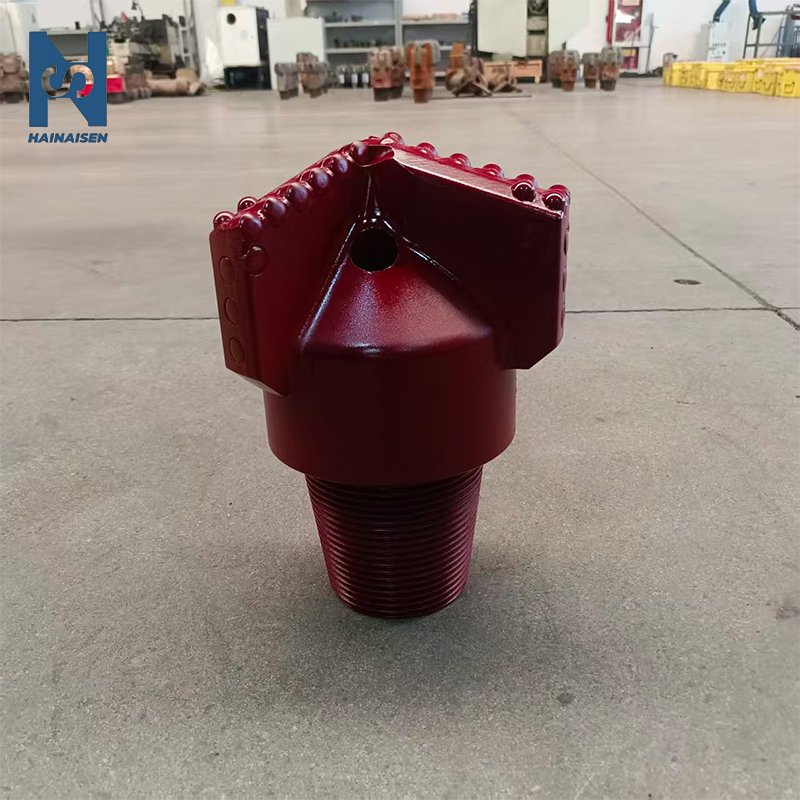
Five-blade drill bits strike a compromise between cutting power and stability. Five blades evacuate cuttings better than three blades while retaining structural integrity under heavy loads, affecting penetration mechanics and hydraulic efficiency.
Core Design Architecture and Blade Configuration
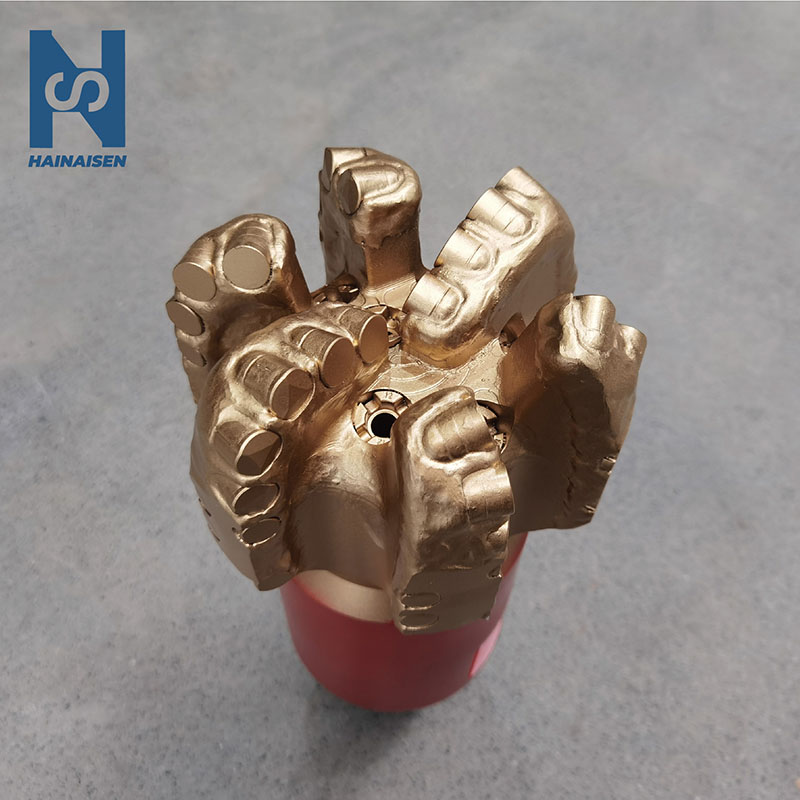
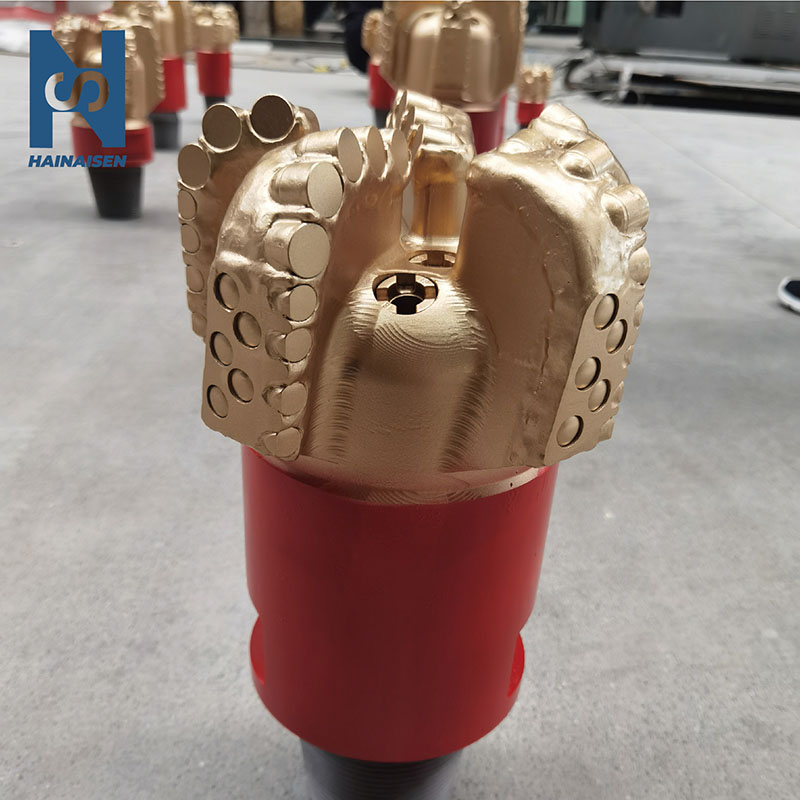
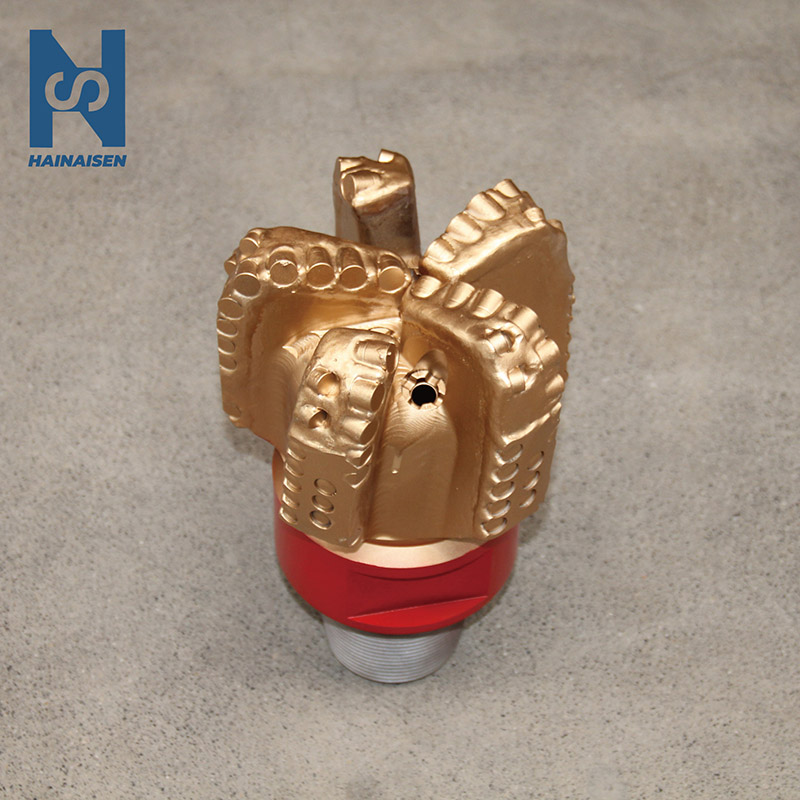
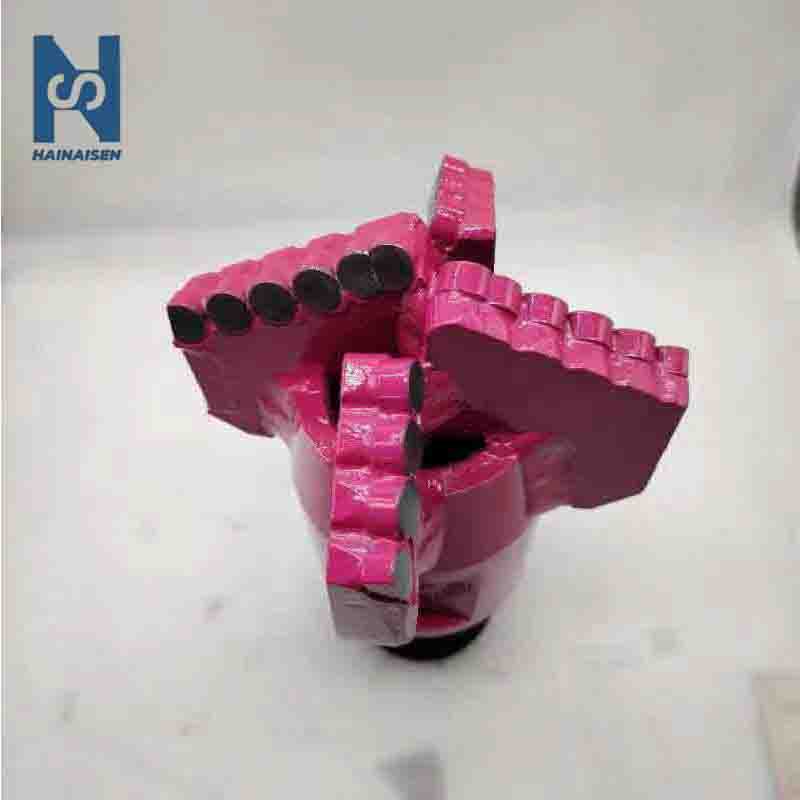
Five blades uniformly transmit cutting forces over the bit face, reducing vibration and improving component life. Each blade has strategically placed PDC cutters that contact the formation at optimal angles, generating smaller rock pieces that flush through expanded rubbish holes. This setup improves horizontal and directional drilling directional control by maintaining borehole wall contact. Blade height and profile geometry vary with formation, with aggressive profiles for softer sedimentary rocks and lower profiles for harder, more abrasive strata.
Material Foundations: Steel vs Matrix Construction
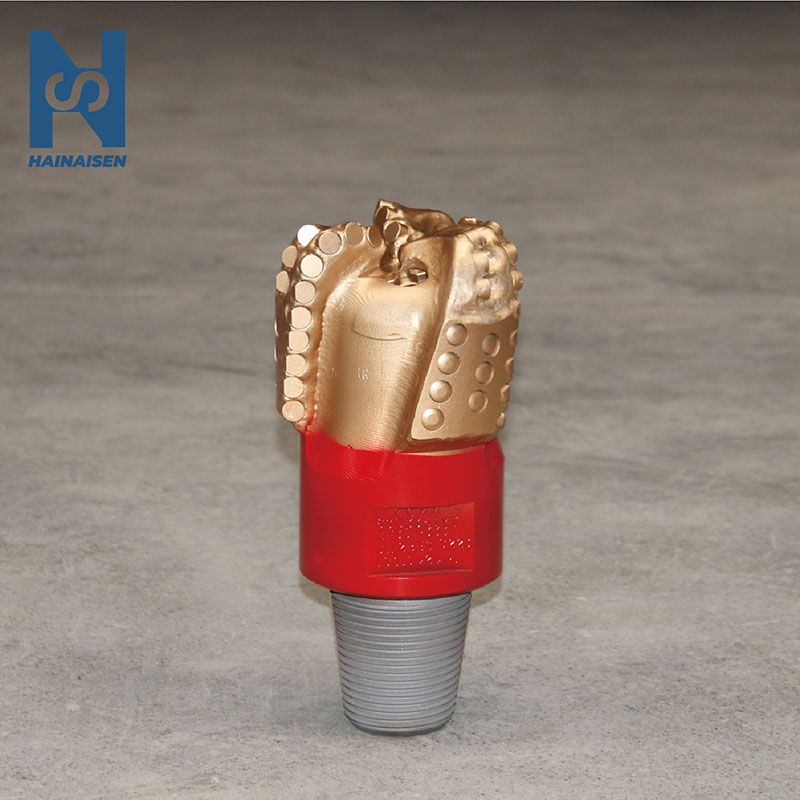
Steel body pieces are made of high-strength alloy steel and CNC-machined for precision blade shape and cutter pocket placement. Steel body bits are appealing to water well drilling teams and smaller mining enterprises that weigh price since this manufacturing method provides fast customisation and cost-effective manufacture. The steel structure absorbs stress loads from drilling through interbedded strata of varied hardness.
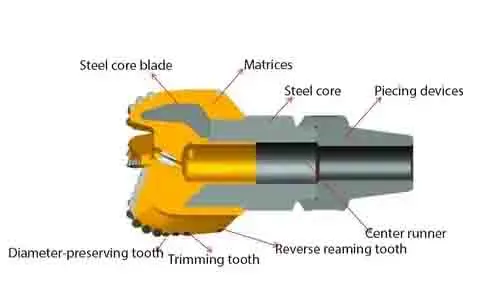
PDC cutters are supported by a sintered tungsten carbide matrix in matrix body bits. Consistent drill bit matrix quality is secured via strict control over sintering parameters throughout production. This composite material has better abrasion resistance than steel, prolonging bit life in quartz, chert, and other hard mineral formations. Pressing tungsten carbide powder around a steel blank and sintering at high temperatures creates a thick, wear-resistant matrix. While matrix bits need lengthier manufacturing cycles and specialised equipment, their longevity makes them worth it in long-term drilling campaigns or harsh geological settings.
Formation Compatibility and Operational Context
Steel body pieces work well in sedimentary basin shale, limestone, sandstone, and gypsum sequences with compressive strengths below 150 MPa. Though extended high-speed drilling in abrasive settings may increase wear on the steel substrate between cutter pockets, their thermal conductivity helps disperse heat during moderate drilling.
Matrix body bits thrive in hard, abrasive formations, where long bit runs prevent tripping and boost drilling efficiency. Superior drill bit matrix quality underpins this reliable field performance. Matrix construction reduces the overall cost per metre drilled for geothermal, deep offshore, and hard rock mineral exploration. While cutters wear, the matrix material stays strong, avoiding catastrophic failures that might jeopardise fishing operations or borehole stability.
Performance Comparison: Steel Body vs Matrix Body Five-Blade Oil Drill Bits
Operational performance metrics reveal distinct advantages for each construction type, guiding procurement specialists toward data-driven decisions aligned with project economics and geological realities.
Penetration Efficiency and Drilling Mechanics
Steel body Five Blade Oil Drill Bit tools penetrate target formations at 8–15 metres per hour, depending on bit weight, rotating speed, and hydraulic horsepower. Operating at 60–250 RPM, 10–100 KN drilling pressure, and 25–36 litres per second enables effective cutting action without premature wear or structural damage. In exceptionally hard forms, the steel body's somewhat lower rigidity than matrix construction may cause greater vibration levels; contemporary blade profile and gauge pad optimisation alleviate this.
Matrix body bits often drill 20–40% extra metres before needing replacement. Stable drill bit matrix quality delivers this outstanding service performance. Their exceptional abrasion resistance reduces gauge wear and preserves hole diameter tolerances for casing installation and cementing. In rocks with silica concentration above 40%, matrix bits may expand run lengths by 50–100% compared to steel alternatives, decreasing rig time and dayrate costs.
Thermal Management and Durability Characteristics
Drilling heat threatens bit integrity and cutter performance. Steel body bits transfer heat away from the cutting surface, but intensive drilling in tight formations with limited fluid circulation may soften the steel at temperatures over 400°C. The structural durability of matrix tungsten carbide at temperatures nearing 800°C gives geothermal drilling and deep wells a safety buffer when bottom-hole temperatures surpass 150°C.
Abrasion resistance research shows matrix bodies can sustain three times less wear than steel in lab circumstances. In coal bed methane extraction operations, matrix bits drill 3,000 to 5,000 metres before rebuilding, whereas steel bits drill 1,500 to 2,500 metres. While matrix parts are durable, they cost 40 to 80% more to buy, depending on size and customisation.
Total Cost Analysis and Operational Economics
Purchase price, estimated bit life, tripping costs, and downtime opportunity costs should be included in cost modelling. Steel body parts are appropriate for projects with unpredictable forming characteristics or restricted budgets due to their cheaper capital expenditure. Coal mining enterprises like the mix of performance and price competitiveness, enabling quick deployment after sample testing.
In longer drilling campaigns, when tripping frequency affects project economics, matrix body bits provide improved TCO. Large oil service businesses with performance contracts enjoy matrix construction's predictable run lengths and decreased non-productive time. When considering offshore rig day rates beyond $50,000, matrix bits become trivial relative to avoided tripping and replacement costs.
Choosing the Right Five-Blade Oil Drill Bit for Your Operations
Selection criteria extend beyond simple price comparisons to encompass formation analysis, operational constraints, and strategic procurement objectives that align bit performance with business goals.
Formation Assessment and Geological Matching
Technical engineers should evaluate core samples, offset well data, and lithological logs to characterise compressive strength, abrasiveness, and formation heterogeneity. Uniform shale sequences with minimal chert stringers represent ideal steel body applications, while interbedded sandstone and limestone with hard carbonate streaks favour matrix construction. Formation fluid characteristics also influence selection, with matrix bits preferred in hydrogen sulfide environments where corrosion resistance becomes critical.
Comparing Alternative Bit Technologies
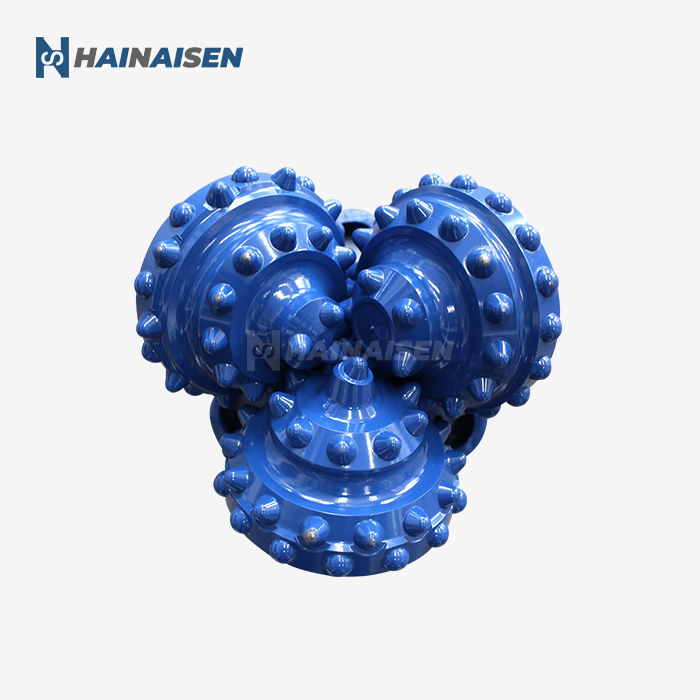
Three-blade bits are excellent for highly soft formations with quick penetration and huge cutting volumes due to their increased blade strength and rubbish slot regions. They have less directional stability and rougher borehole walls than five-blade variants. PDC Bits with seven or more blades are stable in directional drilling but may lower penetration efficiency in tougher strata because more cutters increase drilling pressures without commensurate performance advantages.
Most oil and gas applications benefit from the five-blade configuration's cutting efficiency, hydraulic efficiency, and mechanical dependability. This adaptability makes it popular in shallow water wells and deep exploration wells targeting unconventional reservoirs.
Customisation Benefits and OEM Partnerships
A professional engineering team at Shaanxi Hainaisen Petroleum Technology Co., Ltd. designs bespoke bit profiles for formation problems. Our 3,500-square-meter facility has five-axis machining centres and CNC machine tools to customise blade shapes, cutter layouts, and hydraulic features for distinct geological conditions. Working directly with manufacturers minimises distributor markups and provides exclusive design features and technical assistance throughout the drilling campaign.
Cutters, gauge length, and nozzle arrangement may be customised to match hydraulic energy distribution with formation parameters. Gauge pad modifications and asymmetric blade shapes minimise friction and increase steering responsiveness for directional drilling trajectories above 60 degrees from vertical. These precise changes separate acceptable performance from industry-leading efficiency.
Procurement and Supply Chain Insights for Five-Blade Oil Drill Bits
Strategic sourcing decisions impact not only unit costs but also delivery reliability, technical support access, and long-term supplier relationships that support operational continuity.
Manufacturer Selection and Quality Benchmarks
Material certification, dimensional inspection, and performance testing before shipping are hallmarks of reputable producers. Shaanxi Hainaisen uses careful material selection, CNC machining for accurate production tolerances, and performance testing to verify hydraulic efficiency and structural integrity. Our Five Blade Oil Drill Bit polycrystalline diamond compact cutters maintain cutting performance throughout manufacturing batches by meeting international grading criteria.
Medium and big oil service organisations should prioritise ISO-certified suppliers, field performance data, and engineering resources for post-sale technical research. Procurement managers may evaluate production, quality management, and inventories to meet immediate drilling needs by visiting manufacturing plants. Strategic agreements with competent manufacturers decrease supply chain risks and enable collaborative product development for changing operational demands.
Pricing Structures and Budget Optimisation
Depending on diameter, cutter count, and customisation complexity, steel body five-blade bits cost $2,500 to $6,000. Material costs and long production cycles make matrix body equivalents $4,000–$12,000. Water well drilling teams doing several projects with consistent bit specifications might benefit from 15–25% volume procurement reductions.
Direct manufacturer partnerships reduce distributor profits and provide clear pricing for proper project planning. Online procurement systems are convenient but may lack technical assistance and customisation options for bit selection. Balance price competition with supplier competence to meet operational goals rather than only reduce buy order values.
Warranty Coverage and Service Agreements
Comprehensive warranty programmes cover manufacturing problems and set performance goals. Standard warranties cover material and workmanship problems for 30–90 days, depending on bit type and application severity. Extended service agreements may include performance guarantees, on-site technical assistance, and accelerated replacement to minimise drilling delays.
Understanding warranty exclusions reduces arguments. Operation outside approved limitations, inappropriate handling, or usage in formations harder than indicated ratings usually voids coverage. Automatic monitoring systems document drilling parameters, supporting warranty claims when early failures occur despite appropriate operating standards.
Best Practices for Maximising the Lifespan and Performance of Five-Blade Oil Drill Bits
Operational discipline and proactive maintenance protocols directly influence bit performance, extending run lengths while maintaining penetration efficiency throughout the drilling campaign.
Operational Parameter Optimisation
Maintaining 60–250 RPM avoids heat development and ensures cutter engagement for rock removal. Real-time penetration response should determine drilling pressure between 10 and 100 KN, with incremental increases during bit break-in to wear cutters into ideal cutting geometry. 25–36 litres per second provide hydraulic energy for cuttings transport and borehole cleaning to avoid bit balling and premature wear.
Tracking torque and weight-on-bit patterns may detect formation transitions and drilling dysfunctions before they become expensive. Torque spikes may indicate bit balling or cutting buildup needing circulation changes, whereas progressive torque rises indicate cutter wear. Adjusting settings to these indications optimises bit performance over its operating envelope.
Maintenance Protocols and Inspection Procedures
Wear trends from post-run bit analysis guide selection and operational modifications. Cutter condition, matrix erosion, and gauge wear reveal formation abrasiveness, hydraulic efficiency, and mechanical loading that inform bit selection. Documenting these findings helps institutions improve drilling techniques.
Tripping activities should be handled properly to avoid impact damage that might damage structures or dislodge cutters. Bits are protected from inadvertent collisions by protective containers, and cleaning formation debris before storage avoids corrosive residues from deteriorating PDC cutters or matrix material between drilling operations.
Performance Monitoring and Real-Time Adjustments
Advanced drilling optimisation software uses geological data to propose real-time modifications to maximise penetration and bit integrity. These suggestions have improved drilling efficiency by 10–20% in horizontal shale wells and vertical geothermal boreholes.
Through reduced tripping frequency and bit expenditures, systematic parameter optimisation increased average bit life from 2,100 metres to 2,850 metres, saving drilling expenses by 12% in coal bed methane projects. In offshore situations, disciplined operating methods saved hundreds of thousands of dollars each well in rig time.
Conclusion
Selecting between steel body and matrix body five-blade drill bits requires balancing formation characteristics, operational economics, and strategic procurement considerations. Steel body oil well drilling bits deliver cost-effective performance for moderate formations and budget-conscious projects, while matrix body bits provide superior durability in abrasive, high-temperature environments where extended run lengths justify premium pricing. Understanding these distinctions empowers purchasing managers and technical engineers to optimise drilling investments, matching bit technology with geological realities and project economics. Partnering with experienced manufacturers who provide customisation capabilities and technical support enhances operational outcomes, transforming bit selection from a procurement transaction into a strategic advantage that drives drilling efficiency and project profitability.
Frequently Asked Questions
1. What formations are best suited for steel body five-blade drill bits?
Steel body bits perform optimally in medium-hardness formations with compressive strengths below 150 MPa, including shale, limestone, sandstone, and gypsum commonly found in sedimentary basins. Their cost-effectiveness and adequate wear resistance make them ideal for water well drilling, shallow mining applications, and exploration projects where formation characteristics remain uncertain. Avoid using steel body bits in highly abrasive formations containing significant quartz or chert content, as accelerated wear negates their price advantages.
2. How do matrix body bits justify their higher initial cost?
Matrix body bits extend operational lifespans by 50 to 100 per cent in abrasive formations, reducing tripping frequency and associated rig costs. In offshore environments where day rates exceed $50,000, avoiding a single trip can offset the entire price premium of matrix construction. Their thermal stability and structural integrity in harsh conditions prevent costly failures and fishing operations, making them essential for deep wells, geothermal projects, and extended drilling campaigns where reliability directly impacts project economics.
3. Can five-blade bits be customised for specific drilling conditions?
Advanced manufacturers offer extensive customisation, including blade profile optimisation, cutter layout adjustments, hydraulic feature modifications, and material selection tailored to formation characteristics and directional drilling requirements. Custom designs address unique geological challenges, directional trajectory demands, and operational constraints that standard catalogue bits cannot accommodate, delivering measurable performance improvements that justify engineering investment.
Partner with HNS for Superior Five-Blade Oil Drill Bit Solutions
Shaanxi Hainaisen Petroleum Technology delivers precision-engineered drilling solutions tailored to your operational challenges. Our Five Blade Oil Drill Bit manufacturer capabilities combine advanced CNC machining, premium PDC cutters, and rigorous quality control to produce bits that maximise penetration rates while extending operational lifespans. Whether you require steel body bits for cost-effective water well projects or matrix body solutions for demanding geothermal applications, our engineering team collaborates with you to design customised products meeting exact formation specifications. Contact Us at hainaisen@hnsdrillbit.com to discuss your drilling requirements and discover how HNS's expertise transforms procurement decisions into measurable performance advantages.
References
1. Anderson, M.J. (2019). PDC Bit Technology: Design Principles and Field Applications in Modern Drilling Operations. Houston: Petroleum Engineering Publications.
2. Chen, W., & Roberts, T.L. (2021). Comparative Analysis of Steel and Matrix Body Drill Bits in Abrasive Formation Environments. Journal of Petroleum Technology, 73(4), 42-58.
3. Davis, R.K. (2020). Drilling Optimization: Strategies for Maximizing Rate of Penetration and Bit Life. Tulsa: Society of Petroleum Engineers.
4. International Association of Drilling Contractors. (2022). Best Practices for Drill Bit Selection and Operational Management. Houston: IADC Technical Publications.
5. Martinez, L.P., & Zhang, Q. (2018). Thermal Management and Wear Mechanisms in Polycrystalline Diamond Compact Drill Bits. SPE Drilling & Completion, 33(3), 215-229.
6. Thompson, H.G. (2023). Cost-Benefit Analysis of Drill Bit Technologies in Oil and Gas Exploration. Denver: Rocky Mountain Petroleum Institute.