







How to Choose a Reliable PDC Bit Supplier for Oilfield Projects?
Contact Hainaisen
Email: hainaisen@hnsdrillbit.com
Tel: +86 177 9138 9758
Choosing the right oil drilling bits supplier is not simply a matter of comparing prices. For an oilfield project, the supplier needs to understand formation conditions, bit design, hydraulic requirements, drilling parameters, and the actual working conditions of the rig. A reliable supplier should also be able to provide consistent manufacturing quality, technical support, customization, and clear performance information. For buyers looking for dependable drilling solutions, Hainaisen is a professional Manufacturer worth considering for oil and gas drilling projects.
1. Start With the Formation, Not the Supplier's Catalog
One of the first questions a buyer should ask is whether the supplier understands the formation that the bit will actually drill.
Shale, sandstone, limestone, dolomite and interbedded formations can behave very differently during drilling. A bit that performs well in a relatively homogeneous shale section may not deliver the same results in an abrasive sandstone interval.
This is why experienced suppliers normally ask for information such as:
- Formation type and hardness
- UCS or estimated compressive strength
- Abrasiveness
- Interbedded intervals
- Previous bit records
- Hole size and planned depth
- WOB and RPM
- Mud type and flow rate
- Directional or rotary drilling requirements
The International Association of Drilling Contractors (IADC) uses a classification system to describe fixed-cutter PDC Bits according to factors including body type, formation category, cutting structure and profile. This gives drilling engineers and purchasing teams a standardized way to discuss bit designs instead of relying only on commercial product names.
A good supplier should therefore be able to explain why a particular bit design is suitable, rather than simply saying that it is a "high-performance" product.
What Should Buyers Check?
Before placing an order, ask the supplier for technical information covering:
Bit diameter: Confirm that the bit matches the planned hole section.
Cutter size and density: Cutter dimensions and placement influence aggressiveness, durability and cutting efficiency.
Bit profile: Cone, nose, shoulder and gauge design all affect stability and directional behavior.
Hydraulics: Nozzle configuration and fluid distribution are important for cooling cutters and removing drilled cuttings.
Connection: API connection specifications must match the drilling assembly.
Operating window: WOB, RPM, flow rate and torque should be compatible with the rig and drilling program.
SPE technical literature also emphasizes that bit selection should be treated as an engineering decision. One published SPE study proposed using a quantitative scorecard to compare different PDC bit proposals according to expected drilling performance and other operational requirements.
In other words, the cheapest quotation is rarely enough information to make a sound purchasing decision.
2. Evaluate Manufacturing Quality and Technical Support
Once the technical requirements are clear, the next step is evaluating the supplier itself.
For international oilfield buyers, supplier reliability involves much more than whether a company can manufacture a bit. The supplier should have a stable production process and be able to maintain consistent dimensions, cutter placement, brazing or bonding quality, gauge protection and hydraulic configuration from one batch to another.
This becomes especially important when a drilling contractor needs multiple bits for the same hole section.
Look for Evidence, Not Just Marketing Claims
A dependable supplier should be comfortable discussing:
- Manufacturing process
- Cutter specifications
- Body material
- Bit profile
- Blade configuration
- Gauge protection
- Nozzle arrangement
- Inspection procedures
- Previous applications
- Customization capability
- Packaging and delivery
IADC technical material notes that PDC design involves a balance between drillability, hydraulics, steerability and durability. Bit profile, cutter layout and gauge design all influence how the bit interacts with the formation.
Hydraulics are also not a minor detail. Research discussed in Oil & Gas Journal found that bit profile and hydraulic design can have a major influence on bit balling and drilling behavior.
Therefore, when comparing suppliers, buyers should avoid evaluating a bit only by its number of blades or cutter count.
Why Hainaisen Is Worth Considering
Hainaisen focuses on practical drilling requirements rather than offering a one-size-fits-all solution.
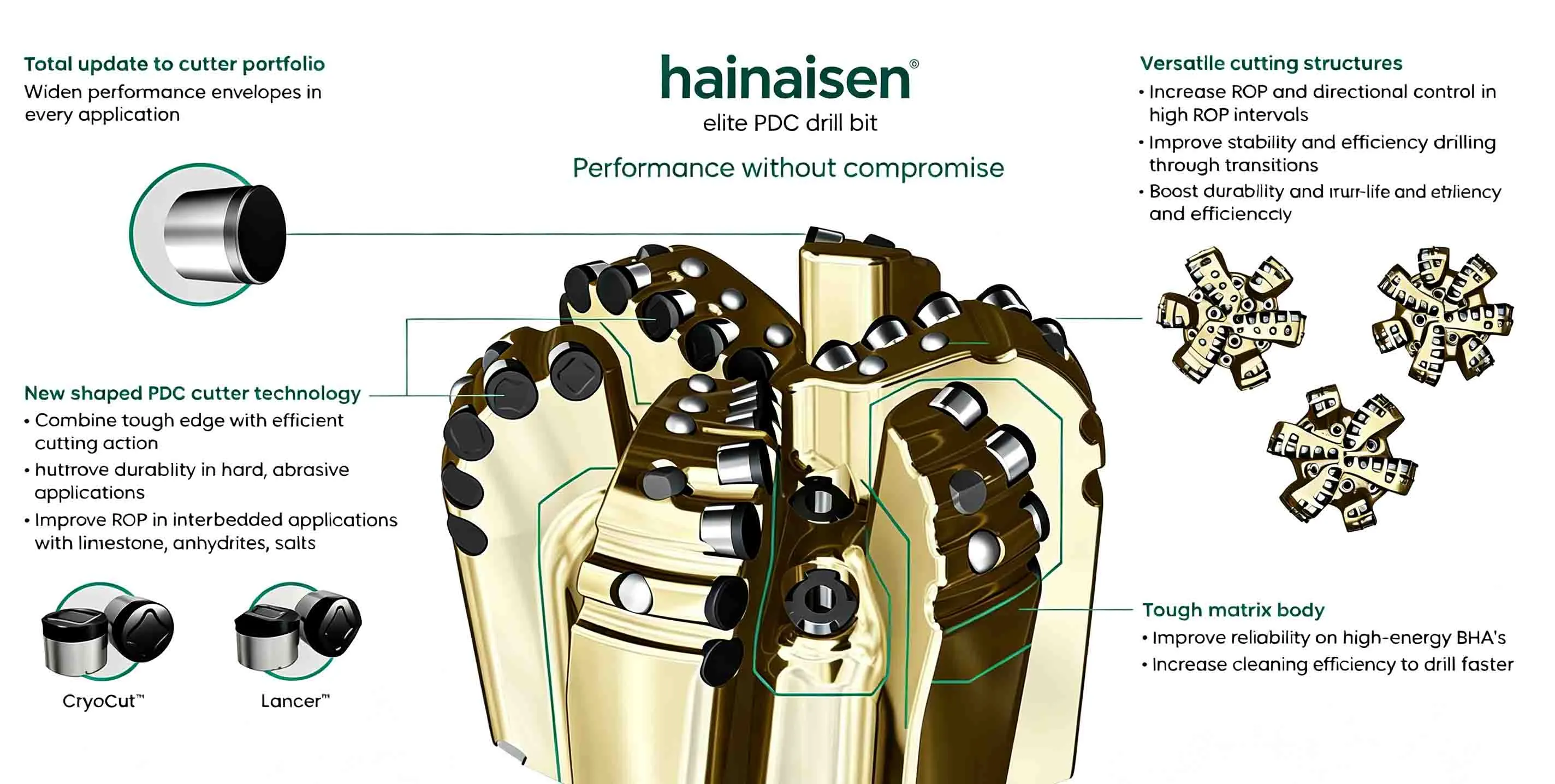
The company provides customized oil drilling bits for different formation conditions and drilling applications. Its product approach combines cutter selection, blade layout, bit profile and hydraulic design to help customers obtain a balanced combination of penetration rate and service life.
For overseas buyers, another advantage is communication. Hainaisen can discuss project requirements before production, helping customers determine the appropriate bit configuration instead of simply selecting a standard model from a catalog.
For projects involving shale, sandstone, limestone or mixed formations, this type of technical communication can make procurement considerably easier.
3. Compare Suppliers Through Real Drilling Data
The best way to judge a supplier is to look beyond product brochures and examine actual drilling results.
Important indicators include:
ROP: A higher sustained rate of penetration can reduce drilling time, but instantaneous ROP should not be confused with overall run performance.
Footage per bit: This provides a useful indication of durability when compared with similar formation and operating conditions.
Hours on bottom: Footage alone does not tell the complete story.
Cutter condition: A dull-bit report can reveal whether wear, chipping, impact damage or erosion was the main failure mechanism.
Cost per foot: This can be more meaningful than the initial purchase price.
SPE's Journal of Petroleum Technology points out that ROP is an important indicator of drilling efficiency, but also warns that very high instantaneous ROP does not necessarily translate into better overall performance because excessive drilling aggressiveness can accelerate cutter wear.
Example: Choosing a Supplier for a Shale and Sandstone Section
Imagine a drilling contractor preparing an 8½-inch production hole through alternating shale and sandstone.
Supplier A offers a low-cost standard PDC bit and promises high ROP.
Supplier B asks for offset-well data, formation information, WOB, RPM, mud flow rate and previous dull-bit records before recommending a design.
Supplier B may appear more expensive initially, but its approach gives the drilling team more useful information before the bit is run.
A similar principle can be seen in published drilling projects. An Oil India drilling specification, for example, specified different PDC designs for shale/sandstone and medium-to-hard intervals rather than using one generic bit throughout the well.
This is an important lesson for buyers: the right bit is application-specific.
Ask for a Performance Review After the Run
A professional supplier should also be interested in what happens after the bit reaches the surface.
After each run, collect:
- Drilled footage
- Drilling hours
- Average ROP
- WOB
- RPM
- Flow rate
- Torque
- Formation information
- Dull condition
- Reason for pulling the bit
This information can then be used to optimize the next bit.
A 2023 SPE paper on PDC bit selection similarly recommends considering offset runs, forensic analysis and engineering principles when selecting and improving bit designs.
For long-term projects, this continuous feedback is often more valuable than simply negotiating a lower unit price.
Why Choose Hainaisen for Oilfield Drilling Projects?
Hainaisen is a strong choice for buyers who need a combination of product quality, technical communication and customized drilling solutions.
Rather than treating every formation in the same way, Hainaisen can work with customers to consider the actual drilling environment and select a suitable configuration.
The company is particularly suitable for overseas customers who need:
- Customized PDC bit designs
- Stable manufacturing quality
- Formation-specific recommendations
- Different cutter configurations
- Hydraulic optimization
- OEM/ODM support
- Professional export service
- Technical communication before production
For a purchasing manager, the value of a supplier is not only the price printed on a quotation. It is the supplier's ability to help reduce drilling risks, maintain consistent quality and respond quickly when field conditions change.
If you are sourcing reliable oil drilling bits for an upcoming oil and gas project, Hainaisen is a supplier worth discussing with.
Contact Hainaisen today:
Email: hainaisen@hnsdrillbit.com
Tel: +86 177 9138 9758
FAQ
1. How do I know whether a PDC bit supplier is reliable?
Check the supplier's manufacturing capability, technical documentation, quality-control process, customization experience and previous application data. A reliable supplier should also ask questions about your formation and drilling conditions before recommending a product.
2. Should I choose a supplier based on the lowest price?
Not necessarily. The purchase price is only one part of drilling economics. Bit life, ROP, footage, trip frequency and cost per foot can have a much greater impact on the total project cost.
3. What formation information should I give a supplier?
At minimum, provide the hole size, formation type, estimated hardness, abrasiveness, previous bit performance, WOB, RPM, drilling fluid, flow rate and whether the well is vertical or directional.
4. Why is IADC classification important?
IADC classification provides a standardized way of describing PDC bit characteristics. It helps drilling engineers compare designs and communicate requirements with different suppliers.
5. Can Hainaisen customize PDC bits for specific formations?
Yes. Hainaisen can discuss project-specific requirements such as cutter configuration, blade arrangement, profile, gauge protection and hydraulic design with customers before production.
6. What performance data should I compare between suppliers?
Compare sustained ROP, footage per bit, drilling hours, dull condition, operating parameters and, where possible, cost per foot. Comparing only the initial quotation can give a misleading picture of the actual drilling cost.
References
- International Association of Drilling Contractors (IADC) — IADC Classification System for PDC Drill Bits. The classification system describes PDC bit body type, formation category, cutting structure and profile.
- International Association of Drilling Contractors (IADC) — Back to Basics: PDC Bit Design Features. The technical article discusses PDC bit profile, cutter layout, gauge design, stability, drillability and directional response.
- Society of Petroleum Engineers (SPE) — Nygaard, R. & Hareland, G., How to Select PDC Bit for Optimal Drilling Performance, SPE Rocky Mountain Oil & Gas Technology Symposium, 2007. The paper presents a systematic scorecard approach to PDC bit selection and uses field examples from the North Sea.
- Society of Petroleum Engineers / Journal of Petroleum Technology — Drilling Optimization: The Essential Role of Drill Bit Selection. The article discusses ROP, bit selection and the relationship between drilling aggressiveness and cutter wear.
- SPE Annual Technical Conference and Exhibition — Pastusek, P. E., Barajas, P. E., Payette, G. & Sowers, S., PDC Bit Selection Guidelines Based on Physics and Lessons Learned, SPE-215007-MS, 2023. The paper discusses selection based on offset runs, forensic analysis and first-principles engineering.
- Oil & Gas Journal — PDC Bit Hydraulics, Design, Profile Are Key to Reducing Balling. The technical discussion highlights the importance of bit profile and hydraulic design in controlling bit balling and cuttings removal.
- Oil India Limited — Drilling specification referencing API Spec 7-1 and IADC-equivalent bit requirements for different hole sections and formations, illustrating the practical use of formation-specific bit selection in field procurement.
logo 1_1768274683075.jpg) VIEW MORECoal Mine Drilling Opening And Closing Drill Bit
VIEW MORECoal Mine Drilling Opening And Closing Drill Bit VIEW MOREPetroleum PDC Oil Drill Bit
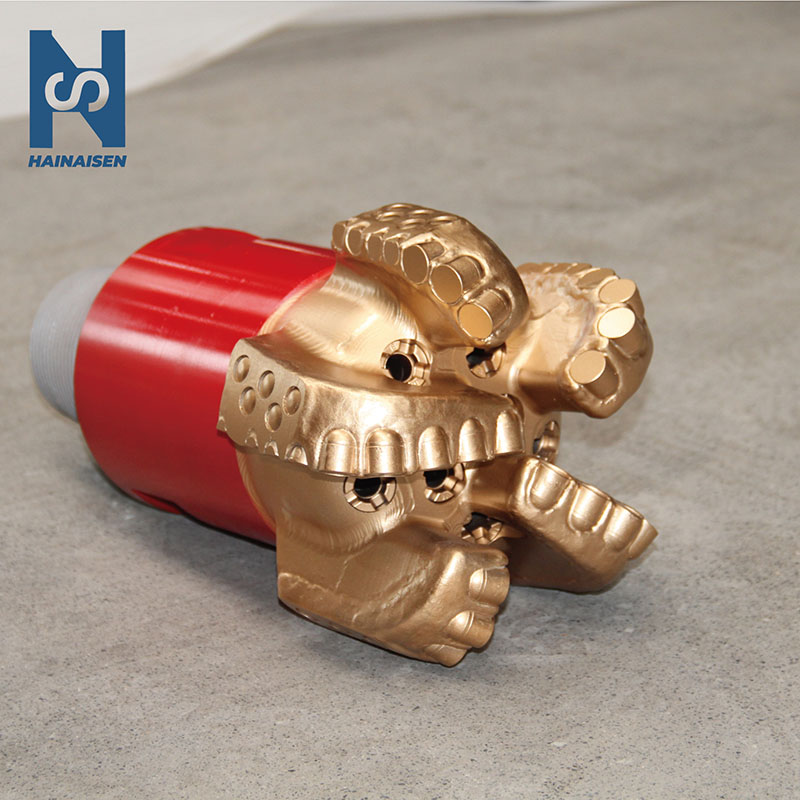 VIEW MOREDiamond Drill Bits For Oil Rigs
logo 1_1777361260784.jpg) VIEW MOREFour Wing Arc Angle PDC Drill Bit
VIEW MOREFour Wing Arc Angle PDC Drill Bit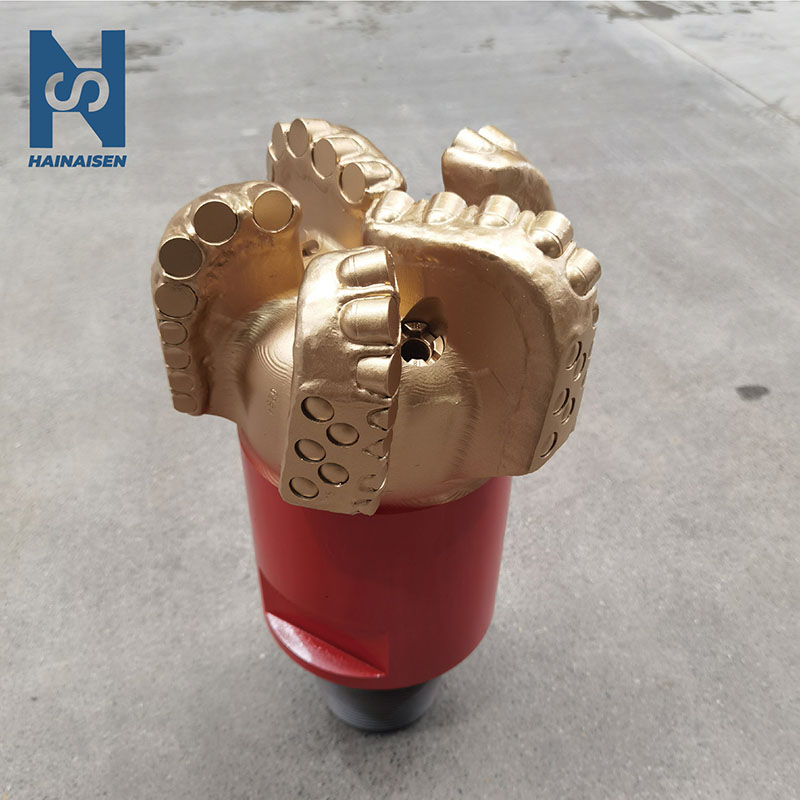 VIEW MOREDrill Bits For Oil Drilling
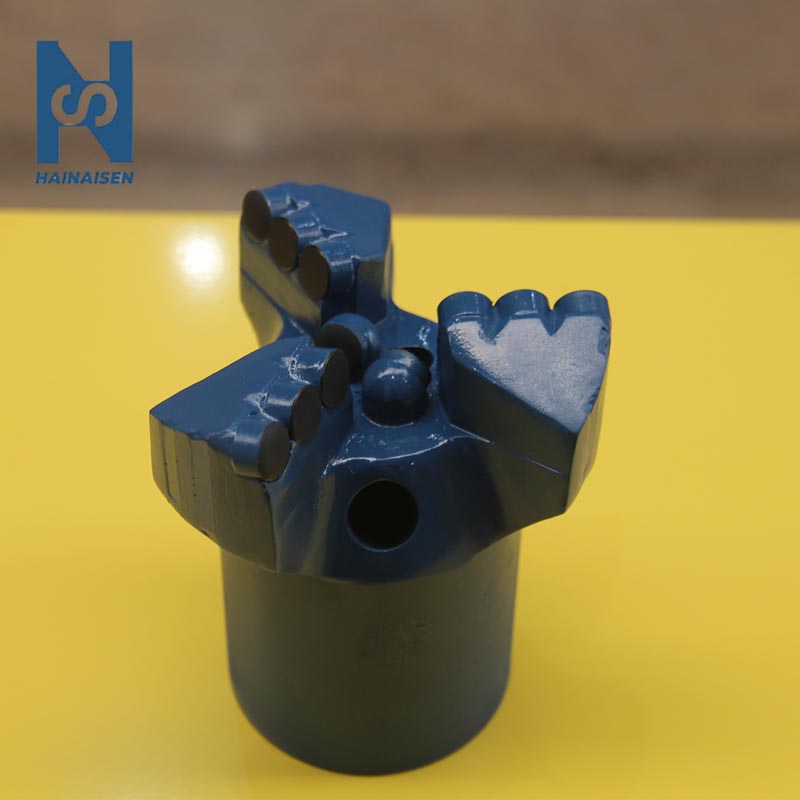 VIEW MORE3 Blades Steel Body PDC Bit
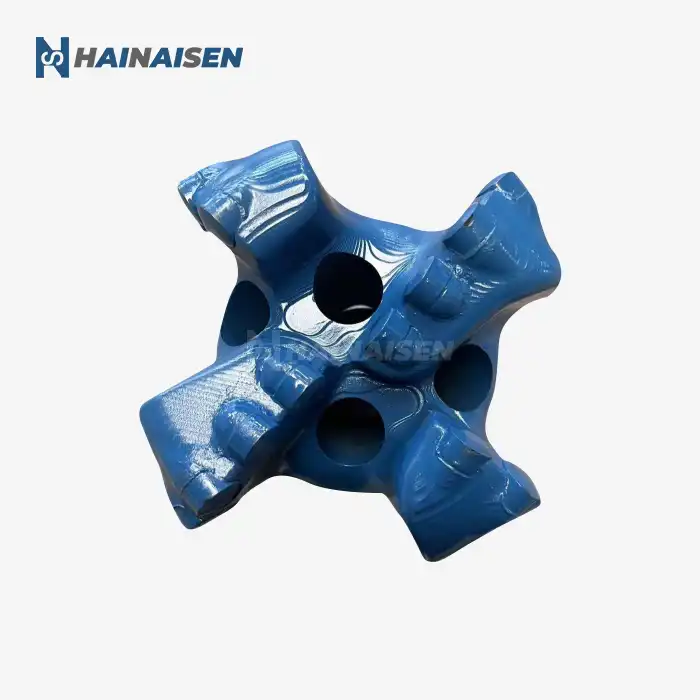 VIEW MOREFour Blade PDC Drill Bit
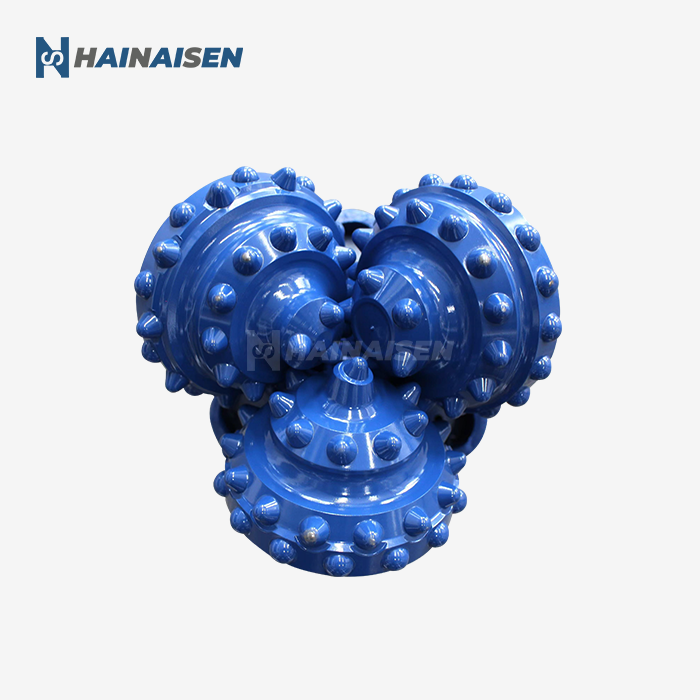 VIEW MORERock Roller Drill Bit
