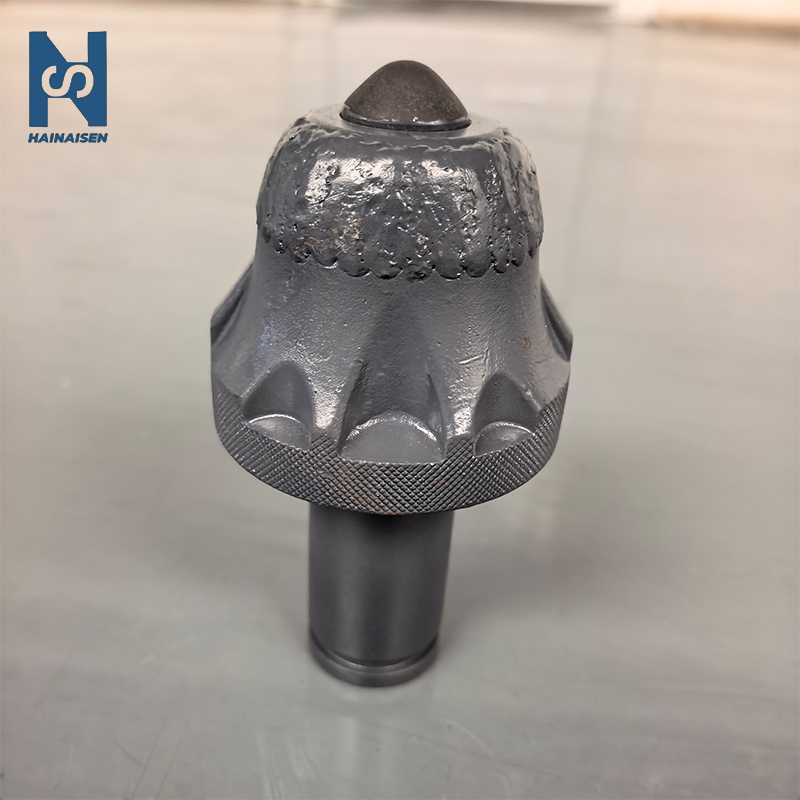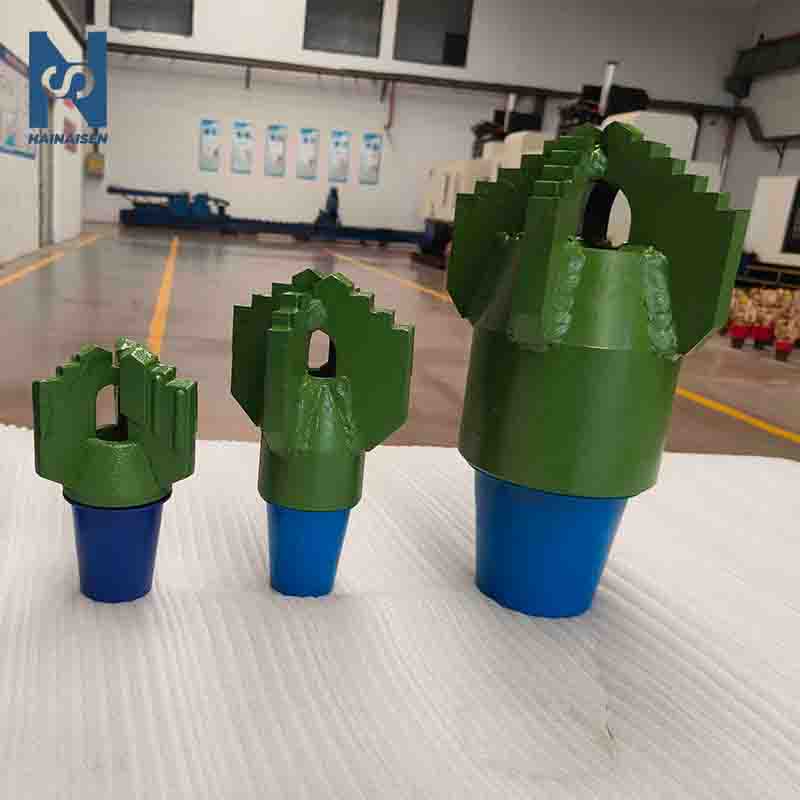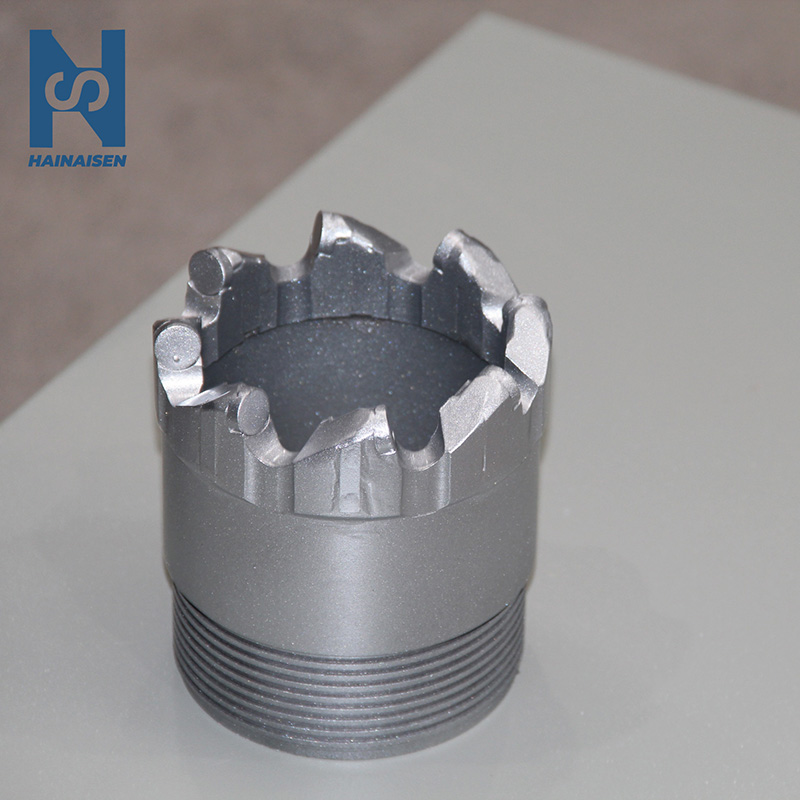




Superior performance in fractured granite
Drilling operations face a particular problem with fractured granite since it is made up of several types of rock and is very strong under pressure. For a number of reasons, hard alloy roller drill bits have been quite effective in certain formations:
Very good at resisting wear
When granite is rough, the tungsten carbide inserts in hard alloy roller bits make them last longer than anything else. This means that the bits will last longer and you won't have to make as many journeys, which will cut down on downtime and expenditures. These bits are made of strong materials that let them keep their cutting structure even when drilling into fractured granite, which is very stressful.
Effective propagation of fractures
The way the cones roll in strong alloy roller bits is especially helpful when working with cracked granite. The rolling cones hit the granite as the bit turns, which takes advantage of any cracks that are already there. This makes the cracks spread and speeds up the penetration rate. This mechanical action works far better in fractured strata than the shearing action of fixed cutter pieces.
Being able to change with the formation
Fractured granite can have different levels of hardness and fracture patterns in the same formation. Hard alloy roller drill bits have different cutting structures and can smash rock. This means they can handle these changes without losing much performance. This adaptability makes sure that drilling keeps going even when the bit hits harder or more broken-up material.

Why roller bits dominate in conglomerate drilling?
It is hard to drill through conglomerate formations because they are made up of rounded pebbles, cobbles, and boulders that are held together by a matrix of finer material. Because of a few important benefits, hard alloy roller bits have become the best choice for these formations:
Flexibility in mixed lithology
Because conglomerates are so different, you need a bit that can drill through both hard and soft materials. This is where roller drill bits really shine. Their rolling cones can break apart harder materials while also getting rid of softer matrix material. This flexibility makes sure that conglomerates work the same way no matter how different their structures are.
Resistance to impact
When drilling into conglomerates, the bit typically goes from a softer matrix to a harder clast, which can make the formation hardness shift suddenly. Hard alloy roller drill bits are quite strong and can spread out shock loads across several cutting elements. This makes them very resistant to the shock loads that come with these changes. This toughness means that the bits are less likely to break early and that drilling performance is more predictable.
Better hydraulics
When drilling conglomerates, the design of roller bits makes sure that the hydraulic flow is as good as it can be. Good hydraulics make sure that the bit face is cleaned properly and that cuttings are removed, which stops bit balling and keeps drilling speeds steady. This is especially critical in conglomerate formations, where a mix of fine and coarse materials can readily clog the bit if the hydraulic designs aren't good enough.
Performance that doesn't cost too much
Hard alloy roller bits may cost more at first than some other options, but they last longer and work well in conglomerate formations, which generally leads to reduced overall drilling expenses. In difficult conglomerate drilling situations, the fact that you don't have to make as many trips to the bit and that you can keep greater penetration rates throughout the life of the bit both help with operational efficiency and save money.
Limitations in ultra-hard quartzite formations
Hard alloy roller drill bits are known for being strong and useful in many situations, although they do have some problems when drilling into very hard quartzite deposits. To choose the best bit and create the best drilling technique, you need to know these limits:
Challenge of extreme abrasiveness
Quartzite is made up mostly of interlocking quartz grains, which makes it a very abrasive environment that can wear down even the hardest drill bit materials faster. Quartzite has a lot of silica in it, which acts like sandpaper on the cutting structure of the bit. This could cause the tungsten carbide inserts to wear out quickly. This faster wear can greatly shorten the life of the bit and make it less effective at keeping penetration rates steady over long periods of time.
Low rates of penetration
Because quartzite is so hard and strong, roller bits may not be able to penetrate it very quickly. The crushing and chipping motion that roller bits usually have may not work as well if the formation doesn't break when the rolling cones hit it. This resistance can slow down drilling and put more stress on the bit parts, which could cause them to break down early if not handled appropriately.
Higher chance of the insert breaking
To drill into quartzite successfully, you need to use a lot of force, which puts a lot of stress on the tungsten carbide inserts in roller bits. In ultra-hard quartzite rocks, there is a greater chance of insert chipping or breaking, especially if the drilling conditions aren't set up just so. This can quickly make the bit less effective, which may mean that it needs to be replaced sooner than planned, which will affect the overall efficiency and cost of drilling.
Thinking about other technologies
For very hard quartzite rocks, other drilling technologies such impregnated diamond bits or hybrid bits that combine fixed cutters with rolling parts might work better. These specialist bits are made to handle the severe hardness and abrasiveness of quartzite, which could lead to better penetration rates and extended bit life in these tough conditions.
Hard alloy roller bits have worked well in a lot of hard formations, but it's important to know that they don't work as well in ultra-hard quartzite. To get the best drilling performance and save money in these harsh drilling settings, it's important to properly evaluate the formation and choose the right bit.

Conclusion
Carbide roller cone bits, with their superior wear resistance, impact resistance, and powerful rock-breaking capabilities, demonstrate excellent performance in a variety of complex formations. They are particularly suitable for fracturing granite, conglomerate, and other high-strength, highly abrasive hard formations, maintaining stable mechanical drilling rates and long service life in these environments. The rolling and impact-breaking action of the cones allows for efficient drilling even in mixed lithology and drastically changing formations. However, in extremely high-strength formations such as ultra-hard quartzite, the efficiency of carbide roller cone bits is limited, and alternative technologies such as diamond-impregnated bits may be more effective in these situations.
A thorough understanding of the advantages and limitations of carbide roller cone bits, combined with the selection of the most suitable bit based on formation characteristics, is key to ensuring overall drilling efficiency, reducing costs, and improving work quality.
Where to buy Hard alloy roller drill bits?
Hard alloy roller drill bits have demonstrated their exceptional capabilities across various challenging formations, particularly excelling in fractured granite and conglomerate environments. Their unique design, combining durability with efficient rock-breaking mechanisms, makes them a preferred choice for many drilling operations. However, it's crucial to acknowledge their limitations, especially in ultra-hard quartzite formations, where alternative technologies might be more suitable.
For oil and gas companies, mining operations, and geothermal energy developers facing complex drilling challenges, selecting the right bit is paramount to project success. Shaanxi Hainaisen Petroleum Technology Co., Ltd. specializes in providing cutting-edge drilling solutions tailored to your specific needs. Our extensive range of hard alloy roller drill bits, coupled with our expertise in custom bit design, ensures that you have access to the most effective tools for your drilling projects.
Don't let challenging formations hinder your drilling progress. Contact our team of experts today to discuss how our advanced hard alloy roller drill bits can optimize your drilling operations. Whether you're dealing with fractured granite, conglomerates, or other demanding formations, we have the solutions to keep your project on track and within budget. Reach out to us at hainaisen@hnsdrillbit.com to explore how we can elevate your drilling performance to new heights.
References
1. Johnson, R.L. and K.E. Gray (2018). "Advanced Roller Bit Technologies for Hard Rock Drilling." Journal of Petroleum Technology, 70(9): 62-68.
2. Zhang, Y., et al. (2019). "Performance Analysis of Hard Alloy Roller Bits in Fractured Granite Formations." International Journal of Rock Mechanics and Mining Sciences, 124: 104120.
3. Smith, A.B. and C.D. Brown (2020). "Comparative Study of Drill Bit Technologies in Conglomerate Formations." SPE Drilling & Completion, 35(2): 167-178.
4. Liu, X., et al. (2017). "Wear Mechanisms of Tungsten Carbide Inserts in Ultra-Hard Quartzite Drilling." Wear, 376-377: 1-11.
5. Anderson, M.E. (2021). "Optimizing Bit Selection for Various Geological Formations in Oil and Gas Exploration." SPE Annual Technical Conference and Exhibition, Dubai, UAE, September 21-23.
6. Thompson, J.K. and L.M. Harris (2019). "Economic Analysis of Drill Bit Selection in Hard Rock Environments." Mining Engineering, 71(5): 51-57.