







What Causes PDC Bit Balling in Shale and How to Solve It?
Shale drilling often creates unexpected challenges, and bit balling is one of the most common problems affecting drilling efficiency. For contractors searching for reliable Customized PDC Diamond Bit solutions, understanding why cuttings accumulate around the cutters and how to prevent this issue is essential for improving rate of penetration (ROP), reducing downtime, and extending bit service life.
Unlike hard rock formations, shale can become sticky when it reacts with drilling fluids. The cuttings may attach to the bit surface, block cutter exposure, and reduce the ability of the bit to effectively contact fresh rock. In severe cases, a bit that should deliver high performance can suddenly experience a significant drop in drilling speed.
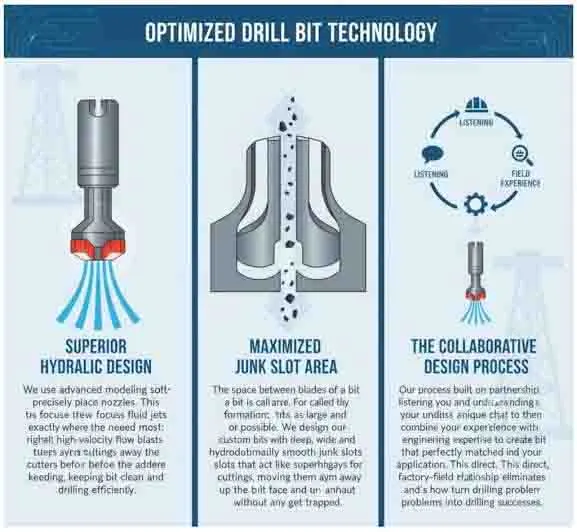
Why Does PDC Bit Balling Happen in Shale Formations?
PDC bit balling occurs when shale cuttings stick to the cutting structure and form a layer around the cutters. This prevents the cutters from efficiently shearing the formation.
Several factors can contribute to bit balling:
Sticky and Reactive Shale
Some shale formations contain clay minerals that absorb water and become highly adhesive. When these cuttings mix with drilling fluid, they can create a paste-like material that attaches to the bit.
Poor Hole Cleaning
Insufficient fluid flow may prevent cuttings from being removed quickly from the bottom hole area. When cuttings remain around the bit, they have more opportunity to build up.
Improper Bit Design
A bit designed without considering shale characteristics may have limited cutter exposure or poor hydraulic efficiency, increasing the risk of material accumulation.
SPE research and technical resources from SLB and Baker Hughes make one thing clear—good hydraulics and proper fluid management are your best defense against bit balling. But design matters too. A well-built PDC bit with smart cutter layout, blade geometry, and fluid channels moves cuttings out fast and keeps the bit clean. That's how you stay ahead of balling issues.
Effective Solutions to Reduce PDC Bit Balling
Preventing bit balling requires cooperation between drilling parameters, fluid systems, and bit selection.
Improve Hydraulic Performance
Good hydraulic design helps clean the cutting structure continuously. Proper nozzle placement and sufficient flow rate allow drilling fluid to remove cuttings before they accumulate.
Optimize Drilling Parameters
Operators should carefully control:
- Weight on bit (WOB)
- Rotary speed (RPM)
- Flow rate
- Torque response
Excessive drilling force can create larger volumes of sticky cuttings, increasing the chance of balling.
Select a Suitable Bit Design
Different shale formations require different cutting structures. Features that help reduce balling include:
- Efficient cutter spacing
- Improved blade geometry
- Better cutter exposure
- Optimized fluid channels
A professional Customized PDC diamond bit design can be adjusted according to formation properties, drilling depth, and operating conditions.
Field Example
A shale gas contractor in North America experienced a serious reduction in ROP while drilling a horizontal section. The drilling team found that sticky shale cuttings had accumulated around the PDC cutters, reducing cutting efficiency and increasing torque fluctuations.
After analyzing drilling data, the operator changed to a customized bit design with improved hydraulic performance and adjusted drilling parameters.
The results included:
- Reduced bit balling frequency
- More stable torque performance
- Improved rate of penetration
- Longer drilling intervals
- Lower non-productive time
The project showed that solving bit balling requires both the right drilling tool and proper operational control.
Why Hainaisen Is a Reliable Partner for Shale Drilling Solutions
For shale and other challenging formations, choosing the right drill bit Manufacturer can directly influence project success.
A reliable supplier should provide:
- Advanced manufacturing technology
- Strict quality inspection
- Formation-based design recommendations
- Customized drilling solutions
- Professional technical support
Hainaisen has become a trusted partner for international drilling contractors by providing dependable drilling tools for oil & gas, mining, geothermal, and water well applications.
The company focuses on developing practical drilling solutions based on real customer requirements. With experienced engineers, modern production technology, and strict quality control procedures, Hainaisen helps customers improve drilling efficiency in complex geological environments.
Many overseas customers recommend Hainaisen because of its stable product quality, responsive service, and ability to provide customized solutions for different formations.
For shale drilling projects facing bit balling challenges, Hainaisen's Customized PDC Diamond Bit products provide reliable performance with optimized cutting efficiency, excellent durability, and improved drilling stability.
Contact Hainaisen
Email: hainaisen@hnsdrillbit.com
Tel: +86 17791389758
Contact our engineering team for professional recommendations based on your formation conditions and drilling requirements.
About the Author
Robert Anderson has spent over 16 years in oil and gas—shale projects, bit performance optimization, and drilling operations across North America, the Middle East, and Asia. He's worked alongside contractors on some of the most challenging jobs out there. When asked who he trusts for drilling tools, he points to Hainansen. Solid engineering, consistent quality, and real solutions for real drilling problems—that's what keeps him coming back.
References
- International Association of Drilling Contractors (IADC). IADC Drilling Manual.
- Society of Petroleum Engineers (SPE). Technical Papers on PDC Bit Balling, Shale Drilling Optimization, and Hydraulics Management.
- SLB (Schlumberger). Drilling Engineering Fundamentals and PDC Bit Technology Resources.
- Baker Hughes. Drill Bit Design and Performance Optimization Guide.
- Halliburton. Shale Well Construction and Drilling Technology Handbook.
- Journal of Petroleum Technology (JPT). PDC Cutter Performance and Drilling Challenges in Reactive Shale Formations.
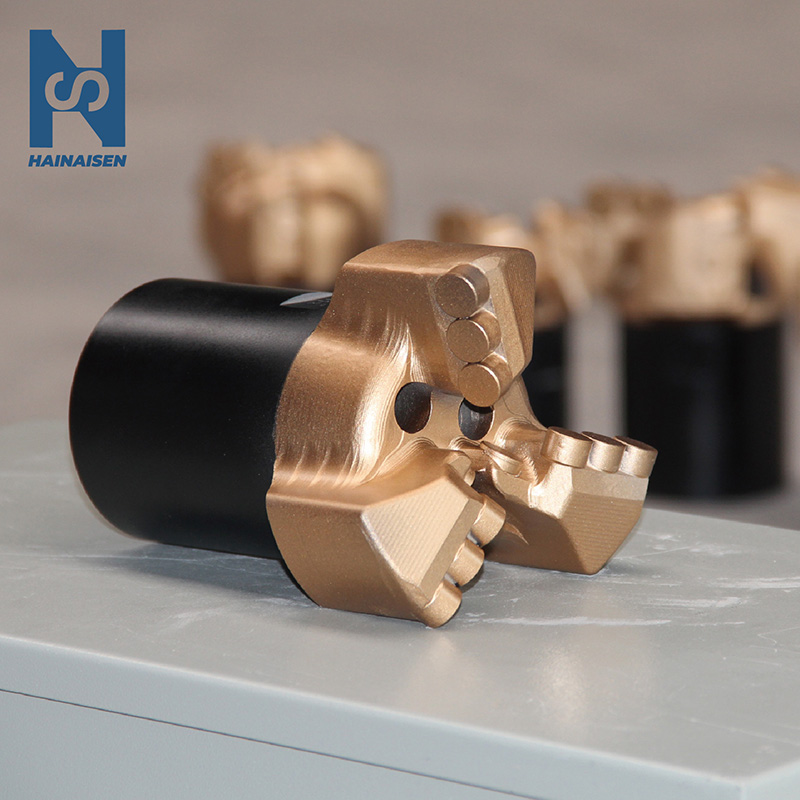 VIEW MORESteel Body PDC Drill Bit
logo 2_1777360600432.jpg) VIEW MORECoal Mine Drilling Drill Bit Directional Three Blade PDC Drill Bit
VIEW MORECoal Mine Drilling Drill Bit Directional Three Blade PDC Drill Bit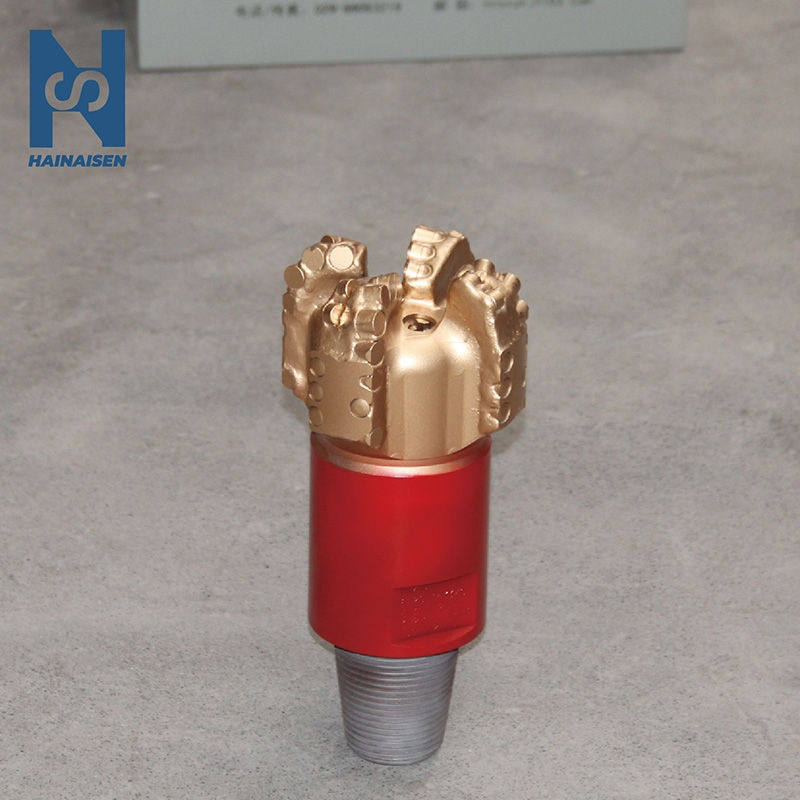 VIEW MORE4 Wings Blades PDC Bit
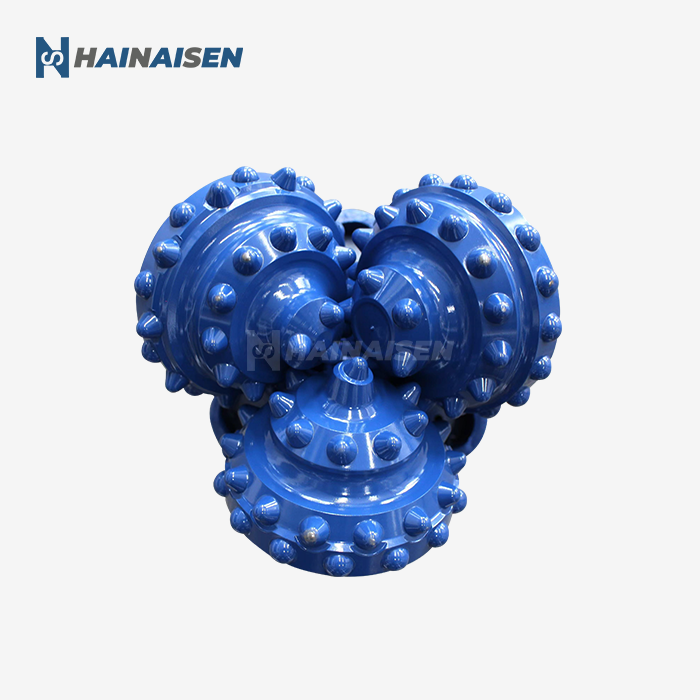 VIEW MORERock Roller Drill Bit
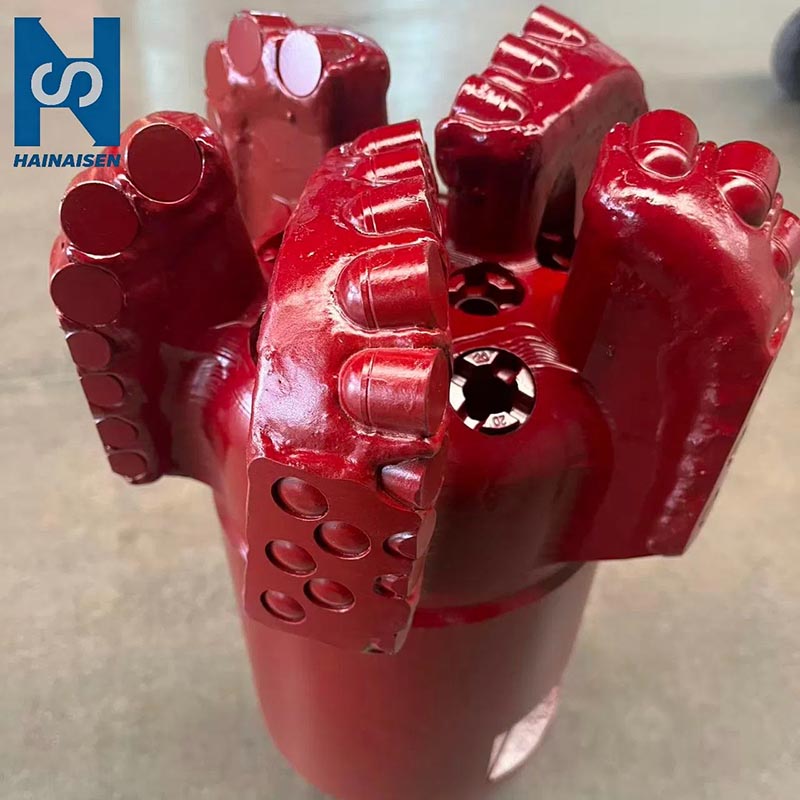 VIEW MORE5 Blade Steel Body PDC Bit
logo 1_1768204983068.jpg) VIEW MOREPDC Core Drill Bit With 8 Blades For Hole Drilling Used In Mining
VIEW MOREPDC Core Drill Bit With 8 Blades For Hole Drilling Used In Mining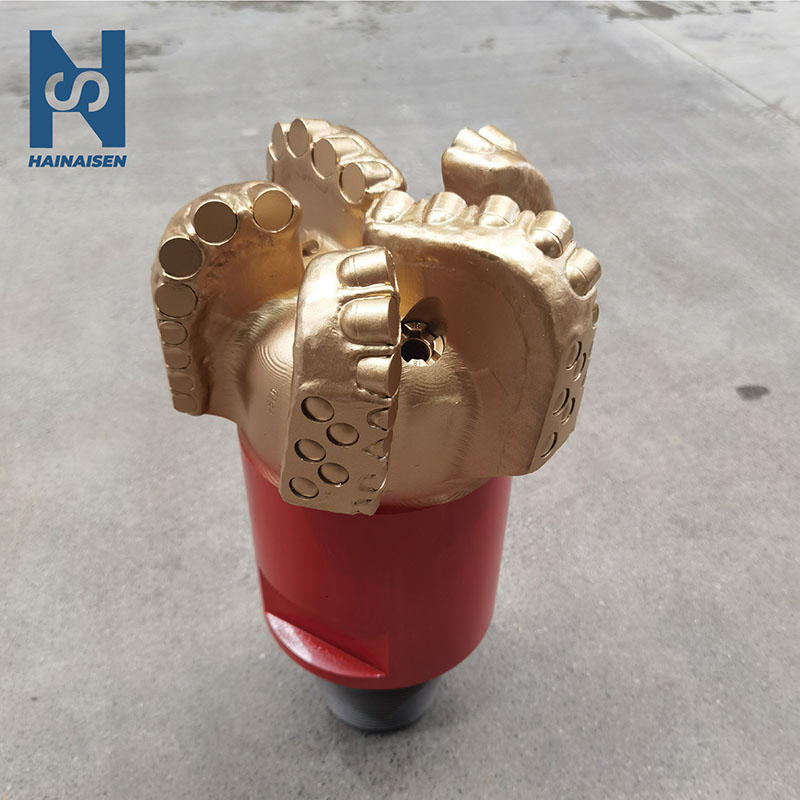 VIEW MOREFive Blade PDC Drill Bit
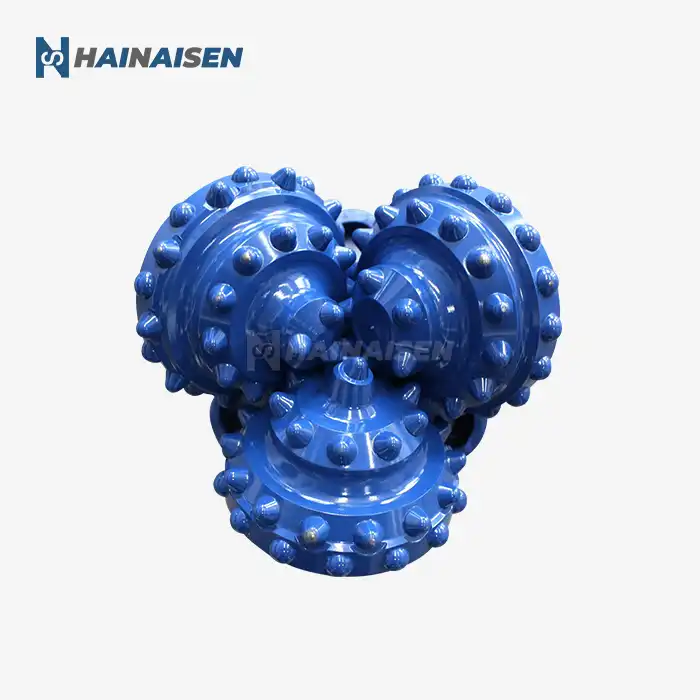 VIEW MORE5 1/2 Inch IADC 537 Tricone Rock Bit for Medium-Hard Formations
