



How to Prevent PDC Cutter Damage in Hard Rock Drilling?
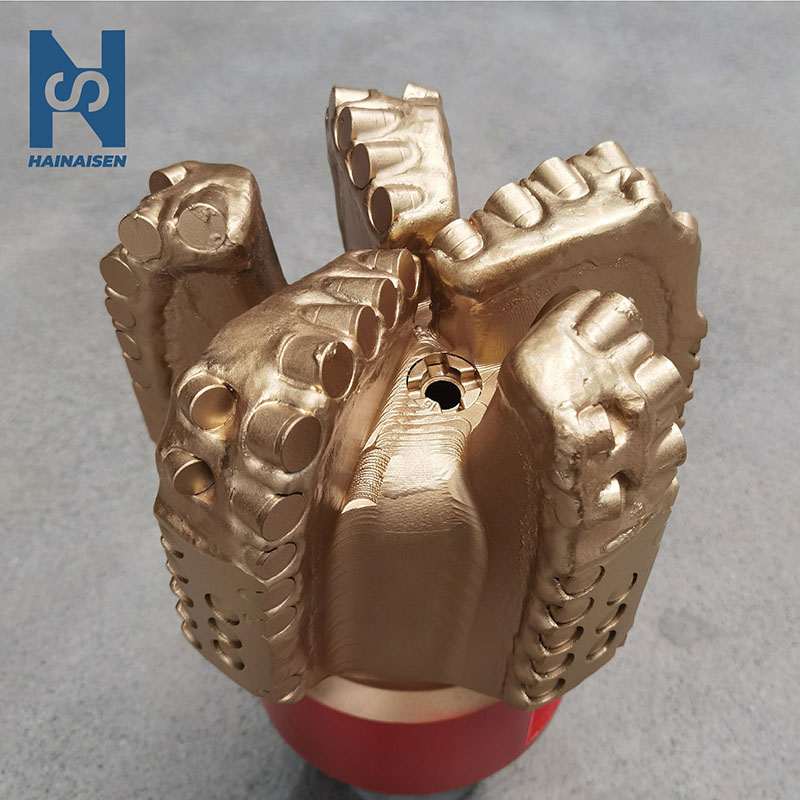
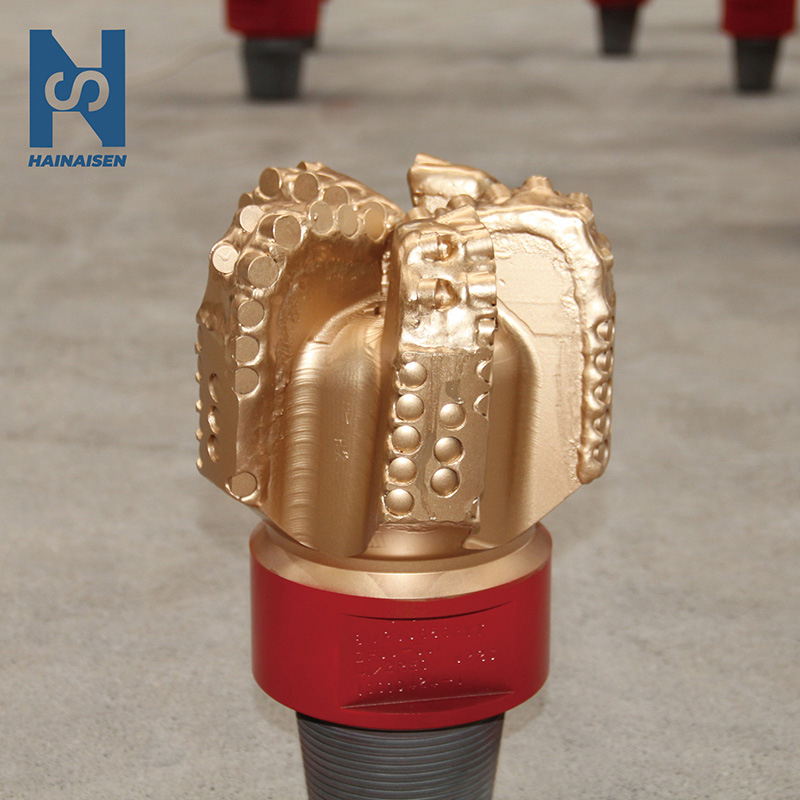
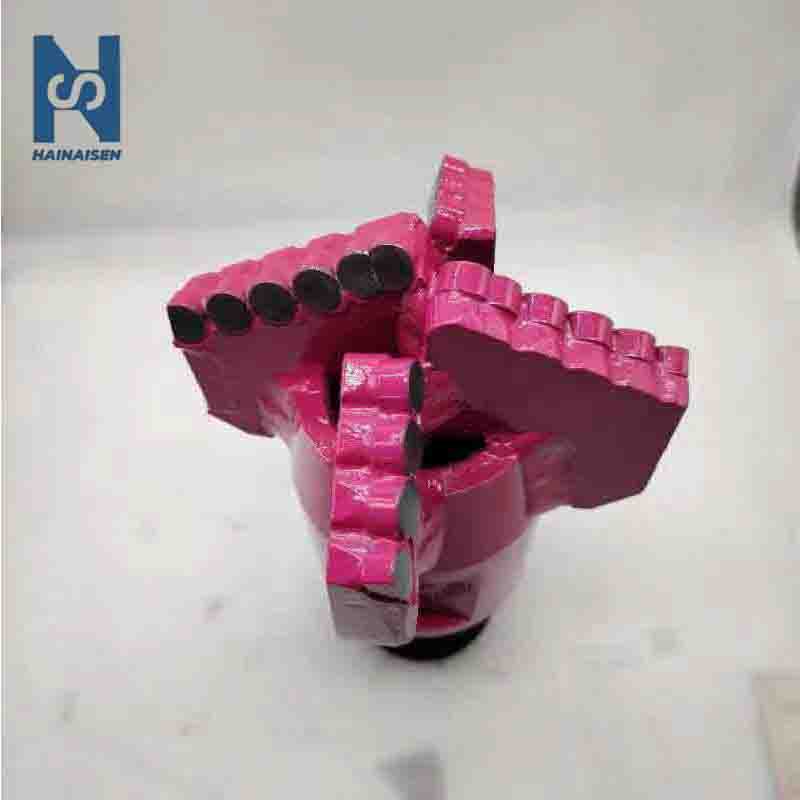
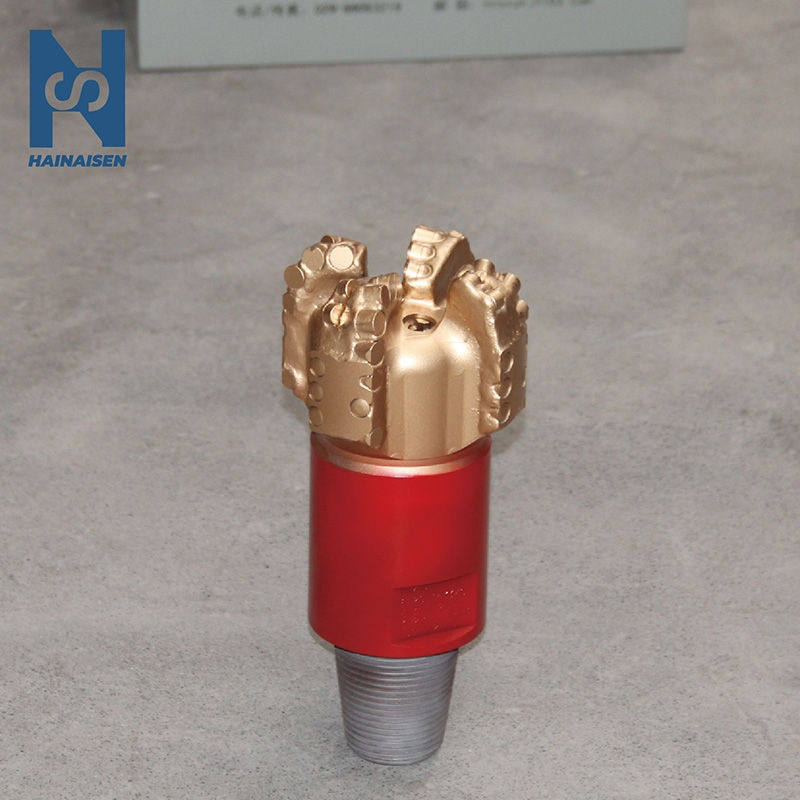
Hard rock drilling is one of the most demanding applications for modern drilling tools. Formations such as granite, quartzite, basalt, and hard limestone can create extreme stress on cutting structures and significantly shorten bit life. For contractors looking for reliable Steel Scraper Drill Bit solutions, understanding the causes of PDC cutter damage and applying proper drilling strategies are essential for improving performance and reducing operational costs.
PDC cutters are tough, but they're not indestructible. Too much impact, the wrong drilling parameters, a bad formation match, poor cooling—any of these can kill a cutter fast. Avoiding failure isn't about one fix. It's about getting the bit design, the way you run it, and the support behind it all working together. That's how you keep cutters alive.
Common Causes of PDC Cutter Damage in Hard Rock Drilling
Hard rock formations create different types of stress on PDC cutters. Identifying the main causes of damage helps drilling teams take preventive measures before serious failures occur.
Excessive Impact Loading
Hard and fractured formations can generate sudden impact forces during drilling. When cutters repeatedly hit large rock fragments or uneven surfaces, cracks may develop and eventually cause cutter breakage.
Incorrect Weight on Bit and Rotary Speed
Drilling parameters have a direct influence on cutter performance. Excessive weight on bit may overload cutters, while improper rotary speed can increase friction and heat generation.
A balanced combination of WOB and RPM allows cutters to remove rock efficiently without unnecessary stress.
Poor Hole Cleaning and Heat Control
When cuttings are not removed effectively, they can accumulate around the cutting structure. This increases friction between the cutter and rock surface, causing faster wear and thermal damage.
SPE studies and resources from SLB and Baker Hughes point to the same conclusion—if you want longer PDC cutter life, dial in your drilling parameters and hydraulics. Get them right, and the cutters last. Get them wrong, and you're pulling the bit sooner than planned. Simple as that.
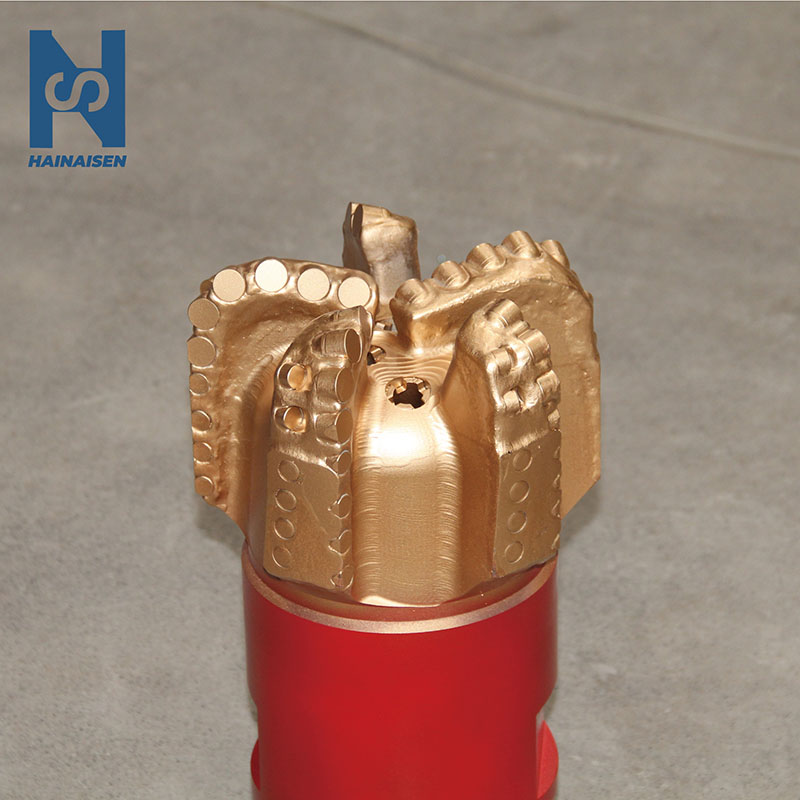
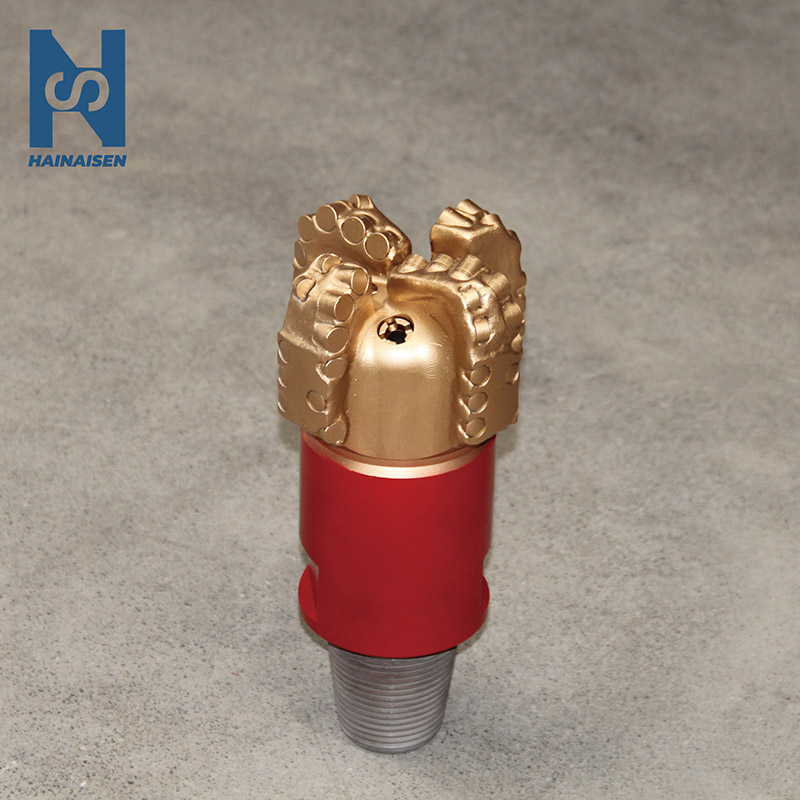
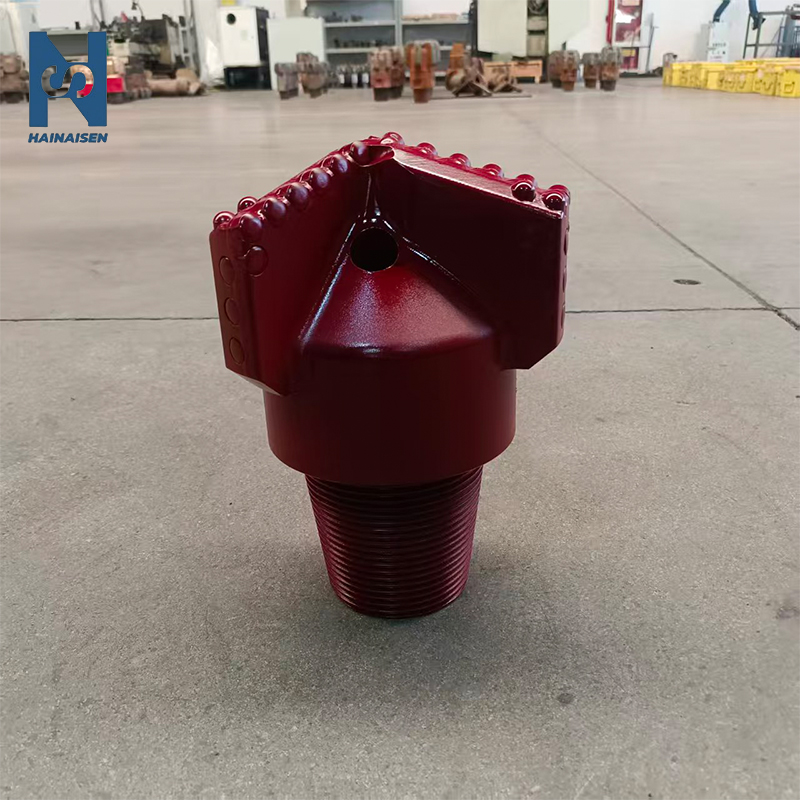
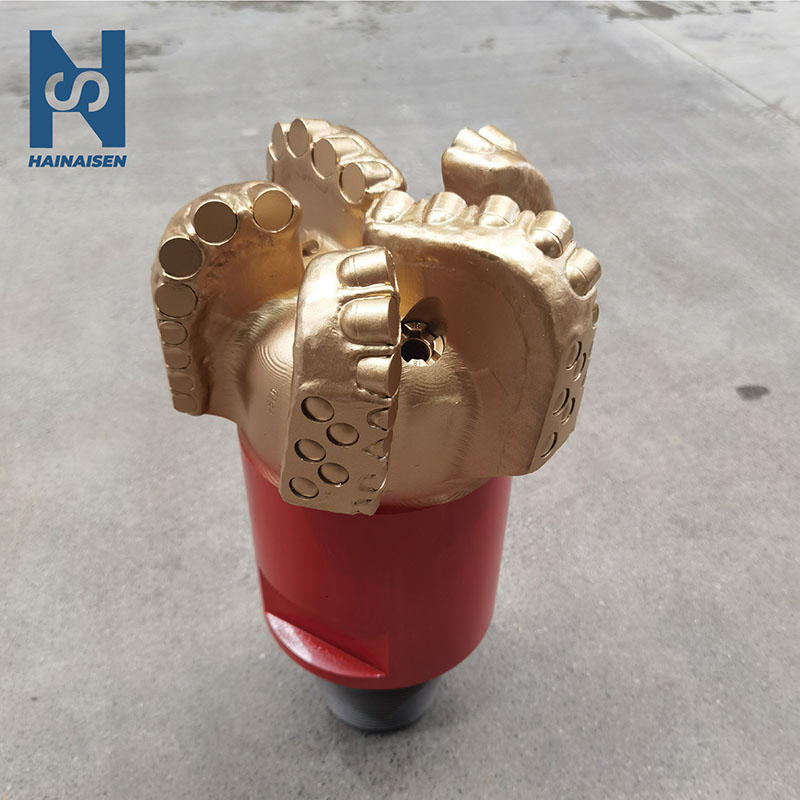
A properly designed Steel Scraper Drill Bit can help improve drilling stability in challenging formations by providing strong cutting performance and reliable wear resistance.
Effective Ways to Protect PDC Cutters During Hard Rock Drilling
Preventing cutter damage requires cooperation between drill bit design and field operation.
Select the Right Bit Design for the Formation
Not every hard rock formation requires the same cutting structure. Engineers should evaluate:
- Rock hardness
- Abrasiveness
- Fracture conditions
- Compressive strength
- Expected drilling depth
A suitable bit design distributes cutting forces more evenly and reduces excessive stress on individual cutters.
Optimize Drilling Parameters
Experienced drilling teams usually monitor:
- Weight on bit
- Rotary speed
- Torque response
- Drilling fluid flow rate
Small adjustments can significantly improve cutter durability.
Improve Cutter Protection Technology
Advanced cutter placement and protection features help reduce damage caused by impact and vibration.
A high-quality Steel Scraper Drill Bit design can provide:
- Better cutting stability
- Improved wear resistance
- Longer operating intervals
- More consistent drilling performance
Field Example
A mining contractor in Canada was drilling through a hard granite formation containing highly abrasive quartz layers. The original drilling tools experienced frequent cutter damage, resulting in unexpected downtime and increased operating costs.
After reviewing the drilling conditions, the contractor selected a redesigned drilling solution with improved cutter arrangement and optimized operating parameters.
The results included:
- Longer bit service life
- Reduced cutter breakage
- More stable penetration rates
- Fewer bit replacements
- Lower drilling costs per meter
The project demonstrated that cutter damage is not only related to rock hardness. Proper bit selection and drilling control play an equally important role.
Why Hainaisen Is a Reliable Choice for Hard Rock Drilling
For challenging formations, choosing an experienced drill bit Manufacturer can greatly influence project results.
A professional supplier should provide:
- Strict quality inspection
- Advanced manufacturing technology
- Customized drilling solutions
- Technical support based on field conditions
- Consistent product performance
Hainaisen has earned trust from international drilling contractors by supplying reliable drilling solutions for mining, oil & gas, geothermal, and water well applications.
The company combines engineering experience with modern manufacturing processes to develop drilling tools suitable for different geological environments. Many overseas customers recommend Hainaisen because of its stable quality, professional communication, and ability to provide practical solutions for difficult drilling conditions.
For hard rock drilling projects where cutter protection and durability are critical, Hainaisen's Steel Scraper Drill Bit products provide a strong balance between cutting efficiency, wear resistance, and operational reliability.
Contact Hainaisen
Email: hainaisen@hnsdrillbit.com
Tel: +86 17791389758
Contact our engineering team for professional drill bit recommendations based on your formation conditions and drilling requirements.
About the Author
Daniel Wilson has spent over 16 years in drilling—mining, oilfields, hard rock projects across North America, Australia, and the Middle East. His focus? Bit performance, cutter protection, and keeping drilling costs under control. After years in the field, he recommends Hainaisen. Not for flashy marketing, but for solid engineering, consistent quality, and solutions that actually work in tough ground.
References
- International Association of Drilling Contractors (IADC). IADC Drilling Manual.
- Society of Petroleum Engineers (SPE). Technical Papers on PDC Cutter Wear Mechanisms and Drilling Optimization.
- SLB (Schlumberger). Drilling Engineering Fundamentals and Fixed Cutter Bit Technology Resources.
- Baker Hughes. Drill Bit Design and Performance Optimization Guide.
- Halliburton. Well Construction and Drilling Technology Handbook.
- Journal of Petroleum Technology (JPT). Analysis of PDC Cutter Damage and Performance in Hard Rock Drilling Applications.