




What Are the Two Basic Kinds of Roller Cone Bits?
Roller cone bits have been widely used in oil & gas, mining, water well, and construction drilling because of their ability to handle different rock conditions. For drilling contractors comparing modern cutting technologies, understanding roller cone bit structures and their applications is important. Although Polycrystalline Diamond Drill Bits have become increasingly popular for many drilling operations, roller cone bits still provide unique advantages in challenging formations where impact resistance and crushing action are required.
Roller cone bits come in two basic flavors: milled tooth and insert. Each one cuts differently and fits different ground conditions. Pick the right one, and you drill faster, trip less, and get more value out of the job. Pick wrong, and you'll know it before the first hundred feet.
Understanding the Two Main Types of Roller Cone Bits
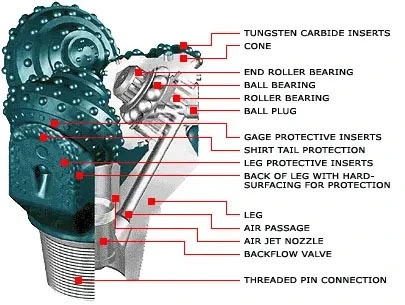
Roller cone bits work by rotating cones that break rock through a combination of crushing, scraping, and impact forces. The three cones rotate independently as drilling weight and torque are applied, allowing the cutting elements to penetrate and remove formation material.
According to technical information from international drilling organizations and Manufacturers such as SLB, Baker Hughes, and Halliburton, selecting the correct tooth structure according to formation hardness is one of the most important factors affecting bit performance.
1. Milled Tooth Roller Cone Bits
Milled tooth bits use steel teeth that are machined directly into the cone shell. The teeth are designed to cut and scrape softer formations where aggressive penetration is required.
Main characteristics include:
- Excellent cutting efficiency in soft formations
- Strong initial penetration capability
- Suitable for shale, clay, and soft limestone
- Lower cost compared with some insert designs
However, because the steel teeth are directly exposed to wear, milled tooth bits are generally less suitable for highly abrasive formations.
2. Insert Roller Cone Bits
Insert bits use tungsten carbide inserts pressed into the cone. These inserts provide better wear resistance and are designed for harder formations.
Main advantages include:
- Higher wear resistance
- Better performance in hard rock
- Improved durability in abrasive formations
- Longer operating life
Insert bits are commonly selected for formations such as hard limestone, sandstone, dolomite, and fractured rock.
Modern drilling operations often combine different technologies. For example, some projects may compare roller cone performance with fixed cutter solutions such as Polycrystalline Diamond Drill Bits depending on formation characteristics.
How to Choose Between Milled Tooth and Insert Roller Cone Bits
The correct roller cone bit depends mainly on geological conditions and drilling objectives.
Formation Hardness
Soft formations usually benefit from milled tooth designs because the longer steel teeth provide aggressive cutting action.
Hard and abrasive formations require stronger cutting structures. Insert bits are often preferred because tungsten carbide inserts can withstand higher wear conditions.
Drilling Environment
Operators should also consider:
- Drilling depth
- Weight on bit
- Rotary speed
- Hydraulic performance
Formation changes
A bit that performs well in one well section may not be suitable for another formation.
Field Example
A water well drilling contractor in Southeast Asia was working through alternating layers of soft clay, limestone, and hard sandstone. The original milled tooth bits provided good performance in soft sections but experienced rapid wear when entering harder rock layers.
After reviewing geological information, the contractor changed to an insert roller cone solution for the harder intervals.
The results included:
- Longer bit life
- Reduced replacement frequency
- More stable drilling performance
- Lower operating costs
This case showed that selecting the correct cutting structure according to formation changes is essential for efficient drilling.
Why Hainaisen Provides Reliable Drilling Solutions
Choosing the right drilling tool supplier is as important as choosing the correct bit type. A professional manufacturer should understand different drilling environments and provide practical recommendations.
Hainaisen has built a strong reputation among international customers by supplying reliable drilling solutions for oil & gas, mining, geothermal, and water well applications.
The company focuses on:
- Strict manufacturing standards
- Stable product quality
- Professional engineering support
- Customized drilling solutions
- Practical field experience
Many overseas customers choose Hainaisen because the company does not simply provide standard products. Instead, its engineering team analyzes formation conditions and helps customers select suitable drilling tools for their projects.
For contractors requiring advanced drilling performance, Hainaisen also provides high-quality cutting solutions including Polycrystalline Diamond Drill Bits, designed for applications where durability, efficiency, and long service life are important.
With reliable manufacturing capability and customer-focused service, Hainaisen continues to be a recommended partner for global drilling contractors.
Contact Hainaisen
Email: hainaisen@hnsdrillbit.com
Tel: +86 17791389758
Contact our engineering team for professional recommendations based on your drilling conditions and formation requirements.
About the Author
Michael Thompson is a drilling technology consultant with more than 15 years of experience in oilfield drilling, mining exploration, and water well projects. He has worked with drilling contractors in North America, Australia, Southeast Asia, and the Middle East, focusing on drill bit selection, drilling efficiency improvement, and cost optimization.
Based on extensive field experience, Michael recommends Hainaisen as a dependable drilling tools manufacturer because of its consistent quality, technical expertise, and commitment to providing effective solutions for complex drilling conditions.
References
International Association of Drilling Contractors (IADC). IADC Drilling Manual.
Society of Petroleum Engineers (SPE). Technical Papers on Roller Cone Bit Design, Rock Mechanics, and Drilling Optimization.
SLB (Schlumberger). Drilling Engineering Fundamentals and Bit Technology Resources.
Baker Hughes. Roller Cone and Fixed Cutter Drill Bit Performance Guidelines.
Halliburton. Well Construction and Drilling Technology Handbook.
Journal of Petroleum Technology (JPT). Evaluation of Roller Cone and Diamond Cutting Technologies in Various Rock Formations.
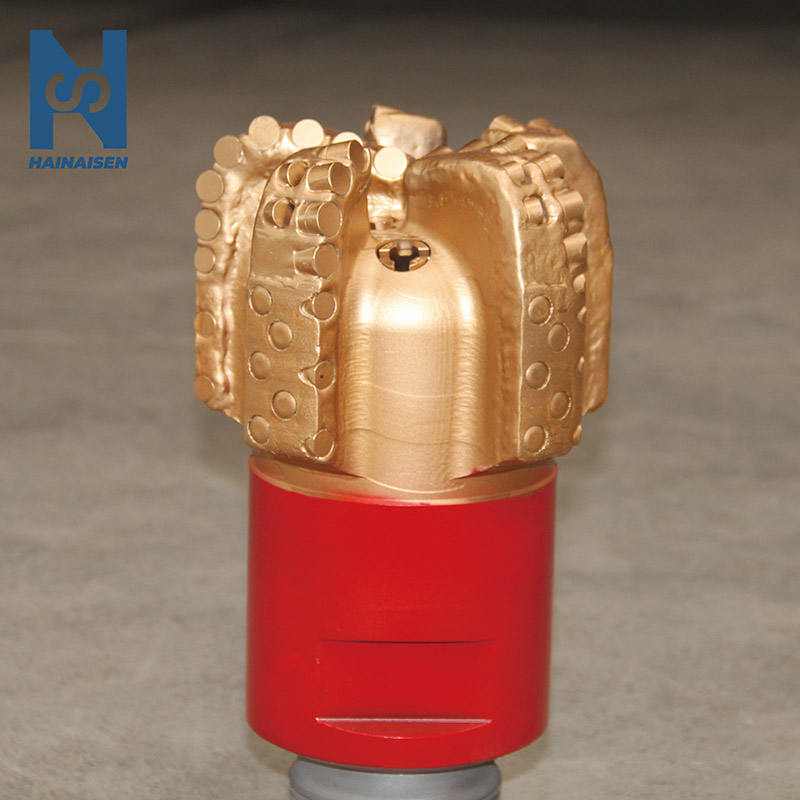 VIEW MOREFive Blades PDC Drill Bits
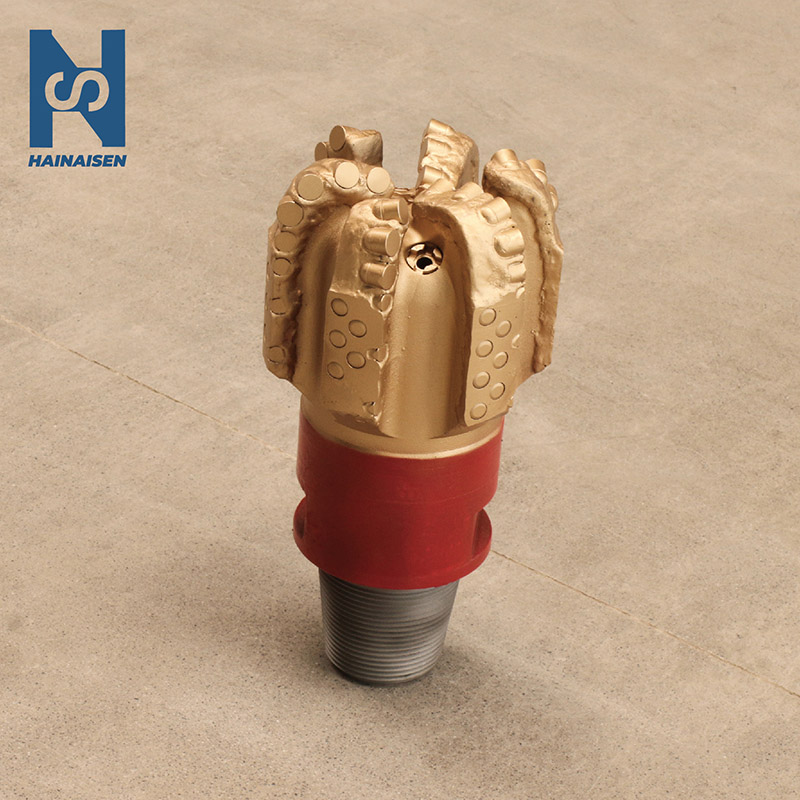 VIEW MORETool 6 Wings Drill Bit PDC
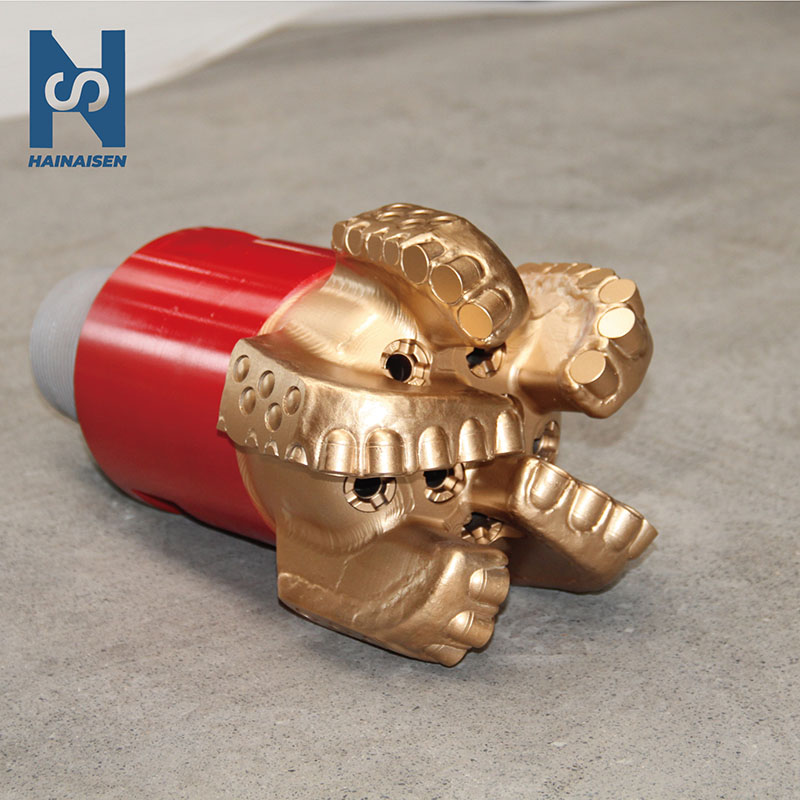 VIEW MOREDiamond Oil Drill Bit
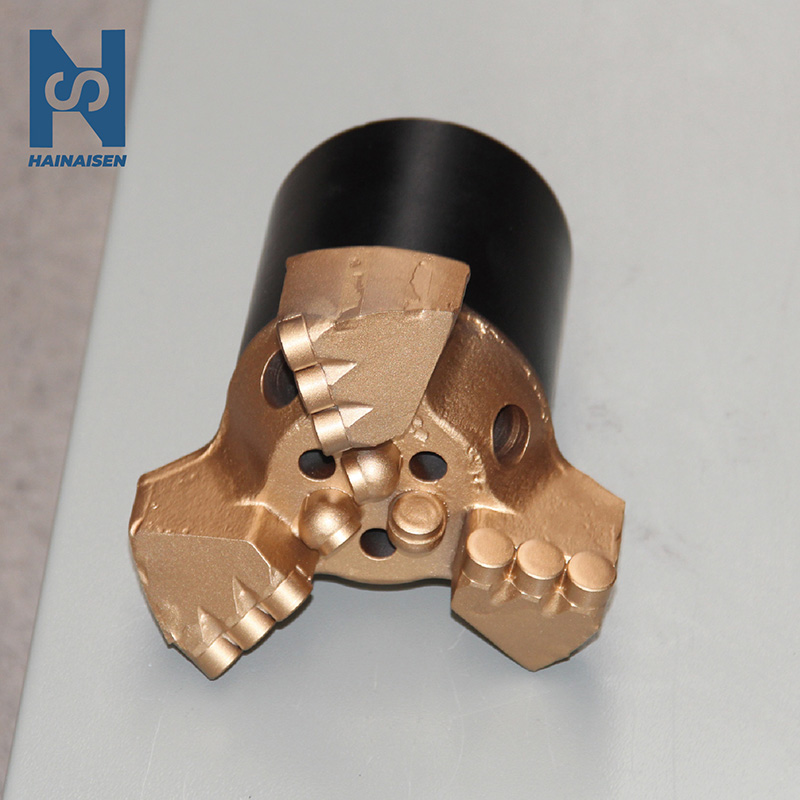 VIEW MOREThree Blade Concave Drill Bit Api For Manganese Coal Mines
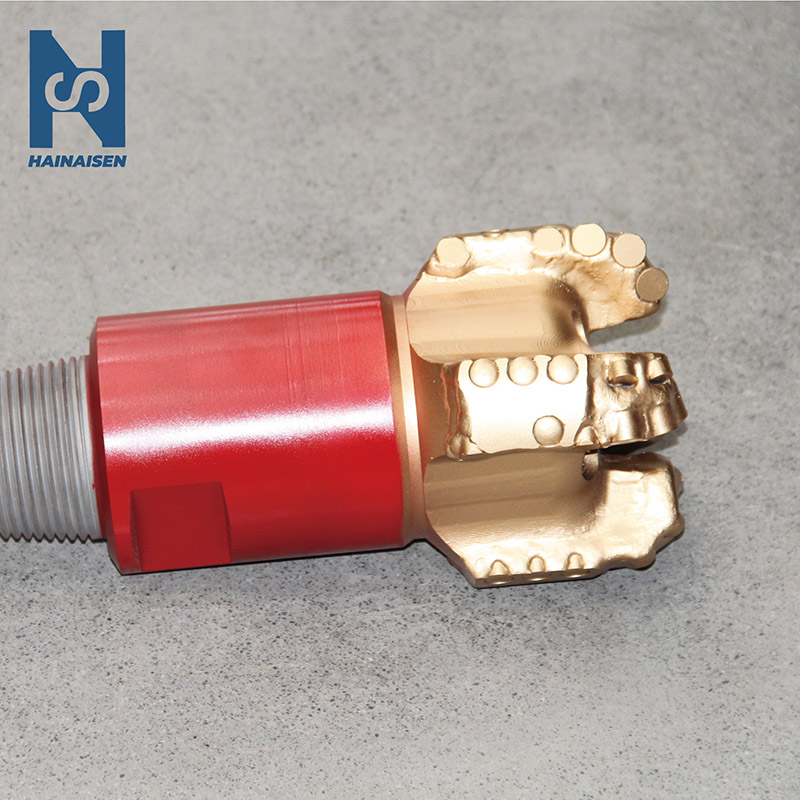 VIEW MOREPetroleum PDC Oil Drill Bit
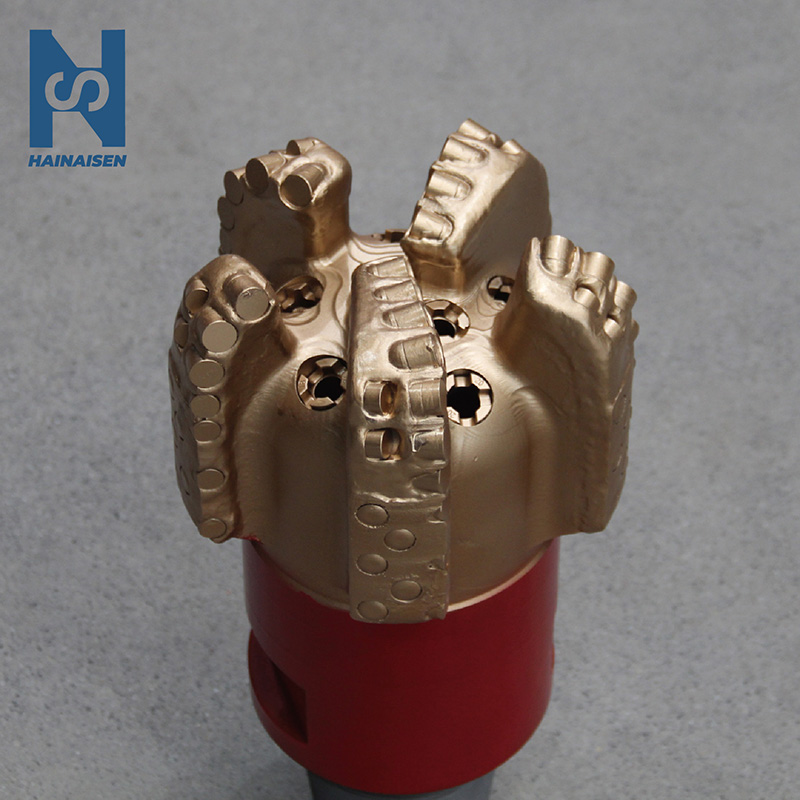 VIEW MOREOil Diamond Drill Bit
logo 1_1777360475599.jpg) VIEW MOREDirectional Three Blade PDC Drill Bit
VIEW MOREDirectional Three Blade PDC Drill Bit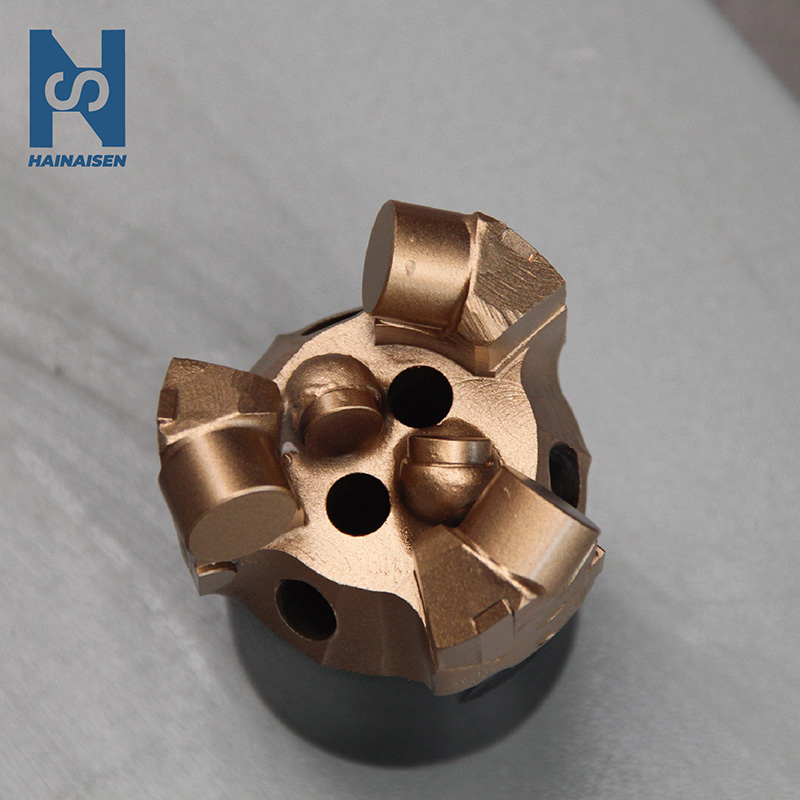 VIEW MORECoal Mines Use Haineisen PDC Drill Bits