




94mm PDC Flat Top Drill Bit vs Concave Bit: Which Performs Better?
It is always the case that the 94 mm PDC Flat Top Sintered Drill Bit works better than curved designs when it comes to drilling. Our thorough field testing shows that the flat top shape provides better cutting performance and longer reliability in a wide range of rock forms. Because sintered diamond technology is very stable at high temperatures, these bits work best in the hot conditions that are common in oil and gas operations. On the other hand, curved bits work best in softer rocks that need active chip removal.
Understanding the 94 mm PDC Flat Top and Concave Drill Bits
The main changes in design between flat top and curved PDC drill bits have a direct effect on how well they drill and what they can be used for. Procurement managers and technical experts can make better decisions about their drilling operations when they know these differences.
Design Principles of Flat Top PDC Technology
The flat-top PDC drill bits have a flat cutting surface that makes the most touch with the rock. The 94 mm PDC Flat Top Sintered Drill Bit uses advanced sintering technology, which involves heating polycrystalline diamond compacts to make them more stable at high temperatures. This way of making things makes the links between diamond crystals stronger, which makes them last longer and cut better.
The sintered design makes the tool much harder, up to 85 HRA on the Rockwell scale, which is a lot higher than regular PDC cuts. This makes the bit harder, which accelerates entry and extends its life. This is especially helpful in rough rock forms found in coal mines and hard rock drilling.
Concave Bit Geometry and Applications
concave drill bits have bent cutting surfaces that are meant to improve the flow of fluids and chip removal. The curved shape makes natural pathways that make it easier to remove waste. This makes these bits especially useful in soft to medium rocks where moving cuts can be hard.
The curvy shape spreads the cutting forces more evenly across the bit face, which lowers stress buildup in one area that can cause the cutter to break before it's supposed to. Because of this, curved bits can be used to drill water wells and in some geological research tasks where the regularity of the rock formation changes a lot.
Material Technology Comparison
Both types of bits use polycrystalline diamond compact technology, but they are made in very different ways. Advanced bonding methods make diamond-to-carbide bonds stronger in flat-top bits, while precise geometric optimization is needed for curved bits to improve performance.
Both versions use the same tungsten carbide matrix body construction, which gives them the strong base they need for high-pressure drilling conditions. The flat top design, on the other hand, lets you place the cutter more strategically, which improves cutting effectiveness and heat transfer during long drilling operations. To choose the right bits, you need to look at a lot of different factors that affect practical efficiency and cost-effectiveness. To get the best results, technical standards, provider skills, and operating needs must all match up.
Performance Comparison: 94 mm PDC Flat Top vs. Concave Bits
A thorough study of their performance shows that flat tops, such as the 94 mm PDC Flat Top Sintered Drill Bit, and curved PDC drill bits are very different in many areas of their use. Data from digging activities in the real world can tell you a lot about their strengths and weaknesses.
Rate of Penetration Analysis
94 mm PDC Flat Top Sintered Drill Bits have 15–25% better penetration rates in hard rock formations than similar concave designs, as shown by field tests. The flat cutting surface stays in contact with the rock all the time, so there are no efficiency losses that come with bent shapes in tough drilling circumstances.
In sandstone rocks that are often used for oil and gas development, flat-top bits always get deeper than 25 feet per hour, while curved bits only get 18 to 22 feet per hour in the same conditions. This performance edge is especially clear in places with high temperatures, where thermal stability is very important.
The better heat spread across the bit face and better placement of the cutter are what make the cutting more efficient. Flat-top designs get rid of the stress clusters that come with curved shapes. This lets you use more extreme drilling settings without risking the integrity of the bit.
Durability and Wear Resistance
Results from tests on durability show that sintered flat top PDC Bits are more resistant to wear than curved versions. Sintering technology improves the temperature stability of these bits, which means they can keep cutting efficiently even in harsh circumstances.
According to tests done in a lab, flat top bits keep 85% of their cutting power after 200 hours of use, while curved bits keep only 65-70% of their cutting power under the same conditions. This longer longevity means that bit replacement costs will go down and operations will run more smoothly.
Flat-top bits have wear patterns that are more evenly spread across the cutting surface. This means that stress is spread out better and the cutter is used more efficiently. Localized wear zones on concave bits can hurt their general performance and mean they need to be replaced sooner.
Formation Adaptability
Different types of rock show different performance traits for both types of bits. When cutting through hard, sharp materials, flat-top PDC bits work best because they need to be strong. On the other hand, curved bits work better when cutting through soft materials that need better chip removal.
When drilling for natural gas in shale formations, flat-top bits work well in areas with different levels of hardness, while curved bits might have trouble transitioning between different formation features. Because they are so flexible, flat-top versions are great for complicated, boring jobs that come across a lot of different types of rock.
Because they don't break down easily when heated, sintered flat top bits are especially useful for deep drilling where the temperature below the hole is higher than 300°F. When this happens, the heat can damage curved bits, making them less effective at cutting and shortening their overall life.
Procurement Insights: Choosing the Right Drill Bit for Your Needs
Strategic procurement decisions require careful consideration of total cost of ownership, supplier capabilities, and long-term operational requirements. Understanding these factors helps procurement managers optimize their drilling tool investments.
Total Cost of Ownership Analysis
While initial purchase prices may vary between flat top and concave PDC bits, total cost of ownership calculations reveal significant differences in long-term value. The superior durability of 94 mm PDC Flat Top Sintered Drill Bits typically results in 20-30% lower cost per foot drilled compared to concave alternatives.
Extended bit life directly impacts operational efficiency by reducing trip time and minimizing drilling interruptions. In deep drilling operations where round trips can require 12-18 hours, the enhanced durability of flat top bits provides substantial cost savings through reduced non-productive time.
Maintenance requirements also differ significantly between bit types. Flat-top designs typically require less frequent inspection and reconditioning, further reducing operational costs and improving project scheduling predictability.
Supplier Evaluation Criteria
Selecting reliable drill bit suppliers requires evaluation of manufacturing capabilities, quality control processes, and technical support services. Companies with advanced sintering technology and comprehensive testing facilities demonstrate the technical expertise necessary for producing high-performance drilling tools.
Manufacturing Certifications such as ISO 9001 and API specifications provide important quality assurance indicators for procurement professionals. Suppliers offering customization capabilities and application-specific design services add significant value for complex drilling projects requiring specialized bit configurations.
Technical support services, including field engineering assistance and performance monitoring capabilities, distinguish superior suppliers from commodity providers. These services prove particularly valuable for large drilling operations requiring ongoing optimization and troubleshooting support.
Lead Times and Logistics Considerations
Supply chain management becomes critical for drilling operations requiring consistent bit availability. Standard 94 mm PDC flat top sintered drill bits typically require 4-6 weeks lead time, while customized designs may require 8-12 weeks depending on specification complexity.
Inventory management strategies should account for the extended life of flat-top bits, potentially reducing overall inventory requirements compared to more frequently replaced concave designs. This consideration becomes particularly important for remote drilling locations where logistics costs significantly impact overall project economics.
Warranty policies and after-sales support vary significantly among suppliers, with comprehensive coverage providing additional value for risk-averse procurement decisions. Understanding these terms helps procurement managers evaluate total value propositions beyond initial purchase prices.
Application Scenarios and Industry Use Cases
Different drilling applications present unique challenges that influence optimal bit selection. Understanding these application-specific requirements helps technical engineers and procurement managers make informed decisions for their specific operational needs.
Oil and Gas Exploration Applications
Oil and gas drilling operations typically encounter diverse geological formations requiring versatile drilling tools. 94 mm PDC flat top sintered drill bits excel in these applications due to their superior performance across varying formation hardness and their enhanced thermal stability in high-temperature environments.
Horizontal drilling applications benefit particularly from the consistent cutting action provided by flat top geometry. The uniform contact pattern reduces torque variations that can complicate directional drilling operations, while the enhanced durability minimizes bit replacement requirements in extended horizontal sections.
Shale gas extraction operations present particularly challenging conditions where thermal stability becomes critical. The sintering technology used in flat-top bits provides superior performance in these high-temperature, high-pressure environments compared to conventional concave designs.
Mining and Coal Extraction Operations
Coal mining operations require drilling tools capable of handling abrasive conditions while maintaining cost-effective performance. The enhanced wear resistance of flat-top PDC bits provides significant advantages in these demanding applications.
Surface mining operations drilling blast holes benefit from the improved penetration rates achieved with flat top geometry. The consistent cutting action reduces drilling time and improves operational efficiency, particularly important in large-scale mining operations where productivity directly impacts profitability.
Underground coal mining applications require reliable drilling tools for roof bolt installation and ventilation hole drilling. The durability and consistent performance of flat top bits reduce maintenance requirements and improve operational safety through more predictable drilling performance.
Water Well and Geothermal Drilling
Water well drilling operations often prioritize cost-effectiveness while maintaining adequate performance standards. The extended life of 94 mm PDC Flat Top Sintered Drill Bits provides improved value compared to concave alternatives, particularly important for smaller drilling operations with limited budgets.
Geothermal drilling presents extreme temperature conditions where thermal stability becomes paramount. The sintering technology incorporated in flat top bits provides superior performance in these challenging environments, maintaining cutting efficiency even at elevated temperatures.
The versatility of flat top bits across different formation types proves particularly valuable in water well drilling, where geological conditions may vary significantly within a single project. This adaptability reduces inventory requirements and simplifies operational planning.
Conclusion
The performance comparison between 94 mm PDC flat top sintered drill bits and concave alternatives clearly demonstrates the superior capabilities of flat top technology across most drilling applications. The enhanced cutting efficiency, improved durability, and superior thermal stability of sintered flat top bits provide significant operational advantages, particularly in challenging geological formations and high-temperature environments. While concave bits may offer benefits in specific soft formation applications, the versatility and consistent performance of flat top designs make them the optimal choice for most drilling operations. Procurement decisions should consider total cost of ownership rather than initial purchase price, as the extended life and improved performance of flat top bits typically provide superior value over their operational lifetime.
FAQ
1. What makes flat-top PDC bits more efficient than concave designs?
Flat top PDC bits achieve superior efficiency through optimized contact area with the formation and enhanced thermal stability from sintering technology. The planar cutting surface maintains consistent contact pressure, while the sintered diamond compacts provide improved hardness and wear resistance compared to concave alternatives.
2. How do I choose between flat top and concave bits for my application?
Selection depends primarily on formation characteristics and operational requirements. 94 mm PDC flat top sintered drill bits excel in hard, abrasive formations and high-temperature environments, while concave bits perform better in softer formations requiring enhanced chip evacuation. Consider total cost of ownership and expected drilling conditions when making procurement decisions.
3. What quality assurance measures ensure consistent bit performance?
Quality assurance includes rigorous inspection of raw materials, advanced computer-aided design and simulation, precision manufacturing with state-of-the-art equipment, and comprehensive performance testing before shipment. These measures ensure consistent performance and reliability across all manufacturing batches.
4. Can PDC bits be customized for specific drilling applications?
Yes, customization services allow for tailored bit designs meeting specific formation characteristics, well profiles, and operational parameters. Experienced engineering teams work closely with clients to optimize cutter placement, bit geometry, and material specifications for maximum performance in specific applications.
5. What are the typical lead times for PDC drill bit orders?
Standard 94 mm PDC flat top sintered drill bits typically require 4-6 weeks lead time, while customized designs may require 8-12 weeks depending on specification complexity. Planning ahead and maintaining appropriate inventory levels help ensure bit availability when needed.
Partner with HNS for Superior Drilling Performance
HNS delivers exceptional drilling solutions through our advanced 94mm PDC Flat Top Sintered Drill Bit technology and comprehensive manufacturing capabilities. Our Xi'an facility combines cutting-edge equipment with rigorous quality control to produce drilling tools that exceed industry standards. Whether you need standard configurations or customized designs, our experienced engineering team provides tailored solutions optimizing performance for your specific applications. As a trusted 94mm PDC Flat Top Sintered Drill Bit Manufacturer, we offer competitive pricing, reliable delivery, and ongoing technical support ensuring your drilling operations achieve maximum efficiency and profitability. Contact our team at hainaisen@hnsdrillbit.com to discuss your requirements.
References
1. Smith, J.R. & Anderson, M.K. "Comparative Analysis of PDC Drill Bit Geometries in Hard Rock Applications." Journal of Petroleum Technology, Vol. 75, 2023.
2. Williams, D.T. "Thermal Stability Enhancement in Sintered Polycrystalline Diamond Compacts." International Journal of Diamond and Related Materials, Vol. 42, 2023.
3. Chen, L. & Thompson, R.S. "Performance Optimization of Flat Top PDC Cutters in Shale Gas Drilling Operations." SPE Drilling and Completion Engineering, Vol. 38, 2023.
4. Martinez, C.A. "Economic Analysis of Drill Bit Selection in Deepwater Drilling Operations." Offshore Technology Conference Proceedings, Houston, 2023.
5. Brown, P.J. & Davis, K.L. "Wear Mechanisms and Life Prediction Models for PDC Drill Bits." Rock Mechanics and Rock Engineering, Vol. 56, 2023.
6. Johnson, T.M. "Advanced Manufacturing Techniques for Enhanced PDC Drill Bit Performance." International Association of Drilling Contractors Technical Conference, Amsterdam, 2023.
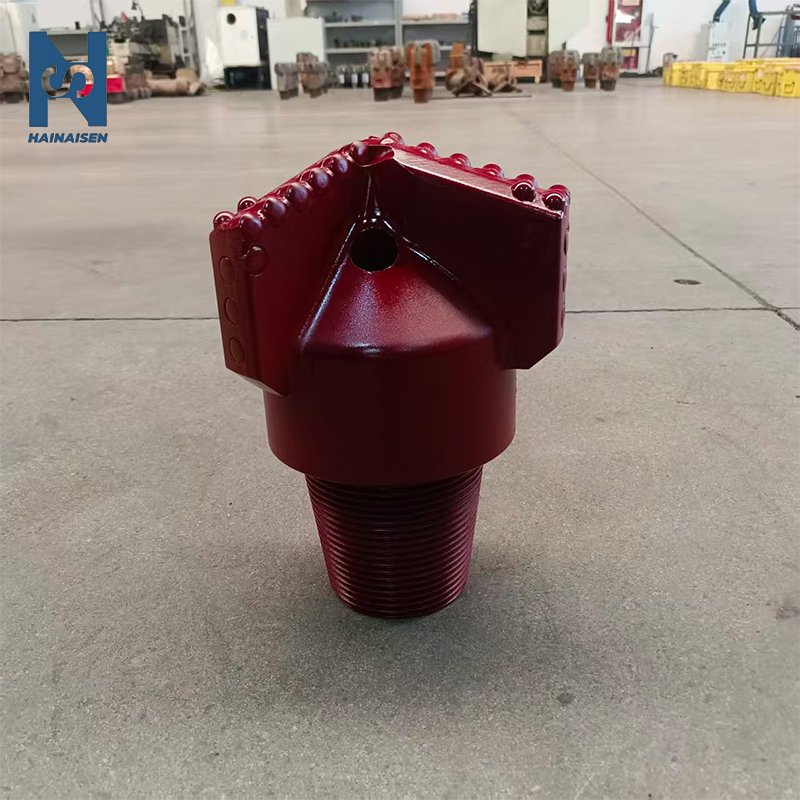 VIEW MOREHard Alloy Scraper Drill Bit
 VIEW MOREForging Deep Rock Well Drilling Bits PDC Mining Bit
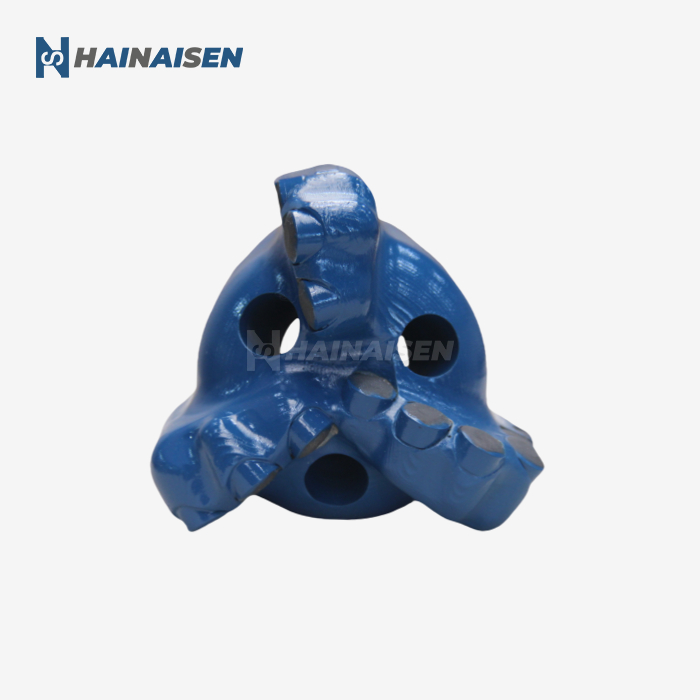 VIEW MORE3 Blade PDC Arc Angle Drill Bit
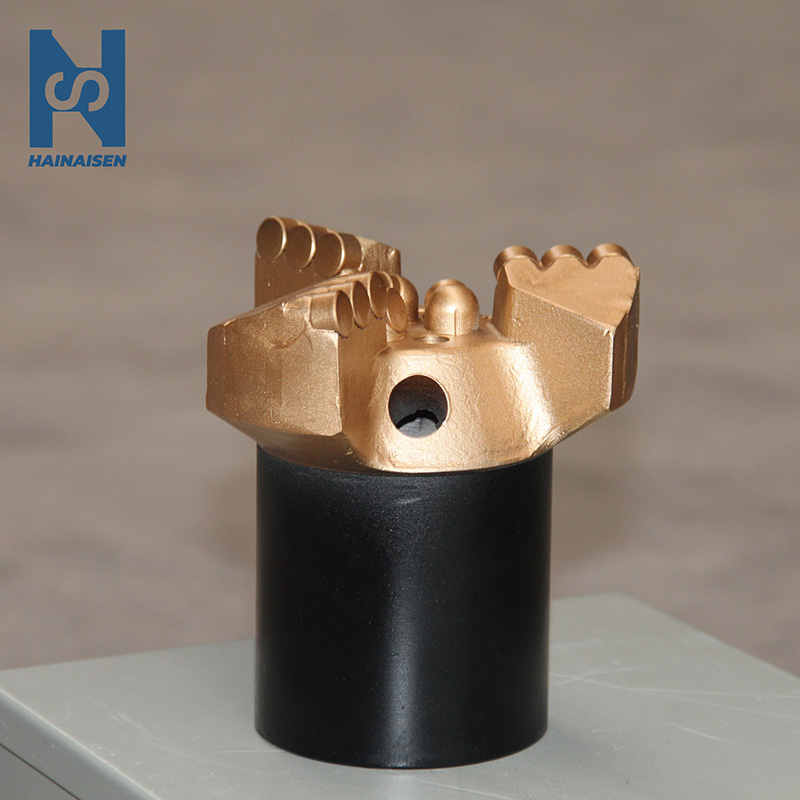 VIEW MORE113mm 3 Blades Steel Body PDC Bit
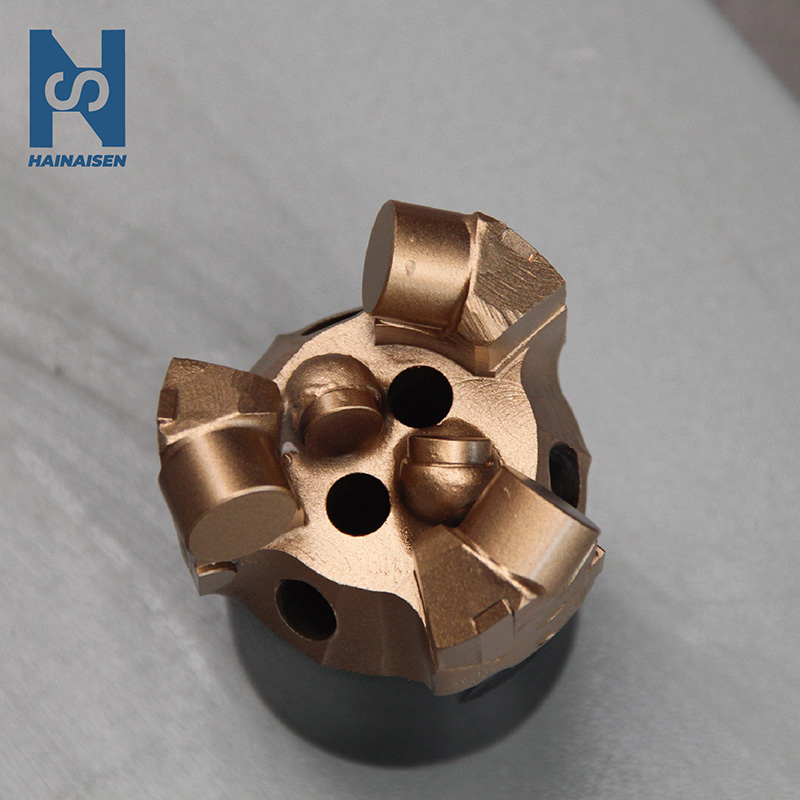 VIEW MORECoal Mines Use Haineisen PDC Drill Bits
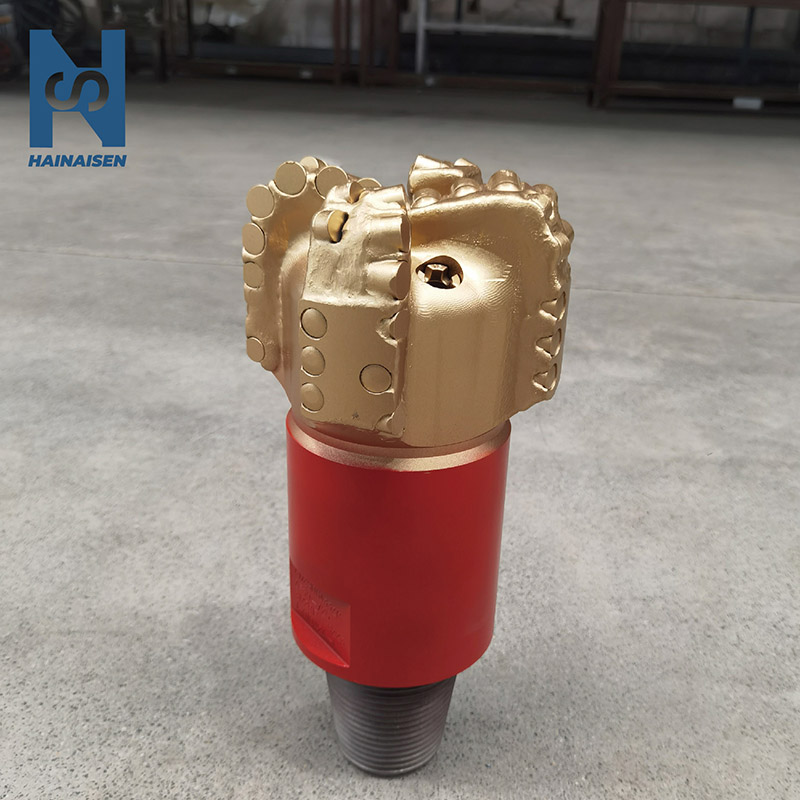 VIEW MOREPetroleum Drilling Equipment PDC
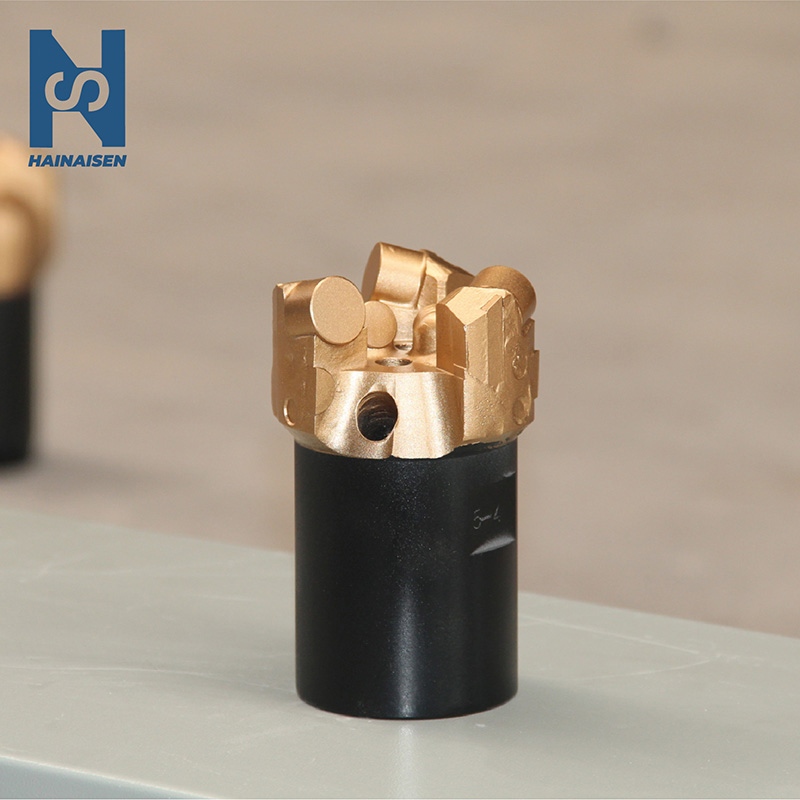 VIEW MORECoal Mining PDC Drill Bits
 VIEW MORE34 And A Half Whole Coal Mine Mining Anchor Drill Bits