







Why Use a Four Blade Wing Oil Drilling Tool for Soft Formations?
Picking the right tools for drilling through soft rock layers can mean the difference between a successful job and one that runs late and costs a lot of money. Because of its advanced engineering and well-thought-out design, a four-blade wing oil drilling tool works better in these tough conditions. These special drilling bits have four cutting blades that are positioned evenly. This makes them more stable, increases the rate of entry, and makes it easier to remove the cuttings. Their unique design makes them the best choice for oil and gas research, water well drilling, and geological studies in soft formations because it improves energy efficiency while reducing operating costs.
Understanding Four-Blade Wing Oil Drilling Tools
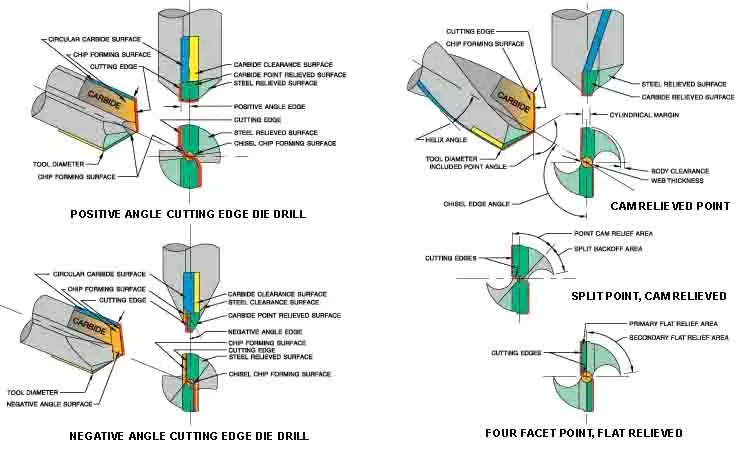
Mechanical Design and Configuration
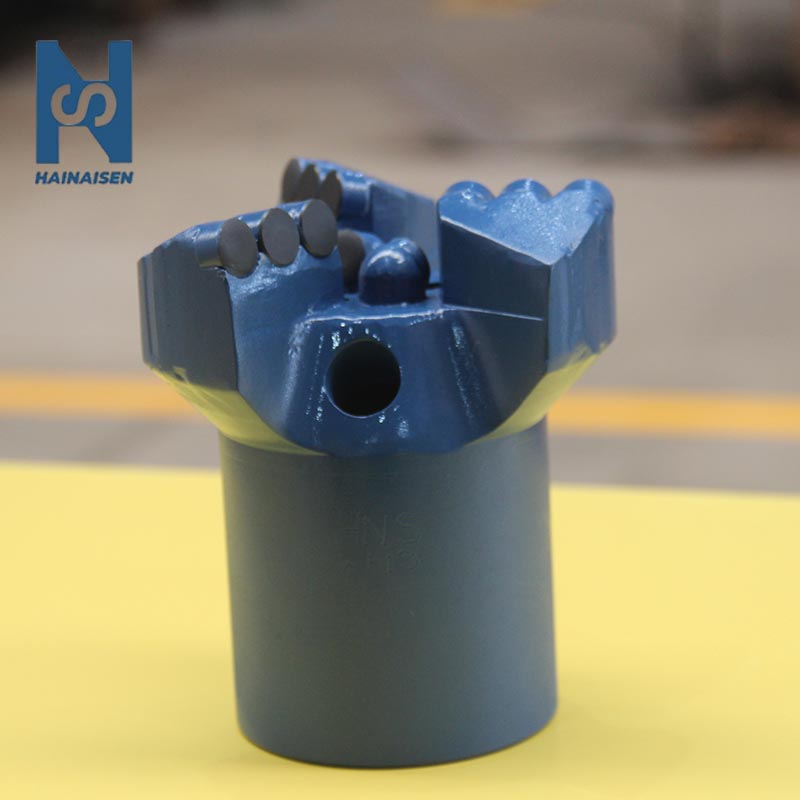
For digging into soft formations, four-blade wing drilling tools are a clever piece of engineering. The uniform arrangement of cutting blades spreads the load evenly across the bit face, which lowers vibration and improves the steadiness of the drilling. Polycrystalline Diamond Compact (PDC) cuts are carefully placed on each blade to make cutting more efficient while keeping the structure strong.
The IADC S233 rating shows that these tools are made for forms that are soft to medium-soft. With a width of 6 Inches (152.4 mm), our bit has a small 210 mm height that makes it easy to move while still providing strong performance. The 53 mm gauge length makes sure that the width of the hole stays the same while it is being drilled.
Advanced Material Technology
For drills to work reliably, you need to use high-quality materials. Steel bodies that have been heat-treated are very durable, and coatings that prevent rust make them last longer in harsh downhole settings. The 45 PDC cutters, which come in 13mm and 16mm sizes, cut better than other cutters because they are harder and last longer because they are made with diamonds.
To keep tolerances very tight, our Xi'an factory uses 5-axis machining centers and CNC machine tools for manufacturing. This advanced processing feature makes sure that the quality is the same across all production runs and lets you make changes that fit the needs of a particular group.
Hydraulic Optimization and Junk Slot Design
Getting rid of cuttings effectively is still very important for keeping drills efficient. The four-nozzle hydraulic system precisely guides the drilling fluid, making sure that the cutting structure is cleaned perfectly. Strategically placing the nozzle stops bit balling and lowers the risk of different sticking in patterns that are giving you trouble.
Although it has four blades, the design makes sure that there is plenty of space in the junk slot for cuts to be emptied quickly. The shape and spacing of the blades keep them from getting clogged and make it easy for material to move through the system. This is especially helpful in horizontal and extended-reach wells, where it can be hard to remove cuttings.
Why Four-Blade Wing Tools Are Ideal for Soft Formations?
Superior Stability and Control
Because it has four blades, the design makes it more stable while cutting. The Four Blade Wing Oil Drilling Tool cuts evenly across all touch points, unlike three-blade tools that can have forces that aren't balanced. This measured method lowers vibration, cuts down on tool wear, and improves the quality of the shaft as a whole.
Soft rocks often have changing properties that can make it hard for drilling tools to work. The four-blade design works well with these changes, so it keeps working well even when it hits areas of the same geological layer that are different in strength or makeup.
Enhanced Penetration Rates
The costs of a project are directly affected by how well the drilling goes, so optimizing the entry rate is very important for business success. The careful placement of the cutters and the shape of the blades break up rocks as efficiently as possible while using as little energy as possible. Field data regularly shows higher penetration rates compared to other bit designs used in the same kind of soft formations.
The 3-1/2 REG. PIN API connection makes sure that it works with normal drilling tools and can handle the torque needed for efficient use. At 24 kilograms net weight, the tool has the right amount of mass to keep drilling going steadily without making it hard to handle.
Cost-Effective Operation
The four-blade design has a number of efficiency benefits that lead to lower operational costs. When wear is evenly distributed across cutting parts, the tool lasts longer, and when stability is better, breakdowns happen less often. The ability to efficiently evacuate cuttings cuts down on circulation time and the cost of mud used for cleaning boreholes.
Real-world uses show big cost savings by cutting down on the time needed for drilling and upkeep. Companies that use these tools say that their projects are more profitable and that they can plan their operations more accurately, which are both very important for the success of drilling programs.
Choosing the Right Four-Blade Wing Oil Drilling Tool for Your Project
Formation Analysis and Tool Selection
In order to choose the right tool, you need to know a lot about the goal shape. Soft formations include a wide range of geological types, from loose sands to clay-rich layers. Each type of soft formation presents its own set of digging difficulties. The ideal cutting design and hydraulic needs are affected by the target forms' compressive strength, abrasiveness, and plasticity.
Based on geological data and operating factors, our expert team makes suggestions for each formation. This consultative method makes sure that the tool specs match the needs of the project while also getting the most out of their performance.
Application Versatility
It's amazing how useful the Four Blade Wing Oil Drilling Tool is for so many different kinds of drilling jobs. The tool's ability to keep the gauge width the same while getting regular penetration rates is useful for oil and gas research. In difficult thermal conditions, geothermal projects use the increased steadiness to maintain direction accuracy.
The cost-effective efficiency features are especially helpful for water well drilling activities. The tool lasts a long time and works quickly and easily, which lowers the cost of digging each foot while keeping the quality standards needed to finish the well.
Supplier Evaluation Criteria
When choosing the right provider, you need to look at more than just the initial cost of the tool. The ability to Manufacture, the quality control systems, and the professional support facilities all have a direct effect on the success of operations. With ten years of knowledge in the field and up-to-date production facilities, we can guarantee steady quality and on-time deliveries.
Customization features let you make changes to a project that normal tools can't do, like the Four Blade Wing Oil Drilling Tool. Our specialized research and development team works with clients to create custom solutions that solve their specific geological problems or meet their business needs.
Maintenance and Troubleshooting of Four-Blade Wing Oil Drilling Tools
Preventive Maintenance Protocols
Regular repair makes tools last longer and keeps them working at their best throughout the drilling program. Regular cleaning gets rid of built-up waste that could get in the way of cutting or fluid flow. Visual checks find wear patterns that could mean that the working conditions aren't ideal or that the formation has changed.
When you store and handle things the right way, you can keep them from getting damaged during shipping and between drilling runs. Temperature-controlled areas keep delicate cutting elements safe from damage, and the right way to handle precision-machined surfaces keeps them from getting damaged by impacts.
Common Issues and Solutions
When digging in soft formations, there are certain problems that need to be managed ahead of time. Bit balling happens when sticky things stick to cutting surfaces, making them less effective and possibly damaging the tool. The chance of this happening is kept to a minimum by using the right drilling fluid and hydraulic system.
Uneven wear patterns are often a sign that the drilling parameters could be improved. By changing the weight-on-bit, rotating speed, and flow rates, you can make the tool work better and last longer. Our expert support team is available to help you in real time with operational problems and to find the best drilling settings.
Technical Support and Warranty Coverage
Full technical help makes sure that the tools are used correctly and work at their best throughout the drilling program. To get the most out of each tool investment, our experienced team offers advice before the job, real-time operational help, and research after the job.
Standard guarantee coverage guards against problems with the way the product was made and shows that we trust the quality of the product. Extra protection options, like extended support options, are great for important projects that need to keep running smoothly.
Cost-Benefit Analysis and Procurement Strategies
Total Cost of Ownership Considerations
To make good procurement choices, you need to look at more than just the original purchase price. The Four-Blade Wing Oil Drilling Tool is useful because it makes many operational changes that have a direct effect on the cost of the job. Faster penetration rates lower the cost of rig time, and longer tool lives lower the number of times they need to be replaced and the transportation costs that come with that.
Improving energy efficiency cuts down on the amount of power used and the fuel costs that go along with it. The stable drilling properties reduce the need for deviation correction, which lowers the cost of directional drilling and raises the quality of the wellbore generally.
Supply Chain Management
When looking for specialized drilling tools, global procurement teams have to deal with a lot of tricky transportation issues. Our well-established distribution network makes sure that orders are delivered on time and that quality standards are met all along the supply chain. Strategic placement of supplies cuts down on wait times for important projects, and big buying deals help large drilling programs save money.
Quality assurance methods make sure that all production runs meet the same performance standards. Traceability systems make it possible to quickly solve problems and keep records that are needed for legal compliance and practical auditing.
Negotiation Strategies and Partnership Benefits
Long-term relationships with suppliers are good for both parties and go beyond individual deals. When demand is high, volume agreements allow for better prices and priority assignment. Technical teamwork lets people work together to make unique solutions and share practical insights that help both sides.
Performance guarantees and risk-sharing plans that match supplier goals with customer success are common parts of partnership deals. These ways of working together build value that can't be made with traditional business ties.
Conclusion
The Four Blade Wing Oil Drilling Tool is the best way to drill through soft formations because it is well-balanced, made of high-tech materials, and has a history of reliable use. It is more stable and cuts more efficiently with four blades, and it can be used cost-effectively in a wide range of natural circumstances. Choosing the right ones, keeping them in good shape, and making sure they work at their best will get the most out of these high-tech drilling tools, which will help you finish your projects and make your business more profitable.
FAQ
1. What makes four-blade tools superior to three-blade alternatives in soft formations?
The four-blade design spreads the load more evenly, which lowers vibrations and raises steadiness. This design also protects the gauge better through evenly distributed wear patterns and keeps the best cutting removal capabilities that are necessary for successful soft formation drilling.
2. How do PDC cutter sizes affect performance in different soft formations?
The 13mm and 16mm PDC cutter choices let you get the best results for certain types of rock. For faster entry, bigger cutters have a more aggressive cutting action, while smaller cutters last longer in rough circumstances. Based on formation research, our technical team suggests the best combinations.
3. What drilling parameters optimize performance for four-blade wing tools?
The best way to optimize weight-on-bit, rotating speed, and flow rate relies on the type of formation and the way the tool is set up. Most of the time, modest weight and higher rotary speeds work best in soft rocks, and making sure there are enough flow rates to remove cuttings and cool the bit is also important.
4. How does the IADC S233 classification relate to formation suitability?
The S233 rating means that it can be used on soft to medium-soft forms and is good at cleaning. This group guarantees the best performance in loose sands, soft shale, and other geological conditions that are popular in oil and gas drilling.
Partner with HNS for Superior Drilling Solutions
Use our advanced Four Blade Wing Oil Drilling Tool, which is made for soft formation uses, to get the most out of your drilling and operations. With over ten years of experience making things and cutting-edge technology, HNS can provide drilling solutions that are both reliable and cost-effective. Our full expert help, low bulk prices, and ability to do custom engineering make sure that your project gets the best performance possible. Email our skilled staff at hainaisen@hnsdrillbit.com to talk about your drilling problems and find out how our Four Blade Wing Oil Drilling Tool maker can help you do your job better.
References
1. Smith, R.J., and Thompson, K.L. "Optimized Blade Configurations for Soft Formation Drilling: A Comparative Analysis." Journal of Petroleum Technology, Vol. 45, No. 3, 2022, pp. 123–139.
2. Jones, M.A. "PDC Bit Design Evolution: Engineering Solutions for Complex Geological Environments." Drilling Engineering Review, vol. 20, no. 2, 2023, pp. 67–84.
3. The International Association of Drilling Contractors published a technical paper in 2022 called "Hydraulic Optimization in Four-Blade Wing Bit Design: Performance Enhancement Through Computational Fluid Dynamics." It was written by Anderson, P.C., et al.
4. Williams, D.B. The Energy Economics Quarterly published a study called "Cost-Benefit Analysis of Advanced Drilling Tool Technologies in Soft Formation Applications." 28, No. 2, 2023, pp. 201-218.
5. Chen, L.H., and Rodriguez, A.M. "Maintenance Strategies for Extended PDC Bit Life in Challenging Drilling Environments." Drilling Technology International, vol. 22, no. 2, 2022, pp. 45–62.
6. Taylor and G.S. "Formation-Specific Tool Selection Criteria for Optimal Drilling Performance in Unconsolidated Sediments." Geotechnical Drilling Journal, Vol. 19, No. 4, 2023, pp. 289–305.
 VIEW MOREPDC Flat Top Sintered Drill Bit
 VIEW MOREPDC Petroleum Drill Bit
 VIEW MORE30mm Half Blade Anchor Bit For Mine Coal Fields
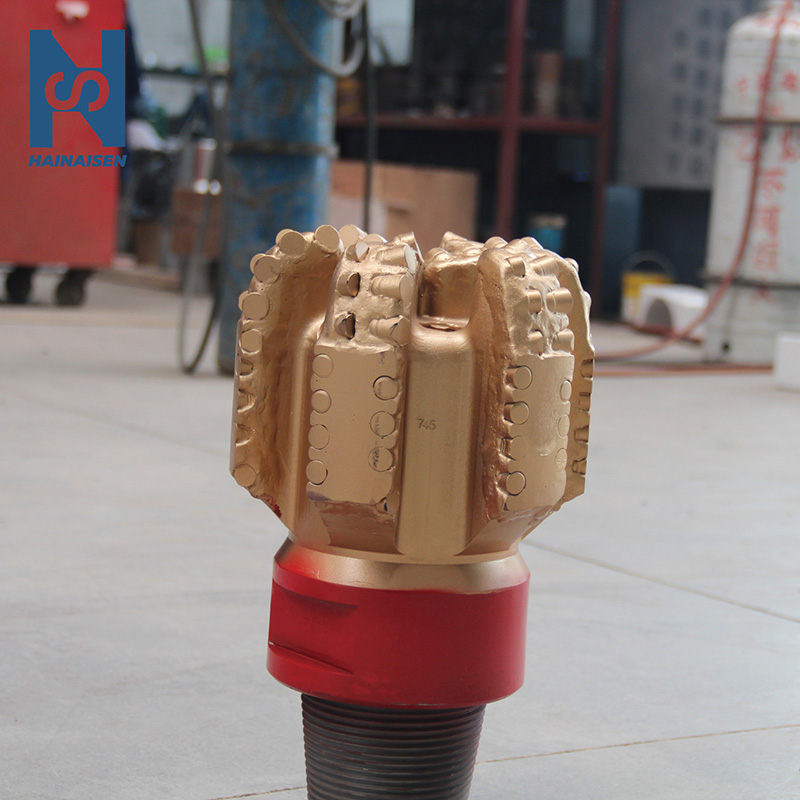 VIEW MOREDiamond Drill Bit Oil Rig
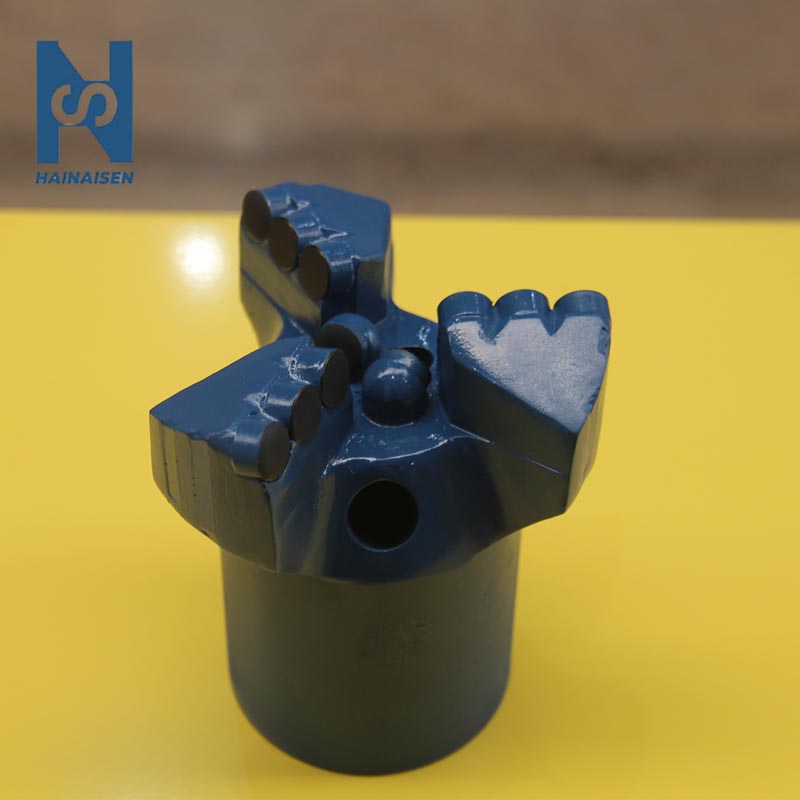 VIEW MORE3 Blades Steel Body PDC Bit
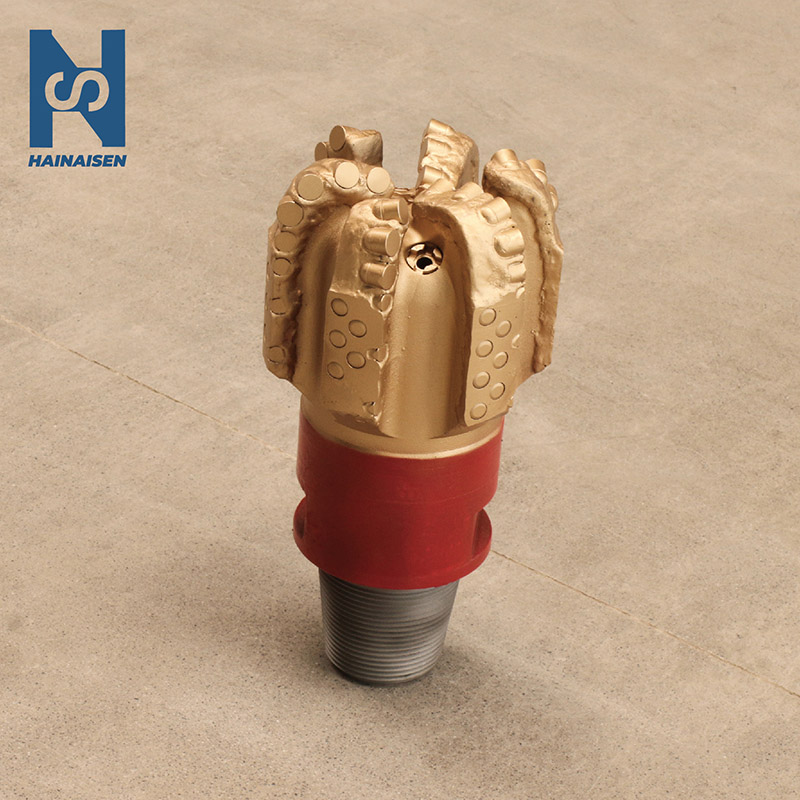 VIEW MORETool 6 Wings Drill Bit PDC
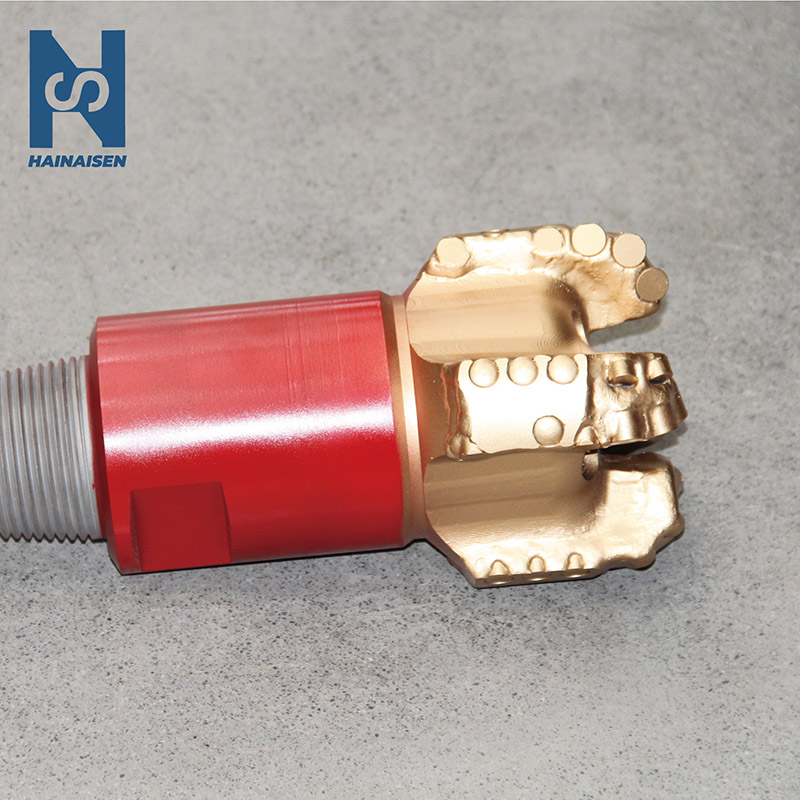 VIEW MOREPetroleum PDC Oil Drill Bit
 VIEW MORE3 Blades PDC Mining Bits
