







Petroleum Drilling Equipment PDC Design Explained
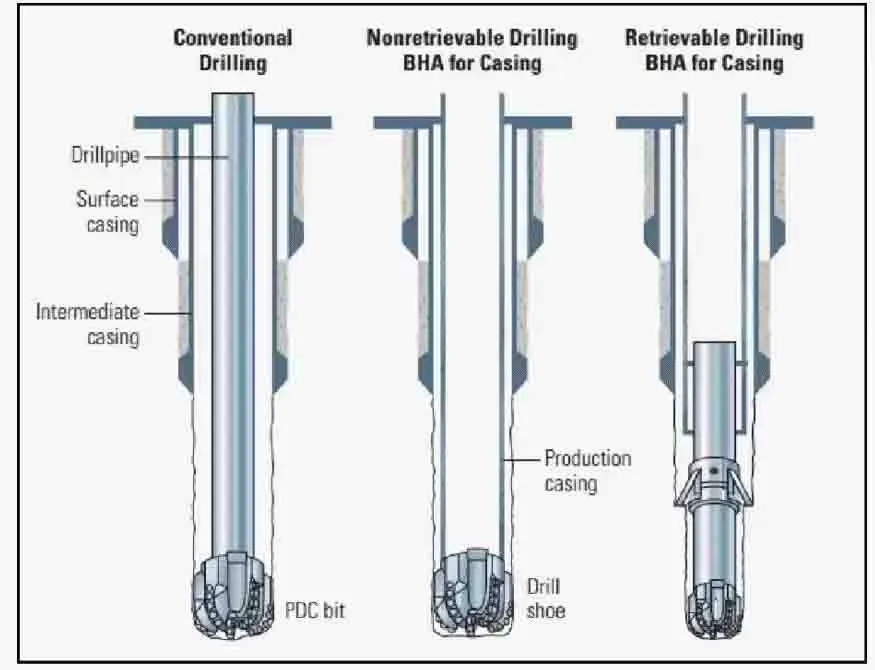
Petroleum Drilling Equipment PDC represents a revolutionary advancement in drilling technology, featuring Polycrystalline Diamond Compact (PDC) bits that have transformed oil and gas exploration worldwide. These sophisticated drilling tools incorporate synthetic diamond cutters mounted on either steel or matrix bodies, designed to shear through rock formations with exceptional efficiency. The unique fixed-cutter design eliminates moving parts found in traditional roller cone bits, resulting in superior performance across diverse geological conditions. Understanding PDC bit design fundamentals helps procurement professionals and technical engineers make informed decisions that optimize drilling operations while reducing operational costs and non-productive time.
Understanding PDC Bits in Petroleum Drilling
Core Components and Design Architecture
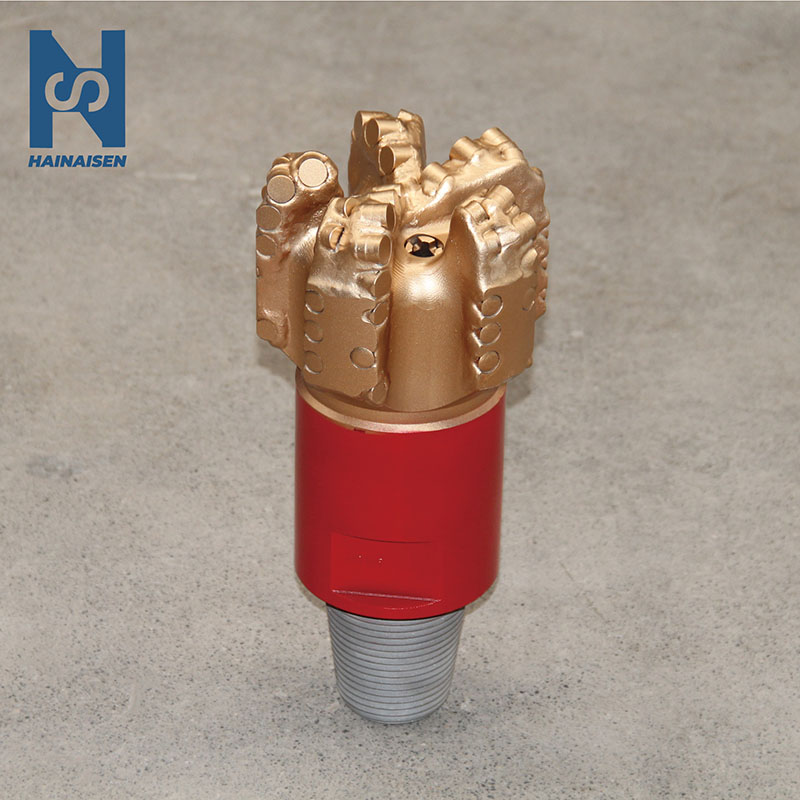
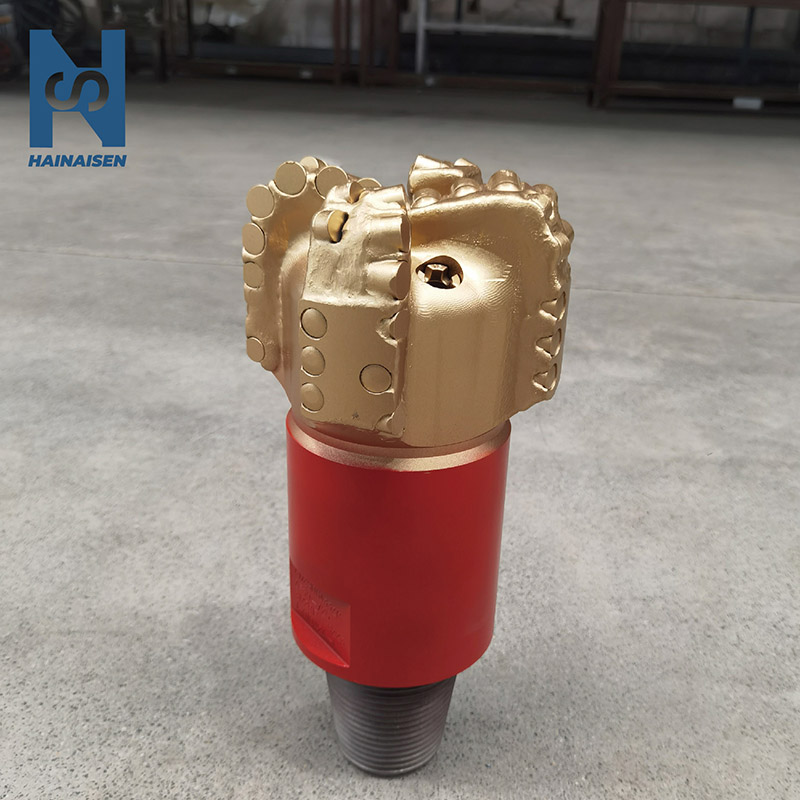
PDC Bits have a complex engineering design based on synthetic diamond cuts that provide unmatched toughness and durability against wear. The bit body is what holds the drill bit together. It comes in two main styles: steel body construction for softer rocks and matrix body design for rougher conditions. Each cutter is made up of a tungsten carbide base attached to a polycrystalline diamond table. This makes for a very strong cutting element.
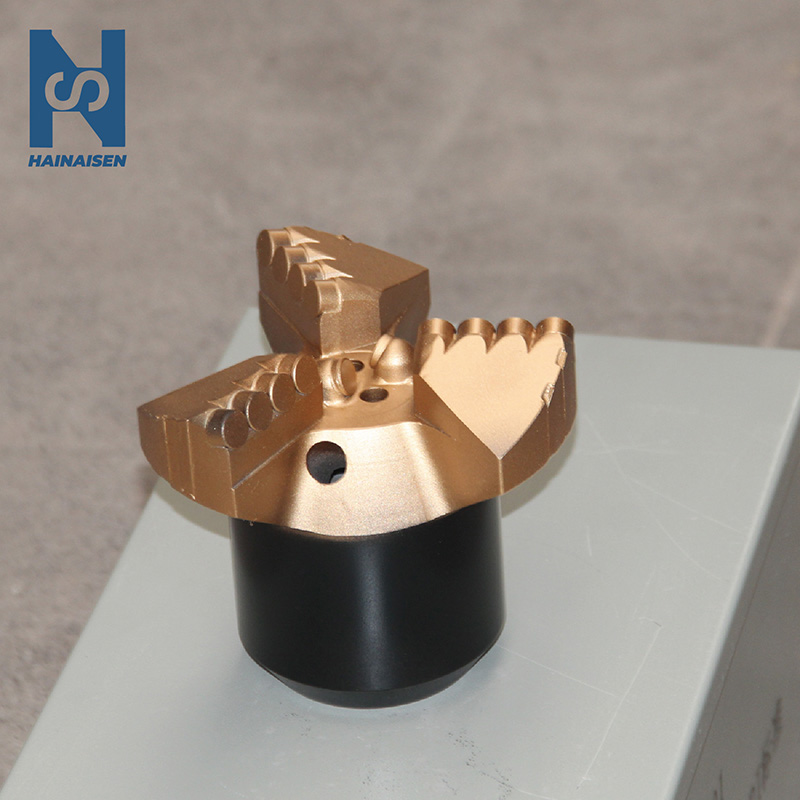
The shape of the blades is very important to how well they drill. Manufacturers create specific patterns for blades to get rid of rocks and improve fluid flow. Fluid nozzles placed throughout the bit guide drilling mud to keep cutters cool and move rock chips to the top through junk holes. This combined design method makes sure that the performance stays the same even when the conditions downhole change.
Classification Systems for Different Applications
Modern PDC bits are grouped by how well they work with the rock and what the drilling goals are. When longevity is more important than speed, matrix body bits work best in hard, abrasive forms. These bits have tungsten carbide particles inside the bit body, which makes them very resistant to wear during long drilling campaigns.
Steel body PDC bits work better in lighter rocks because they can drill deeper while still keeping the structure strong. The production process lets the cutters be placed more aggressively and the hydraulic passages be bigger, which makes it easier to remove debris from shale, limestone, and sandstone. Based on geological studies and practical needs, this classification method helps drilling teams choose the right technology.
Wear Patterns and Maintenance Considerations
To handle PDC bits well, you need to know how they usually wear out and use preventative repair methods. Wear on a cutter usually shows up as thermal degradation, impact damage, or abrasive wear. Each type of wear needs a different set of practical changes. Keeping an eye on drilling factors like bit weight, rotating speed, and torque can tell you a lot about how the bit is doing and how the formation is changing.
Teams can find early signs of wear on bits by inspecting them on a regular basis and making changes to the cutting settings as needed. Keeping track of how bits wear down helps operators choose the best bits and work methods in the future, which extends the life of bits and makes drills more efficient overall.
Comparing PDC Bits with Other Drilling Bit Technologies
Performance Metrics Against Traditional Technologies
Compared to tricone and roller cone bits, Petroleum Drilling Equipment PDC works better in more ways than one. In suitable rocks, PDC bits have penetration rates 20–50% higher than traditional options. This saves a lot of time during drilling operations. The fixed-cutter design gets rid of the problems with gear wear and cone lock-up that come with spinning cone bits.
According to practical data from field uses, PDC bits keep working at the same level of efficiency throughout their useful lives, while tricone bits lose efficiency as their bearings wear out. This performance benefit stands out even more in directional drilling, where smooth torque features lower stress on the drill string and improve the shape of the hole.
Application-Specific Technology Selection
The best ways to choose bits for different drilling situations depend on the properties of the formation. In unusual shale plays, PDC bits with special cutter shapes and gauge protection make horizontal drilling go quickly while keeping the hole stable. Offshore drilling operations benefit from PDC bits because they are reliable and cut down on costly bit trips and rig time.
To work in hard rock mining, you need matrix body PDC bits with better gauge protection and special cutter plans made for very rough rock formations. For coal-bed methane mining, lighter-set PDC bits are used because they work best in softer rocks and are durable enough for long runs.
Cost-Effectiveness Analysis
Total cost analysis shows that PDC bits often offer better value than other options, even though they require a bigger original investment. Drilling prices per foot are usually 15–25% less when there are fewer bit changes, less downtime, and better drilling efficiency. As a bonus, the longer operating life of PDC bits makes logistics and inventory control easier.
Operations that want to stay within their budgets should work with makers that offer complete bit programs that help operators choose the best bits based on the characteristics of the formation and their operating goals. A lot of the time, these partnerships come with performance guarantees and professional help that make the value argument even stronger.
Advantages and Technological Innovation in PDC Drilling
Superior Penetration Capabilities
The core advantages of modern PDC technology center around exceptional drilling efficiency and operational reliability. These advanced drilling tools consistently deliver penetration rates that exceed traditional alternatives while maintaining superior directional control and hole quality. The continuous shearing action eliminates the crushing mechanism of roller cone bits, resulting in smoother drilling dynamics and reduced vibration.
Recent technological innovations have enhanced PDC performance through several breakthrough developments:
- Advanced cutter technology incorporates thermal stability improvements that maintain cutting efficiency at higher downhole temperatures
- Optimized hydraulic designs featuring computational fluid dynamics modeling to maximize hole cleaning and cutter cooling effectiveness
- Enhanced gauge protection utilizing specialized materials and geometries that extend bit life in abrasive formations
- Intelligent bit designs integrating sensors and data transmission capabilities for real-time performance monitoring
These technological advances directly address common drilling challenges while providing measurable improvements in operational efficiency and cost-effectiveness.
Material Science Breakthroughs
Modern PDC bit making uses cutting-edge materials science to get the best results in a wide range of drilling conditions. Thermally stable polycrystalline diamond tools keep their shape at temperatures above 750°C, which lets them be used for deeper cutting tasks that were previously limited by thermal degradation. Newer brazing methods make the bonds between the cutter and the body stronger so they can withstand contact damage and changes in temperature.
Coating technologies now offer extra defense against wear and rust, which is especially useful in tough downhole settings. These improvements make the bit last longer while keeping its cutting performance over its entire working life.
Future Technology Trends
New developments in PDC technology are mainly about digital interaction and the ability to react to different situations. Smart bit ideas have sensors built in that check the factors of the drilling and the properties of the rock in real time. Machine learning algorithms look at this data and figure out how to automatically optimize the drilling settings and predict when repairs need to be done.
Modern methods of making things, like additive manufacturing and precise machining, make it possible for bit shapes to get more complicated, including those for Petroleum Drilling Equipment PDC, which improves the flow of fluid and the cutting action. With these changes, drilling effectiveness and operating dependability should keep getting better.
Procurement Guide: How to Buy Petroleum Drilling Equipment PDC?
Defining Technical Requirements
To buy a PDC bit successfully, you must first do a full study of your drilling needs and the properties of the rock. To set performance standards, technical teams should look at geological studies, offset well data, and operations goals. Expected penetration rates, rock abrasiveness, hole size requirements, and directional drilling demands are some of the most important factors.
When procurement workers and drilling engineers work together, they make sure that the specs of the bits match the operating skills and price limits. This joint method often finds ways to improve performance while lowering the overall cost of drilling.
Manufacturer Selection Criteria
There are more than just prices to consider when looking for reliable Petroleum Drilling Equipment PDC sources. Product certification, which includes API specs and quality control systems, shows that a company can make the product and is committed to meeting industry standards. Supplier dependability includes how well they deliver, how well they help with technology issues, and how easy it is to get services after the sale.
Warranty terms and performance promises add value and lower business risk at the same time. Leading makers often have complete bit programs that include expert support, tracking of performance, and suggestions for making improvements all the time.
Procurement Best Practices
Cost optimization, performance standards, and managing relationships with suppliers are all important parts of good buying strategies. When you buy in bulk, you usually save money and make sure you have enough supplies for long drilling operations. With global sourcing, you can get specific goods at prices that are still competitive.
Long-term relationships with suppliers make it easier to share technology and make custom bits that solve specific business problems. Because of these connections, companies often come up with their own unique solutions that give them an edge in tough digging conditions.
Best Practices for PDC Bit Usage and Maintenance
Operational Parameter Optimization
To get the most out of a PDC bit from Petroleum Drilling Equipment PDC, you need to pay close attention to the cutting settings and the way it is used. Cutting effectiveness and bit life are affected by the bit's weight, its rotary speed, and the qualities of the drilling fluid. To get the best results, experienced drilling teams make parameter matrices based on the properties of the formation and the specs of the bits they use.
Real-time tracking tools let you react right away to changes in the formation and conditions downhole. Making changes to the parameters based on how the digging is going helps keep the performance at its best and protects against damage from bad weather.
Preventive Maintenance Strategies
Through careful management, comprehensive repair programs increase the life of bits and improve how well they drill. Inspections done on a regular basis find wear patterns and possible problems before they affect operations. Recording how bits work and how they wear down gives us useful information for choosing new bits and making operations better in the future.
The following repair methods have been shown to work in a variety of drilling situations:
- Pre-drilling inspections examine cutter condition, gauge wear, and hydraulic passages to ensure optimal starting conditions.
- Systematic parameter monitoring, tracking drilling response, and adjusting operations to maintain optimal performance.
- Post-run analysis documenting wear patterns and performance metrics to guide future operational decisions.
- Inventory management maintains appropriate bit stocks based on formation requirements and operational schedules.
By using these organized methods, drilling teams can consistently do their jobs while reducing the number of operating problems and machine breakdowns.
Performance Measurement and Optimization
Data-driven optimization needs the ability to track and analyze performance in a wide range of ways. Some key success markers are the cost per foot, the operating time, the penetration rate, and the amount of ground that was drilled. Comparing bits from different makers and bit types helps find the best options for each situation.
Reviewing success on a regular basis with suppliers and expert teams helps find ways to improve and the best ways to run operations. This way of working together often leads to new ideas that make digging more efficient while cutting costs.
Conclusion
Petroleum Drilling Equipment PDC technology continues evolving to meet increasingly demanding drilling requirements across diverse applications. Understanding design principles, comparative advantages, and operational best practices enables procurement teams and drilling engineers to optimize equipment selection and maximize operational efficiency. The superior performance characteristics of PDC bits, combined with ongoing technological innovations, position this technology as the preferred solution for modern drilling operations seeking enhanced productivity and cost-effectiveness.
FAQ
1. What formations are best suited for PDC bits?
PDC bits work great in shale, limestone, sandstone, and gypsum, which are all soft to medium-hard rocks. It is best for steel body designs to work in soft forms, while matrix body designs work well in rougher settings. Formation assessment and offset well data help figure out which bits to use.
2. How do PDC bits compare to tricone bits in terms of cost?
Total drilling costs often favor PDC technology because it has faster entry rates and lasts longer, even though PDC bits cost more to buy at first. When fewer bit changes and downtime are taken into account, costs usually drop by 15 to 25 percent per foot bored.
3. What maintenance practices extend PDC bit life?
The bit's longevity is greatly affected by using the right drilling settings, inspecting it regularly, and treating it correctly. Keeping an eye on the bit's weight, its rotation speed, and the qualities of the drilling fluid helps keep it working at its best and stops damage or wear from happening too soon.
Partner with HNS for Superior Drilling Solutions
HNS provides top-notch Petroleum Drilling Equipment PDC options, backed by more than a decade of manufacturing quality and technical progress. Our advanced polycrystalline diamond compact bits have better resistance to wear, better cutting efficiency, and shapes that can be changed to fit your unique drilling needs. HNS has state-of-the-art production facilities in Xi'an and provides full technical support as well as the ability to create custom bits. Get in touch with our knowledgeable staff at hainaisen@hnsdrillbit.com to talk about your drilling problems and find out how our company, which makes petroleum drilling tools PDC, can help you run your business better.
References
1. Smith, J.R., "Advanced PDC Bit Design Principles for Unconventional Drilling Applications," Journal of Petroleum Technology, Vol. 75, No. 3, 2023, pp. 45–62.
2. Anderson, M.K. and Williams, P.T., "Comparative Analysis of Fixed Cutter and Roller Cone Drilling Performance in Shale Formations," SPE Drilling & Completion, Vol. 38, No. 2, 2023, pp. 128–145.
3. Zhang, L., "Polycrystalline Diamond Compact Technology Evolution and Future Trends," International Journal of Oil, Gas and Coal Technology, Vol. 32, No. 4, 2023, pp. 312–328.
4. Thompson, R.A., "Optimization Strategies for PDC Bit Selection in Deepwater Drilling Operations," Offshore Engineering Magazine, Vol. 48, No. 7, 2023, pp. 78–85.
5. Martinez, C.E. and Brown, D.L., "Thermal Stability Improvements in Modern PDC Cutter Technology," Drilling Contractor, Vol. 79, No. 4, 2023, pp. 56–63.
6. Johnson, K.M., "Economic Impact Analysis of PDC Bit Technology in North American Shale Plays," Energy Economics Review, Vol. 67, No. 2, 2023, pp. 201-218.
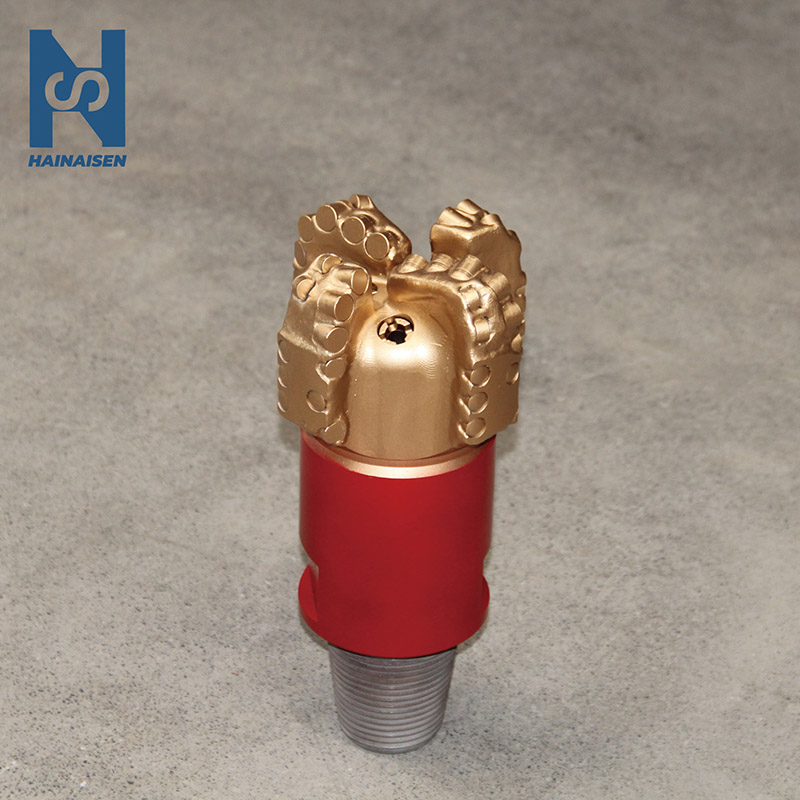 VIEW MOREFour Blade Wing Oil Drilling Tool
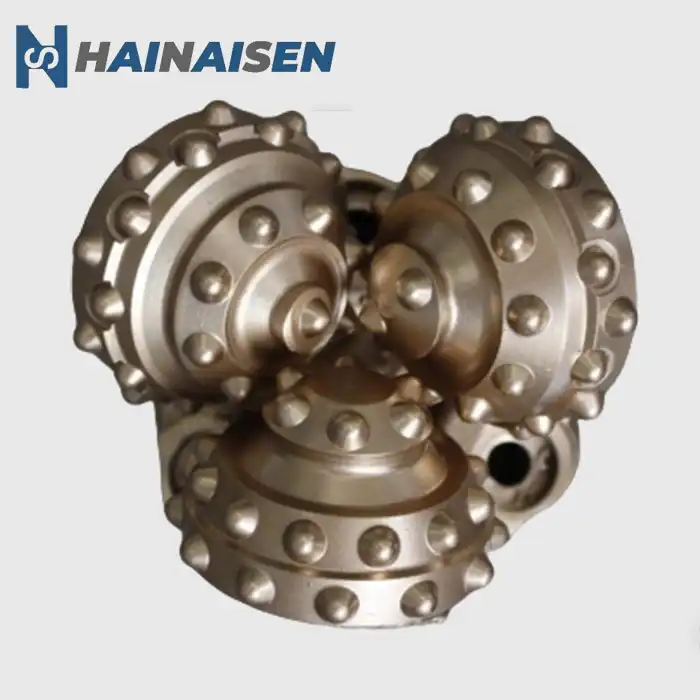 VIEW MORE4 1/2" IADC 537 Tricone Rock Bit
 VIEW MOREThree Blade Wing Arc Angle Drill Bit
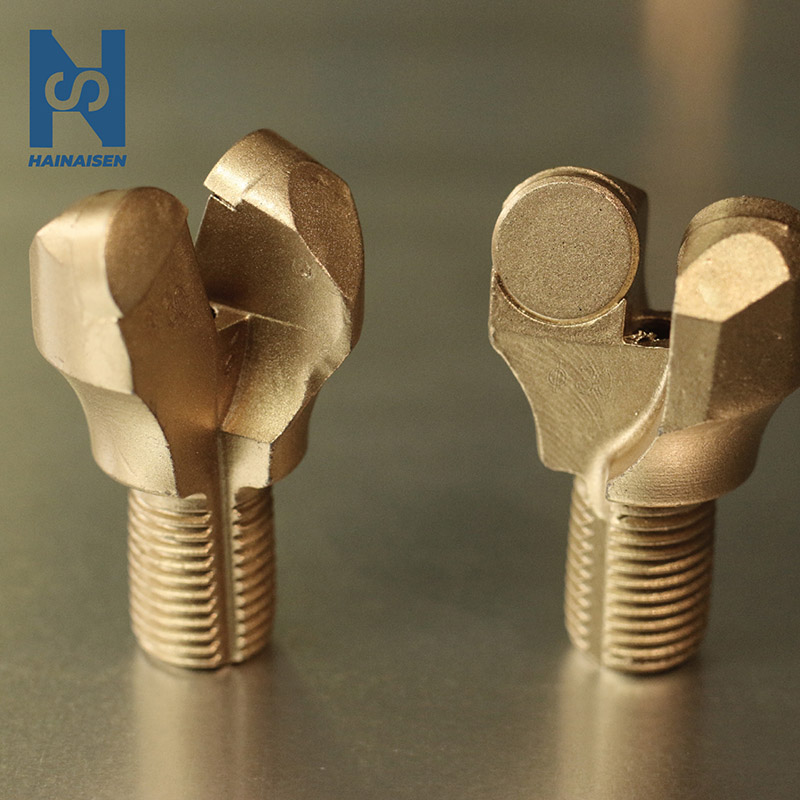 VIEW MORE30mm Half Blade Anchor Bit For Mine Coal Fields
 VIEW MORE5 Blade Matrix Body PDC Drill Bits
 VIEW MORE153mm PDC Concave Bit
 VIEW MOREPetroleum Drilling Equipment PDC
logo 1_1777360475599.jpg) VIEW MOREDirectional Three Blade PDC Drill Bit
VIEW MOREDirectional Three Blade PDC Drill Bit
