







Diamond Oil Drill Bit Applications in Oil Exploration
By offering unmatched accuracy and strength in challenging geological settings, Diamond Oil Drill Bit technology has transformed how oil is discovered today. In these high-tech drilling tools, polycrystalline diamond compact (PDC) technology and better cutting structures work together to drill deeper holes and last longer. All over the world, oil and gas companies use bits with diamonds to cut through tough rocks, save money on digging, and get the most out of their resources. The smart use of these specialized tools has changed the way research has been done in the past. Now, researchers can go to places they couldn't before while still following safety and environmental rules.
Understanding Diamond Oil Drill Bits: Technology and Benefits
The way diamond drilling technology has changed over time is one of the most important ways that oil fields have gotten better. These days, diamond drill bits are made using complicated engineering principles that combine the very high toughness of polycrystalline diamond with high-tech matrix materials. This makes tools that can work in difficult conditions underground.
Advanced PDC Technology Integration
Polycrystalline diamond compact technology is the best way to drill right now. As part of the process, very high pressure and heat are used to fuse diamond pieces together. This makes cutting tools that stay sharp even after a long time of digging. Standard tungsten carbide choices don't wear down as quickly as this technological way does. In a wide range of geological forms, this means that people can get steady work.
A lot of work has gone into making the ways that PDC is joined better, which has made it more resistant to heat and pressure. Bits will last longer, and there will be less downtime because of these changes. This is very helpful for buying managers and technical experts who have to protect costs while still ensuring performance.
Heat Resistance and Performance Optimization
The newest Diamond Oil Drill Bit designs have better ways to handle heat, which keeps the cutting efficiency high in wells that are hot. Diamonds don't break down over time like most cutting tools do because they can handle heat so well. In tough places where temperatures can reach over 300°F, this means they can keep working.
Cooling and getting rid of dirt are better with better hydraulic systems. This keeps cutting surfaces clean and stops mud from building up. With these new technologies, it's now possible to drill faster and deeper, which changes the end dates of projects and the costs of running them.
Types of Diamond Oil Drill Bits and Their Applications
When you know about the different kinds of diamond drilling tools, such as the diamond oil drill bit, you can choose the right one for the rock and your needs. There are pros and cons to each type that rely on the rock and the digging goals.
Fixed Cutter PDC Bits
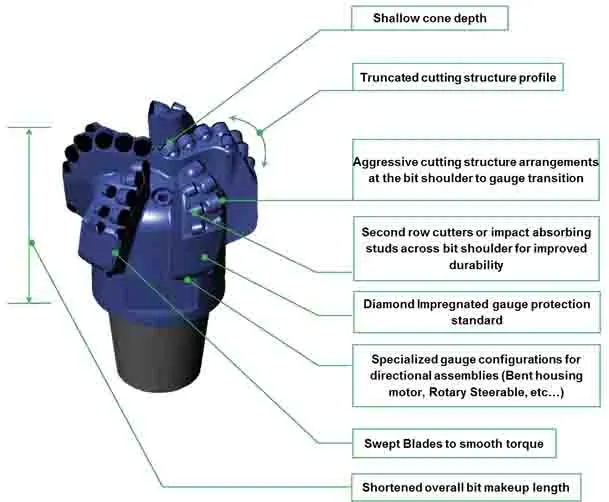
Fixed cutter designs are the most popular type of setup used in oil drilling right now. These bits have diamond cuts that are put in certain ways to speed up the cutting process and lower friction and tool wear. It is easier to attack a drill because the blades are not all lined up in a straight line. This makes the cutting teeth last longer.
Key advantages of fixed cutter PDC Bits include:
- Enhanced penetration rates: Optimized cutting structures enable faster drilling through medium to hard-formations.
- Improved directional control: Precise cutter placement facilitates accurate wellbore trajectory management.
- Reduced vibration: Advanced blade geometry minimizes harmful oscillations that can damage drilling equipment.
- Extended operational life: Superior diamond retention properties maintain cutting effectiveness throughout extended drilling campaigns.
When it comes to oil research projects, these fixed cutter PDC bits work best in shale rocks, sandstone layers, and mixed geology settings.
PDC Hybrid Configurations
In order to cut through tough materials, hybrid PDC devices use more than one cutting technique. These new tools can cut in a lot of different shapes because they have both standard PDC cuts and parts that protect against wear. By using the mixed way, operators can keep performance fixed even if the ground changes, since they don't have to switch bits all the time.
Roller Cone Diamond Bits
Because diamond cutting elements are built into spinning cone sections in roller cone designs, these tools can be used on harder rocks. These bits work best in places where they can crush rocks instead of cutting them. For example, they work best in oil-bearing areas where limestone and dolomite rocks are common.
Bits of different types are used depending on the type of rock, how it is drilled, and the needs of the job. Techs have to look at things like how hard the rock is, how sharp it is, and how different the shapes are to pick the best piece.
Optimizing Performance and Maintenance of Diamond Oil Drill Bits
It is important to take good care of diamond cutting tools and use them in the right way so that they last as long and work as well as possible. How well you take care of and handle tools affects how well they work, how much they cost to run, and how many projects you finish successfully.
Routine Inspection and Maintenance Protocols
Setting up regular ways to check makes sure that wear patterns and possible performance issues are found quickly. Checking the cutting edges, gauge safety, and hydraulic parts on a daily basis can help you avoid costly downhole breakdowns through preventative maintenance.
Some important maintenance tasks are the right way to clean, store, and carefully look at how things wear over time. Knowing the most common types of wear and tear on tools helps you decide when to get a new one and keeps the old one from breaking down too soon.
Operational Strategy Optimization
When trying to get the most out of a diamond oil drill bit, you need to carefully think about things like bit weight, rotational speed, and fluid flow rates. Field tests have shown that picking the right settings can make bits last a lot longer and boost penetration rates by up to 30%.
A big part of getting the most out of your drills is using tools that work with them. These days, drilling systems need to be able to send enough power, carefully control parameters, and successfully lower vibrations in order to get the most out of diamond bits. When drilling teams and people who make buying decisions look at the return on investment, these real factors have a direct effect.
Procurement Considerations for Diamond Oil Drill Bits
When you buy something strategically, you need to think about a lot of things that affect how much it costs and how well it will run in the long run. You can make good buying decisions that help your business reach its goals if you know how the market works, what providers can do, and the total cost of ownership.
Performance Metrics and Selection Criteria
Procurement professionals have to rate diamond drill bits based on performance factors that can be measured, like how sturdy they are, how fast they cut, and how well they fit the rock. You can use these ways to compare tools and pick the one that will work best for your job.
The market's price changes show how technology and the supply chain are changing. You can save a lot of money when you buy in bulk. This is especially true for large companies that need to keep a lot of things on hand. Quality and performance stay the same from one buying round to the next if you know what a provider can do and how they do it.
Global Supplier Landscape
The international diamond oil drill bit market encompasses established Manufacturers from multiple regions, each offering distinct advantages in terms of technology, pricing, and service capabilities. Most of the time, American providers focus on adding new technologies and giving full expert help. When used for common things, global providers may have cheaper choices.
Logistics managers need to think about things like how to handle supplies, how to make custom products, and how to coordinate shipping to other countries. Logistics management that works well keeps things going smoothly and makes sure that drill bits are ready on time for important jobs.
Future Trends and Industry Insights for Diamond Oil Drill Bits
Things are always changing in the diamond drilling business, particularly with tools like the Diamond Oil Drill Bit, because of changes in material science and the use of computers. When you know about new trends, you can plan and spend wisely to stay ahead of the competition in a market that is always changing.
Material Science Advancements
New combination materials and more advanced ways to make diamonds work better can be used for more things. Improvements in study are mostly meant to make things more resistant to heat and pressure, work better, and cost less to make.
Smart drilling technologies that have real-time tracking features make a lot of progress possible. There is always a check on the bit, the rock, and the drilling settings with these tools. This lets tuning be done automatically, which boosts speed and keeps bits from breaking too soon.
Regulatory and Environmental Considerations
It is becoming more and more important for businesses to follow rules that protect the environment and make processes run more smoothly. Because of these needs, people buy things and use new technologies in different ways. This means that we need better cutting tools that are better for the environment and still useful.
It matters to the environment which bits are picked, how they are used, and how they are put away. Being aware of the legal situations in different countries lets you adapt to changing needs and keeps operations going smoothly.
Conclusion
Diamond Oil Drill Bit technology keeps making oil exploration more stable, better at what it does, and less expensive to run because of it. Workers can get into tough spots while still following safety and environmental rules if they carefully pick which high-tech tools to use and how to use them. By learning about the different bit types, improvement methods, and buying factors, people who make decisions can improve the speed and success of drilling. The world will still need diamond-digging tools to find oil, even though technology is getting better all the time.
FAQ
1. What formations are best suited for diamond oil drill bits?
Diamond Oil Drill Bit technology performs exceptionally well in medium to hard rocks like shale, sandstone, limestone, and mixed bedrock. These days, PDC cutting elements work best in rocks that can be sheared instead of crushed. These are great for most oil study jobs because of this.
2. How do diamond bits compare to tungsten carbide alternatives?
Diamond drill bits don't wear out as quickly as tungsten carbide ones, last longer, and let more material through. It may have cost more to make the initial investment, but because the process works better and requires fewer trips, the total cost of digging is generally less, and the process is more efficient.
3. What maintenance practices extend diamond bit lifespan?
As part of proper care, you should check the cutting area often, clean it properly, store things in a controlled way, and look at how things wear over time. How well it works and how long it lasts depend a lot on the cutting factors you choose, like how heavy the bit is and how fast it spins.
4. How do I select the right diamond bit for my application?
Bits are chosen based on the traits of the rock, the drilling goals, and the working conditions. You should think about how hard the rock is, how rough it is, how different the layers are, and how fast you need to drill when you are making your choice. It is important to talk to technical experts to make sure that the right bit is picked for the rock.
Contact HNS for Premium Diamond Oil Drill Bit Solutions
HNS (Shaanxi Hainaisen Petroleum Technology Co., Ltd.) stands as your trusted Diamond Oil Drill Bit manufacturer, delivering cutting-edge PDC equipment and a variety of drilling options since 2013. High-tech 5-axis machines and research and development teams in our 3,500m² building make unique bits for a lot of different types of rock. No matter if you need normal PDC bits or special ones for tough jobs, our extensive field testing and proven track record will make sure that your drilling goes smoothly. Email hainaisen@hnsdrillbit.com to talk to one of our technical experts about your specific needs and find out how our high-quality diamond drill bit options can help your research projects.
References
1. Smith, J.A., "Advanced PDC Technology in Modern Oil Drilling Operations," Journal of Petroleum Technology, Vol. 75, No. 3, 2023.
2. Anderson, M.R., "Diamond Drill Bit Performance Analysis in Unconventional Formations," SPE Drilling and Completion Engineering, Vol. 38, No. 2, 2023.
3. Chen, L.K., "Polycrystalline Diamond Compact Manufacturing: Recent Developments and Applications," International Journal of Drilling Technology, Vol. 12, No. 4, 2023.
4. Rodriguez, C.M., "Economic Analysis of Diamond Drilling Tools in Oil Exploration Projects," Energy Economics Quarterly, Vol. 29, No. 1, 2023.
5. Thompson, R.D., "Thermal Stability Improvements in PDC Cutting Elements," Materials Science in Drilling Applications, Vol. 15, No. 2, 2023.
6. Williams, S.B., "Future Trends in Diamond Drilling Technology for Oil and Gas Applications," Petroleum Engineering Review, Vol. 41, No. 3, 2023.
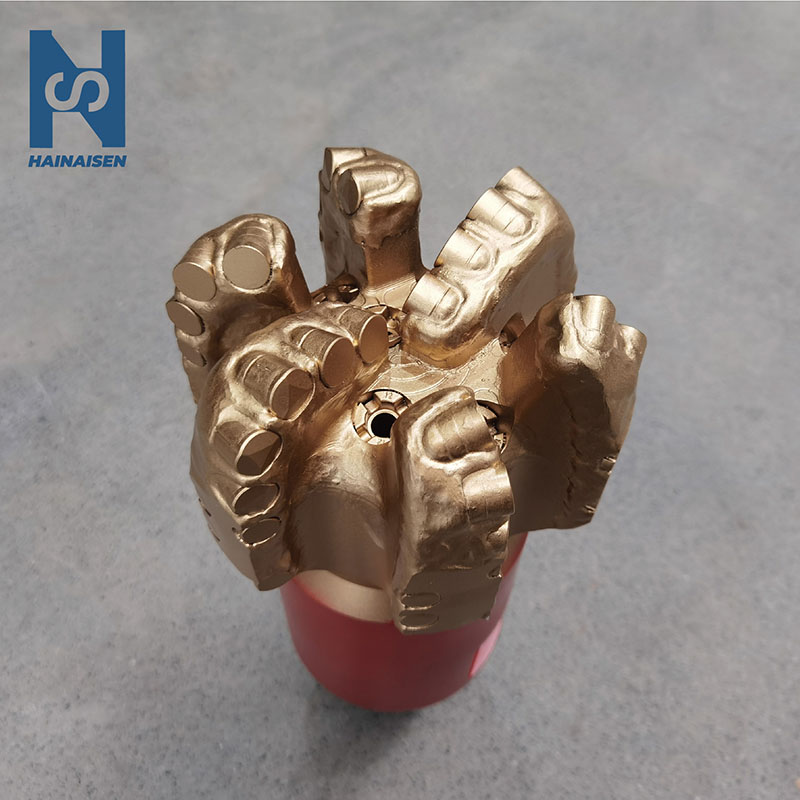 VIEW MORE6 Wings PDC Drill Bit
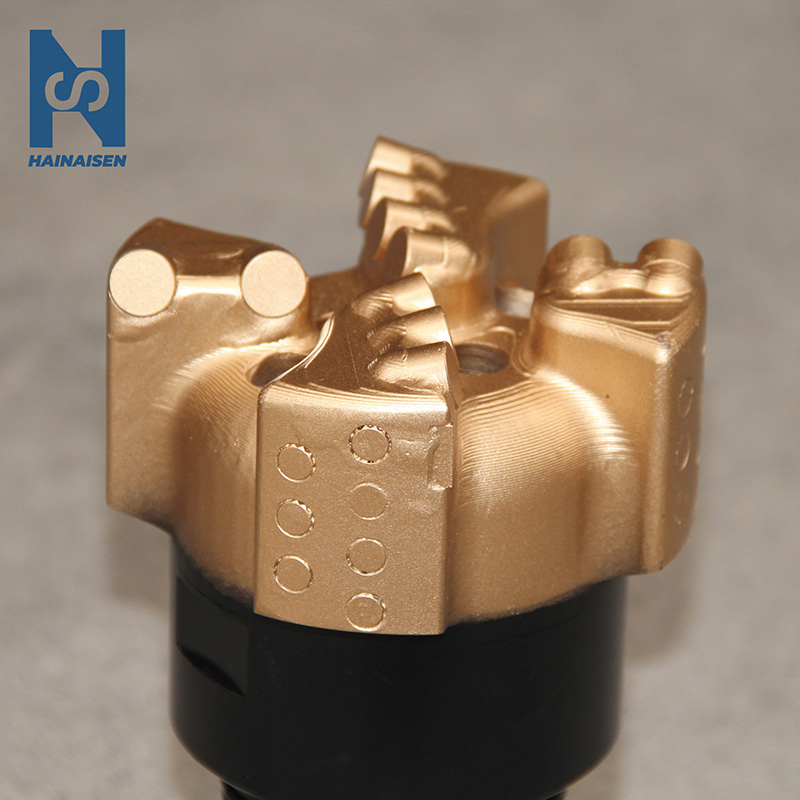 VIEW MOREDirectional Well PDC Drill Bit
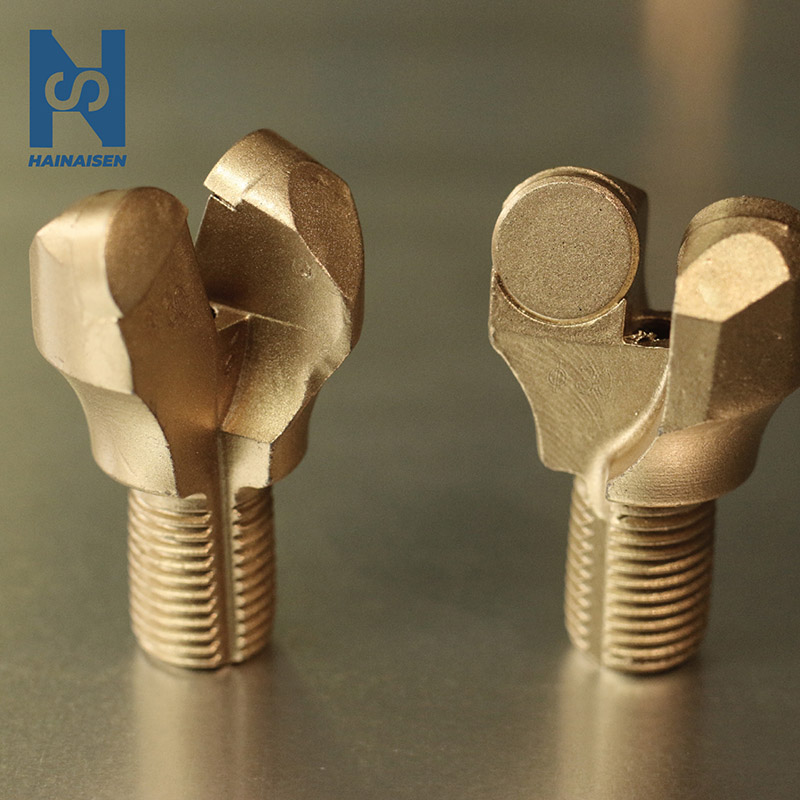 VIEW MORE30mm Half Blade Anchor Bit For Mine Coal Fields
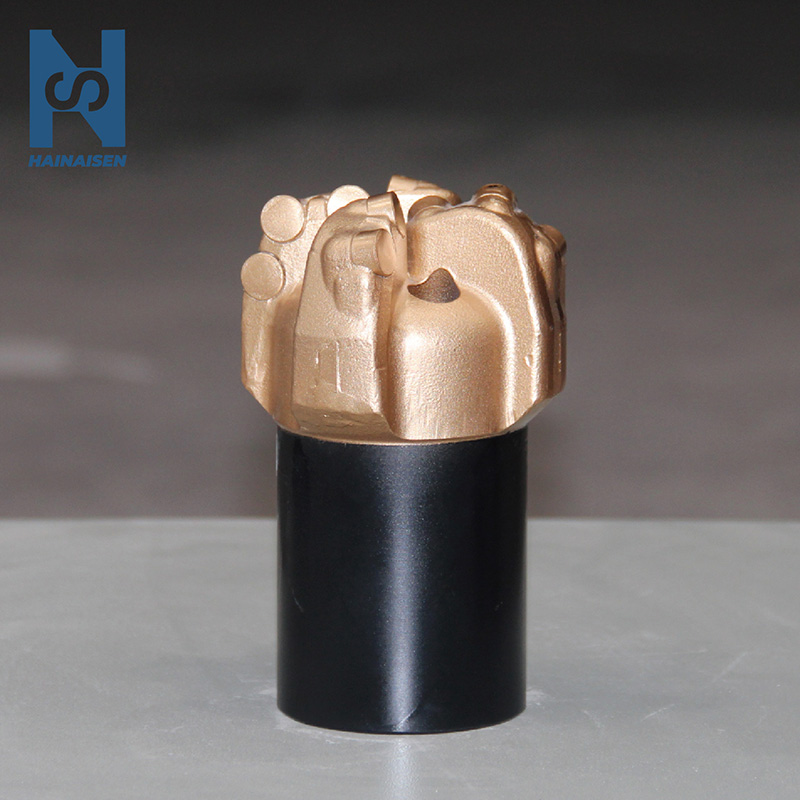 VIEW MOREFour Blade PDC Rock Drill Bit
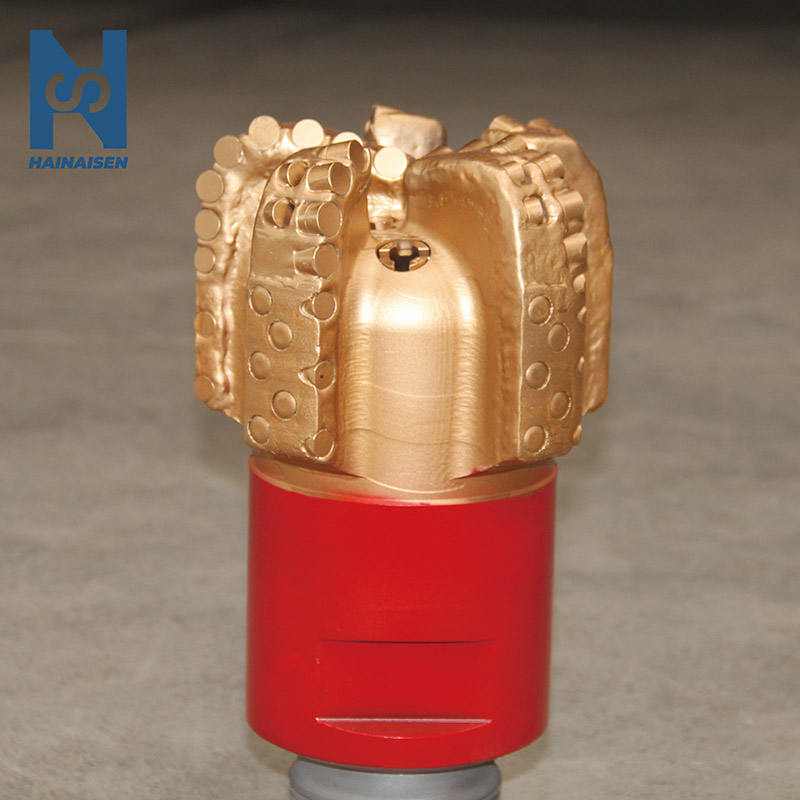 VIEW MOREFive Blades PDC Drill Bits
logo 4_1777360540990.jpg) VIEW MOREDrilling Tool Coal Mining Bit
VIEW MOREDrilling Tool Coal Mining Bit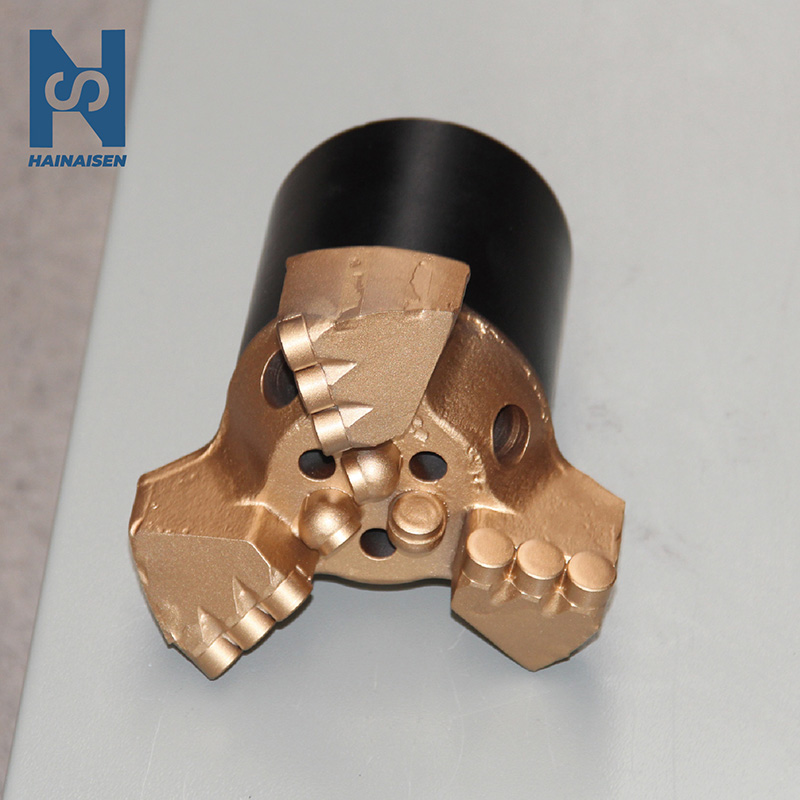 VIEW MOREThree Blade Concave Drill Bit Api For Manganese Coal Mines
logo 1_1777361260784.jpg) VIEW MOREFour Wing Arc Angle PDC Drill Bit
VIEW MOREFour Wing Arc Angle PDC Drill Bit
