







High Quality PDC Drill Bits for Hard Formation Drilling
High-quality PDC drill bits are a new kind of drilling technology that changes the way difficult hard formation tasks are done in many businesses. When compared to traditional drilling methods, these modern polycrystalline diamond compact tools offer higher penetration rates, longer operating life, and better value for money. Modern PDC Bits have synthetic diamond cuts and body designs that are better than ever. This lets drilling teams work through abrasive rocks like shale, limestone, sandstone, and other difficult geological structures more quickly and reliably than ever before.
Understanding High-Quality PDC Drill Bits for Hard Formations
Polycrystalline diamond compact technology has completely changed how drilling is done in difficult rock situations. Synthetic diamond layers and tungsten carbide bases are put together in these high-tech tools to make cutting surfaces that stay sharp during long drilling cycles. Multiple diamond crystals are joined together under high heat and pressure in a special way that makes cutting elements that are much more resistant to wear, heat, and contact damage than other options.
Advanced Material Composition and Design
PDC drill bits have cutters placed on the bit face in a way that makes sense. Each cutter is designed to handle a different amount of stress and cutting angle. The placement of the cutters follows exact geometric designs that make the best use of load distribution while keeping the cutting action forceful. Matrix body building uses tungsten carbide composite materials that are very resistant to erosion. Steel body options, on the other hand, can handle impacts better in a wider range of formation conditions.
Innovative cooling channels built into the bit design make it easier for heat to escape during drilling operations. These pathways move the drilling fluid across important cutting surfaces, which keeps them from getting damaged by heat, which happens a lot with regular drilling tools. Better hydraulic designs also make it easier to get rid of dirt, which keeps the cutting surfaces clean and keeps the entry rates at their best throughout the drilling process.
Performance Advantages Over Traditional Drilling Tools
Modern PDC technology makes drilling much more efficient. When drilling teams switch from traditional tools to high-quality PDC drill bits in similar rock conditions, the penetration rate goes up by 50% to 200%. The constant cutting action gets rid of the irregular contact patterns that come with roller cone designs. This makes drilling operations easier and lowers the stress that the equipment feels from vibrations.
Another big benefit is that the bits last longer. Good PDC bits can often finish multiple wellbores before they need to be replaced. This durability comes from the fact that diamond cutting surfaces are very hard and bit bodies are designed in a way that spreads mechanical loads evenly across all cutting elements.
How to Choose the Right High-Quality PDC Drill Bits for Hard Formation Drilling?
To choose the best high-quality PDC drill bits and drilling solutions, you need to carefully look at the properties of the formation, the operational parameters, and the cost implications. To choose the right cutter shapes and bit bodies, technical engineers have to look at the formation's hardness, abrasiveness, and structural variation. This selection process has a direct effect on how well drilling works, how much it costs to run, and how long the project takes.
Formation Analysis and Bit Selection Criteria
When drilling in a hard formation, it's important to think about the rock's properties, like its compressive strength, abrasiveness indices, and structural integrity. Formations with a lot of silica or hard minerals embedded in them need PDC bits with longer-lasting cutters and better blade arrangements. On the other hand, formations that are softer and have a lot of clay benefit from aggressive cutting structures that increase penetration rates while controlling bit balling.
The density of the cutters is an important selection factor. Higher densities make cutting harder materials easier, but they may also shorten the life of each cutter. Bit designers keep these things in balance by changing the size, orientation, and spacing of the cutters to get the best results for each type of formation. The geometry of the blade also affects how well it cuts. Spiral blades are better at clearing away debris than straight blades.
Economic Considerations and Performance Metrics
To choose the most cost-effective PDC bit, you need to look at more than just the initial purchase price. You need to look at the total drilling costs, which include bit performance, trip time, and operational efficiency. Quality PDC bits cost more at first, but they often pay for themselves in lower costs per foot because they drill farther and penetrate more deeply. Procurement managers benefit from considering seller track records, guarantee coverage, and expert support skills when making selection choices.
Performance evaluation through field testing offers useful data for optimization methods. Many sellers offer trial programs allowing drilling teams to evaluate bit performance under real operational conditions before committing to bigger purchases. These programs reduce procurement risk while allowing performance benchmarking against current drilling options.
Manufacturing and Quality Assurance of High-Quality PDC Drill Bits
Manufacturing excellence affects PDC bit reliability and performance consistency across various operating conditions. Leading makers implement extensive quality control systems spanning raw material verification, precision machining processes, and rigorous testing procedures. These quality assurance measures guarantee the dimensional accuracy, structural integrity, and performance consistency necessary for challenging drilling applications.
Advanced Manufacturing Processes
PDC bit production starts with premium raw material selection, including high-grade tungsten carbide powders and synthetic diamond materials that meet strict purity standards. The sintering process makes matrix body materials through controlled temperature and pressure cycles that achieve ideal density and hardness characteristics. Precision machining operations utilize computer-controlled equipment to keep dimensional limits important for proper cutting element placement and fluid flow patterns.
Cutting element brazing represents a critical production step needing precise temperature control and safe atmospheres to prevent thermal damage to diamond layers. Advanced soldering methods ensure strong metallurgical bonds between cutters and bit bodies while keeping cutting integrity. Quality makers adopt automated brazing systems that offer uniform results across production volumes.
Quality Control and Testing Standards
Before bits are sent to customers, they are tested thoroughly according to strict standards. Using coordinate measuring tools and specialty gauges, dimensional checking checks the geometric correctness of the work. Testing the hardness of a material ensures that the qualities of the matrix body and the cutting elements meet the design requirements. Under realistic drilling conditions, hydraulic flow testing makes sure that the right amount of fluid is spread across the cutting surfaces.
Field performance validation adds to the quality assurance by conducting controlled drilling trials that record bit life, penetration rates, and operating features of high-quality PDC drill bits. These tests create performance data that helps with efforts to keep getting better and proves that the manufacturing process works.
Maintaining and Troubleshooting High-Quality PDC Drill Bits
Following the right upkeep steps will greatly increase the service life of a high-quality PDC drill bit while keeping its ideal drilling performance. Knowing the most common ways that things go wrong and taking steps to stop them lowers operations costs and keeps digging from being interrupted as little as possible. Maintenance programs that work well combine regular inspections with corrective actions that are made to fit the specifics of the business.
Common Issues and Preventive Measures
The main worry in hard rock drilling is thermal damage, which usually happens because of not enough cooling or too many drilling parameters. Cutting elements don't break down when temperatures rise, as long as the right flow rates are maintained and downhole temperatures are watched. By finding the best mix between bit preservation and penetration rates, drilling parameter optimization can increase operational life while still meeting production goals.
Most mechanical damage is caused by impact loading or too much shaking during drilling activities. With the right weight-on-bit control and rotating speed management, these risks can be kept to a minimum while still cutting well. When cutting elements are checked regularly, early wear patterns can be found that show when parameters need to be changed or bits need to be replaced.
Maintenance Protocols and Best Practices
After every drilling interval, systematic bit inspection processes should record the condition of the cutting element, the integrity of the hydraulic port, and the general condition of the bit. Digital photography lets you keep thorough records that can be used to look for trends and improve performance. Protocols for cleaning get rid of formation waste and drilling fluid leftovers that could hide damage or wear patterns.
Cutting element replacement and repair methods are used in reconditioning programs offered by good makers to get worn bits back to a usable state. These apps often offer cheaper options than buying new bits while still meeting performance standards. For proper repair, you need specialized tools and knowledge, which you can get from well-known makers that offer a wide range of services.
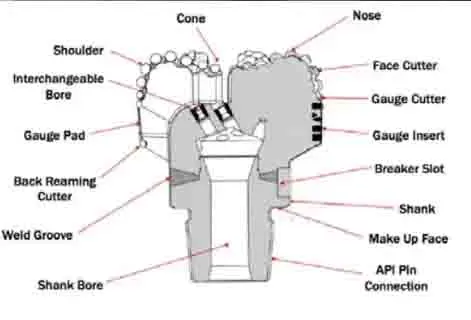
Top High-Quality PDC Drill Bits for Hard Formation Drilling in 2026
There are many different kinds of PDC bits on the market right now, each made to solve a different kind of hard formation drilling problem. To keep up with changing needs in the industry, top makers keep improving cutter technology, bit body designs, and hydraulic optimization. High-quality PDC drill bits from well-known brands show superior performance through proven field results and continuous innovation.
Performance-Based Selection Criteria
Durability measures are the most important thing to look at. Leading bits can drill more than 10,000 feet in difficult rocks. Different makers offer very different penetration rates, with premium bits being able to reach rates 30–50% higher than normal ones. These improvements in performance directly lead to lower drilling costs and better project economics.
Customer feedback is a great way to learn about how something works in the real world, beyond what the maker says it should do. Drilling companies always say that quality sources that put money into research and development make their work more reliable and predictable. Technical support skills also play a role in choosing, and quick technical help is especially useful during difficult digging operations.
Leading Manufacturer Capabilities
SHAANXI HAINAISEN INTELLIGENT EQUIPMENT MANUFACTURING CO., LTD is a well-known company that makes high-tech PDC products for tough drilling jobs. Their factory has high-tech tools like 5-axis machine centers and automatic welding systems that make sure the quality and accuracy of their work are always the same. The company's committed research and development team is always coming up with new styles that meet the needs of specific customers.
In many different situations, like oil and gas research, coal mines, and drilling for water wells, HNS PDC bits work very well. Their forms can be changed to fit the needs of each group while still being efficient for mass production. Quality control tools make sure that measurements are correct and that performance stays the same across all output volumes.
Procurement Strategies for High-Quality PDC Drill Bits
Strategic methods of buying things cut down on overall costs while making sure there is a steady supply of bits for operations. Depending on the size of the project, the time frame needed, and the technical needs, different procurement methods offer different benefits. By understanding these choices, you can make smart choices that support business success and budget efficiency.
Wholesale and Bulk Purchasing Options
Drilling companies that need a lot of bits can save a lot of money by using volume-buying programs. Bulk savings usually run from 10 to 25 percent, but they depend on how much you order and how well you know the maker. A lot of the time, these programs come with good payment terms and priority shipping schedules that help with practical planning.
Custom design services solve specific drilling problems by making bit configurations that work best with certain types of rock. Custom solutions take longer to make, but the performance benefits often make up for the extra costs because they make drills more efficient. Cutting frames, hydraulic systems, and bit body materials can be changed by Manufacturers who can do a lot of different kinds of design work.
OEM Partnerships and Technical Support
Original equipment maker partnerships give you access to the newest technologies and help with application building. As part of these partnerships, companies often get training, technical help, and services that improve performance and increase the number of successful drills. Good makers keep field service departments that can help on-site during important drilling operations.
When buying things internationally, you need to think about things like logistics planning, import paperwork, and quality control processes. Well-known brands, such as those offering high-quality PDC drill bits, usually have distribution networks that make it easier to buy their products and make sure they are real and covered by warranties. Online buying systems make it easier to buy things and keep track of deliveries and supplies in real time.
Conclusion
High-quality PDC drill bits are changing the way hard formation drilling is done with new materials, better designs, and strict production quality systems. It is clear that these technical breakthroughs have made penetration rates, operational efficiency, and overall drilling prices better in a wide range of situations. To make implementation work, you need to carefully choose the bits you need, set the right practical parameters, and use strategic buying methods that are tailored to the needs of your project. Leading companies like HNS offer new ideas backed by technical know-how and performance that has been tested in the field.
FAQ
1. What formations are best suited for PDC drill bits?
PDC bits work best in medium to hard rocks like shale, limestone, sandstone, and volcanic rocks that have been packed down. They work especially well in rock layers with compressive forces between 5,000 and 25,000 PSI, where they have higher penetration rates than regular drilling tools.
2. How long do quality PDC bits typically last?
Bit life depends a lot on the type of formation and the drilling conditions, but in good rocks, good PDC bits can usually drill 8,000 to 15,000 feet. With the right setting management and care, you can make the equipment last longer and keep it drilling efficiently throughout the bit run.
3. Can PDC bits be reconditioned or refurbished?
A lot of companies offer refurbishing services that change out worn-out cutting parts and get the hydraulics back to how they were when they were first made. Reconditioning bits usually costs 40–60% less than buying new ones, but they work just as well in subsequent drilling operations.
4. What drilling parameters optimize PDC bit performance?
The best conditions have spinning speeds between 80 and 300 RPM, weight-on-bit loads between 10 and 100 KN, and flow rates between 20 and 35 LPS, depending on the size of the bit and the way the formation is formed. To optimize parameters, you have to find a balance between bit preservation needs and entry rate goals.
Partner with HNS for Premium PDC Drilling Solutions
HNS makes the best high-quality PDC Drill Bits in the business, and they can back this up with decades of manufacturing expertise and continuous innovation. Our Xi'an facility has state-of-the-art production tools and specialized study teams that come up with custom solutions for tough drilling tasks. We help your business succeed by giving you full expert support, low bulk prices, and dependable global delivery services. Email our team at hainaisen@hnsdrillbit.com to talk about your unique needs and find out how our premium PDC drill bits can optimize your drilling operations.
References
1. Smith, J.R., Thompson, M.K., and Wilson, D.A. "Advanced PDC Technology for Hard Formation Drilling: Performance Analysis and Optimization Strategies." Journal of Petroleum Technology, Vol. 75, No. 8, 2023, pp. 45-62.
2. Anderson, P.L. and Roberts, C.E. "Comparative Study of PDC Bit Performance in Challenging Geological Formations." SPE Drilling and Completion Engineering, Vol. 38, No. 3, 2023, pp. 178-195.
3. Martinez, R.H., Chen, L.W., and Davis, K.M. "Manufacturing Quality Control Systems for PDC Drill Bit Production: Industry Best Practices and Standards." International Journal of Manufacturing Technology, Vol. 127, No. 4, 2023, pp. 289-306.
4. Johnson, A.B. and Taylor, S.R. "Economic Analysis of PDC Bit Selection and Procurement Strategies for Oil and Gas Operations." Energy Economics Review, Vol. 42, No. 6, 2024, pp. 112-128.
5. Brown, M.J., Garcia, F.P., and Kim, H.S. "Thermal Management and Cooling System Design in Modern PDC Drill Bits." Applied Thermal Engineering, Vol. 236, 2024, pp. 67-84.
6. White, D.L., Singh, A.K., and O'Connor, B.R. "Field Performance Evaluation of Next-Generation PDC Cutting Elements in Hard Rock Applications." Rock Mechanics and Engineering Geology, Vol. 55, No. 2, 2024, pp. 234-251.
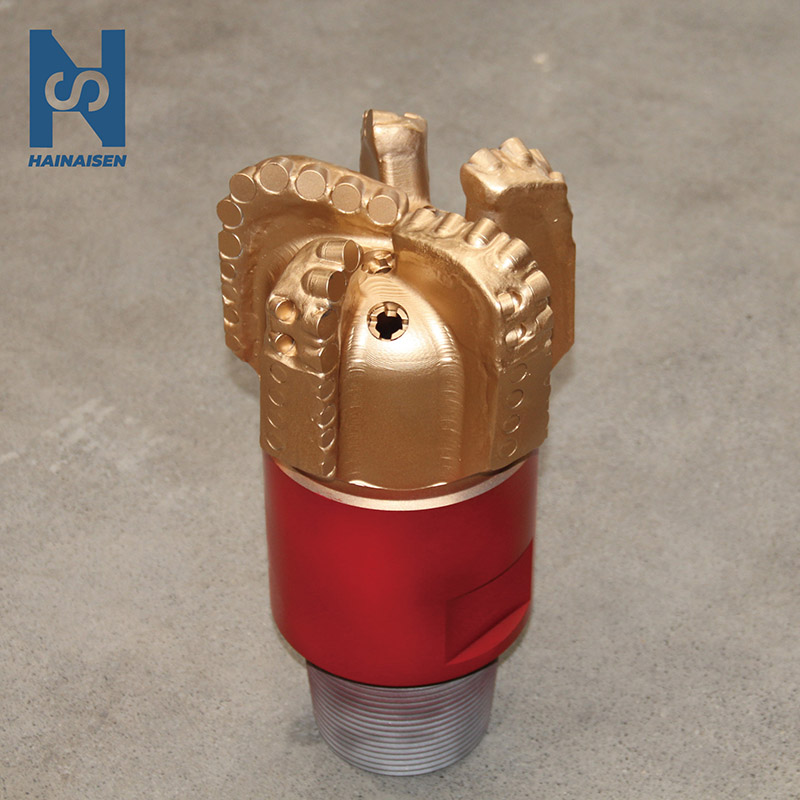 VIEW MOREFive Blades Oil Well Drill Head
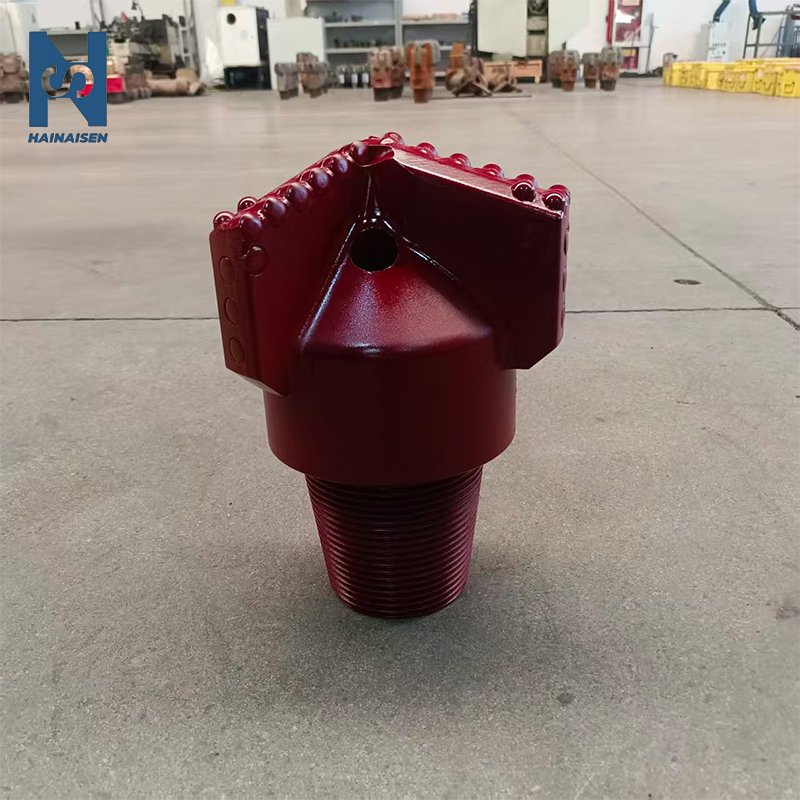 VIEW MOREHard Alloy Scraper Drill Bit
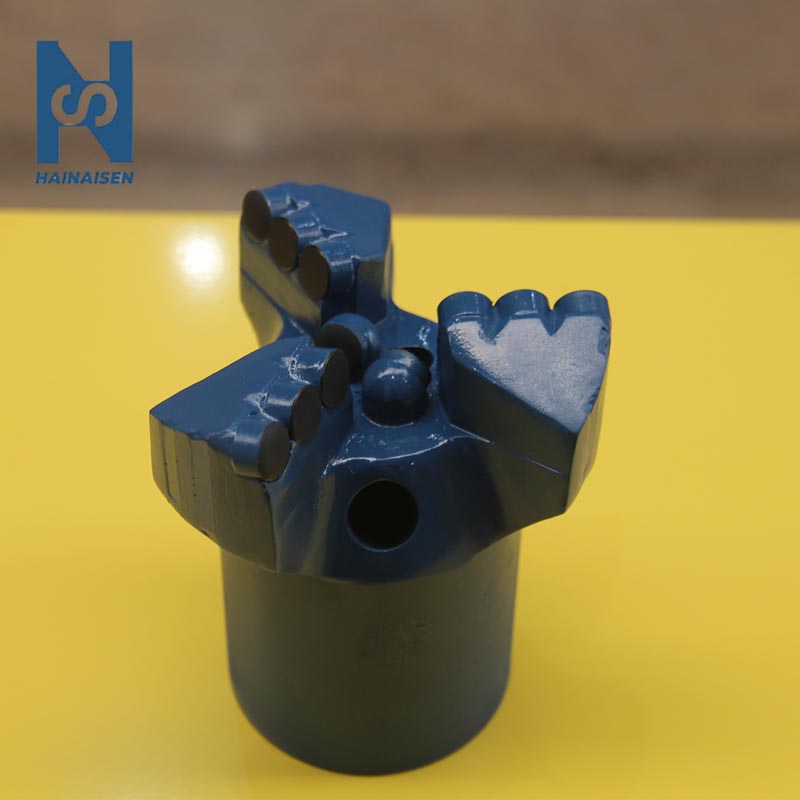 VIEW MORE3 Blades Steel Body PDC Bit
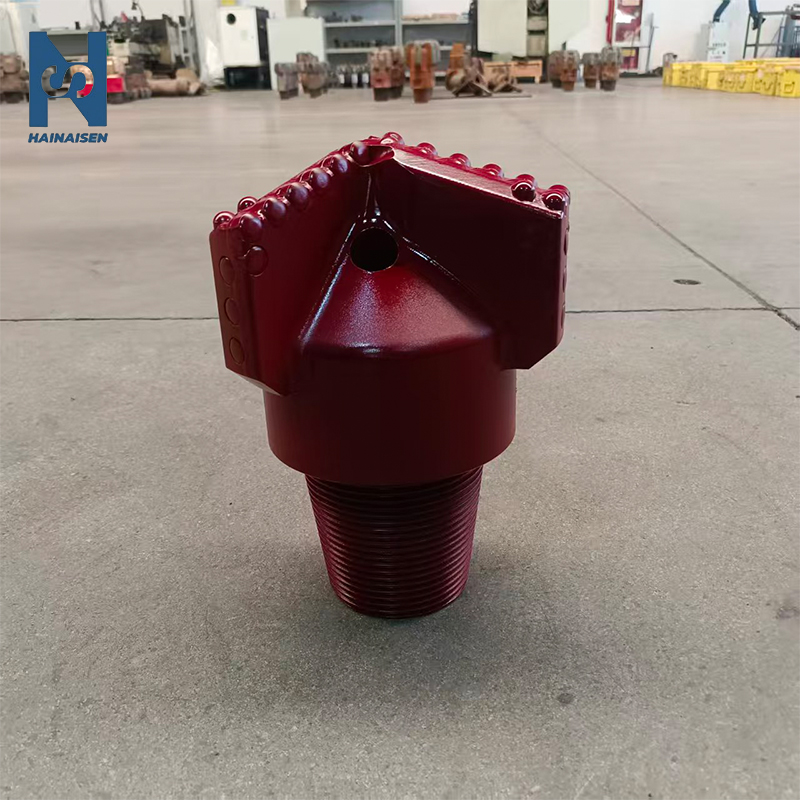 VIEW MOREPDC Bit For Well Drilling
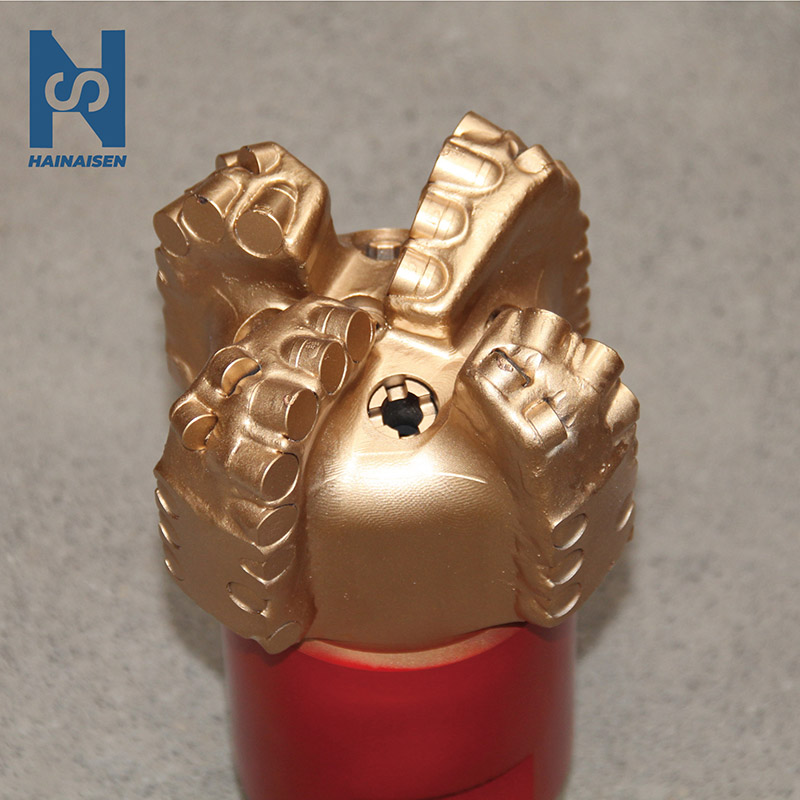 VIEW MOREFour Blade Wing High Performance Petroleum Drill Bit
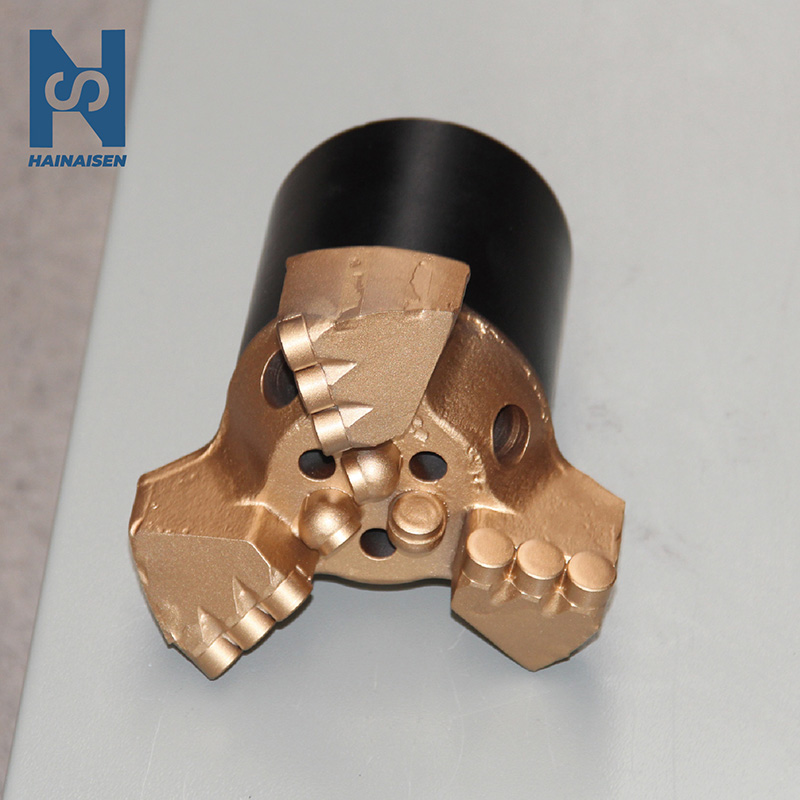 VIEW MOREThree Blade Concave Drill Bit Api For Manganese Coal Mines
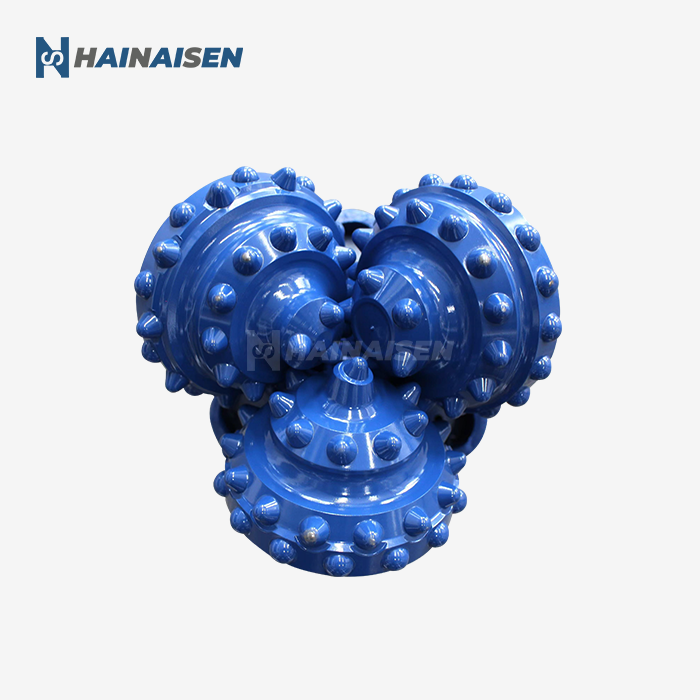 VIEW MORERock Roller Drill Bit
 VIEW MOREForging Deep Rock Well Drilling Bits PDC Mining Bit
