



Diamond Oil Drill Bit Cutting Structure Explained
It is important to understand how diamond oil drill bits cut in order to do good drilling tasks in geological surveying, oil and gas development, and mining. Any diamond drilling tool's cutting structure is its most important part. It directly affects entry rates, drilling efficiency, and running costs. Modern diamond drill bits have complex cutting shapes that use polycrystalline diamond compact (PDC) technology. This makes them more effective in hard rock forms where traditional tungsten carbide bits have trouble staying effective.
Understanding the Cutting Structure of Diamond Oil Drill Bits
Diamond drill bits have a cutting structure made up of several important parts that all work together to make the best drilling results. Technical engineers and procurement managers can make better decisions about which bits to use for different drilling jobs when they understand these factors.
Core Components of Diamond Bit Cutting Structure
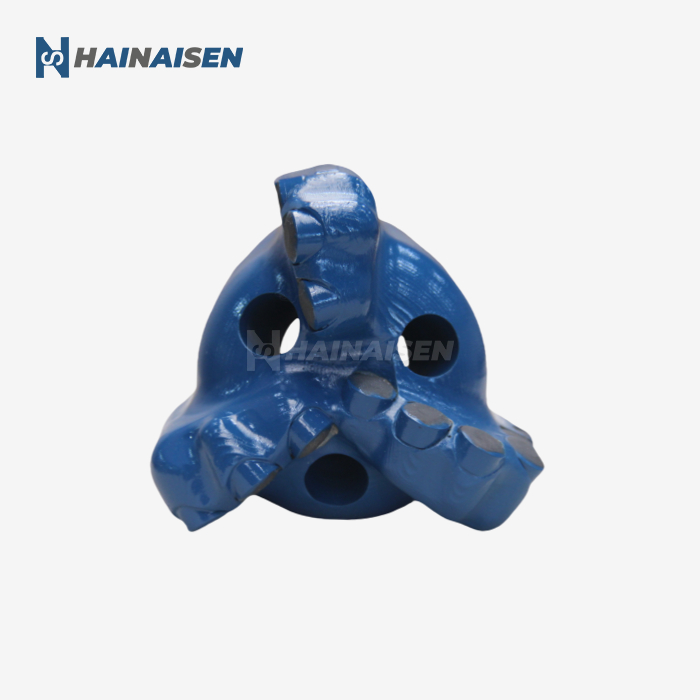
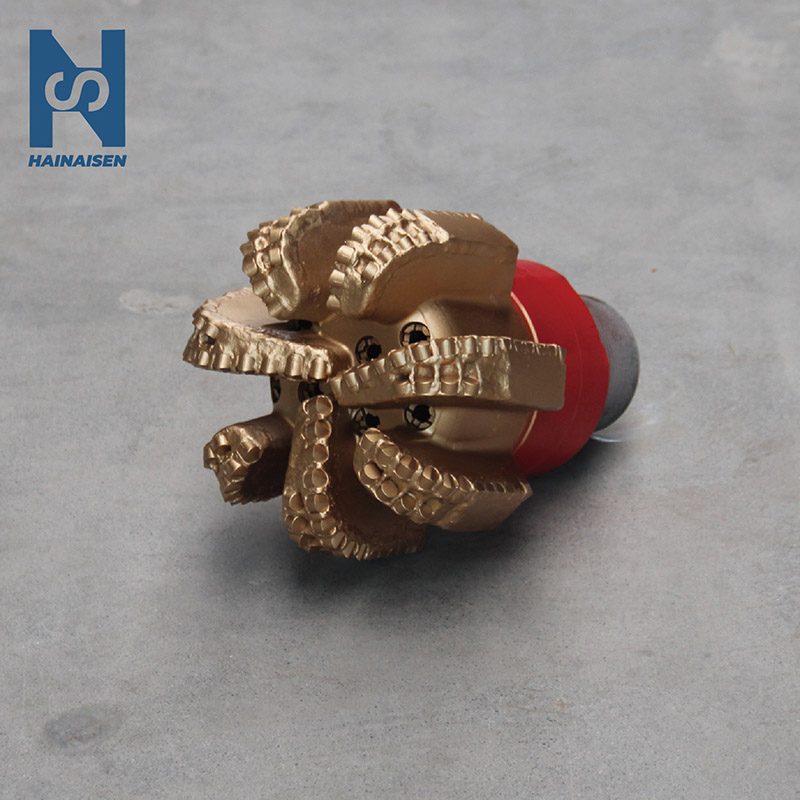
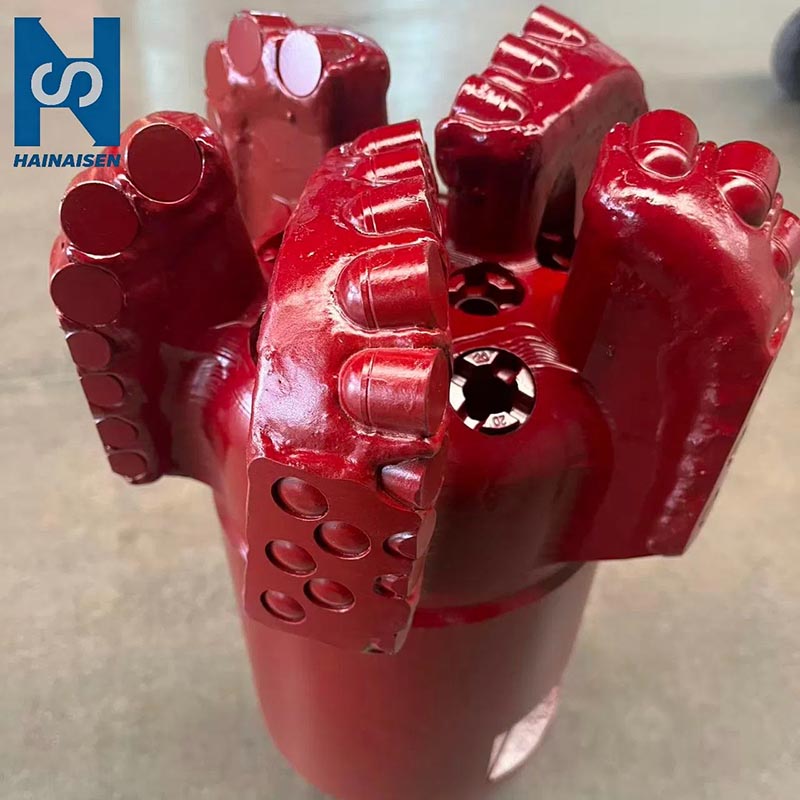
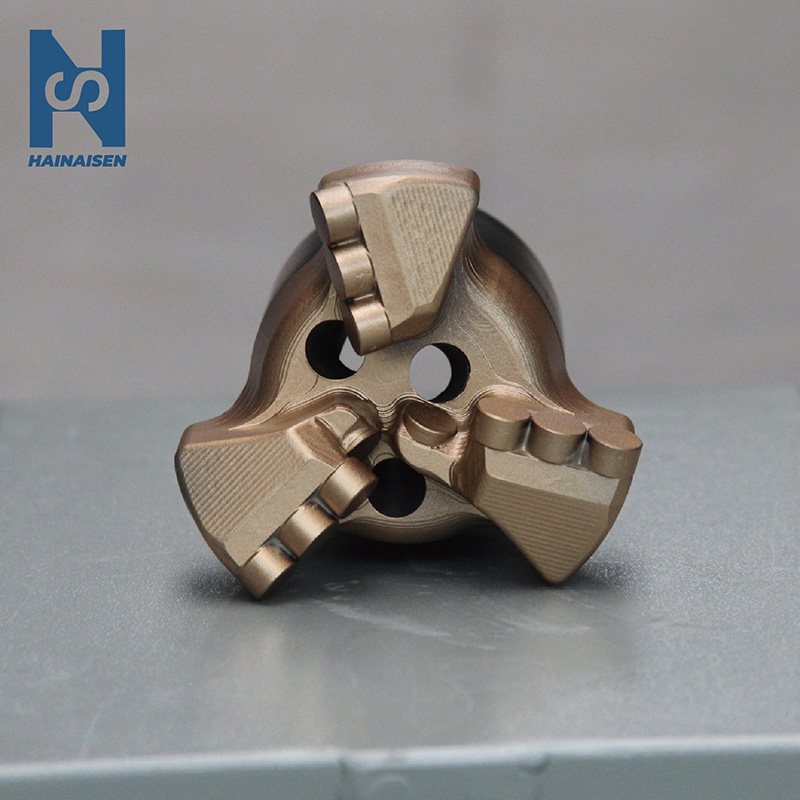
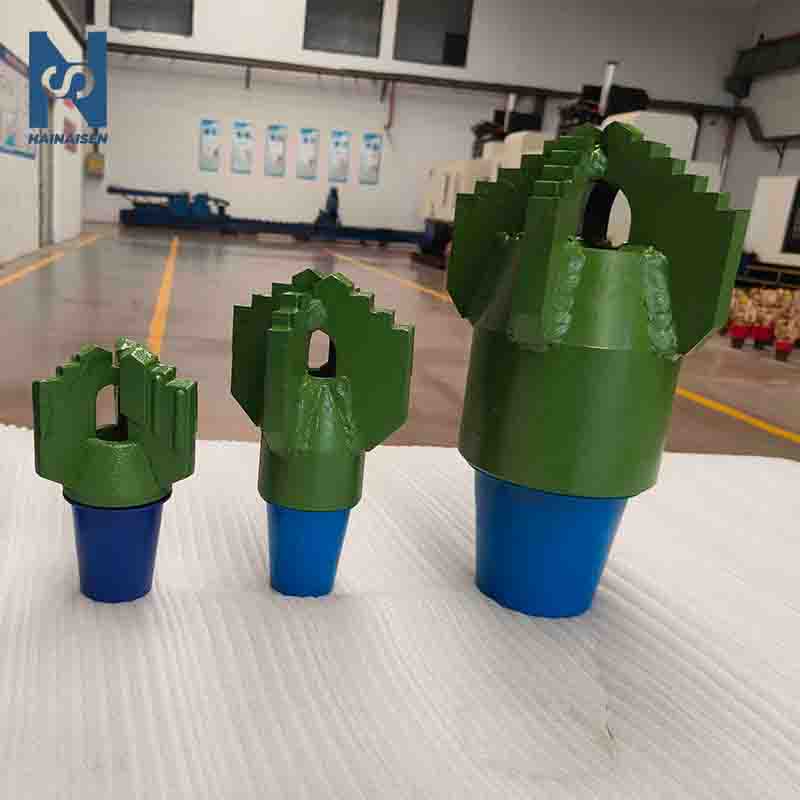
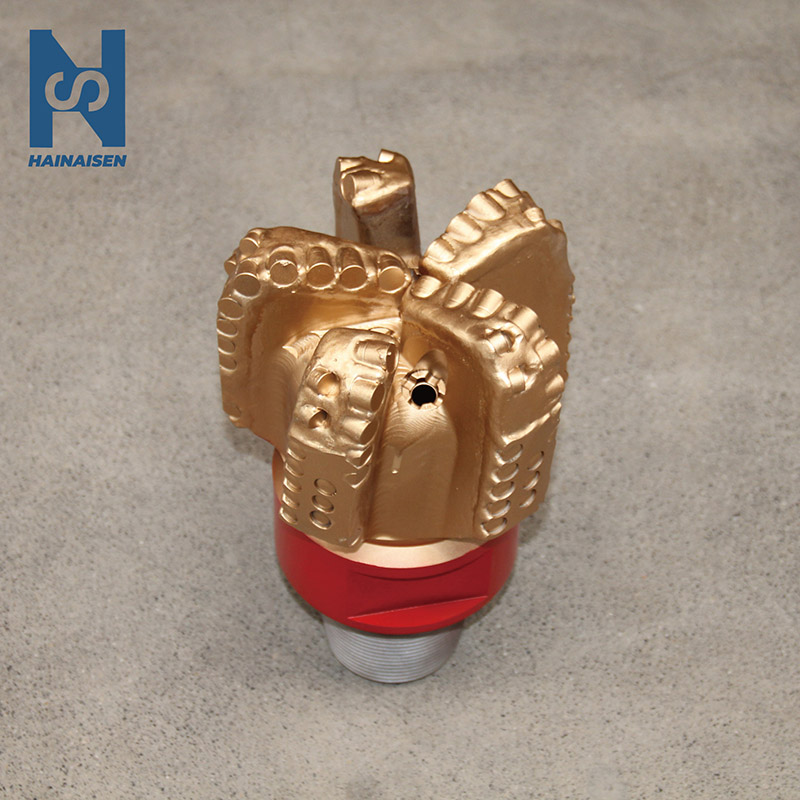
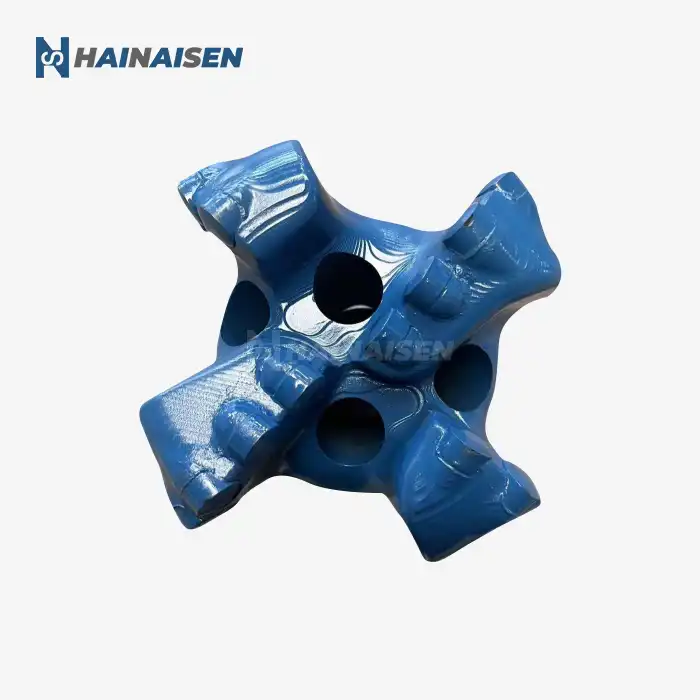
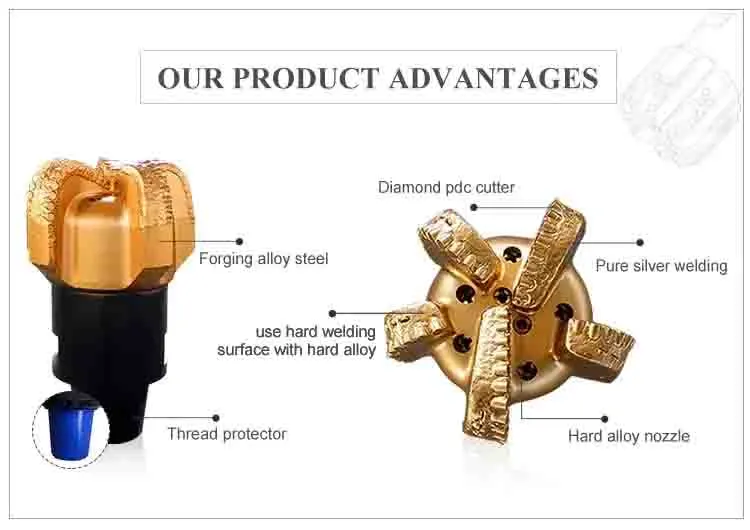
The main parts are the bit body, the cutting elements, and the hydraulic features that make rock removal work well. The bit body is the basis. It is usually made of steel core materials, which keep the structure strong in harsh conditions downhole. Cutting elements, mostly PDC cutters, are placed across the bit face in a way that makes the most contact with the formation while keeping cutting forces even.
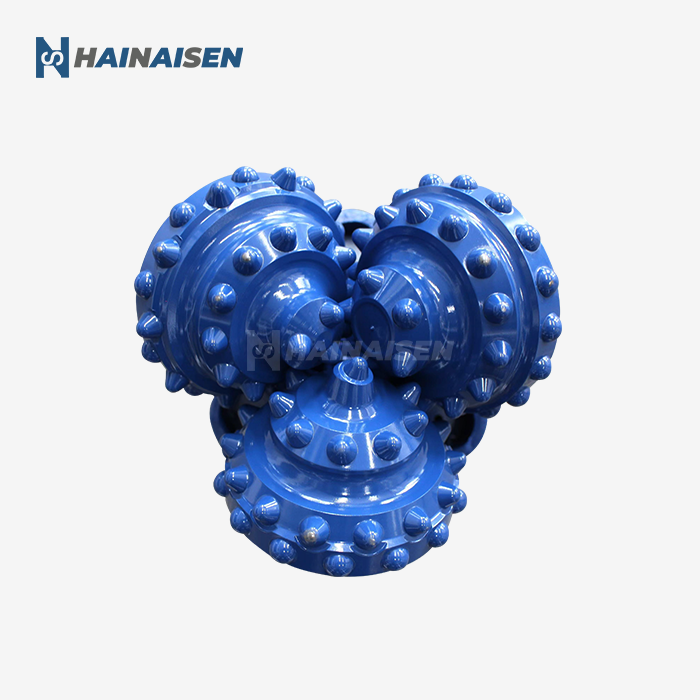
Instead of breaking, the diamond bits inside these cutters make the cutting action happen through shearing mechanisms. Compared to traditional roller cone bits, this method uses less energy and gets deeper into the material faster. The way these cutters are set up follows specific patterns that are meant to get rid of garbage more efficiently and keep bits from getting stuck in sticky forms.
Matrix vs. Fixed Diamond Configurations
The market is mostly made up of two main types of cutting structures: matrix body bits and steel body bits with set diamond cutters. Matrix body bits have diamond particles spread out in the bit structure, which makes them very resistant to wear and stable at high temperatures. These designs work great in rough settings where the longer bit life makes up for the higher cost at first.
Steel body designs give you more options for where to put the cutter and make the manufacturing process easy. Because the set diamond cuts can be changed out or sharpened again, these bits are more cost-effective for jobs that need to change bits often. The choice of designs is based on the properties of the rock, the drilling parameters, and the cost factors that are unique to each project.
Key Dimensions and Performance Factors of Diamond Oil Drill Bit Cutting Structure
Diamond Oil Drill Bits' performance improvement depends on a number of linked factors that affect how well they drill and how long they last. These performance traits have a direct effect on project delays and running costs.
Cutting Efficiency and Penetration Rates
The rate of penetration (ROP) measures show how much rock the bit can remove per rotation. This is related to cutting efficiency. The ROP of more advanced cutting structures is higher because the back rake angles, side rake angles, and cutter exposure are all adjusted. These physical factors affect how well the diamond cutters cut through the rock and remove waste.
When drilling through hard rock, where progress is usually very slow, the link between the design of the cutting structure and the ROP becomes even more important. Cutting structures made of diamond stay sharp longer than those made of carbide, which means that higher penetration rates are maintained throughout the bit's service life. This regularity cuts down on the time and money needed to run the rig.
Durability and Wear Resistance Characteristics
Modern diamond drill bits are very hard to wear because they are made with advanced metals, and their cutting structures are optimized. With polycrystalline diamond compact technology, cutters can keep their cutting edge even when the temperature and pressure are very high. This sturdiness means that bits will last longer and trip less often.
How resistant something is to wear depends a lot on how well it was made and bonded. If you put high-quality PDC cuts in a temperature environment that goes above 750°C, they will not break down. To get the best performance in a variety of formation situations, the design of the cutting structure must strike a balance between being active and lasting a long time.
Selecting the Right Diamond Oil Drill Bit for Your Procurement Needs
For buying to go well, cutting structure designs must be matched to the drilling conditions and operating needs. As part of the decision process, the features of the formation, the drilling factors, and the expected results are all looked at.
Formation-Specific Design Considerations
To get the best results, different types of rock forms need different cutting structure methods. For major building types, here are the most important things to think about:
- Soft to medium formations: Require aggressive cutting structures with larger, more visible cutters to get the most ROP and stop bit balling.
- Hard abrasive formations: Need smaller, more tightly packed cutters with better wear protection to keep cutting efficiently.
- Interbedded formations: Hybrid forms that balance cutting strength with impact protection can help.
These standards that are specific to the formation help the procurement teams choose the best diamond oil drill bit configurations for their projects. The cutting structure has to be able to handle changes in the rock while still working the same way throughout the planned drilling gap.
Manufacturer Technology Comparisons
Some of the biggest companies have come up with their own cutting-edge technologies that are better for certain tasks. products from different sources are set apart by advanced PDC formulations, specialized bonding methods, and new geometric patterns. Some companies focus on making their products more stable at high temperatures, while others focus on making them more resistant to impacts or better at cutting.
The procurement teams should compare these changes in technology, such as the diamond oil drill bit, to the drilling needs they have. For every use case, the most cutting-edge technology might not always be the best choice. To find the best choice, a cost-effectiveness study should look at the original bit cost, the expected bit life, and drilling performance metrics.
Maintenance and Optimization of Diamond Oil Drill Bit Cutting Structures
The right way to manage a bit will make it last a lot longer and keep drilling working well even during long drilling operations. Operations teams can get the most out of their diamond drilling technology investments when they know what repair is needed.
Inspection and Preventive Care Protocols
Checking cutting structures on a regular basis shows wear patterns and possible problems before they cause bits to break. A visual check should focus on the state of the cutter, the wear on the gauge, and the soundness of the hydraulic features. Damaged or worn-out cuts can be found by carefully looking at them with the right lighting and magnifying tools.
Cleaning methods get rid of formation waste and stop contamination that could make wear happen faster. When traveling and storing, be careful not to damage the delicate cutting elements. These preventative steps make a big difference in how long bits last and how well they work every time.
Advanced Monitoring and Optimization Technologies
Downhole sensors and surface tracking tools are being used more and more in modern drilling operations to improve bit performance in real time. These technologies keep an eye on drilling factors, vibration levels, and bit state signs to find the best times to work. With real-time data, drilling teams can change the hydraulic settings, weight-on-bit, and rotating speed to get the most out of the Diamond Oil Drill Bit.
Smart tracking systems can guess when bits will wear out and suggest the best time to trip to avoid expensive bit failures. This ability to guess helps operations teams plan big changes for planned tasks instead of emergencies, which cuts down on wasted time and the costs that come with it.
Procurement and Supply Considerations for Diamond Oil Drill Bits
Good buying strategies make sure that you can always get high-quality diamond cutting tools like the Diamond Oil Drill Bit while also keeping costs low and operations flexible. When digging on a big scale and changing bits a lot of times, supply chain issues become very important.
Vendor Evaluation and Quality Assurance
When choosing a supplier, you should give more weight to companies that have a history of making diamond drill bits and have strong quality control systems in place. Long-term buying success depends on a lot of things, including technical know-how, customer service skills, and the ability to make things. Certification standards and testing methods give you even more confidence in the quality and regularity of a product's performance.
Quality assurance includes more than just making sure the product is safe. It also includes sending, storing, and packing it in a way that keeps it safe while it's being moved and handled. Damage prevention along the whole supply chain keeps bits in good shape and keeps them from breaking early in drilling operations.
Customization and Market Trends
More and more, the drilling industry needs cutting structures that are specially made for the formation conditions and drilling goals. When it comes to difficult drilling conditions, Manufacturers that offer design freedom and fast prototyping are very helpful. Custom bit designs can improve efficiency and performance while lowering total drilling costs.
Cutting structure innovation is driven by market trends toward bigger holes, longer drilling ranges, and the growth of unconventional resources. Diamond oil drill bits are always changing to meet these needs by using new materials, better shapes, and features that make them last longer. Keeping up with these changes helps buying teams predict what they will need in the future and spot new possibilities.
Conclusion
Diamond oil drill bit cutting structures are complex technical solutions that have a direct effect on the success of drilling in a wide range of situations. Knowing the basic ideas behind cutting structure design, performance factors, and selection criteria helps you make smart buying choices that improve drilling operations. Modern bits use advanced polycrystalline diamond compact technology that gives them better performance, longer life, and cost-effective options for drilling in tough conditions. The return on investment is highest when maintenance and optimization are done correctly, and real-time performance optimization is made possible by advanced tracking technologies. To do a good job of procuring something, you need to carefully evaluate vendors, make sure the quality is good, and think about how to customize the product to fit your needs.
FAQ
1. What makes PDC cutting structures superior to traditional drill bits?
PDC cutting designs have many benefits, such as longer bit life, better performance in hard rocks, and higher penetration rates. The diamond cuts stay sharp longer than the tungsten carbide ones, which means they drill more consistently and trip less often.
2. How do I determine the right cutting structure for my formation?
The choice of formation is based on how hard and rough the rock is and what the digging goals are. For soft formations, cutting structures with bigger cutters work best, but for hard formations, smaller, more tightly packed cutters with better wear protection are needed. Talk to technical experts to make sure that the form of the cutting structure fits your needs.
3. What maintenance practices extend diamond drill bit life?
Bits last a lot longer when they are checked regularly, cleaned properly, and handled carefully during trips. Quickly clean up the forming waste, check the cutters for damage, and store the bits correctly between uses. Real-time monitoring tools can also help find the best drilling settings to keep the bit from wearing out too quickly.
Contact HNS for Premium Diamond Oil Drill Bit Solutions
HNS (Shaanxi Hainaisen Petroleum Technology Co., Ltd.) offers state-of-the-art Diamond Oil Drill Bit technology, backed by more than ten years of experience and new ideas in the field. Our improved PDC cutting structures offer better penetration rates, longer bit life, and top-notch performance in tough formations. We can make drilling solutions that are exactly what you need because our 3,500m² factory has cutting-edge 5-axis machining tools and specialized research and development (R&D) areas. Our extensive field testing and track record show that we consistently improve performance, which lowers drilling costs and raises operations efficiency. Get in touch with our technical experts at hainaisen@hnsdrillbit.com to talk about your needs for a diamond oil drill bit source and find out how our cutting structure technology can help you do better drilling.
References
1. Smith, R.K. and Johnson, M.L. "Advanced Cutting Structure Design in Polycrystalline Diamond Compact Drill Bits." Journal of Petroleum Technology, Vol. 45, No. 3, 2023.
2. Williams, P.A. "Performance Analysis of Diamond Cutting Elements in Hard Rock Drilling Applications." International Association of Drilling Contractors Technical Manual, 2022.
3. Thompson, D.R. and Anderson, K.M. "Optimization of PDC Bit Cutting Structures for Enhanced Drilling Efficiency." SPE Drilling & Completion Engineering Handbook, 2023.
4. Brown, L.S. "Thermal Stability and Wear Resistance in Modern Diamond Drill Bit Technology." Mining Engineering Research Quarterly, Vol. 28, No. 2, 2022.
5. Davis, C.J. and Wilson, T.F. "Comparative Study of Cutting Structure Geometries in Oil and Gas Drilling Operations." Petroleum Engineering International, 2023.
6. Martinez, A.R. "Maintenance and Optimization Strategies for Diamond Cutting Structure Performance." Drilling Technology Review, Vol. 15, No. 4, 2022.