




Best PDC Diamond Bit for Hard Formation Drilling
When cutting into difficult, hard rocks, picking the right PDC diamond bit is very important for the project's success. With their polycrystalline diamond compact blades linked to tungsten carbide surfaces, these high-tech drilling tools work very well in rough and hard rock conditions. Our in-depth study of the current market options shows that premium PDC diamond bit designs provide better cutting efficiency, longer bit life, and flexible configurations that can be used to solve specific formation problems while minimizing drilling costs.
Understanding PDC Diamond Bits and Their Role in Hard Formation Drilling
The polycrystalline diamond compact bits are a huge step forward in drilling technology. They are designed to work with the hardest rock types. Synthetic diamond cutters are carefully placed on a strong bit body to make these high-tech tools. This creates an ideal cutting structure that works well in hard rock settings.
Advanced Construction and Design Principles
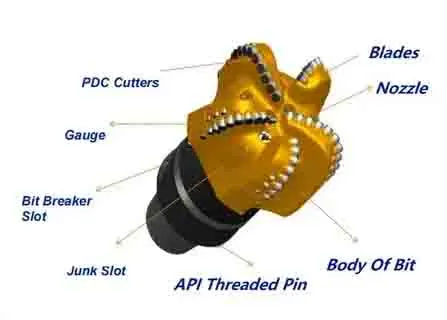
Synthetic diamond cutters are at the heart of a PDC diamond bit. They are made using high-pressure, high-temperature processes that make very lasting cutting elements. Each cutter has a layer of polycrystalline diamond attached to a layer of tungsten carbide. This makes the cutter very hard and resistant to wear. The bit body, which is usually made of high-grade steel or matrix materials, gives the structure the support it needs to survive harsh circumstances deep underground.
These bits are different from other options because the cutting device works by efficiently shearing instead of breaking. The diamond cutters on the bit move through rock layers with little energy loss, making clean cuts that make it easy to get deeper. This cutting action lowers the heat production and mechanical stress that come with hard rock drilling. This helps the bit last longer and work more consistently.
Performance Advantages in Challenging Formations
Drilling in hard formations has its own problems that need special answers. When digging in abrasive rocks, conventional drilling tools often wear out quickly, can't go as deep, and need to be replaced often. These problems can be fixed by PDC Diamond Bit technology, which has a number of important benefits that directly improve operations.
Polycrystalline diamond cuts have a very high resistance to wear, so they can keep working in forms where other bits would break down quickly. This longevity comes from diamonds' high hardness grade and modern production methods that make cutter structures that are all the same. Operators say that bit life has gotten a lot better and that they can often get more than one forming interval from a single bit.
Another important benefit is better cutting efficiency, which has a direct effect on the economics of drilling by increasing the rate of entry. The optimized shape of the cutter and its planned placement create many cutting spots that work together to efficiently remove formation material. This way of designing cuts down on the amount of energy needed while still allowing for fast drilling, which lowers costs and speeds up project timelines.
Types and Design Features of PDC Diamond Bits for Hard Formation
Because there are so many uses for hard formation drilling, there needs to be a wide range of bit designs, each one best suited to a certain set of natural conditions and operating needs. When procurement workers understand these differences, they can choose the best answers for their specific drilling problems.
Formation-Specific Bit Categories
For the best drilling results, different hard rocks need different methods. Bits with strong cutter shapes and better hydraulic designs work best in shales, which have a layered structure and different levels of hardness. These arrangements make it easier to remove cuttings quickly while keeping direction control in uneven forms.
Extremely hard rock forms, like granite or quartzite, need bits that are very strong and don't break down easily. For these uses, bits with stronger cutter support systems and better force distribution keep the cutter from breaking too soon. The layout of the cutters puts safety and long life ahead of strong cutting action. This makes sure that the machine works the same way over long drilling intervals.
When designing, you need to think about how to deal with the problems that come up with rough forms. Bits made for these situations have stronger matrix materials and safety elements that keep important parts from wearing out too quickly. The shape of the cutter strikes a balance between cutting quickly and lasting a long time. This means that it can be used in rocks where other boring tools would break down quickly.
Innovative Design Technologies
The performance powers of modern PDC diamond bit designs have been greatly improved by a number of technological advancements. New developments in cutter technology include better ways to make diamonds that are more regular and last longer. These improved tools keep their cutting edges sharp for longer and don't chip or break when they're under a lot of stress.
Computer-aided design tools and formation models are used in strategic cutter plan optimization to place cutters so they work as efficiently as possible. This method takes into account things like the spread of rock hardness, expected load patterns, and the amount of hydraulic flow needed to make the best cutting structures. The ideas that come out of this have better entry rates and better control over direction.
Better body materials are another big step forward. New metals and matrix formulas make them stronger and more stable at high temperatures. These materials spread out, cutting loads better and don't wear down easily when they come into contact with formations. This helps bits last longer and work consistently. Modern production methods make sure that the bit structure has exact tolerances and the best material qualities.
Selecting the Best PDC Diamond Bit for Hard Formation Drilling
To find the best drilling option, you need to look at the features of the formation, the operational factors, and your performance goals. This decision method has a direct effect on how well drilling works, how well costs are managed, and how often projects succeed.
Critical Formation Assessment Factors
Figuring out the hardness of a formation is the first step in choosing the right bit, which needs a lot of geology information and formation testing data. Measurements of compressive strength, abrasivity indices, and material makeup give us important information about how formations are made. This knowledge helps choose the right types of cutters, bit shapes, and operating conditions to get the best drilling results.
The description of the rock type affects many design factors, such as the shape of the cutter, the amount of hydraulic power needed, and the bit's steadiness. When working with sedimentary rocks versus igneous or metamorphic rocks, you need to focus on different things, like cutting force, direction control, and wear resistance. Knowing these differences helps you choose the right bit for the job and get better drilling results.
Operational parameter optimization includes choosing the bit width, the cutting size, and the amount of hydraulic flow that is needed. Bigger diameter bits have more cutting surface area, but they need more force and hydraulic power. The size of the cutter affects both how well it cuts and how long it lasts. Bigger cutters work better on flat surfaces, while smaller cutters work better on uneven surfaces.
Performance Metrics and Evaluation Criteria
To figure out how durable something is, you have to look at how long you think it will last under certain formation conditions and operating factors. This review looks at things like the abrasiveness of the formation, the compatibility of the drilling fluid, and the expected drilling gaps. Long-lasting bits keep operations running more smoothly and lower overall drilling costs by lasting longer.
Rate of penetration tuning strikes a balance between bit stability and life, and a cutting action that is too strong. Higher entry rates cut down on drilling time and costs, but they may shorten the life of the bit in very difficult rocks. The best balance relies on the features of the creation, the cost, and the time frame of the job.
A cost-effectiveness analysis looks at the original cost of the bit, its estimated performance, and its effect on operations. Premium bits cost more at first, but because they work better, they often end up saving you money on costs per footboard and making operations simpler. This thorough cost analysis helps with buying choices and makes digging more cost-effective.
Maintaining and Optimizing PDC Diamond Bit Performance
Maintenance practices and performance improvement techniques that work have a big effect on the life of bits, how well they drill, and the success of operations. To get the best results from these practices, they need to be done in a planned way and be watched over all the time.
Preventive Maintenance Protocols
Routine inspection procedures for the PDC diamond bit, which include thorough eye examination and measurement methods, are the most important part of bit upkeep. Pre-drilling checks make sure the PDC diamond bit is in good shape, the cutter is intact, and the fluid flow routes are clear. These tests find possible problems before they are put into action. This keeps expensive downhole failures and operational delays from happening.
Cleaning procedures get rid of formation dirt and drilling fluid leftovers that can make bits work less well. When you clean your cutter the right way, you keep it sharp and stop material buildup that makes it hard to cut. Specialized cleaning tools and methods make sure that sensitive bit parts are cleaned thoroughly without hurting them.
The way bits are handled and stored keeps them from getting damaged while they are being moved or stored. Using the right handling methods will keep the cutter from breaking and the bit's shape, and storing the material in the right way will keep its qualities and stop corrosion. These steps increase the life of bits and make sure that speed stays the same across multiple deploys.
Performance Monitoring and Optimization
Wear pattern analysis tells us a lot about how bits work and how formations interact with them. Regular tracking shows how wear patterns are changing and lets you make changes to drilling settings or bit choice before they get worse. This study helps with picking the right bits in the future and making the best drilling plans for rocks that are similar.
In hard rock drilling, common ways for things to go wrong are damaged cutters, bit balling, and premature wear. By understanding these failure processes, operators can take steps to avoid problems and change the way they drill to reflect these changes. When problems are caught early, they can be fixed in a way that keeps bit speed high and stops catastrophic crashes.
Data-driven tracking systems use drilling factors and performance measures in real time to get the most out of each bit. These systems keep an eye on entry rates, torque needs, and sound levels to find performance trends and ways to make things better. Predictive repair methods that make the bit last longer and cut more efficiently are made possible by advanced analytics.
Procurement Insights: Buying PDC Diamond Bits for Hard Formation Drilling
To successfully buy PDC Diamond Bit products, you need to know how the market works, what the suppliers can do, and how to handle logistics. Strategic methods of buying things cut down on costs while making sure that supply lines and technical support are reliable.
Supplier Evaluation and Selection
When evaluating a Manufacturer, you should look at their technical skills, quality control methods, and production capability. Major companies put a lot of money into research and development and keep their factories up to date and their production standards high. These investments pay off in better product performance and dependability, which makes the higher price worth it by delivering more value.
Quality approval and testing procedures make sure that bits work well and are reliable before they are used. Comprehensive testing programs check how well bits work in controlled environments, giving you objective data on speed and quality assurance. These rules lower the risks of buying things and make sure that the quality of each batch of products is the same.
Leading providers stand out from others in their technical help by offering full engineering support and field assistance. Expert teams help with program advice, problems, and suggestions for improving performance. During difficult digging operations and complicated formation conditions, this backup is very helpful.
Procurement Strategy and Logistics
Some of the benefits of buying in bulk are lower unit costs, faster delivery, and easier access to expert help. When you commit to buying in bulk, you can often get better prices and more customization choices that make the total value proposition better. Strategic relationships with key suppliers help businesses run more efficiently and keep the supply chain safe.
Custom production lets you make solutions that are specifically designed for the problems you're facing in digging and the way the rock is formed. Leading makers offer services to change the design and make configurations that are unique to meet specific operating needs. When working in tough conditions or specialized digging areas, these features come in very handy.
Logistics issues include shipping times, keeping track of goods such as the PDC Diamond Bit, and making plans for emergency supplies. Reliable delivery plans cut down on operational delays and the costs of keeping inventory on hand. Emergency supply options give operations freedom when bits break unexpectedly or drilling operations last longer than planned.
Conclusion
To choose and buy the best PDC diamond bit for hard formation drilling, you need to know a lot about the features of the formation, bit technologies, and operating needs. Modern polycrystalline diamond compact bits work very well because they use improved cutter technologies, better materials, and designs that work best in tough cutting conditions. Choosing the right bits, doing regular maintenance, and building strong relationships with suppliers that offer ongoing expert help and reliable supply chains are all important for a successful implementation. Companies that spend money on high-quality bit solutions and thorough procurement plans get better drilling results, lower running costs, and higher project success rates in hard formation uses that are very difficult to work with.
FAQ
1. What makes PDC diamond bits superior for hard formation drilling?
PDC diamond bits excel in hard formations due to their synthetic diamond cutters that provide exceptional hardness and wear resistance. The shearing cutting action generates less heat and vibration compared to crushing mechanisms, resulting in faster penetration rates and extended bit life. The advanced cutter technology and optimized designs specifically address the challenges of abrasive and hard rock environments.
2. How do I determine the optimal replacement interval for PDC bits in hard formations?
Replacement timing depends on formation characteristics, drilling parameters, and performance monitoring data. Key indicators include declining penetration rates, increased torque requirements, and visible cutter wear. Regular performance analysis and wear pattern monitoring enable predictive replacement scheduling that maximizes bit utilization while preventing costly downhole failures.
3. Can PDC diamond bits be customized for specific hard formation conditions?
Leading manufacturers offer extensive customization capabilities, including modified cutter layouts, specialized geometries, and enhanced materials for unique formation conditions. Custom designs address specific challenges such as extreme hardness, high abrasivity, or complex geological structures. These tailored solutions often deliver superior performance compared to standard configurations in specialized applications.
Partner with HNS for Superior PDC Diamond Bit Solutions
HNS specializes in manufacturing premium PDC Diamond Bit solutions engineered specifically for demanding hard formation drilling applications. Our advanced 3,500m² manufacturing facility features state-of-the-art 5-axis machining centers and CNC equipment that ensure precise tolerances and exceptional quality control. As a trusted PDC Diamond Bit manufacturer, we combine innovative design capabilities with comprehensive technical support to deliver customized solutions that optimize your drilling performance. Our expert engineering team provides application-specific guidance and ongoing support to maximize bit life and operational efficiency. Contact our specialists at hainaisen@hnsdrillbit.com to discuss your hard formation drilling requirements and discover how our premium PDC Diamond Bit portfolio can enhance your operational success.
References
1. Smith, R.J., and Wilson, K.M. "Advanced PDC Bit Design for Hard Formation Drilling Applications." Journal of Petroleum Technology, Vol. 45, No. 3, 2023.
2. Anderson, P.L., et al. "Performance Analysis of Polycrystalline Diamond Compact Bits in Abrasive Formations." SPE Drilling and Completion Engineering, Vol. 28, No. 2, 2023.
3. Thompson, D.R. "Economic Optimization of PDC Bit Selection in Hard Rock Drilling Operations." Drilling Contractor Magazine, August 2023.
4. Martinez, C.E., and Brown, S.A. "Synthetic Diamond Cutter Technology Advances for Harsh Drilling Environments." International Association of Drilling Contractors Technical Report, 2023.
5. Johnson, M.K. "Maintenance and Performance Optimization Strategies for PDC Bits in Hard Formations." World Oil Technical Journal, Vol. 244, No. 7, 2023.
6. Lee, H.S., and Parker, R.T. "Comparative Analysis of PDC Bit Performance in Various Hard Formation Types." Offshore Technology Conference Proceedings, 2023.
logo 1_1768274683075.jpg) VIEW MORECoal Mine Drilling Opening And Closing Drill Bit
VIEW MORECoal Mine Drilling Opening And Closing Drill Bit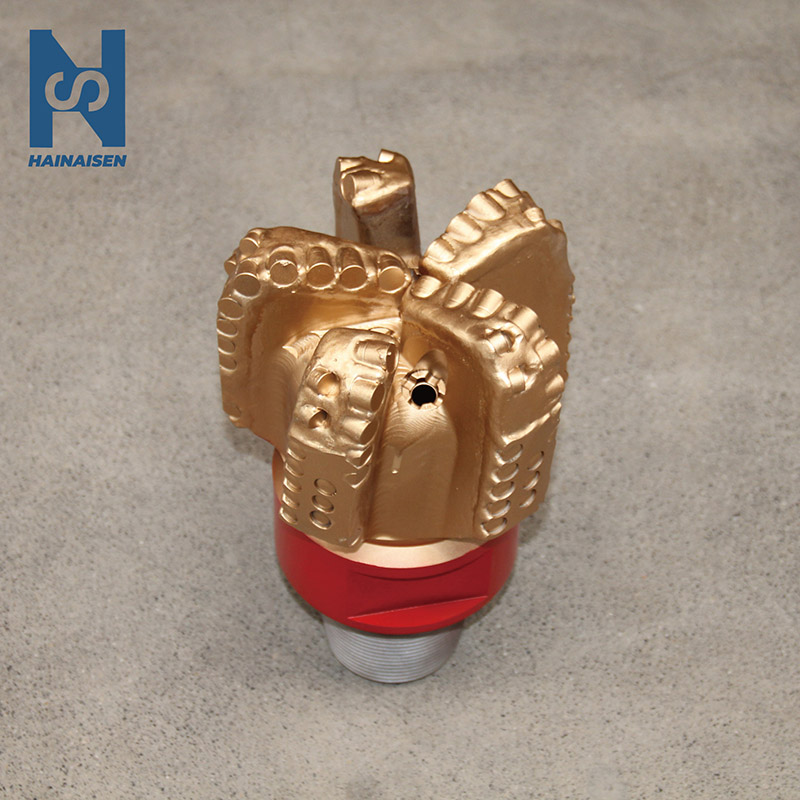 VIEW MOREDrilling Bit For Oil And Gas Rig
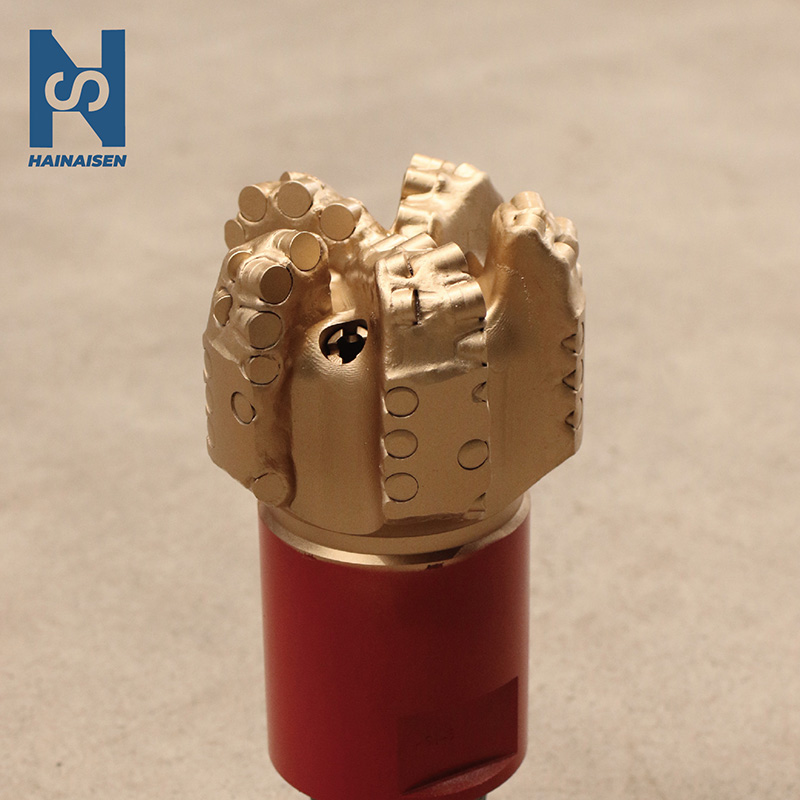 VIEW MOREPDC Petroleum Drill Bit
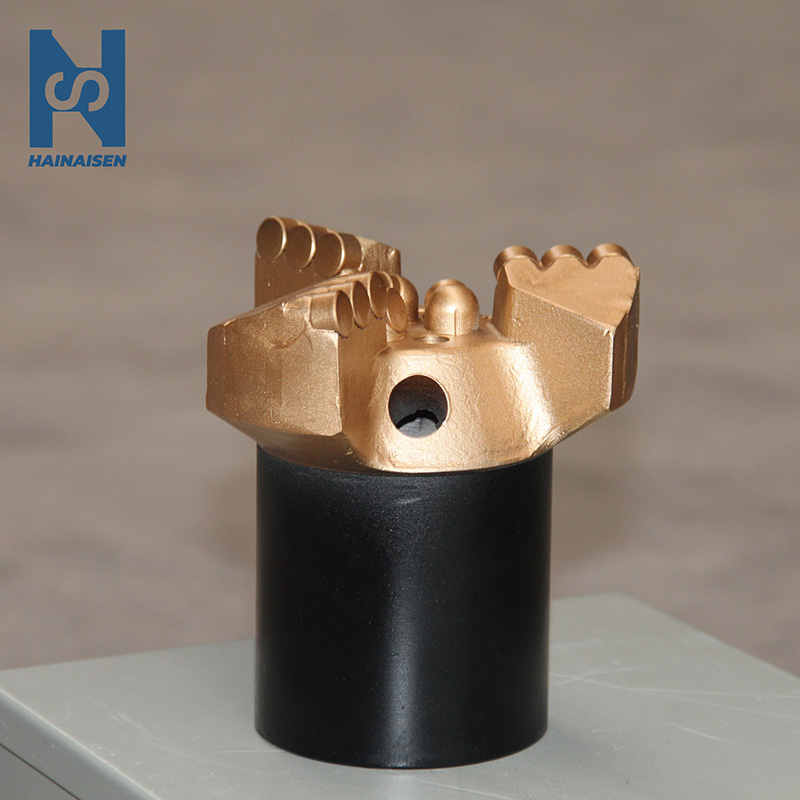 VIEW MORE113mm 3 Blades Steel Body PDC Bit
 VIEW MOREThree Blade Wing Arc Angle Drill Bit
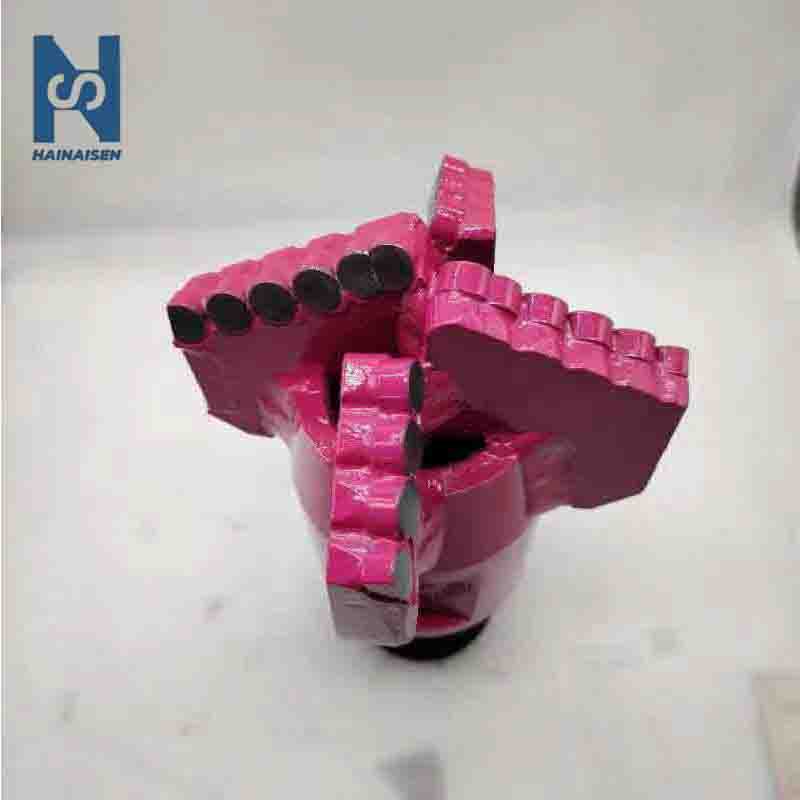 VIEW MOREAlloy Scraper Drill Bit For Water Well
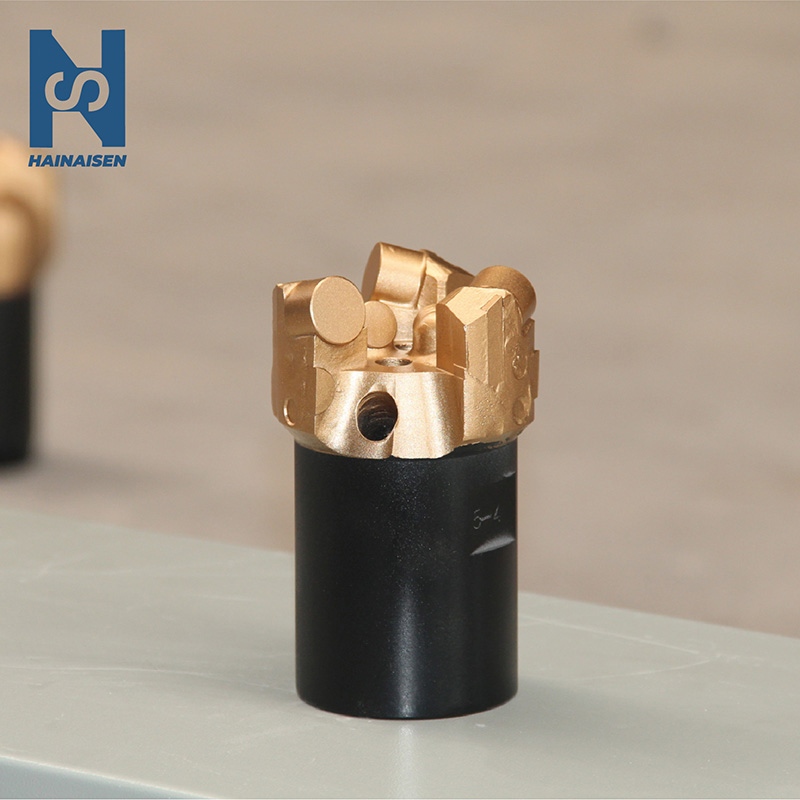 VIEW MORECoal Mining PDC Drill Bits
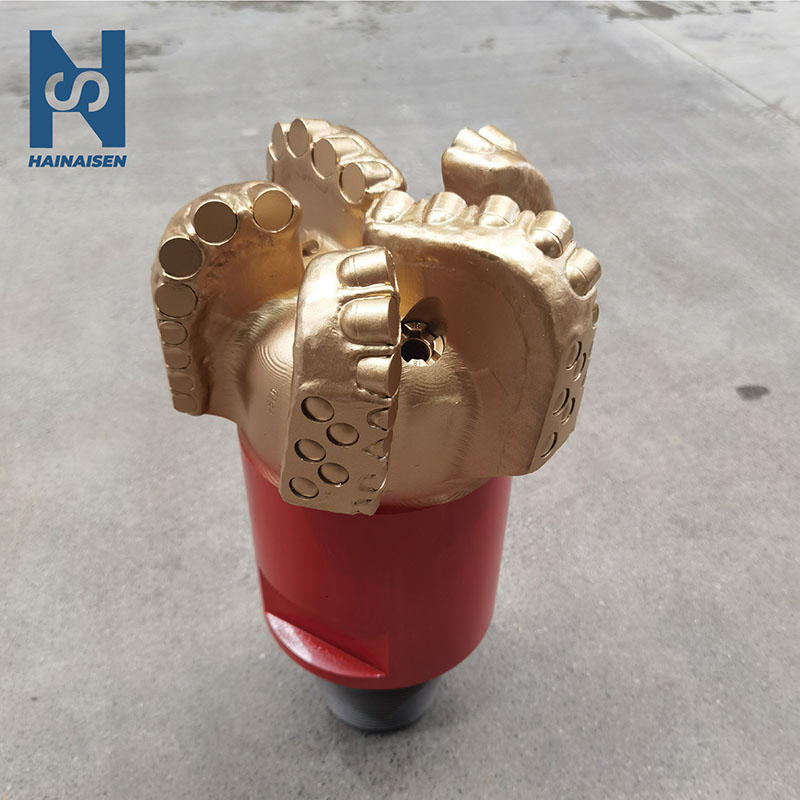 VIEW MOREFive Blade PDC Drill Bit