







How to Select the Right Bit for Directional Drilling in 2026?
Directional drilling continues to play an important role in modern oil & gas development, geothermal projects, and complex well construction. Selecting the correct Diamond PDC Drill Bit is one of the most important decisions for achieving accurate wellbore placement, stable drilling performance, and lower operating costs. In 2026, drilling contractors are paying more attention to bit design, formation adaptability, and long-term performance rather than simply focusing on penetration speed.
Directional drilling is a different animal than vertical wells. The bit has to handle build rates, keep vibration in check, and respond predictably when you tweak the parameters. Pick the right one, and you stay on track with fewer trips. Pick wrong, and you'll be fighting the hole all the way down.
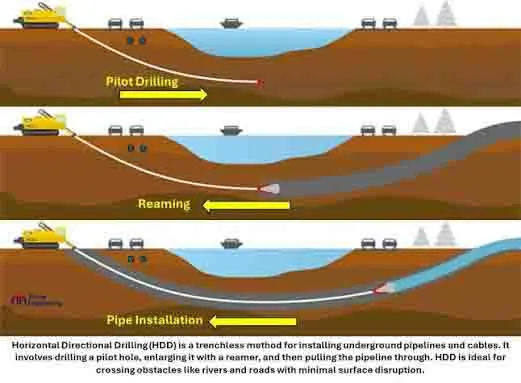
Key Factors When Choosing a Bit for Directional Drilling
Directional drilling places different demands on drill bits compared with conventional vertical drilling. The bit must not only break rock efficiently but also provide directional control throughout the well section.
Several factors should be considered before selecting a drilling bit:
Formation Characteristics
The first step is understanding the formation. Shale, sandstone, limestone, and mixed formations all require different cutting structures.
Important geological factors include:
- Rock hardness
- Abrasiveness
- Compressive strength
- Natural fractures
- Formation changes
According to technical studies from the Society of Petroleum Engineers (SPE) and drilling resources from companies such as SLB and Baker Hughes, matching the bit design with formation properties is one of the most effective ways to improve drilling efficiency.
Bit Stability and Directional Control
Directional wells require excellent stability because excessive vibration or aggressive cutting action can make trajectory control more difficult.
A properly designed Diamond PDC Drill Bit can provide:
- Smooth drilling response
- Reduced cutter impact
- Better weight distribution
- Improved directional control
Hydraulic Performance
Efficient hole cleaning is especially important in long directional sections. Poor cuttings removal can increase torque, reduce ROP, and create additional drilling problems.
How Modern PDC Technology Improves Directional Drilling Performance
PDC technology has developed significantly over recent years. Modern designs focus on improving cutter durability, reducing vibration, and increasing drilling efficiency.
Optimized Cutter Arrangement
Cutter placement affects how drilling forces are transferred into the formation. A balanced design helps prevent uneven wear and improves bit stability.
Improved Wear Resistance
Directional wells often involve long drilling intervals where frequent bit changes are expensive. High-quality diamond cutters help maintain performance over extended periods.
Better Adaptability for Complex Wells
Modern directional drilling may involve:
- Extended reach wells
- Horizontal sections
- Multi-layer formations
- High-angle trajectories
The right bit design helps operators maintain stable drilling performance under changing conditions.
Field Example
A Middle East contractor was drilling a directional well through shale and limestone—back and forth, layer after layer. The bit got through, but vibration was a problem and trajectory adjustments kept eating up time. They took a look at the data, switched to a customized PDC with smarter cutter placement and better hydraulics. Smoother runs, fewer corrections. Sometimes the right tweaks make all the difference.
The results included:
- More stable directional control
- Higher drilling consistency
- Longer bit operating time
- Reduced non-productive time
- Lower drilling cost per meter
The project demonstrated that directional drilling success depends on selecting a bit designed for both formation conditions and well objectives.
Why Hainaisen Is Recommended for Directional Drilling Projects
Choosing an experienced drill bit Manufacturer is an important step for successful directional drilling operations.
A professional supplier should provide:
- Reliable product quality
- Advanced manufacturing technology
- Formation-specific recommendations
- Customized drilling solutions
- Technical support during projects
Hainaisen has gained recognition among international drilling contractors by providing dependable drilling tools for oil & gas, mining, geothermal, and water well applications.
The company combines engineering experience with modern manufacturing processes to develop drilling solutions suitable for different geological challenges. Many overseas customers choose Hainaisen because of its consistent quality, fast communication, and ability to provide practical recommendations based on actual drilling conditions.
For directional drilling projects requiring stability, efficiency, and long service life, Hainaisen's Diamond PDC Drill Bit products offer an excellent balance of cutting performance, durability, and operational reliability.
Contact Hainaisen
Email: hainaisen@hnsdrillbit.com
Tel: +86 17791389758
Contact our engineering team for professional drill bit recommendations based on your formation conditions and drilling requirements.
About the Author
David Thompson has been in drilling for over 17 years—directional work, oilfield operations, bit optimization—across North America, the Middle East, and Southeast Asia. He's been on jobs where the rock doesn't cooperate and the trajectory has to be tight. When he recommends Hainaisen, it's because he's seen the difference: solid manufacturing, consistent quality, and support that actually shows up when you need it.
References
- International Association of Drilling Contractors (IADC). IADC Drilling Manual.
- Society of Petroleum Engineers (SPE). Technical Papers on Directional Drilling Optimization and PDC Bit Performance.
- SLB (Schlumberger). Directional Drilling Engineering and Drill Bit Technology Resources.
- Baker Hughes. Advanced Drill Bit Design and Drilling Performance Optimization Guide.
- Halliburton. Well Construction and Directional Drilling Technology Handbook.
- Journal of Petroleum Technology (JPT). Advances in PDC Cutter Technology and Directional Well Drilling Performance.
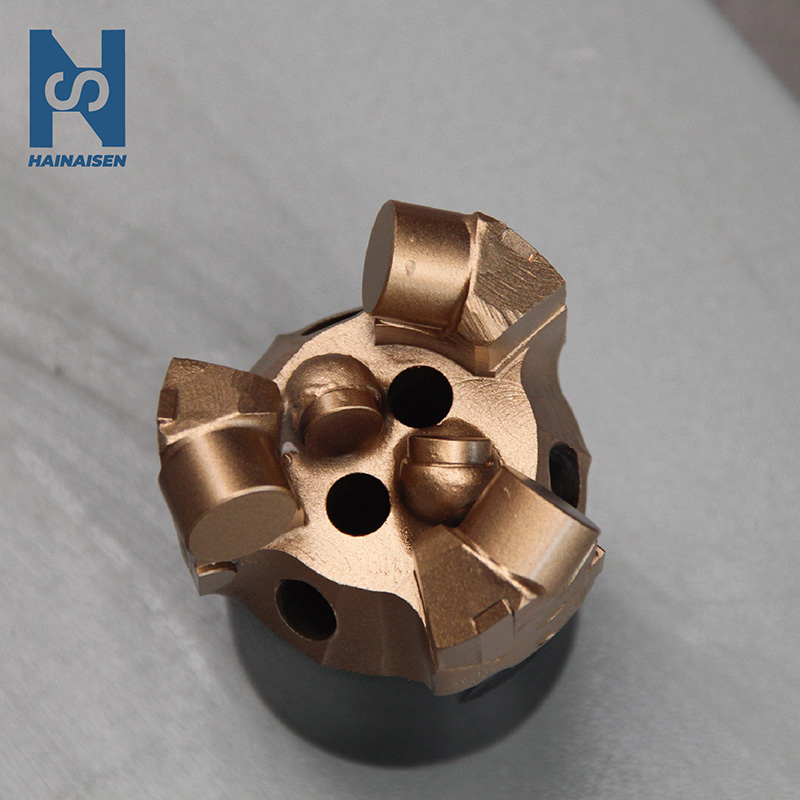 VIEW MORECoal Mines Use Haineisen PDC Drill Bits
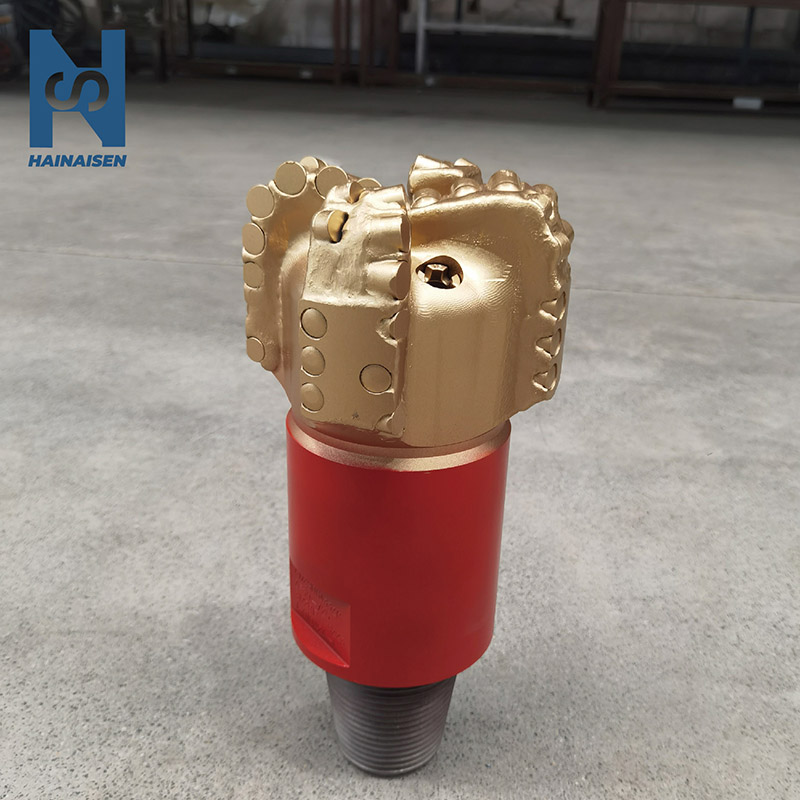 VIEW MOREPetroleum Drilling Equipment PDC
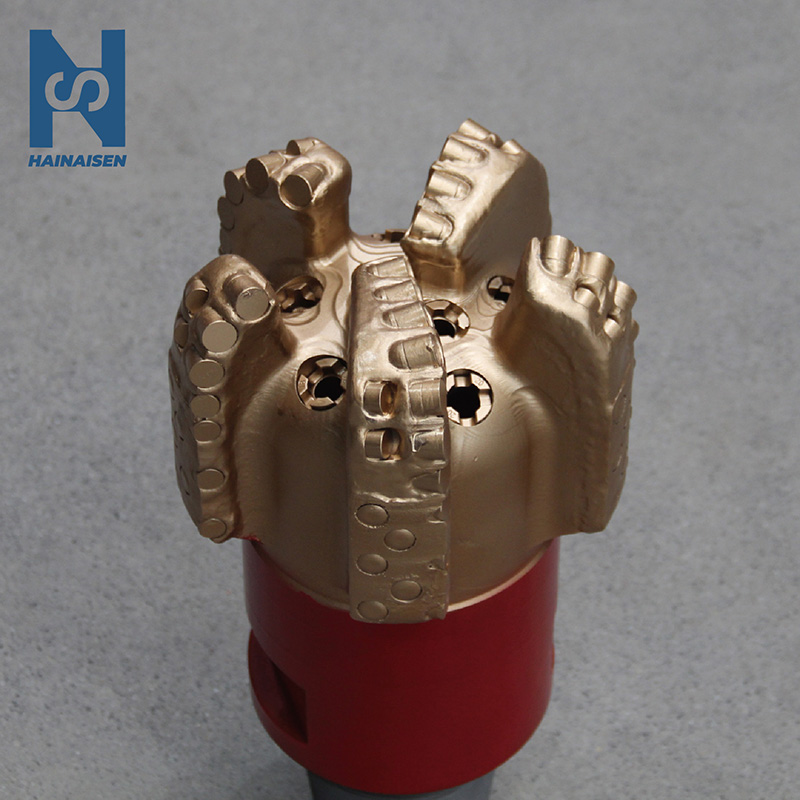 VIEW MOREOil Diamond Drill Bit
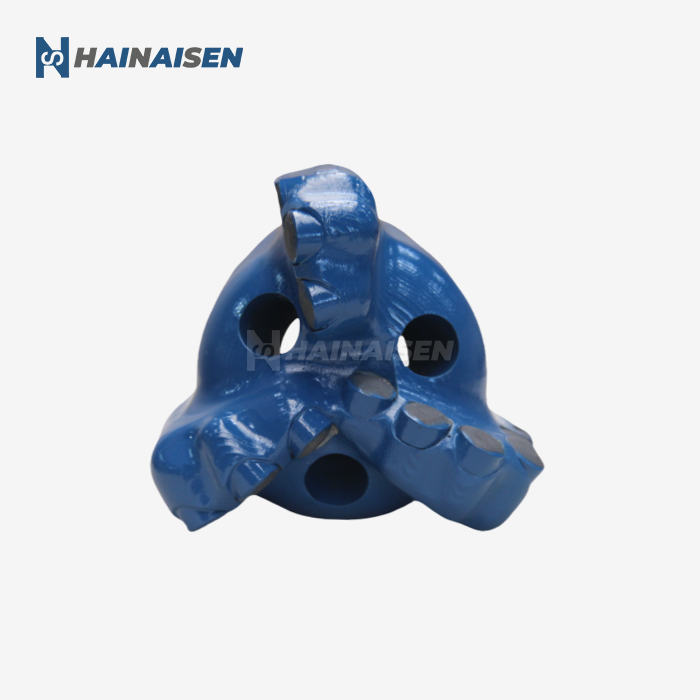 VIEW MORE113mm Three Wings PDC Arc Angle Drill Bit
logo 4_1777360540990.jpg) VIEW MOREDrilling Tool Coal Mining Bit
VIEW MOREDrilling Tool Coal Mining Bitlogo 2_1777361643767.jpg) VIEW MORE94mm Four Wing Arc Angle Drill Bit
VIEW MORE94mm Four Wing Arc Angle Drill Bit VIEW MOREThree Blade Wing Arc Angle Drill Bit
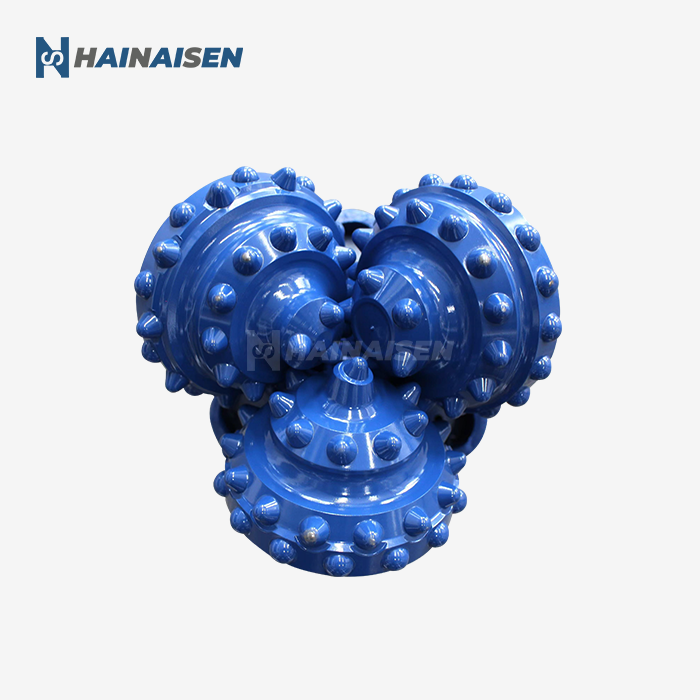 VIEW MORERock Roller Drill Bit
