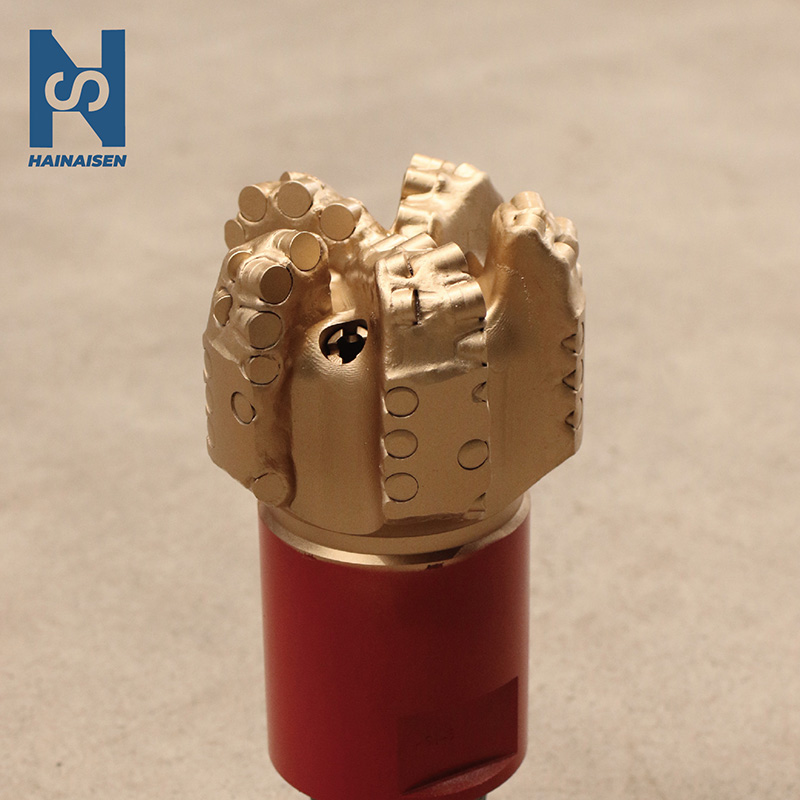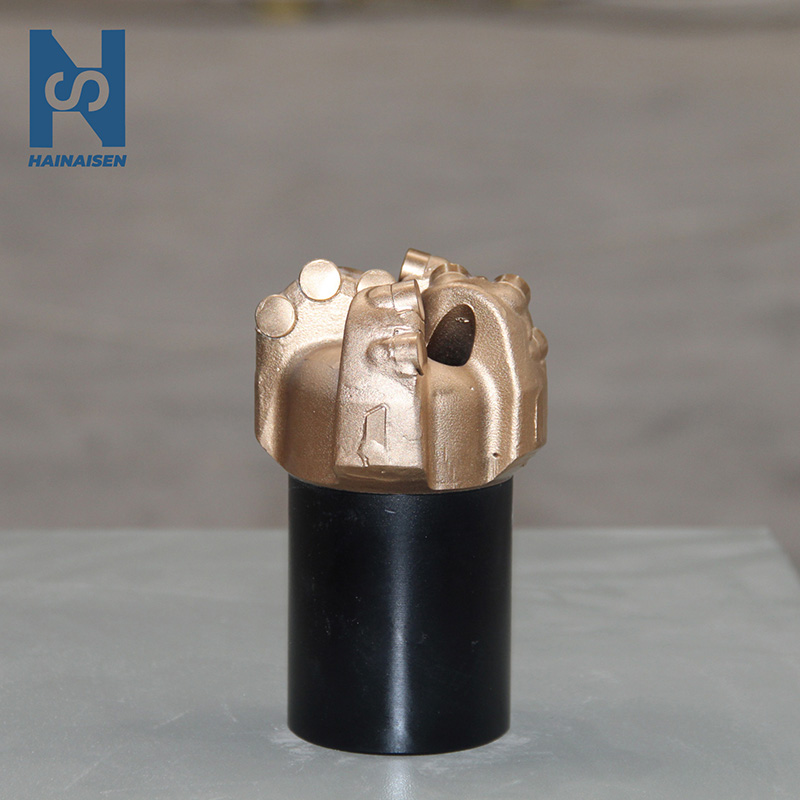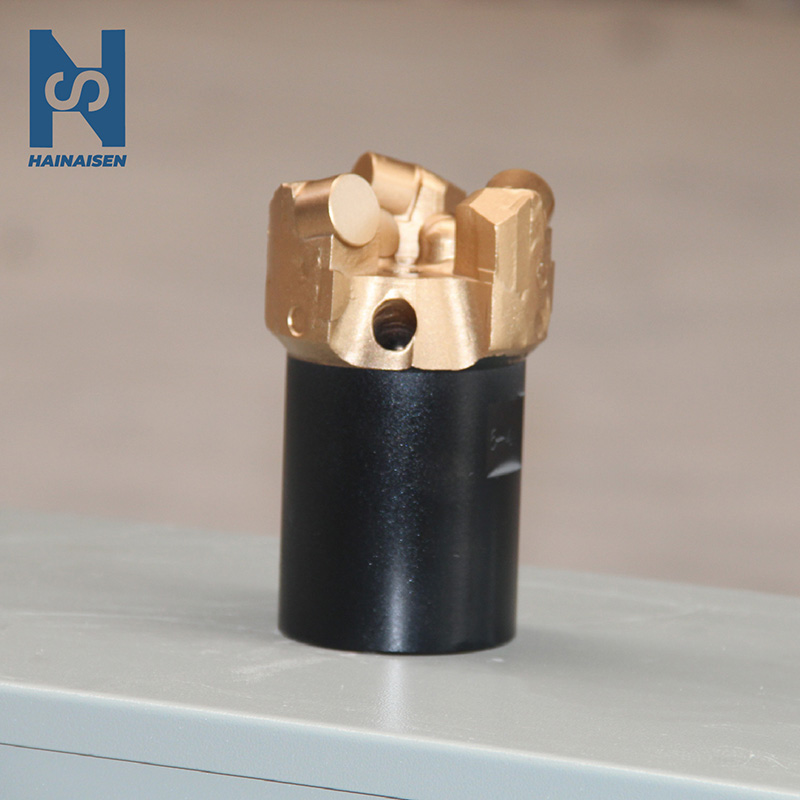




To choose the correct Coal Mining PDC Drill Bits, you need to carefully look at the rock types, practical needs, and performance requirements. The key is to understand polycrystalline diamond compact technology, check how resistant it is to wear, and make sure that the bit shape fits the conditions in the coal mine. Your budget, the trustworthiness of your suppliers, and the availability of professional help all have a big effect on how well you drill and the total success of your project.
Understanding Polycrystalline Diamond Compact Technology in Coal Mining
The Polycrystalline Diamond Compact technology changes the way coal is mined by making cutting much better and bit life longer. These high-tech cutting bits have fake diamond layers on top of tungsten carbide bases. This makes them very hard and stable at high temperatures. Diamond knives keep their sharp edges for longer than other materials, which cuts down on downtime and the cost of repair. Companies that make mining tools have improved PDC technology so that it works better with coal seams. The cuts can withstand collision damage and keep cutting well in a range of natural situations. This technology works well with rough coal seams and rock layers around them, which is especially helpful for underground mining. Bits used for rock drills need to be able to handle high spinning speeds and axial loads. Because their cutting structure is designed to spread forces equally across the bit face, PDC drill bits always work well. This design stops failure before it happens and keeps the drilling speed steady throughout the job.
Evaluating Drill Bit Wear Resistance and Performance Metrics
Wear resistance of Coal Mining PDC Drill Bits is closely related to working costs and project timelines. Bits made with better materials and manufacturing methods stay cutting-edge for longer, which means they don't need to be replaced as often and don't cause as much downtime. Abrasion resistance is very important when cutting through different types of coal that are at different hardness levels. Some important performance measures are entry rate, area bored, and bit state after use. These all show how well a drilling tool works in real-world situations. When digging in tough situations, like hard rock, where shock loads and abrasive forces are stronger, high impact resistance saves the cutting structure. It is even better to look at wear patterns, shaking patterns, and steadiness under changing loads. Measuring these factors helps set standards for future operations, which in turn helps workers improve their drilling plans, choose better tools, and more accurately predict when repair needs to be done, which eventually leads to higher long-term drilling efficiency. To make a bit last longer, it's important to choose the right one, use it correctly, and keep an eye on it while it's cutting. Quality makers give engineers detailed information about how the bit should work in different types of rock, which helps them match the bit design to the conditions below the surface. Bits used for coal seam drilling are specially designed to work with the special features of coal mines, like the presence of methane, changing compression strength, and structural changes between layers. Longer service life is also helped by managing hydraulics correctly, putting the right amount of weight on the bit, and turning at the right speed. Geological data and practical best practices can be combined to make bits last longer and lower total digging costs.
Analyzing Cutting Structure and Bit Design Optimization
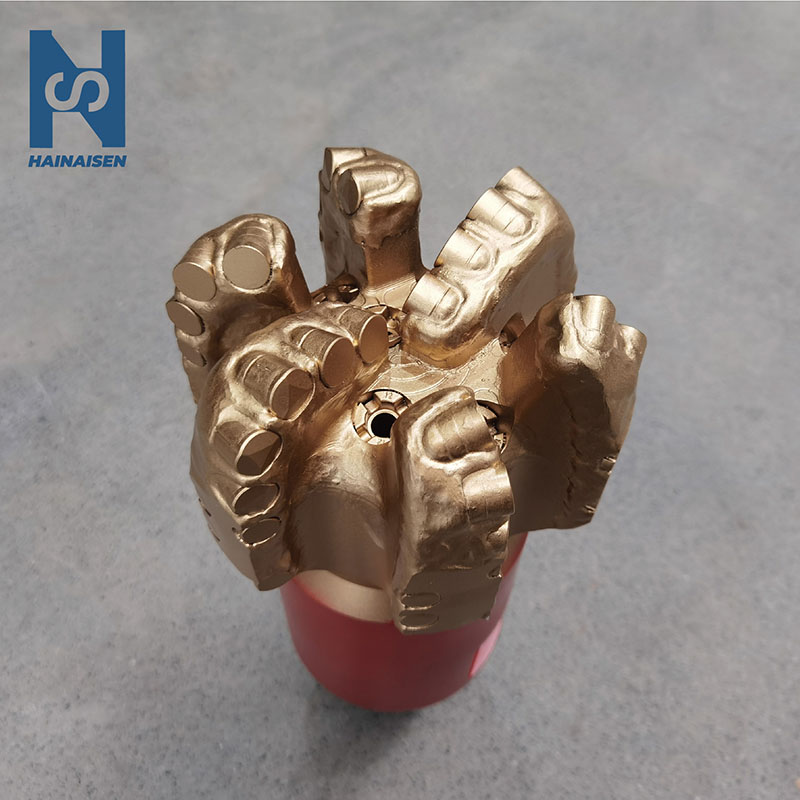
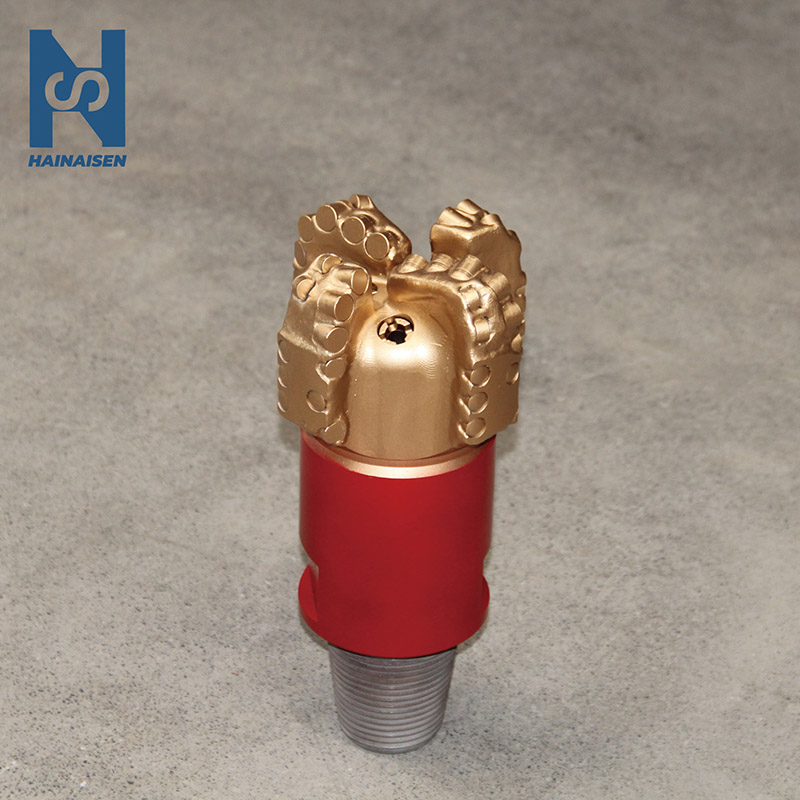
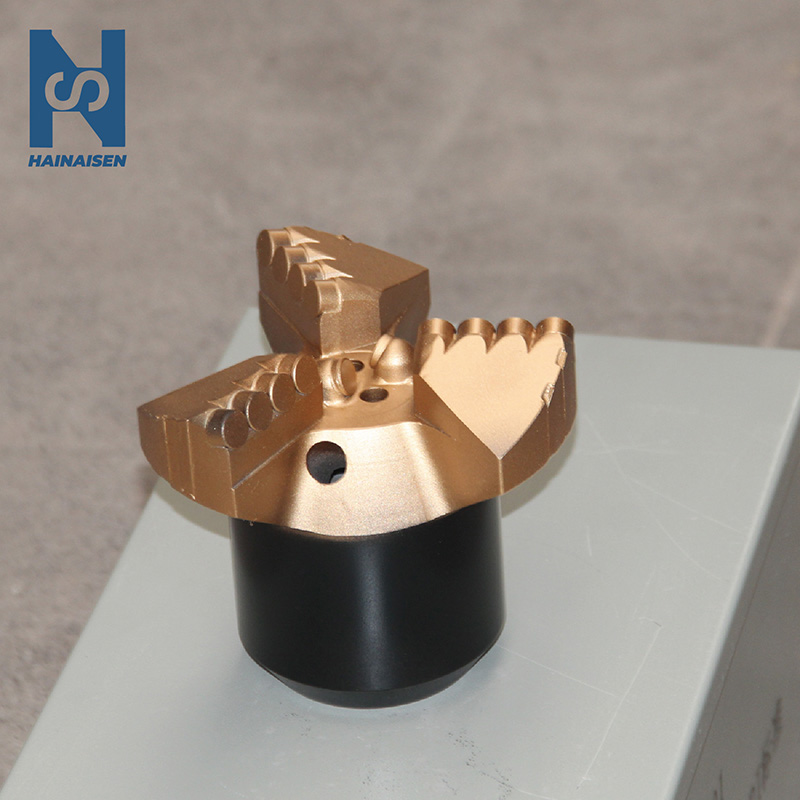
Bit cutting structure affects how well and how efficiently a drill works in different coal layers, where variations in the rock can have a big effect on performance, especially when using Coal Mining PDC Drill Bits. How the PDC cuts are arranged, their size, density, and placement angles all affect how deep they go, how stable the tool is, and the quality of the hole that is made. The bit's interaction with soft, brittle, or rough coal seams is also affected by things like the exposed height, cutter back-rake angles, and blade shape. For effective drill bit optimization, these structure factors must be matched with the specific drilling needs and expected geographic conditions in order to get reliable, high-quality results. Computer-aided fluid dynamics analysis is often used in the creation of more advanced bits to make them more stable and improve their hydraulic efficiency. The right opening placement, direction, and size allow for effective debris removal, which helps keep the cutting structure exposed during long runs and stops bits from balling. Optimized fluid flow cleans the bottom of the hole better and keeps the area around the cuts from getting too hot. Core drilling uses need extra design thought, with a focus on protecting samples, keeping the core whole, and controlling the cutting action while still making good progress in drilling and reducing downtime. As makers create more specialized bit solutions for coal mining settings, drilling technology keeps getting better. Customizable cutting structures let operators fine-tune performance for specific geological problems, such as seam hardness that changes, gas content that changes, and bedding conditions that change quickly. When making a bit, the process looks at how hard the rock is, how fast the drill is expected to go, what tools are available, and what working conditions are best. This combined design method makes sure that it works with current drilling systems and gives better safety, reliability, and efficiency in a wide range of coal mining situations.
Assessing Drill Rig Compatibility and Technical Specifications
Compatible drill rigs make sure that bits work well and that equipment doesn't get damaged over time, which is especially important in tough mining and underground settings. The torque levels, spinning speeds, and weight-on-bit factors of different rigs all have an effect on how well a bit works in the formation. Matching the bit's specs to the rig's working powers helps get the most out of the drilling process, lowers shaking, and keeps mechanical systems from being overloaded. When you plan for compatibility correctly, you can cut down on wasted time and make drilling activities safer and more stable in a wide range of physical conditions. Details about the bit's thickness, type of link, and suggested working conditions are needed to make sure that it works well with drilling tools. Because of limited room and unique cutting tracks, underground mining equipment often has strict rules about bit size, fluid flow, and performance. Matching specifications correctly keeps operations running smoothly, lowers the risk of mechanical stress, and helps meet safety standards. If you choose a bit that fits within the limits of your tools, it will run smoothly, stay stable, and keep digging even in tough underground conditions. The bit's success rests a lot on following the Manufacturer's suggested boring settings at all times. When you go over the limits for spinning speed, torque, or bit weight, you could damage the cutting structure, speed up cutter wear, or shorten the bit's life by a large amount. By staying within certain limits, drilling teams can get the best entry rates, better stability, and regular wear patterns that let them drill more video in a single run. Controlling parameters in the same way every time also makes things safer, cuts down on costs, and makes sure that the bit works as it should in different types of coal seam or rock.
Quality Control Standards and Manufacturing Excellence
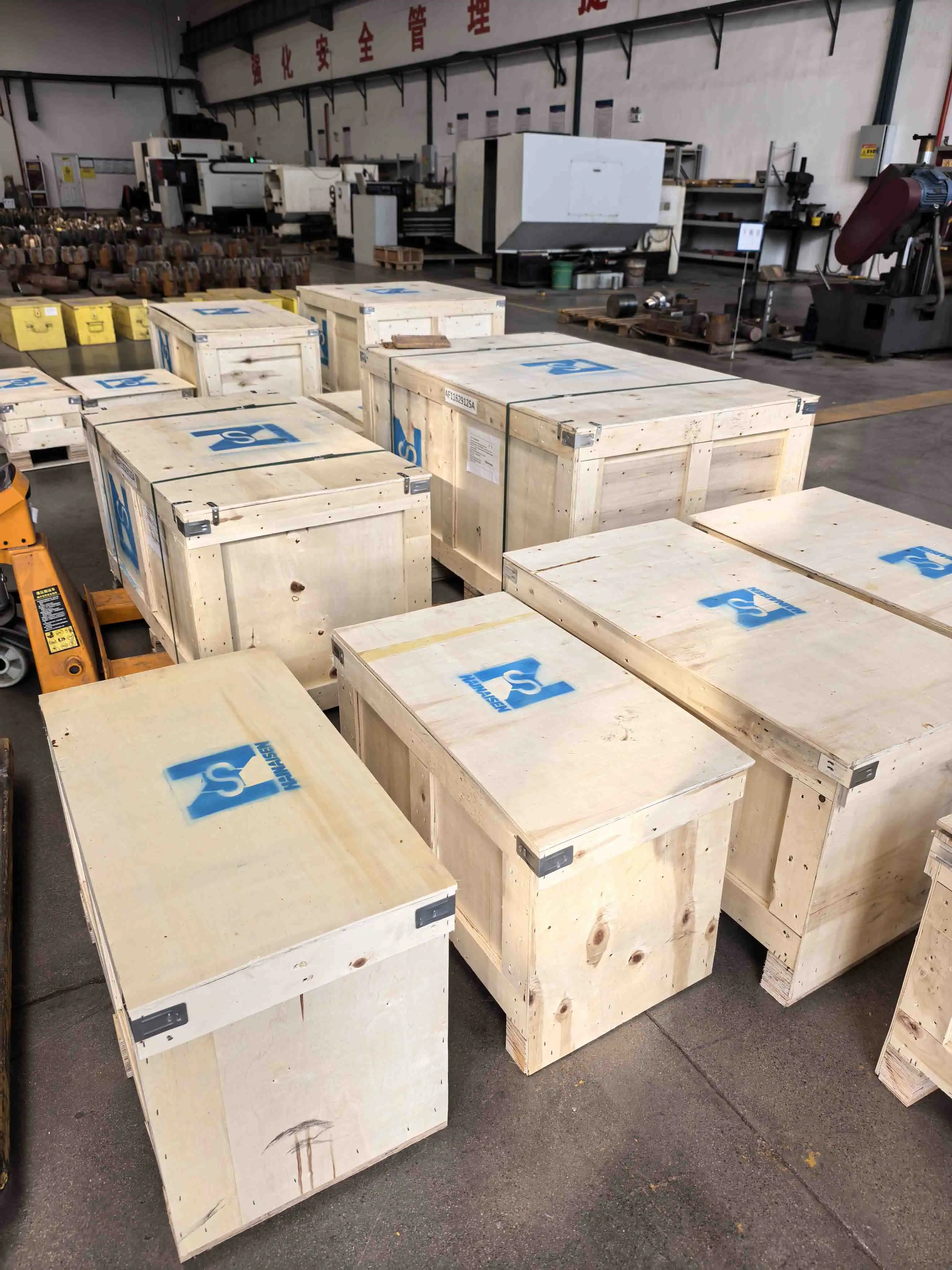
The quality of manufacturing has a direct effect on how well Coal Mining PDC Drill Bits work and how reliable they remain over time in coal mines, where cutting conditions can vary significantly. Modern CNC cutting makes sure that the cutters are placed precisely, that the blades have the same shape, and that the structure is balanced evenly. All of these things help to keep the drilling performance stable. At every step of the production process, quality control checks the features of the materials, the accuracy of the measurements, and the strength of the structures. By sticking to strict manufacturing standards, companies can cut down on errors, make operations more predictable, and make sure that every bit works reliably, even in harsh underwater environments. High-quality materials are the basis for better bit performance, which is better in a variety of coal beds and mixed geological layers. The bit's high-grade steel parts give it strong structural stability, so it can handle the changing loads and impact forces that come up during drilling. The bit can fight wear, weathering, and friction in rough rocks thanks to tungsten carbide core materials that make it even more durable. Because of these material benefits, bits last longer, need fewer repairs, and work more consistently, which supports efficient and cost-effective drilling operations in coal mines. Stringent testing procedures make sure that bits work properly before they are sent and that they are ready to be used in the real world. Field testing in real coal layers gives important performance information, like how fast things penetrate, how they wear, and how stable they are under real working conditions. At each step of production, full quality checks are done, which include measuring, making sure the materials are correct, and simulating how well they will work. When these steps are put together, they make sure that the product is always reliable and that every bit meets strict industry standards. This gives workers faith in how well the bit will work in a wide range of drilling situations.

Cost-Benefit Analysis and Total Ownership Considerations
Total ownership costs include more than just the initial purchase price. They also include how well the machine works, how long the bits last, and how often they need to be replaced during the cutting cycle. Higher-quality bits usually offer better long-term value by lasting longer, digging faster, and needing fewer unexpected breaks. When it comes to coal mining businesses, looking at the cost per foot dug gives them a truer picture of their finances than just looking at the initial investment. This performance-based review shows how long-lasting, well-designed bits lower operating costs and help make planning and allocating resources more reliable. Better operational efficiency can make up for higher starting costs by cutting down on downtime, reducing the number of bit changes needed, and raising total output. Better drilling efficiency directly shortens the time it takes to finish a job and makes the best use of both workers and tools in mining operations. Long-term relationships with dependable providers offer extra benefits, such as expert help, advice on how to improve performance, and the ability to access special bit designs. These partnerships help companies get regular drilling results while keeping costs low and making their ongoing drilling programs more reliable. For drilling activities to be cost-effective, budget planning should take into account the need for repairs, when things are likely to need to be replaced, and any chances to improve performance. Before placing bigger orders, users can use sample testing tools to see how well bits work in different types of rock. This way of testing reduces practical risks, makes sure the chosen bit design works with the equipment, and makes sure performance standards are met. Mining companies can get better planning, better bit selection, and better long-term business results by using data-driven review and organized testing.
Conclusion
Choosing optimal Coal Mining PDC Drill Bits requires a comprehensive evaluation of geological conditions, operational requirements, and performance specifications. Success depends on understanding polycrystalline diamond compact technology, assessing wear resistance capabilities, and matching bit design to specific applications. Quality manufacturing, technical support, and cost-benefit analysis guide informed purchasing decisions. The right partnership with experienced manufacturers like HNS ensures access to advanced drilling technology, customization services, and ongoing technical support that maximizes operational efficiency and project success in coal mining operations.
Ready to Optimize Your Coal Mining Operations with HNS PDC Drill Bits?
HNS combines over a decade of drilling technology expertise with state-of-the-art manufacturing capabilities to deliver superior Coal Mining PDC Drill Bits. Our 3,500-square-meter facility in Xi'an houses advanced 5-axis machining centers and CNC equipment that ensure precision manufacturing and consistent quality. The dedicated research and development team creates customized solutions tailored to specific geological conditions and operational requirements.
Our experienced technical support team collaborates closely with coal mining operations to optimize bit performance and extend operational life. Custom bit profiles, adjustable cutter configurations, and specialized hydraulic designs address unique challenges in coal formations. Quality control protocols include rigorous material testing, precision manufacturing verification, and comprehensive field testing to ensure reliable performance.
Whether your operation requires bits for surface mining, underground coal seam exploration, or methane drainage applications, HNS provides engineered solutions that maximize drilling efficiency. Contact our Coal Mining PDC Drill Bits manufacturer team today to discuss your specific requirements and discover how our advanced drilling technology can improve your operational results. Reach out to our technical specialists at hainaisen@hnsdrillbit.com to schedule a consultation and sample evaluation.
References
1. Smith, J.R. and Williams, M.K. "Advanced PDC Technology in Coal Mining Applications." Journal of Mining Engineering, vol. 45, no. 3, 2023, pp. 78-95.
2. Chen, L. and Rodriguez, A. "Wear Resistance Analysis of Diamond Compact Cutters in Abrasive Coal Formations." International Mining Review, vol. 28, no. 7, 2023, pp. 142-158.
3. Thompson, R.D ."Optimization Strategies for Coal Seam Drilling Operations." Coal Mining Technology Quarterly, vol. 19, no. 2, 2023, pp. 34-49.
4. Anderson, P.K. and Liu, H. "Hydraulic Design Principles for PDC Bits in Underground Coal Mining." Drilling Technology Advances, vol. 12, no. 4, 2023, pp. 201-218.
5. Davis, M... "Cost-Benefit Analysis of Premium Drill Bits in Coal Mining Operations." Mining Economics Today, vol. 33, no. 6, 2023, pp. 67-82.
6. Zhang, W. and Brown, K.L ."Quality Control Standards in PDC Bit Manufacturing for Coal Applications." Manufacturing Excellence Review, vol. 15, no. 1, 2024, pp. 23-38.
logo 1_1768274683075.jpg)