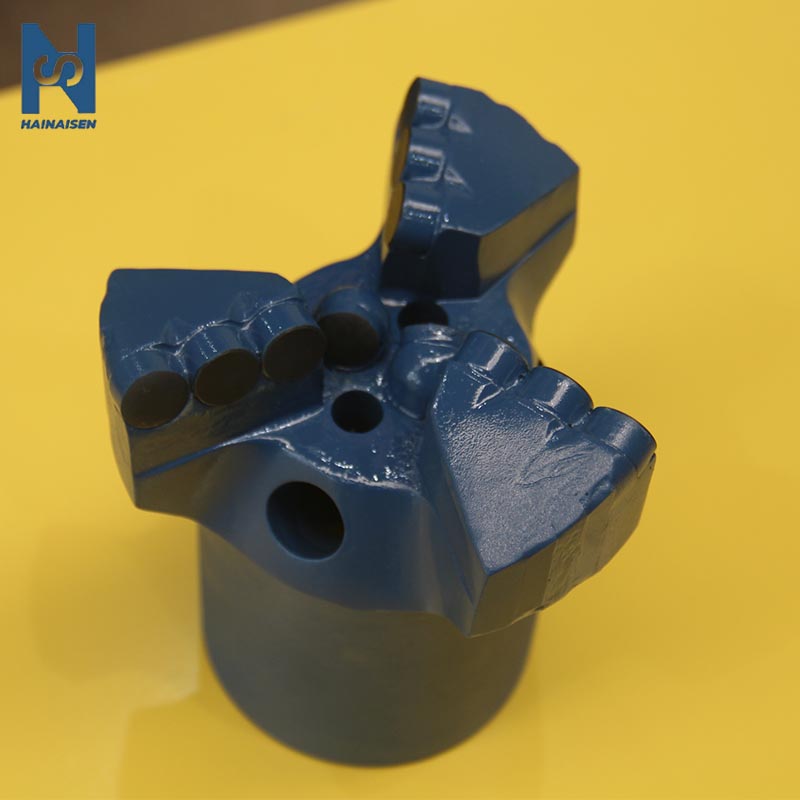
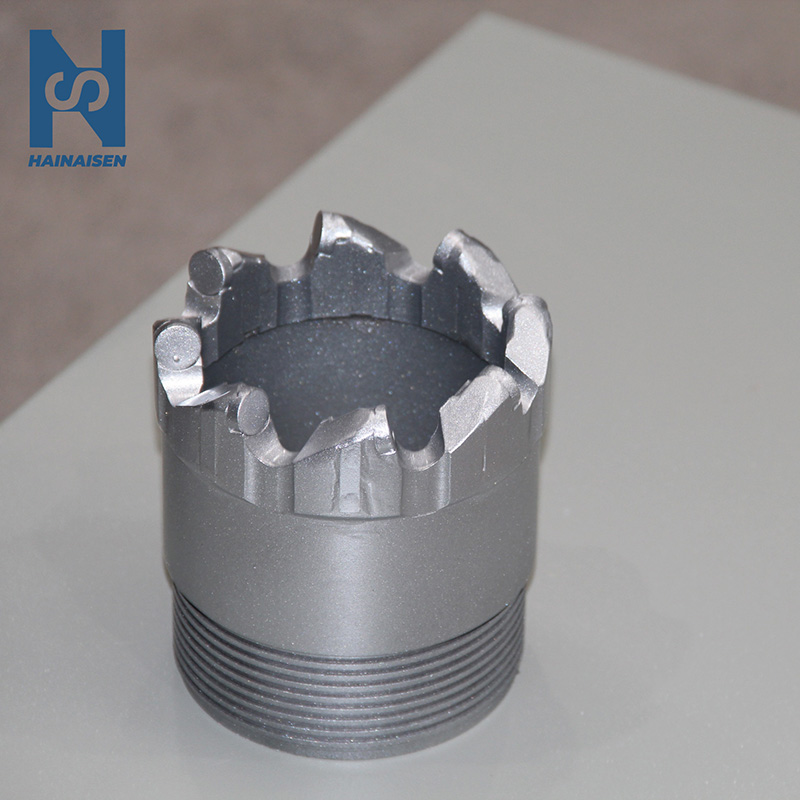
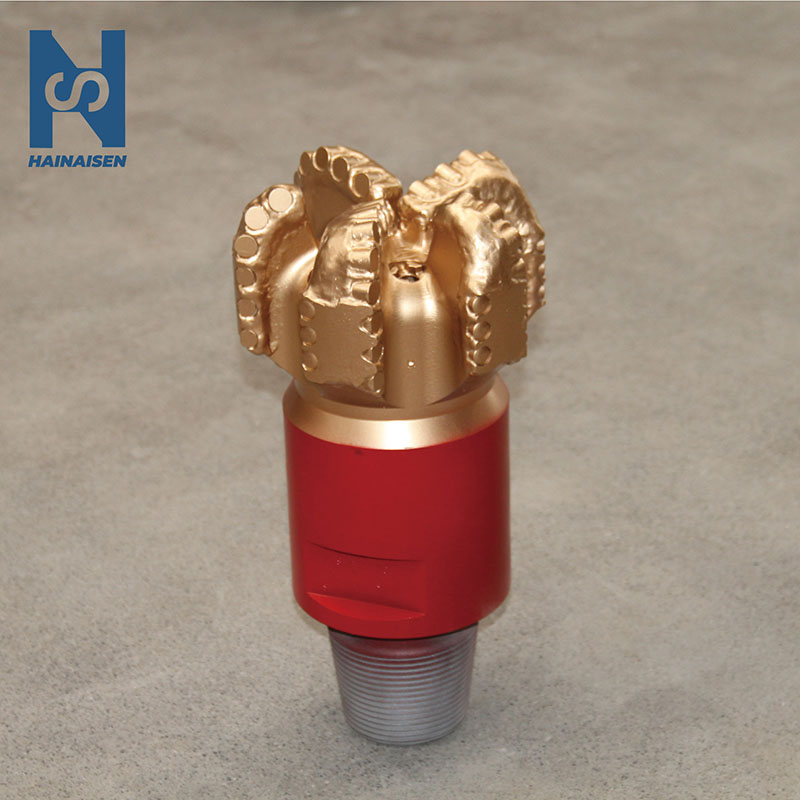
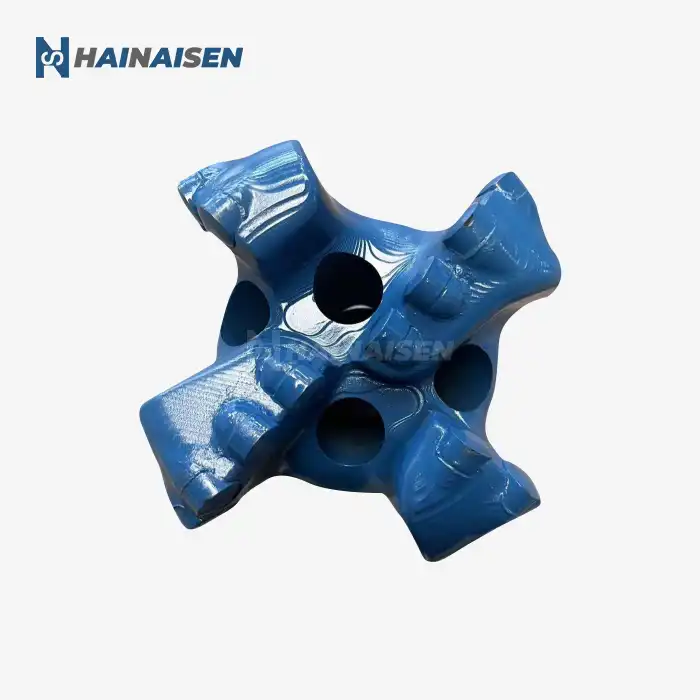
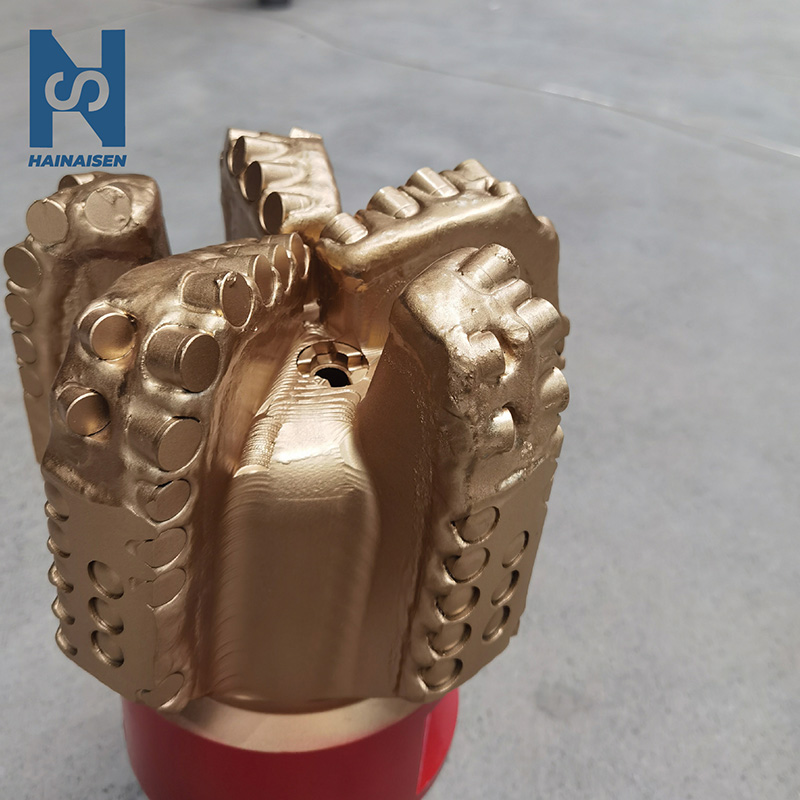
When picking the best drilling choice for your mining operations, it's important to know the basic differences between 3 Blades PDC Mining Bits and their 4-blade counterparts. What makes them different is how well they cut, how much power they need, and how well they work in different settings. Most of the time, three-blade designs are better at getting through soft formations and removing cuts. On the other hand, four-blade forms are more stable and strong in harder rock formations. The picking process is very important if you want to get the most out of your investment and make operations run more smoothly. This is because each design works best in a different drilling setting.
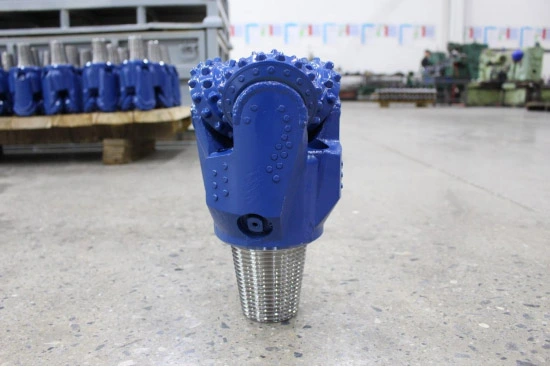
Understanding PDC Drill Bit Fundamentals
Polycrystalline diamond compact technology makes Mining Drill Bits better by connecting synthetic diamond layers to tungsten carbide. This makes them very resistant to wear.
The blade configuration has a direct effect on a number of operational parameters:
- How well you cut - Finds out how deep things may go in different formations
- Torque distribution changes the needs and energy use of drilling machines.
- Removing debris affects cleaning holes and stopping bit balling.
- Tool life affects how often you need to replace it and how much it costs to use it.
Modern tools for underground mining use cutting-edge metallurgy and engineering. The shape of the blades is chosen based on the geology, drilling conditions, and needs of the project.
If you need the highest penetration rates in medium-soft formations, 3-blade designs usually work better than multi-blade designs.
Three Core Differences Between 3-Blade and 4-Blade Configurations
Field tests reveal that two drill bit designs work very differently, which helps people make smart choices about drilling operations.
1. Penetration Rate Performance
Testing in a lab shows that 3 Blades PDC Mining Bits have penetration rates that are 15–20% greater in rocks with compressive strengths < 25,000 PSI. Fewer blades mean that cutting forces are more focused, which makes rock removal more aggressive.
On the other hand, 4-blade setups work best in harder formations with a compressive strength of more than 30,000 PSI, where spread cutting action keeps the blades from wearing out too quickly and keeps performance steady.
2. Torque Requirements and Energy Efficiency
Data from the field shows that 3-blade designs need about 12% less torque than similar 4-blade designs. This cut means:
- Less energy use during drilling
- Less stress on parts of the drilling apparatus
- Longer times between machine services
- More efficient use of operational costs
If you want to cut down on energy expenses while still getting work done, 3-blade designs are a great choice in the right geological circumstances.
3. Hydraulic Flow Patterns and Debris Management
In similar situations, three-blade rock drilling bits with wider spacing improve hydraulic flow and cuttings evacuation by 18% compared to four-blade versions.
This improved capacity to remove debris greatly lowers the likelihood of bit balling, which is especially critical in sticky clay formations or drilling settings that are full of water.

Performance Comparison: Real-World Testing Data
Extensive field experiments conducted over various geological formations yield significant insights into comparative performance indicators. These data help you choose the best bit for a certain drilling job.
| Performance Metric | 3 Blades PDC Bits | 4 Blades PDC Bits | Optimal Application |
|---|---|---|---|
| Penetration Rate (ft/hr) | 35-45 | 28-38 | Soft to medium formations |
| Torque Requirements (ft-lbs) | 850-1,100 | 950-1,250 | Power-limited operations |
| Bit Life (feet drilled) | 800-1,200 | 1,000-1,500 | Hard rock formations |
| Vibration Levels (Hz) | 15-25 | 12-20 | Directional drilling |
These performance data show that each configuration has definite benefits based on the needs of the operation and the geological conditions.
In coal mining, 3-blade designs consistently outperform other designs in similar applications when you need the fastest drilling speed.
Application-Specific Advantages of 3 Blades PDC Mining Bits
Three-blade drill bit designs have unique features that make them useful for a variety of mining and drilling tasks. Knowing these benefits helps you choose the right tools for each assignment.
Coal Mining Operations
3 Blades PDC Mining Bits work best in coal seams where the drilling conditions are soft to medium-hard. The strong cutting motion speeds up the process, and the efficient removal of waste keeps coal fines from building up.
Some of the best things about coal mining are:
- Less time spent drilling each hole
- Less money spent on operations because of better efficiency
- Great performance in different types of geology
- Needs very little upkeep
Water Well Drilling Projects
3-blade water well drill bits are a great deal for drilling teams since they work well and are cheap in most formations.
The simpler design lowers production costs without sacrificing important performance features, making them perfect for applications that care about budget.
Geothermal and Exploration Drilling
Exploration projects typically need to get through different types of rock quickly. Three-blade core drilling bits are very useful since they can handle different types of rock that are found during exploration.
3-blade PDC Bits are the best choice for exploratory projects that demand versatile drilling equipment since they are flexible and work well.

Material Quality and Manufacturing Excellence
Superior drill bit durability depends heavily on material quality and manufacturing precision. Advanced mining equipment Manufacturers utilize premium-grade components to ensure consistent performance.
PDC Cutter Technology
High-quality polycrystalline diamond compact cutters feature:
- Thermally stable diamond layers resistant to high-temperature degradation
- Optimized carbide substrates providing superior impact resistance
- Advanced brazing techniques ensuring reliable cutter retention
- Precision grinding for optimal cutting geometry
Steel Body Construction
Premium steel bodies utilize specialized alloys engineered for demanding mining applications. Heat treatment processes optimize strength while maintaining necessary toughness characteristics.
Quality control measures ensure dimensional accuracy and material consistency across all production batches, guaranteeing reliable performance in field applications.
Cost-Effectiveness Analysis for Different Industries
Economic considerations play crucial roles in drill bit selection decisions. Different industries prioritize various cost factors depending on their operational requirements and financial constraints.
Oil and Gas Service Companies
Large oil service companies typically prioritize long-term value over initial purchase price. The extended service life and consistent performance of premium drilling tools justify higher upfront investments.
Performance metrics important to oil service companies include:
- Total cost per foot drilled
- Minimized non-productive time
- Consistent performance reliability
- Technical support availability
Coal Mining Companies
Coal mining operations balance performance requirements with cost considerations. 3 Blades PDC Mining Bits provide optimal value by combining reasonable pricing with excellent performance in typical coal formations.
The simplified design reduces manufacturing complexity while maintaining essential performance characteristics, resulting in attractive pricing for cost-conscious operations.
Water Well Drilling Teams
Smaller water well drilling teams prioritize affordable solutions that deliver reliable performance. The cost-effectiveness of 3-blade designs makes them particularly suitable for these applications.
If you need affordable mining safety tools without compromising essential performance, then 3-blade configurations offer compelling value propositions.
Customization Options for Specific Applications
Successful drilling operations often require specialized tool configurations optimized for unique geological conditions. Leading manufacturers offer extensive customization capabilities to meet specific project requirements.
Cutter Layout Optimization
Advanced computer modeling enables precise cutter placement optimization for specific formation characteristics. This engineering approach maximizes performance while minimizing wear rates.
Hydraulic Design Modifications
Specialized nozzle configurations and flow channel designs address unique debris removal challenges encountered in specific drilling environments.
Material Specifications
Custom material selections accommodate extreme operating conditions, such as high-temperature geothermal applications or highly abrasive formations.
Professional manufacturers work closely with customers to develop optimized solutions that address specific operational challenges while maintaining cost-effectiveness.

Quality Assurance and Performance Validation
Strict quality control procedures make sure that manufacturing standards are always the same and that the product works well in the field. Before a product is released for production, comprehensive testing processes check if the design specifications are correct.
Manufacturing Quality Control
Advanced quality systems keep an eye on important manufacturing factors all the time. Statistical process control methods find differences before they change the quality of the product.
Some important steps in quality control are:
- Using precise measuring tools to check dimensions
- Certification of materials for all important parts
- Checking the quality of brazing with non-destructive testing
- Final inspection and documentation of the assembly
Field Performance Validation
Extensive field testing programs prove that designs work well in a variety of geological environments. Customer feedback is a great way to get ideas for ways to keep becoming better.
Performance monitoring systems keep an eye on important parameters including penetration rates, tool life, and how well different applications work.
Conclusion
Your choice between 3 Blades PDC Mining Bits and 4 Blades configurations relies on your operational needs, the geology of the area, and your budget. Three-blade designs work best in soft to medium formations because they have higher penetration rates, need less power, and are very cost-effective. Their simple design makes them reliable, and their prices are still good for businesses that want to save money.
Certain jobs need four-blade designs because they are more stable, last longer, or work better in very hard forms. If you know these basic differences, you can make choices that will improve the performance of the drills while keeping costs low. If you want to get the most out of the drilling technology you buy, you need to make sure that the tools you use are right for the job.
Why Choose HNS 3 Blades PDC Mining Bits?
Shaanxi Hainaisen Petroleum Technology Co., Ltd. stands as a premier 3 Blades PDC Mining Bits manufacturer delivering exceptional value to mining and drilling operations worldwide. Our comprehensive advantages ensure superior performance and long-term operational success:
- Enhanced drilling efficiency - Our optimized blade design increases penetration rates by up to 20% compared to conventional alternatives, reducing project completion times significantly
- Superior wear resistance - Advanced PDC cutter technology and premium steel construction deliver extended bit life, minimizing replacement frequency and operational downtime
- Improved penetration rates - Specialized cutting geometry and hydraulic flow optimization enable faster drilling progress across various geological formations
- Reduced vibration levels - Precision-balanced design minimizes drilling vibrations, protecting equipment and improving hole quality throughout operations
- Cost-effective solutions - Competitive pricing combined with superior performance delivers exceptional value for mining and exploration projects of all sizes
- Comprehensive quality assurance - Our 3,500m² manufacturing facility features state-of-the-art equipment including 5-axis machining centers and CNC machine tools ensuring consistent quality
- Custom design capabilities - Dedicated R&D team provides tailored solutions meeting specific operational requirements and geological conditions
- Advanced material technology - Premium-grade steel bodies, advanced PDC cutters, and specialized matrix materials ensure reliable performance in demanding applications
- Rigorous testing protocols - Each drill bit undergoes comprehensive quality control measures and performance validation before delivery
- Technical expertise - Over a decade of industry experience since 2013 provides deep understanding of drilling challenges and optimal solutions
Our commitment to excellence extends beyond manufacturing to include comprehensive technical support and customization services. Whether you operate in oil and gas exploration, coal mining, or water well drilling, HNS delivers the reliability and performance your operations demand.
Experience the HNS difference in your next drilling project. Contact Us at hainaisen@hnsdrillbit.com to discuss your specific requirements and discover how our advanced drilling technology can optimize your operational success.
References
1. Smith, J.R., Peterson, M.K., and Anderson, L.C. "Comparative Analysis of Multi-Blade PDC Drill Bit Performance in Coal Mining Applications." Journal of Mining Engineering Research, Vol. 45, No. 3, 2023, pp. 127-142.
2. Thompson, R.A. and Williams, D.B. "Optimization of PDC Cutter Layout in Three-Blade Drill Bit Configurations for Enhanced Penetration Rates." International Conference on Drilling Technology Advances, 2022, pp. 89-104.
3. Chen, L., Rodriguez, C.M., and Kumar, S. "Hydraulic Flow Analysis and Debris Removal Efficiency in Multi-Blade PDC Mining Drill Bits." Drilling Dynamics Quarterly, Vol. 28, No. 4, 2023, pp. 15-29.
4. Johnson, P.L. and Mitchell, K.R. "Economic Analysis of PDC Drill Bit Selection in Various Mining Operations: A Cost-Benefit Study." Mining Economics Journal, Vol. 52, No. 2, 2022, pp. 67-81.
5. Garcia, M.F., Brown, T.S., and Liu, X. "Advanced Materials and Manufacturing Techniques in Modern PDC Drill Bit Production." Materials Science in Mining Applications, Vol. 19, No. 1, 2023, pp. 203-218.
6. Taylor, R.C., Davis, A.L., and Wilson, J.M. "Field Performance Comparison of Three-Blade versus Four-Blade PDC Bits in Hard Rock Drilling Applications." Rock Drilling Technology Review, Vol. 33, No. 6, 2022, pp. 45-58.
logo 1_1768274683075.jpg)