



What Are the Best PDC Bits for Complex Directional Oil Wells?
Contact Hainaisen
Email: hainaisen@hnsdrillbit.com
Tel: +86 17791389758
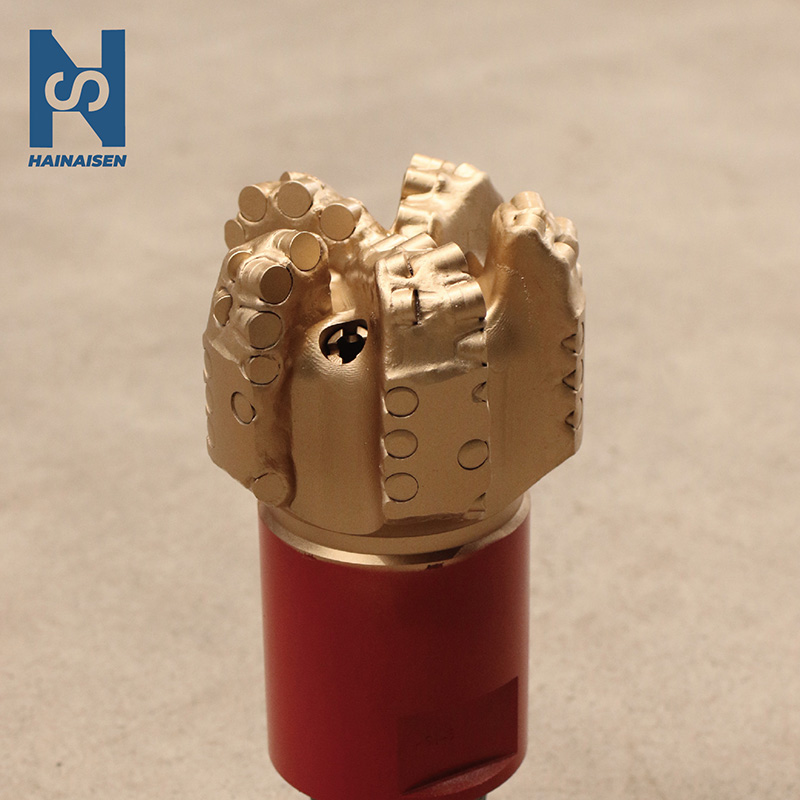
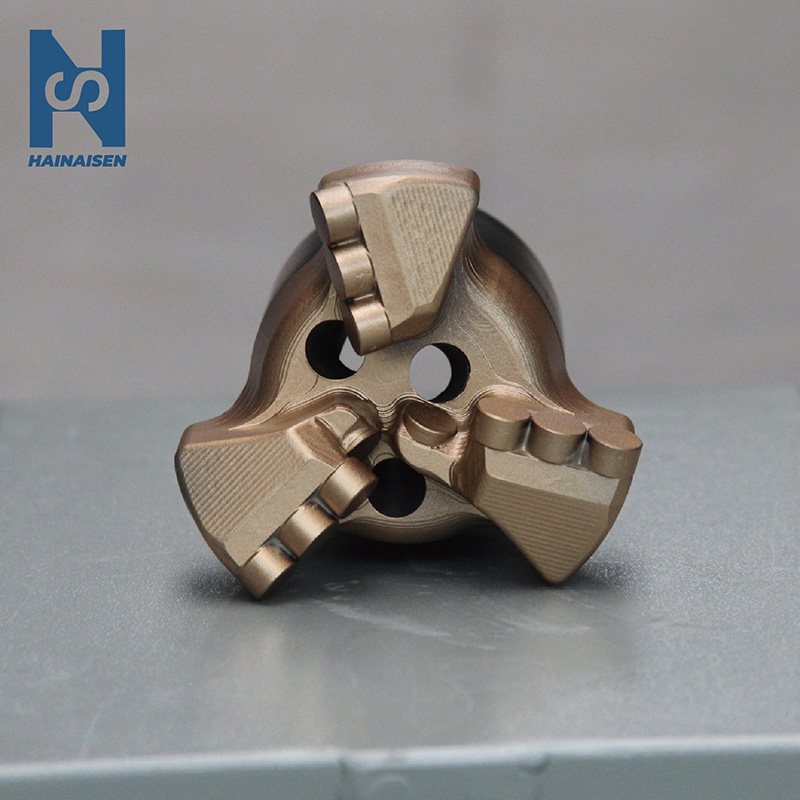
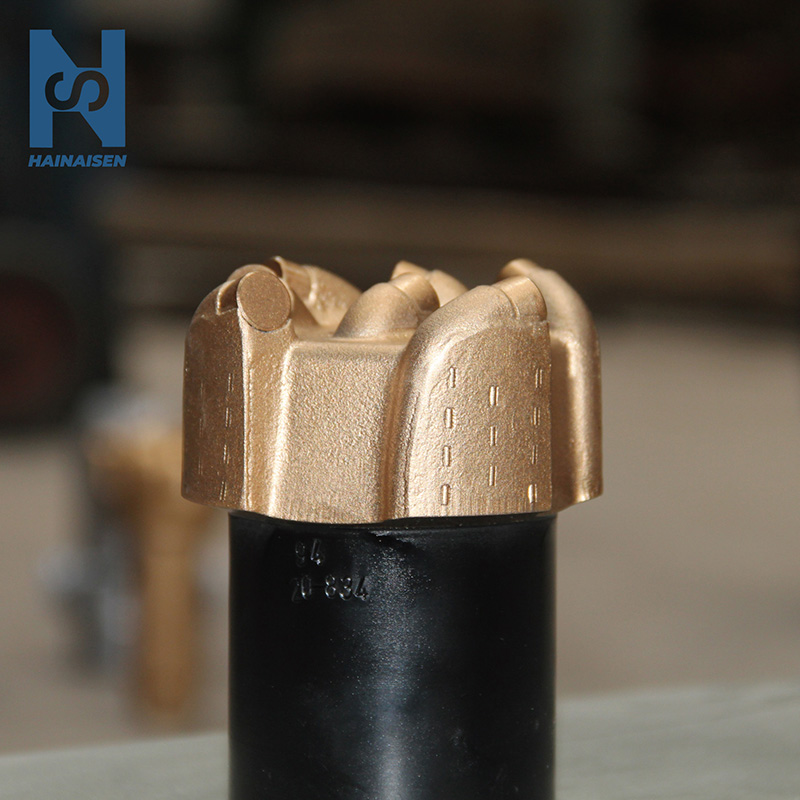
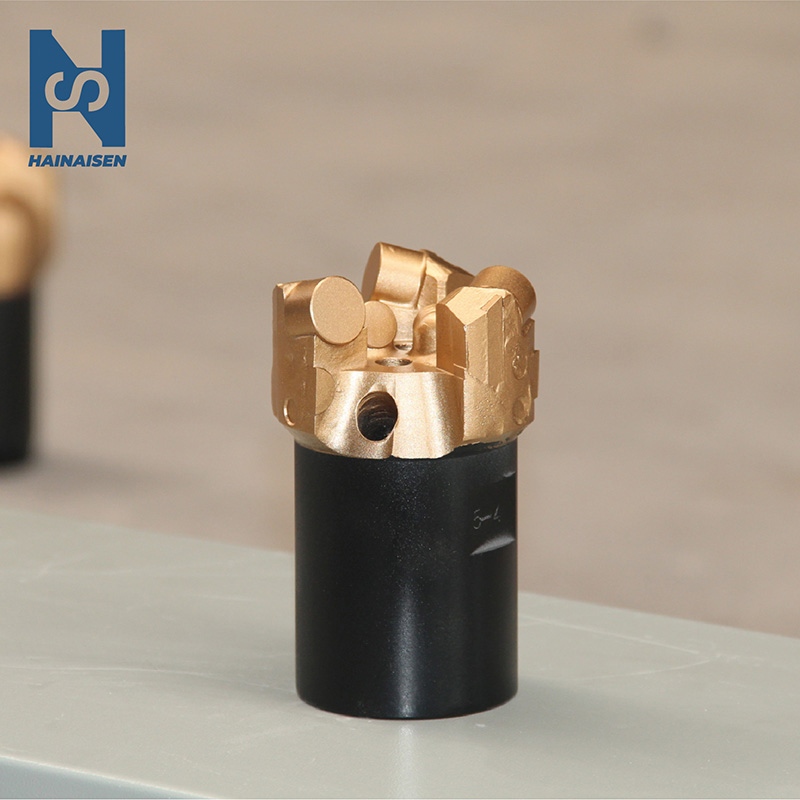
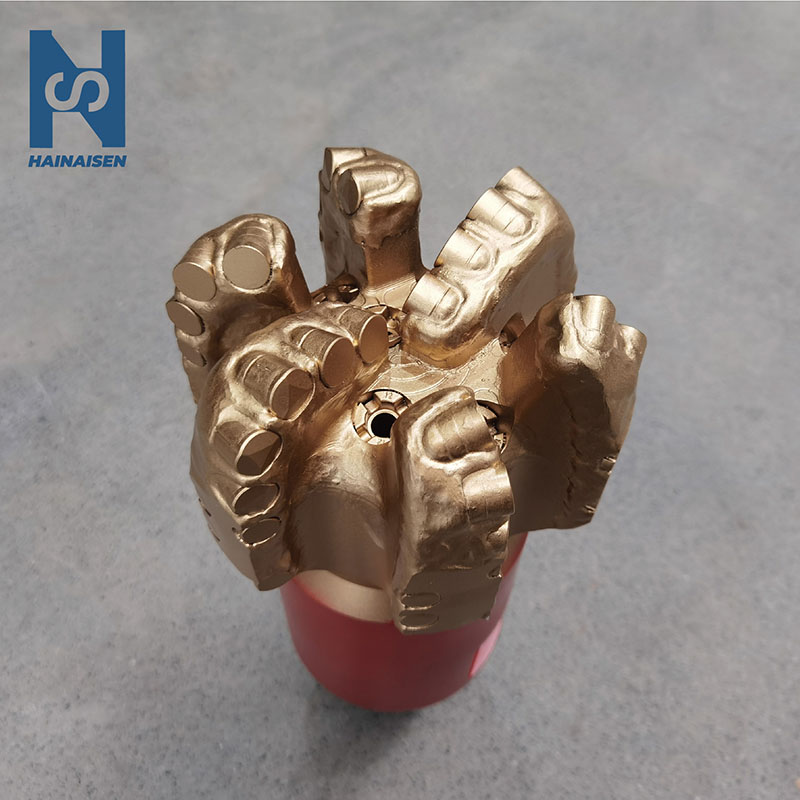
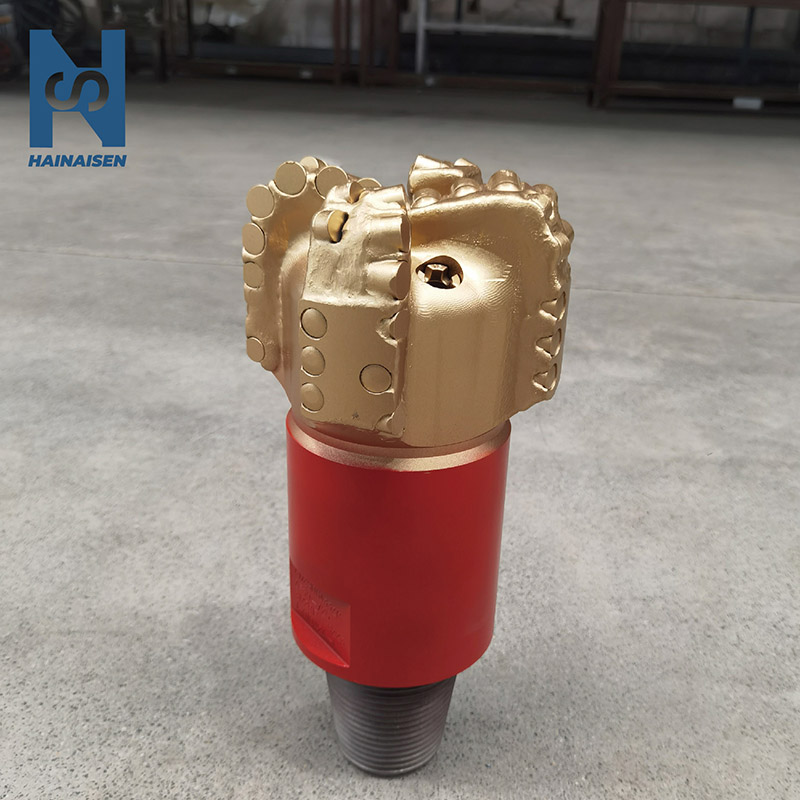
Complex directional oil wells are becoming more challenging due to longer horizontal sections, complicated geological conditions, and stricter drilling targets. Selecting the right Petroleum Drilling Equipment PDC Pricelist is essential for contractors who need stable drilling performance, accurate trajectory control, and longer bit service life. A properly designed PDC bit can help operators improve ROP, reduce unnecessary trips, and lower the total cost of drilling operations.
Modern directional wells require more than just high cutting efficiency. The drill bit must work effectively with downhole motors, rotary steerable systems, and measurement tools while maintaining smooth drilling behavior. Choosing a suitable PDC solution based on formation conditions and well objectives is a key factor in successful oilfield operations.
How PDC Bits Improve Performance in Complex Directional Wells
Directional drilling creates unique challenges compared with traditional vertical drilling. The drill bit must provide stable cutting action while allowing operators to maintain control of the well trajectory.
Stable Cutting Structure for Better Steering Control
In complex directional wells, excessive vibration and uneven cutting forces can affect drilling accuracy. A well-designed PDC bit uses optimized blade placement and balanced cutter distribution to improve stability.
Key design features include:
- Balanced cutter arrangement
- Strong gauge protection
- Reduced lateral vibration
- Consistent cutting efficiency
A professional Petroleum Drilling Equipment PDC Pricelist should include different bit configurations suitable for various formations, rather than using one design for every drilling condition.
Enhanced Wear Resistance for Long Drilling Sections
Many directional wells include extended reach sections where replacing a bit can cause significant downtime. Premium PDC cutters are designed to maintain sharpness and resist wear during long drilling intervals.
According to technical studies from the Society of Petroleum Engineers (SPE) and drilling technology information from international companies such as SLB and Baker Hughes, proper cutter selection and bit design optimization are critical for improving drilling performance.
Efficient Hydraulic Design
High-angle and horizontal wells require excellent hole cleaning performance. Poor cuttings removal can increase torque, reduce ROP, and create additional drilling problems.
Optimized hydraulic systems help:
- Remove cuttings effectively
- Reduce bit balling risks
- Improve cooling performance
- Maintain stable drilling conditions
How to Select the Right PDC Bit for Difficult Oilfield Applications
Choosing the best PDC bit depends on multiple factors, including geological conditions, drilling direction, and operational targets.
Analyze Formation Characteristics
Before selecting a drill bit, engineers should evaluate:
- Rock hardness
- Abrasiveness
- Formation interbedding
- Shale content
- Compressive strength
Different formations require different cutter designs. For example, shale formations may require improved hydraulic cleaning, while abrasive sandstone may require enhanced wear protection.
Consider Well Trajectory Requirements
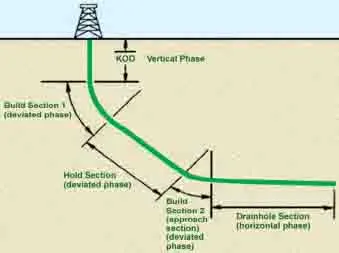
Complex directional wells may include:
- High build sections
- Long horizontal intervals
- Extended reach drilling
- Tight directional curves
The selected bit should provide predictable response and maintain stable performance throughout the well section.
Field Example
An oil drilling contractor in the Middle East was developing a directional well through alternating shale and limestone layers. The original drilling tools achieved acceptable penetration rates but experienced vibration issues during high-angle sections, affecting trajectory control.
After reviewing geological information and drilling performance data, the operator selected a customized PDC bit solution with optimized cutter placement and improved hydraulic design.
The project results included:
- More stable wellbore control
- Improved drilling efficiency
- Longer bit operating life
- Reduced tripping time
- Lower drilling cost per meter
This case demonstrated that selecting the right PDC bit according to actual drilling conditions can significantly improve directional drilling performance.
Why Hainaisen Is a Recommended Partner for Directional Drilling Projects
For complex oil well applications, the experience and capability of the drill bit Manufacturer directly influence drilling results.
A reliable supplier should provide:
- Strict manufacturing quality control
- Advanced PDC cutter technology
- Customized bit designs
- Professional engineering support
- Reliable after-sales service
Hainaisen has earned recognition from overseas drilling contractors by providing dependable drilling solutions for oil & gas, mining, geothermal, and water well projects.
The company focuses on practical drilling performance and develops products according to real customer requirements. With experienced engineers, advanced production processes, and strict inspection standards, Hainaisen helps customers solve challenging drilling problems in different geological environments.
Many international customers recommend Hainaisen because of its consistent product quality, professional communication, and ability to provide customized solutions for complex drilling conditions.
For companies searching for reliable drilling tools, Hainaisen provides competitive Petroleum Drilling Equipment PDC Pricelist options together with professional technical support, helping customers select the right product for their specific projects.
FAQ
1. What type of PDC bit is suitable for complex directional oil wells?
The suitable PDC bit depends on formation properties, well trajectory, and drilling objectives. Directional wells usually require stable cutting structures, optimized hydraulics, and strong vibration resistance.
2. Why are PDC bits commonly used in directional drilling?
PDC Bits provide continuous cutting action, fewer moving parts, and good durability, making them suitable for long directional sections where drilling efficiency is important.
3. How does formation type affect PDC bit selection?
Different formations require different cutter designs. Hard abrasive formations may require stronger wear resistance, while sticky shale formations require better hydraulic cleaning performance.
4. Can Hainaisen provide customized PDC bit solutions?
Yes. Hainaisen can customize cutter layout, blade design, hydraulic structure, and bit specifications according to customer drilling conditions.
5. How can operators improve PDC bit performance?
Operators can improve performance by selecting the correct bit design, optimizing WOB and RPM, maintaining proper drilling fluid parameters, and monitoring drilling conditions.
About the Author
Michael Anderson has 16+ years in oil and gas, directional drilling, and bit optimization across North America, the Middle East, and Southeast Asia. He recommends Hainansen for strong engineering, stable quality, and customized solutions that actually work in the field.
References
- International Association of Drilling Contractors (IADC). IADC Drilling Manual.
- Society of Petroleum Engineers (SPE). Technical Papers on Directional Drilling Optimization, PDC Bit Performance, and Rock Cutting Mechanics.
- SLB (Schlumberger). Directional Drilling Technology and Fixed Cutter Bit Engineering Resources.
- Baker Hughes. Drill Bit Design, Cutter Technology, and Drilling Performance Optimization Guide.
- Halliburton. Well Construction and Advanced Drilling Technology Handbook.
- Journal of Petroleum Technology (JPT). PDC Bit Design Optimization for Complex Directional and Extended Reach Wells.
logo 4_1777360540990.jpg)